


| Contents |
|---|

Introduction
Paris is the capital of France, the second largest and most populous city in Europe (after London), as well as the world's fashion capital. With over 30 million foreign visitors per year, it is the world's most visited city.
The population of Paris is approximately of 2,153,600 within city limits (20 arrondissements), and 9.93 million for the Greater Paris. The metropolitan area exceeds 12 million inhabitants, giving it a larger population than 36 of Europe's 45 countries.
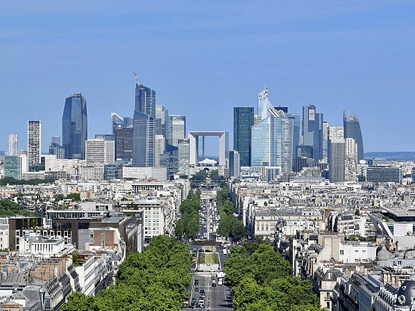
The city contributes to a quarter of France's GDP. The district of La Défense is the largest purpose-built business district in Europe, and hosts the head offices of almost half of the major French companies, including 10 of the world's 100 largest companies.
Paris also hosts many international organizations such as United Nations Educational, Scientific and Cultural Organization (UNESCO), the Organisation for Economic Co-operation and Development (OECD), the International Chamber of Commerce (ICC), or the Paris Club (an informal group of the 19 richest IMF members).
Interesting Facts about Paris
| Fun Facts about Paris |
|---|
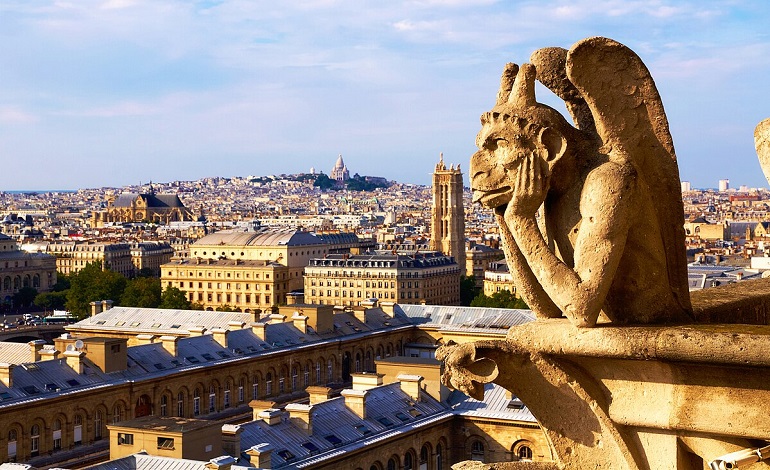
Uncover amazing facts about Paris you never knew. From underground mysteries to cultural quirks, explore the surprising side of the City of Light.
|
History
| History of Paris |
|---|

Uncover Paris's captivating history from its origins as Lutetia through medieval glory, revolution, and emergence as a global centre.
|
Main Attractions

| List of attractions by arrondissement |
|---|
|
|
Landmarks & Monuments







Squares, Avenues & Parks

Top Museums
Paris stands as one of the world's great cultural capitals, boasting nearly 150 museums that span every conceivable subject and artistic movement. From palatial galleries housing treasures from antiquity to intimate artists' studios preserved in time, the French capital offers an extraordinary journey through human creativity and knowledge. This extensive guide explores the remarkable diversity of Parisian museums, organised by theme and significance.
Paris's Greatest Art Museums
| Louvre Museum |
|---|

The Louvre is undoubtedly the crown jewel of Parisian museums. As the world's largest and most visited art museum, it houses over 380,000 objects, including the famous Mona Lisa by Leonardo da Vinci and the Venus de Milo sculpture. The museum's stunning architecture, with its iconic glass pyramid, is a work of art in itself.
|
| Musée d'Orsay |
|---|

Housed in a former railway station, the Musée d'Orsay boasts the world's largest collection of Impressionist and Post-Impressionist masterpieces. Visitors can admire works by renowned artists such as Monet, Van Gogh, Cézanne, and Renoir in this beautifully renovated Beaux-Arts building.
|
Centre Pompidou (Musée national d'Art moderne)
The Centre Pompidou stands as both an architectural icon and a temple to modern and contemporary art. Designed by Richard Rogers and Renzo Piano, the building's radical inside-out design—with its exposed structural elements, pipes, and escalators—was revolutionary when completed in 1977 and remains striking today.
The National Museum of Modern Art within the Centre Pompidou houses Europe's largest collection of 20th and 21st-century art, with over 100,000 works spanning painting, sculpture, drawing, photography, new media, cinema, design, and architecture. The collection begins with Fauvism and Cubism, featuring seminal works by Picasso, Braque, Matisse, and Derain, before progressing through Surrealism (with major pieces by Dalí, Magritte, and Ernst), Abstract Expressionism, Pop Art, and contemporary movements. The fourth floor focuses on contemporary art from 1960 onwards, including video installations, digital art, and experimental media.
History Museums
| Musée de l'Armée (Les Invalides) |
|---|

The Musée de l'Armée is one of the world's largest military history museums, housed in Paris's prestigious Hôtel National des Invalides. It displays over 500,000 artefacts spanning from the Bronze Age to present day, including armour, weapons, uniforms, and personal effects of Napoleon Bonaparte. The museum also houses Napoleon I's tomb beneath the iconic golden dome.
|
Musée de Cluny (Musée National du Moyen Âge)
The Musée de Cluny offers an extraordinary journey into medieval Europe, combining the remains of Roman thermal baths with a 15th-century Gothic mansion. This unique setting creates an atmospheric backdrop for one of the world's finest collections of medieval art and artefacts.
The museum's most celebrated treasures are the Lady and the Unicorn tapestries, six allegorical works from the late 15th century that represent the five senses plus a mysterious sixth panel inscribed "À mon seul désir" (To my only desire). These exquisite tapestries, woven with silk and wool threads enhanced with silver and gold, display remarkable preservation and artistic sophistication.
Other highlights include medieval sculpture, illuminated manuscripts, stained glass, goldsmith work, and ivory carvings. The Roman thermal baths, dating from the 1st to 3rd centuries CE, provide insight into ancient Lutetia (Roman Paris), with remarkably preserved frigidarium (cold room) featuring ribbed vaults that reach 14 metres in height.
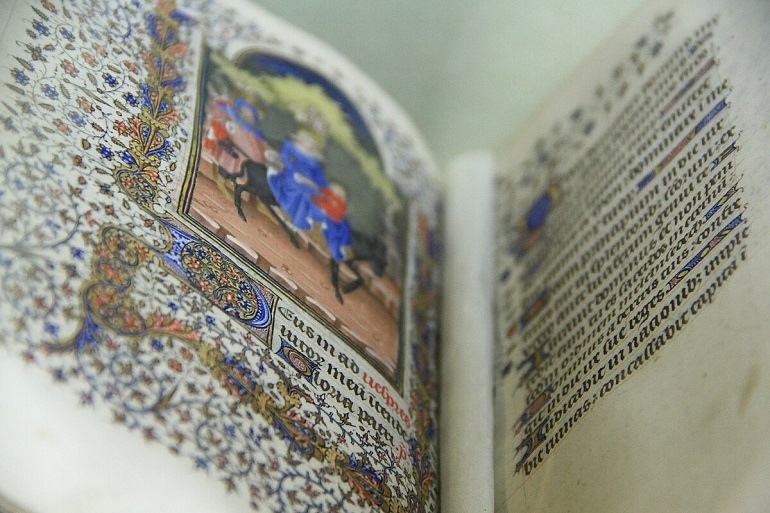
Musée national de la Marine
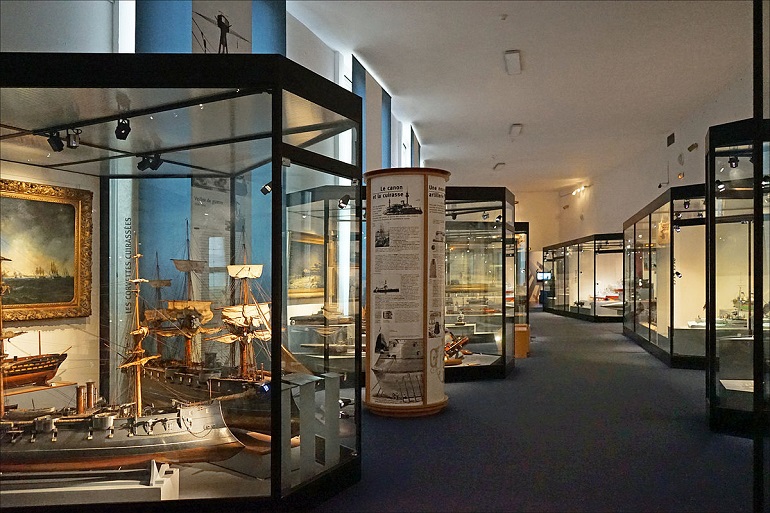
The Musée national de la Marine occupies the Passy wing of the Palais de Chaillot on Place du Trocadéro, offering panoramic views over the Seine and the Eiffel Tower. After a six-year refurbishment, the museum reopened in 2023, unveiling a contemporary scenography that blends conservation with digital immersion. Its origins date back to 1748, when naval engineer Henri-Louis Duhamel du Monceau donated a remarkable set of ship models to Louis XV. These pieces formed the nucleus of a ‘Salle de Marine’ in the Louvre that opened in 1752 as a teaching space for naval constructors. The collection was formally constituted as a national museum by royal ordinance in 1827 under Charles X, and it has since grown to encompass several thousand items, from 17th-century relief maps and figureheads to more than 3,000 painstakingly crafted models and the gilded imperial barge built for Napoleon I.
Today the refreshed galleries guide visitors through three themed crossings that explore maritime challenges of the past, present and future. Multimedia kiosks, interactive maps and ambient soundscapes illuminate topics such as shipbuilding techniques, polar expeditions and the impact of climate change on the oceans. While firmly anchored in art and history, the institution is also a centre for science and technology, emphasising the contemporary relevance of seafaring to trade, defence and environmental stewardship. The Paris museum anchors a wider network of six sites—including Brest, Port-Louis, Rochefort and Toulon—that together safeguard France’s maritime heritage and keep alive the nation’s long engagement with the sea.
Hôtel de la Marine
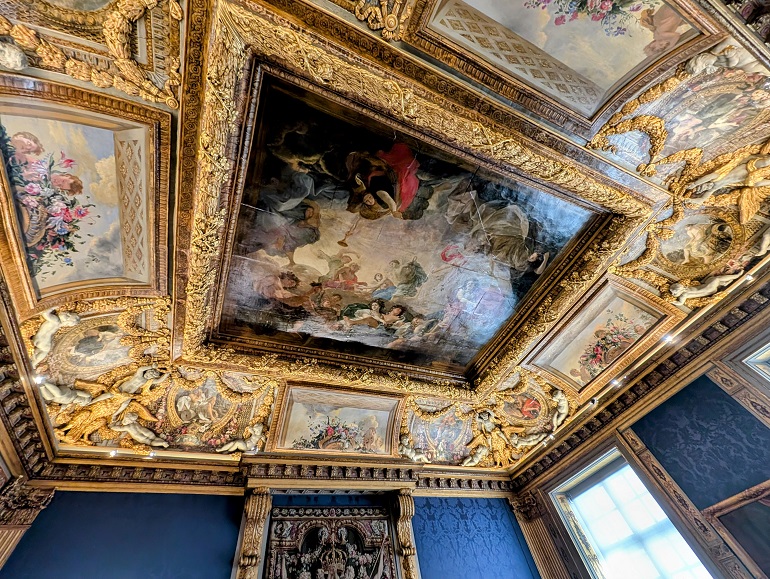
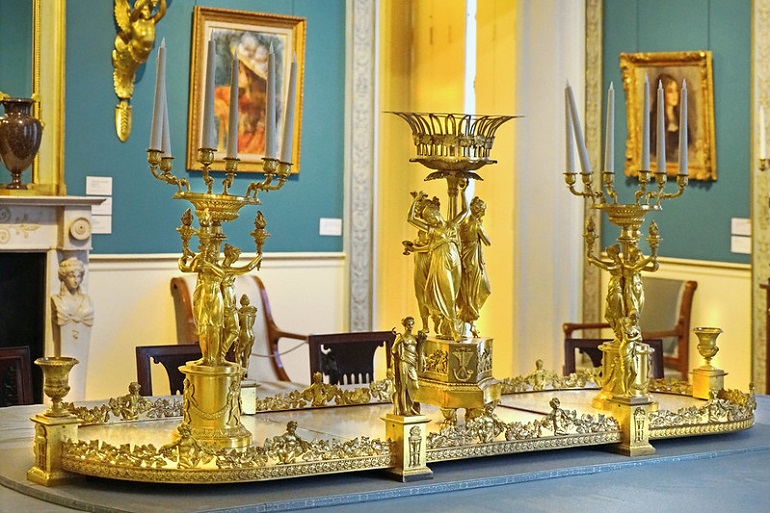
The Hôtel de la Marine stands as one of Paris's most magnificent historical landmarks, positioned prominently on Place de la Concorde. Designed by the renowned architect Ange-Jacques Gabriel and constructed between 1757 and 1774, this neoclassical masterpiece was originally built to house the Garde-Meuble de la Couronne, the royal repository responsible for managing and storing all the furnishings for France's royal properties. The building served as a treasure trove of French heritage, safeguarding everything from glittering royal jewels to intricately crafted tapestries and ceremonial weapons, whilst also housing artisanal workshops where skilled craftsmen created pieces for the royal estate's many châteaux.
It quickly became entwined with French history: on 13–14 July 1789 Parisians stormed the building, taking ceremonial cannon that fired the first shots at the Bastille. After the Revolution it housed the Ministry of the Navy for more than two centuries, witnessing occasions from Napoleon’s coronation ball to the Liberation of Paris in 1944. Following the French Revolution, the building's destiny dramatically shifted when it became the headquarters of the French Navy Ministry in 1789, a role it maintained for an extraordinary 226 years until 2015.
After the navy's departure, the building underwent an extensive restoration project between 2015 and 2021, meticulously returning it to its original 18th-century splendour. Today, managed by the Centre des monuments nationaux, it has opened its doors to the public for the first time in its 300-year history, showcasing the restored apartments of the King's Intendants alongside the grand naval salons, whilst also housing the prestigious Al Thani Collection of international artworks.

Musée Carnavalet – Histoire de Paris
The Musée Carnavalet chronicles Paris's history from prehistoric times to the present within two historic mansions in the Marais. Recently renovated, the museum provides comprehensive insight into how the city evolved from a Roman settlement to a modern metropolis.
The museum's rooms are arranged chronologically, featuring period furniture, paintings, sculptures, and everyday objects that illustrate Parisian life through the centuries. Highlights include Revolutionary-era artefacts, Napoleon's personal effects, Belle Époque interiors, and 20th-century design objects. The museum's courtyards and gardens provide peaceful interludes between galleries whilst showcasing architectural fragments from demolished Parisian buildings.
Musée de la Légion d'honneur
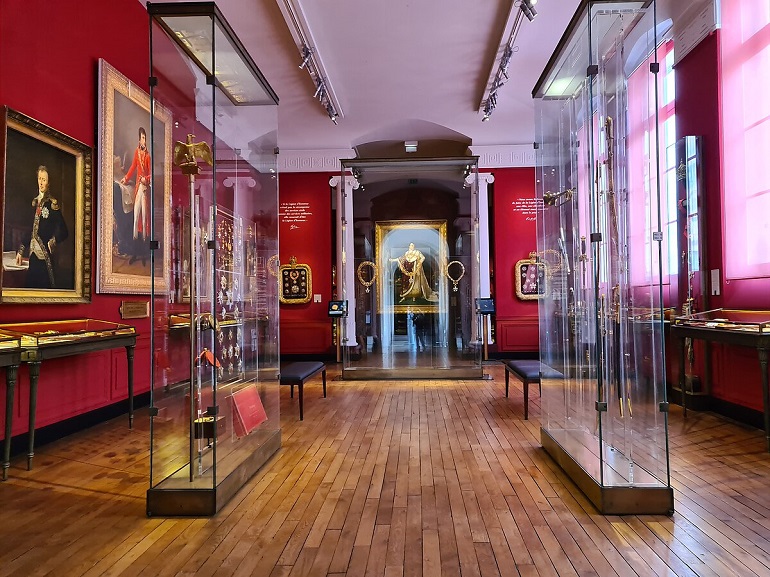
The Musée de la Légion d'honneur is housed within the magnificent 18th-century Hôtel de Salm, a neoclassical palace built in 1782 by architect Pierre Rousseau for Frederick III, Prince of Salm-Kyrburg. Located at 2 rue de la Légion-d'Honneur in the 7th arrondissement, directly opposite the Musée d'Orsay, this building has served as the Palais de la Légion d'Honneur since 1804 and functions as the seat of France's highest honours. The museum was established in 1925, having been founded by General Yvon Dubail and funded through contributions from Legion of Honour and military medal holders, with significant support from the United States. The institution was created shortly after the First World War to honour those from France and elsewhere who endured the conflict, and it occupies a wing that was originally the building's stables.
The museum maintains one of the world's most comprehensive collections of military medals and decorations, housing nearly 5,000 objects d'art and insignia that trace the history of French and foreign distinctions from the Middle Ages to the 21st century. Its permanent exhibition displays France's honours, medals, decorations, and chivalric orders from the time of King Louis XI to the present, including significant Napoleonic souvenirs such as the grand collier (collar) of Emperor Napoleon I, which remains the defining symbol of the Grand Master of the Order. The collection encompasses not only French decorations but also foreign orders from over 120 states worldwide, making it an international reference point for the study of phaleristics (the study of orders and medals). With free admission and educational programmes, the museum serves both scholars and the general public, whilst its library and archives contain more than 3,000 works dedicated to the study of honours and chivalric traditions.
Musée de la Monnaie de Paris (Paris Mint Museum)
The Monnaie de Paris museum, also known as 11 Conti, combines exhibition galleries with a working mint in the heart of the city, offering a rare blend of culture and craftsmanship within an active industrial site. It belongs to France’s historic minting institution founded in 864 under Charles the Bald, making it one of the world’s oldest entities still in operation. The museum occupies the Neoclassical Hôtel de la Monnaie at 11 quai de Conti, designed by Jacques-Denis Antoine between 1767 and 1775 on the Left Bank of the Seine. Following major renovations, the site reopened in 2017 with refreshed displays and broader public access across the complex.
Inside, exhibitions trace the art, science and craft of coinage—showcasing coins, medals, tools and techniques that illuminate centuries of minting and metalwork. Visitors can peer into workshops and foundry areas to observe artisans at work, an immersive highlight that underscores the site’s status as the capital’s last factory in operation. Regular temporary exhibitions and creative workshops further enrich the experience for families, collectors and curious minds alike. Together, the collections and live savoir-faire offer a distinctive window onto more than a millennium of French monetary history within a singular Hôtel de la Monnaie setting.
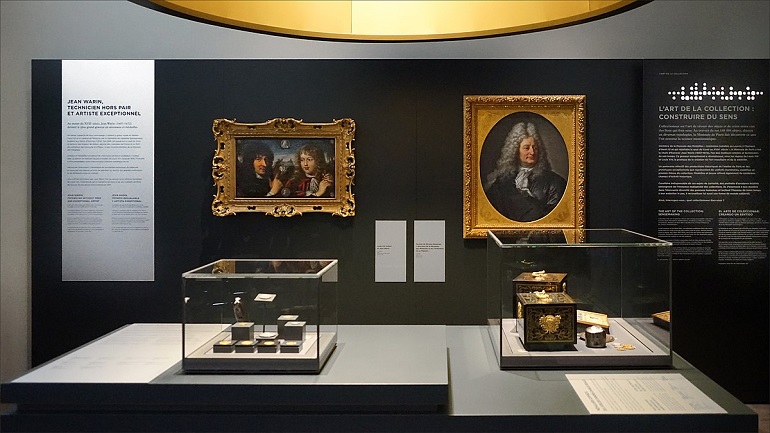
Musée de Montmartre
The Musée de Montmartre occupies the oldest building in Montmartre, where artists like Renoir, Dufy, and Suzanne Valadon once lived and worked. The museum tells the story of this bohemian neighbourhood through paintings, photographs, posters, and personal belongings of the artists who made Montmartre synonymous with Parisian artistic life.
The museum's gardens recreate the rural atmosphere that originally attracted artists to Montmartre, whilst the galleries display works that capture the neighbourhood's cabarets, windmills, and street life. The museum provides essential context for understanding Montmartre's transformation from rural village to tourist destination.
Anthropology & Cultural Diversity
Musée national des arts asiatiques - Guimet (National Museum of Asian Art)
The Musée national des arts asiatiques - Guimet stands as one of Paris's most remarkable cultural institutions, housing the most complete collection of Asian art in the world and the most outstanding in Europe. Founded in 1889 by Émile Étienne Guimet, a French industrialist and passionate traveller, the museum originated from his extensive collecting expeditions across Asia during the late 19th century. Originally opened in Lyon in 1879, Guimet was commissioned by the Ministry of Public Instruction in 1876 to study the religions of the Far East, a journey that would ultimately yield the extraordinary collection of art and artefacts that forms the museum's core. The museum relocated to its current purpose-built premises at 6, Place d'Iéna in Paris's 16th arrondissement, occupying an elegant structure designed by architect Charles Terrier.
The museum's vast collections span five millennia of Asian civilisation, encompassing artefacts from Afghanistan to Japan, including significant holdings from Cambodia, Thailand, Vietnam, Tibet, India, Nepal, China, and Korea. Beyond its permanent galleries, which are arranged geographically to present a comprehensive history of Asian art, the museum also manages the nearby Panthéon Bouddhique, which focuses on Buddhist artworks and reflects Guimet's original aim of increasing knowledge of Eastern religions. The institution has evolved considerably since its founding, transitioning from its initial focus on comparative religions to become a broader showcase of Asian civilisations. Following extensive renovation work between 1994 and 2001 by architects Henri and Bruno Gaudin, the museum continues to expand its holdings with contemporary Asian works, maintaining the founder's spirit of curiosity and discovery whilst adapting to present-day cultural interests.
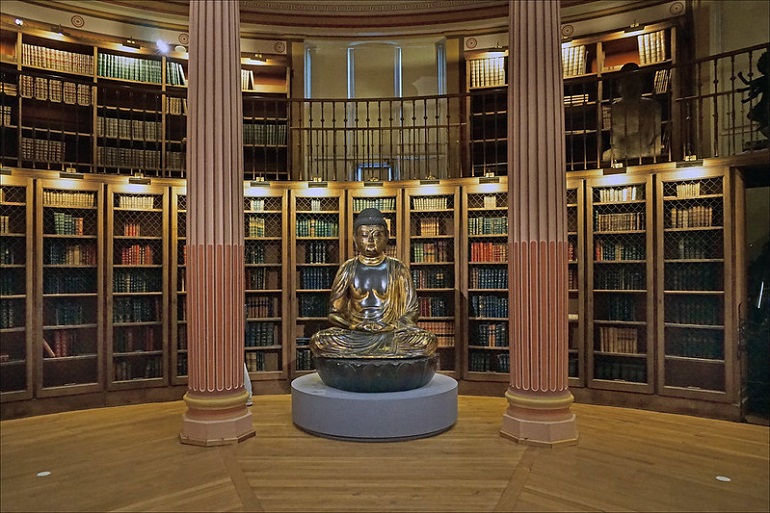
Musée Cernuschi
The Musée Cernuschi is a distinguished Asian art museum located at 7 avenue Vélasquez near the elegant Parc Monceau in Paris, officially known as the Musée des arts de l'Asie de la Ville de Paris. Founded in 1898, it claims to be the second-oldest Asian art museum in France and the fifth-oldest Chinese art museum in Europe, established through the bequest of Italian-born French financier Henri Cernuschi, who left both his magnificent mansion and remarkable collection of Asian artefacts to the city of Paris. The museum originated from Cernuschi's extensive travels through Asia between 1871 and 1873, during which he amassed approximately 900 crates containing several thousand objects, primarily bronzes, earthenware, paintings, prints, and photographs from China, Japan, Korea, and Vietnam.
The museum houses an exceptional collection of over 12,000 works spanning from the Neolithic period to contemporary times, making it the second-largest Asian art museum in Paris after the Musée Guimet. Visitors are greeted by the renowned 18th-century Meguro Buddha, a towering bronze statue of approximately 13 feet that has stood in the main hall since the museum's opening. The collection encompasses ancient Chinese bronzes dating from the 14th century BCE, burial figures from the 3rd century BCE to 12th century CE, rare Buddhist sculptures, ceremonial jade objects from 3000 BCE, and an impressive array of ceramics that chronicle everyday life in ancient China. Following major renovations from 2001 to 2005 and again in 2019-2020, the museum now offers 3,200 square metres of exhibition space and operates as part of the Paris Musées collective, providing free entry to its permanent collections whilst charging modest fees for temporary exhibitions.
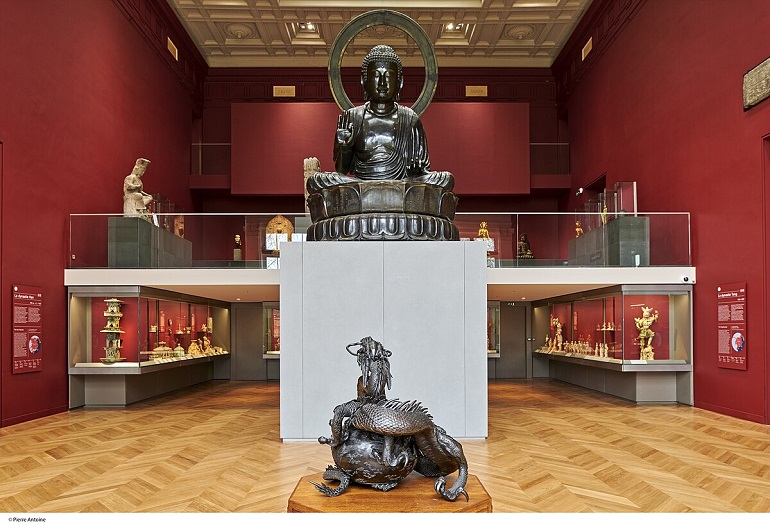
Musée du Quai Branly – Jacques Chirac
Designed by Jean Nouvel and opened in 2006, the Musée du Quai Branly celebrates the arts and civilisations of Africa, Asia, Oceania, and the Americas. The building itself is an architectural wonder, featuring a vertical garden created by botanist Patrick Blanc that covers 800 square metres of the museum's facade.
The permanent collection comprises over 370,000 objects, with 3,500 displayed at any given time. Highlights include African masks and sculptures, Native American totem poles, Aboriginal Australian bark paintings, Oceanic navigation instruments, pre-Columbian textiles, and Asian ceremonial objects. The museum's innovative presentation, using dramatic lighting and multimedia displays, creates an immersive experience that encourages visitors to engage with cultures from around the world.
The museum's temporary exhibitions regularly feature contemporary artists from the represented regions, creating dialogue between traditional and modern expressions. The outdoor areas include a garden with plants from the four continents, extending the cultural journey beyond the galleries.
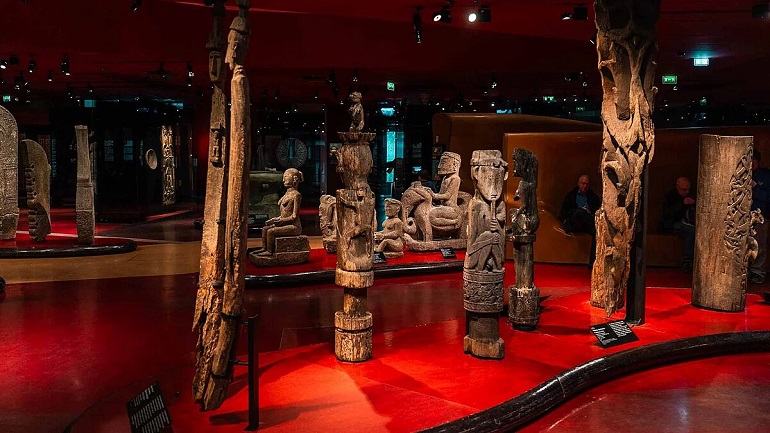
Musée de l’Homme (Museum of Mankind)
The Musée de l’Homme is an anthropology museum in the Passy wing of the Palais de Chaillot at Trocadéro, dedicated to the study of humanity across time and cultures. Conceived for the 1937 International Exposition and inaugurated in 1938 by anthropologist Paul Rivet, it evolved from the former Musée d’Ethnographie du Trocadéro into a modern institution focused on human evolution and societies. It forms part of the Muséum national d’Histoire naturelle and was designed as a “laboratory-museum,” integrating galleries with research, a library, and higher education functions. Closed for renovation in 2009 and reopened in 2015, the museum now presents a reconfigured visitor experience aligned with renewed scientific and cultural aims.
Its permanent galleries trace human origins, diversity and futures through intertwined approaches in prehistory, biological and cultural anthropology. Highlights include celebrated pieces such as Neanderthal and Cro-Magnon remains and the Palaeolithic Venus of Lespugue, presented alongside contemporary perspectives on human societies. Around 1,800 objects are displayed in the Galerie de l’Homme, complemented by spaces for debate, workshops and a resource centre that foster dialogue on the human condition. With sweeping views over the Seine and the Eiffel Tower from its Chaillot setting, the museum is both a scholarly hub and an evocative place to reflect on what it means to be human.
Aristocratic Collections and Private Mansions
Musée Jacquemart-André
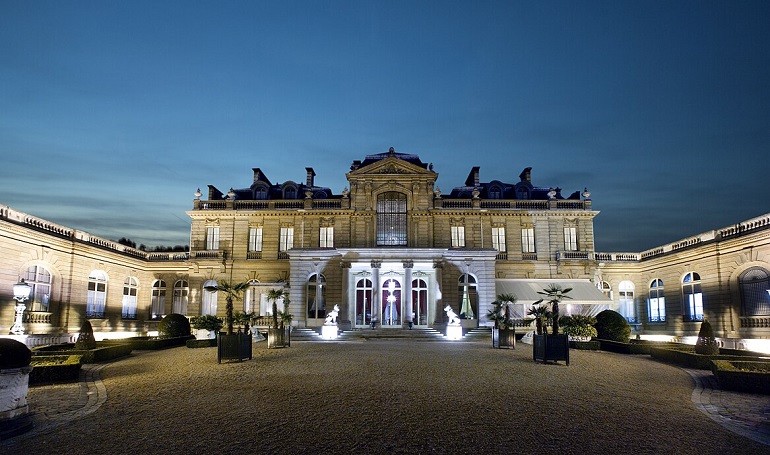
The Musée Jacquemart-André preserves one of Paris's most elegant 19th-century private collections within a sumptuous Second Empire mansion. Édouard André, heir to a banking fortune, and his wife Nélie Jacquemart, a portrait painter, spent their lives and wealth acquiring masterpieces during their travels across Europe.
The mansion itself is a work of art, with opulent interiors designed to showcase the collection. The Italian Museum, housed in the mansion's former private apartments, contains exceptional Renaissance works including paintings by Botticelli, Mantegna, and Uccello, as well as sculptures by Donatello. The French School galleries feature 18th-century paintings by Watteau, Boucher, and Chardin, while the Flemish and Dutch rooms display works by Rembrandt, Van Dyck, and Rubens.
The mansion's winter garden, with its soaring glass ceiling and tropical plants, hosts the museum's café, allowing visitors to dine surrounded by the André's exotic plant collection. The experience feels like being invited into an aristocratic home where every object has been carefully chosen for its beauty and significance.
Musée Nissim de Camondo
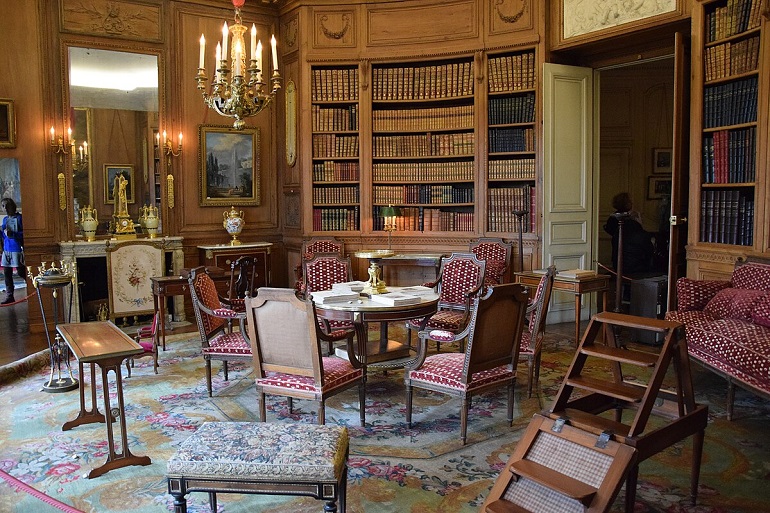
The Musée Nissim de Camondo represents another exceptional private collection, housed in a mansion built specifically to display 18th-century French decorative arts. Count Moïse de Camondo, a wealthy banker and collector, commissioned this mansion in the style of the Petit Trianon at Versailles to house his collection, which he bequeathed to the state in memory of his son Nissim, killed in the First World War.
The mansion contains an extraordinary assemblage of French furniture, tapestries, paintings, and decorative objects from the reign of Louis XV and Louis XVI. Highlights include a complete set of Sèvres porcelain, Aubusson tapestries, and furniture by the greatest 18th-century cabinet-makers. The mansion's preservation extends to its Belle Époque service areas, including kitchens with period copper cookware and servants' quarters that provide insight into aristocratic domestic life.
Scientific and Natural History Museums
Muséum National d'Histoire Naturelle (National Museum of Natural History)
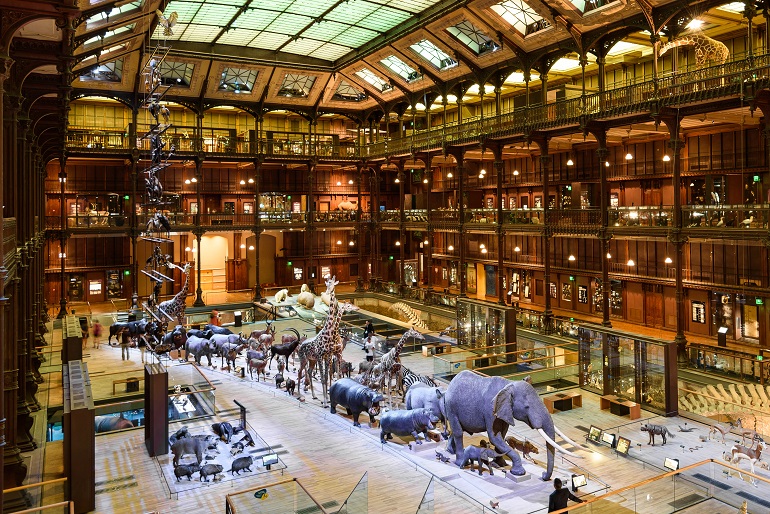
The Muséum National d'Histoire Naturelle comprises multiple sites across Paris, with the flagship Grande Galerie de l'Évolution serving as the centrepiece. Housed in a magnificent 19th-century iron and glass structure, the gallery presents the story of evolution through spectacular displays of taxidermied animals arranged in themed environments.
The gallery's main floor features a grand procession of African animals—elephants, giraffes, lions, and rhinoceros—arranged as if on migration across the savanna. Upper levels explore marine life, extinct species, and the impact of human activity on biodiversity. The building's restoration preserved its Belle Époque grandeur whilst incorporating modern museography techniques.
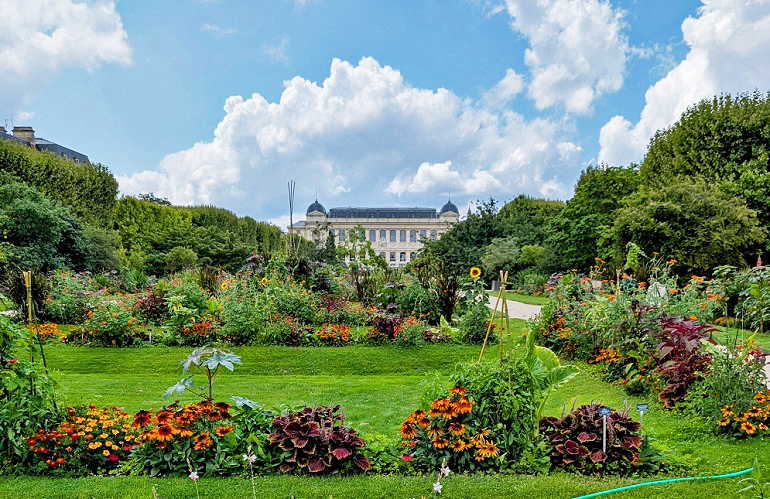
Other components of the museum include the Gallery of Mineralogy (featuring spectacular gems and crystals), the Gallery of Palaeontology (with dinosaur skeletons and fossils), and the Jardin des Plantes botanical garden, which has been a centre of scientific research since 1626.
Musée des Arts et Métiers
The Musée des Arts et Métiers chronicles the history of technology and invention within a former Benedictine abbey. The museum's collection spans from the 16th century to the present, showcasing mechanical instruments, transportation, communication devices, energy production, and materials science.
Highlights include Foucault's original pendulum, demonstrating the Earth's rotation; early automobiles and aircraft; mechanical calculators and early computers; and scientific instruments used by famous researchers. The museum's setting in the medieval abbey of Saint-Martin-des-Champs creates a fascinating juxtaposition between ancient architecture and technological innovation. The church's nave now houses the transportation collection, with early aeroplanes suspended above historic carriages and automobiles.

Fashion and Design Museums
Musée des Arts Décoratifs
Housed in a wing of the Louvre Palace, the Musée des Arts Décoratifs showcases design evolution from the Middle Ages to the present. The museum's vast collections encompass furniture, textiles, jewellery, toys, wallpaper, and contemporary design objects.
Period rooms recreate historical interiors from different eras, allowing visitors to understand how decorative arts reflected changing tastes and social conditions. The fashion collection includes haute couture garments by legendary designers, whilst the advertising and graphic design collection documents the evolution of commercial art. The museum regularly hosts major temporary exhibitions examining contemporary design trends and retrospectives of influential designers.
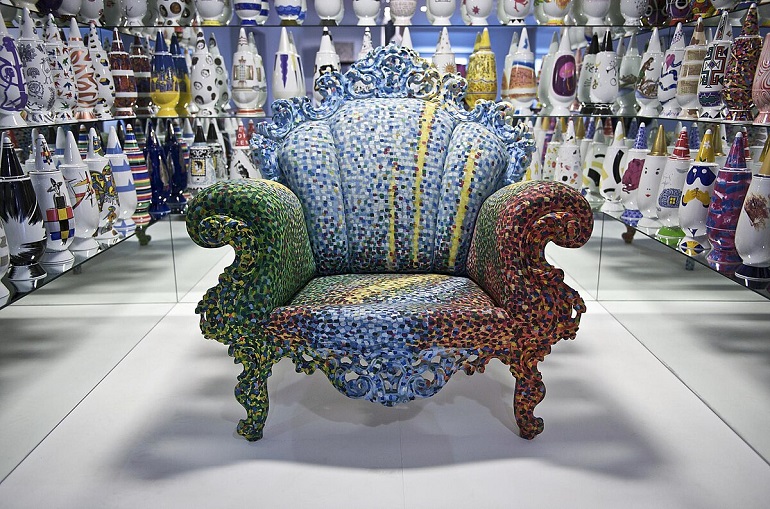
Palais Galliera – Musée de la Mode de la Ville de Paris
The Palais Galliera serves as Paris's fashion museum, housed in an elegant 19th-century mansion built specifically for the Duchess of Galliera's art collection. The museum has no permanent display, instead mounting sophisticated temporary exhibitions that explore different aspects of fashion history and contemporary design.
Recent exhibitions have covered topics ranging from Balenciaga's influence on modern fashion to the relationship between fashion and cinema. The museum's approach emphasises fashion as both art form and social phenomenon, examining how clothing reflects and shapes cultural attitudes. The building's Belle Époque architecture provides an appropriate setting for these explorations of style and elegance.
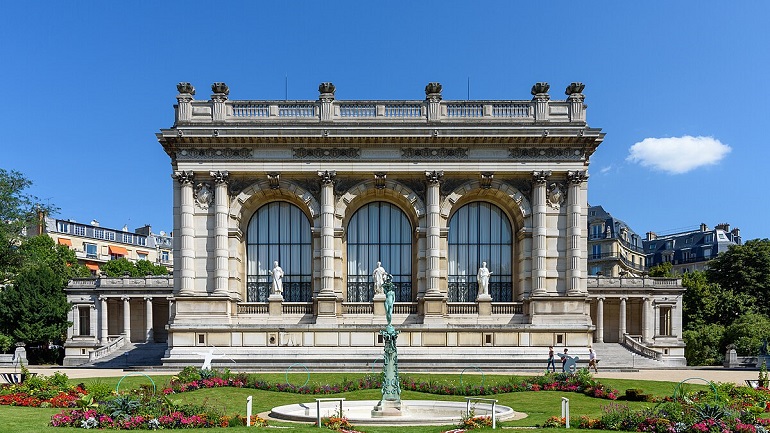
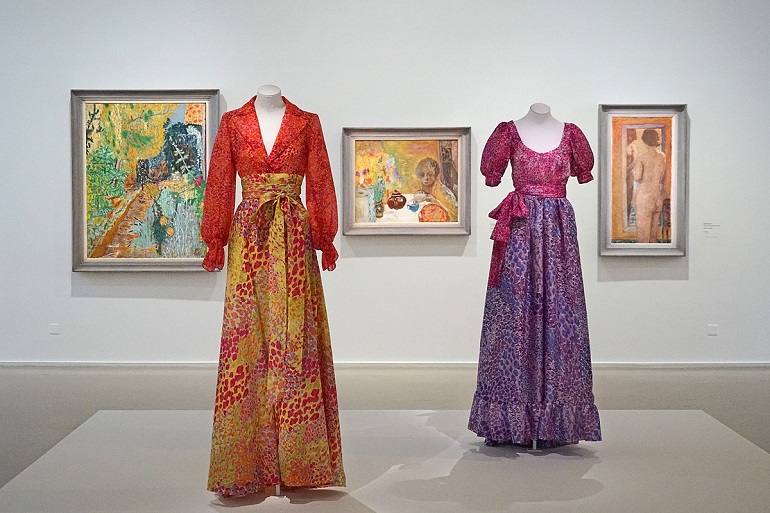
Musée Yves Saint Laurent Paris
The Musée Yves Saint Laurent preserves the legendary designer's original haute couture studio exactly as he left it. Located on Avenue Marceau, the museum displays Saint Laurent's most iconic creations alongside personal photographs, sketches, and accessories.
The preserved studio, with its mirrors, fabrics, and design materials, offers intimate insight into Saint Laurent's creative process. Major pieces include the revolutionary Le Smoking tuxedo suit, Mondrian dresses, and safari jackets that redefined women's fashion. The museum demonstrates how Saint Laurent liberated women's clothing whilst creating timeless elegance that continues to influence contemporary designers.
Galerie Dior
Galerie Dior is a meticulously curated museum space within the historic Dior headquarters at 30 Avenue Montaigne, celebrating the house’s origins, Christian Dior’s 1947 “New Look,” and the creative legacy of his successors from Yves Saint Laurent to Maria Grazia Chiuri, through sketches, gowns, accessories, and immersive scenography across themed rooms that trace more than seventy years of couture history. Visitors enter via a dramatic staircase installation featuring hundreds of miniature Dior pieces, then move through galleries that evoke ateliers, fittings, soirées, and gardens, highlighting savoir-faire and archival treasures preserved at this emblematic Paris address described by Dior as the “beating heart” of the maison.
Set beside the flagship boutique, the gallery spans roughly 2,000 m² over multiple levels, guiding guests in a set sequence through thirteen rooms that chart Dior’s evolution after Christian Dior’s brief but transformative decade at the helm, with contextual displays that also nod to the celebrities who helped define the house’s mythos. Practical details often noted by local guides include timed entry and regular opening days, reflecting its popularity as a cultural destination that complements the retail and dining spaces of the Montaigne site while foregrounding craftsmanship and couture heritage in a museum-calibre narrative.
Sculpture Museums
Musée Rodin
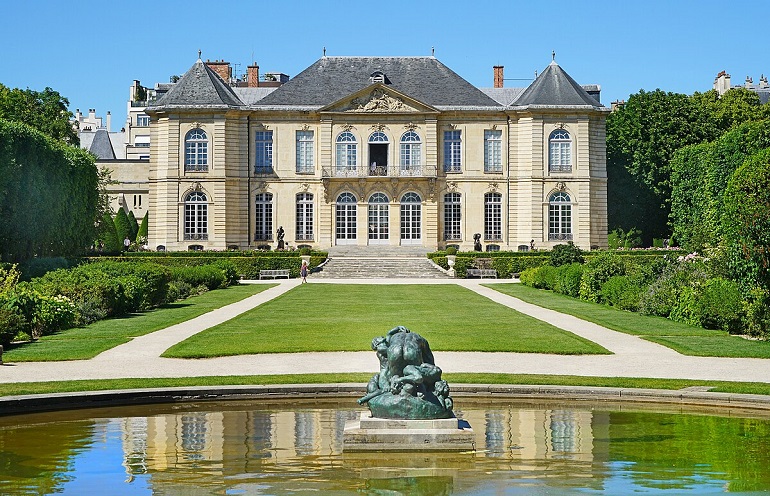
Set within the elegant 18th-century Hôtel Biron and its expansive gardens, the Musée Rodin offers perhaps the most romantic museum experience in Paris. Auguste Rodin used this mansion as his studio and agreed to leave his entire collection to the French state in exchange for having it transformed into a museum dedicated to his work.
The interior galleries showcase Rodin's evolution as an artist, from his early academic works through his revolutionary approach to sculpture. Masterpieces include multiple casts of "The Thinker," "The Kiss," and preparatory studies for "The Gates of Hell"—a monumental work inspired by Dante's Inferno that Rodin worked on for 37 years. The museum also displays Rodin's extensive collection of antiquities and works by contemporaries, including pieces by Monet, Renoir, and Van Gogh.
The garden is equally spectacular, featuring major sculptures set amongst rose beds and ancient trees. Here, visitors can discover "The Burghers of Calais," "Balzac," and numerous other works in a setting that enhances their emotional impact. The garden also houses works by Camille Claudel, Rodin's student, collaborator, and muse, whose own powerful sculptures deserve recognition in their own right.
The Bourdelle Museum
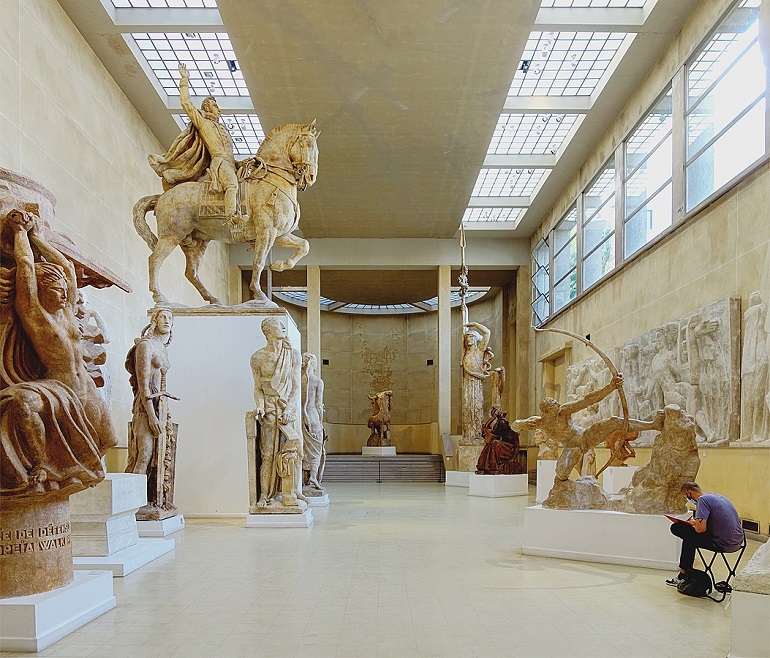
The Bourdelle Museum in Paris is an atmospheric enclave in the 15th arrondissement, housed in the former home and studios of the sculptor Antoine Bourdelle (1861–1929), a pivotal figure who worked alongside Auguste Rodin before forging an independent style. Preserved ateliers, brick arcades and a sequence of galleries trace the evolution of his practice from intimate studies to monumental commissions, with later architectural extensions sensitively integrating contemporary spaces into the historic fabric. Situated near Montparnasse, the museum retains the feel of a working artist’s compound, offering a rare window onto the rhythms of a late 19th- and early 20th-century Parisian atelier.
Visitors encounter a wealth of casts, bronzes and marbles set among light-filled halls and tranquil sculpture gardens, where works such as the celebrated Héraklès archer and expressive Beethoven series reveal Bourdelle’s fascination with mass, gesture and myth. Sketches, models and archival material illuminate the creative process, while the arrangement of the studios—replete with towering plasters—conveys the scale and ambition of his oeuvre. As part of the city’s museum network, the permanent collections are typically free to visit, making this a quietly compelling place to experience the dialogue between artist, space and sculpture.
Musée Maillol
The Musée Maillol, nestled in the 7th arrondissement on rue de Grenelle, is dedicated to the sculpture, painting, and drawings of Aristide Maillol, a leading figure in modern sculpture renowned for serene, classical forms and a distinctive focus on the human figure. Founded in 1995 by Dina Vierny, Maillol’s model, muse, and tireless advocate, the museum occupies a refined hôtel particulier, offering an intimate setting that highlights the tactile presence of bronze, terracotta, and plaster alongside early paintings, tapestries, and works on paper. The collection’s calm clarity and human scale make it an inviting counterpoint to Paris’s grander institutions.
Beyond its core holdings, the museum stages thoughtfully curated temporary exhibitions that situate Maillol within the wider landscape of 20th- and 21st-century art, often placing his achievements in dialogue with contemporaries and successors. Visitors will find a coherent narrative of Maillol’s career—from early experiments to emblematic, life-size sculptures—framed by Vierny’s lifelong mission to preserve and promote the artist’s legacy. Its location, a short walk from the Left Bank’s literary streets and ministries, further enhances the sense of a cultivated enclave where modern art is presented with clarity, warmth, and discretion.
Atelier Brancusi
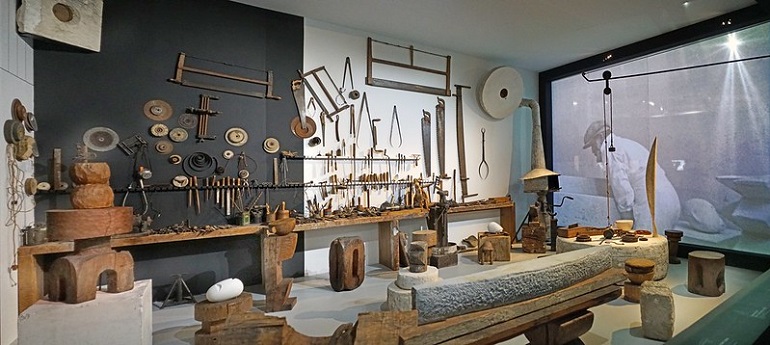
The Atelier Brancusi, set on the piazza opposite the Centre Pompidou, is an exact reconstruction of Constantin Brancusi’s Montparnasse studio, bequeathed to the French state on condition it be rebuilt as he left it in 1957. Designed by Renzo Piano and reopened in 1997, the luminous glass-walled space preserves the artist’s ensemble of works, tools and furniture, reflecting his belief that the studio itself was integral to the art. Inside, visitors see the famed “mobile groups” of sculptures arranged in carefully calibrated spatial relationships, a practice Brancusi refined in his later years as he grouped, regrouped and photographed his pieces rather than producing new ones.
Brancusi worked at 8 and 11 Impasse Ronsin from 1916 until his death, gradually knocking through rooms to create zones for exhibiting finished works and for carving and assembly, a layout echoed in the current reconstruction near the Pompidou. The collection encompasses 137 sculptures alongside 87 pedestals, 41 drawings and thousands of photographic plates, offering a rare immersion in the sculptor’s process and the dialogue between object and space that defined his modernism. Free to enter in the afternoon, this understated annex rewards unhurried looking, revealing how arrangement, light and proximity were as important to Brancusi as marble, wood or bronze.
Impressionist Sanctuaries
Musée de l'Orangerie
Nestled in the Tuileries Garden, the Musée de l'Orangerie provides an almost spiritual encounter with Impressionism. The museum's crown jewel consists of Monet's eight massive Water Lilies panels, displayed in two specially designed oval rooms that were built to the artist's exact specifications. These enormous canvases, painted during the final years of Monet's life at his garden in Giverny, envelop visitors in a 360-degree panorama of colour and light that creates an immersive meditation on nature.
The lower level houses the Jean Walter and Paul Guillaume collection, featuring works by Cézanne, Renoir, Rousseau, Derain, Modigliani, Picasso, and Soutine. This intimate collection provides a perfect complement to Monet's water lilies, offering a comprehensive overview of early 20th-century French art in a more traditional gallery setting.
Musée Marmottan-Monet
Located in a former hunting lodge in the 16th arrondissement, the Musée Marmottan Monet houses the world's largest collection of Claude Monet's works. The museum began as the private mansion of Paul Marmottan, who left his home and collection of Napoleonic art to the Académie des Beaux-Arts. However, it was transformed by subsequent donations, particularly from Michel Monet (Claude's son) and Victurnien Douët.
The museum's Monet collection includes the painting "Impression, Sunrise" (1872), which gave the Impressionist movement its name. Other highlights include multiple versions of Rouen Cathedral, numerous water lily paintings from different periods, and works from Monet's time in London and Venice. The museum also houses the largest collection of works by Berthe Morisot, the most prominent female Impressionist painter, as well as significant pieces by Renoir, Pissarro, Sisley, and Degas. The basement galleries feature illuminated manuscripts and medieval art, providing an unexpected counterpoint to the Impressionist treasures above.
Modern and Contemporary Art Beyond the Centre Pompidou
Musée Pablo Picasso
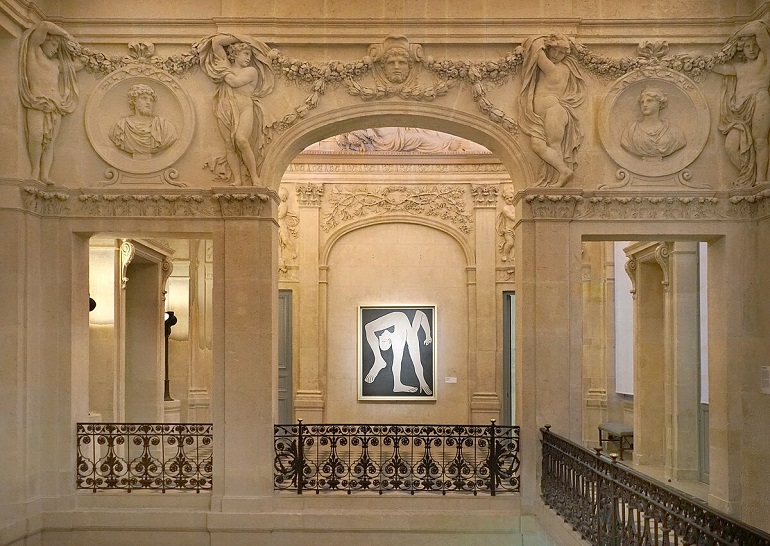
The Musée Picasso in Paris is housed within the magnificent 17th-century Hôtel Salé, a grand private mansion located at 5 rue de Thorigny in the historic Marais district. This exceptional museum, which opened to the public in October 1985, holds the world's largest collection of Pablo Picasso's works, comprising over 5,000 pieces including paintings, sculptures, drawings, ceramics, prints, and engravings. The collection was primarily formed through the dation Picasso - a remarkable arrangement whereby Picasso's heirs donated works to the French state in lieu of inheritance taxes following the artist's death in 1973. The museum's creation was remarkably swift, with the decision to house Picasso's estate in the Hôtel Salé made in 1974, just one year after his death.
The museum provides a comprehensive panorama of Picasso's entire artistic career, from his early Self-Portrait of 1901 that marked the beginning of his Blue Period through to works from 1972. The presentation alternates between chronological displays showcasing different periods such as the Blue Period and Cubism, alongside thematic rooms exploring recurring motifs like women and bulls in Picasso's work. Beyond Picasso's own creations, the museum also houses his personal collection of works by other masters including Paul Cézanne, Henri Rousseau, and Henri Matisse. The building itself, originally constructed between 1656 and 1659 by architect Jean de Bouiller for Pierre Aubert (a salt tax collector, hence the name "Salé" meaning "salty"), underwent extensive renovation by architect Roland Simounet from 1979 to 1985 to create this dedicated space for preserving and displaying art.
Bourse de Commerce – Pinault Collection
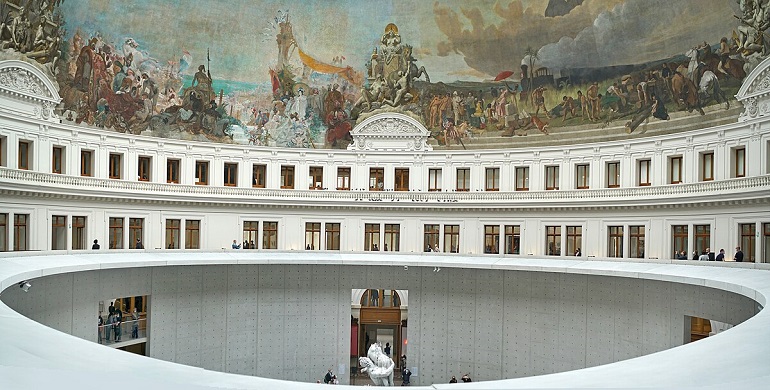
The former grain exchange, with its striking circular architecture and glass dome, now houses the Pinault Collection. Renovated by Japanese architect Tadao Ando, the space creates a dramatic dialogue between 18th-century architecture and cutting-edge contemporary art.
The collection, assembled by luxury goods magnate François Pinault, focuses on contemporary art from the 1960s onwards. The rotating exhibitions feature works by artists such as Jeff Koons, Damien Hirst, Takashi Murakami, and Kerry James Marshall. The building's central courtyard, enclosed by Ando's concrete cylinder, creates a unique exhibition space that emphasises the relationship between historical architecture and contemporary artistic expression.
Fondation Louis Vuitton
Designed by Frank Gehry and opened in 2014, the Fondation Louis Vuitton stands as both an architectural landmark and a showcase for contemporary art. The building's glass sails and flowing forms create a striking presence in the Bois de Boulogne, whilst the interior galleries provide flexible spaces for major temporary exhibitions.
The foundation regularly hosts blockbuster exhibitions featuring modern and contemporary masters, from Monet and Basquiat to contemporary African and Asian artists. The permanent collection includes works from the LVMH corporate collection, with particular strength in contemporary art from emerging markets.
Palais de Tokyo (Musée d’Art moderne de Paris)
The Palais de Tokyo serves as Europe's largest centre for contemporary art, occupying a 1937 building originally constructed for the International Exhibition. The institution focuses on experimental and emerging contemporary art, with no permanent collection but instead a constantly changing programme of cutting-edge exhibitions, performances, and installations.
The building's raw, industrial aesthetic—with exposed concrete and minimal renovation—creates an atmosphere that encourages artistic risk-taking. Artists are often invited to create site-specific works that respond to the building's unique character.
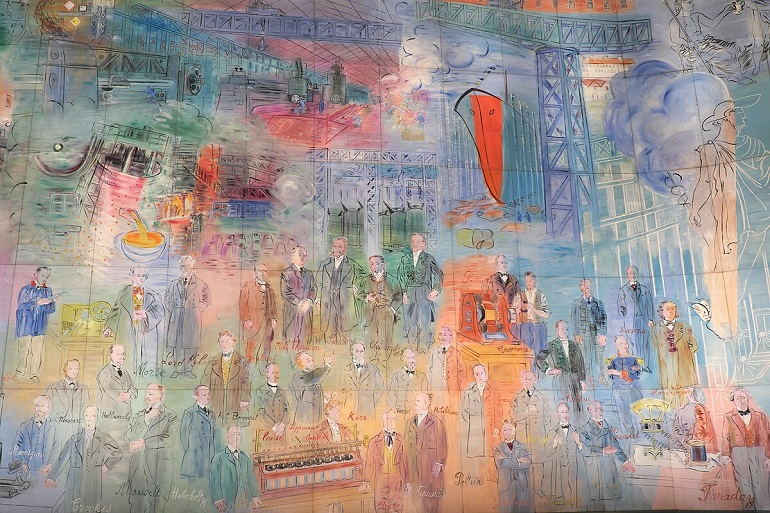
Literary and Artistic House Museums
Maison de Victor Hugo
Located in the Place des Vosges, the Maison de Victor Hugo occupies the apartment where France's greatest Romantic writer lived from 1832 to 1848. During this period, Hugo wrote some of his most important works, including much of Les Misérables.
The museum recreates Hugo's living spaces and displays manuscripts, first editions, photographs, and personal belongings. Hugo's talents extended beyond literature—he was also an accomplished artist, and the museum displays hundreds of his drawings and paintings. The Chinese salon, decorated by Hugo himself during his exile, demonstrates his eclectic artistic interests and fascination with Asian culture.
Musée de la Vie Romantique
Housed in a charming villa with a hidden garden in the Nouvelle Athènes district, the Musée de la Vie Romantique evokes the literary and artistic atmosphere of 19th-century Paris. The museum occupies the former home of painter Ary Scheffer, whose Friday salons attracted writers like George Sand, Chopin, Delacroix, and Dickens.
The ground floor is devoted to George Sand (Aurore Dupin), displaying personal effects, manuscripts, paintings, and jewellery belonging to this pioneering female novelist. The first floor recreates a typical Romantic-era salon, with period furniture and paintings by Scheffer and his contemporaries. The museum's garden café, surrounded by lilac trees and roses, provides a romantic setting for contemplating 19th-century artistic life.
Musée Gustave Moreau
The Musée Gustave Moreau preserves the former studio-home of the Symbolist painter exactly as he arranged it. Moreau lived and worked here from 1852 to 1898, designing the space specifically to house and display his complete works.
The museum contains over 1,000 paintings and watercolours, plus thousands of drawings, making it the world's most comprehensive collection of Moreau's work. The artist's fascination with mythology, biblical stories, and literary themes is evident throughout, with works like "The Apparition" and "Jupiter and Semele" demonstrating his unique vision. The museum's elegant spiral staircase and atmospheric rooms create an intimate encounter with this influential but often overlooked artist.
Musée Delacroix
The Musée Delacroix occupies the final home and studio of Eugène Delacroix, leader of the French Romantic movement in painting. Located in a quiet square near the Church of Saint-Germain-des-Prés, the museum displays paintings, pastels, drawings, and personal belongings in the intimate setting where Delacroix spent his final years.
The collection includes oil sketches for major works like "Liberty Leading the People" and "The Death of Sardanapalus," providing insight into Delacroix's creative process. The artist's library, palettes, and correspondence offer glimpses into his intellectual interests and friendships with writers like Baudelaire and Balzac.
Religious Art and History
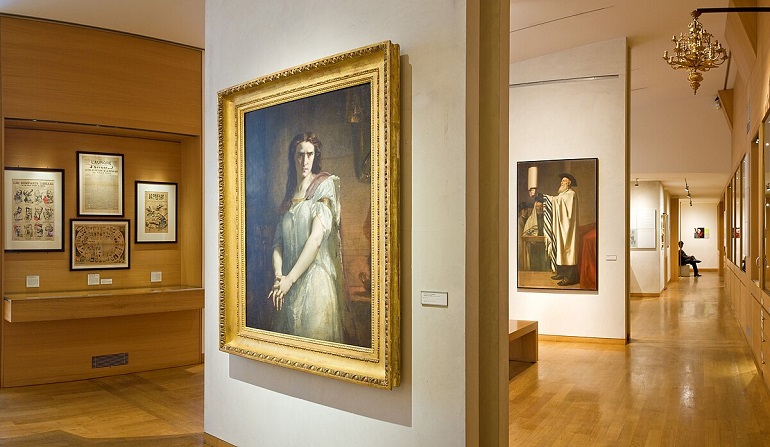
Musée d'Art et d'Histoire du Judaïsme (Museum of Jewish Art and History)
Located in the elegant Hôtel de Saint-Aignan in the Marais, the Musée d'Art et d'Histoire du Judaïsme presents Jewish art, culture, and history with particular emphasis on French and European Jewish communities. The collection spans from medieval times to the present, including ritual objects, manuscripts, paintings, and contemporary art.
The museum examines Jewish life in France through the centuries, addressing both periods of acceptance and persecution. Contemporary sections address the Holocaust and post-war Jewish culture, whilst temporary exhibitions regularly feature contemporary Jewish artists and cultural themes.
Musée National Eugène Delacroix
Beyond the artist's personal museum mentioned earlier, Paris contains numerous church-based museums that preserve religious art and history. The Musée de Notre-Dame de Paris (currently closed due to fire damage) traditionally displayed the cathedral's treasures, including reliquaries, vestments, and architectural fragments.
Unique and Unusual Collections
Musée Grévin
The Musée Grévin is a renowned wax museum situated in the heart of Paris's 9th arrondissement on the Grands Boulevards, having delighted visitors for over 140 years. Founded in 1882 by journalist Arthur Meyer and named after its first artistic director, caricaturist Alfred Grévin, the museum was established as the French answer to Madame Tussauds in London, serving Meyer's innovative vision of bringing newspaper personalities to three-dimensional life when photography in journalism was still limited. The museum houses an impressive collection of over 400-500 wax figures representing celebrities, historical figures, politicians, and entertainers from both France and around the world, displayed across 11 thematic areas that take visitors on a journey through time and contemporary culture.
The museum's architectural splendour includes several remarkable features that enhance the visitor experience beyond the wax figures themselves. The centrepiece Hall of Mirrors, originally constructed for the 1900 Exposition Universelle and recently renovated in 2018, creates a mesmerising play of light and optical illusions that serves as the dramatic introduction to the museum. The building also features beautifully preserved baroque-style decorations dating from 1882, including the ornate Salle de la Coupole and Salle des Colonnes, alongside the historic Grévin Theatre designed by architect Gustave Rives, which is now classified as a National Monument. Each wax figure represents a remarkable feat of craftsmanship, taking approximately six months to create by a team of over 15 different specialists—including sculptors, make-up artists, costume designers, and dental technicians—at a cost of €50,000-60,000 per figure, ensuring the museum's reputation for exceptionally lifelike representations.
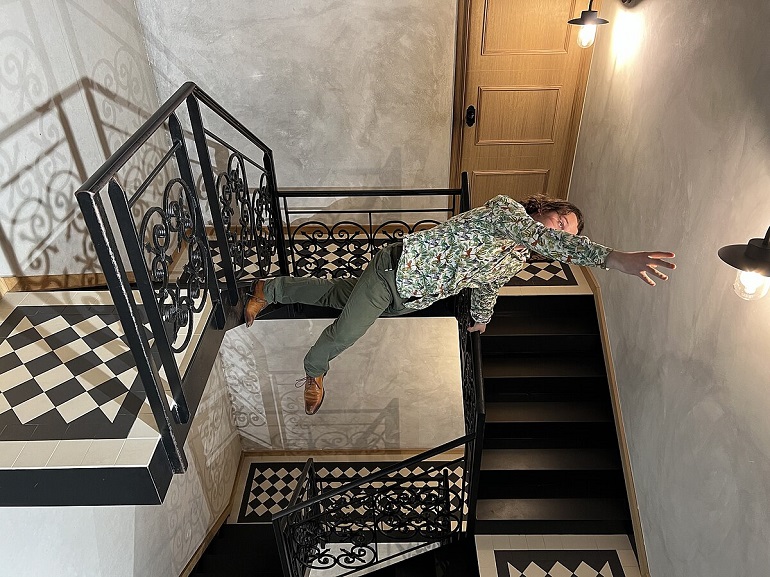
Paradox Museum Paris
The Paradox Museum Paris is a captivating interactive attraction located on Boulevard des Italiens in the 9th arrondissement, near the Opéra. Opened recently as the European flagship of a global concept, this unique museum occupies 1,700 square metres across three levels and houses over 90 paradox-based exhibits that challenge visitors' perceptions through optical illusions and mind-bending experiences. The museum promises more mind-twisting, eye-tricking experiences than any other edutainment destination in the world, with more than a dozen installations that are exclusive to the Parisian location.
The museum offers an engaging journey lasting over an hour and a half, where physical sciences and optical illusions punctuate the visitor experience. Highlights include the Paradox Sofa where visitors appear to disappear, the Zero Gravity room that defies gravitational logic, the Ames Room that transforms size perception depending on positioning, and the disorienting Paradox Tunnel. The venue features helpful staff, QR codes for learning more about the science behind each illusion, and is designed to be Instagram-worthy with photo opportunities throughout. Open seven days a week from 10am to 8pm (with extended hours until 9pm on Saturdays), the museum includes a Hans & Gretel café and souvenir shop, making it accessible to visitors of all ages and those with reduced mobility.
Musée de l'Illusion Paris
The Musée de l'Illusion Paris is an interactive museum of illusions that offers visitors a unique and captivating experience in the heart of the 1st arrondissement. Located at 98 rue Saint-Denis, this entertaining attraction features approximately 70 mind-bending optical illusions that challenge perception and question reality. The museum operates daily from 10 a.m. to 9 p.m. Sunday through Wednesday, and 10 a.m. to 10 p.m. Thursday through Saturday in an air-conditioned space. Visitors can expect to encounter interactive exhibits such as the Hologram Chamber, where they can create three-dimensional holograms, the Magic Carpet that transforms reflections into a magical flying experience, and classic illusions like the Beuchet chair and the Vortex, which transport guests into disorienting three-dimensional spaces.
The museum is part of a global franchise that originated in Zagreb, Croatia, in 2015 and has since expanded to multiple locations worldwide. Rather than simply observing, guests are encouraged to engage with the exhibits, touch them, and even become part of the illusions themselves. Each exhibit is accompanied by rational, scientific explanations that teach visitors about sight, perception, and how the brain processes visual information. This educational approach makes the museum suitable for all ages, providing an ideal destination for families, couples, or groups seeking both entertainment and learning opportunities. The museum also offers excellent photography opportunities for social media, with many installations designed to create memorable and shareable moments.
Musée de la Chasse et de la Nature
The Musée de la Chasse et de la Nature presents a sophisticated exploration of the relationship between humans and nature through the lens of hunting. Housed in two historic mansions in the Marais, the museum displays hunting weapons, animal trophies, and contemporary art installations that examine our complex relationship with the natural world.
The museum's approach transcends simple glorification of hunting, instead creating thought-provoking juxtapositions between historical artefacts and contemporary artistic interpretations. Period rooms recreate aristocratic hunting lodges, whilst modern galleries feature works by artists like Sophie Calle and Jan Fabre that challenge traditional perspectives on nature and wildlife.
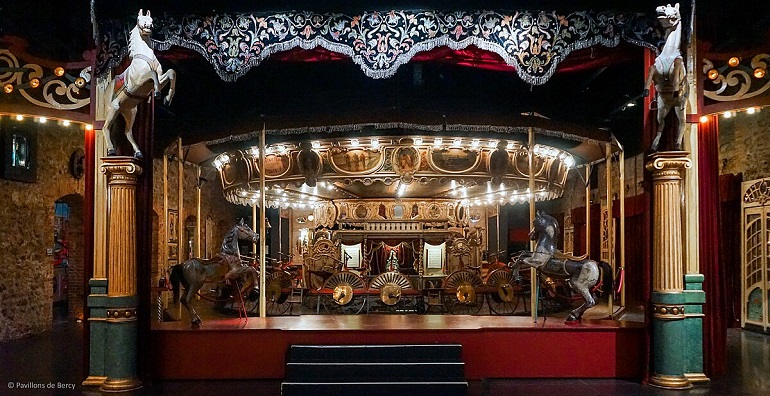
Musée des Arts Forains
The Musée des Arts Forains recreates the magic of 19th-century fairgrounds through an extraordinary collection of carnival rides, games, and attractions. Located in former wine warehouses in Bercy, the museum allows visitors to experience restored carousels, fairground organs, and vintage games.
The collection includes Belle Époque carousels with hand-carved horses, mechanical fortune-telling machines, and elaborate fairground decorations. Guided tours often include demonstrations of working attractions, allowing visitors to ride historic carousels and play period games. The museum's theatrical approach to display creates an immersive experience that brings the golden age of fairgrounds to life.
Musée Fragonard d'Alfort
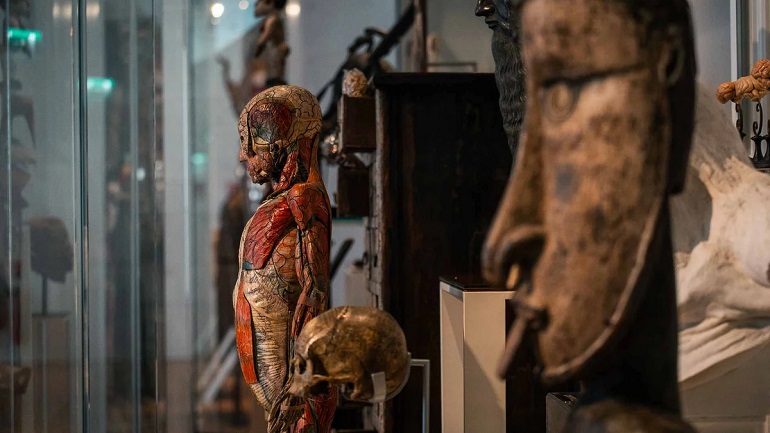
Located in the National Veterinary School of Alfort, the Musée Fragonard contains one of the world's most extraordinary anatomical collections. Created by Honoré Fragonard (cousin of the painter Jean-Honoré Fragonard) in the 18th century, the collection features "écorchés"—anatomical preparations of humans and animals preserved through a secret technique.
The museum's most famous piece is "The Horseman of the Apocalypse," a preserved human figure mounted on a horse, both skinned to reveal muscular and vascular systems. While undeniably macabre, the collection represents important advances in anatomical knowledge and preservation techniques. The museum provides fascinating insight into 18th-century scientific methods and the history of veterinary medicine.
Musée de la Parfumerie Fragonard
The Musée de la Parfumerie Fragonard recreates the atmosphere of a 19th-century perfume factory. Located near the Opéra, the museum traces the history of perfume-making from ancient times to the present, displaying antique stills, bottles, and manufacturing equipment.
Visitors can learn about the complex art of creating fragrances, from identifying raw materials to understanding the structure of perfume compositions. The museum includes a functioning laboratory where master perfumers demonstrate traditional techniques. The collection of historic perfume bottles and advertising materials provides insight into the evolution of this quintessentially French luxury industry.
Les Catacombes de Paris
The Paris Catacombs offer one of the city's most unusual and memorable museum experiences. This underground ossuary contains the remains of over six million Parisians, transferred from overcrowded cemeteries in the late 18th century.
The catacombs extend through former limestone quarries 20 metres beneath the city streets, creating a labyrinthine network of tunnels lined with carefully arranged skulls and bones. The macabre displays, organised with artistic precision, create powerful meditations on mortality and the passage of time. Only 200 visitors are allowed inside at any time, creating an intimate and often profound experience.
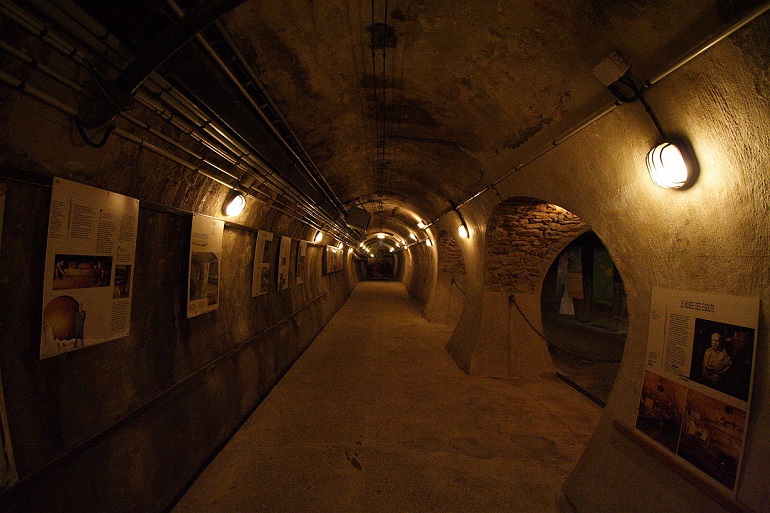
Musée des Égouts de Paris (Paris Sewer Museum)
The Musée des Égouts (Sewers Museum) explores Paris's underground infrastructure through guided tours of the actual sewer system. The museum demonstrates how the city's sewage system functions whilst providing historical context about urban development and public health.
Visitors walk through working sewers (safely separated from flowing waste) whilst learning about the engineering marvels that keep Paris functioning. The museum includes exhibits on sewer workers, the history of urban sanitation, and the role of sewers in literature (particularly Victor Hugo's Les Misérables). Despite its unusual subject matter, the museum provides fascinating insights into urban infrastructure and the hidden systems that support modern city life.
Specialist and Niche Museums
Musée de la Magie
The Musée de la Magie celebrates the art of illusion through collections of magical apparatus, optical illusions, and automata. Located in 16th-century cellars in the Marais, the museum creates an appropriately mysterious atmosphere for exploring centuries of conjuring history.
The collection includes elaborate stage magic props, Victorian-era optical toys, mechanical fortune-telling machines, and contemporary magical inventions. Live magic demonstrations provide entertainment whilst illustrating historical magical techniques. The museum appeals to both children and adults fascinated by the psychology of illusion and the craftsmanship behind magical effects.
Musée du Fumeur
The Musée du Fumeur (Smoker's Museum) presents the cultural history of tobacco use through pipes, snuff boxes, cigarette holders, and smoking accessories from around the world. Despite its controversial subject matter, the museum approaches smoking from anthropological and artistic perspectives, examining its role in different cultures and its representation in art and literature.
Musée de l'Érotisme
The Musée de l'Érotisme in Montmartre explores human sexuality through art from various cultures and historical periods. The collection includes sculpture, paintings, photographs, and objects that examine erotic art from ancient civilisations to contemporary times, presented in a scholarly context that emphasises artistic and anthropological significance.
Conclusion
Paris's museums collectively form one of the world's great cultural ecosystems, offering experiences that range from intimate encounters with individual artists to sweeping surveys of human civilisation. Whether exploring the masterpieces of the Louvre, contemplating mortality in the Catacombs, or discovering the hidden gardens of the Musée Rodin, visitors can spend weeks, months, or years discovering the treasures housed within the City of Light.
The diversity extends beyond art to encompass science, technology, fashion, literature, and countless specialised interests, ensuring that every visitor can find museums that speak to their particular passions. This extraordinary cultural wealth reflects Paris's historical role as a centre of artistic patronage, intellectual inquiry, and cultural exchange—a legacy that continues to enrich both residents and visitors from around the world.
Local Cuisine
Paris stands as the uncontested capital of French cuisine, offering visitors an extraordinary culinary journey that ranges from humble bistro fare to three-star Michelin dining experiences. The city's gastronomic landscape reflects centuries of culinary tradition whilst continuously evolving with contemporary influences. UNESCO has declared French cuisine part of humanity's cultural heritage, with its roots tracing back to the Middle Ages.
Historical Foundations
Parisian cuisine evolved through distinct historical periods, each leaving its culinary mark on the city. During the Renaissance, the introduction of New World ingredients such as tomatoes and potatoes revolutionised French cooking. The 17th century marked the rise of haute cuisine under Louis XIV's court, where elaborate preparation and presentation became paramount. The French Revolution democratised food culture, leading many aristocratic chefs to open public establishments, laying the groundwork for the modern restaurant industry.
The Belle Époque (late 19th to early 20th century) represented the golden age of Parisian cuisine, when Auguste Escoffier revolutionised French cooking with his emphasis on simplicity, efficiency, and elegance. His seminal work "Le Guide Culinaire" remains influential today, establishing principles that continue to guide modern French gastronomy.
Classic Parisian Specialities
The heart of Parisian dining revolves around timeless classics that define the city's culinary identity. Steak frites remains perhaps the most emblematic bistro dish, consisting of perfectly grilled beef accompanied by crispy hand-cut chips and traditional sauces such as Béarnaise or peppercorn. French chefs typically prefer serving steaks medium-rare, as this preserves the beef's flavour better than well-done preparations.
The beloved Croque Monsieur represents the pinnacle of French comfort food, combining hearty bread with béchamel sauce, high-quality ham (known as Jambon de Paris), and melted Gruyère or Emmental cheese, then grilled until golden. For a quick bite, the simple jambon-beurre sandwich offers the quintessential Parisian on-the-go meal, featuring fresh baguette spread with butter and filled with traditional cooked ham.
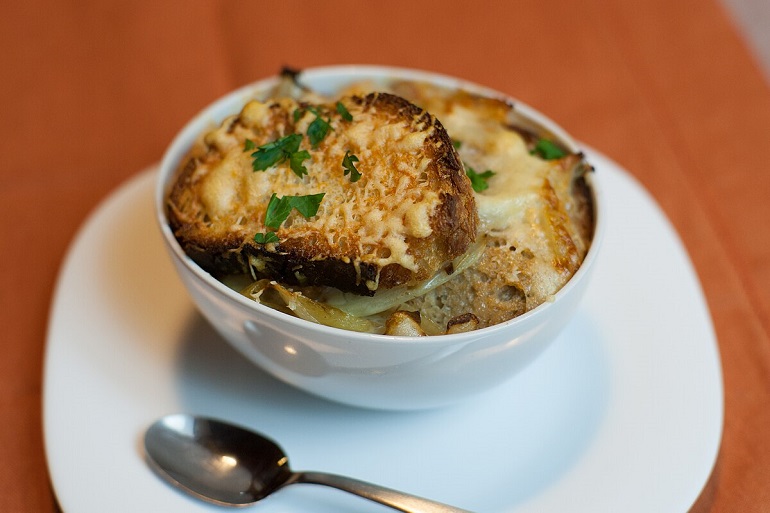
French onion soup provides warming comfort, particularly during colder months, made with rich beef stock, caramelised onions, and topped with melted Gruyère cheese and pieces of baguette. Legend suggests King Louis XV elevated this humble dish by adding butter and Champagne whilst cooking in his hunting lodge.
Bistro Culture and Dining Traditions
Parisian bistros, originating in the 18th century as modest family-run establishments, became the backbone of the city's dining culture. The term "bistro" allegedly derives from the Russian word "бистро" (bystro), meaning "quick," stemming from Russian soldiers' demands for fast service during their 1814 visit to Paris. These convivial establishments democratised dining after the French Revolution, becoming symbols of Parisian life where locals could enjoy traditional dishes in warm, relaxed atmospheres.
Modern bistros continue this tradition, serving hearty classics including pot-au-feu, coq au vin, and cassoulet. The culture emphasises slow dining, with meals lasting 2-3 hours as diners savour food, conversation, and the moment itself.
Regional Delicacies and Local Produce
The Île-de-France region surrounding Paris contributes exceptional local ingredients that define Parisian cuisine. The area produces renowned cheeses including Brie from Meaux, Melun, and Coulommiers, alongside distinctive local ingredients such as peppermint from Milly and cherries from Montmorency. Local specialities also include Houdan poultry, lamb from Île-de-France, and Parisian mushrooms.
Market Culture and Fresh Produce
Paris maintains over 80 active food markets, ranging from massive twice-weekly affairs to intimate neighbourhood gatherings. The Marché Bastille, stretching from Place de la Bastille to Richard Lenoir métro station, represents one of the city's largest open-air markets with over 100 stalls offering everything from Normandy oysters to finest saucisson.
The historic Marché des Enfants Rouges, dating to 1615, provides an authentic market experience, whilst Rue Cler in the 7th arrondissement offers a quintessential market street lined with specialty shops, boulangeries, and outdoor stalls. These markets serve as social hubs where Parisians source quality ingredients whilst maintaining the tradition of daily fresh shopping.
Pastries and Sweet Masterpieces
Paris has gifted the world some of its most celebrated pastries. The iconic croissant, with its buttery, flaky layers, represents the pinnacle of French baking craftsmanship. Equally beloved are pain au chocolat, macarons in vibrant colours, and delicate chouquettes.
More elaborate confections showcase Parisian patisserie artistry. Mille-feuille (meaning "thousand leaves") consists of thin, crisp pastry layers with rich custard cream, topped with marbled black-and-white icing. Modern patissiers have revolutionised classics, creating deconstructed versions earning Dessert of the Year honours.
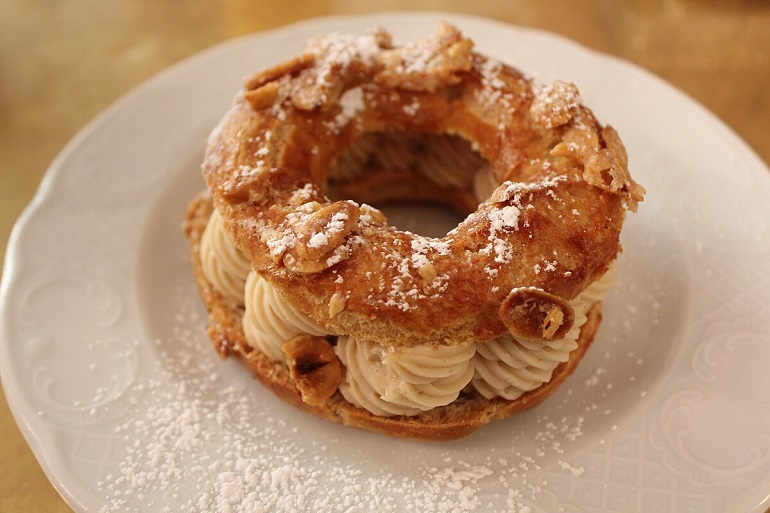
The Paris-Brest, created in 1910 to commemorate the Paris-Brest bicycle race, features choux pastry filled with praline cream. Other signature pastries include Saint-Honoré, Opéra, and the nun-shaped Religieuse. Many of these pastries allegedly originated in Paris, though their ancient recipes make definitive provenance difficult to verify.
Macarons deserve special mention, with establishments like Pierre Hermé elevating these almond meringue cookies to art forms. The Barbade (chocolate, vanilla, and Tonka bean) and signature Ispahan (raspberry, rose, and lychee) represent the pinnacle of macaron craftsmanship.
Fine Dining and Gourmet Experiences
With 70 Michelin-starred restaurants, Paris serves as a global beacon of gastronomic excellence. Beyond haute cuisine, the city's traditional brasseries offer classic French preparations including escargots (garlic-butter snails), foie gras, and pommes parisiennes (Parisian-style potatoes). Heartier dishes such as duck confit, served with pommes sarladaises (garlicky potatoes sautéed in duck fat), showcase the influence of southwestern French cuisine.
Dining Etiquette and Cultural Norms
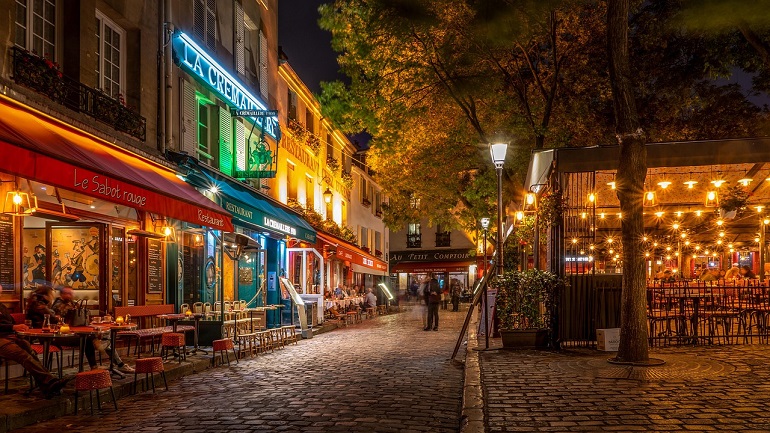
Parisian dining culture follows established customs that enhance the experience. Meals occur during specific windows: 12:00-14:00 for lunch and 19:30-22:00 for dinner. The norm emphasises eating slowly, conversing, and enjoying the moment, with meals often lasting 2-3 hours.
Proper etiquette includes attempting basic French phrases, even if servers switch to English. Never order modifications to dishes, as chefs design menus to be served precisely as intended. Bread is provided free but should be broken by hand and placed beside your plate, never on it. Water carafes (carafe d'eau) are complimentary, whilst bottled water incurs charges.
Cheese and Wine Culture
Paris offers exceptional access to France's diverse cheese regions through specialised fromageries. These shops feature knowledgeable vendors who guide customers through seasonal selections of raw-milk artisanal cheeses representing each French region. The French tradition of ending meals with cheese courses remains strong, with proper pairings enhancing both cheese and wine flavours.
Modern Evolution and Contemporary Trends
Whilst maintaining traditional foundations, Parisian cuisine continues evolving. Modern patissiers create innovative interpretations of classics, international influences appear in bistro menus, and the city's food markets increasingly feature organic and sustainable products. The Food Market concept brings global cuisines together whilst respecting French culinary principles.
Practical Dining Guidance
Local boulangeries still craft many pastries from scratch, though visitors should enquire to ensure authenticity. The city's cheese shops offer exceptional selections, with vendors providing guidance on seasonal choices. From simple picnics in the city's parks with fresh baguette sandwiches to elaborate multi-course meals in legendary restaurants, Paris offers culinary experiences satisfying every palate and budget whilst maintaining its reputation as the world's gastronomic capital.
The Parisian approach to food extends beyond mere sustenance—it represents a lifestyle celebrating quality ingredients, traditional preparation methods, and the social aspects of dining. This philosophy, developed over centuries and refined through various historical periods, continues to influence global culinary standards whilst remaining authentically Parisian.
Shopping
Paris is an absolute shopper's paradise, offering everything from world-renowned haute couture to charming local boutiques and vintage treasures. The city's diverse shopping districts cater to every taste and budget, making it an essential destination for retail therapy during your visit.
The Golden Triangle (Triangle d'Or) - Luxury Shopping at its Finest
The Triangle d'Or, formed by Avenue Montaigne, Avenue George V, and Rue François 1er, represents the pinnacle of Parisian luxury shopping. This prestigious area houses the flagship stores of fashion giants including Chanel, Dior, Hermès, Louis Vuitton, Prada, and Bulgari. Avenue Montaigne is particularly renowned as the heart of Paris's haute couture scene, where you'll find the most influential designers' headquarters. This is where serious fashion enthusiasts come to experience the epitome of French elegance.
Champs-Élysées - The World's Most Famous Shopping Street
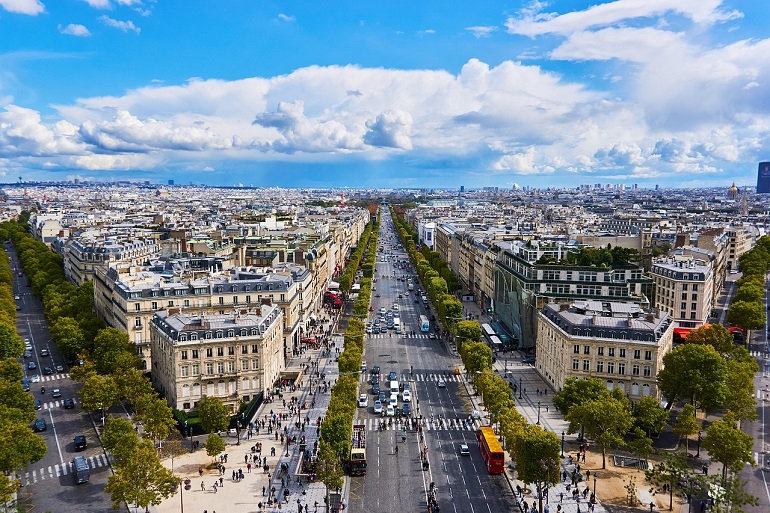
No Paris shopping guide would be complete without mentioning the iconic Champs-Élysées. Whilst luxury brands dominate the upper end, you'll also find more accessible options like H&M, Sephora, and Nike alongside the high-end boutiques. The avenue offers an unparalleled outdoor shopping experience, though be prepared for some of the steepest prices in the city.
Saint-Germain-des-Prés - Left Bank Sophistication
The 6th arrondissement's Saint-Germain-des-Prés area epitomises quintessential Parisian shopping. This elegant neighbourhood attracts well-heeled locals to boutiques featuring French brands like Sézane, Maje, Soeur, and The Kooples. The area combines fashion with culture, featuring the legendary Le Bon Marché department store—France's oldest—and its magnificent food hall, La Grande Épicerie. The neighbourhood also boasts the Carré Rive Gauche district, home to approximately 70 galleries and antique shops for art enthusiasts.
The Marais - Trendy Boutiques and Vintage Finds
The Marais district offers a refreshing contrast to the luxury zones, featuring a vibrant mix of trendy boutiques, vintage shops, and local designers. This area is perfect for discovering unique pieces and French brands like Polène bags, as well as concept stores such as Merci Paris, which offers curated selections of fashion, home goods, and distinctive gifts.
Department Stores and Shopping Centres
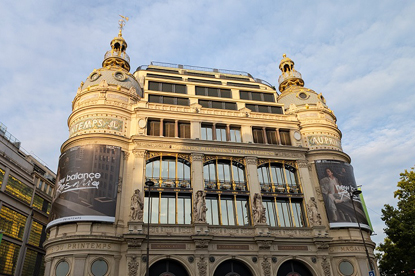
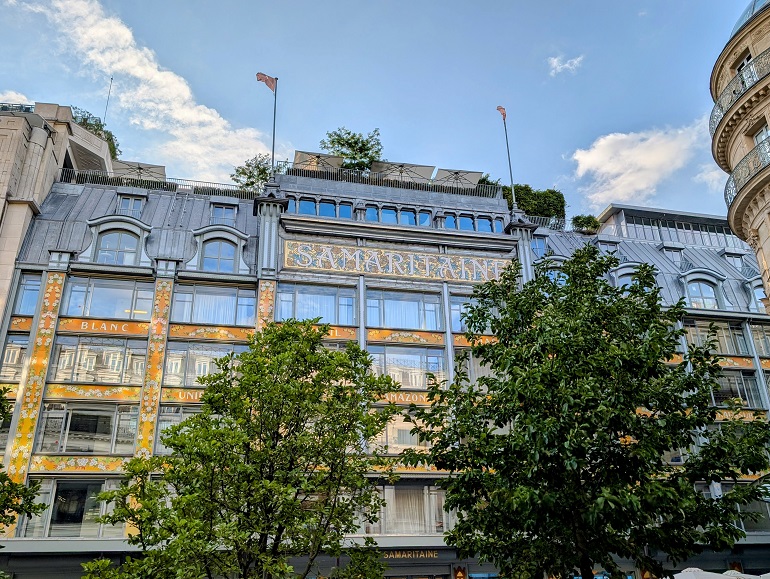
Boulevard Haussmann serves as the backbone of Parisian department store shopping, home to the magnificent Galeries Lafayette and Printemps. These iconic stores offer vast selections of high-end fashion, accessories, and beauty products under stunning Belle Époque architecture. The recently reopened Samaritaine provides another luxurious department store experience, blending historic Art Nouveau design with modern retail concepts.
For a more comprehensive shopping experience, visit Forum des Halles, a multi-level underground shopping centre featuring popular chains like Zara, H&M, Sephora, and Mango all under one roof.
Hidden Gems and Local Favourites
Rue du Commerce in the 15th arrondissement offers excellent value shopping away from tourist crowds. This charming street features over 100 shops including Monoprix (France's equivalent to Target), alongside fashion retailers and beauty stores, all at more reasonable prices than central Paris.
Budget-Friendly Options
La Vallée Village, just outside central Paris, provides an outlet shopping experience with discounts up to 50% on luxury brands including Gucci and Prada. For antique hunters, the Marché aux Puces de Saint-Ouen flea market offers one of the world's largest collections of vintage treasures.
Money-Saving Tips
Remember to take advantage of VAT refunds if you're visiting from outside the European Union. Purchases over €100 in a single store qualify for approximately 12% tax refund—bring your passport whilst shopping and request the VAT form at checkout. Process your refund at the airport before departure to save significantly on luxury purchases.
Nature in and around Paris
Despite being one of the world's most urbanised cities, Paris and its surrounding region offer an impressive array of natural attractions that provide respite from city life. From elegant formal gardens in the heart of the capital to vast forests and regional nature parks within easy reach, the Paris region is far greener than many visitors realise.
Parks and Gardens Within Paris
The Historic Royal Gardens
Paris boasts several magnificent gardens that showcase the French formal garden tradition at its finest. The Jardin des Tuileries, created by Catherine de Médicis in 1564 and redesigned by André Le Nôtre in the 17th century, stretches between the Louvre and Place de la Concorde. This 22.4-hectare space features perfect geometric perspectives, statue-lined paths, and offers breathtaking views of the Arc de Triomphe.
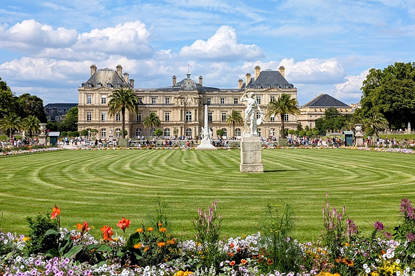
The Jardin du Luxembourg stands as the most popular park in Paris, beloved by both tourists and locals. This 25-hectare garden provides a quintessentially Parisian experience with its large basin, beautiful sculptures, and abundant green chairs where visitors can relax and people-watch. The east entrance offers splendid views of the Panthéon, whilst the notable Medici Fountain on the east side of the Luxembourg Palace creates a perfect photo opportunity.
The intimate Palais-Royal garden, created in 1633, offers a 2-hectare haven of absolute calm surrounded by historic shopping arcades. Its pruned lime trees, boxwood parterres, and white gravel paths create perfect geometry, enhanced by the contemporary Buren columns installed in 1986.
Landscaped Parks and Green Spaces
Parc des Buttes-Chaumont represents one of Paris's most remarkable natural attractions. Built on a former gypsum quarry between 1864 and 1867, this 25-hectare park offers unique topography with hills, an artificial lake, and a famous grotto decorated with stalactites. The Temple de la Sibylle, perched on a rocky islet accessible via a suspended footbridge, provides one of the finest views across Paris.
Parc Montsouris, inaugurated in 1878, spans 15.4 hectares and follows the English landscape style with undulating countryside, artificial lakes, and waterfalls. The park houses over 1,400 trees, some more than a century old, making it a valuable refuge for urban wildlife.
Paris contains over 400 gardens and parks covering one-quarter of the city, making it Europe's greenest capital. The Bois de Boulogne and Bois de Vincennes serve as the city's two great wooded parks, offering extensive green spaces for walking, cycling, and outdoor activities.
Forests and Natural Areas Around Paris
The Great Forests
Fontainebleau Forest stands as the Paris region's largest natural space and genuine green lungs. This 42,000-acre forest offers genuinely scenic landscapes with ravines, rock formations, and verdant woodland. The forest provides extensive networks of paths suitable for walking and cycling, plus excellent opportunities for rock climbing. The charming village of Barbizon, frequented by precursors of the Impressionist movement, sits on the forest's edge and merits a visit.
Rambouillet Forest encompasses 14,000 hectares southwest of Paris within the Haute Vallée de Chevreuse Natural Regional Park. The forest offers 92km of hiking trails and 60km of cycling tracks. Notable features include the ponds of La Tour and Le Perray, connected by an aqueduct, accessible via a 13.8km walk taking approximately 3 hours and 30 minutes. Espace Rambouillet allows visitors to encounter birds of prey and stags, plus experience an educational journey along suspended boardwalks.
Saint-Germain-en-Laye Forest provides a 3,500-hectare natural estate surrounding the château where Louis XIV was born. This royal forest offers lovely family walks amongst centuries-old trees, with waymarked trails including one marked with salamander symbols.
Regional Nature Parks
The Île-de-France region contains four magnificent nature parks that collectively comprise 20% of the Paris region across 270,000 hectares:
- Vexin Français Nature Park between Val d'Oise and Yvelines
- Gâtinais Français Nature Park straddling Essonne and Seine-et-Marne
- Oise – Pays de France Nature Park in Oise and Val d'Oise
- Haute Vallée de Chevreuse Nature Park in Yvelines
These parks combine natural beauty with cultural treasures, including historic sites like the abbaye de Royaumont, château de Breteuil, and fascinating villages such as La Roche-Guyon on the Seine banks and Chevreuse, beloved by Jean Racine.
During summer months, special buses connect RER stations at Cergy-Préfecture and Pontoise with principal beauty spots in the 160,000-acre Vexin regional park.
Getting There and Practical Information
Most of Paris's major parks and gardens are easily accessible by public transport. The forests require slightly longer journeys but remain within comfortable day-trip distance from central Paris. Rambouillet Forest lies 61km from Paris, reachable in 1 hour 15 minutes via the N10, whilst Fontainebleau is approximately one hour away by train.
These natural attractions demonstrate that Paris offers far more than urban sophistication. Whether seeking formal garden elegance, wild forest adventures, or peaceful parkland strolls, the City of Light and its surroundings provide abundant opportunities to connect with nature without straying far from the capital's cultural treasures.
Getting Around
Getting around Paris is remarkably straightforward thanks to the city's comprehensive and integrated public transport system. The French capital offers multiple transport options that efficiently connect every corner of the city and beyond, making it easy to navigate whether you're visiting iconic landmarks or exploring charming neighbourhoods.
The Métro: Paris's Transport Backbone
The Paris Métro forms the heart of the city's transport network. With 16 lines and more than 300 stations, it provides fast and economical connections throughout the capital. The system is easily recognisable by the distinctive yellow "M" at station entrances.
The Métro operates daily from 6am to approximately 12:45am (or 1:45am on Fridays and Saturdays). Service frequency is excellent, with wait times generally under five minutes. Each line has a distinctive colour and number, and directions are designated by the first and last stations displayed on platforms and maps. It's worth noting that for journeys of only one or two stops, walking is often quicker than taking the Métro.
RER: Connecting Paris and Beyond
The RER (Regional Express Network) comprises five lines (A to E) that serve Paris and the broader Île-de-France region. This express train system saves considerable time when crossing the city and provides connections to the suburbs. The RER operates on the same schedule as the Métro and uses the same ticketing system within Paris. However, journeys beyond Paris require different tickets based on your destination.
Buses: Sightseeing While Travelling
Paris's bus network offers an excellent way to discover the city with scenic routes above ground. Buses operate Monday to Saturday from 7am to around 12:30pm, with some routes ending at 8:30pm. Nearly half of all bus lines run on Sundays and public holidays.
To catch a bus, you must wave to the driver to signal your stop request. Once aboard, press the red buttons throughout the vehicle to indicate your desired stop. The line number and destination are displayed on the front above the driver's cabin and on the sides.
For late-night travel, the Noctilien night bus service operates from 12:30am to approximately 5:30am, providing coverage throughout Paris and surrounding areas.
Trams and Additional Options
Paris and its region feature 13 tram lines serving the city's outskirts and parts of Île-de-France. Tram tickets follow the same system as the Métro and RER.
The transport network is divided into five zones, with zones 1 and 2 covering Paris city centre. Popular destinations like Disneyland Paris and Charles de Gaulle Airport are in zone 5, whilst Orly Airport and Versailles are in zone 4.
Cycling: Paris's Transport Revolution
Paris has undergone a remarkable transformation into a cycling-friendly city. The city now boasts over 1,000 kilometres of cycling lanes and routes, making it one of Europe's most bike-friendly capitals. This extensive network was completed in 2020 as part of the city's grand expansion plan.
Cycling Infrastructure
The dedicated bike lanes, widened bus corridors, and protected cycling paths have made cycling in Paris significantly easier and more accessible. Major streets now feature black lanes for main protected bike routes, blue lanes for secondary paths, and green shared lanes. The most significant changes include the transformation of Rue de Rivoli and the quays along Canal St-Martin, now reserved exclusively for bikes, city buses, and taxis.
Most of the city is relatively flat and can be crossed in about 30 minutes by bike in normal traffic. However, if you're heading to Montmartre, Belleville, or the Butte-aux-Cailles, you might want to consider electric bike options due to the hills.
Cycling with Public Transport
Combining cycling with public transport offers flexibility. Folding bikes are welcome on all transport as long as they're properly folded and don't disturb other passengers. For standard bikes, the RER allows bicycles on lines A, B, C, D, and E during specific times: all day on weekends and public holidays, and on weekdays before 6:30am, between 9:30am and 4:30pm, and after 7:30pm.
Métro Line 1 allows bikes on Sundays and public holidays before 4:30pm, but otherwise bicycles are not permitted on the Métro, buses, trams, or the Montmartre funicular.
Bike Rental Options
Paris offers numerous bike rental services to suit different needs. Options include city bikes, electric bikes, mountain bikes, tandems, and even cargo bikes. Popular rental services include elegant Dutch-style bikes, various bike types including gravel and touring bikes, and cargo bike delivery services.
Many rental companies offer home or hotel delivery, making it convenient to start your cycling adventure immediately. Electric bikes are particularly popular and available from multiple providers, with GPS navigation and mobile app support.
Navigation and Safety
Modern smartphone apps like Citymapper, GéoVélo, or Google Maps provide excellent cycling directions with bike lane information. The GéoVélo app specifically includes an "Aménagements cyclables" toggle for bike lanes.
Paris has implemented a "green wave" system that prioritises bicycle traffic and public transport through adjusted traffic light timing. This makes cycling more efficient and safer throughout the city.
Practical Navigation Tips
Modern smartphone apps like Citymapper, Google Maps, or Apple Maps make navigation simple. Simply input your destination to receive detailed directions including which line to take and where to change.
Always keep your ticket or pass throughout your journey, as you may need it to exit stations. When boarding trains, pay attention to the direction - each line travels in two directions defined by terminal station names.
Alternative Transport
Beyond public transport and cycling, Paris offers various other options including taxis, ride-sharing services, and walking. The city's compact nature also makes walking an enjoyable way to explore, particularly for shorter distances between attractions.
The public transport system experiences periodic disruptions during summer months due to improvement works, so it's advisable to check service information before travelling. With this comprehensive network of transport options, from efficient public transport to the expanding cycling infrastructure, getting around Paris has never been easier or more environmentally friendly.
Best Time to Visit
The best times to visit Paris are April to May and September to October, when you'll enjoy pleasant weather, fewer crowds, and the city at its most charming. These shoulder seasons offer the perfect balance of comfortable temperatures and manageable tourist numbers, making them ideal for both first-time visitors and seasoned travellers.
Spring: The City Awakens (March-May)
April and May represent Paris at its most enchanting. Spring brings blossoms to the tree-lined boulevards, with flowering window boxes adding splashes of colour to the elegant Haussmann-era façades. The weather becomes pleasantly warm enough for picnicking in the city's renowned parks, including the Jardin du Luxembourg and along the UNESCO World Heritage riverbanks.
March can still be quite chilly, but by April, temperatures reach a comfortable 15°C (60°F), perfect for leisurely strolls and outdoor dining. The longer daylight hours mean more time to explore, whilst the tourist crowds haven't yet reached their summer peak.
Autumn: Paris in Golden Hues (September-November)
September and October offer some of the most beautiful weather Paris has to offer. Early autumn maintains the warmth of summer without the oppressive heat, with September temperatures around 22°C (72°F) during the day. The changing leaves create a picturesque backdrop throughout the city's parks and streets, whilst the crisp air makes walking tours particularly enjoyable.
October is especially magical, with daytime temperatures around 17°C (63°F) and the romantic atmosphere that epitomises Paris in films - perfect for walks along the Seine wearing a stylish coat and scarf. November becomes cooler and rainier, but the reduced crowds make it appealing for culture enthusiasts.
Summer: Vibrant but Busy (June-August)
Whilst summer brings long daylight hours and a lively atmosphere, it's also the most crowded and expensive time to visit. June through August sees temperatures reaching 25°C (77°F) or higher, and many hotels lack air conditioning.
August presents a unique situation, as many Parisians take their holidays, leading to the closure of numerous local shops and restaurants. Paradoxically, this means fewer authentic local experiences but more tourist crowds at major attractions.
Winter: Cultural Delights (December-February)
Winter in Paris isn't just about cold weather - it offers distinct advantages for certain types of travellers. January and February are the cheapest months to visit, with excellent shopping during the winter soldes (sales) and the city's cultural offerings in full swing.
December brings magical Christmas markets and festive decorations, though expect larger crowds around the holidays. The shorter daylight hours mean more time spent in cosy cafés, museums, and theatres - perfect for embracing the city's indoor cultural scene.
What to Avoid
Late June through August represents peak season with sweltering heat, massive crowds, and premium prices. The combination of extreme temperatures (often exceeding comfortable levels) and tourist saturation can make sightseeing particularly challenging.
Major holidays like Easter also bring significant crowds and higher accommodation costs, regardless of the season.
Making Your Choice
For first-time visitors seeking the quintessential Paris experience, late April through May offers the perfect introduction. Photography enthusiasts will find October irresistible for its golden light and autumn colours. Budget travellers should consider January or February, whilst culture lovers might prefer the quieter winter months when museums and galleries are less crowded.
Remember that Paris maintains its charm year-round - the key is matching your visit to your priorities, whether that's perfect weather, cultural immersion, or simply experiencing the city without fighting through crowds at every turn.