


| Contents |
|---|
Introduction
Angers, the capital of the historic province of Anjou and western gateway to the Loire Valley, is a city that blends medieval charm with contemporary living, providing a high quality of life to its 160,000 inhabitants. Located about 300 km southwest of Paris in western France, it sits at the confluence of three rivers—the Mayenne, the Sarthe, and the Loir—which form the Maine river. The city is renowned for its impressive 13th-century fortress, which houses the famous Apocalypse Tapestry, the oldest French medieval tapestry and the biggest medieval tapestry ensemble in the world. As a university city with nearly 40,000 students, Angers has a youthful atmosphere evident in its many street entertainers, festivals and carnivals. Beyond its rich historical heritage, Angers is Europe's leading horticultural centre and lies in the heart of the third-largest French winegrowing region, offering visitors exceptional Anjou wines and gastronomy in its pedestrianised historic old town, known as the Cité.
Interesting Facts about Angers
- The Château d'Angers houses the Apocalypse Tapestry, the largest and oldest medieval tapestry ensemble in the world.
- Angers is known as the greenest city in France, with numerous parks and a strong commitment to sustainability.
- The city was a key stronghold of the Plantagenet dynasty and played a significant role in European history.
- Angers is home to Végépolys, Europe's leading horticultural competitiveness cluster.
- The Loire Valley, where Angers is located, is a UNESCO World Heritage Site and famous for its vineyards and wines.
- The Angers Cathedral features Angevin Gothic architecture and twin spires reaching 75 metres high.
- Terra Botanica, a botanical-themed amusement park, offers over 40 attractions amidst lush gardens.
- Angers boasts a vibrant cultural scene with nearly 40,000 students contributing to its youthful energy.
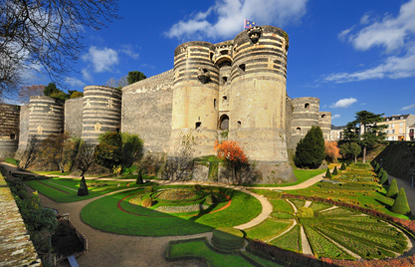
- The city’s Château d'Angers is surrounded by massive walls with 17 towers dating back to the 13th century.
- Angers is located at the confluence of three rivers—Mayenne, Sarthe, and Loir—forming the Maine River.

History
Archaeological evidence suggests human presence in the area as early as 400,000 BCE, with significant Neolithic artefacts such as stone axes and burial sites discovered within its boundaries. During the Iron Age, the Celtic Andecavi tribe established a settlement here, which later evolved into the Roman town of Juliomagus. The Romans left their mark with villas, baths, and even an amphitheatre. By the 9th century, Angers became a fortified stronghold under the threat of Viking invasions, leading to the construction of its iconic castle by Charles the Bald.
In the Middle Ages, Angers rose to prominence as the capital of Anjou and the cradle of the Plantagenet dynasty. The city became a key centre of power under Henry II Plantagenet, whose Angevin Empire spanned from England to the Pyrenees. However, after its annexation by King Philip II of France in 1204, Angers became part of the French crown. The city flourished culturally and intellectually during this period, with institutions like its university gaining renown across Europe. The Château d'Angers was expanded during this time and became home to the famed Apocalypse Tapestry, a masterpiece of medieval art.
The Renaissance brought further transformation to Angers under King René of Anjou, who fostered cultural and economic revival following the devastation of the Black Death and Hundred Years' War. René’s court was celebrated for its artistic patronage, and he enhanced the city’s gardens and architecture. By the 16th century, Angers played a pivotal role in France’s religious conflicts, including events surrounding the St. Bartholomew's Day massacre. Later, it briefly served as the de facto capital of France when Henri IV prepared the Edict of Nantes here in 1598. Today, Angers remains a vibrant city that blends its historical legacy with modern innovation.
Main Attractions
Château d'Angers
The Château d'Angers is one of the city's most iconic landmarks, built between 1230 and 1240 by Louis IX of France. This imposing fortress dominates the city skyline with its 17 massive towers along its one-kilometre-long walls. The castle's distinctive striped appearance is due to the use of horizontal slices of tuff and schist, creating a striking visual effect. While the castle is perhaps best known for housing the remarkable Apocalypse Tapestry, a 14th-century masterpiece spanning over 100 metres, it also offers panoramic views of Angers from its walls. Visitors can explore the castle daily, with varying hours depending on the season. The admission fee is €9.50, and entry is free for those under 18 years old.
The castle's history is deeply intertwined with the city's strategic importance during the Middle Ages. Its robust construction reflects its role as a defensive stronghold. Over the centuries, the castle has undergone various transformations, including periods of abandonment and restoration. Today, it serves not only as a historical site but also as a cultural venue, hosting events and exhibitions throughout the year. The Apocalypse Tapestry, which depicts scenes from the Book of Revelation, is a highlight for many visitors. The tapestry's intricate details and vivid colours make it a fascinating piece of medieval art.
In addition to its historical significance and cultural offerings, the Château d'Angers provides a glimpse into the architectural styles of the time. The use of tuff and schist not only adds to its visual appeal but also reflects the local materials available during its construction. Visitors can explore the castle's gardens and courtyards, which offer a peaceful respite from the bustling city. The castle's strategic location allows visitors to appreciate the layout of Angers and its relationship with the surrounding landscape.

Cathédrale Saint-Maurice
The Cathédrale Saint-Maurice is a prime example of Angevin Gothic architecture, showcasing the region's unique style. The cathedral conserves 12th-century stained glass windows, which are among its most striking features. These windows filter the light, casting vibrant colours across the interior and highlighting the intricate stone carvings. The cathedral also houses an impressive collection of tapestries and religious artefacts, reflecting its rich history and cultural significance. The striking façade is best viewed from the bottom of the Saint-Maurice steps, offering a dramatic perspective on the cathedral's architecture.
The cathedral's history dates back to the 12th century, with various additions and renovations over the centuries. Its architecture reflects the evolution of Gothic styles in the region, with a blend of Romanesque elements. The interior is notable for its soaring vaults and the sense of lightness created by the stained glass windows. Visitors can attend religious services or explore the cathedral during visiting hours. The cathedral's surroundings, including the adjacent square, provide a tranquil setting for reflection and appreciation of the building's beauty.
In addition to its architectural and historical significance, the Cathédrale Saint-Maurice plays a central role in the community. It hosts various cultural events and concerts throughout the year, showcasing its acoustics and ambiance. The cathedral's location in the heart of Angers makes it a convenient stop for visitors exploring the city's historic centre.

La Doutre Quarter
La Doutre is an old neighbourhood located on the western bank of the Maine river. It is home to two significant medieval sites: the Abbaye du Ronceray and the Hôpital Saint-Jean. The Abbaye du Ronceray, founded in the 11th century, is one of the oldest and most important religious sites in Angers. Its architecture reflects the transition from Romanesque to Gothic styles, with a beautiful cloister and church. The abbey has played a significant role in the city's religious and cultural life for centuries.
The Hôpital Saint-Jean, founded by Henry II of England, is another notable landmark in La Doutre. Established in the 12th century, it served as a major hospital and charitable institution. Today, it houses a museum (not covered in this guide) and offers a glimpse into medieval healthcare and philanthropy. The hospital's architecture is a testament to its historical importance, with a large chapel and cloister. Visitors can explore the surrounding streets of La Doutre, which are lined with charming medieval buildings and offer a glimpse into Angers' past.
La Doutre's charm lies in its well-preserved medieval architecture and its role as a cultural and historical hub. The quarter is filled with narrow streets and picturesque squares, making it an enjoyable area to explore on foot. Visitors can discover local shops, cafes, and restaurants, which add to the area's vibrant atmosphere.
Maison d'Adam (Adam's House)
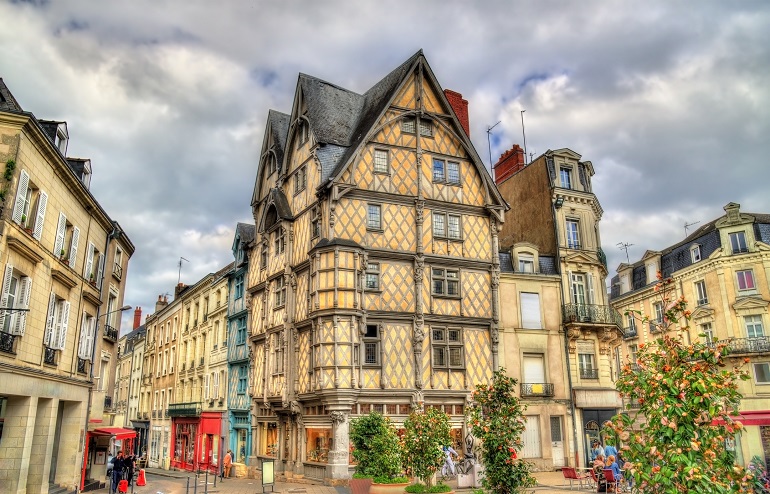
Maison d'Adam, or Adam's House, is a well-preserved example of medieval half-timbered architecture. Located behind the cathedral, it currently houses the Maison des artisans d'Angers, a centre for arts and crafts. The house features unusual sculpted figures on its façade, including the famous 'Tricouillard', which are a testament to the craftsmanship of the time. These carvings add to the building's charm and historical significance.
Built in the 15th century, Maison d'Adam reflects the typical construction methods of the period, with wooden beams and infilled walls. Its location near the cathedral highlights the importance of timber-framed buildings in medieval Angers. Today, visitors can explore the house and learn about local crafts and traditions. The centre offers workshops and exhibitions, providing insight into the region's artisanal heritage.
The Maison d'Adam is not only a historical landmark but also a living part of Angers' cultural scene. It serves as a venue for local artisans to showcase their work, from woodcarving to textiles. Visitors can purchase handmade items or simply enjoy the atmosphere of this unique medieval building.
Promenade du Bout du Monde
The Promenade du Bout du Monde is a scenic walkway that offers one of the best views of the city and the river Maine. Located along the riverbank, it provides a peaceful setting for a stroll or a picnic. The promenade is lined with trees and benches, making it an ideal spot to relax and enjoy the scenery. Visitors can observe the river's flow and appreciate the city's layout from a different perspective.
This promenade is part of Angers' efforts to enhance its public spaces and provide residents and visitors with accessible green areas. It connects several parks and gardens, creating a continuous green corridor along the river. The promenade is particularly popular during sunset, when the city lights begin to illuminate the landscape.
In addition to its aesthetic appeal, the Promenade du Bout du Monde serves as a link between different parts of the city. It allows visitors to explore Angers' riverside areas and discover hidden gems, such as small cafes or local shops. The promenade is also a popular spot for events and festivals, adding to the city's vibrant cultural scene.

Historic Buildings
Angers is home to numerous historic buildings that reflect its rich architectural heritage. One notable example is the Tour Saint-Aubin, a 12th-century bell tower that is a remnant of a former abbey. This tower stands as a testament to the city's medieval past and offers a glimpse into the region's early architectural styles.
The Abbaye Toussaint, founded in the 13th century, is another significant site. Although partially preserved, the abbey's church and cloister remain impressive examples of Gothic architecture. Visitors can explore the abbey's grounds and appreciate its historical significance.
The Couvent de la Baumette, a 15th-century convent founded by René of Anjou, is another notable landmark. Its architecture reflects the Renaissance influences that began to appear in Angers during this period. The convent's history is intertwined with the city's cultural and religious life, making it an important part of Angers' heritage.
Logis Pincé is a renowned 16th-century Renaissance building that showcases the region's architectural evolution. Its design reflects the influence of Italian styles, which were popular during the Renaissance. The building's façade is adorned with intricate stone carvings and ornate details, making it a standout example of Renaissance architecture in Angers.
The Maison bleue, or Blue House, is an Art Deco masterpiece built in 1927. Its striking blue façade and geometric patterns make it a unique addition to Angers' architectural landscape. The house is a testament to the city's embrace of modern styles in the early 20th century.
Château du Plessis-Bourré
Located just outside Angers, the Château du Plessis-Bourré is a well-preserved castle that combines medieval and Renaissance architecture. Surrounded by wide moats in a natural setting, the castle offers a picturesque backdrop for exploration. Visitors can enjoy guided tours that showcase its history and architectural features, including its defensive structures and ornate interiors.
The castle's history dates back to the 15th century, with significant renovations during the Renaissance. Its architecture reflects the transition from medieval fortresses to more refined Renaissance styles. The castle's surroundings, including its gardens and moats, create a serene atmosphere that complements its historical significance.
In addition to its architectural appeal, the Château du Plessis-Bourré provides a glimpse into the lives of its former inhabitants. The guided tours offer insights into the castle's role as a residence and its strategic importance in the region. Visitors can explore the castle's rooms, which are filled with period furnishings and artefacts, further enhancing the historical experience.
The castle's location outside Angers makes it an ideal day trip or excursion. Visitors can combine a visit to the castle with exploration of the surrounding countryside, which offers scenic views and opportunities to discover local villages and vineyards. The Château du Plessis-Bourré is a must-visit for anyone interested in medieval and Renaissance history, architecture, and culture.
Top Museums
Art Museums
Musée des Beaux-Arts (Museum of Fine Arts)
Located in a 15th-century private mansion, the Musée des Beaux-Arts offers a comprehensive journey through art history, featuring over 350 paintings, sculptures, and art objects from the 14th century to the present day. The museum also houses an impressive collection of archaeological artefacts, tracing the history of Angers from prehistoric times to the present. Visitors can explore works by renowned artists, including French masters and international artists, making it a must-visit for art enthusiasts.
Musée Jean-Lurçat et de la Tapisserie Contemporaine (Jean Lurçat Museum of Contemporary Tapestry)
Housed in the historic Hôtel-Dieu St Jean, this museum is renowned for its stunning contemporary tapestries, including the unfinished Chant du Monde, which stretches over 125 meters. The museum's setting, a former medieval hospital, adds to its charm, showcasing the Anjou Gothic style. The tapestries on display are not only visually striking but also reflect the artistic and cultural movements of the 20th century.
Galerie David d'Angers
Situated in the All Saints Abbey Church, the Galerie David d'Angers is an architectural gem featuring the works of the celebrated sculptor David d'Angers. His sculptures include portraits of famous historical figures such as King René, Gutenberg, and Victor Hugo. The gallery offers a serene atmosphere, complemented by its cloister garden. Visitors can appreciate the intricate details and craftsmanship of David d'Angers' works, which highlight his contribution to French art.
Science and Nature Museums
Muséum des Sciences Naturelles (Museum of Natural Sciences)
This museum explores the story of humanity from prehistoric times, focusing on environmental and ecological themes. It comprises two sites: the Hôtel Demarie-Valentin, which showcases local and regional history, and the Gaston-Allard Arboretum, home to the city's botanical collections. The museum provides insights into the natural world, offering interactive exhibits and educational programs for visitors of all ages.
Musée de l'Arboretum Gaston Allard
Part of the Muséum des Sciences Naturelles, the Arboretum Gaston Allard is a botanical garden featuring a wide variety of plant species. It serves as both a peaceful retreat and an educational resource, offering insights into botany and ecology. Visitors can enjoy the serene environment and participate in workshops or guided tours.
Historical and Cultural Museums
Musée-Château de Villevêque
Built as a fortress in the 12th century, this castle later became a residence and now houses an impressive collection of European artworks from the 12th to the 16th centuries, including tapestries, ceramics, and bronze statues. The castle's library is also noteworthy, featuring rare manuscripts and historical texts. Visitors can explore the castle's architectural evolution and enjoy its picturesque surroundings.
Musée Pincé
Located in a 16th-century mansion, the Musée Pincé is dedicated to antiquities from the Mediterranean, Asia, and South America. It features a diverse collection, including Japanese woodblock carvings and art objects from ancient civilizations. The museum also hosts contemporary art exhibitions, making it a hub for both historical and modern art appreciation.
Château d'Angers
While not strictly a museum, the Château d'Angers is a significant historical site housing the famous Apocalypse Tapestry, a 14th-century masterpiece depicting scenes from the Book of Revelation. The castle itself is a testament to medieval architecture and offers stunning views of the city. Visitors can explore its towers, gardens, and exhibitions, which provide a glimpse into Angers' rich history.
Musée de la Mémoire et du Patrimoine Militaire (Museum of Military Memory and Heritage)
This museum focuses on the military history of Angers and its region, showcasing artefacts from various conflicts. It provides a poignant reflection on the impact of war and the role of military service in shaping local identity. The museum is a place for remembrance and education, offering a unique perspective on Angers' past.
Specialised Museums
Artothèque d'Angers (Angers Arts Library)
The Artothèque is a unique institution that allows the public to borrow original artworks for a period of two months. It promotes contemporary art through exhibitions and activities, offering a collection of over 1,200 artworks by more than 450 artists. This innovative approach to art accessibility makes the Artothèque a standout cultural institution in Angers.
Musée des Arts Décoratifs (Museum of Decorative Arts)
Located in a historic building, this museum explores the evolution of decorative arts through various periods and styles. It features a collection of furniture, textiles, and ceramics, highlighting the craftsmanship and design that have shaped French culture. Visitors can appreciate the intricate details and historical significance of the artefacts on display.
Centre d'Art Contemporain de la Halle Saint-Pierre (Halle Saint-Pierre Contemporary Art Centre)
Although not exclusively a museum, this contemporary art centre hosts exhibitions and events that showcase local and international artists. It serves as a vibrant cultural hub, fostering creativity and innovation in the heart of Angers. The centre's dynamic atmosphere makes it an exciting place to explore the latest trends in contemporary art.
Musée de l'École Nationale Supérieure d'Architecture (Museum of the National School of Architecture)
This museum is dedicated to architectural heritage and education, featuring exhibitions that highlight the history and evolution of architectural design. It provides insights into the role of architecture in shaping urban landscapes and cultural identity. Visitors can explore models, drawings, and historical documents that illustrate the development of architectural styles.
Musée des Arts Graphiques (Museum of Graphic Arts)
Focused on the art of printing and graphic design, this museum showcases a collection of historical presses, printing equipment, and artworks that reflect the evolution of graphic arts. It offers workshops and demonstrations, allowing visitors to engage with the craft firsthand. The museum is a unique resource for those interested in typography, illustration, and the history of communication.
Local Cuisine
The city's local specialties showcase the region's bountiful produce and centuries-old traditions. Visitors must try rillettes, a savoury spread made from slow-cooked, shredded pork, perfect for spreading on crusty bread. For those with a sweet tooth, Quernon d'Ardoise offers a unique treat—blue-tinted white chocolate candies resembling the city's slate rooftops. Fouées, small puffy bread pockets filled with various delicacies, are another local favourite. Seafood lovers will appreciate the sandre (zander) served with beurre blanc, a rich butter sauce originating from the area. To complement these dishes, sample the region's renowned wines, including the prestigious dry white Savennières and the refreshing rosé Cabernet d'Anjou. For a truly local experience, finish your meal with a sip of Cointreau, the famous orange-flavoured liqueur produced in Angers.
Shopping
The city centre, extensively pedestrianised, features elegant buildings and attractive shop fronts, with the Place du Ralliement serving as the focal point for high-street brands and boutiques. Visitors can explore over 1,000 retail outlets spanning 60,000 square metres, including popular chains like Galeries Lafayette, Zara, and Apple Store. For those seeking a more modern shopping experience, Angers offers several retail parks and shopping centres on its outskirts, such as L'Atoll and Espace Anjou. The city also hosts regular markets and special events, including a Christmas market, adding to its appeal as a shopping destination in Western France.
Nature in and around Angers
Angers and its surroundings offer a wealth of natural attractions for outdoor enthusiasts. The Île Saint-Aubin, a protected Natura 2000 site, provides scenic walks and opportunities for birdwatching. The Briollay marshes feature educational trails showcasing the area's unique ecosystem. For water lovers, Lac de Maine is a 220-hectare park with a large lake, perfect for various activities including swimming, sailing, and hiking. The Loire à Vélo cycle route passes through Angers, offering picturesque rides along the river. Terra Botanica, a plant-themed park on the outskirts of the city, showcases diverse flora in immersive settings. Nature walks can also be enjoyed in the Bauné woods, ideal for forest bathing, and along the Authion river in Andard, where visitors can explore marshland scenery.
Getting There & Around
Angers is easily accessible by various modes of transport. The city is well-connected by high-speed TGV trains, with frequent services to major French cities including Paris (1.5 hours), Nantes (35 minutes), and Tours (52 minutes). For those arriving by air, Nantes Atlantique Airport is just 40 minutes away by TGV, whilst Angers Loire Airport is a mere 15-minute drive from the city centre. Once in Angers, getting around is a breeze thanks to the comprehensive public transport network. The city boasts three tram lines (A, B, and C) that connect key areas, complemented by an extensive bus system. Both trams and buses use the same ticketing system, with options for single journeys, day passes, and multi-day tickets. For those who prefer cycling, Angers offers dedicated bike routes throughout the city and a bike-sharing scheme. The compact city centre is also perfect for exploring on foot, allowing visitors to easily reach most attractions and shopping areas.
Best Time to Visit
The best time to visit Angers is from mid-May to mid-September, when the city enjoys its warmest and sunniest period. During these months, temperatures are generally pleasant, making it ideal for exploring the city's historic sites, such as the Château d'Angers, and enjoying the beautiful parks and gardens. July and August are the peak tourist months, with temperatures often reaching the mid-20s, but these months can be quite busy. For those seeking a more relaxed atmosphere, June and September are excellent alternatives, offering mild weather and fewer crowds. While spring and autumn are also lovely seasons to visit, winter is less favourable due to colder temperatures and increased rainfall, though it offers a unique opportunity to explore indoor attractions like museums and art galleries.