


| Contents |
|---|

Introduction
Established in 1963, Vanoise National Park is France's oldest national park, situated between the Tarentaise and Maurienne valleys in the Savoie region of the French Alps. Covering 53,000 hectares with 500 km of trails, the park features 107 peaks exceeding 3,000 metres, with the Pointe de la Grande Casse (3,852 metres) as its highest summit. The park is divided into a strictly protected central zone and a peripheral zone encompassing 28 communes. Renowned for its diverse wildlife, particularly the Alpine ibex which serves as its emblem, Vanoise is also home to chamois, marmots, wolves, lynx and over 100 bird species. The park shares a border with Italy's Gran Paradiso National Park, forming one of Western Europe's largest protected areas at 1,250 km². With its varied geology, glaciers, high-altitude lakes and Alpine meadows, Vanoise offers visitors exceptional opportunities for hiking and wildlife observation amidst spectacular mountain scenery.

Geography and Landscape
Location and Size
Vanoise National Park is situated in the Savoie department in the Rhône-Alps region of France. The park covers an impressive 535 square kilometres in its central zone, with an additional peripheral zone of approximately 145,000 hectares serving as a buffer. The park shares its eastern border with Italy's Gran Paradiso National Park, together forming one of Western Europe's largest protected spaces with a combined area of 1,250 square kilometres.
Mountain Terrain
The landscape of Vanoise is dominated by high mountains, with numerous peaks exceeding 3,000 metres in altitude. The park's highest point is La Grande Casse, which towers at an impressive 3,855 metres, while the lowest point in the central zone sits at 1,280 metres. In total, the park boasts 107 peaks over 3,000 metres, creating a dramatic skyline of jagged summits and steep ridges.
Glacial Features
One of the most striking aspects of Vanoise's landscape is its extensive glaciation. The park contains approximately 53 square kilometres of glaciers in its central zone. These major and minor glaciers carve their way down the rugged, rocky terrain, creating spectacular ice formations that have shaped the landscape over millennia. Visitors hiking to places like Lac Long can witness these impressive ice masses and even hear the cracking sounds of melting ice on warmer days.
Geological Diversity
The park's geology is remarkably complex and diverse. The landscape comprises a vast mix of rock types including limestone, gypsum, sandstone, quartzite, gneiss, schist, and various other metamorphic rocks. This geological variety contributes to the park's dramatic scenery, with different rock formations creating distinctive landforms throughout the protected area.
Lakes and Waterways
Scattered throughout the mountainous terrain are numerous alpine lakes, adding to the scenic beauty of the landscape. Notable water features include Lac des Vaches, Lac Long, and Lac Rond near the Col de la Vanoise. These high-mountain lakes, often displaying striking colours from glacial minerals, provide picturesque resting spots for hikers exploring the park.
Altitude Zones
The park's landscape can be divided into distinct altitude zones, each with its own characteristic terrain:
- Nival Zone (above 3,000m): Dominated by glaciers and snow-capped peaks with minimal vegetation
- Alpine Zone (2,000-3,000m): Featuring rocky terrain and alpine meadows above the tree line
- Subalpine Zone (1,500-2,000m): Characterised by shrubland and coniferous forests
- Montane Zone (800-1,500m): Primarily outside the central zone, consisting of dense forests and traditional hayfields
Surrounding Areas
The park is bordered by several renowned French ski resorts, including Les Trois Vallées, Tignes, Val-d'Isère, Les Arcs, and La Plagne. Small villages such as Pralognan-la-Vanoise, Termignon, Champagny-le-Haut, and Séez lie near the park boundaries, offering access points for visitors exploring this magnificent alpine wilderness.

Flora and Fauna
Vanoise National Park is a haven of biodiversity, boasting an extraordinary variety of fauna and flora. Its unique location, spanning diverse altitudes and geological compositions, makes it one of Europe’s most ecologically rich areas.
Fauna
The park is renowned for its wildlife, hosting iconic Alpine species alongside a wide range of birds, mammals, and insects:
- Mammals: Vanoise is home to France’s largest population of Alpine ibex, with around 2,000 individuals. Other prominent species include chamois, marmots, red deer, roe deer, and mountain hares. Predators such as foxes, badgers, martens, and ermines also thrive here.
- Birds: With 125 nesting bird species, the park is a paradise for birdwatchers. Notable species include the golden eagle, bearded vulture, black grouse, rock ptarmigan, Tengmalm's owl, and nutcracker.
- Insects and Amphibians: The park supports a variety of insect species and amphibians, vital for maintaining its ecological balance.
Flora
Vanoise National Park is equally celebrated for its botanical diversity. It hosts over 1,700 plant species—about a third of France’s flora—within less than 0.5% of the country’s territory. The vegetation varies significantly across its altitudinal zones:
- Montane Zone (800–1,500m): This lower zone features dense forests of beech and fir trees. Hayfields created by traditional farming practices are now a refuge for diverse plants like Alpine eryngo.
- Subalpine Zone (1,500–2,000m): Rhododendrons (alpenrose), blueberries, junipers, and coniferous forests dominate this level. Spruce trees are found in the lower parts.
- Alpine Zone (2,000–3,000m): Above the tree line lies rocky terrain interspersed with vibrant alpine meadows. Here you’ll find rare plants like edelweiss and black vanilla orchids.
- Nival Zone (Above 3,000m): This glacial zone supports only lichens and a few hardy plants due to extreme conditions.
The park also shelters rare species such as the twinflower (Linnaea borealis), lady’s slipper orchid (Cypripedium calceolus), and arctic-alpine plants like Carex glacialis.
A Unique Ecosystem
The park’s biodiversity is shaped by its varied geology (quartzite, schist, limestone) and climatic influences from both northern and southern Alps. Its pristine environment offers visitors an unparalleled opportunity to connect with nature while respecting conservation guidelines—such as avoiding picking flowers or disturbing wildlife.

Activities and Attractions
With over 400 kilometres of marked trails and countless opportunities for adventure, the Vanoise National Park offers an unforgettable experience for visitors seeking to immerse themselves in its pristine environment.
Hiking Trails
Hiking is undoubtedly one of the main attractions of the Vanoise National Park. Its extensive network of trails caters to all levels of ability, from gentle walks through lush meadows to demanding multi-day treks across rugged terrain. Whether you’re a seasoned mountaineer or a casual walker, there’s a trail waiting to be explored.
Tour of the Vanoise
The Tour of the Vanoise is one of the most iconic treks in the park and a bucket-list adventure for avid hikers. This figure-of-eight route spans approximately 160 kilometres and takes around 11 days to complete. The trail combines sections of the GR5 and GR55 long-distance paths, guiding hikers through dramatic alpine scenery, including towering peaks, glacial valleys, and serene mountain lakes. Along the way, you’ll cross several high-altitude passes exceeding 2,500 metres and gain a total elevation of about 8,200 metres. The route is dotted with refuges where hikers can rest and enjoy hearty meals amidst breathtaking views.
While technically accessible to most hikers with good fitness levels, certain sections feature exposed paths with fixed cables for safety. These areas add an element of excitement for those comfortable with heights but may require extra caution for less experienced adventurers.
Tour des Glaciers de la Vanoise
For those captivated by glacial landscapes, the Tour des Glaciers de la Vanoise offers an extraordinary multi-day trek around some of the park’s most impressive ice formations. This challenging route takes you close to shimmering glaciers and offers sweeping views of snow-capped peaks and turquoise lakes. The trail includes overnight stays at mountain refuges, where you can savour the tranquillity of the alpine wilderness under starry skies.
Tour de l'Aiguille de la Vanoise
The Tour de l'Aiguille de la Vanoise is a spectacular circular hike that encircles one of the park’s most famous landmarks—the Aiguille de la Vanoise. This striking rocky pinnacle rises to 2,800 metres and serves as a focal point for this scenic trail. Starting from Pralognan-la-Vanoise, hikers pass through flower-filled meadows, cascading waterfalls, and picturesque spots like Lac des Vaches (Cow Lake), which features stepping stones across its shallow waters. For those looking to save time or energy, a ski lift can be taken to bypass the initial ascent.
Day Hikes
If you’re short on time or prefer shorter excursions, there are plenty of day hikes that showcase the beauty of the Vanoise National Park:
- Refuge du Mont Pourri Hike: This route ascends through fragrant larch forests and past abandoned mountain huts before reaching Refuge du Mont Pourri. The refuge offers stunning panoramic views over the valley below.
- Col d’Aussois and Pointe de l’Observatoire Hike: A challenging yet rewarding day hike that spans nearly 17 kilometres with an elevation gain of 947 metres. The trail transitions from lush green pastures to rocky alpine landscapes, culminating in awe-inspiring views over surrounding peaks.
- Lac des Vaches and Col de la Vanoise Hike: Following parts of the historic Salt Route used by traders centuries ago, this trail features tumbling waterfalls, glacial lakes, and rugged mountain scenery. It’s a favourite among visitors due to its accessibility and stunning vistas.
- Col de la Vanoise: A moderate hike that takes around two to three hours from Refuge du Col de la Vanoise. This trail offers spectacular views of glaciers, alpine lakes like Lac Long and Lac Rond, and the imposing Grande Casse—the highest peak in the region at 3,855 metres.
- Lac Sainte Marguerite: A family-friendly hike that leads to this charming lake surrounded by lush vegetation. It’s perfect for those seeking a gentler walk amidst serene natural beauty.
Multi-Day Adventures
For those eager to explore deeper into the park’s wilderness, multi-day treks offer an immersive experience. These routes often involve staying overnight in traditional mountain refuges scattered throughout the park. Refuges provide basic accommodation with hearty meals—a welcome respite after long days on foot—and allow hikers to connect with fellow adventurers.
Accessible Trails
The park also features several trails designed for accessibility so that individuals with mobility challenges can enjoy its natural wonders. These paths are ideal for families or visitors seeking leisurely strolls amidst stunning surroundings.
Other Outdoor Activities
Beyond hiking, the Vanoise National Park offers a variety of activities that make it an exciting destination year-round:
Mountain Biking
Cyclists will find numerous trails winding through valleys and forests on the outskirts of the park. Resorts such as Tignes are particularly renowned for their mountain biking facilities during summer months. Ski lifts in nearby areas like Valfréjus and Aussois provide convenient access to thrilling downhill routes.
Rock Climbing and Via Ferrata
The rugged cliffs and rocky outcrops within Haute Maurienne Vanoise are a climber’s dream. For those seeking adrenaline-pumping adventures without technical climbing experience, via ferrata routes like Gorges du Diable offer exhilarating challenges amidst jaw-dropping scenery.
Canyoning
Explore hidden gorges and crystal-clear streams with canyoning excursions available in areas bordering the park. This activity combines hiking, swimming, abseiling down waterfalls, and sliding along natural rock formations—perfect for thrill-seekers!
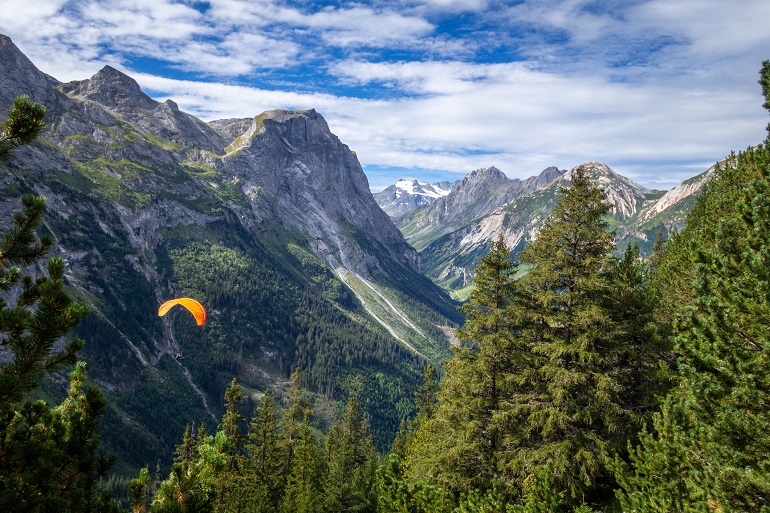
Paragliding
Take your exploration to new heights by soaring above the park with paragliding experiences offered nearby. The bird’s-eye view reveals an unparalleled perspective on this alpine paradise.
Winter Activities
When snow blankets the region in winter months, Vanoise transforms into a wonderland perfect for skiing, snowboarding or snowshoeing adventures. Some world-class ski resorts like Val d’Isère and Courchevel lie close to its boundaries.
Accommodation
Vanoise National Parkoffers a wide range of accommodation options suitable for all types of travellers, from adventurers seeking rustic experiences to those desiring more luxurious stays. The park's diverse lodging options are designed to complement its stunning natural surroundings and cater to visitors exploring its trails, wildlife, and ski resorts.
Types of Accommodation
- Mountain Refuges: For those looking to immerse themselves in nature, mountain refuges provide a unique experience. These lodgings are often located along hiking trails and offer basic amenities such as shared dormitories and communal meals. They are ideal for trekkers and climbers seeking proximity to the park’s breathtaking landscapes.
- Chalets and Cabins: Cosy chalets and cabins are popular choices for families or groups. These accommodations often feature traditional alpine architecture and modern comforts, including kitchens, fireplaces, and stunning views. They are perfect for a self-catered stay amidst the serene mountain environment.
- Hotels: A variety of hotels ranging from budget-friendly options to luxury establishments can be found in towns surrounding the park. These hotels often include amenities such as spas, pools, and on-site dining. They cater well to visitors who want easy access to both the park’s activities and nearby villages.
- Auberges (Inns): Auberges provide a charming and often more affordable alternative to hotels. These small inns typically offer a warm atmosphere, local cuisine, and personalised service, making them a great choice for couples or solo travellers.
- Apartments and Residences: Fully equipped apartments and residences are available for longer stays or those seeking more independence. These accommodations are particularly popular with skiers during the winter season.
Seasonal Considerations
The availability of accommodation in Vanoise National Park varies by season. During summer, mountain refuges are fully operational, catering to hikers exploring the park’s trails. In winter, ski resorts in areas like Tignes and Courchevel attract visitors with their proximity to slopes and après-ski activities. It is advisable to book early during peak seasons to secure your preferred option.
Tips for Visitors
- Advance Booking: Given the popularity of Vanoise National Park, especially during summer hiking months and winter ski seasons, booking your accommodation well in advance is recommended.
- Dietary Needs: Many accommodations offer meal plans, so it’s essential to inform them of any dietary preferences or restrictions when booking.
- Eco-Friendly Stays: Consider staying at establishments that align with sustainable tourism practices to support the preservation of this pristine environment.

Gastronomy
Traditional Savoyard Specialities
The cuisine of the Vanoise area is characterised by its use of locally-sourced ingredients, particularly cheese and potatoes. These staples form the basis of many beloved Savoyard dishes, which are perfect for refuelling after a day of outdoor activities in the park.
Some must-try specialities include:
- Fondue Savoyarde: A classic Alpine dish featuring a blend of melted cheeses, typically including Gruyère, Beaufort, and Emmental, served with bread for dipping.
- Raclette: A convivial meal where diners melt cheese at the table and scrape it over boiled potatoes, accompanied by cured meats and pickles.
- Tartiflette: A hearty gratin of potatoes, Reblochon cheese, lardons, and onions, often enjoyed after a day on the slopes.
- Diots: Savoyard pork sausages spiced with nutmeg, usually served with polenta or potatoes.
Local Produce
The Vanoise region is renowned for its exceptional dairy products, particularly its cheeses. The famous Beaufort cheese, made from the milk of Tarine cows that graze in the high mountain pastures, is a true delicacy of the area. Other local cheeses worth sampling include Tomme de Savoie and Reblochon.
Seasonal Delights
The park's diverse flora contributes to its culinary offerings. In summer, visitors might enjoy dishes featuring wild mushrooms or berries foraged from the Alpine meadows. A popular dessert is the Tarte aux Myrtilles, a delicious blueberry tart that showcases the area's wild fruit.
Beverages
To complement the rich cuisine, the region offers some excellent local wines from the Savoie vineyards. For a truly authentic experience, try the Génépi, an herbal liqueur made from Alpine plants, often enjoyed as a digestif.
Dining Experience
Many restaurants in and around the Vanoise National Park offer panoramic views of the stunning Alpine landscape, allowing diners to savour both the food and the scenery. Whether you're looking for a cosy mountain hut serving rustic fare or a more refined dining experience, the Vanoise area caters to all tastes.

Getting There and Around
Getting There
By Train
The most convenient way to reach Vanoise National Park is by train. Nine railway stations serve the Maurienne and Tarentaise valleys, providing access to the park:
Maurienne Valley:
- Saint-Avre-La-Chambre
- Saint-Jean-de-Maurienne
- Saint-Michel-de-Maurienne
- Modane (via bus from Saint-Michel-de-Maurienne)
Tarentaise Valley:
- Moûtiers
- Notre-Dame-de-Briançon
- Aime
- Landry
- Bourg-Saint-Maurice
From Paris, take a high-speed TGV train to Chambéry, then connect to one of these local stations.
By Car
If driving, take the A43 motorway from Lyon to Saint-Jean-de-Maurienne and Modane for the Maurienne valley. For the Tarentaise valley, use the A430 to Albertville, then the N90 towards Bourg Saint Maurice or the Bozel valley.
Getting Around
Bus Services
From 15 June to 15 September, Haute Maurienne Vanoise operates public transport lines from Saint-Michel-de-Maurienne, allowing you to travel throughout the area.
In Tarentaise, regular bus lines from Moûtiers and Bourg Saint Maurice serve the national park communes. Book tickets in advance on the regional website.
Local Shuttles
Many local communities provide shuttle services. Check with the Tourist Office at your destination for specific information.
Hiking
Once in the park, hiking is the primary mode of transport. Well-marked trails crisscross the park, offering routes for various skill levels. Popular hikes include:
- Refuge de la Valette: An 8 km moderate hike taking 3-4 hours.
- Col de la Vanoise: A 5 km moderate hike from Refuge de la Valette, offering spectacular views of glaciers and alpine lakes.
Tips for Visitors
- Book train and bus tickets in advance, especially during peak summer months.
- Check local tourist offices for information on shuttle services within the park.
- Be prepared for altitude changes when hiking, as they can make trails more challenging.
- Keep an eye out for local wildlife, including ibex and golden eagles, particularly in high-altitude areas.

Best Time to Visit
Summer Season (July to September)
The summer months from July to September are widely considered the most ideal time for hiking in Vanoise National Park. During this period, the weather is comfortably warm with relatively little precipitation. This is the peak season when:
- Mountain trails are fully accessible
- Alpine flowers are in bloom
- Wildlife is more active and visible
- Mountain refuges and facilities are fully operational
Autumn (September to October)
Autumn offers a spectacular alternative to the summer crowds:
- The park becomes wilder and less crowded
- Larch trees turn golden, and mountain pastures display stunning red and ochre colours
- Wildlife is often more visible with fewer humans around
- Late September provides the opportunity to witness the deer rutting season, particularly at l'Orgère or Polset at the gateway to the park
However, be aware that high-altitude hikes may become inaccessible after the first snowfall without special equipment or accompaniment.
Winter Season
Winter transforms the park into a snowy wonderland:
- The landscape becomes a "pearly white blanket of snow" creating a fairytale setting
- Excellent opportunities for snowshoeing with numerous trails available
- A perfect winter escape for nature and adventure lovers
Spring (May to June)
Spring can be beautiful but comes with some considerations:
- May and June have relatively high precipitation
- Some high-altitude trails may still be snow-covered
- Melting snow creates rushing streams and waterfalls
Year-Round Accessibility
Vanoise National Park is technically accessible throughout the year, but your experience will vary dramatically with the seasons. For the most comfortable and accessible hiking conditions, the summer months remain the prime choice, while autumn offers a more tranquil experience with spectacular colours.
For those planning specific treks like the Tour of the Vanoise or Tour des Glaciers de la Vanoise, the recommended season is mid-June to the end of September.

Conservation and Responsible Tourism
The Vanoise National Park, established in 1963, stands as a beacon of conservation and responsible tourism in the French Alps. As France's first national park, it has been at the forefront of protecting the region's unique biodiversity and stunning landscapes whilst promoting sustainable visitor experiences.
Conservation Efforts
Wildlife Protection
The park was initially created to safeguard the Alpine ibex, which was facing extinction. Today, it boasts the largest ibex herd in France. The park is also home to a diverse array of wildlife, including:
- Marmots
- Chamois
- Golden eagles
- Bearded vultures
Conservation efforts extend to over 125 bird species and 1,400 plant species, of which 65 are protected.
Habitat Preservation
The Vanoise National Park covers 535 square kilometres of varied terrain, including:
- Glaciers
- Alpine meadows
- Coniferous forests
- High-altitude lakes
This diversity of habitats supports a rich ecosystem, with the park's core area being strictly protected to maintain its high level of naturalness.
Responsible Tourism Guidelines
To ensure the park's preservation, visitors are expected to follow specific guidelines:
- Access: Enter on foot, leaving dogs, mountain bikes, and paragliders behind.
- Flora and Fauna: Observe wildlife from a distance and refrain from picking flowers or disturbing natural habitats.
- Waste Management: Take all rubbish with you, including biodegradable items.
- Resource Conservation: Minimise water and electricity usage in mountain refuges.
- Quiet Enjoyment: Respect the tranquillity of the area by avoiding loud noises.
- Camping Restrictions: Bivouacking is only permitted near certain refuges and during specific hours (7 pm to 8 am).
Sustainable Initiatives
The park authorities have implemented various sustainable practices:
- Promoting locally sourced, organic food in mountain refuges.
- Developing autonomous energy supplies for refuges and farm buildings.
- Encouraging the use of public transport and carpooling to reduce carbon emissions.
- Offering educational workshops and events to raise awareness about the park's ecosystem.
Visitor Experiences
Despite the strict conservation measures, the Vanoise National Park offers numerous opportunities for responsible tourism:
- Hiking on over 400 kilometres of prepared trails.
- Wildlife observation, particularly of ibex, marmots, and birds of prey.
- Staying in one of the 23 mountain refuges for an authentic alpine experience.
- Participating in ranger-led educational activities and events.
By adhering to these guidelines and participating in sustainable activities, visitors can enjoy the magnificent beauty of the Vanoise National Park while contributing to its conservation. This balanced approach ensures that future generations can continue to marvel at this pristine alpine wonderland.

Visitor Centres and Educational Facilities
Visitor Centres
- Maison de la Vanoise Visitor Centre
Located in Pralognan-la-Vanoise, this centre serves as a hub for visitors year-round, offering:
- An information desk for guidance on exploring the park.
- A boutique with souvenirs and local products.
- An exhibition area showcasing the park's biodiversity, geology, and cultural heritage.
- A conference room hosting educational presentations and activities like workshops, biodiversity games, and naturalist outings.
- Vanoise National Park Visitor Centre
Situated at the gateway to the park, this centre provides exhibitions focusing on the flora and fauna of the region. It is an excellent starting point for learning about the park's natural wonders before venturing into its trails.
- Pralognan-la-Vanoise Tourist Office
Although primarily a tourist office, it provides valuable information about hiking trails, local activities, and events in the surrounding area. It also offers amenities such as WiFi access and brochures to enhance your visit.
Educational Facilities
- Environmental Education Programmes
The park actively engages schools through tailored programmes:
- Local schools benefit from hands-on field experiences guided by park agents.
- Secondary schools collaborate on projects addressing topics like geology and biodiversity conservation.
- Schools located further away can access specialised centres for immersive experiences in the park's natural environment.
- Workshops and Events
Throughout summer and winter, Vanoise National Park hosts workshops and events to educate visitors about its exceptional flora and fauna. Activities include guided excursions with park wardens, thematic outings, and biodiversity-focused games for families.
Key Features of Educational Outreach
- Thematic activities led by qualified guides during summer months.
- Opportunities to observe wildlife like Alpine ibex and marmots in their natural habitat.
- Interactive sessions designed to foster respect for nature among children and adults alike.
These facilities ensure that visitors not only enjoy the stunning landscapes but also gain a deeper appreciation of the park’s ecological significance.