


| Contents |
|---|
Introduction
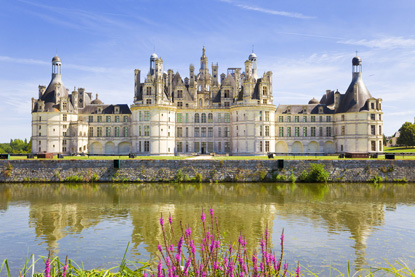
Jewel of the French Renaissance, the Château de Chambord is the largest castle in the Loire Valley and one of the most recognisable châteaux in the world due to its distinctive French Renaissance architecture that blends traditional French medieval forms with classical Renaissance structures. In 1519, King Francis I (1494-1547), only aged 25, undertook its construction to show the world the power of the new French monarchy. With the construction of Chambord, Francis satiated both of his passions for architecture and hunting. The location was chosen in part so that the king could be close to his mistress, Claude Rohan, Comtesse de Thoury, and wife of Julien de Clermont, whose domain of Muides Castle was adjacent.
The design is attributed to Tuscan architect Domenico da Cortona, with possible influence from Leonardo da Vinci, who was working as the court architect for Francis I at the time. This magnificent structure features 440 rooms, 282 fireplaces, and 84 staircases, with its most defining feature being the innovative dual spiral staircase that spirals around itself for three floors without meeting. The château sits within a vast 5,500-hectare estate surrounded by a 32-kilometre wall and has been recognised as a UNESCO World Heritage Site since 1981. Today, Chambord welcomes visitors year-round, except on 1st January and 25th December, with varying opening hours depending on the season.
Chambord is located in the marshy and forested Sologne region, in a curve of the little Cosson River, 6 km south of the Loire. The domain boasts the largest enclosed park in Europe (50 km²).
Interesting Facts about the Château
- The Château de Chambord is the largest château in the Loire Valley and was originally built as a hunting lodge for King Francis I.
- Its design is believed to have been influenced by Leonardo da Vinci, including the iconic double helix staircase.
- The château has over 426 rooms, 83 staircases, and 282 fireplaces, making it a symbol of architectural grandeur.
- Construction of the castle took over 28 years and was completed in the 16th century.
- King Francis I spent only 50 days at Chambord during his reign despite its magnificence.
- The grounds span an impressive 13,500 acres, featuring gardens, forests, and a canal.
- During World War II, the château served as a hiding place for precious artworks, including the Mona Lisa.
- The salamander, King Francis I's emblem, is depicted over 300 times across Chambord's ceilings and walls.
- Chambord's roofscape includes 11 types of towers and three kinds of chimneys, resembling a city's skyline.
- The château has been a UNESCO World Heritage site since 1981.

History
There had been a medieval castle in Chambord since the 10th century, originally belonging to the Counts of Blois. The castle passed to the Dukes of Orléans in 1397, then to the Kings of France when Louis of Orléans ascends the throne as Louis XII in 1498.
In 1515, Francis I returns from Italy with Leonardo da Vinci, hankering to create a great residence for himself in the style of the Italian Renaissance. The site of Chambord was picked in 1519, and the old castle razed to make way for the king's new "Wonder of the World".
The new castle would serve both as a hunting lodge and a place to showed off Francis' enormous wealth and power to his great rival, Emperor Charles V. The construction last from 1519 to 1547, and was interrupted during the Italian War of 15211526. During that time, the king maintained his royal residences at the nearby castles of Blois and Amboise.
The Château de Chambord, located in the Loire Valley of France, is a masterpiece of French Renaissance architecture. Commissioned by King Francis I in 1519, the château was originally conceived as a hunting lodge rather than a permanent residence. Its design reflects the king's desire to showcase his power and embrace the architectural ideals of the Italian Renaissance, which he had encountered during his campaigns in Italy. While the exact architect remains uncertain, Domenico da Cortona and even Leonardo da Vinci are often credited with influencing its design. The château features an iconic double-helix staircase, attributed to da Vinci, and a striking blend of medieval and Renaissance elements, including 426 rooms, 282 chimneys, and intricate rooftop spires.
Despite its grandeur, Chambord was rarely used by Francis I, who spent only about 72 days there during his reign. The château's remote location and impracticality for long-term habitation—due to its immense size and lack of heating—meant it primarily served as a venue for royal hunting parties and short visits. After Francis' death in 1547, the château fell into neglect for nearly a century before being restored by Gaston, Duke of Orléans. It later became a retreat for Louis XIV, who added stables for 1,200 horses and hosted theatrical performances such as Molière's Le Bourgeois Gentilhomme. However, even Louis XIV eventually abandoned it in favour of other royal residences.
Over the centuries, Chambord has been home to various notable figures, including Stanisław Leszczyński, the exiled King of Poland, and Maurice de Saxe, Marshal of France. Today, it stands as one of the most visited landmarks in France and is part of the UNESCO-listed Loire Valley. Visitors are drawn to its breathtaking architecture, expansive grounds spanning over 5,000 hectares, and fascinating history. The château’s dual spiral staircase and elaborate façade continue to captivate tourists from around the world.
Description
The Château de Chambord, located in the Loire Valley, is an architectural masterpiece of the French Renaissance. Its grand facade stretches 156 metres, crowned by a distinctive silhouette of turrets, chimneys, and sculpted details that blend medieval and Renaissance styles. The château boasts 426 rooms, 77 staircases, and 282 fireplaces, each showcasing intricate craftsmanship.
The exterior of Chambord presents a mesmerising symmetry, with its central keep flanked by corner towers and wings that create a perfect rectangular footprint. The château's limestone facade gleams in the sunlight, its pale hue contrasting beautifully with the slate-blue rooftops. The meticulous detailing of the stonework reveals intricate carvings of salamanders (the emblem of François I), fleurs-de-lis, and other royal symbols that speak to the château's noble heritage.
Approaching the château, visitors are struck by the perfect proportions and the harmonious balance between horizontal and vertical elements. The façade features a rhythmic pattern of windows, pilasters, and cornices that exemplify Renaissance principles of order and symmetry. Each of the château's eleven towers rises majestically, topped with conical roofs that contribute to Chambord's fairy-tale silhouette against the sky.
At its heart lies the iconic double-helix staircase, attributed to Leonardo da Vinci's influence. This ingenious design allows two people to ascend or descend simultaneously without crossing paths, offering a unique experience as they glimpse each other through openings in the central core. The staircase leads to a vast rooftop terrace, providing panoramic views of the surrounding estate and its monumental chimneys.
This remarkable staircase is not merely functional but a work of art in its own right. The two intertwining spirals are supported by columns with delicately carved capitals, whilst light streams in through large windows, illuminating the stone steps. As visitors ascend, they experience a theatrical sense of revelation, with new perspectives of the château's interior unfolding at each turn.
The Interior Splendour
The ground floor of Chambord houses a series of vaulted chambers that showcase the technical mastery of Renaissance builders. These rooms feature coffered ceilings with intricate geometric patterns and decorative motifs that draw the eye upward. The stone walls, in many places left unadorned, reveal the exquisite craftsmanship of the masons who created perfect joints without modern tools or techniques.
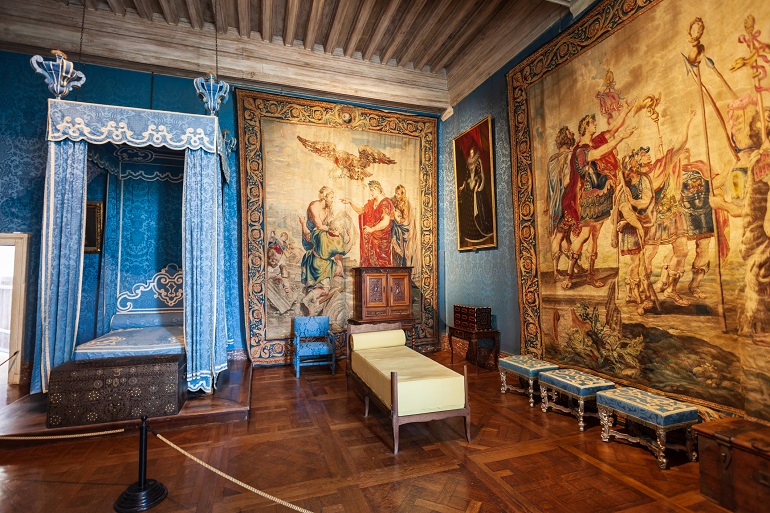
Moving to the first floor, one encounters the royal apartments, where the grandeur intensifies. The King's Chamber features an impressive fireplace with ornate carvings depicting hunting scenes and mythological figures. The ceiling beams are painted with vibrant colours and gold leaf, creating a sense of opulence befitting a royal residence. Adjacent rooms display similar attention to detail, with parquet flooring laid in intricate geometric patterns that complement the architectural elements.
The second floor houses additional chambers and galleries, many with spectacular views of the surrounding landscape through mullioned windows. Of particular note is the vaulted chapel, with its delicate ribbing and carved bosses that demonstrate the perfect marriage of Gothic and Renaissance aesthetics. The acoustics in this space are remarkable, with even whispered prayers seeming to resonate throughout the sacred chamber.
Throughout the château, visitors will notice the abundance of fireplaces, each unique in design and ornamentation. These massive stone structures not only provided warmth but served as focal points for social gatherings and displays of wealth. Many feature elaborate carvings of heraldic symbols, mythological scenes, or naturalistic motifs that reflect the artistic sensibilities of the Renaissance period.
The Rooftop Terrace
Perhaps the most extraordinary feature of Chambord is its rooftop terrace, a veritable stone garden in the sky. This elevated platform offers visitors a close-up view of the château's elaborate roofscape, with its forest of chimneys, dormer windows, and lanterns creating a fantastical skyline that resembles a miniature city. The intricate stonework continues even at this height, with decorative balustrades and finials adorning every surface.
From this vantage point, one can appreciate the perfect symmetry of the château's design and the meticulous planning that went into its construction. The central lantern tower rises above all else, crowned with a fleur-de-lis that marks the highest point of the structure. Walking along the terrace, visitors can peer through openings that offer glimpses of the interior courtyards below, creating a delightful play of perspectives.
The rooftop also provides an opportunity to examine the technical innovations that make Chambord an engineering marvel. The complex system of lead flashing, drainage channels, and water spouts ensures that rainwater is efficiently directed away from the building, protecting the stonework from erosion. Even these functional elements are transformed into decorative features, with gargoyles and sculptural details adding artistic flair to practical solutions.
The Gardens
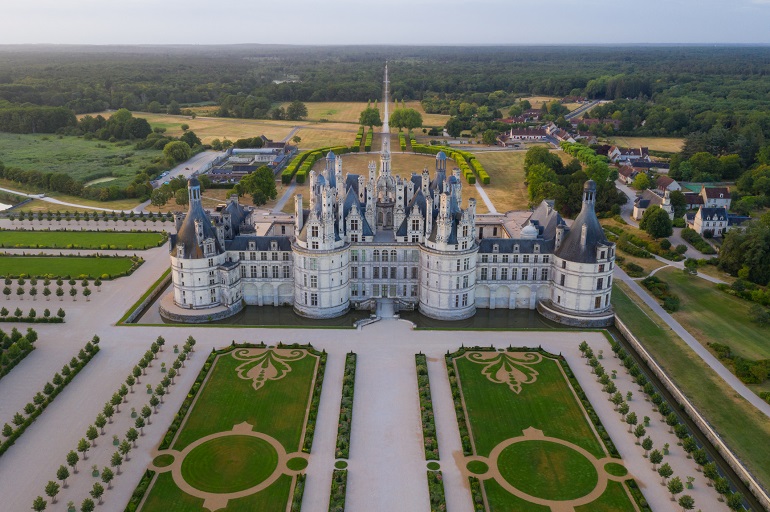
The gardens of Chambord are a stunning example of French formal garden design, meticulously restored in recent years to their 18th-century splendour. Covering 6.5 hectares, they feature over 600 trees, 800 shrubs, 200 rose bushes, and nearly 19,000 square metres of manicured lawns. These gardens perfectly complement the château's grandeur while creating a seamless transition to the surrounding forest.
The northern parterres are adorned with geometric patterns of grass and topiaries, framed by double rows of lime trees. Seasonal flowers and citrus trees in ornate planters enhance the vibrant display during warmer months. To the east lies a smaller parterre with similar features but on a more intimate scale, including conical and spherical topiaries alongside fragrant roses.
The central axis of the garden extends from the château's main entrance, creating a dramatic perspective that draws the eye toward the horizon. This grand allée is flanked by perfectly trimmed hedges and punctuated by circular pools that reflect the sky and surrounding architecture. The mathematical precision of these gardens reflects Renaissance ideals of human mastery over nature, with every plant placed according to a carefully considered design.
Throughout the gardens, visitors will discover charming alcoves and hidden corners designed for contemplation and conversation. Stone benches positioned beneath the shade of mature trees offer respite on warm summer days, whilst providing framed views of the château from different angles. These thoughtfully placed seating areas encourage visitors to pause and appreciate the harmonious relationship between architecture and landscape.
The water features at Chambord deserve special mention, as they add movement, sound, and reflective qualities to the garden experience. The large rectangular basin in the northern parterre serves as a mirror that doubles the visual impact of the château's facade. Smaller fountains create gentle splashing sounds that contribute to the sensory richness of the garden, whilst also attracting birds and butterflies that add life to this carefully composed scene.
The English-Style Garden
In contrast to the formal French gardens, Chambord also features areas designed in the more naturalistic English style. These sections offer a different aesthetic experience, with winding paths, irregular groupings of trees, and meadow-like expanses that celebrate the beauty of seemingly untamed nature. The transition between these different garden styles creates a pleasing rhythm as visitors explore the grounds.
The English garden includes a collection of specimen trees, some centuries old, that provide shade and structure throughout the seasons. Oak, beech, and chestnut trees display magnificent autumn colours, whilst flowering cherries and magnolias create spectacular displays in spring. These areas are particularly enchanting in the early morning or late afternoon, when low sunlight filters through the branches, creating dappled patterns on the ground below.
Wildflower meadows within these naturalistic sections support a diverse ecosystem of pollinators and small wildlife. In spring and summer, these areas burst with colour as native flowers bloom in succession, creating an ever-changing tapestry of purples, yellows, and whites. The contrast between these seemingly wild areas and the strict geometry of the formal gardens highlights the two competing philosophies of garden design that have shaped European landscapes.
The Surrounding Estate
Encircled by a 32-kilometre wall, the estate encompasses Europe's largest enclosed forest park. This vast expanse is home to diverse wildlife and offers visitors an opportunity to explore nature trails amidst serene woodlands. The interplay between the château's refined architecture and its natural surroundings creates an atmosphere of timeless elegance.
The forest of Chambord comprises a mosaic of habitats, including dense woodland, open glades, and wetland areas that support remarkable biodiversity. Ancient oak trees, some over 500 years old, stand as living witnesses to the château's history. These venerable giants provide habitat for countless species of birds, insects, and small mammals that thrive within this protected environment.
Throughout the estate, a network of streams and small ponds creates aquatic habitats that attract herons, kingfishers, and other water-loving species. These waterways are lined with alders and willows whose roots help stabilise the banks and provide shelter for fish and amphibians. In spring, these areas come alive with the chorus of frogs and the fluttering of dragonflies that add movement and colour to the landscape.
The forest is crisscrossed by a network of paths and rides, some dating back to the original design of the estate when it served as a royal hunting ground. These straight avenues cut through the woodland, creating dramatic perspectives that echo the formal geometry of the château and its gardens. At key intersections, stone markers or small pavilions provide orientation points and shelter for those exploring this vast domain.
For those venturing deeper into the estate, there are opportunities to observe deer, wild boar, and other large mammals that roam freely within the protected confines of the wall. Dawn and dusk offer the best chances for wildlife spotting, when animals emerge from daytime hiding places to feed in meadows and clearings. The presence of these creatures connects visitors to the estate's historical function as a hunting reserve for French nobility.
Seasonal Splendour
Chambord offers a different experience with each passing season, making it worthy of repeated visits throughout the year. In spring, the gardens burst into life with tulips, daffodils, and other bulbs creating carpets of colour against the fresh green of new foliage. Cherry and apple blossoms add delicate pink and white accents to the landscape, whilst the air is filled with the sweet scent of flowering shrubs.
Summer brings the gardens to their peak of perfection, with roses in full bloom and perfectly manicured lawns providing a lush green carpet that sets off the pale stone of the château. The long days allow visitors to linger in the gardens until evening, when the setting sun bathes the western facade in golden light, creating a magical atmosphere as shadows lengthen across the parterres.
Autumn transforms Chambord with a spectacular display of colour as the estate's many deciduous trees turn shades of gold, amber, and crimson. The formal gardens take on a more subdued beauty, with late-flowering perennials and ornamental grasses adding texture and movement. Morning mist often rises from the river and surrounding meadows, creating ethereal scenes as the château seems to float above a sea of white.
Even winter has its unique charm at Chambord, when the architectural bones of both château and garden are revealed. The geometric patterns of the parterres remain visible, now defined by low box hedges against bare earth or light snowfall. The absence of foliage on the trees allows visitors to appreciate the full extent of the château's elaborate roofline against the clear winter sky, whilst inside, massive fireplaces once again serve their original purpose of providing warmth and comfort.
Artistic Inspiration
Throughout its history, Chambord has inspired countless artists, writers, and musicians who have sought to capture its unique beauty. The château's perfect proportions and fairy-tale silhouette have been immortalised in paintings, engravings, and photographs that attempt to convey the emotional impact of encountering this architectural marvel in the flesh.
Visitors with an artistic bent might wish to bring sketchbooks or cameras to record their own impressions of Chambord. The changing light throughout the day creates endless variations on the theme, with morning light emphasising the eastern facade, midday illuminating the intricate details of the roofscape, and evening sun warming the western towers with a golden glow that gradually fades to purple and blue as twilight descends.
The château's reflection in the still waters of the garden pools offers another dimension for artistic exploration, with the doubled image creating a symmetry that extends beyond the physical structure into an illusory realm. These reflections are particularly striking on calm days when the water surface acts as a perfect mirror, or after rainfall when the refreshed colours of the garden seem to glow with heightened intensity.
Getting There
To reach the Château de Chambord, located in the stunning Loire Valley, there are several convenient options. From Paris, you can take an Intercités train from Austerlitz station to Blois Chambord station, a journey of approximately 1 hour and 20 minutes. From there, a shuttle service connects the station to the château in the morning and late afternoon. If travelling by car, the château is accessible via the A10, A85, and A71 motorways, with a drive of less than 2 hours from Paris or just 25 minutes from Blois. For those already in Blois, buses, taxis, or even walking (a distance of 11.5 km) are viable options. Admission to this architectural masterpiece costs €13.90, and it is best visited early morning or late afternoon to avoid crowds and enjoy its serene beauty.
Best Time to Visit
The best time to visit Château de Chambord is during the spring and early autumn seasons. These periods offer mild weather and fewer tourists, allowing for a more serene exploration of the castle and its expansive grounds. Spring, from April to June, is particularly delightful as the gardens bloom beautifully, while early autumn, from September to October, presents stunning foliage. Avoid visiting during the summer months if you prefer smaller crowds, as this is the peak tourist season. For a unique experience, winter can also be considered, though it may be chilly and some outdoor activities might be limited. Arriving early in the morning or late in the afternoon is advisable to avoid the crowds and fully appreciate the castle's grandeur.


