


| Contents |
|---|

Introduction
The Château de Cheverny, located in the Loire Valley, France, is a prime example of French classical architecture. Constructed between 1620 and 1640 by Jacques Bougier, it is renowned for its elegant symmetry and light-coloured Bourré stone facade. Unlike many Loire châteaux, it was designed without defensive features, reflecting a shift towards residential comfort and aesthetic appeal. Owned by the same family for over six centuries, the estate remains under the care of the Marquis and Marquise of Vibraye. The château is also famous for inspiring Hergé's fictional Marlinspike Hall in The Adventures of Tintin. Visitors can explore its meticulously preserved interiors, extensive gardens, and unique attractions such as the kennel housing hunting hounds and a Tintin-themed exhibition.
Interesting Facts about the Château
- The Château de Cheverny was built between 1620 and 1634 by the Hurault family on the site of a former castle.
- Unlike many Loire Valley châteaux, Cheverny lacks defensive features such as turrets and moats, showcasing a more modern 17th-century design.
- The château’s light-coloured facade is made of Bourré stone, which hardens and whitens over time.
- Cheverny inspired Hergé’s design of Marlinspike Hall in *The Adventures of Tintin*.
- The interior of the château is lavishly decorated, featuring artworks by Titian, Hyacinthe Rigaud, and Jean Clouet.
- Cheverny has been owned by the same family for over six centuries and is currently managed by the Marquis and Marquise of Vibraye.
- The estate includes kennels housing around 100 hunting dogs used for traditional hunts twice weekly during winter.
- The château was the first private castle in France to open its doors to the public.
- Visitors can explore themed gardens such as the Tulip Garden, Floral Kitchen Garden, and a maze within its expansive botanical park.
- The Café de l’Orangerie offers dining options, including artisan ice cream and homemade hot chocolate with views of the château.

History
The history of Château de Cheverny dates back to the 14th century when Jean Hurault acquired a modest residence at the gates of Sologne. In 1510, the property was transformed into a formidable fortress, complete with towers, turrets, and a drawbridge. The château has been owned by the Hurault de Vibraye family since the 16th century, with various members serving several French kings throughout the centuries.
The current château, built between 1624 and 1630, was commissioned by Philippe Hurault, who purchased the property back from Diane de Poitiers, King Henri II's mistress. Designed by Jacques Bougier, a sculptor-architect from Blois, the new château exemplified the architectural style of Louis XIII's reign. Its elegant pavilion-style layout and the use of Bourré stone, a distinctive white stone from the southern Loire, contribute to its timeless beauty and dazzling appearance.
Throughout its history, Château de Cheverny has witnessed numerous changes in ownership and renovations. It was briefly confiscated during the French Revolution but was repurchased by the Hurault family in 1824. In 1914, the château became one of the first to open its doors to the public. Today, it remains a top tourist attraction, renowned for its magnificent interiors, valuable art collection, and its connection to popular culture as the inspiration for Marlinspike Hall in Hergé's 'The Adventures of Tintin' comic series.
Description
The Château de Cheverny stands as one of the most magnificent examples of classical French architecture in the Loire Valley. Unlike many châteaux that underwent significant alterations throughout the centuries, Cheverny maintains a remarkable architectural harmony and stylistic unity that immediately captivates visitors. Constructed from the region's distinctive Bourré stone, the château's façade glows with a warm, golden hue that shifts subtly with the changing light throughout the day, creating an almost ethereal quality that photographers find irresistible.
The perfect symmetry of the building exemplifies the French classical style at its finest, with its balanced proportions and elegant detailing creating a sense of refined grandeur without ostentation. The château's exterior is adorned with delicate sculptures and ornamental features that demonstrate the exceptional craftsmanship of the period, including beautifully carved cornices, pilasters, and decorative mouldings that reward close inspection.
What sets Cheverny apart from many other Loire Valley châteaux is that it remains a lived-in family home, having been owned by the same family, the Huraults, for over six centuries. This continuous occupancy has resulted in interiors that feel genuinely inhabited rather than merely preserved, lending an authentic atmosphere that many visitors find particularly appealing.
The Magnificent Interiors
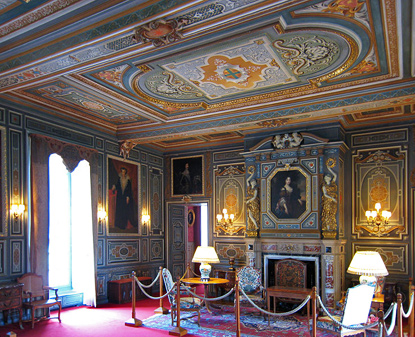
Stepping inside Cheverny is like entering a time capsule of French aristocratic life, with each room more splendid than the last. The Grand Salon, with its impressive dimensions and refined décor, showcases a collection of exquisite furniture and tapestries. The ceiling features intricate painted panels depicting mythological scenes, whilst the walls are adorned with family portraits that trace the lineage of the château's owners through the centuries.
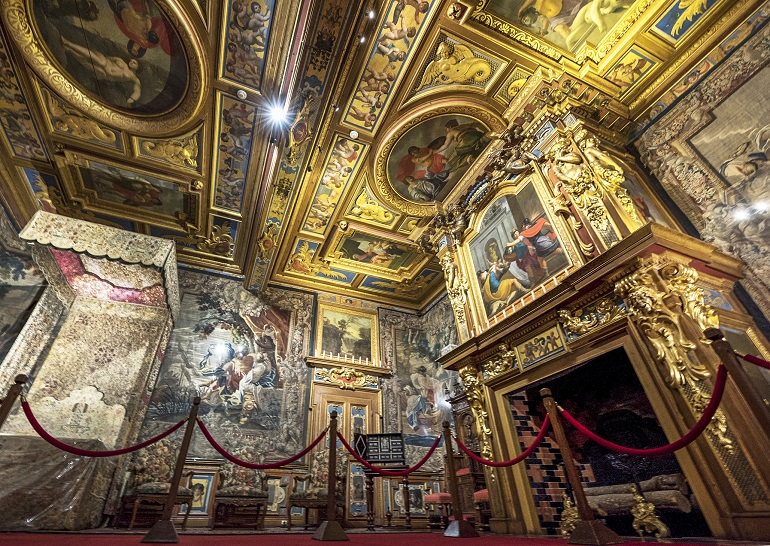
The King's Chamber, named for Louis XIII who once stayed here, is perhaps the most opulent room in the château. Its centrepiece is a magnificent four-poster bed draped in sumptuous blue silk embroidered with gold thread. The walls are covered in rare Flemish tapestries depicting scenes from the life of Ulysses, their colours remarkably preserved despite their age. The ornate ceiling features gilded mouldings and painted panels that draw the eye upward, creating a sense of grandeur befitting a royal guest.
The Arms Room houses an impressive collection of weapons, hunting trophies, and military memorabilia accumulated by the family over generations. Elaborately decorated firearms, swords, and armour are displayed alongside paintings depicting hunting scenes, reflecting the château's long association with the aristocratic pursuit of hunting. The room's oak panelling and beamed ceiling create a masculine ambience that contrasts with the more delicate décor found elsewhere in the château.
The Dining Room continues to serve its original purpose, with a magnificent table that can seat up to twenty-four guests. The room is decorated with portraits of family members and features an impressive collection of silver and porcelain. The craftsmanship of the carved wooden panels and the intricately designed parquet flooring demonstrates the attention to detail that characterises the entire château.
One cannot mention Cheverny without acknowledging its connection to popular culture. The château served as the primary inspiration for Hergé's fictional Château de Moulinsart (Marlinspike Hall) in the beloved Tintin comics. This connection is celebrated in "Les Secrets de Moulinsart," a dedicated exhibition that brings the world of Tintin to life through meticulously recreated scenes and life-sized sets. Fans of the comic series will delight in recognising elements from the stories and seeing how Hergé adapted the real château for his fictional universe.
 The Enchanting Gardens and Grounds
The château is surrounded by approximately 100 hectares of parkland and gardens, offering visitors ample space to wander and explore. The formal gardens immediately surrounding the château provide a perfect frame for the building, with meticulously maintained lawns, geometric flower beds, and carefully pruned topiary creating a sense of order and elegance that complements the architecture.
The Spectacular Tulip Garden
The Tulip Garden at Cheverny is one of the most breathtaking floral displays in France. Each spring, over 500,000 bulbs burst into bloom along a 250-metre stretch, creating a mesmerising ribbon of colour that winds through the landscape. The garden features dozens of tulip varieties, carefully selected to provide a succession of blooms throughout the season, ensuring that visitors are treated to a spectacular display regardless of when they visit during spring.
The tulips are arranged in sweeping drifts that blend from one colour to the next, creating a painterly effect that is both natural and artfully designed. Crimson reds give way to deep purples, which transition to delicate pinks, sunny yellows, and pristine whites. The effect is enhanced by the careful integration of complementary plantings, including forget-me-nots, wallflowers, and ornamental alliums that add texture and extend the season of interest.
Strategically placed benches allow visitors to sit and immerse themselves in the sensory experience, with the perfume of the flowers carried on the breeze and the gentle hum of bees adding to the ambience. The garden is particularly magical in the early morning when dew drops cling to the petals, or in the golden hour before sunset when the low light illuminates the flowers from within.
The Charming Bouquet Vegetable Garden
The Bouquet Vegetable Garden (Potager en Bouquets) represents a delightful fusion of practicality and aesthetics. This innovative garden concept combines ornamental flowers with edible plants, challenging the traditional separation between kitchen gardens and flower gardens. The result is a space that nourishes both body and soul, providing produce for the château's kitchen whilst creating a feast for the eyes.
Laid out in a geometric pattern of raised beds, the garden features a central fountain that provides both a focal point and the soothing sound of water. Surrounding this are carefully planned plantings where vegetables are treated as ornamental subjects in their own right. Purple-leaved beetroot mingles with calendula blooms, whilst the feathery fronds of bronze fennel provide a delicate backdrop for the jewel-like flowers of nasturtiums. Ruby chard with its colourful stems stands alongside blue borage flowers, creating a tapestry of textures and hues that changes throughout the growing season.
A rustic pergola covered in climbing roses, sweet peas, and runner beans offers dappled shade and frames views across the garden. Espaliered fruit trees line the walls, demonstrating traditional French pruning techniques that maximise both fruit production and aesthetic appeal. The garden exemplifies the French concept of "joindre l'utile à l'agréable" – combining the useful with the pleasant – and offers inspiration for home gardeners seeking to create beautiful yet productive spaces.
The Contemplative Garden of Apprentices
The Garden of Apprentices (Jardin des Apprentis) occupies a privileged position on the northern side of the château, offering unparalleled views of the building's façade. This garden represents a harmonious marriage of French formality and English naturalism, creating a space that feels both structured and relaxed.
The garden is divided into a series of outdoor "rooms," each with its own character and planting scheme. Clipped boxwood hedges provide the architectural framework, creating green walls that guide visitors through the space and frame vistas back towards the château. Within these structured elements, the plantings are allowed to adopt a more relaxed, almost wild character, with perennials and ornamental grasses swaying in the breeze.
The colour palette is carefully controlled, with cool blues, purples, and whites predominating to create a sense of tranquillity. Agapanthus, lavender, Russian sage, and white Japanese anemones create a soothing tapestry that changes subtly throughout the seasons. The garden is particularly atmospheric in the early morning or at dusk when the low light creates dramatic shadows and the perfume of the flowers seems more intense.
Several seating areas are discreetly positioned to take advantage of different views and sun positions throughout the day, encouraging visitors to pause and absorb the beauty of their surroundings. The garden serves as a perfect counterpoint to the more formal aspects of the château, offering a space for quiet contemplation and connection with nature.
The Playful Labyrinth
The Labyrinth at Cheverny offers a delightful diversion for visitors of all ages. Unlike the elaborate hedge mazes found at some historic properties, Cheverny's labyrinth is created from Caucasian laurels (Prunus laurocerasus 'Caucasica'), which form dense, glossy green walls approximately chest height. This design allows adults to maintain their bearings whilst children experience the full mystery and excitement of being enclosed within the maze.
The labyrinth follows a traditional pattern with a single path that winds its way to the centre, but with enough twists, turns, and false leads to create a genuine challenge. The central goal features a raised platform from which successful navigators can survey the maze they have conquered and perhaps offer guidance (or deliberate misdirection!) to friends and family still finding their way through.
Throughout the labyrinth, whimsical elements add to the sense of playfulness. Hidden speakers occasionally emit mysterious sounds, whilst sculptures of fantastical creatures peek out from unexpected corners. The entire experience is designed to evoke a sense of childlike wonder and adventure, encouraging visitors to embrace the simple joy of getting temporarily lost in a safe and beautiful environment.
The labyrinth is particularly popular during family visits, often becoming the highlight of children's experiences at the château. It offers a welcome opportunity for physical activity and play after the more formal experience of touring the château's interiors, allowing younger visitors to burn off energy whilst still engaging with the historic landscape.
The Extensive Park and Woodland
Beyond the formal gardens lies an expansive park that showcases the natural beauty of the Loire Valley landscape. Ancient oak, lime, and chestnut trees create a verdant canopy, their massive trunks and spreading branches testifying to centuries of undisturbed growth. These woodlands are managed using traditional techniques that maintain their ecological value whilst ensuring their long-term sustainability.
A picturesque canal winds through the park, its still waters perfectly reflecting the trees and sky above. This waterway, originally created for both practical irrigation and aesthetic purposes, now offers visitors the opportunity to enjoy the park from a different perspective. Electric boats are available for hire, allowing for a serene journey through the landscape at a gentle pace that encourages observation and appreciation of the surrounding nature.
For those who prefer to remain on land, electric carts provide an environmentally friendly way to explore the more distant reaches of the park. These quiet vehicles allow visitors to cover more ground than would be possible on foot, opening up areas of natural beauty that might otherwise remain undiscovered. The carts follow designated routes that showcase the diversity of the landscape, from open meadows dotted with wildflowers to dense woodland glades where dappled sunlight filters through the leaves.
The park at Cheverny is renowned for its wildlife, particularly its population of deer that can often be glimpsed grazing in the early morning or at dusk. Birdwatchers will be rewarded with sightings of numerous species, including woodpeckers, nuthatches, and, if fortunate, the electric blue flash of a kingfisher darting along the canal. The management of the estate prioritises biodiversity, with areas specifically designated as wildlife habitats and managed accordingly.
Throughout the park, thoughtfully positioned benches and picnic areas invite visitors to pause and immerse themselves in the natural surroundings. These quiet spots offer opportunities for contemplation, sketching, photography, or simply enjoying the peace that comes from being surrounded by ancient trees and open skies. The changing seasons bring different delights, from the fresh green of spring and the lush abundance of summer to the spectacular colours of autumn and the stark beauty of winter when the structure of the landscape is revealed.
The Orangery and Greenhouse
The Orangery at Cheverny is a fine example of 18th-century garden architecture, designed to house tender citrus trees and exotic plants during the cold winter months. Its tall windows and glass roof flood the interior with light, creating ideal growing conditions for the collection of orange, lemon, and kumquat trees that have been nurtured here for generations. During summer, these plants are moved outdoors to adorn the terraces and gardens, but the Orangery itself remains a delightful space to visit year-round.
Adjacent to the Orangery stands a more modern greenhouse where the gardening team propagates plants for the estate and experiments with new varieties. Visitors with a particular interest in horticulture will appreciate the opportunity to see behind the scenes of the garden's maintenance and development. The greenhouse is especially interesting during spring when thousands of seedlings are being prepared for the summer displays, offering a glimpse into the planning and preparation that underpins the garden's year-round beauty.
Both structures host temporary exhibitions throughout the year, ranging from displays of botanical art to collections of rare and unusual plants. These changing exhibits ensure that there is always something new to discover, even for frequent visitors to the château.
The Rose Garden
No French château garden would be complete without a collection of roses, and Cheverny's rose garden does not disappoint. Located within a walled enclosure that provides shelter and warmth, the garden features hundreds of rose varieties, from historic specimens that would have been familiar to the château's original inhabitants to modern cultivars bred for disease resistance and prolonged flowering.
The roses are displayed in a formal arrangement of beds edged with low boxwood hedges, creating a structured framework that contains the exuberance of the plants. Climbing and rambling varieties cover the walls and clamber over arches and pergolas, adding vertical interest and creating enchanting walkways scented with the incomparable perfume of roses in bloom.
The garden is designed to provide interest throughout the growing season, with early, mid, and late-flowering varieties ensuring a succession of blooms from May until the first frosts of autumn. Complementary plantings of lavender, catmint, and hardy geraniums extend the season of interest and attract beneficial insects that help maintain the ecological balance of the garden.
For rose enthusiasts, the garden provides an opportunity to see rare and historic varieties that are seldom found in commercial nurseries. Each plant is clearly labelled with its name, date of introduction, and breeding heritage, making the garden an educational resource as well as a feast for the senses.
The Water Garden
Water has always played an important role in French garden design, and at Cheverny, the Water Garden demonstrates how this element can create both visual beauty and a sense of tranquillity. A series of interconnected pools and channels creates a reflective surface that doubles the visual impact of the surrounding plantings and captures the ever-changing sky above.
The water features are designed to create different effects, from still, mirror-like surfaces to gentle ripples and more dramatic cascades. The sound of water moving between different levels adds an auditory dimension to the garden experience, masking external noises and creating a peaceful atmosphere conducive to relaxation and contemplation.
Aquatic and marginal plants add colour and texture, with water lilies spreading their pads across the surface and flowering from late spring through summer. The banks are planted with moisture-loving species such as irises, hostas, and astilbes, creating a lush environment that feels distinctly different from the drier areas of the garden.
The Water Garden is particularly magical in the early morning when mist often hovers over the surface, creating an ethereal atmosphere, or in the evening when the low light creates dramatic reflections. It attracts a variety of wildlife, including dragonflies, frogs, and water birds, adding another layer of interest for nature enthusiasts.
The Seasonal Splendour
One of the greatest delights of Cheverny's gardens is their ever-changing nature throughout the year. Each season brings its own distinctive character and highlights, ensuring that the château rewards repeated visits at different times.
Spring announces itself with a profusion of bulbs – not only the famous tulips but also daffodils, crocuses, and fritillaries that carpet the woodland floor. The fresh green of new leaves on the ancient trees creates a sense of renewal and possibility, whilst blossoming fruit trees in the orchard create clouds of pink and white against the blue sky.
Summer brings the gardens to their full glory, with borders overflowing with perennials and annuals creating a riot of colour and texture. The rose garden reaches its peak, filling the air with perfume, whilst the vegetable garden demonstrates the abundance of the season with produce at every stage from flower to harvest. The long days allow for evening visits when the gardens take on a magical quality in the golden light before sunset.
Autumn transforms the landscape with spectacular colour as the ancient trees turn shades of gold, copper, and crimson. The low angle of the sun enhances these colours and creates dramatic shadows across the lawns. Late-flowering perennials such as asters and Japanese anemones extend the season of interest in the formal gardens, whilst in the vegetable garden, pumpkins and squashes provide decorative as well as culinary interest.
Even winter has its own austere beauty at Cheverny. The formal structure of the gardens becomes more apparent when deciduous plants have shed their leaves, revealing the underlying design principles that govern the space. Evergreen plants take centre stage, their varied textures and subtle colour differences becoming more noticeable. On frosty mornings, the gardens are transformed into a crystalline wonderland, with every twig and seed head outlined in white.
A Living Heritage
What makes Cheverny's gardens and park particularly special is that they are not preserved as museum pieces but continue to evolve and develop under the stewardship of the current generation of the Hurault family. Traditional elements are respected and maintained, but new ideas and planting schemes are also introduced, ensuring that the gardens remain vibrant and relevant to contemporary visitors.
The gardening team at Cheverny combines deep knowledge of traditional techniques with an awareness of modern horticultural practices and environmental concerns. Sustainable approaches to garden management are increasingly important, with rainwater harvesting, composting, and minimal use of chemicals all contributing to an ecologically responsible approach that ensures the gardens will continue to thrive for future generations to enjoy.
The Château de Cheverny and its surrounding landscape offer visitors a rare opportunity to experience the harmony that can exist between human creativity and natural beauty. Whether you are drawn by the architectural splendour of the château itself, the horticultural delights of the formal gardens, or the tranquil expanses of the park, Cheverny rewards unhurried exploration and contemplation. In a world that often moves too quickly, it offers a chance to step back, slow down, and appreciate the enduring pleasures of a landscape shaped by centuries of care and vision.
Getting There
Located in the heart of France's Loire Valley, the Château de Cheverny is easily accessible by various means of transport. If you're driving from Paris, take the A10 motorway towards Bordeaux and exit at Blois (Exit 17), which is about 190 km from the capital. From there, it's a 20-minute drive to the château. Alternatively, you can take a train to Blois-Chambord station and then hire a taxi for approximately €25 to reach Cheverny. For those preferring a guided experience, PARISCityVISION offers regular shuttle services departing from Paris directly to the château. Once you arrive, you'll be treated to a magnificent example of French classical architecture, complete with beautifully maintained gardens and a fascinating permanent exhibition inspired by Tintin's adventures.
Best Time to Visit
The best time to visit Château de Cheverny is during the spring months from April to June or in September, when the weather is pleasant and the crowds are smaller compared to the peak summer season. These periods allow visitors to fully appreciate the castle's beautifully manicured gardens and the vibrant colours of the surrounding landscape. Visiting early in the morning is also advisable for a more exclusive experience. The castle is open all year round, but the gardens are particularly stunning during spring and early autumn. Avoiding the summer months can help you enjoy a more leisurely pace while exploring the estate's six gardens, the Tintin exhibition, and other attractions.


