


| Contents |
|---|
Introduction
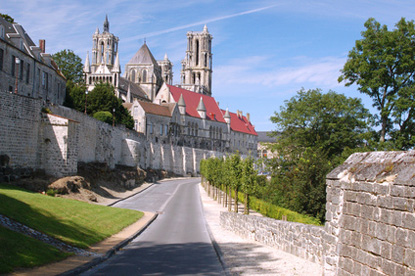
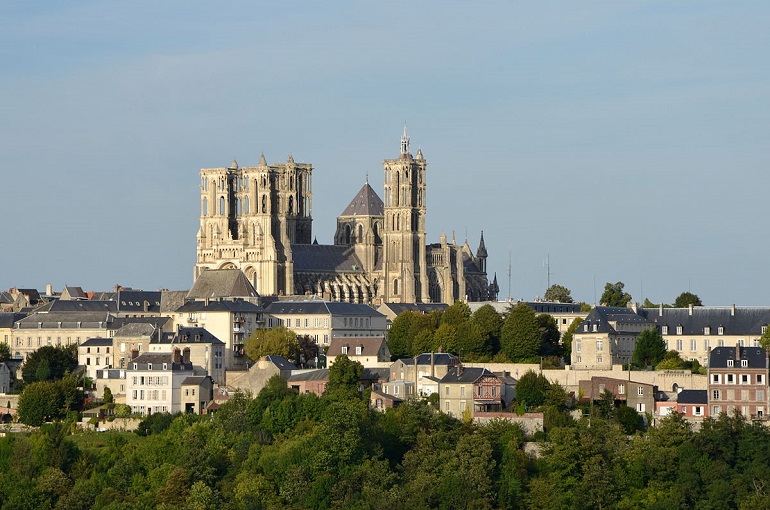
Laon (pop. 26,000) is the historic capital of the Aisne département, dramatically positioned atop a limestone hill approximately 100 metres above the surrounding plains. The town has a long history and flourished during the Medieval era, especially in the 12th century. Nowadays it is a quiet place off the beaten tracks, with a high density of medieval monuments for its diminutive size. The town boasts over 80 listed historical monuments, with its crown jewel being the Gothic Cathedral of Notre-Dame de Laon, constructed between the 12th and 13th centuries and predating Notre-Dame de Paris. The city's 11th-century ramparts are amongst the best preserved in Europe. The upper town retains its medieval character with cobbled streets, timber-framed houses, and preserved ramparts, whilst beneath lies a network of chalk tunnels that have served various purposes throughout the centuries. Laon was the birthplace of Bertrada of Laon, mother of Charlemagne, and of the explorer Jacques Marquette.
Interesting Facts about Laon
- Laon crowns a 100-metre limestone hill, earning the historic nickname “Montagne Couronnée” for its striking, crown-like skyline.
- The city was a key medieval power centre and served as a royal residence during the Carolingian era.
- Notre-Dame de Laon is one of the earliest Gothic cathedrals in France, begun in the mid-12th century and famed for its harmonious proportions.
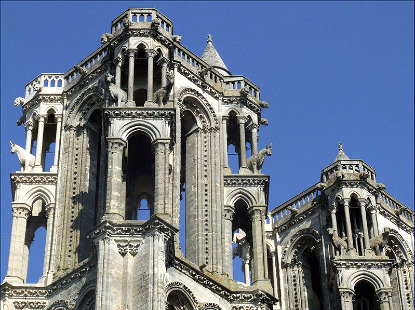
- The cathedral’s distinctive towers are famously adorned with sculpted oxen, a tribute to the animals that hauled stones up the steep hill during construction.
- Laon’s upper town is wrapped in extensive medieval ramparts and gates, with panoramic views across Picardy and Champagne.
- The historic centre boasts an unusually dense concentration of protected monuments packed into its compact, cobbled streets.
- Beneath the city lie ancient quarries and tunnels that evolved into subterranean passages with roles in defence and wartime shelter.
- The octagonal 12th-century Templar chapel survives as a rare vestige of the medieval military order’s presence in Laon.
- Bertrada of Laon, mother of Charlemagne, was born here, linking the city to Europe’s imperial lineage.
- Laon once produced prized white wines served at royal events, before changing tastes and rail transport shifted prestige to other regions.
History
Founded by the Romans in the first century, Laon started off as a city when St. Remigius (437-533), a native of the Laonnais best known for converting Clovis to Christianity, elevated the place to the rank of bishopric.
Laon was already a fortified town (castrum) in the late Roman period, and its ramparts were reconstructed and expanded during the Carolingian period. Bertrada of Laon (726-783) was the mother of Charlemagne (768-814). This gave a special status to the city, and the cathedral was indeed rebuilt in the early 9th century. After the disputed succession of Charlemagne's Empire between his three grandsons, Laon eventually become part of the Kingdom of France, with the local bishop and the King of France as co-rulers. Louis IV of France (920-954), great-great-great-grandson of Charlemagne, was born in Laon.
The city experienced a dramatic development in the late 11th century, and reached a population of 10,000 in the middle of the 13th century. The increasingly frequent absence of the king allows the local bourgeoisie to oppose the episcopal power.
In 1112, a municipal revolt, which caused the destruction of the episcopal palace and the cathedral, resulted in the power shifting from the bishop to the numerous canon priests.
The city was later governed by a royal provost, then became the seat of the important bailiwick of Vermandois in 1237. It would loose this position to Soissons in 1596, following a siege by the Spaniards 2 years earlier. The city had already started its decline and would never recover its past glory. During the French Revolution Laon permanently lost its rank of bishopric.
Main Attractions
It is during Laon's golden age in the 1100's that most of the city's sights were constructed, such as St. Martin's Church, the old abbey (now used as a hospital), the chapel of the Templars (within the grounds of the museum of Laon) and the Hôtel-Dieu.
The most famous edifice is the Cathedral Notre-Dame of Laon, errected on top of the hill between 1150 and 1180. It served as model for Chartres Cathedral. Its four towers and life-size sculpted animals are particularily amazing. Just north of the cathedral, the episcopal palace now houses a court house.
Laon Cathedral
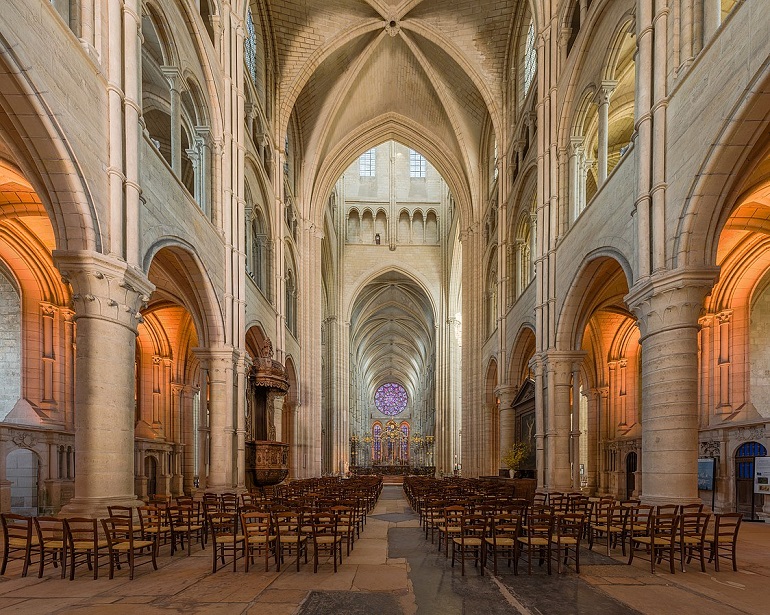
The Cathédrale Notre-Dame de Laon is a masterwork of early Gothic architecture and stands remarkably intact since its completion in 1230. Its cruciform plan and soaring towers create a commanding silhouette visible for miles around, serving for centuries as the heart of Laon and a beacon on medieval pilgrimage routes. Innovative for its time, the cathedral blends Romanesque solidity with Gothic verticality, featuring ribbed vaults, pointed arches, and luminous white stone interiors that lend it a distinctive radiance. The western façade, adorned with a fine rose window installed in 1210 and life-sized oxen sculptures, pays tribute to the animals that aided its construction, while the lantern tower at the crossing fills the nave with light and produces a feeling of cavernous openness. Stained glass windows and subtle decorative elements enrich the spiritual atmosphere, and the square-ended choir, modeled after English designs, marks a creative departure from typical French cathedrals, enhancing both the scale and visual harmony of the whole.
The Medieval Ramparts
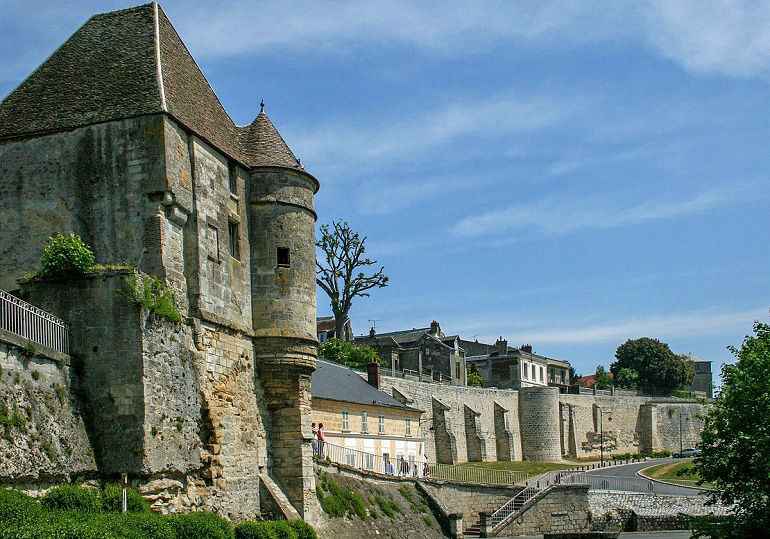
Laon’s eight kilometres of ramparts hug the city’s contours, and their enduring presence attests to centuries of strategic defence. Constructed mainly in the 12th and 13th centuries, with periodic enhancements, these walls boast a series of towers and gates that once ensured the hilltop’s invulnerability. Walking the ramparts today provides sweeping views of the Picardy landscape, revealing the city’s unique position and defensive architecture. Numerous lookout points and restored sections allow for leisurely exploration and appreciation of the structure’s scale and historical complexity, making the ramparts a living monument to Laon’s martial past and its ongoing place within the region’s heritage.
Porte d’Ardon
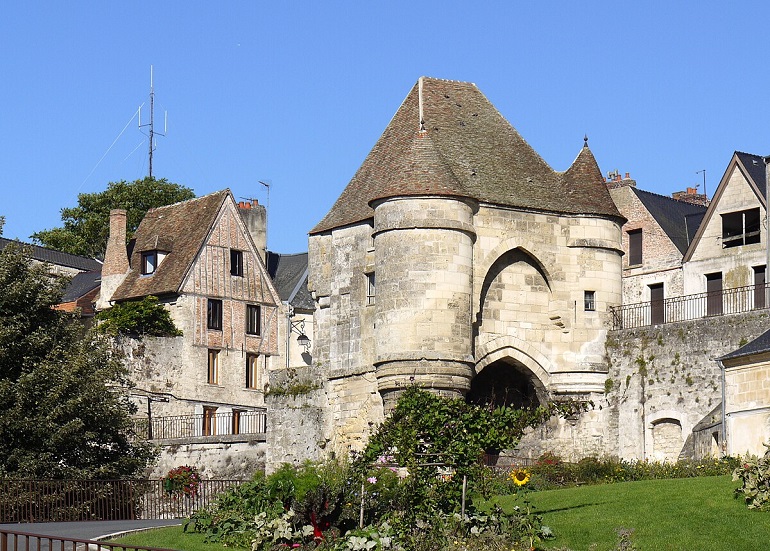
The Porte d’Ardon is among the best-preserved medieval gates of Laon, dating from the 14th century and serving as a grand entrance to the old city. Notable for its stonework and remains of a drawbridge, the gate exudes a sense of fortified strength and historical gravitas, setting the tone for any visitor approaching the ancient centre. Passing through Porte d’Ardon is akin to stepping back into the vivid past of civic life, with the gate having played a key role in regulating movement and providing both protection and welcome to allies and pilgrims alike.
The Underground Tunnels (Les Souterrains)
Laon’s network of subterranean tunnels, carved from limestone and tracing their origins back to Roman times, is a hidden marvel beneath the city’s historic streets. Used variously as storehouses, refuges, and strategic hideouts through the centuries—including pivotal roles during World War I—these tunnels now offer guided tours that reveal fossils, ancient silos, and stories of secrecy. The underground passages illustrate Laon's ability to adapt and endure, adding an exciting layer of depth to the visitor’s journey and connecting Laon’s daily life with its ancient foundations.
Panoramic Views from the Hilltop
The elevated position of Laon delivers exceptional vistas over the surrounding patchwork of fields and villages. From the cathedral and the ramparts, visitors can enjoy far-reaching views that showcase the city’s strategic importance and natural beauty. The changing light casts dramatic shadows across the plains, invoking a sense of majesty and timelessness. These viewpoints are especially popular for photographers, walkers, and anyone seeking a moment of reflection amidst the grandeur of Picardy’s landscape.
Abbey of Saint-Martin
The Abbey of Saint-Martin, stemming from the 12th century, is a quieter counterpoint to the cathedral’s grandiosity and is valued for its serene atmosphere and thoughtfully restrained decoration. Its medieval stonework and tranquil interior offer a space for contemplation, with subtle architectural details that reward those who linger. The abbey’s modest proportions and deep historical roots make it a cherished part of Laon’s spiritual and architectural heritage.

Street Art and Frescoes
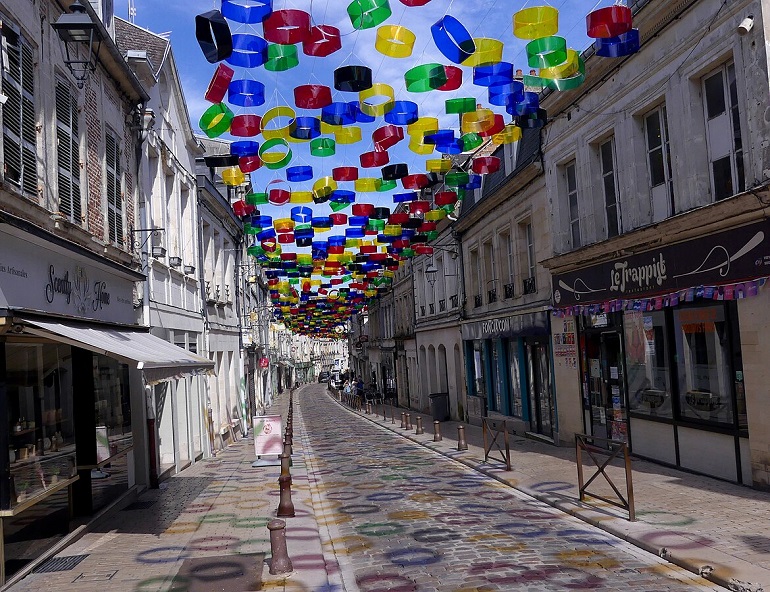
Modern street art and frescoes swirl through Laon’s ancient lanes, providing a splash of colour and contemporary flair against a backdrop of stone and history. This vibrant addition complements the city’s established traditions, fostering a lively contrast and hinting at Laon’s forward-facing energy. The blending of old and new invites exploration and invites visitors to see Laon as a city both deeply rooted and welcoming of creative renewal.
Top Museums
Musée d’Art et d’Archéologie du Pays de Laon
Housed in the remnants of a medieval Templar commandery, the Musée d’Art et d’Archéologie is Laon’s principal museum, set within a building that in itself is a testament to centuries of heritage. The site’s imposing architecture—ancient chapels, stone-vaulted galleries, and remnants of the Templars’ history—frames the visitor’s journey through the ages.
Archaeological Collections:
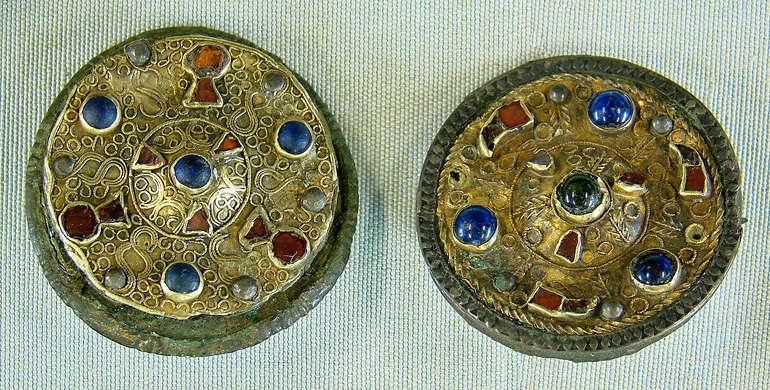
The museum’s archaeological section spans from the Paleolithic era to the Merovingian and Carolingian periods, with artefacts found in Laon and surrounding Aisne. Stone axes, Copper Age ornaments, Gallo-Roman mosaics, and medieval ceramics bring the ancient city to life. Notably, a significant collection focuses on the everyday artefacts and burial objects recovered from local necropolises, as well as items connected to the region’s religious and defensive sites.
Antiquities and Classical Civilisation:
The Mediterranean world is vibrantly represented: Egyptian funerary stelae and amulets, Greek and Southern Italian ceramics, Etruscan urns, and Roman bronze figurines form a rare and precious assembly. These evoke Laon’s historical importance as a crossroads of cultures and a repository for collectors since the Renaissance.
Fine and Decorative Arts:
The museum boasts paintings from the fifteenth to the nineteenth centuries, including Old Masters from Italian, Flemish, and French schools. The regional art scene is highlighted through pieces by the Le Nain brothers—Mathieu, Antoine, and Louis—who were born nearby. Noteworthy are works by Eugène Delacroix and other French romantics, as well as refined porcelain and faience, tapestries, and religious sculptures, each reflecting the material culture and artistic aspirations of the people of Laon.
Notable Objects:
Among the highlights is the cadaver monument of Guillaume de Harcigny, physician to Charles VI, with its macabre yet fascinating depiction of medieval attitudes to mortality. The museum frequently hosts temporary exhibitions that showcase both historic artefacts and the work of contemporary regional artists, maintaining a lively cultural programme.
Chapelle des Templiers
The Chapelle des Templiers is not a museum in the strict sense, but it is one of Laon’s most evocative and storied historic sites, tightly linked to the city’s museum circuit.
History and Architecture:
Constructed around 1140 by the Knights Templar, the chapel served originally as a funerary site for members of the order. Its distinctive octagonal layout is rare in France and was modelled after the Church of the Holy Sepulchre in Jerusalem, reflecting the Templar’s close association with the Crusader states. Elegant Romanesque elements—rounded arches, solid stonework, and paired windows—imbue the building with a solemn, timeless aura. The interior features traces of original medieval frescoes, intricate stone carvings, and centuries-old funerary monuments.
Cultural and Archaeological Importance:
Numerous graves of Templars, women, and children have been discovered around the chapel, attesting to its historic role as both a spiritual and communal refuge. Following the suppression of the Templars, the chapel passed to the Hospitallers, and later, during revolutionary and modern times, it endured periods of neglect and threats of demolition. Only sustained restorations and its 1840 classification as a historic monument preserved it for future generations.
Other Specialist Museums and Collections
Laon occasionally hosts specialist or private museums that add diversity to its cultural offer.
Private Collections and Temporary Displays:
Throughout the year, visitors may encounter insights into local crafts, viniculture, and bygone trades, showcased in pop-up exhibitions, gallery spaces, or even in historic homes opened during heritage events. Motoring enthusiasts may be fortunate to discover collections focused on vintage vehicles, while art lovers will appreciate contemporary galleries or thematic shows aligned with specific historical anniversaries.
Natural History and Scientific Displays:
Though Laon’s museums are not broadly dedicated to natural sciences, smaller exhibitions often pop up with geological specimens, diagrams of local flora and fauna, and educational displays introducing younger audiences to the scientific exploration of the region’s landscapes and prehistoric past.
Local Cuisine
The star local dish is the pungent, coarsely textured Andouillette de Laon, grilled or pan-fried and served with a splash of local cider. You’ll also find flaky flamiche au Maroilles, a golden tart whose creamy cheese filling perfumes every bistro, and delicate crêpe-like ficelle picarde rolled around ham and mushrooms in a velvety sauce. Vegetarians can savour buttery haricots de Soissons, while sweet-toothed travellers will relish light brioche buns glazed with honey from the nearby forests.

Getting There
By train Laon is on the regional TER line that runs north-east of Paris, with direct services from Paris-Gare du Nord taking about 1 hour 40 minutes and frequent onward connections from major hubs like Saint-Quentin and Reims.
By coach or bus Long-distance operators such as FlixBus and BlaBlaCar Bus link Laon with Paris, Lille, Reims and occasional Belgian cities; most services set down at the Gare Routière, a short walk from the walled upper town.
By car Drivers can reach Laon in around 1 hour 45 minutes from Paris via the A1 and A26 motorways (exit 13), or in roughly 2 hours 45 minutes from Brussels by following the A7/E19 to Valenciennes and the A2/A26 south-west towards Reims.
| Travel destinations in Picardy | ||||||||||||||
|---|---|---|---|---|---|---|---|---|---|---|---|---|---|---|
|
|
|
|
| ||||||||||
|
|
|
|
| ||||||||||


