France Guide  |
|---|
|
| | Top French Cities |
|---|
|
| | French Regions |
|---|
|
| | Photos |
|---|
|
| | Europe Guide |
|---|
|
| | Travel Tools |
|---|
|
|
|
|
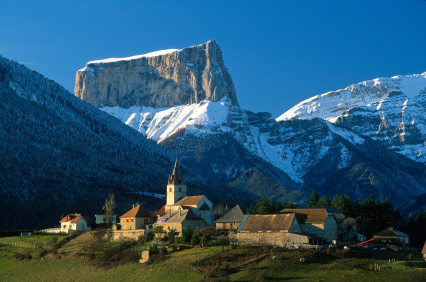 Mont Aiguille, Vercors Plateau. Mont Aiguille, Vercors Plateau.
Introduction

Rhône-Alpes is France's second largest and second wealthiest (in GDP per capita) region after the Île-de-France. Almost exactly the size of Denmark and slightly more populous (6.2 million against 5.5 million inhabitants), Rhône-Alpes is the 6th largest economy of any European region.
Its capital, Lyon, is only second to Paris in size and is often acclaimed as the gastronomic capital of France (at least outside Paris), which also makes it one of the best places to eat in the world. In Roman times, Lyon (Lugdunum) was the capital of Gallia Lugdunensis, a province stretching from Brittany to the Alps.
Rhône-Alpes is composed of the former Duchy of Savoy (annexed to France in 1860), of the historical province of Lyonnais, of the southern part of Burgundy and the northern half of Dauphiné. The sparsely populated, laid-back Alpine region contrasts sharply with the hustle-bustle of the Rhône Valley.
The traditional Franco-Provençal and Vivaro-Alpine languages have virtually disappeared since King Francis I tried to impose Parisian French as the only official language of the kingdom. Most of the 50,000 Franco-Provençal speakers left in the region today are in Savoy (Savoie and Haute-Savoie departments), which did not become French until the late 19th century.
Famous people from Rhône-Alpes include (chronologically): the writer and aviator Antoine de Saint-Exupéry, the celebrity chef Paul Bocuse, the ECB president Jean-Claude Trichet, and the composer Jean Michel Jarre.
History
The history of the Rhône-Alpes region spans over 30,000 years, beginning with the earliest human settlements around the Chauvet caves in modern-day Ardèche, where prehistoric inhabitants created some of history's finest examples of cave art. Celtic tribes gradually populated the region from the 6th century BCE, establishing cities along the banks of the Rhône and Saône rivers. The area witnessed Hannibal's famous Alpine crossing in 218 BCE during his campaign against Rome, though this could not prevent the subsequent Roman conquest led by Julius Caesar. Under Roman rule, which lasted until 476 CE, the region flourished as part of the provinces of Lugdunensis and Gallia. Lyon, originally founded by the Gauls, became a major city in the Roman Empire and a crucial trading hub connecting northern and southern Europe. The Romans constructed an extensive network of roads and aqueducts to bring mountain water to the cities, leaving architectural remains that continue to be discovered today, including three Roman barges unearthed in Lyon as recently as 2003.
During the medieval period, the region became part of the Merovingian and Carolingian kingdoms before evolving into royal French territory under the Capetians. The Middle Ages saw the strengthening of royal authority over the Rhône Valley, whilst the Counts of Savoie governed the higher Alps and the Dauphins ruled the Dauphiné area. In 1268, a significant but short-lived union occurred when a dauphin married the daughter of a Count of Savoie, temporarily uniting the two domains. The last dauphin sold his territories to the French King in 1349, after which the title of "Dauphin" was reserved for the heir to the French crown. The 15th century brought further territorial consolidation when Savoie united with the Italian province of Piedmont to form the Dukedom of Savoie, whilst Lyon was granted a monopoly for silk production and trade throughout France. King Louis XI inherited Savoie in 1481, initiating a complex period during which the area alternated between French, Savoyard, and even Spanish rule for eight years. The 16th-century Wars of Religion proved particularly devastating for the Dauphiné and Vivarais areas, with entire towns destroyed in the religious conflicts.
The region's modern history began turbulently when Lyon resisted Revolutionary forces in the 1790s, facing severe reprisals as a result. Savoie was returned to the French crown in 1748, became the property of King Victor-Emmanuel I of Sardinia in 1815, and finally joined France definitively in 1860 following an overwhelming plebiscite vote. During World War II, Lyon emerged as a crucial centre for the French Resistance, where Jean Moulin unified the movement and organised the secret Forces Françaises de L'Intérieur that operated throughout southern France. The Dauphiné's Vercors Mountains became a major Resistance stronghold and witnessed fierce battles near Thorens-Glières. Following the war, the region developed into France's second most important economic area after Paris, with the Lyon-Saint-Étienne-Grenoble triangle forming a powerhouse of industrial and commercial activity. The historic Rhône-Alpes region, comprising eight départements, existed as an administrative entity until 2016, when it merged with Auvergne to create the new region of Auvergne-Rhône-Alpes.
Cuisine
Culinary specialities from the Rhône Valley include quenelles (a mixture of creamed fish, chicken, or meat), grattons (pork grilled in fat), caillette au épinard (spinach quail), gras double (tripe cooked with onions), barboton (lamb stew with potatoes and carrots), salade lyonnaise (lettuce with bacon, croutons and a poached egg), soupe à l'oignon, poulet au vinaigre, civet de porc, tête de veau sauce verte,, and poulet de Bresse aux morilles (Bresse chicken with morels).
Culinary specialities from the Alps include gratin dauphinois, Savoy cheese fondue, ramequin (a sort of cheese fondue), raclette, tartiflette (potatoes cooked in reblochon cheese, lardons and onions), polenta, ufs à la Monteynard (rice mixed in soft-boiled eggs and cheese), and matafan (a salty crêpe with potatoes).
The better known cheeses of the region are Abondance, Beaufort, Bleu de Bresse, Bleu de Gex, Bleu de Termignon, Bleu du Vercors, Cervelle de canut, Fourme de Montbrison, Picodon de Crest, Reblochon, Saint-Marcellin, Sarasson, Vacherin, and various kinds of Tomme.
Desserts include bugnes lyonnaises (angel wings), coussins de Lyon (sweets made of chocolate and marzipan), marrons glacés, matefins (thick apple pancake), nougat, poire à la beaujolaise, pommes caramélisées, tarte à la Cuerde, tarte aux citrons meringuées, tarte aux pralines, tarte bressane, tarte au sucre, and tarte flambée.
Rhône-Alpes has four wine-growing regions: the Beaujolais in the north, the Côteaux du Lyonnais around Lyon, the Côtes du Rhône in the south, and Savoy in the east. The town of Voiron, in Isère, makes the green and yellow chartreuse liqueur. The Evian and Badoit mineral waters come respectively from the Haute-Savoie and Loire departments.
|
Attractions
Attractions are listed geographically, from west to east (left to right) and north to south (top to bottom).
Département du Rhône
|
Lyon ※ |
|---|

 France's third-largest city, Lyon sits at the confluence of the Rhône and Saône rivers. This UNESCO-listed gastronomic capital boasts Renaissance architecture, hidden traboules, and the stunning Basilica of Notre-Dame de Fourvière. |
Département de la Loire
 Firminy
Saint-Étienne
Département de l'Ardèche
|
Monts d'Ardèche Regional Park |
|---|
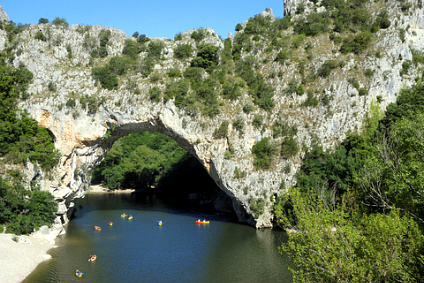
 The Monts d'Ardèche Regional Nature Park offers a remarkable blend of natural wonders and cultural heritage. Created in 2001 at the initiative of chestnut farmers, this UNESCO Geopark boasts over 50 extinct volcanoes, 4,000 kilometres of hiking trails, and 3,000 kilometres of rivers. Visitors can explore Mont Mézenc (the park's highest point at 1,753 metres), witness the source of the Loire River at Mont Gerbier de Jonc, and discover rich biodiversity including 2,800 plant species and diverse wildlife such as golden eagles and otters. Beyond natural attractions, the park preserves medieval castles, Romanesque churches, and traditional villages that reflect its thousand-year history. Outdoor enthusiasts can enjoy activities ranging from winter sports at Croix de Bauzon to summer kayaking on the Eyrieux or Chassezac rivers, while those seeking relaxation can visit one of three renowned thermal stations. The region's distinctive chestnut cultivation heritage is celebrated through dedicated museums and visitor centres. |
| Aven d'Orgnac Cave |
|---|
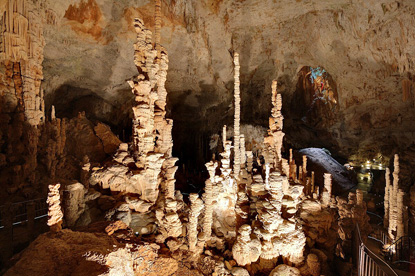
 Aven d'Orgnac Cave, classed as a Grand Site de France, reveals vast chambers, magnificent stalactites and unique rock formations, set 121 metres below ground near the Ardèche Gorges. Guided tours and a prehistoric museum offer an unforgettable subterranean adventure. |
| Balazuc |
|---|
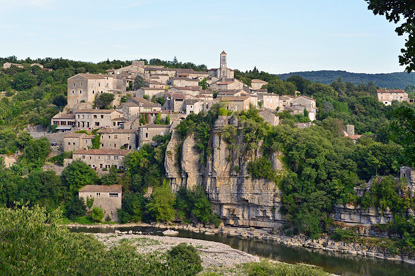
 Balazuc is a picturesque medieval village in Ardèche, Southern France, famed for its cobbled streets, ancient stone houses, and dramatic clifftop setting overlooking the Ardèche River. Renowned for its historic charm and stunning natural beauty. |
| Labeaume |
|---|
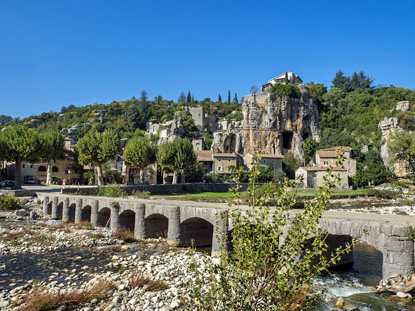
Labeaume is a picturesque village nestled among limestone cliffs in Ardèche, famed for its stone houses and narrow lanes winding above the river. Its unique setting and historic troglodyte caves offer a tranquil retreat amid remarkable natural scenery. |
| Peaugres Safari |
|---|
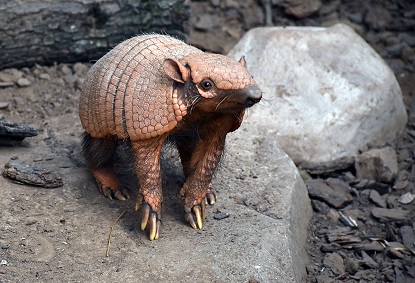
Peaugres Safari, the largest animal park in Auvergne-Rhône-Alpes, spans 80 hectares and features over 1,200 animals from four continents. Visitors can explore immersive drive-through and walk-through areas, enjoying close encounters and unique conservation experiences. |
|
Saint-Montan |
|---|

This enchanting hilltop medieval village in Ardèche was lovingly restored from complete ruins by volunteers over four decades. Now a Village of Character, Saint-Montan boasts a 13th-century castle and cobbled streets filled with artists and craftspeople. |
| Viviers |
|---|
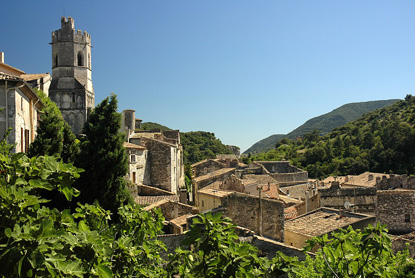
Perched above the Rhône, Viviers is a serene medieval episcopal town in Ardèche, its cobbled lanes leading to the Cathedral of Saint-Vincent, the Renaissance Maison des Chevaliers and old ramparts, with a tranquil riverfront and far-reaching valley views. |
| Vogüé |
|---|
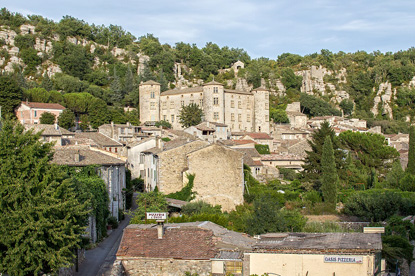
Vogüé, nestled beside the Ardèche River, is renowned for its medieval château, picturesque stone houses, and cobbled lanes. A classified “most beautiful village,” it offers serene river views, charming alleys, and a tranquil atmosphere ideal for slow discovery. |
Other attractions
Aubenas
Boulogne Castle (ruins)
Joyeuse
Largentière
 Lalouvesc
La Voulte-sur-Rhône
Païolive Wood
Privas
Tournon-sur-Rhône
Vals-les-Bains
Département de l'Ain
|
Pérouges |
|---|

 Pérouges is a perfectly preserved medieval walled village perched on a hilltop 40km from Lyon. With cobblestone streets, timber-framed houses, and panoramic countryside views, this enchanting hamlet is one of France's Most Beautiful Villages. |
| Bourg-en-Bresse |
|---|
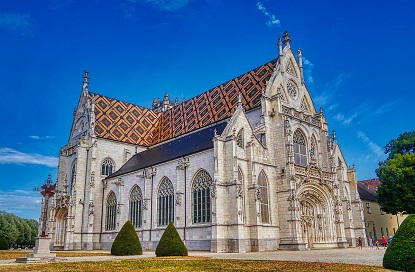
 Historic capital of Bresse, Bourg-en-Bresse blends cobbled lanes and Renaissance façades with the flamboyant Royal Monastery of Brou. Savour famed Bresse chicken, browse lively markets, and explore lakes, forests and Jura foothills, just an hour from Lyon. |
Other attractions
 Cerveyrieu Waterfall in Artemare
Département de l'Isère
|
Grenoble |
|---|
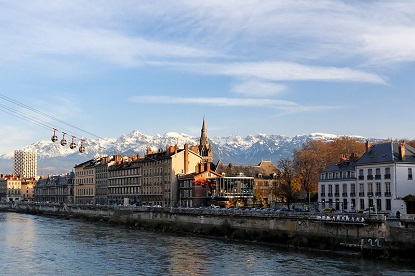
France's 'Capital of the Alps', Grenoble sits dramatically amid three mountain ranges. This vibrant city combines historic charm with modern innovation, offering excellent skiing, the iconic Bastille fortress, and world-class museums. |
| Vizille Castle |
|---|
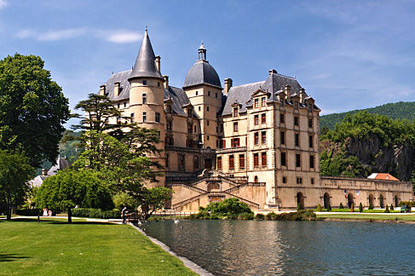
The Château de Vizille is one of the most sumptuous castles in the French Alps. It was built in the 17th century by the Duke of Lesdiguières, governor of the Province of Dauphinée and close friend of King Henry IV. Bequeathed to the French state in 1924, the castle was used as a presidential retreat until 1960. It now hosts the Museum of the French Revolution of Vizille. |
|
Pont-en-Royans |
|---|
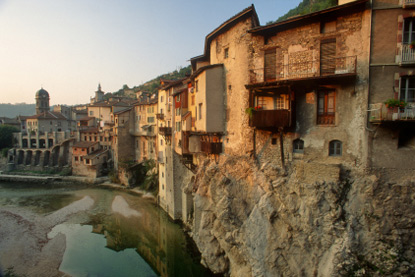
Enchanting medieval village famous for colourful 16th-century 'hanging houses' dramatically perched on cliffs above the Bourne River. Features unique Water Museum and serves as gateway to Vercors Natural Park adventures. |
| Vienne |
|---|
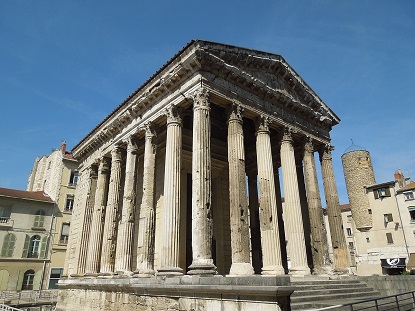
Vienne, on the Rhône south of Lyon, blends Roman grandeur and medieval charm: the Temple of Augustus and Livia, vast Roman theatre and Saint-Maurice Cathedral. Stroll riverside quays, browse the lively Saturday market, and visit Jazz à Vienne and Saint-Romain-en-Gal. |
Other attractions
Chamrousse
L'Alpe d'Huez
Villard-de-Lans
|
Vercors Regional Nature Park |
|---|
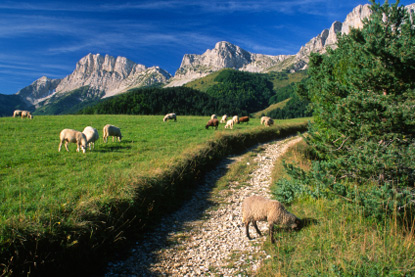
 The Vercors Regional Natural Park offers visitors a mesmerising blend of stunning natural beauty, rich history, and thrilling outdoor activities. This pristine landscape features dramatic limestone cliffs, deep gorges, lush forests, and meadows teeming with wildlife, including chamois, mouflon, deer, and Alpine ibex. The park boasts exceptional biodiversity with 85 protected plant species and 75 orchid species. Beyond its natural splendour, the Vercors holds significant historical importance as a bastion of the French Resistance during World War II, with numerous remembrance sites such as the Memorial of the Resistance and the Museum of the Resistance in Vassieux-en-Vercors. Adventure enthusiasts can enjoy hiking along 4,000 km of marked trails, mountain biking, rock climbing, caving in thousands of underground cavities, and skiing at resorts like Villard-de-Lans in winter, whilst nature lovers can explore remarkable attractions including the Grotte de Choranche cave system and Mont Aiguille, the emblem of the region. |
Département de la Drôme
|
Ideal Palace in Hauterives |
|---|
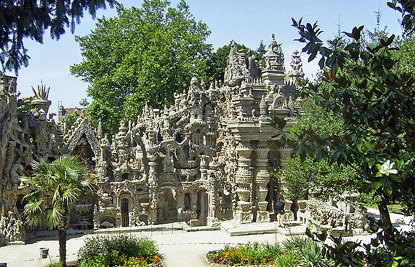
An extraordinary naïve art masterpiece built single-handedly by postman Ferdinand Cheval from 1879-1912. This fantastical palace features eclectic architectural styles and mythological motifs, built from stones collected during his rounds. |
| Valence |
|---|
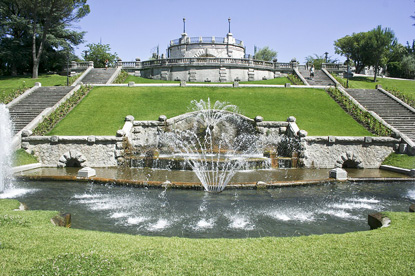
Valence, gateway to the south of France, delights with its Romanesque cathedral, leafy parks, and lively markets. Renowned for gourmet cuisine and pretty boulevards, the city blends historic charm and Mediterranean flair along the banks of the Rhône. |
| Grignan Castle |
|---|
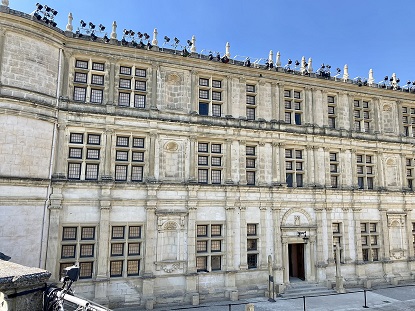
A Renaissance château atop a rocky promontory in Drôme Provençale, Grignan grew from a medieval stronghold into the Adhémars’ refined residence, famed for Madame de Sévigné; dismantled in the Revolution, rebuilt in the 20th century, it now offers panoramic terraces. |
| Suze-la-Rousse Castle |
|---|
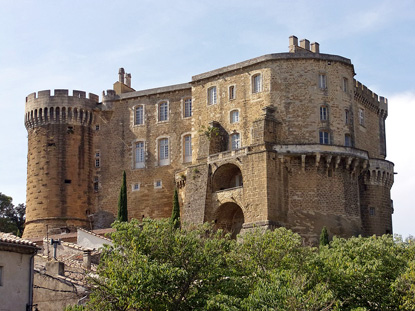
Suze-la-Rousse Castle crowns a rocky promontory in Drôme: a stern medieval fortress later softened into a Renaissance residence. Overlooking Côtes du Rhône vineyards, it marries ramparts and elegant courtyards, and now hosts cultural events and wine heritage exhibits. |
| Montélimar |
|---|
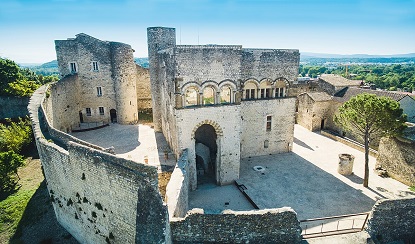
Famed as the nougat capital, Montélimar blends shaded boulevards and café terraces with the hilltop Château des Adhémar, lively markets and plane trees, a sunny Rhône gateway to Provence amid lavender fields, vineyards and gently rolling countryside, and Roman roots. |
Département de la Haute-Savoie
| Annecy |
|---|

Known as the 'Venice of the Alps', medieval Annecy captivates with winding canals, pastel-coloured buildings, and pristine Lake Annecy set against stunning Alpine peaks. The cobbled streets of the old town lead to the iconic Palais de l'Île and historic château, creating a perfect blend of heritage and natural beauty. |
| Chambéry |
|---|
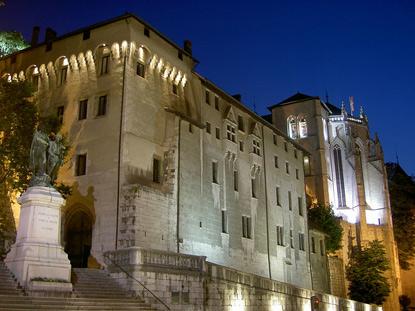
Chambéry, former capital of the Duchy of Savoy, is a charming Alpine town nestled between mountain ranges. Its medieval centre boasts remarkable architecture, the famous Elephant Fountain, and the historic Castle of the Dukes of Savoy. |
|
Mont Blanc |
|---|
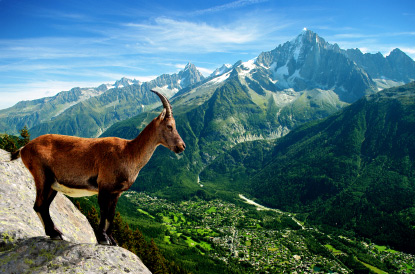
Western Europe's highest peak at 4,809m, Mont Blanc straddles the French-Italian border offering spectacular Alpine vistas. Accessible via cable cars from Chamonix, it attracts climbers, skiers, and sightseers year-round. |
| Courchevel |
|---|
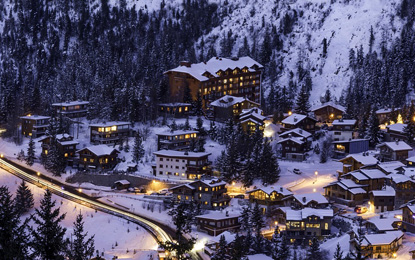
Courchevel, in the heart of Les Trois Vallées, blends world-class skiing with high-altitude glamour—immaculate pistes for all levels, chic boutiques and Michelin-starred dining, plus summer hiking and cycling amid sweeping alpine views and lively après-ski. |
| Val-d'Isère |
|---|
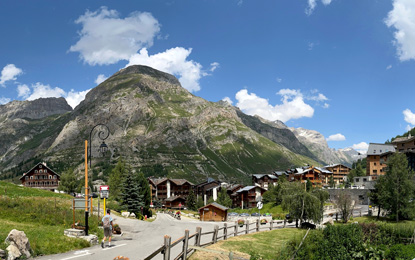
High-altitude Alpine classic, Val-d’Isère mixes stone-and-wood village charm with vast, snow-sure pistes linked to Tignes and a lively après scene. Summer brings hiking into the Vanoise National Park, with big views, wildlife, crisp air, and glacier-top panoramas. |
| Megève |
|---|
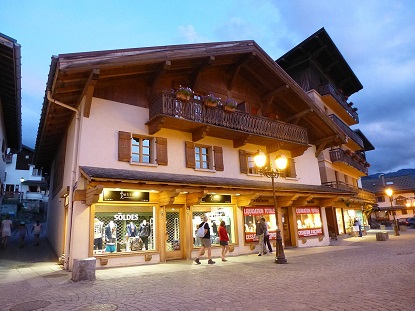
An elegant Alpine village in Haute-Savoie, Megève blends Savoyard charm with discreet luxury: cobbled lanes, horse-drawn carriages and chic boutiques, plus tree-lined pistes with Mont Blanc views and summer trails, markets and fine dining year-round too. |
| Thonon-les-Bains |
|---|

Elegant lakeside spa on the French shore of Lake Geneva, Thonon-les-Bains pairs a balconied old town and Belle Époque funicular with quayside cafés, thermal baths and boat links to Lausanne, backed by Savoyard vineyards and Alpine views, plus the Château de Ripaille. |
Other attractions
Évian-les-Bains
Département de la Savoie
| Vanoise National Park |
|---|

Vanoise National Park, established in 1963 as France's first national park, offers visitors a remarkable alpine experience. The park boasts breathtaking landscapes featuring over 100 peaks exceeding 3,000 metres, glaciers, high-altitude lakes, and diverse flora and fauna. Wildlife enthusiasts can observe iconic species such as ibex, chamois, marmots, and golden eagles in their natural habitat. With 600 kilometres of well-marked trails, the park caters to hikers of all abilities, from leisurely walks to challenging treks. The area's rich cultural heritage is evident in Neolithic rock carvings and medieval structures scattered throughout the park. Additionally, the park's peripheral zone includes traditional villages and renowned ski resorts, allowing visitors to experience both pristine nature and local mountain culture. The Vanoise National Park's commitment to conservation, coupled with its stunning natural beauty and recreational opportunities, makes it a compelling destination for nature lovers and outdoor enthusiasts alike. |
| Aix-les-Bains |
|---|
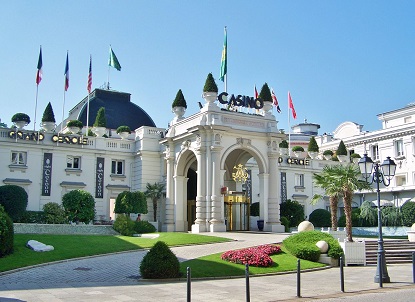
Aix-les-Bains is a refined spa town on France’s largest natural lake, Lac du Bourget, in Savoie, where Belle Époque elegance meets lakeside leisure and Alpine adventure—thermal baths, water sports, outdoor activities, and lively festivals add to its ‘Riviera des Alpes’ charm. |
|


 : Local interest
 : Moderately interesting
 : Outstanding place
 : Must-see in the country
 : Top cities in Europe