


| Contents |
|---|
Introduction
Bayonne (pop. 52,000) is a picturesque town situated at the confluence of the Nive and Adour rivers. Part of the Basque Country, it boasts a rich cultural heritage blending French and Basque influences. The town is divided into three main areas: Grand Bayonne, Petit Bayonne, and Saint-Esprit. With a population of approximately 50,000, Bayonne offers visitors a charming mix of historical architecture, including half-timbered buildings and a Gothic cathedral, alongside modern amenities. Known for its chocolate, ham, and salt production, Bayonne also serves as a significant commercial and administrative centre for the region. The town's strategic location near the Spanish border and its proximity to the popular coastal resort of Biarritz make it an attractive destination for tourists exploring southwestern France.
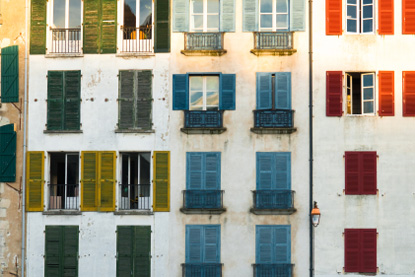
Bayonne is the cultural and economic capital of the French Basque Country. The colourful shutters on the windows and the sound of Euskara and Gascon spoken in the streets give the city a unique atmosphere.
Bayonne is famous for its smoked ham, chocolate and marzipan. It is said that the bayonet was invented here in the mid-17th century.
Interesting Facts about Bayonne
- Bayonne is located at the confluence of the Adour and Nive rivers in southwestern France, near the Spanish border.
- The city was originally a Roman settlement called Lapurdum and later became a fortified stronghold.
- Bayonne is renowned as the historic capital of chocolate in France, with a tradition spanning over 400 years.
- The Cathédrale Sainte-Marie de Bayonne, a UNESCO World Heritage Site, showcases Gothic architecture from the 13th to 15th centuries.
- The city’s fortifications were significantly enhanced by the military engineer Vauban in the 17th century.
- Bayonne is famous for its high-quality ham, salt, and vibrant Basque culture.
- The Château Vieux, dating back to the 12th century, served as a residence for English governors during medieval times.
- Bayonne hosts the Fêtes de Bayonne, one of France’s largest and most popular summer festivals.
- The Musée Basque in Bayonne offers insights into Basque history, culture, and traditions.
- In 1578, the course of the Adour River was altered to restore Bayonne’s maritime trade after over a century of decline.
History
Archaeological evidence suggests human occupation in the area for over 200,000 years, with a Roman castrum established in the 4th century. The city's strategic location at the confluence of the Nive and Adour rivers played a crucial role in its development. In 1023, Bayonne became the capital of Labourd, and by the 12th century, it had expanded significantly, building its first bridge over the Adour.
The city's fortunes changed dramatically in 1152 when it came under English control through the marriage of Eleanor of Aquitaine to Henry II of England. This alliance brought Bayonne numerous commercial privileges, establishing it as an important trading hub. The city flourished, becoming renowned for its maritime trade, including the transport of Bordeaux wines and other southwestern products to England. However, in 1451, following the Hundred Years' War, Bayonne returned to French control. The 17th century saw further developments, with the city being fortified by the famous military engineer Vauban, whose defensive works became models for the next century.
Bayonne's history is also marked by its diverse cultural influences. In the 16th century, the city welcomed Sephardic Jewish refugees fleeing the Spanish Inquisition, who brought with them the art of chocolate-making, for which Bayonne became famous. The 19th and early 20th centuries brought both challenges and opportunities. While overshadowed by the fashionable resort of Biarritz, Bayonne found new prosperity with the discovery of the Lacq gas field in 1951. Today, Bayonne stands as a vibrant cultural capital, blending Basque and Gascon influences with its rich historical past, evident in its architecture, museums, and traditional events such as the renowned Fêtes de Bayonne.
Main Attractions
Bayonne Cathedral (Cathédrale Sainte-Marie)
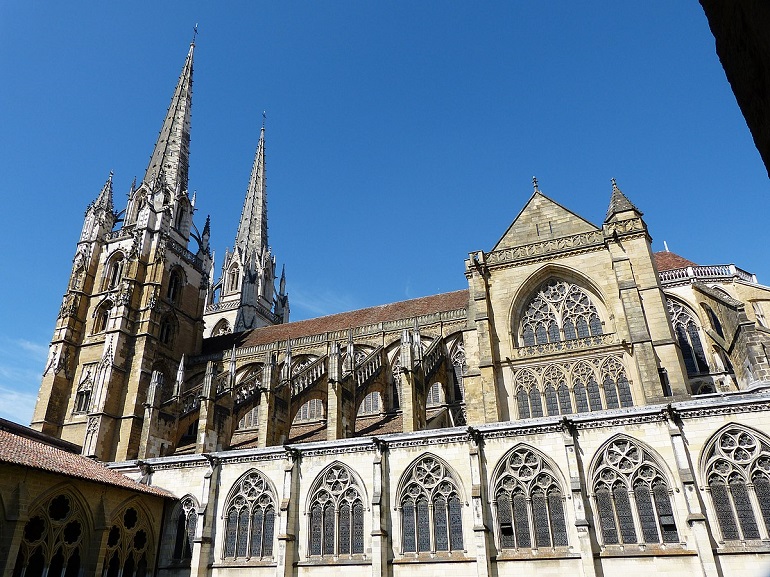
The Bayonne Cathedral, also known as Cathédrale Sainte-Marie, stands as a testament to the city's rich religious and architectural heritage. This imposing Gothic structure, recognised as a UNESCO World Heritage Site, dominates the skyline of Bayonne. The cathedral's construction spanned several centuries, from the 13th to the 17th, resulting in a fascinating blend of Romanesque and Gothic architectural styles. As visitors step inside, they are greeted by the awe-inspiring sight of the vaulted ceiling adorned with intricately painted 'keys'. The ambulatory, a covered walkway around the choir, houses a series of chapels decorated with stunning Steinheil paintings, each telling its own story of faith and devotion. One of the cathedral's most remarkable features is its cloister, one of the largest in France. This peaceful enclosure not only provides a serene space for contemplation but also offers unique views of the cathedral's soaring spires, allowing visitors to appreciate the grandeur of the structure from a different perspective.
Old Town (Grand Bayonne and Petit Bayonne)
The heart of Bayonne beats in its Old Town, a charming area divided into two distinct districts: Grand Bayonne and Petit Bayonne. Grand Bayonne, the oldest part of the city, is home to the cathedral and the Château-Vieux, while Petit Bayonne lies across the Nive river. Both areas are classified as a Site Patrimonial Remarquable, a designation that recognises their historical and cultural significance. As visitors wander through the narrow streets, they are transported back in time, surrounded by well-preserved buildings from the 17th, 18th, and 19th centuries. The facades of many buildings are adorned with intricate wrought ironwork, adding an extra layer of elegance to the streetscape. For those who appreciate architectural details, the impressive interior stairwells of some buildings offer a glimpse into the craftsmanship of bygone eras. The Old Town's charm lies not just in its individual buildings, but in the overall ambiance created by centuries of history and culture intertwined in its streets and squares.
City Ramparts
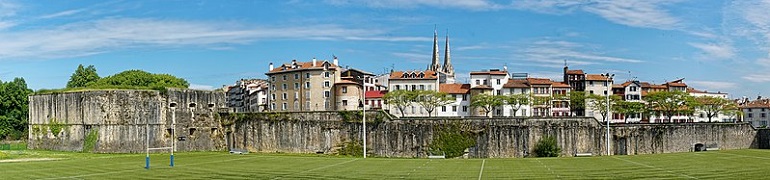
The city ramparts of Bayonne are a living testament to the city's long history of defence and strategic importance. These ancient walls, with roots dating back to Roman times, have been thoughtfully repurposed into a delightful promenade. As visitors stroll along these historic fortifications, they can immerse themselves in the city's past, imagining the centuries of events and conflicts that these walls have witnessed. The walk offers not only a journey through time but also provides excellent vantage points for viewing the city and its surroundings. Along the way, one can observe the remnants of old towers and fortifications, each telling its own story of Bayonne's defensive history. The ramparts serve as a physical link between the city's past and present, offering a unique perspective on how urban spaces can evolve while preserving their historical significance.
Château-Vieux (Old Castle)
The Château-Vieux, or Old Castle, stands as a formidable reminder of Bayonne's medieval past. This impressive fortress, with its origins in the late 11th century, has played a crucial role in the city's defence for centuries. The castle underwent significant remodelling in the 17th century, adapting to changing military needs and architectural styles. While the interior of the Château-Vieux is not accessible to the public due to its current military use, its imposing exterior remains a captivating sight. The castle's sturdy walls and strategic position offer insights into medieval military architecture and the importance of Bayonne as a fortified city. Even from the outside, visitors can appreciate the castle's commanding presence and imagine the historical events and figures that have been associated with this ancient stronghold over the centuries.
Bayonne Botanical Garden
Nestled near the city walls and cathedral, the Bayonne Botanical Garden provides a tranquil oasis amidst the urban landscape. This compact yet enchanting garden showcases a Japanese-inspired design that creates a sense of serenity and harmony. A central feature of the garden is its picturesque pond, which reflects the surrounding greenery and adds a calming element to the space. Visitors can meander along a bamboo-lined walkway, immersing themselves in the peaceful atmosphere. A charming bridge spans the pond, leading to a small but delightful waterfall that adds a soothing soundtrack to the garden experience. Throughout the garden, a carefully curated selection of perennial plants and flowers creates a vibrant tapestry of colours and textures that change with the seasons. This botanical gem offers a perfect retreat for those seeking a moment of quiet contemplation or a brief escape from the bustle of city life.
Nive River Banks
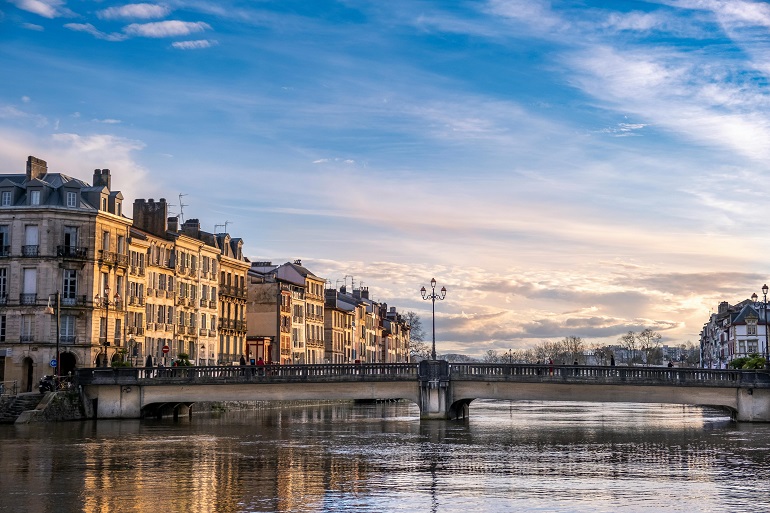
The banks of the Nive river form one of Bayonne's most picturesque and lively areas. As the river winds its way through the city, it creates a captivating backdrop for both historical architecture and modern urban life. Along the riverbanks, visitors can admire the tall townhouses that line the water's edge, some of which feature traditional half-timbered construction, a hallmark of the region's architectural style. These buildings, with their colourful facades reflected in the river's surface, create a postcard-perfect scene that captures the essence of Bayonne. The riverside area is not just about visual appeal; it's also a hub of activity. A variety of shops, cafes, and bars line the banks, offering plenty of opportunities for shopping, dining, and people-watching. The market hall near the river adds to the lively atmosphere, especially on market days when locals and visitors alike gather to purchase fresh produce and regional specialties.
Bayonne City Hall
The Bayonne City Hall, situated in the heart of the city at Place de la Liberté, is a striking example of 19th-century civic architecture. This impressive building serves not only as the seat of local government but also as a cultural landmark. The City Hall's most notable feature is the series of six bronze statues that adorn its roof. These statues are not mere decorations but symbolic representations of important aspects of Bayonne's identity and aspirations. They depict navigation, arts, astronomy, commerce, agriculture, and industry, reflecting the diverse facets of the city's heritage and economy. The building's grandeur extends beyond its exterior, as it also houses the city's theatre, making it a centre for both governance and culture. The City Hall stands as a proud symbol of Bayonne's civic pride and its commitment to both tradition and progress.
Architecture
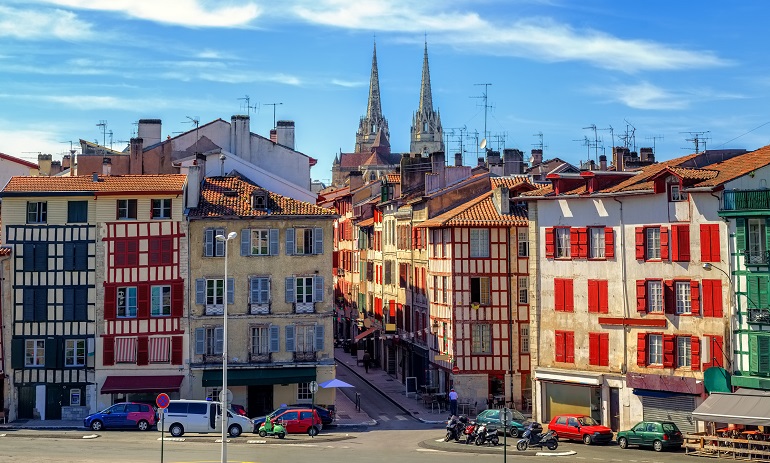
Bayonne's architectural landscape is a rich tapestry that weaves together various styles and periods, creating a unique urban environment. The city is particularly known for its Neo-Basque style buildings, which reflect the region's cultural identity through their distinctive design elements. These structures often feature white walls with dark wooden beams and shutters, sloping roofs, and intricate decorative details that pay homage to traditional Basque architecture while incorporating modern building techniques. Alongside these Neo-Basque buildings, Bayonne also boasts a number of Art Deco structures, testament to the city's embrace of early 20th-century architectural trends. These buildings, with their geometric forms and decorative motifs, add a touch of modernist elegance to the cityscape. Perhaps most charming are the timber-framed houses that can be found throughout the old town. These medieval structures, with their exposed wooden frames and often colourfully painted facades, transport visitors back in time and contribute significantly to Bayonne's old-world charm. The juxtaposition of these various architectural styles creates a visually engaging environment that tells the story of Bayonne's evolution through the centuries.
Top Museums
The Basque Museum
Located in a historic 17th-century merchant's house, the Basque Museum is dedicated to the culture and history of the Basque people. With over 2,000 objects and works of art, it explores Basque society from 200 BCE to the present day. The museum covers a wide range of topics, including customs, costumes, language, music, architecture, and maritime activities. It is an essential visit for anyone interested in understanding the Basque identity and its rich cultural heritage.
The Bonnat-Helleu Museum
This museum serves as Bayonne's Fine Arts Museum and boasts an impressive collection of over 7,000 works of art. It features masterpieces by renowned artists such as El Greco, Rubens, Goya, and Degas, alongside archaeological collections. Notably, it is one of the few museums in France to house works by Leonardo da Vinci, Raphael, and Michelangelo, making it comparable to the Louvre in terms of its artistic significance.
Bayonne Architecture and Heritage Interpretation Center (CIAP)
Situated above a medieval cellar, the CIAP explores Bayonne's architectural, urban, and landscape evolution from Roman times to the present. The centre uses interactive displays and sound shows to delve into the city's river and port history, offering visitors a comprehensive understanding of Bayonne's heritage.
Natural History Museum
Located in a natural area classified as a "Sensitive Natural Area," the Natural History Museum is unique in being situated amidst a 100-hectare environmental site. It features a collection of 20,000 objects related to zoology, botany, geology, and ethnology, focusing on the flora and fauna of the Pyrenees region. This museum provides an immersive experience into the biodiversity of the area.
Rugby Museum
Located at the Stade Jean Dauger, this small museum is dedicated to the history of rugby in Bayonne, particularly the Aviron Bayonnais team. It showcases a collection of match shirts and is a must-visit for rugby enthusiasts.
Museum of Bayonne Judaism Suzanne and Marcel Suarès
Attached to the synagogue, this museum traces the history of the Jewish community in Bayonne from the 16th century. It offers insights into the cultural and religious heritage of this community, which played a significant role in Bayonne's history, especially in the development of chocolate-making traditions.
Local Cuisine
Bayonne, nestled in the French Basque Country, is a gastronomic paradise renowned for its distinctive local specialties. The city's culinary crown jewel is Jambon de Bayonne, a delectable cured ham with Protected Designation of Origin status. Equally famous is Bayonne chocolate, crafted by skilled artisans using traditional techniques, earning the city the title of France's chocolate capital. The region's cuisine is further enhanced by the use of Piment d'Espelette, a slightly smoky chili pepper that adds a unique flavour to many dishes. Visitors must try axoa, a hearty veal or beef stew seasoned with Espelette peppers, and piperade, a colourful sauté of peppers, tomatoes, and onions often served with eggs. For dessert, indulge in Gâteau Basque, a delightful cake filled with either pastry cream or cherry jam. Bayonne's gastronomy beautifully reflects the rich culinary heritage of the Basque region, offering a tantalising blend of flavours that will delight any food enthusiast.
Getting There & Around
Bayonne, the charming capital of the Basque Country, is easily accessible by various means of transport. The most convenient way to reach the city is by train, with direct services from Paris taking around 4 hours. For those flying in, Biarritz Pays Basque Airport is just 15 minutes away by car or 30 minutes by public transport, offering connections to numerous French and international destinations. Buses provide an economical option, with services from major cities like Paris, Bordeaux, and Toulouse. Once in Bayonne, getting around is a breeze thanks to the comprehensive Txik Txak public transport network. This includes 16 bus lines, two ultra-modern electric Tram'bus lines, and free electric shuttles that traverse the city centre. For eco-friendly exploration, consider using the city's bike-sharing system or opting for carpooling services. With its well-connected transport options, Bayonne serves as an excellent base for discovering the surrounding Basque region.