


| Contents |
|---|
Introduction
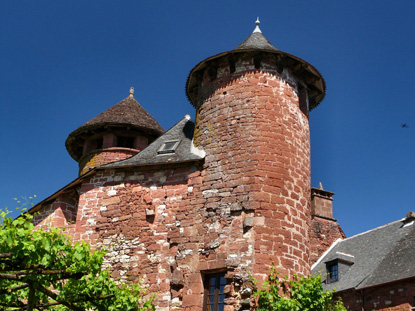
Collonges-la-Rouge (pop. 500) is one of France's quaintest and prettiest villages. It is entirely built of bright red bricks, which confers it a singular appearance. Founded in the 8th century around a priory established by monks from Charroux Abbey, the village developed into a prosperous settlement that welcomed pilgrims travelling to Santiago de Compostela and served as a strategic point on the trade route between Lyon and Bordeaux. The village became a stronghold of the Counts of Turenne by the 14th century and was granted judicial rights in 1308, attracting lawyers, notaries and prosecutors who built the impressive manor houses that characterise the village today. Named after its distinctive red sandstone buildings constructed from locally quarried stone rich in iron oxide, Collonges-la-Rouge features 25 turrets and towers, narrow cobbled streets, and notable architectural landmarks including the Church of Saint-Pierre, the Maison de la Sirène, and several châteaux dating from the 15th and 16th centuries. The entire village was classified as a historical monument in 1942 and became the founding member of the Most Beautiful Villages in France association in 1982.
Interesting Facts about Collonges-la-Rouge
- Collonges-la-Rouge is famed for its striking red sandstone architecture, coloured by iron oxide and unique in the region.
- The village is often called the "City of 25 Towers," thanks to its profusion of turrets rising above medieval lanes.
- Founded around an 8th-century priory, the settlement grew prosperous on pilgrimage routes and medieval trade.
- Collonges-la-Rouge is widely recognised as the birthplace and first laureate of the "Most Beautiful Villages of France" label.
- The Church of Saint-Pierre bears fortifications added during the Wars of Religion, reflecting the village's turbulent past.
- Many grand houses date from the 15th and 16th centuries, with mullioned windows, pepper-pot towers, and carved portals.
- Historic mansions such as the Château de Vassinhac and the Maison de la Sirène showcase Renaissance elegance and local legends.
- The village's intense crimson hues once lay hidden beneath stucco, later revealed through careful restoration in the 20th century.
- Collonges-la-Rouge sits near a geological fault where red sandstone abuts limestone, shaping its distinctive look and building stone.
- Formerly under the powerful Viscounts of Turenne, Collonges enjoyed special privileges that helped fund its ornate architecture.
History
Medieval Origins and Monastic Foundations
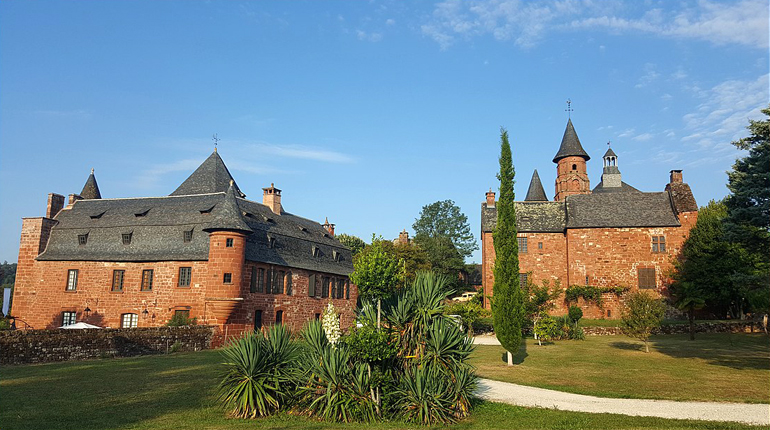
Collonges-la-Rouge traces its origins to the 8th century when monks from Charroux Abbey in Poitou established a priory following a generous donation from Count Roger of Limoges. The settlement developed around this religious foundation, attracting peasants, craftsmen, and tradesmen who lived and prospered under the protection of the monastery's fortified walls. By 844, the village had become part of the powerful Viscounty of Turenne, one of France's largest medieval fiefdoms, which granted it unique autonomy and fiscal privileges that distinguished it from other French territories. The priory served as a vital stop for pilgrims travelling the route to Santiago de Compostela via Rocamadour, establishing Collonges as a significant waystation on this important medieval pilgrimage path. From the 11th century onwards, the village expanded around the priory, with the church's Romanesque tympan and bell tower serving as enduring testaments to this formative period.
Golden Age and Administrative Prominence
The village reached its zenith during the late 15th and early 16th centuries when it became the preferred residence for judicial officers, administrators, and high-ranking officials of the Viscounty of Turenne. In 1308, the Viscount of Turenne granted Collonges a charter of franchise, bestowing upon it comprehensive jurisdictional rights including high, medium, and low justice, which transformed it into a major administrative centre. This elevated status attracted numerous prosecutors, lawyers, and notaries who constructed opulent mansions, castles, and distinctive pepper-pot towers that earned the village its nickname "the city of twenty-five towers". The influx of wealthy professionals necessitated the creation of faubourgs (suburbs) beyond the original fortified walls, including districts such as Veyrie, Hautefort, Faure, and Guitardie. During this golden period, Collonges also flourished as a wine-producing centre, with renowned white wines made from quality grape varieties including muscat, bacot, gamay, and herbemont grapes that brought prosperity from the 12th to the 19th centuries.
Decline and Remarkable Renaissance
The village's fortunes began to wane in 1738 when the last heir of the Viscounty of Turenne sold the territory to King Louis XV to settle gambling debts, effectively ending centuries of fiscal privileges and autonomy. The French Revolution further devastated the community by destroying the priory buildings, though the village briefly experienced renewed prosperity in the early 19th century before entering a prolonged decline. The final blow came in 1880 when phylloxera destroyed the vineyards, eliminating the wine industry that had sustained the local economy for centuries and leading to mass emigration that left many houses in ruins. The village's salvation began in 1905 with the classification of its church as a Historic Monument, followed by restoration efforts in the 1930s led by Mayor Charles Ceyrac and the newly formed Society of Friends of Collonges. In 1942, the entire village achieved Historic Monument status, and in 1982, Collonges-la-Rouge became a founding member of the Association of the Most Beautiful Villages of France, an organisation actually created by its former mayor Charles Ceyrac, cementing its status as one of France's most treasured historic settlements.
Main Attractions
Église Saint-Pierre
Église Saint-Pierre is the architectural heart of Collonges-la-Rouge, blending Romanesque and Gothic elements in a unique structure built from the region's iconic red sandstone. Its gabled steeple and fortified appearance, reinforced during the Hundred Years' War, speak to its long-standing role in protecting the village's spiritual heritage. The church's entrance features a contrasting limestone tympanum, and its unusual two-nave interior once allowed simultaneous Protestant and Catholic worship, a rare testament to the area's religious complexity. Historic frescoes and intricately carved capitals add further character to this impressive monument.
Château de Vassinhac
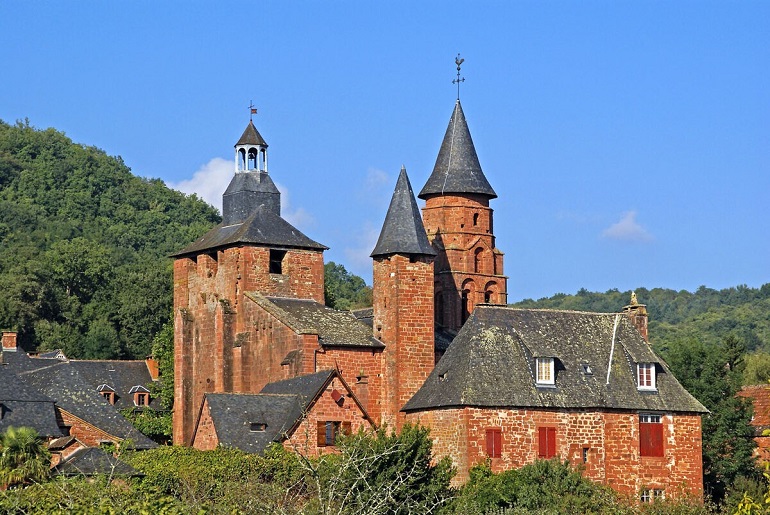
The Château de Vassinhac, once the seat of the most influential local lords, is renowned for its harmonious Renaissance façade with elegant mullioned windows and a grand stone staircase. Now meticulously restored, its interiors contain period furnishings, including a bedroom occupied by the French writer Colette. The château's imposing presence on Rue de la Garde encapsulates Collonges' aristocratic lineage, while its ancient cellars and decorative details offer glimpses into noble life in the Middle Ages.
Maison de la Sirène
Maison de la Sirène is a favourite landmark, instantly recognisable for its vaulted porch, distinctive Gothic doorway, and the whimsical carved mermaid that gives it its name. Built during the village's Renaissance heyday, the house features original period interiors and stonework that highlight the community's prosperity in the 16th century. Positioned prominently along winding lanes, it remains a vivid symbol of Collonges-la-Rouge's singular identity.
Chapelle des Pénitents Noirs
Adjacent to Église Saint-Pierre, the Chapelle des Pénitents Noirs dates from the 14th and 15th centuries and served as a spiritual centre for the Black Penitents brotherhood. This modest yet dignified chapel now hosts cultural exhibits and occasional community events, with its intricate stone archways and serene ambience making it both a quiet retreat and a historical highlight.
Ramade de Friac
Ramade de Friac is a stately mansion famed for its twin watchtowers and sturdy, fortified silhouette. Built for one of Collonges-la-Rouge's most prominent families, the residence displays architectural features typical of the town's boom years in the 15th and 16th centuries, including stone mullioned windows and sturdy timber beams. The building's imposing exterior is a monument to the wealth and influence of local traders and officials.
The Covered Market (La Halle)
La Halle sits at the centre of village life and dates back to the 16th and 17th centuries, featuring a robust timber roof supported by thick stone pillars. Originally the hub for trade in local wines, grains, and other produce, the covered market is still used for seasonal events and celebrations. Its open layout and historical atmosphere make it a popular spot for visitors to soak in the spirit of rural France.
Cobbled Streets and Flowering Lanes
One of Collonges-la-Rouge's greatest attractions lies in wandering its flower-filled cobbled streets, all built from the same iron-rich red sandstone that gives the village its name. Pedestrianised and fringed with turreted houses, wisteria, and climbing vines, these lanes reveal architectural flourishes and secret gardens at each turn. The combination of bright stone, blue slate roofs, and lush greenery creates an enchanting setting perfect for slow exploration and photography.
Le Moutardier du Pape
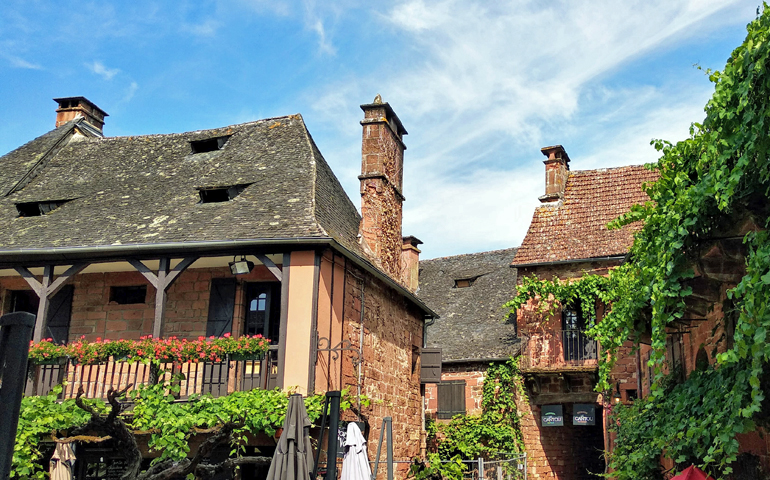
Le Moutardier du Pape is a charming historic house, renowned for its impressive tower and beautiful stonework. It is an ideal example of the notable homes built during the town's prosperous periods and offers visitors a window into the domestic life and social status of Collonges' former residents.
Communal Bread Oven
At the village edge, the medieval communal bread oven remains a focal point during the annual Fête du Pain, when the tradition of shared baking comes alive for locals and visitors alike. The site symbolises the enduring community spirit and rural customs that still shape village life.
Gastronomy and Boutiques
Collonges-la-Rouge offers a wealth of artisan shops and traditional cafés, where specialties such as Limousin lamb, duck breast, mushroom omelette, and the celebrated vin paillé feature on local menus. Wineries, confectioners, and craft boutiques fill the village centre, providing ample opportunity to experience and savour regional flavours alongside the splendour of the surrounding architecture.
Seasonal Events and Cultural Life
Collonges-la-Rouge comes alive with cultural activities in summer, including open-air theatre festivals at Place du Lavoir and regular torchlit night tours that reveal the village in a magical new light. These events, combined with English-language multimedia trails, ensure every visit includes both discovery and delight.
Top Museums
Principal Museums
Maison de la Sirène
Maison de la Sirène stands as Collonges-la-Rouge’s flagship museum, housed in a sixteenth-century red stone manor. Its vaulted porch is adorned with a whimsical mermaid sculpture, inviting visitors into rooms reconstructed to evoke the living spaces and day-to-day atmosphere of earlier times. The museum presents a vivid collection of household items, photographs, period furniture, and folk art. Carefully curated displays and historical artefacts lead guests on a journey through the rhythms of the village’s past. Community volunteers oversee the museum, ensuring a heartfelt presentation that emphasises local culture and continuity between generations. Maison de la Sirène is also a gathering place for editions of cultural and historical works published about the region.
Château de Vassinhac
The Château de Vassinhac provides a noble contrast to the rustic charm of Collonges-la-Rouge. This splendid manor has been lovingly restored, allowing guests to move through lavishly furnished rooms, including the famed Louis XVI salon and the bedroom of writer Colette. A spiral staircase winds down to a vaulted cellar, where displays recount the château’s journey from its origins to restoration. The architecture, defined by elegant mullioned windows, expansive stonework, and period décor, illustrates Collonges-la-Rouge’s aristocratic heritage and connection to the Counts of Turenne. Photographs and information panels enhance the immersive experience.
Heritage Buildings and Architectural Sites
Maison Boutang du Peyrat and Heritage Buildings
Maison Boutang du Peyrat, dating from the fifteenth century, and other grand homes like Ramade de Friac, Hôtel de Friac, and Maison de la Sirène, form a network of heritage buildings open for cultural exploration. These sites preserve the noble and bourgeois interiors that define the village’s history, sometimes featuring temporary exhibitions on regional arts, crafts, or the evolution of manor life. Notable are the watchtowers, picturesque turrets, and vaulted cellars hidden away in their courtyards, often revealed for village festivals or guided tours.
The Church of Saint-Pierre and Chapelle des Pénitents Noirs
Collonges-la-Rouge’s religious heritage is captured in the Church of Saint-Pierre, renowned for its imposing Romanesque bell tower, splendid limestone tympanum, and unusual two-nave design. This architectural rarity allowed for Protestant and Catholic congregations to worship simultaneously in the same space, echoing Collonges-la-Rouge’s historical role on the Santiago de Compostela pilgrimage route. Adjacent is the Chapelle des Pénitents Noirs, which, though no longer used for religious services, now serves as an exhibition space spotlighting religious, artistic, and social history. These sites bring together medieval architecture and centuries of community tradition.
Living Culture and Exhibitions
Village Traditions and Additional Exhibits
Collonges-la-Rouge’s cultural life extends beyond these core museums to include seasonal exhibitions, artisan workshops, and local history displays. The covered market hall, built in the early seventeenth century, is itself a living museum of community gatherings, while lanes lined with artisan shops and small galleries offer exhibits on regional craftsmanship and local produce. During cultural festivals, additional spaces such as the old court, priory buildings, and town hall host special events on village history, traditional gastronomy, and wine production. Many of these museums and historic sites are embellished with plaques recounting memorable local stories, highlighting how daily life has evolved while preserving deep respect for heritage.
Local Cuisine
Set at the crossroads of Corrèze, Périgord and Quercy, Collonges-la-Rouge draws on three culinary traditions to create a notably hearty table. Menus feature melt-in-the-mouth duck confit and velvety foie gras, staples of the south-west's duck-farming heritage. Locally reared Limousin beef provides a tender alternative. Herb-grazed Quercy lamb emerges from the limestone causses with a distinctive savour. Seasonal dishes are lifted by earthy Périgord truffles and nutty cep mushrooms. Pastry counters and farmers' stalls round things off with crunchy walnuts and the aromatic liqueur vin de noix.
Getting There
By train From Paris, take a high-speed service to Brive-la-Gaillarde, then change to the TER local line towards Saint-Denis-près-Martel; from there, a short taxi or seasonal shuttle completes the final 10 km to the village.
By coach or bus Regional coaches run from Brive-la-Gaillarde and Tulle, stopping at nearby Meyssac; from this point, local buses or a brief taxi ride deliver you directly to Collonges-la-Rouge.
By car Drive south from Brive-la-Gaillarde on the D920, then follow signs onto the D38 for the last stretch, enjoying a scenic route through rolling Limousin countryside before arriving at the village's dedicated visitor car parks.