


| Contents |
|---|
Introduction
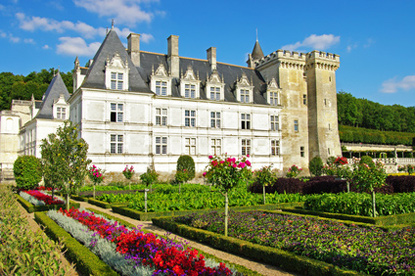
Château de Villandry, located 15 km west of Tours in the Loire Valley, France, is the last grand château constructed along the River Loire during the Renaissance period, completed around 1536. Built by Jean Le Breton, Minister of Finance under King Francis I, it stands on the site of an old 12th-century fortress, of which only the medieval keep remains. The château features elegant Renaissance architecture with three wings forming a horseshoe plan that opens onto the valley. While its interior showcases 18th-century furnishings across more than fifteen rooms, Villandry is particularly renowned for its spectacular gardens spanning six hectares across four terraced levels. These meticulously restored Renaissance gardens include ornamental flower gardens, a water garden, and a distinctive kitchen garden arranged in geometric patterns. Listed as a UNESCO World Heritage site, the château and its gardens are open to visitors year-round.
Interesting Facts about the château
- Château de Villandry, built in 1536, was the last grand château constructed during the French Renaissance along the Loire River.
- The château was built on the site of a 12th-century fortress where King Henry II of England signed a peace treaty with King Philip II of France in 1189.
- Its Renaissance gardens are world-famous, featuring intricate geometric designs and six distinct sections, including a vegetable garden and ornamental garden.
- The ornamental garden symbolises different aspects of love with patterns like hearts, butterflies, and scrolls.
- The château’s interior includes highlights such as the Grand Salon, the Chapel, and a museum showcasing Renaissance art and artefacts.
- Joachim Carvallo restored both the château and its gardens in the early 20th century, making it a masterpiece of historical preservation.
- The gardens cover nine hectares and include features like a maze, a water garden with fountains, and a sun garden filled with colourful perennials.
- Villandry’s architecture combines Renaissance elegance with remnants of its medieval past, such as its original keep.
- The château’s distinctive slate roofs were restored between 1995 and 2003 to preserve their Renaissance character.
- Still owned by the Carvallo family, Château de Villandry is one of France’s most visited châteaux and a UNESCO World Heritage Site.
History
Originally known as Colombiers, it was a medieval fortress where the Peace of Colombiers was signed in 1189 between King Philip Augustus of France and King Henry II of England. In 1532, Jean Le Breton, Minister of Finance to King Francis I, acquired the property and transformed the fortress into a Renaissance château. Le Breton’s design reflected a pure French architectural style, distinct from the Italian influences seen in other Loire Valley châteaux. The château’s transformation marked a significant departure from its medieval roots, with the keep being the only remaining feature of the original fortress.
In 1754, the Château de Villandry underwent significant modernisation under Michel-Ange de Castellane, ambassador of France to the Ottoman Empire and member of one of Provence's oldest noble families, who introduced elements of Louis XV style to its architecture. He added terraces, orangeries, and redesigned its interiors to enhance comfort and elegance.
In 1791, the now Marquis of Castellane moved to Paris and sold the estate to François Chénais, wealthy owner of a coffee plantation in the French Caribbean colony of Saint-Domingue (present-day Haïti). Over the years, the château changed hands multiple times, including ownership by Jérôme Bonaparte during the Napoleonic era. By the 19th century, its gardens were converted into an English-style park. However, in 1906, Dr Joachim Carvallo, , a Spanish-born medical doctor, and his wife Ann Coleman purchased the château and began restoring it to its Renaissance glory. He poured an enormous amount of time, money and devotion into repairing it and creating what many consider to be the most beautiful formal gardens anywhere. Mr Carvallo opened the castle and gardens to the public in 1920.
Today, Château de Villandry is renowned for its exceptional Renaissance gardens that include geometric vegetable patches, ornamental flower beds, and tranquil water features. These gardens embody a harmonious blend of aesthetics and functionality inspired by 16th-century designs. The Carvallo family continues to own and manage the château, ensuring its preservation as a historical and cultural treasure. Visitors can explore both the château’s elegant interiors and its breathtaking gardens, making it a must-see destination in the Loire Valley.
Description
The Château
The Château de Villandry stands as a magnificent exemplar of French Renaissance architecture in the Loire Valley. Its elegant limestone façade presents a harmonious balance of grandeur and restraint, characteristic of the finest French châteaux. The building's symmetrical design features large windows that flood the interior with natural light, while the distinctive steep slate roofs and ornate chimneys create a striking silhouette against the sky.
The château's exterior is adorned with delicate arcades and finely carved pilasters that showcase the craftsmanship of Renaissance stonework. The main entrance, framed by classical columns, welcomes visitors into a world of refined beauty. As you approach, you'll notice how perfectly the château sits within its surroundings, neither dominating nor being overshadowed by the spectacular gardens that embrace it.
Inside, the château reveals a series of sumptuously appointed rooms that reflect the tastes and lifestyles of its various inhabitants through the centuries. The grand salon features ornate mouldings and period furniture, while the dining room displays an impressive collection of porcelain and silverware. The library houses rare volumes and offers views across the gardens, creating a scholarly retreat. Most notable is the collection of Spanish paintings, including works by Francisco de Goya and other Spanish masters, which adds an unexpected cultural dimension to this quintessentially French estate.

The Gardens
The gardens of Villandry represent one of the most extraordinary horticultural achievements in France, if not Europe. Spanning over six meticulously maintained hectares, they are arranged on four distinct terraces that cascade down from the château, each with its own character and purpose. What makes these gardens truly special is their faithful recreation of Renaissance garden design principles, combined with innovative approaches to planting and maintenance.
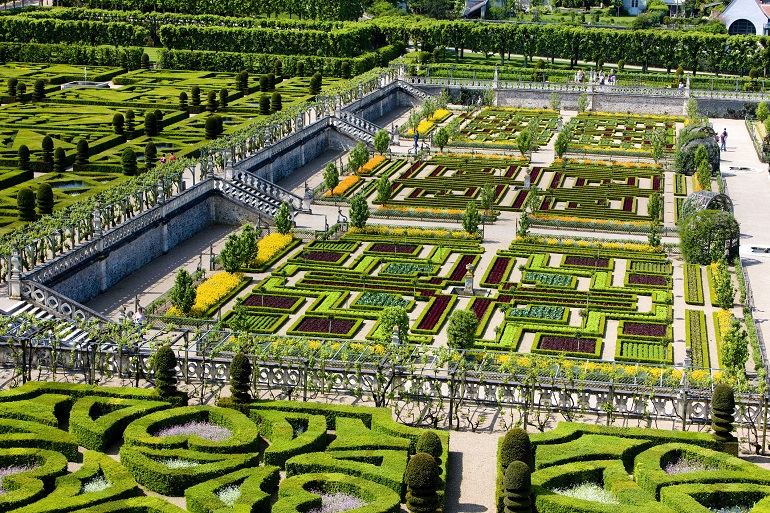
From an elevated position, the gardens reveal themselves as an intricate tapestry of geometric patterns, a living mosaic that changes with the seasons. The careful balance between formal structure and natural beauty creates a sense of harmony that captivates visitors, drawing them deeper into this horticultural wonderland.
The Ornamental Gardens
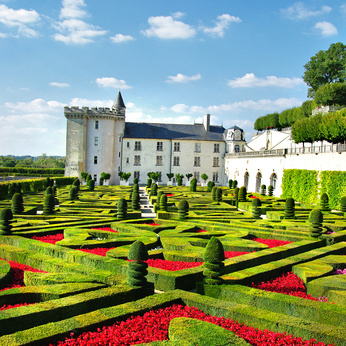
The ornamental gardens, or 'jardins d'ornement', occupy the uppermost terrace and represent the intellectual and emotional aspects of Renaissance garden design. These gardens are divided into four themed sections that symbolise different aspects of love, creating a romantic narrative in plant form.
The 'Tender Love' quadrant features heart shapes and soft, pastel-coloured flowers that evoke the gentle beginnings of romance. 'Passionate Love' bursts with vibrant reds and dramatic patterns that suggest intensity and desire. 'Fickle Love' incorporates zigzag patterns and contrasting colours to represent the unpredictability of affection. Finally, 'Tragic Love' uses sharp angles and dark colours to symbolise heartbreak and loss.
The patterns are formed using meticulously trimmed boxwood hedges (Buxus sempervirens) that create the outlines, while seasonal plantings of flowers and coloured gravel fill the spaces between. In spring and summer, these gardens are particularly spectacular, with thousands of begonias, salvias, and other annuals creating a kaleidoscope of colour. The precision of the planting is remarkable, with each plant positioned to contribute to the overall design.
The Water Garden
The water garden, situated on the second terrace, offers a serene counterpoint to the intricate patterns of the ornamental gardens. Designed in the classical French style, it embodies tranquillity and reflection. The centrepiece is a magnificent ornamental pond shaped like a Louis XV mirror, its surface reflecting the sky and surrounding landscape.
Flanking the central pond are two smaller rectangular basins, their still waters creating a sense of perfect symmetry and balance. Elegant fountains rise from these pools, their gentle splashing providing a soothing soundtrack to your exploration. The water features are surrounded by immaculately maintained lawns that enhance the sense of openness and space.
Linden trees (Tilia cordata) line the perimeter, their heart-shaped leaves casting dappled shade on hot summer days. These trees are meticulously pruned to maintain their formal shape, creating living architecture that frames the garden. Strategically placed benches invite visitors to pause and absorb the peaceful atmosphere, perhaps watching dragonflies skimming across the water's surface or contemplating the perfect harmony of the design.
The Decorative Kitchen Garden
The decorative kitchen garden, or 'potager ornemental', is perhaps Villandry's most famous and distinctive feature. Occupying the third terrace, it represents a brilliant marriage of practicality and aesthetics, transforming the humble vegetable patch into a work of art. This garden draws inspiration from medieval monastic gardens but elevates the concept to unprecedented levels of sophistication.
Covering over a hectare, the kitchen garden is divided into nine equal squares, each with its own geometric pattern. From above, it resembles an enormous chessboard of verdant designs. The patterns are created using vegetables of different colours and textures: the deep purple of cabbages, the feathery green of carrots, the bright red of Swiss chard, and the silvery blue of leeks all contribute to the visual feast.
Each square follows a different pattern – crosses, diagonals, checkerboards – and the designs change with the seasons as crops are harvested and replanted. Over 40 varieties of vegetables are grown here, many of them heritage varieties chosen as much for their ornamental qualities as for their flavour. Interspersed among the vegetables are flowers such as marigolds and nasturtiums, which not only add colour but also serve as natural pest deterrents.
Apple and pear trees, trained into elegant forms against the garden walls, provide vertical accents and seasonal interest with their spring blossoms and autumn fruits. Narrow gravel paths allow visitors to wander between the beds, appreciating the intricate designs from different angles and observing the changing palette of colours and textures throughout the growing season.
The Sun Garden
The Sun Garden, opened in 2008 to commemorate the centenary of the gardens' restoration, represents a more contemporary interpretation of formal garden design. Located on the lowest terrace, it brings a fresh perspective to Villandry's horticultural tapestry while respecting the overall harmony of the estate.
This garden is divided into three distinct 'rooms', each with its own character and symbolism. The 'Cloud Room' features soft, billowing plantings of ornamental grasses and white flowers that create a dreamy, ethereal atmosphere. Silver-leaved plants such as Artemisia and Stachys add to the misty effect, especially when caught in the morning light.
The 'Sun Room' bursts with golden yellows, fiery oranges, and warm reds – colours that capture the energy and warmth of the sun. Heleniums, rudbeckias, and helianthus create a tapestry of sunshine even on cloudy days. The planting here is more naturalistic than in the formal gardens, with perennials allowed to mingle and self-seed to create a more dynamic, evolving display.
The 'Children's Room' introduces an element of playfulness with its maze-like paths and surprising features. Plants here are chosen to engage young visitors – those with interesting textures to touch, pleasant scents to discover, or fascinating seed pods to examine. This area acknowledges the importance of nurturing future generations of garden enthusiasts.
The Herb Garden
The herb garden, or 'jardin des simples', pays homage to the medicinal and culinary traditions of medieval monasteries. Located adjacent to the kitchen garden, it presents a fascinating collection of useful plants arranged in a formal pattern of cross-shaped beds.
Here you'll find a comprehensive collection of aromatic herbs: the pungent leaves of sage, the delicate fronds of fennel, the spiky flowers of hyssop, and dozens more. Each plant is meticulously labelled with both its common and Latin names, along with traditional uses. The garden becomes a sensory experience as you brush against plants releasing their fragrant oils into the air.
Medicinal herbs that once formed the foundation of the medieval apothecary's craft grow alongside culinary herbs still used in contemporary French cuisine. Lavender, thyme, and rosemary create swathes of silver-grey foliage, punctuated by the bright flowers of borage, calendula, and chamomile. The geometric layout allows visitors to appreciate the diversity of forms and textures while maintaining the formal aesthetic that characterises Villandry.
A central fountain provides both ornament and the soothing sound of water, while stone benches offer places to sit and absorb the mingled scents of the herbs. This garden connects visitors to centuries of plant lore and traditional knowledge, demonstrating how our ancestors understood and utilised the natural world.
The Woodland Garden
Beyond the formal gardens lies the woodland garden, a more naturalistic area that provides a refreshing contrast to the geometric precision found elsewhere at Villandry. Here, winding paths lead through dappled shade created by native trees such as oak, beech, and hornbeam.
In spring, the woodland floor is carpeted with bluebells, wood anemones, and wild garlic, creating a magical atmosphere of renewal and growth. Summer brings the cool respite of shade, with ferns unfurling their fronds and foxgloves sending up tall spires of spotted flowers. Autumn transforms the woodland into a tapestry of gold, russet, and bronze as the leaves change colour before falling to create a natural mulch for the cycle to begin again.
Strategically placed viewpoints offer glimpses back towards the château and formal gardens, creating a dialogue between the wild and the cultivated. Rustic benches carved from local timber invite visitors to pause and listen to the birdsong or perhaps spot a red squirrel darting through the branches overhead.
The Belvedere and Panoramic Views
One of Villandry's most captivating features is its belvedere, a raised viewing platform that offers spectacular panoramic views across the entire estate. From this vantage point, the full genius of the garden design reveals itself as an integrated whole rather than separate elements.
The geometric patterns of the different gardens create a mesmerising visual symphony when viewed from above. The perspective highlights the perfect proportions and the mathematical precision that underlies the design. In the morning light or as the sun sets, the long shadows cast by the hedges and trees add another dimension to the patterns, creating a constantly changing tableau.
Beyond the gardens, the view extends to the surrounding countryside, placing Villandry in its broader landscape context. The River Cher winds through the valley, and on clear days, you can see other châteaux dotting the horizon, reminders of the rich architectural heritage of the Loire Valley.
A Living Masterpiece
What makes Villandry truly exceptional is that it remains a living, breathing garden rather than a museum piece. The gardening team, comprising skilled horticulturists with specialised knowledge, works year-round to maintain and enhance the gardens, adapting traditional techniques to contemporary challenges.
The estate has embraced organic gardening practices, eliminating chemical pesticides and fertilisers in favour of natural alternatives. Companion planting, where certain species are grown together for mutual benefit, helps control pests. Compost produced on-site enriches the soil, creating a sustainable cycle of growth and renewal.
The gardens change dramatically with the seasons, offering a different experience with each visit. Spring brings a profusion of bulbs and blossoms, summer showcases the kitchen garden at its productive peak, autumn offers rich harvest colours and spectacular foliage, while winter reveals the elegant 'bones' of the garden – the structural elements that underpin the design.
Wildlife finds sanctuary within this carefully tended environment. Bees buzz between flowers, butterflies dance above the herb garden, and birds nest in the ancient trees. The gardeners maintain areas specifically designed to support biodiversity, recognising that a healthy ecosystem contributes to the garden's overall resilience and beauty.
As you wander through Villandry, you become part of its ongoing story – a narrative of human creativity working in harmony with nature to create something greater than the sum of its parts. The château and its extraordinary gardens represent not just a historical treasure but a living testament to the enduring power of vision, craftsmanship, and respect for the natural world.
Getting There
Getting to the magnificent Château de Villandry is remarkably straightforward, whether you're travelling by car, train, or bicycle. If driving from Paris (approximately 240 kilometres), take the A10 motorway, exit 24 (Joué-lès-Tours), then follow the A85 towards Saumur and take exit 8 marked for Villandry. From Nantes, simply take the A11 then A85, also exiting at junction 8. Rail travellers can reach Tours from Paris Montparnasse in just 55 minutes, then complete the journey with a 20-minute taxi ride to the château. During July and August, the Fil Bleu shuttle bus service operates daily from Tours, or cycling enthusiasts can follow the picturesque Loire à Vélo route, covering about 15 kilometres from Tours. For motorhome owners, there's a convenient CAMPING CAR PARK area offering 35 pitches just steps from the château. Free parking for cars and buses is available near the castle, and there's also unguarded bicycle parking located near the entrance. The château is open daily from 9:00 to 18:00, with adult admission priced at €14 for the château and gardens, or €8.50 for the gardens only.
Best Time to Visit
The best time to visit Château de Villandry largely depends on your preferences. For those who adore roses, June is an ideal month as they are in full bloom. However, if you prefer fewer crowds and still want to enjoy the vibrant colours, September is a great choice. It is advisable to visit early in the morning to avoid the afternoon rush, especially on weekends. The gardens are open year-round, except on Christmas Day, while the château operates from early February to mid-November and then briefly from late November to early January. Visiting at the end of the day can also be lovely, allowing you to enjoy the sunset from the château's terraces.


