


| Contents |
|---|

Introduction
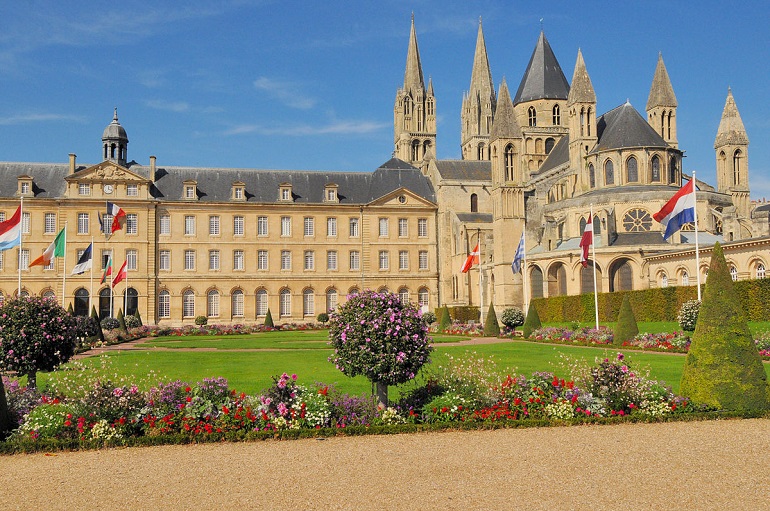
Caen (pop. 110,000; urban 420,000), the historic capital of Normandy, is a vibrant university city located just two hours from Paris and ten minutes from the Normandy coast. Founded by William the Conqueror in the 11th century, the city served as the political and cultural heart of the Duchy of Normandy and remains dominated by his imposing medieval castle, which now houses two museums. The city is renowned for its magnificent Romanesque abbeys - the Abbaye aux Hommes and Abbaye aux Dames - commissioned by William and his wife Matilda of Flanders, alongside the internationally significant Mémorial de Caen, a museum dedicated to peace and 20th-century history. Despite suffering extensive damage during the 1944 Battle of Normandy, when it took over a month to liberate following the D-Day landings, Caen was carefully rebuilt using the distinctive local Caen stone, creating an blend of medieval monuments and post-war architecture.
Interesting Facts about Caen
- Caen was the medieval power base of William the Conqueror, whose legacy still shapes the city’s skyline.
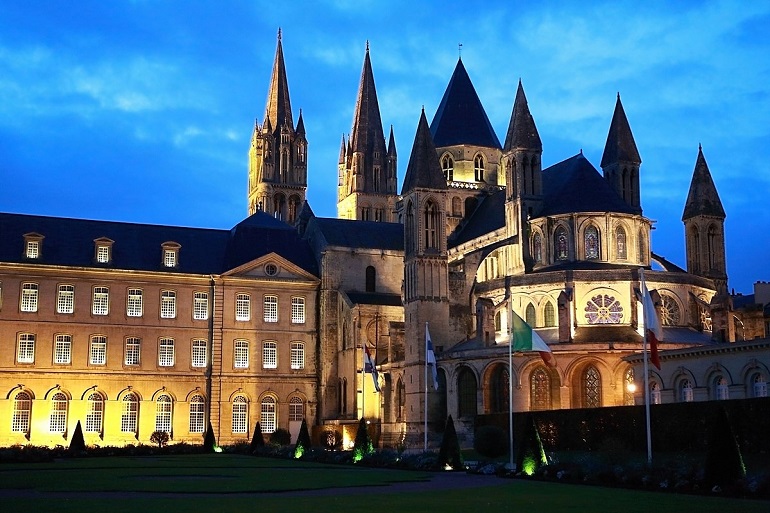
- The city is famed for its twin Norman abbeys, the Abbaye aux Hommes and the Abbaye aux Dames, founded by William and his wife Matilda.
- Caen Castle, begun around 1060, ranks among the largest medieval fortresses in Europe.
- Much of Caen was rebuilt after fierce fighting in 1944, giving the centre its distinctive pale Caen-stone look.
- The city’s moving Mémorial de Caen explores the Second World War and the pursuit of peace.
- Caen sits just inland from the D-Day beaches, linked to the sea by a ship canal to Ouistreham.
- The historic Vaugueux quarter mixes cobbled lanes and Caen-stone houses with lively restaurants and bars.
- Caen stone travelled far in the Middle Ages, notably used in London’s Tower of London.
- The Abbaye aux Hommes holds William the Conqueror’s tomb, while Matilda rests in the Abbaye aux Dames.
- A celebrated university city, Caen pairs a youthful atmosphere with deep Norman heritage.
History
Caen's origins can be traced back to Roman times when it was known as 'Catumagos', derived from the Gaulish roots meaning 'combat field'. However, it remained merely a minor settlement throughout the Roman period until its transformation began in the 10th century under the patronage of the Norman Dukes. The city's true significance emerged around 1025-1060 when William the Conqueror chose Caen as his base and began construction of the magnificent Château de Caen, one of Europe's largest medieval fortresses. Simultaneously, William founded the Abbey of Saint-Étienne (Abbaye aux Hommes) in 1063, whilst his wife Matilda of Flanders established the Abbey of Sainte-Trinité (Abbaye aux Dames), both becoming masterpieces of Norman Romanesque architecture. By 1087, when William was buried in the Abbey of Saint-Étienne, Caen had succeeded Bayeux as the capital of Lower Normandy, complementing Rouen as the second ducal capital.
The medieval period brought both prosperity and devastation to Caen, beginning with its incorporation into the Kingdom of France when it fell to Philip II in 1204. During the Hundred Years' War, the city endured brutal sieges, most notably in 1346 when Edward III's English army stormed and sacked the city in less than a day, killing 3,000 citizens and burning much of the merchants' quarter on the Île St-Jean. The English captured Caen again in 1417 under Henry V, who treated the city harshly for being the first town to resist his invasion. Despite these tribulations, the medieval period also saw significant cultural achievements, including the establishment of the University of Caen in 1432 by Henry VI of England, making it one of the first universities in Europe. The city was finally recaptured by French forces in 1450, marking the end of English dominance.
Caen's modern history has been marked by periods of both decline and remarkable regeneration. The revocation of the Edict of Nantes in 1685 severely damaged the city's prosperity, as it had become predominantly Protestant. During the French Revolution, Caen served as a centre for the Girondist movement, experiencing significant political upheaval. The 19th century brought industrial development with the construction of the Caen Canal in 1857, connecting the city to the English Channel at Ouistreham and establishing its importance as a port. However, Caen's most devastating period came during World War II when it became the hinge of German resistance during the 1944 Normandy campaign, resulting in two-thirds of the city being destroyed during the Battle for Caen. The post-war reconstruction transformed Caen into a modern city whilst preserving its medieval architectural treasures, and the university was resited and reopened in 1957, restoring its status as an important educational centre.
Main Attractions
Caen Castle
Spanning an impressive 5.5 hectares in the city centre, Caen Castle is one of Western Europe’s largest fortifications. Founded around 1060 by William the Conqueror and expanded by his descendants, the site served not only as a powerful military base but also as a ducal residence and administrative hub. The castle boasts two grand fortified gateways, sweeping curtain walls from the 12th and 15th centuries, and the remnants of a keep destroyed during the French Revolution. Inside, the restored ramparts provide panoramic views over Caen, and the grounds showcase archaeological finds such as medieval cellars, a powder magazine, and traces of stables and forges. Today, visitors enjoy wide open courtyards, monumental gateways, and glimpses of the original Exchequer and Saint George’s church, all situated within the atmospheric enclosure of this storied stronghold.

Abbaye-aux-Hommes
Founded by William the Conqueror in the 11th century as atonement for his marriage, the Abbaye-aux-Hommes is a spectacular example of Romanesque architecture. The abbey church, Saint-Étienne, became William’s burial place in 1087, though his tomb suffered several disturbances through war and revolution—today, only a single thighbone remains. Over the centuries, the abbey evolved architecturally: its ribbed vault is an early precursor to the Gothic style, and later additions include intricate staircases, a stately ceremonial hall, and richly decorated cloisters. After the French Revolution, the site housed various administrative functions and, since 1965, serves as Caen City Hall. Visitors can tour the grand nave and Gothic choir, wander through landscaped esplanades, and view exhibitions on the history of the abbey and the city.
Abbaye aux Dames
Standing elegantly atop a hill with views over Caen, the Abbaye aux Dames was founded by Queen Matilda, wife of William the Conqueror, in the 11th century. Its Romanesque abbey church, Église de la Trinité, features the tomb of Matilda in the choir, and boasts pink-hued stained-glass windows and a graceful crypt. Spanning nearly a millennium, the abbey’s buildings range from the original crypt to the refined convent complexes of the 18th century. The site is considered one of Normandy’s architectural jewels, and visitors can choose between guided and independent tours. Today, the convent houses the Normandy Regional Council, preserving the abbey’s status as both a spiritual and administrative centre.

St Peter's Church (Église Saint-Pierre)
Église Saint-Pierre dominates central Caen with its soaring tower and intricate stonework, encapsulating the transition from Gothic to Renaissance forms. Begun in the 13th century and expanded through the mid-16th, the church’s elaborate façade, rose window, and richly vaulted ceilings are visual testaments to its extended development. The renowned apse, crafted by Hector Sohier, elegantly fuses Gothic and Renaissance influences. Within, visitors find stained glass, detailed carvings, and a celebrated grand organ. St Peter’s has long been a ceremonial focal point for the city and stands as a symbol of resilience. The spire, destroyed during the Second World War, was painstakingly reconstructed, giving hope and renewal historical substance.

Caen Botanical Garden
In the heart of Caen, the Botanical Garden is a haven for flora enthusiasts, offering more than 8,000 plant species across 5,000 square metres of winding paths and themed beds. Established in the 17th century and expanded in the aftermath of the Revolution, it features local Normandy flora, exotic greenhouses, medicinal gardens, and rare collections. Play areas and picnic sites make it family-friendly, while informative boards and workshops invite all ages to deepen their botanical knowledge. Recognised as a “Remarkable Garden,” it also upholds eco-gardening and conservation values, making it a vibrant, ever-evolving green lung for both education and leisure.
Vallée des Jardins
The Vallée des Jardins is an 11-hectare expanse of natural beauty offering a peaceful retreat from the city's bustle. Formerly wild meadows, this site now delights visitors with its diverse collection of perennials, majestic birches and maples, and thirteen remarkable tree specimens, including the Virginia tulip tree and Napoleon pine. The park’s layout is divided into zones: lush meadows beneath limestone cliffs, hardy lawns, and an arboretum with rare species. Paths are ideal for walking, jogging, or cycling, and activity areas include disc-golf and picnic facilities. Interpretation panels throughout the park introduce visitors to woodlands and unique plants, ensuring every stroll becomes a journey of green discovery.
Plaque commémorative aux libérateurs Canadiens de Caen
Located in the old marketplace, this modest yet poignant memorial commemorates the Canadian troops who played a pivotal role in Caen’s liberation during World War II. The plaque stands as a quiet focal point for reflection, reminding visitors of the city’s suffering and resilience. Its placement in a bustling public square underscores the enduring link between Caen’s everyday life and its wartime history.
Canadian Abbey d’Ardenne Massacre Memorial
Situated just outside Caen, this somber memorial marks the site where twenty Canadian prisoners of war were executed during the Normandy landings. Within the historic grounds of the Abbey d’Ardenne, landscaped gardens offer a peaceful backdrop for contemplation. The memorial serves not only as a tribute to sacrifice and loss but also as an enduring reminder of reconciliation and remembrance in postwar Europe.
Caen Walking Tour
For travellers wishing to grasp the essence of Caen, guided walking tours are invaluable. Led by local experts, these excursions wind through the mediaeval centre, past monumental sites, ancient avenues, and hidden courtyards. Throughout, guides share stories of kings and queens, wartime upheaval, and modern regeneration, ensuring every step reveals another layer of the city’s vibrant heritage. Tours cater to various interests, providing personal context and imparting life to Caen's multifaceted history.
Top Museums
Historical and Peace Museums
Caen Memorial Museum
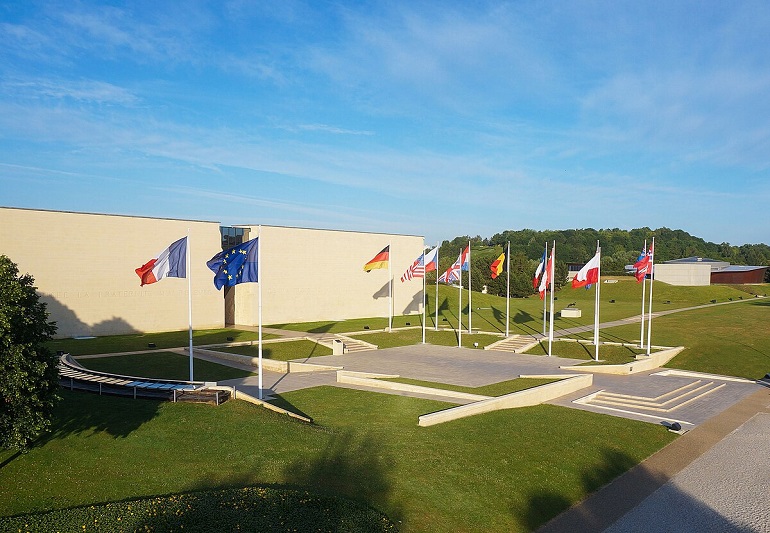
One of Europe’s most important war museums, the Caen Memorial offers a profound journey through the 20th century. Opened in 1988, its narrative begins with the fragile peace after World War I, examining the tensions that led to the outbreak of World War II. The museum’s exhibits are immersive, guiding visitors from the Occupation and Resistance to the Holocaust, using archival footage, personal testimonies, and poignant artefacts. A preserved German command post, used during the Battle of Normandy, is a key feature. The Cold War is explored in depth, with displays on the division of the world post-1945 and the nuclear arms race. The museum’s gardens, dedicated to the American, British, and Canadian forces, symbolise peace and reconciliation.
Art Museums
Musée des Beaux-Arts de Caen
Set within Caen’s medieval château, the Musée des Beaux-Arts is one of France’s most prominent fine art museums. Its collection spans the Renaissance to contemporary art, with notable works from the Italian, French, and Northern European schools. Highlights include masterpieces by artists such as Brueghel, Tintoretto, Rubens, Monet, and Courbet. The museum’s exceptional print cabinet holds thousands of works by Old Masters like Rembrandt and Dürer. Contemporary sculpture is displayed both indoors and in an open-air park surrounding the château, with installations by international artists. Temporary exhibitions regularly reanimate the museum’s programme, ensuring there is always something new to discover.
Regional and Ethnographic Museums
Musée de Normandie
The Musée de Normandie, also housed in the Château de Caen, tells the story of the region from prehistoric times through to the industrial era. Its exhibits showcase archaeological finds, models of local architecture—including Normandy’s characteristic half-timbered houses—and a vivid collection of regional costumes and textiles. Everyday objects, agricultural tools, and coins minted in the region reveal the daily lives, traditions, and evolving identity of the Norman people. The museum’s temporary exhibitions often focus on local craftsmanship and industrial heritage, providing a rich insight into the region’s past.

Urban and Contemporary Museums
Le Pavillon
Le Pavillon is a distinctive space dedicated to contemporary architecture, urbanism, and landscape design. It serves as a forum for dialogue about the future of the city, focusing on themes such as urban renewal, climate change, and ecological innovation. Temporary exhibitions explore the evolution of local districts and showcase innovative projects from France and abroad. With its library and reading corners overlooking the river, Le Pavillon is both a museum and a place for learning and reflection.
Artist Studios and Ateliers
Espace Yvonne-Guégan
This intimate museum is located in the former home of Yvonne Guégan, a 20th-century local artist. It is dedicated to her life and work, with displays of her paintings, ceramics, and sculptures. The museum continues Guégan’s tradition of welcoming amateur artists by hosting workshops in her original garden atelier, making it a living space that celebrates both her legacy and ongoing creativity.
Contemporary Art Centres
Frac Normandie Caen
Frac Normandie Caen is a contemporary art centre featuring works by French and international artists. Its rotating exhibitions present a range of visual and multimedia art, reflecting current trends in the art world. The centre also organises artist residencies, educational programmes, and public events, engaging the community with the latest developments in contemporary creativity.
Natural History and Science Museums
Musée d’Initiation à la Nature
This museum is devoted to natural history and environmental awareness, making it especially suitable for families and children. Its exhibits cover local flora and fauna, with interactive displays and hands-on workshops that encourage curiosity about the natural world. Activities often extend outdoors, connecting the museum’s educational mission to the surrounding landscapes of Normandy.
Outdoor and Specialised Museums
Jardin de la Luna Rossa
Located near the Abbaye-aux-Hommes, this garden museum features art brut (outsider art) displayed in an open-air setting. Managed by a local association, it is a peaceful and unconventional space where visitors can encounter sculptures and installations created by self-taught artists, all nestled within a lush garden environment.
Archaeological and Historical Sites Nearby
Vieux-la-Romaine
Just outside Caen, Vieux-la-Romaine is the only major Roman archaeological site in Normandy. Visitors can explore the remains of the ancient city of Aregenua, including excavated houses—some with intact mosaics—and remnants of a potter’s kiln for making ceramics. The site offers a vivid glimpse into Roman daily life in the region.

D-Day Museums
In the surrounding area, several museums dedicated to the Normandy Landings provide further historical context. These include the Pegasus Memorial (focused on the British airborne landings), the Merville Battery Museum (set in a German fortification), and the Atlantic Wall Museum Grand Bunker (a preserved German command centre). Each offers a unique perspective on Operation Overlord and the liberation of Europe.
Parc Ornavik
Located a short distance from Caen, Parc Ornavik is a historical park reconstructing life in Normandy during the Viking era. It offers guided tours, workshops, and living history displays, making it a compelling destination for families and history enthusiasts interested in the early medieval period.
Local Cuisine
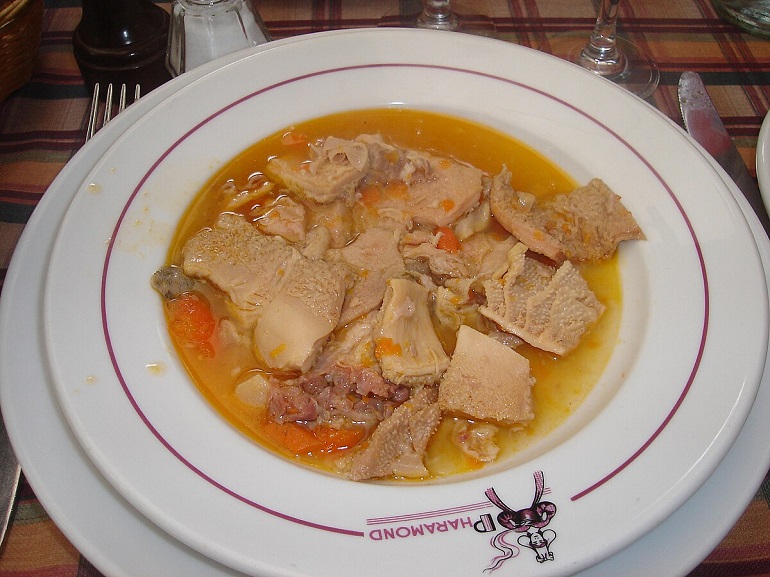
Among the city’s renowned specialities, visitors should sample tripe à la mode de Caen, a traditional dish slow-cooked in cider and Calvados, and the irresistible Camembert cheese, known for its creamy texture and pungent aroma. The city’s location near the coast ensures an abundance of fresh oysters and mussels, often enjoyed with a glass of crisp Normandy cider. Unique to the region is also teurgoule, a comforting cinnamon rice pudding, typically served at family gatherings and celebrations. Delicacies such as andouille de Vire (smoked pork sausage) and artisanal apple-based products highlight Caen’s rural roots and gastronomic flair, promising a truly authentic culinary experience.
Getting There
By train Regular high-speed and regional services from Paris St-Lazare whisk travellers to Caen in under two hours, gliding through the Normandy countryside before arriving at the centrally located Gare de Caen, from which trams and buses fan out across the city.
By coach Extensive coach networks connect Caen with Paris, Rouen and other French hubs, depositing passengers at the Gare Routière opposite the railway station, a convenient interchange that places the historic centre within easy reach on foot or by local bus.
By car Caen sits at the junction of major arteries—the A13 from Paris, the A84 from Brittany and the N13 from Cherbourg—making it a straightforward drive; well-signposted park-and-ride sites on the outskirts allow motorists to leave their vehicles and glide into the centre by tram.