


| Contents |
|---|
Introduction
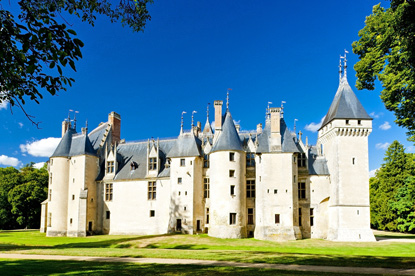
The Château de Meillant, located in the heart of Berry in central France, is a remarkable castle with over 1,000 years of history. Situated just 40 minutes from Bourges and 10 minutes from Saint-Amand-Montrond, this privately owned château features two distinct façades – a medieval western façade and an eastern façade in the flamboyant Gothic style reminiscent of the Palais Jacques Coeur in Bourges. The castle's construction spans from the 13th to the 16th century, with significant work undertaken by the d'Amboise family, particularly Charles de Chaumont d'Amboise, who began building in 1473. Set within a 5-hectare English-style park, the estate includes a chapel, the distinctive octagonal Lion Tower, a Miniatures Pavilion that traces French architectural history, and outbuildings housing a collection of horse-drawn carriages. The château offers guided tours of its sumptuously furnished rooms in both French and English, with special activities for children including costume loans and themed trails.
Interesting Facts about the château
- The castle's oldest part was constructed in the late 13th and early 14th centuries by Count Étienne II de Sancerre.
- Charles I of Amboise, chamberlain and counsellor to King Louis XI, erected most of the present structure from 1473.
- The château features a unique blend of late Gothic (Flamboyant) and early Renaissance architectural styles.
- The Lion's Tower, an octagonal three-storey staircase tower, dominates the château and is topped by a gilded lead lion created by the Italian artist Giocondo.
- During World War II, the château's guardroom was converted into a clandestine infirmary for wounded Resistance fighters.
- The Château de Meillant has been owned by the Rochechouart de Mortemart family, one of France's oldest aristocratic families, since 1857.
- In 1842, the château underwent extensive restoration work led by architect Louis Lenormand.
- The castle offers visitors a unique experience with costume loans, a Miniatures Pavilion, and fun park visits with enigma trails.
- All of the château's facades and roofs have been listed as Historic Monuments since 4th April 1963.

History
The oldest part of the castle was started by Count Étienne II de Sancerre in the late 13th and early 14th century. Dying heirless in 1308, the castle passes to the Bueil family, then by marriage to the Amboise familly in 1438.
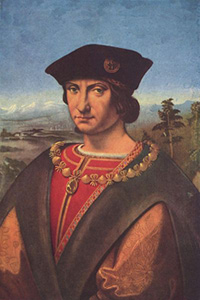
Most of the present structure was erected from 1473 by Charles I of Amboise, chamberlain and counselor of King Louis XI. His son, Charles II d'Amboise de Chaumont, one of the king's favourite, became Grand Master of France, Marshal then Admiral. He also served as governor of Paris, Milan and Genoa, and Lieutenant general of Lombardy. The money that he subtracted from his government in Milan prompted Cardinal Dovizi da Bibbiena to say that "Milan made Meillant".
After Charles's death in 1511, the property is inherited by his son, George, who dies childless at the Battle of Pavia in 1525. Meillant then passes through a succession of proprietors. Among them are the Dukes of Béthune-Chârost. The 6th and last duke, Armand II Joseph (17381800) was known for his philanthropy. He would launch the project for the Canal de Berry joining the Loire to the Cher River. The duke was so adulated by his people that, during the French Revolution, when he was emprisoned and ready to be sent to the guillotine in Paris, the population of Meillant rose to demand his liberation. This is in part why the castle wasn't damaged during the revolution.
In 1857, the castle winds up into the hands of Casimir de Rochechouart, Duke of Mortemart. His descendants still occupy the castle today. Descended from the Viscounts of Limoges, the House of Rochechouart of Mortemart is one of the oldest aristocratic families in France.
Description
The castle is composed of 90 rooms, the most sumptuous of which are open to the public. The main drawing room spreads on 200 m² (2150 ft²) and has a loggia for musicians above the central fireplace. Also of interest are the valuable tapestries from Bruges.
Nestled in the lush greenery of Berry in central France, the Château de Meillant stands as a magnificent example of French Renaissance architecture. This remarkable edifice, with its distinctive silhouette rising majestically against the skyline, represents one of the finest châteaux in the region. The estate harmoniously blends various architectural styles, reflecting its evolution through the centuries whilst maintaining an extraordinary aesthetic coherence that captivates visitors from the moment they approach.
The Exterior: A Symphony in Stone
The château presents two strikingly different façades that tell the story of its architectural evolution. The western façade retains its medieval character with robust stonework and defensive elements that speak to its origins as a fortress. In contrast, the eastern façade, completed during the Renaissance period, showcases the exquisite craftsmanship of the era with its elegant proportions and refined ornamentation.
The crowning glory of the eastern façade is undoubtedly the magnificent Lion Tower (Tour du Lion), a masterpiece of flamboyant Gothic architecture. This octagonal tower rises gracefully, adorned with an abundance of intricate stone carvings including the emblematic flaming mountains and intertwined 'C's that represent the Amboise family. The tower's elaborate ornamentation includes fantastical gargoyles, heraldic symbols, and delicate tracery that demonstrate the exceptional skill of the stonemasons who created this architectural marvel.
The château's roofline is equally impressive, featuring a dramatic silhouette of steep slate roofs, ornate dormers, and slender chimneys that pierce the sky. These elements create a picturesque skyline that has become emblematic of French Renaissance châteaux.
In the main courtyard, visitors will find a splendid 16th-century chapel built in the flamboyant Gothic style. Its façade is adorned with intricate stone lacework, whilst its interior is illuminated by magnificent stained-glass windows that cast colourful patterns across the stone floor. The chapel's vaulted ceiling, with its complex ribbing and decorative bosses, exemplifies the architectural sophistication of the period.
The Interior: Rooms of Splendour
Crossing the threshold into the château reveals a world of aristocratic refinement and artistic treasure. Each room tells a story of the château's illustrious past and the noble families who called it home.
The Grand Entrance Hall sets the tone with its impressive proportions and stone-flagged floor. Original wooden beams span the ceiling, whilst suits of armour and medieval weaponry adorn the walls, offering a glimpse into the château's martial history.
The dining room is perhaps one of the most distinctive spaces in the château, uniquely covered in sumptuous Cordovan leather, gilded and embossed with intricate patterns that shimmer in the candlelight. The room is dominated by an enormous fireplace carved from local stone, its mantelpiece adorned with heraldic emblems and topped with a musician's gallery where entertainers would once have performed during elaborate banquets. The dining table, set with fine porcelain, crystal, and silver, evokes the lavish feasts that would have taken place here.
The Grand Salon offers a masterclass in aristocratic elegance, with its silk-upholstered furniture arranged around another magnificent fireplace. The walls are adorned with a beautiful collection of Bruges tapestries depicting mythological scenes and hunting parties, their colours still remarkably vibrant despite their age. Crystal chandeliers hang from the ornately plastered ceiling, which features medallions depicting classical figures.
The Room of Justice serves as a reminder of the feudal powers once held by the lords of Meillant. Its austere wooden panelling and imposing judicial seat speak to the serious matters once decided within these walls. Portraits of stern-faced ancestors look down upon visitors, their eyes seeming to follow one around the room.
The Guard Room displays an impressive array of medieval and Renaissance weapons, from ornate swords and daggers to early firearms. Particularly striking are the sculpted stags' heads mounted on the walls, each bearing the coat of arms of a distinguished guest who once hunted in the château's forests.
The private apartments offer a more intimate glimpse into aristocratic life, with their canopied beds, writing desks, and personal items. The ladies' boudoir is particularly charming, with its delicate furnishings and collection of miniature portraits.
The château's library houses an impressive collection of leather-bound volumes, some dating back several centuries. The room's wood-panelled walls and comfortable reading chairs create an atmosphere of scholarly tranquillity.
Below stairs, the vast kitchen with its enormous hearth and gleaming copper pans evokes the gastronomic heritage of the château. Original cooking implements, from spits to pastry moulds, demonstrate the complexity of historical French cuisine that would have been prepared here for the noble residents and their guests.
The Grounds: A Verdant Paradise
The château is enveloped by a picturesque English-style park spanning five hectares, designed to create a series of romantic vistas and peaceful retreats. This poetic landscape features century-old trees casting dappled shade over verdant lawns. Particularly noteworthy are the ancient cedars of Lebanon, whose spreading branches create natural pavilions, and the collection of rare specimen trees that change with the seasons—from spring blossoms to autumn's fiery display.
Meandering streams wind through the grounds, their banks planted with moisture-loving plants and crossed by charming stone bridges. These waterways were engineered not only for aesthetic purposes but also to create a cooling effect during summer months.
The formal gardens closer to the château provide a striking contrast to the naturalistic park. Here, meticulously clipped boxwood hedges form intricate patterns around beds of seasonal flowers. A traditional potager (kitchen garden) showcases heritage vegetables and herbs that would have supplied the château's kitchens in bygone days.
Rose gardens perfume the air during summer months, with varieties chosen to represent different historical periods in the château's long history. Some of these roses are ancient varieties rarely seen elsewhere, their subtle fragrances and delicate forms a testament to centuries of horticultural expertise.
Small architectural follies are scattered throughout the grounds—a rustic pavilion here, a classical temple there—each positioned to create a perfect vista or provide shelter during a sudden shower. Rocky outcrops have been artfully incorporated into the landscape design, creating natural-looking features that add vertical interest to the gardens.
Hidden Treasures
Beyond the main château and formal gardens lie several fascinating features that reward the curious visitor. The orangery, with its tall windows and sheltered aspect, houses tender plants during winter months and serves as an elegant venue for special events during summer.
The dovecote, a circular stone tower pierced with hundreds of nesting holes, stands as a reminder of the château's self-sufficient past. The possession of a dovecote was once a seigneurial right, and the size of this example speaks to the importance of the lords of Meillant.
The pavilion of miniatures houses an extraordinary collection of historical scenes recreated in miniature form. These intricate dioramas depict everything from medieval tournaments to elaborate court ceremonies, each tiny figure hand-painted with remarkable attention to detail.
The carriage house displays a superb collection of 19th-century horse-drawn vehicles once used by the Mortemart family. From elegant town carriages with their plush interiors to robust hunting breaks designed for country pursuits, these beautifully preserved conveyances offer insight into aristocratic travel before the advent of the motorcar.
The old saddlery, housed in an 18th-century private mansion within the grounds, contains an impressive collection of equestrian equipment. Ornate saddles, some embroidered with gold thread and adorned with semi-precious stones, hang alongside more practical tack used for everyday riding. The smell of leather and beeswax polish pervades this space, evoking the important role horses played in château life.
Seasonal Splendours
The château and its grounds transform with the changing seasons, offering visitors a different experience throughout the year. In spring, the park bursts into life with drifts of daffodils and bluebells carpeting the woodland areas, whilst fruit trees in the orchard create clouds of pink and white blossom.
Summer brings the formal gardens to their peak, with roses and lavender perfuming the air and the great trees providing welcome shade. The longer evenings allow for leisurely exploration of the furthest reaches of the park.
Autumn paints the landscape in russet and gold as the ancient trees prepare for winter. The kitchen garden offers a harvest of heritage vegetables and fruits, whilst the vineyards on the estate's slopes are busy with the grape harvest.
Winter reveals the architectural bones of the garden and the stark beauty of the château against crisp blue skies. Inside, the massive fireplaces come into their own, and one can imagine how the château's residents would have gathered in the warmest rooms during the coldest months.
The Château de Meillant truly stands as one of the crown jewels of Berry, offering visitors a remarkable journey through French architectural history and aristocratic lifestyle. Its harmonious blend of medieval strength and Renaissance refinement, set within a landscape of natural beauty, creates an unforgettable experience that transports visitors to another time.
Getting There
The Château de Meillant is located in the charming village of Meillant, about 40 minutes south of Bourges. To reach this historic gem, follow the Route Jacques-Cœur, a scenic path through the Berry region. If travelling by car, free parking is available near the château. Visitors can enjoy guided tours of its richly furnished interiors and explore its romantic English-style park. Tickets cost approximately €12 for adults, and reservations are recommended, especially during peak seasons. The château is open daily, with specific hours varying by season. Ensure your GPS directs you to Meillant, not the nearby Châteaumeillant, to avoid confusion!
Best Time to Visit
The best time to visit Château de Meillant is during the warmer months, particularly from May to August, when the castle is open without interruption from 10:00 am to 6:30 pm. This period allows visitors to fully appreciate the castle's stunning architecture and beautiful gardens, which are especially vibrant during the summer. Additionally, guided tours are available throughout the day, providing a comprehensive insight into the castle's rich history and flamboyant Gothic style. For those who prefer fewer crowds, visiting during the shoulder season (April to May or September to October) can be an excellent alternative, offering pleasant weather and a more serene atmosphere.


