


| Contents |
|---|
Introduction
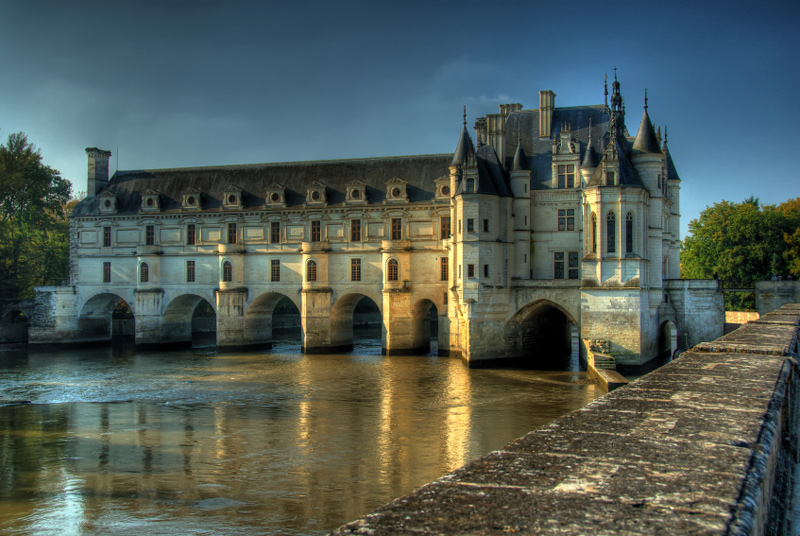
Built over a bridge spanning the Cher River, the Château de Chenonceau is like no other in France, and probably like no other in the world. This exquisite Renaissance château is the most visited heritage site in France still in private hands, and the most visited château besides the Palace of Versailles. Built between 1514 and 1522 on the foundations of an old mill, this architectural marvel spans the River Cher, showcasing a unique blend of late Gothic and early Renaissance styles. Known as the "Château des Dames" due to its association with prominent women throughout history, Chenonceau boasts exquisite gardens, richly furnished rooms, and a fascinating history involving figures such as Diane de Poitiers and Catherine de Medici. The château features stunning white stone façades, grey slate roofs, and picturesque landscape gardens. Visitors can explore the beautifully decorated interiors, including the kitchen, bedrooms, and the impressive gallery spanning the river, while admiring the château's extensive art collection and magnificent floral arrangements created by its own workshop.
Note that Chenonceau Castle is located in the village of Chenonceaux (with an 'x' at the end to distinguish the two).
Interesting Facts about the Château
- The Château de Chenonceau spans the River Cher, making it a unique architectural marvel.
- It is known as the 'Château des Dames' due to its history of being loved, managed, and protected by influential women.
- The current château was built between 1514 and 1522 on the foundations of an old mill.
- Catherine de' Medici managed the Kingdom of France from her study, the Green Cabinet, within the château.
- During World War II, the château's grand gallery served as the sole access point to the free zone, aiding in the escape of those fleeing Nazi tyranny.
- The château houses a remarkable collection of master paintings and Flemish tapestries.
- Chenonceau is the second most visited château in France, surpassed only by the Palace of Versailles.
- The château features stunning gardens designed by Catherine de' Medici and Diane de Poitiers.
- Louise Dupin, a lady of the Enlightenment, hosted a famous literary salon at Chenonceau, welcoming renowned scholars and philosophers.
- The château has been open to visitors since 1913 and continues to host royalty, statesmen, and notable personalities.
History
Chenonceau was built on the site of an old mill. The domain was acquired in 1513 by Thomas Bohier, Chamberlain of King Charles VIII of France. He and his wife, Katherine Briçonnet, decided to tear down the existing manor and built the keep of the present castle between 1515 and 1521.
In 1535, their son indebted to the Crown is forced to relinquish the castle to King Francis I. After Francis' death in 1547, Henry II presented the château to his favourite mistress, Diane de Poitiers, who immediately feel in love with the place.
Diane commissioned Philibert de l'Orme, who had worked on Fontainebleau and Saint-Germain-en-Laye, to built an arched bridge joining the castle keep to its opposite bank. The purpose of the bridge was to access the new flower and vegetable gardens planned by Diane on the left bank.
In 1559, King Henry II is mortally wounded by Gabriel, comte de Montgomery, during a jousting tournament. The jealous widow queen, Catherine de' Medici, forces Diane to exchange Chennonceau for Chaumont Castle. The Queen Mother made Chenonceau her favorite residence and as regent spent a fortune on lavish parties. She added a new series of gardens and constructed a two-storey gallery over the bridge, giving the castle its present appearance.
In 1560, the first ever fireworks display in France took place during the celebrations marking the ascension to the throne of Catherine's son Francis II.
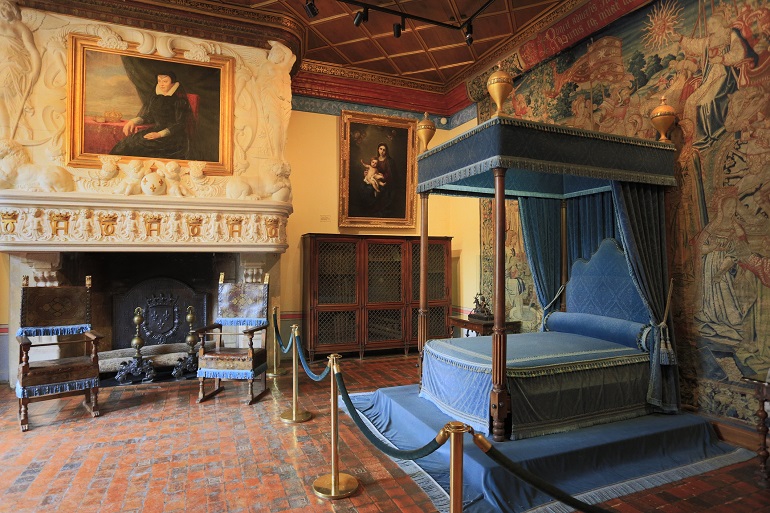
A few months after Catherine's death in April 1589, her son King Henry III is assassinated at the age of 37. His wife, Louise de Lorraine-Vaudémont, learns of her husband's death at Chenonceau and falls into a deep depression. She would spend the rest of her life wandering aimlessly along the château's vast corridors, surrounded by nuns and dressed in mourning clothes. Her bedroom was redecorated with black tapestries stitched with skulls and crossbones, as well as silver tears, widows' cordons, and crowns of thorns symbolising her grief.
After that, the castle passed to César de Bourbon, Duke of Vendôme, and his heirs. In 1720, the Duke of Bourbon acquired the castle and proceeded selling most of the castle's furniture, while the refined statues ended up at Versailles.
In 1733 the castle was sold to Claude Dupin, a rich fermier général (tax collector). His second wife, Louise Dupin (who was the grandmother of George Sand), held literary salon at Chenonceau, where she invited figureheads of the Enlightenment such as Voltaire, Marivaux, Montesquieu, Buffon and Rousseau.
In 1864, Daniel Wilson, a Scotsman who had made a fortune installing gaslights throughout Paris, bought the château for his daughter. She spent a fortune on parties, depleted her finances, and in 1891 sold the castle to José-Emilio Terry, a Cuban millionaire. In 1913, the Menier family, famous chocolatiers, bought the château and still own it to this day.
Description
The Château de Chenonceau, often referred to as the "Château des Dames" or "Ladies' Castle", is a stunning example of French Renaissance architecture nestled in the heart of the Loire Valley. This magnificent castle is renowned for its unique design, straddling the River Cher with an elegant gallery that seems to float above the water. The château's serene beauty and tranquil surroundings make it a must-visit destination for anyone interested in history, architecture, and natural beauty.
As you approach the château, you'll be struck by its pristine white façades and the sensual curves of its turrets. The castle's silhouette is a harmonious blend of French and Italian Renaissance styles, featuring symmetrical design elements and ornate decorations. The most iconic feature is undoubtedly the two-storey gallery spanning the river, which offers breathtaking views of the surrounding landscape. This gallery not only serves as a stunning architectural element but also provides a tranquil walkway where visitors can enjoy the serene beauty of the river and the lush greenery of the surrounding gardens.
Exterior and Architecture
The exterior of the château is a testament to the ingenuity and craftsmanship of Renaissance architects. The building's façades are adorned with intricate stone carvings, ornate chimneys, and beautifully crafted windows that reflect the elegance of the period. The castle's design is both functional and aesthetically pleasing, with each element carefully considered to create a sense of harmony and balance.
One of the most striking aspects of Chenonceau's architecture is its use of light and shadow. The way sunlight filters through the windows and dances across the stone walls creates a captivating visual effect, highlighting the intricate details of the carvings and the texture of the stone. As you walk around the château, you'll notice how the light changes throughout the day, casting different shadows and revealing new facets of the building's beauty.
The château's unique position over the River Cher adds to its allure. The river flows gently beneath the gallery, creating a soothing background noise that complements the peaceful atmosphere of the gardens. Visitors can enjoy the river views from various vantage points, including the gallery itself and the beautifully landscaped banks.
Interior Splendour
Inside, the château boasts a wealth of opulent rooms, each telling its own story of the remarkable women who shaped its history. The interiors are adorned with priceless artworks, including paintings by masters such as Murillo, Poussin, Rubens, and Van Dyck. Exquisite Flemish tapestries and Renaissance furniture complete the lavish décor, creating an immersive experience that transports visitors back in time.
Highlights of the interior include:
- The Majestically Appointed Medici Gallery: This grand space is adorned with stunning artworks and features a beautifully crafted ceiling. The gallery is a testament to the refined taste of the château's former occupants and offers a glimpse into their sophisticated lifestyle.
- Louise de Lorraine's Bedroom: This room is notable for its unique sepulchral décor, reflecting the sombre mood of its former occupant. The room's design is both poignant and fascinating, providing insight into the personal life of one of the château's most intriguing residents.
- The Meticulously Recreated Kitchens: Located in the bridge's piers, these kitchens offer a glimpse into the culinary practices of the past. The attention to detail in their recreation is impressive, with authentic utensils and cooking equipment on display.
Throughout the château, you'll find stunning floral arrangements created by the on-site floral workshop, adding a touch of living beauty to the historical surroundings. These arrangements are carefully designed to complement the décor of each room, enhancing the overall aesthetic experience.
The Enchanting Gardens
The gardens of Chenonceau are as captivating as the château itself, offering a delightful journey through various landscaping styles:
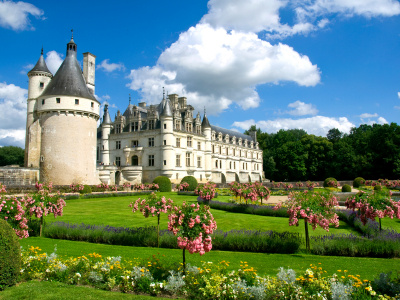
- Diane de Poitiers' Garden: A magnificent example of Renaissance garden design, this raised parterre covers 12,000 square metres and features a central fountain with an impressive six-metre high water jet. The garden is meticulously maintained, with intricate patterns of flowers and shrubs that reflect the elegance of the period.
- Catherine de' Medici's Italian Garden: More intimate and creative, this garden overlooks the Cher and is centred around a circular pool, with paths adorned with roses and lavender. The garden's design is inspired by Italian Renaissance styles, with a focus on symmetry and harmony.
- The Green Garden: An English-style park that provides a refreshing contrast to the formal French gardens. This area is perfect for a leisurely stroll, offering a serene escape from the more structured parts of the estate.
- The Italian Maze: A hectare-sized labyrinth planted with 2,000 yew trees, complete with a raised gazebo at its centre offering panoramic views. The maze is both challenging and delightful, providing a fun and interactive experience for visitors of all ages.
- The Flower Garden: A picturesque area organised into twelve squares bordered by apple trees and rose bushes, where over 100 varieties of flowers are cultivated for the château's floral arrangements. This garden is a haven for nature lovers and gardening enthusiasts, showcasing a vibrant array of colours and scents.

Unique Features
Don't miss the Tour des Marques, the oldest structure on the property and the sole remnant of the original medieval castle. This ancient tower provides a glimpse into the château's earliest history and serves as a poignant reminder of the site's evolution over the centuries.
As you explore the grounds, you'll also encounter charming touches like giant wicker birdcages filled with flowers and wild flower meadows that add to the enchanting atmosphere. These whimsical elements enhance the sense of wonder and magic that pervades the estate, making every visit a memorable experience.
The Château de Chenonceau is a true feast for the senses, offering visitors a glimpse into the refined elegance of the French Renaissance. From its architectural splendour to its meticulously maintained gardens, every aspect of this Loire Valley gem invites admiration and wonder. Whether you're interested in history, architecture, nature, or simply seeking a tranquil escape, Chenonceau has something to offer everyone.
Exploring the Grounds
As you wander through the gardens and grounds, you'll discover numerous hidden gems and unexpected delights. The estate is designed to be explored at a leisurely pace, allowing visitors to absorb the beauty and tranquility of the surroundings. From the tranquil riverbanks to the vibrant flower beds, every corner of Chenonceau offers a new surprise or a moment of serenity.
For those interested in nature, the estate provides a haven for wildlife. The gardens attract a variety of birds and insects, and the surrounding forests are home to larger animals such as deer and wild boar. The château's commitment to sustainable gardening practices ensures that the natural environment is preserved and enhanced, making it a haven for both flora and fauna.
Seasonal Delights
Chenonceau is a year-round destination, with each season offering its own unique charm. In the spring, the gardens burst into bloom, with vibrant flowers and lush greenery creating a kaleidoscope of colours. Summer brings warmth and long days, perfect for exploring the gardens and enjoying outdoor activities like picnics by the river.
Autumn brings a golden glow to the estate, with the changing leaves of the trees creating a picturesque backdrop for visits. Winter, though quieter, offers a serene beauty, with the snow-covered gardens and frozen fountains creating a magical landscape. No matter the time of year, Chenonceau remains a captivating destination, always ready to enchant its visitors.
Special Events and Exhibitions
Throughout the year, the Château de Chenonceau hosts various events and exhibitions that enhance the visitor experience. These may include floral festivals, art exhibitions, and historical reenactments, each designed to highlight different aspects of the château's history and culture. These events provide a unique opportunity to experience Chenonceau in a new light, whether through the vibrant colours of a flower festival or the insight offered by a historical exhibition.
Whether you're visiting for the first time or returning to rediscover its charms, the Château de Chenonceau promises an unforgettable experience. Its blend of architectural beauty, historical significance, and natural splendour makes it a must-visit destination for anyone exploring the Loire Valley.
Getting There
The Château de Chenonceau is conveniently located in the Touraine region, situated on the Cher river, approximately 214 km from Paris and 34 km from Tours. Visitors have several options to reach this magnificent castle. By car, it's a 2-hour journey from Paris via the A10 motorway, with exits at Blois or Amboise. For those preferring public transport, a high-speed TGV train from Paris Montparnasse or Paris Charles de Gaulle Airport to Saint-Pierre-des-Corps (Tours) takes about an hour, followed by a 25-minute regional TER train to Chenonceaux station. The castle's ticket office is a mere 400 metres from the train station, making it easily accessible on foot. For a hassle-free visit, consider purchasing the Rémi Découverte Pass, which offers unlimited travel within the Centre Val de Loire region for €45 for two days or €60 for three days, valid for up to five people travelling together.
Best Time to Visit
The best time to visit Château de Chenonceau is during the spring and autumn months, when the weather is pleasant and the crowds are smaller compared to the peak summer season. Visiting in April, May, June, or September allows you to enjoy the beautiful gardens and architecture without the intense tourist traffic that occurs between July and August. For a quieter experience, consider visiting early in the morning or late in the afternoon. If you prefer a festive atmosphere, the château is also open during winter and offers special events and decorations for the end of the year celebrations. Regardless of the season, booking tickets in advance can help avoid lengthy queues.


