


| Contents |
|---|

Introduction
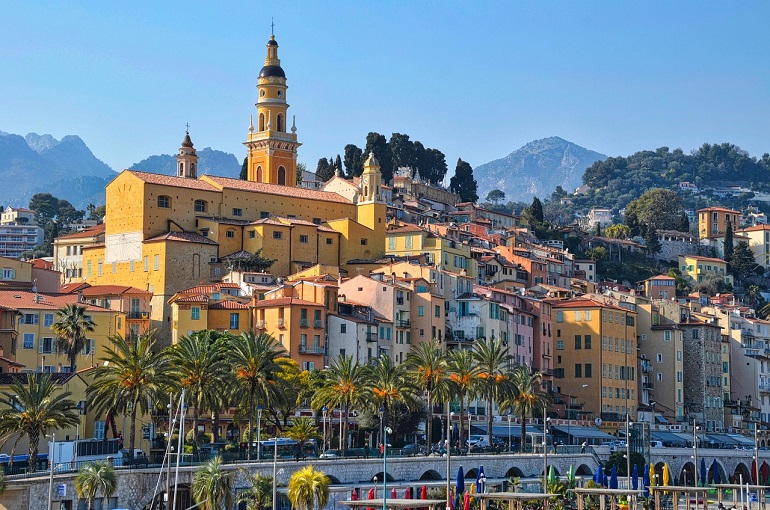
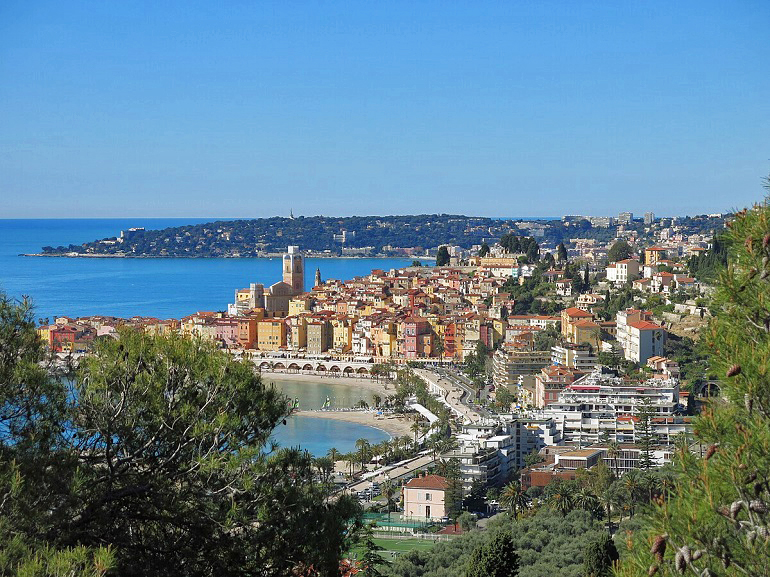
Menton (pop. 30,000) sits on the French Riviera just kilometres from the Italian border, where pastel-coloured baroque buildings cascade down hillsides towards the Mediterranean Sea. Known as the 'Lemon Capital' due to its unique microclimate that produces over 316 days of sunshine annually, the town has cultivated citrus fruits since the 14th century, a tradition celebrated during the renowned Fête du Citron each February and March. The historic old town features significant baroque architecture including the 18th-century Basilique Saint-Michel and ornate La Chapelle des Pénitents-Blancs, whilst the famous yellow zigzag staircase (Escalier Jaune) provides dramatic views across the coastline. With over half its population of Italian descent, Menton maintains a distinctive Franco-Italian cultural blend reflected in its cuisine, language, and architectural styles. The town's pebbled beaches, exotic gardens, and compact walkable layout make it an accessible destination that has attracted visitors since Queen Victoria popularised it as a health retreat in the 19th century.
Interesting Facts about Menton
- Menton is nicknamed the Pearl of France for its pastel façades, Baroque skyline, and sheltered bays along the Riviera.
- The town enjoys a famously mild microclimate with abundant sunshine, ideal for exotic gardens and citrus groves.
- Menton’s Fête du Citron each February features giant sculptures made entirely from lemons and oranges.
- The Franco‑Italian border lies within a stroll of the centre, shaping Menton’s cuisine, dialects, and architecture.
- The Basilica of Saint‑Michel‑Archange crowns the old town with a striking Baroque bell tower above sweeping sea views.
- Jean Cocteau left a vivid legacy here, from the Bastion by the harbour to the dramatic murals in the wedding hall.
- Menton’s gardens—such as Serre de la Madone, Fontana Rosa, and Val Rahmeh—showcase rare subtropical plants.
- Queen Victoria and the British aristocracy helped popularise Menton as a Belle Époque winter resort.
- The town’s emblematic lemons are prized for their thick, fragrant rind and distinctive flavour.
- Menton hosts a renowned three‑Michelin‑star restaurant, Mirazur, celebrated for its terroir‑driven Riviera cuisine.
History
The first signs of settlement in the area now known as Menton date back to prehistoric times, evidenced by cave dwellings discovered on the nearby cliffs. During the Roman era, the region lay along the Via Julia Augusta, the coastal road linking Italy to Gaul, which encouraged trade and brought early prosperity. In the Middle Ages, Menton came under the dominion of the Genoese Vento family before passing to the powerful Grimaldis of Monaco in 1346, integrating the town into the Monaco lordship for nearly five centuries.
Turmoil struck in the 16th and 17th centuries when Barbary corsairs raided the Ligurian coast, prompting Menton’s inhabitants to build fortifications such as the Bastion Tower and to retreat behind protective walls. In 1848, amid revolutionary fervour sweeping Europe, Menton and neighbouring Roquebrune declared themselves free cities, rejecting the heavy citrus taxes levied by Prince Florestan I of Monaco. This brief independence, known as the “Free Cities of Menton and Roquebrune,” ended with annexation to France in 1861 following a plebiscite engineered by Napoleon III.
Once part of France, Menton blossomed into a fashionable winter resort during the Belle Époque, attracting British and Russian aristocrats who sought its mild micro-climate and healthy air. Grand hotels and exotic gardens, such as the splendid Jardin Serre de la Madone and the Val Rahmeh, sprang up on formerly agricultural terraces. The town’s famous lemon groves thrived, and the annual Fête du Citron—first organised in 1934—celebrates this citrus heritage today. Despite wartime occupations and border changes in the 20th century, Menton’s layered past remains visible in its medieval old town, Italianate palazzos, and lush botanical estates.
Main Attractions
Vieux Port de Menton
The Old Port of Menton is the picturesque heart of the city, where colourful fishing boats and sleek yachts share the sheltered marina. Strolling along the Quai Napoléon III, visitors are treated to panoramic views of the Mediterranean, framed by the dramatic backdrop of the Maritime Alps. The lively promenade is lined with cafés and restaurants, perfect for enjoying fresh seafood or simply watching the rhythm of daily life in this authentic Provençal harbour. The port’s authentic charm and vibrant atmosphere make it an essential stop for anyone exploring Menton.
Serre de la Madone Gardens
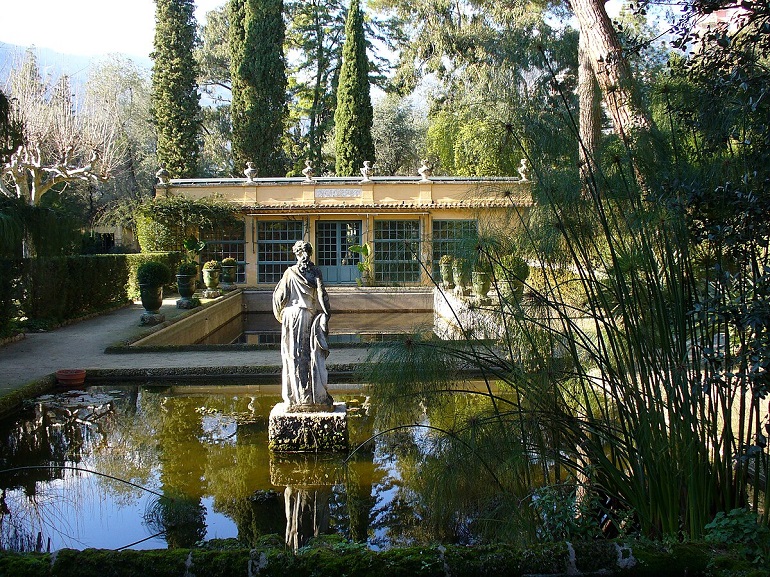
Serre de la Madone is a tranquil oasis created between 1924 and 1939, perched in the hills above Menton along the Route du Val de Gorbio. This historic garden was designed by Major Lawrence Johnston and features an exceptional collection of rare subtropical plants arranged around a central reflecting pool. Terraced pathways wind through exotic palms, succulents, and flowering shrubs, with each turn revealing new botanical treasures. The garden’s fusion of English landscaping and Mediterranean flora offers both intimate spaces and sweeping views over the Riviera, creating a haven for plant lovers and those seeking peaceful respite.
Jardin Botanique Val Rahmeh-Menton
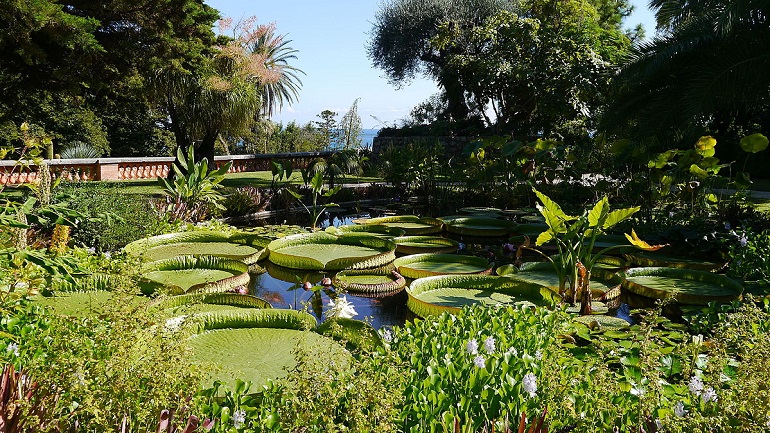
This 19th-century botanical garden on Avenue Saint-Jacques is celebrated for its remarkable collection of exotic trees and aquatic plants. The garden’s meticulously curated landscapes include towering palms, vibrant flowering species, and rare specimens from tropical regions, all thriving in Menton’s unique microclimate. Meandering paths lead visitors through themed sections representing different parts of the world, while the central pond area, adorned with lotus flowers and water lilies, provides a tranquil focal point. The garden’s serene atmosphere and botanical diversity make it a highlight for nature enthusiasts.
Jardin d’Agrumes du Palais Carnolès
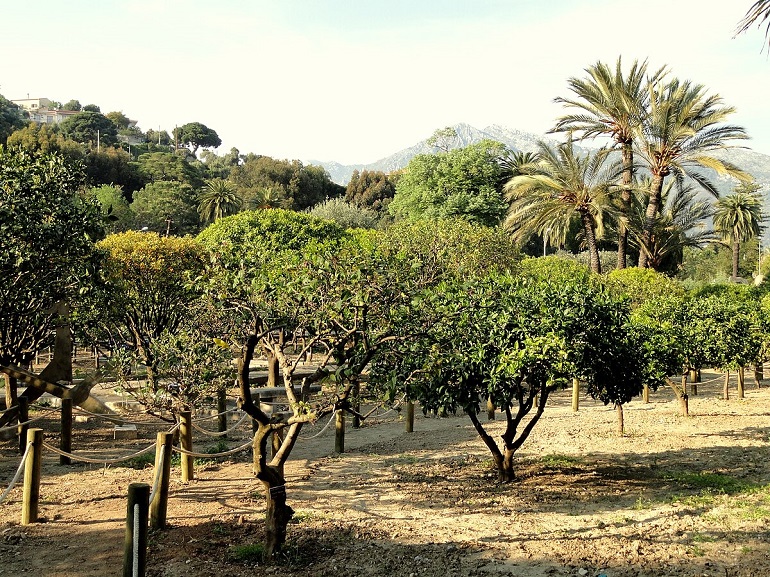
The Citrus Garden of the Carnolès Palace, located on Avenue de la Madone, is home to over 400 varieties of citrus fruits from across the Mediterranean and beyond. This living museum showcases everything from ancient lemon and orange trees to exotic hybrids, arranged in neat groves that highlight the incredible diversity of citrus. The garden’s fragrant blooms and colourful fruits are integral to Menton’s identity, celebrated annually during the famous Lemon Festival. A visit here offers a sensory journey through the history and horticulture of citrus cultivation on the French Riviera.
Jardin Maria Serena (Gardens of Villa Maria Serena)
Perched along the Promenade Reine Astrid, this intimate clifftop garden offers one of the most romantic settings on the French Riviera. Its compact terraces are planted with Mediterranean and exotic species, carefully arranged to maximise the dramatic coastal views. Fountains and water features add a soothing soundtrack, while strategically placed benches invite visitors to linger and absorb the panoramic seascape. Jardin Maria Serena’s harmonious blend of cultivated beauty and natural drama creates a peaceful retreat just steps from the bustling town below.
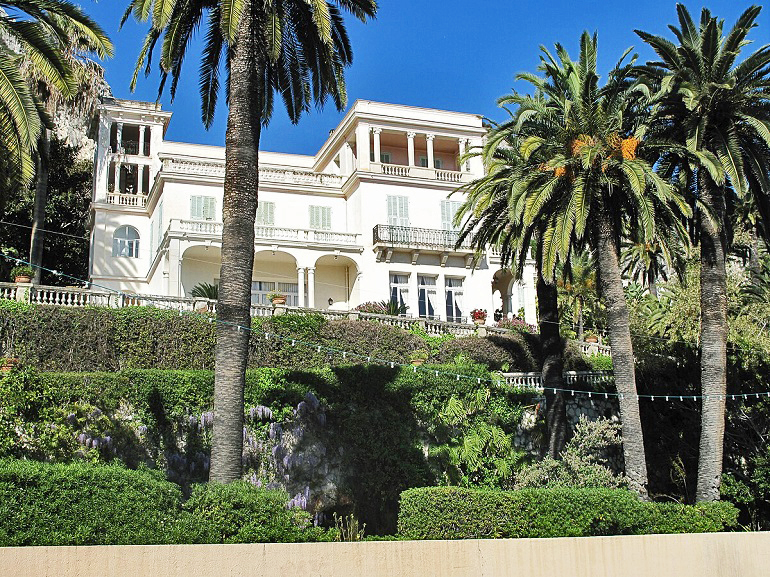
Basilique Saint-Michel Archange de Menton
Dominating the Place de l’Église in Menton’s old town, this striking Baroque basilica was built in 1653 and remains the city’s most significant religious landmark. The church’s ornate façade, distinctive bell tower, and richly decorated interior—including original artifacts and a historic organ—reflect centuries of devotion and craftsmanship. Its elevated position provides sweeping views across the Mediterranean, while the surrounding square, with its distinctive black and white pebble mosaic, serves as a gathering place during festivals and cultural events. The basilica is a testament to Menton’s architectural and spiritual heritage.
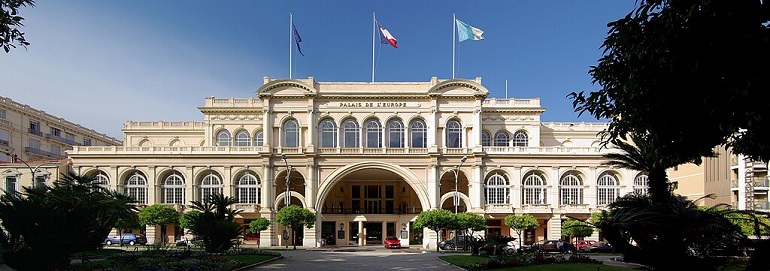
Palais de l’Europe
The Palais de l’Europe, on Avenue Boyer, is an elegant historical landmark that combines cultural events with architectural grandeur. Its neoclassical façade and well-tended gardens reflect the refined tastes of the Belle Époque era, when European aristocracy flocked to Menton. Today, the palace serves as a convention centre and host to exhibitions, concerts, and prestigious events. The building’s interior showcases period details and graceful proportions, while the surrounding grounds offer peaceful spaces for contemplation. The Palais de l’Europe stands as a symbol of Menton’s enduring appeal as a destination for culture, beauty, and sophistication on the French Riviera.
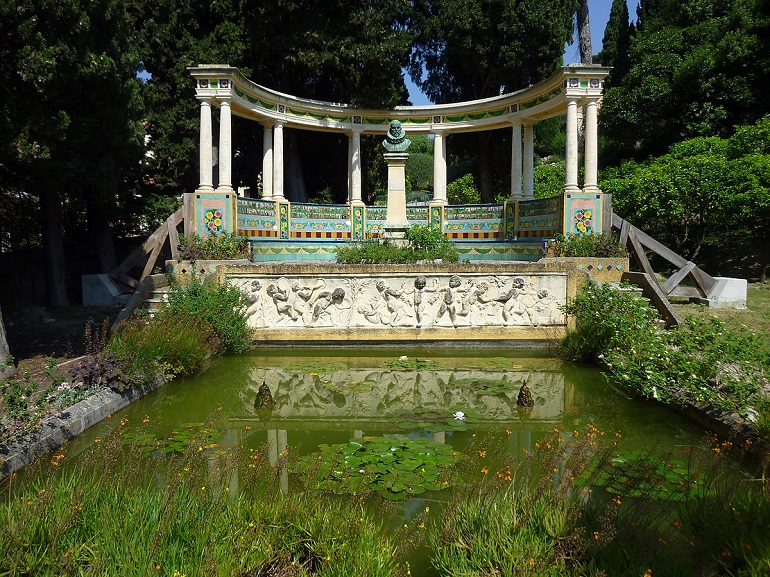
Fontana Rosa
Fontana Rosa, on Avenue Blasco Ibanez, is a unique garden sanctuary that celebrates the literary legacy of Spanish writer Vicente Blasco Ibáñez. The garden is distinguished by its vibrant ceramic tiles and artistic memorials honouring various authors, blending horticultural beauty with cultural homage. Mediterranean plants flourish alongside Spanish-inspired architectural elements, and winding paths lead visitors through themed areas where art and nature intertwine. Fontana Rosa is a contemplative space that highlights the enduring connection between landscape and creativity in Menton.
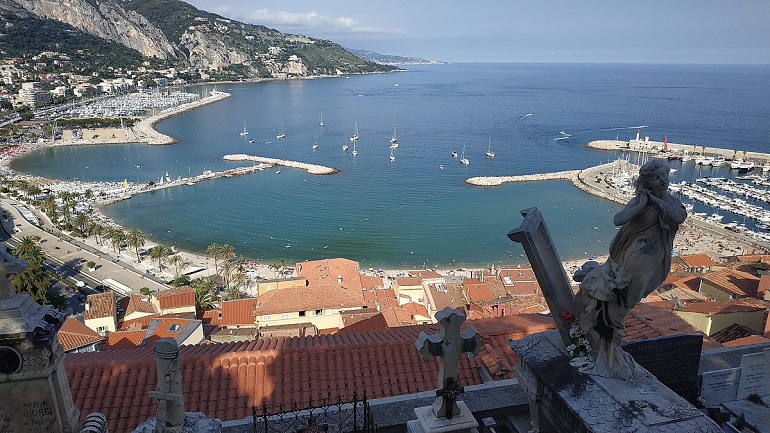
Cimetière du Vieux Château
The Old Castle Cemetery, atop the Montée du Souvenir, is one of Menton’s most atmospheric and historically significant sites. Its terraced layout follows the natural hillside, featuring elaborate tombs and mausoleums that reflect the town’s aristocratic past and cosmopolitan heritage. Mediterranean cypress trees frame stunning vistas over the town, harbour, and coastline, making the cemetery a popular spot for both cultural exploration and photography. Beyond its role as a burial ground, this open-air museum of 19th and early 20th-century funerary art offers a unique perspective on Menton’s history and its dramatic setting between mountains and sea.
Plage des Sablettes
Plage des Sablettes is Menton’s quintessential Mediterranean beach, offering clear, calm waters perfect for swimming and water sports. The beach’s mix of sand and pebbles suits a range of preferences, while its sheltered position ensures protection from strong winds. Restaurants and beach clubs line the shore, providing everything from casual snacks to elegant dining with sea views. The promenade is ideal for evening strolls, especially when the lighting reflects magically on the water after sunset. Accessibility features ensure that visitors of all ages and abilities can enjoy this vibrant slice of Riviera life.
Top Museums
Jean Cocteau’s Legacy
Jean Cocteau Museum – Séverin Wunderman Collection
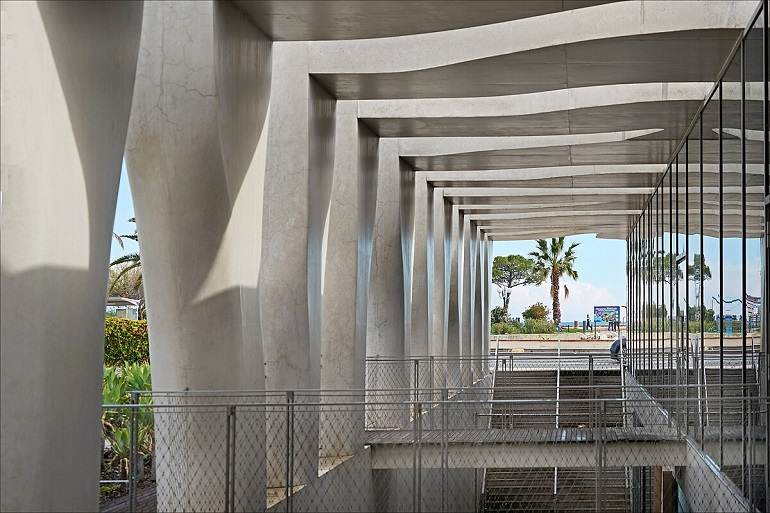
This museum is a bold statement of modern architecture, designed by Rudy Ricciotti and opened in 2011. Its façade, a dramatic interplay of light and shadow created by organically shaped concrete pillars, evokes the complex and multifaceted nature of Cocteau’s work. The museum was established to house the vast collection donated by Séverin Wunderman, a passionate collector of Cocteau’s art.
Inside, the 2,700-square-metre space is dedicated to showcasing the full breadth of Cocteau’s creative genius, from the 1910s to the 1950s. The collection includes nearly 1,000 drawings, paintings, ceramics, and tapestries, alongside photographs and writings that provide insight into his surrealist and classical influences. The museum also features a gallery for temporary exhibitions, a graphic art workshop, a documentation centre, and a café.
Musée Jean Cocteau – Le Bastion
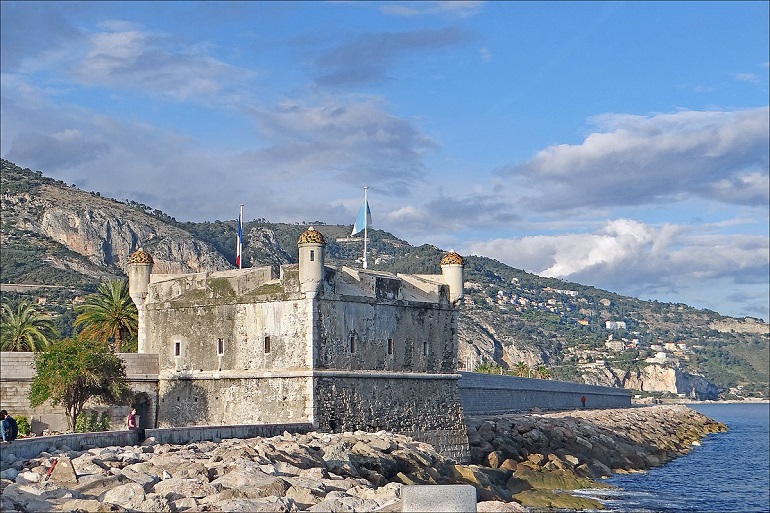
In stark contrast to the modern museum, Cocteau’s first museum in Menton is housed in a 17th-century seaside fort. Cocteau discovered the abandoned bastion in 1957 and personally oversaw its transformation into a space for his art, considering it his artistic testament. It was inaugurated in 1966, three years after his death.
He treated the very fabric of the building as a canvas, embedding pebble mosaics of mythological creatures into the outer walls and decorating the alcoves and halls with his distinctive designs. This intimate space offers a more personal glimpse into Cocteau’s world, displaying works from his “Menton style” period, characterised by colourful chalk drawings and abstract motifs inspired by ancient Greek art.
Fine Arts and Aristocratic Elegance
Fine Arts Museum – Carnolès Palace
Once the summer residence of the Princes of Monaco, the Carnolès Palace is an elegant 18th-century building that now serves as Menton’s Museum of Fine Arts. Prince Antoine I of Monaco had it built in 1717, envisioning a Trianon-style palace surrounded by orchards. The interior reflects its aristocratic origins, with ornate golden doors, fine woodwork, and beautifully decorated ceilings.
The museum’s collection is remarkably eclectic, thanks in large part to the bequest of Dr. Wakefield-Mori, an English art lover. It spans European art from the 13th century to the present day, featuring Italian primitive painters, Greek icons, and works from the Flemish and Dutch schools. The collection also includes an important selection of modern art from the School of Paris.
Beyond the palace walls, the grounds are famous for their collection of citrus trees, the largest in Europe, which has earned the garden a “Remarkable Garden” classification. Contemporary sculptures are thoughtfully placed throughout this fragrant landscape, blending art with nature.
Journey into Deep History
Regional Prehistory Museum
Housed in a handsome neoclassical building from 1909, the Regional Prehistory Museum takes visitors on a journey millions of years into the past. Its collection is dedicated to the region’s earliest human inhabitants, charting the evolution of humanity from Homo erectus onwards.
A major highlight is the incredible collection of animal bones and stone tools from the Vallonnet Cave in nearby Roquebrune-Cap-Martin, one of Europe’s oldest prehistoric sites, dating back 1.2 million years. The museum thoughtfully presents its exhibits to connect the challenges faced by prehistoric populations, such as climate change, with contemporary issues. A dedicated section on the second floor showcases treasures recovered from Mediterranean shipwrecks, offering a fascinating look at the region’s underwater archaeology.
Art, Myth, and Mediterranean Gardens
Les Colombières
Perched on a hillside overlooking the bay, Les Colombières is not merely a villa but a complete work of art conceived by the multi-talented artist, writer, and designer Ferdinand Bac between 1918 and 1927. Bac was commissioned by his friends Émile and Caroline Ladan-Bockairy to transform an 18th-century farmhouse into an elegant residence and create a garden in the surrounding olive groves.
The result is a masterful blend of architecture, decoration, and landscape design. Bac painted every fresco in the villa himself, covering the walls with idealised landscapes from his Mediterranean travels and scenes from classical mythology. The rooms are themed, such as the Venetian Room with its carnival scenes and Murano glass chandelier.
The 7.4-acre garden is designed as a symbolic and literary journey, with paths, pavilions, and colonnades that reference Homer’s Odyssey and other classical texts. Studded with slender cypresses, ancient olive trees, and a magnificent 600-year-old carob tree, the garden unfolds over several levels with secret spaces and broad vistas of the sea. Classified as a French Monument Historique in 1991, this enchanting estate has been painstakingly restored and stands as a testament to the imaginative spirit of the era.
Local Cuisine
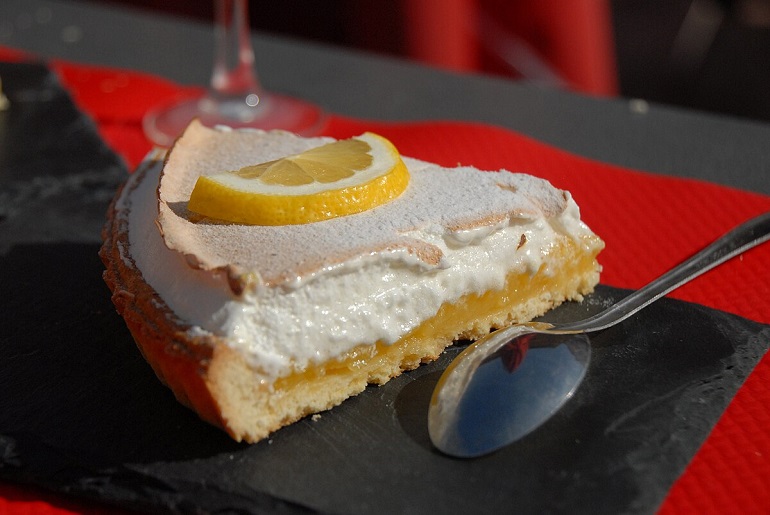
The cuisine in Menton is an enticing blend of French and Italian influences, celebrated for its use of fresh citrus fruits and Mediterranean ingredients. Among the town’s most renowned specialities are Tarte au Citron de Menton, a tangy lemon tart highlighting the region’s famous citrus, and Socca, a savoury chickpea flour pancake typically enjoyed as street food. Local recipes also showcase Barbajuan, a delicious pastry filled with Swiss chard, ricotta and herbs, and Pan Bagnat, an olive oil-soaked sandwich stuffed with tuna, vegetables and eggs. Dining in Menton offers a flavourful journey through the culinary traditions of the Côte d’Azur, with market-fresh produce and aromatic olive oils appearing in everything from seafood dishes to colourful salads.
Getting There
Menton is straightforward to reach at the far eastern end of the Côte d’Azur: most travellers fly into Nice Côte d’Azur Airport, then take the tram to Nice-Saint-Augustin or Nice-Ville for frequent TER trains that run east along the coast to Menton in about 35–40 minutes; the same coastal trains link Menton efficiently with Monaco, Villefranche-sur-Mer, Antibes and Cannes, while longer journeys from Paris are typically made via a high‑speed service to Nice with an easy change to a TER for the final leg; coaches also run the scenic seafront route from Nice through Monaco to Menton; by car, the A8 autoroute or the panoramic Corniche roads provide direct access from both France and Italy; on arrival, note there are two stations—Menton, handy for the town centre, and Menton‑Garavan, closer to the Italian border.