France Guide  |
|---|
|
| | Top French Cities |
|---|
|
| | French Regions |
|---|
|
| | Photos |
|---|
|
| | Europe Guide |
|---|
|
| | Travel Tools |
|---|
|
|
|
|
Provence-Alpes-Côte d'Azur Travel Guide
 Gourdon monastery, Alpes maritimes. Gourdon monastery, Alpes maritimes.
Introduction

The fabled lavender fields of Provence and the ritzy resorts of the French Riviera captivate the imagination like no other region in France. Van Gogh, Picasso, Renoir and countless other artists have been drawn to its unique light and the sheer beauty of its countryside.
But Provence is far more than expanses of purple lavender and yellow sunflower. In the east, the Gorges du Verdon are Europe's largest canyon, some immensive limestone cliffs, reaching up to 700 m in height, and interspersed by turquoise lakes. Further up in the Alps are the breathtakingly beautiful Mercantour and Écrins national parks, home to some of the richest fauna and flora in Europe. In the southwest, the Rhône delta forms a vast ecosystem of marshes and lagoons, the Camargue, home to Europe's largest colony of flamingoes, as well as wild white horses and herds of black bulls used for bullfighting in nearby Arles and Nîmes.
The modern region of Provence-Alpes-Côte d'Azur (or PACA for short) was created from the old provinces of Provence, Dauphiné, Comtat Venaissin, and the County of Nice (which was only annexed to France in 1860). It is the third most populous and third richest French region after Île-de-France and Rhône-Alpes.
The region is traditionally Occitan-speaking, the main dialects being Provençal in the south and Vivaro-Alpine in the north. Nowadays there are only about 350,000 native speakers of Provençal, and Vivaro-Alpine is endangered, but the colourful Provençal accent of French-speaking locals remains strong and unmistakable.
Famous people from the Provence-Alpes-Côte d'Azur include (chronologically): the prophet Nostradamus, the Nobel Prize writer Frédéric Mistral, the painter Paul Cézanne, the novelist Marcel Pagnol, the actor Fernandel, and the singer Mireille Mathieu.
History
The region now known as Provence-Alpes-Côte d'Azur boasts one of France's most ancient and diverse histories, with human habitation dating back several million years. Greek colonists from Phocaea established Marseille around 600 BCE and introduced viticulture to the area, whilst Celtic tribes had settled the region from approximately 900 BCE. The Romans conquered the area in the 1st century BCE, creating the province of Gallia Narbonensis with its capital at Narbonne, and later establishing Alpes Maritimae with its capital at Cemenelum (modern-day Nice) in 7 BCE. During the three-century Pax Romana, Emperor Augustus founded colonies for Roman veterans at strategic locations including Forum Julii (Fréjus), Arles, and Arausio (Orange), whilst building a triumphal monument at La Turbie to commemorate the final pacification of the Ligurian tribes in 8 BCE. The region flourished as what Pliny the Elder described as "more than a province, it was another Italy," with twenty-five Roman towns established throughout Provence.
Following the collapse of the Western Roman Empire in 476 CE, the region endured successive waves of barbarian invasions and changing rulerships that would define its medieval character. The Visigoths initially controlled the lands south of the Durance whilst the Burgundians ruled the north, followed by brief Ostrogoth dominance under Theodoric from 508. From 536, the Merovingian Franks governed the region from their distant northern capitals, leading to a period of decline marked by abandoned Roman infrastructure, plague epidemics, and raids by Arab pirates who devastated Marseille in 838. The region gained greater autonomy from the 9th century under three successive feudal dynasties of Counts of Provence - Catalan, Burgundian, and Angevin - who ruled until 1481. The 14th century marked a golden age when French popes established their seat in Avignon during the Great Schism, earning the city the title "City of Popes" and maintaining papal authority until the French Revolution. The Black Plague of 1348-1350 devastated the region, killing half of Arles' population and severely reducing the overall demographic.
The region's integration into France in 1481 heralded a new era of cultural and economic development that would eventually transform it into one of Europe's premier destinations. The 16th century brought the Wars of Religion, with most of Provence remaining staunchly Catholic except for the Protestant enclave of Orange, which wasn't incorporated into France until 1673. The French Revolution saw notable Provençal figures including the Comte de Mirabeau, the Marquis de Sade, and Emmanuel-Joseph Sieyès, who helped orchestrate Napoleon's rise to power. The 19th century proved transformative with the construction of railways connecting Paris to Marseille in 1848 and extending to Toulon and Nice by 1864, establishing the region as a fashionable winter resort for European royalty including Queen Victoria. The annexation of Nice and the County of Nice from Sardinia-Piedmont in 1860 completed the region's modern boundaries, whilst the Félibrige movement led by poet Frédéric Mistral sparked a revival of Provençal language and culture. The coastal area gained international recognition as the Côte d'Azur or French Riviera, and today the region stands as France's third most economically important administrative area.
Cuisine
The region has a very diverse gastronomy, and specialities vary a lot between traditional provinces. Dishes like ratatouille, bouillabaisse, soupe au pistou (presto soup) and pissaladière (a sort of pizza) are found in most of the PACA. Among famous sauces, we find tapenade, aïoli, and rouille.
- In the Alps, you will find gratin dauphinois, tourtons (ravioli), and pieds paquets (mutton offals stewed in white wine and tomato sauce).
- Around Avignon, daube avignonnaise (lamb stew with white wine), daube comtadine (same with olives), crespeou (pie of omelette, vegetables and herbs), bohémienne (ratatouille of aubergines and tomatoes in olive oil), papeton d'aubergine (a sort of caviar d'aubergines), and alose à l'étouffée (Avignon-style shad). The area is also renowned for its melon of Cavaillon, one of Europe's most famous canteloupes, originally imported by the Popes of Avignon from Italy in the 14th century.
- In Provence itself, anchoïade ('southern French fondue' with anchovy, capers and olive oil), moules à la provençale, daube provençale (beef and vegetable stew braised in wine), gibassier (a galette made with fruited olive oil), and gardianne de taureau (Camargue bull meat cooked in red wine).
- Specialities of Nice include salade niçoise, daube niçoise (same with mushrooms), pan bagnat (Nice-style sandwich), and socca (crêpe of chickpea flour originally from Genoa).
|
Attractions
Rhône Valley & Camargue
Département des Bouches-du-Rhône
|
Camargue Regional Park |
|---|

 The Camargue Regional Nature Park offers visitors a unique wetland environment with exceptional biodiversity and stunning landscapes. Established in 1970, this protected area features salt marshes, ponds, lagoons and beaches where visitors can observe remarkable wildlife, including pink flamingos, Camargue bulls and the famous white horses that roam freely. The park boasts a rich history dating back to prehistoric times, with Roman influences and medieval development through abbeys that drained the marshes. Visitors can explore the park through various activities such as 4x4 safaris, horseback riding, cycling along the 20km sea dyke, or walking the landscaped paths of the Pont de Gau ornithological park to witness over 237 bird species in their natural habitat. The park also preserves the authentic cultural heritage of the region, including traditional bull and horse breeding, whilst balancing human development with nature conservation. |
| Arles ※ |
|---|

 Roman heritage meets Van Gogh's Provence - this ancient city on the Rhône boasts spectacular amphitheatre, Roman theatre, and UNESCO monuments alongside vibrant Provençal charm and artistic legacy. |
| Saintes-Maries-de-la-Mer |
|---|
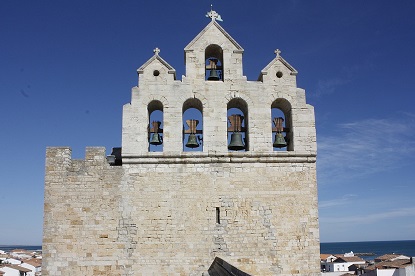
 Saintes-Maries-de-la-Mer is the charming capital of France's wild Camargue region, combining Mediterranean beaches with a historic fortified church, Roma pilgrimage traditions, and access to unique wetland landscapes populated by flamingos and wild horses. |
| Tarascon |
|---|
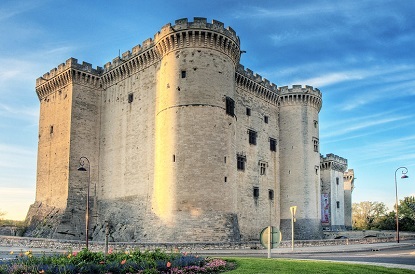
Historic Provençal town on the Rhône between Avignon and Arles, dominated by a magnificent 15th-century royal castle. Medieval streets wind through the atmospheric centre, steeped in legends of Saint Martha and the fearsome Tarasque monster she tamed. |
|
Calanques National Park |
|---|

 The Calanques National Park offers a unique natural wonder with its dramatic limestone formations, creating steep-walled inlets along the Mediterranean coast. These fjord-shaped coves, flanked by towering cliffs and crystal-clear turquoise waters, are home to an extraordinary biodiversity—boasting one of the highest concentrations of living species per square metre, second only to the Amazon rainforest. Visitors can explore 26 calanques of various sizes, with highlights including the spectacular Calanque d'En-vau, Calanque de Sugiton, Calanque de Morgiou and Calanque de Sormiou. Beyond natural splendour, the park preserves remarkable cultural heritage spanning from prehistoric times, evidenced by the 20,000-year-old cave paintings in the Cosquer cave, to medieval watchtowers and more recent industrial ruins. Activities abound, from hiking and swimming to kayaking and snorkelling, allowing visitors to experience both the terrestrial and underwater beauty of this protected area that has been carefully preserved since its official designation as a National Park in April 2012. |
| Marseille |
|---|

France's oldest city and vibrant Mediterranean port, Marseille blends ancient history with multicultural energy. Explore the historic Vieux-Port, climb to Notre-Dame de la Garde, and discover diverse neighbourhoods filled with authentic Provençal charm. |
| Cassis |
|---|

A picturesque Provençal fishing village east of Marseille, Cassis enchants visitors with its colourful harbour, dramatic limestone calanques, and towering sea cliffs. This Mediterranean gem offers exceptional hiking, swimming in crystal-clear waters, and renowned local wines. |
| Martigues |
|---|
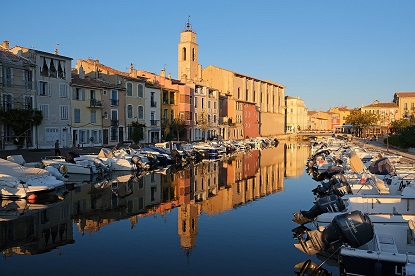
Known as the 'Venice of Provence,' Martigues captivates visitors with its scenic canals connecting three historic districts. Colourful fishermen's houses line the waterways, whilst the picturesque Miroir aux Oiseaux port has long attracted artists like Félix Ziem to this charming Mediterranean town. |
| Aix-en-Provence |
|---|

 Elegant Provençal town famed for Cézanne's heritage, tree-lined Cours Mirabeau, historic fountains, and golden sandstone architecture. Former capital of Provence offering refined charm, vibrant markets, and sophisticated café culture. |
| Les Baux-de-Provence |
|---|

A spectacular medieval village perched on a rocky outcrop in the Alpilles mountains, boasting magnificent castle ruins, cobblestone streets lined with Renaissance mansions, and panoramic views across Provence. One of France's most beautiful villages. |
| Saint-Rémy-de-Provence |
|---|
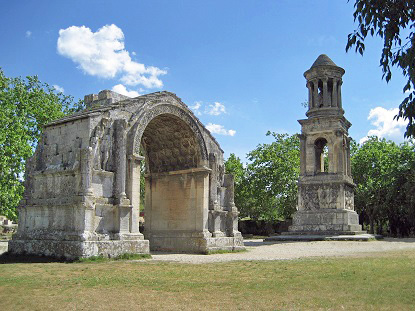
This enchanting Provençal town nestled beneath the Alpilles mountains captivates with cobblestone streets, Roman ruins at Glanum, and artistic heritage—Vincent van Gogh painted 150 works here. Medieval charm meets stylish boutiques in its historic centre. |
| Salon-de-Provence |
|---|
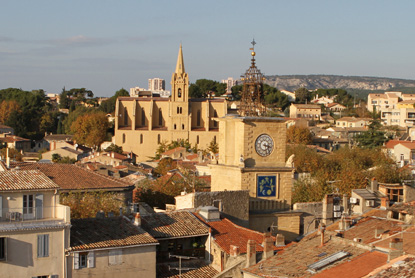
Historic Provençal town renowned as Nostradamus's final home and centre of traditional Marseille soap production. Boasts a picturesque medieval quarter crowned by Château de l'Emperi fortress, vibrant markets, and olive groves amid classic Provençal charm. |
| Montmajour Abbey |
|---|

 A 10th-century Benedictine abbey near Arles, showcasing eight centuries of Provençal architecture from Romanesque to Classical. Built on a rocky hill, this UNESCO World Heritage site features a troglodyte chapel, carved stone cemetery, and cloister that inspired Van Gogh. |
Département du Vaucluse
| Avignon ※ |
|---|

 Medieval Avignon, former papal seat on the Rhône, enchants with its UNESCO-listed Palace of the Popes, famous broken bridge, and magnificent ramparts. This vibrant Provençal city blends rich history with modern culture. |
| Orange ※ |
|---|

Orange is a charming Provençal town, renowned for its UNESCO-listed Roman theatre and triumphal arch. Known as the "City of Princes", it offers exceptional Roman heritage. |
| Lourmarin |
|---|
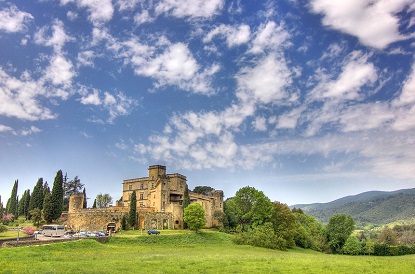
One of France's Most Beautiful Villages, Lourmarin sits in Provence's Luberon region with cobblestone streets, a Renaissance château, and bustling Friday market. This charming village blends sophistication with authentic Provençal atmosphere, offering excellent restaurants and cafés. |
Other attractions
Châteauneuf-du-Pape
Luberon Massif
Cucuron
Pertuis
Saignon
Vitrolles-en-Luberon
 Mount Ventoux
The Alps
Département du Hautes-Alpes
| Les Ecrins National Park |
|---|

Les Écrins National Park offers a spectacular alpine experience with over 100 mountain peaks exceeding 3,000 metres, including the towering Barre des Écrins at 4,102 metres. The park boasts an impressive network of 676 kilometres of trails winding through forests, alpine meadows and numerous glaciers, making it perfect for hikers, climbers and nature enthusiasts. With a rich history dating back to 1913 when it was first established as La Bérarde National Park, the area contains archaeological artefacts from the Bronze Age and showcases the heritage of agricultural-pastoral civilisation that flourished in these mountains. |
Other attractions
 Boscodon Abbey Boscodon Abbey
Embrun
Gap
L'Argentière-la-Bessée
Département des Alpes-de-Haute-Provence
| Verdon Natural Regional Park |
|---|

The Verdon Natural Regional Park, established on 3rd March 1997, offers visitors a remarkable blend of natural wonders and cultural heritage. At its heart lies the spectacular Verdon Gorge, Europe's largest canyon, carved over centuries by the 165-kilometre Verdon River, creating dizzying cliffs and turquoise waters perfect for activities like kayaking, boating and hiking. The park boasts three impressive massifs—Montdenier, Chiran, and Mourre de Chanier—reaching heights of nearly 2,000 metres, alongside the golden and blue lavender fields of the Valensole plateau. |
| Moustiers-Sainte-Marie |
|---|

A spectacular medieval village perched dramatically between towering cliffs in Provence, famous for its centuries-old faïence pottery tradition and the mysterious golden star suspended above. Gateway to Gorges du Verdon. |
| Serre-Ponçon Lake |
|---|
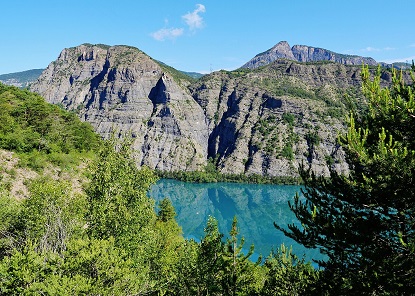
France's largest artificial lake, nestled in the Southern Alps between turquoise waters and dramatic mountain peaks. This aquatic paradise offers 80km of pristine beaches, excellent water sports, and breathtaking Alpine scenery - like having the Mediterranean in the mountains. |
Other attractions
Aiguines
Barcelonnette
Castellane
Digne-les-Bains
Manosque
Saint-Paul-sur-Ubaye
Sisteron
French Riviera (Côte d'Azur)
Département du Var
| Bandol |
|---|
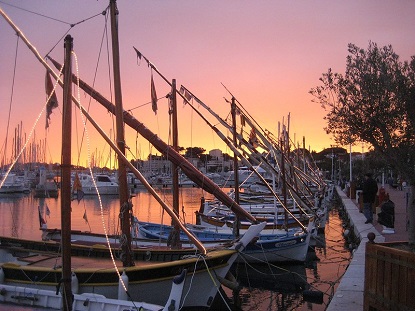
Bandol is a relaxed Provençal seaside town famed for sandy beaches, clear coves and a lively marina, with coastal walks, markets and nearby Bendor Island; it’s equally celebrated for celebrated Bandol AOC wines, making it a sunny base for swimming, sailing and tastings. |
Other attractions
Domaine du Rayol
Draguignan
Entrecasteaux
Fréjus & Saint-Raphaël
Sainte-Maxime
Saint-Maximin-la-Sainte-Baume
Département des Alpes-Maritimes
|
Mercantour National Park |
|---|

Mercantour National Park offers a spectacular blend of natural beauty and cultural heritage that appeals to both adventure seekers and nature enthusiasts. Visitors can explore 1,700 km of hiking trails through diverse landscapes featuring 3,000-metre peaks, ferocious valleys, crystal-clear lakes, and abundant wildlife including ibex, marmots, eagles, and wolves that returned after being hunted to extinction. The park boasts extraordinary biodiversity alongside centuries-old mountain culture, with traditional shepherds, beekeepers, and cheesemakers maintaining their way of life. History enthusiasts can discover the Vallée des Merveilles, home to approximately 37,000 Bronze Age petroglyphs and rock carvings dating back 3,000 years. Beyond hiking, visitors can enjoy mountain biking, whitewater rafting, climbing, and skiing across the park's varied terrain, making it an ideal destination for active holidays year-round. |
| Saorge |
|---|
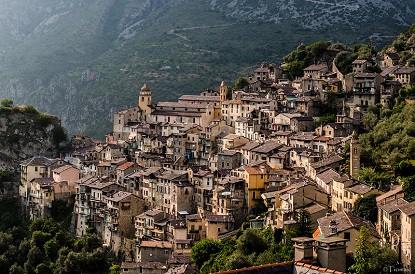
A spectacular medieval village dramatically perched on the mountainside overlooking Roya Valley, nicknamed the 'French Tibet' for its amphitheatre setting. One of France's most beautiful villages, featuring 15th-century houses and breathtaking views. |
| Grasse |
|---|
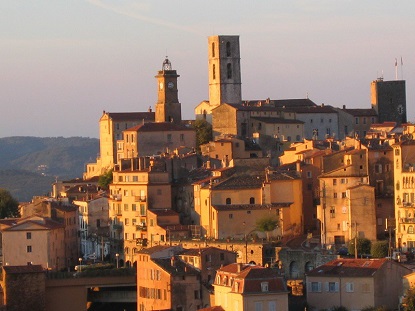
Grasse, the world's perfume capital, is a charming medieval hilltop town in Provence. Located just 15km from Cannes, it enchants visitors with fragrant jasmine gardens, historic perfumeries, maze-like cobbled streets, and stunning panoramic Côte d'Azur views. |
| Antibes-Juan-les-Pins |
|---|

Antibes is a charming seaside town on the French Riviera, known for its historic old town, bustling yacht harbour, and beautiful Mediterranean views. It blends rich history with vibrant beach life and a sophisticated atmosphere. |
| Cannes |
|---|

Cannes is a glamorous city on the French Riviera, famed for its annual international film festival, stunning coastline along the Croisette, luxury hotels, and vibrant cultural scene. |
| Roquebrune-Cap-Martin |
|---|
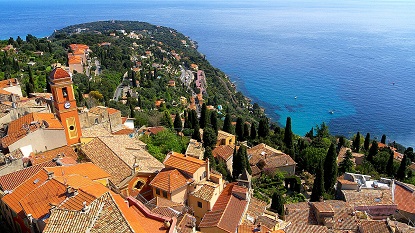
Perched dramatically 300 metres above the Mediterranean between Monaco and Menton, this enchanting medieval village boasts a magnificent 10th-century château, narrow cobblestone streets, and spectacular French Riviera views from its atmospheric hilltop setting. |
| Beaulieu-sur-Mer |
|---|
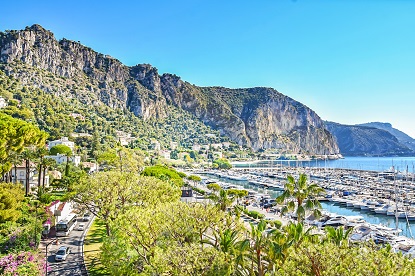
Elegant Belle Époque resort between Nice and Monaco, renowned for its sandy beaches, luxurious villas, and stunning Villa Kérylos. This sophisticated coastal gem offers palm-lined promenades, a bustling marina, and the tranquil Baie des Fourmis bay. |
| Nice ※ |
|---|

 Nice is a stunning city on the French Riviera, famed for its year-round sunshine, vibrant old town, and elegant seaside promenade. Nestled between the Mediterranean and the Alps, it blends rich history with cosmopolitan charm beautifully. |
| Menton |
|---|

Menton is a charming French Riviera town near the Italian border, famed for its mild climate, stunning gardens, pastel-hued Baroque buildings, and the unique cultivation of fragrant lemons. It blends French and Italian culture beautifully. |
| Villefranche-sur-Mer |
|---|

Charming fishing village on the French Riviera between Nice and Monaco, renowned for its colourful harbour, medieval old town, and turquoise bay. Features pastel-hued houses, cobbled streets, historic fortifications, and pristine beaches. |
Principality of Monaco
| Monaco |
|---|

Monaco, Europe's second-smallest nation, dazzles with Monte Carlo's glamorous casinos, luxury yachts in Port Hercule, and the famous Formula One circuit. This Mediterranean principality offers world-class dining, shopping, and stunning coastal views. |
|





 : Local interest
 : Moderately interesting
 : Outstanding place
 : Must-see in the country
 : Top cities in Europe