


Introduction
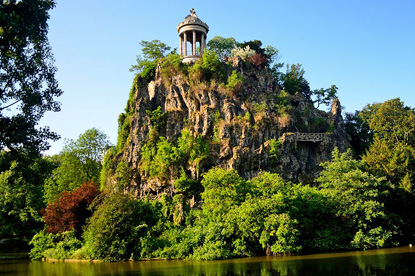
Carved from a former gypsum quarry in the 19th century, Parc des Buttes-Chaumont is one of Paris’s most surprising green spaces: a dramatic landscape of craggy cliffs, a shimmering lake, and winding paths that feel worlds away from the city streets. At its heart rises the Île du Belvédère, crowned by the delicate Temple de la Sibylle, offering sweeping views over north-eastern Paris, including Montmartre’s iconic silhouette. Locals picnic on sloping lawns, jog shaded circuits, and linger at the convivial guinguette, while families explore grottoes and cross photogenic suspension and stone bridges. This guide will help you plan the best routes, quiet corners, and nearby cafés, with practical tips on when to visit, how to get there, and what not to miss.
Interesting Facts about Parc des Buttes-Chaumont
- Opened in 1867 for the Exposition Universelle under Napoleon III, the park transformed a former gypsum quarry and refuse site into a dramatic, landscaped escape.
- Its name likely derives from “chauve‑mont” (bald hill), recalling the site’s barren, rock‑hewn origins before 19th‑century remodelling.
- Designed by engineer Jean‑Charles Adolphe Alphand, the grounds follow the picturesque English‑garden tradition with winding paths, varied plantings, and theatrical scenery.
- The Temple de la Sibylle crowns the Île du Belvédère, echoing Tivoli’s Temple of Vesta and offering sweeping city views from a cliff‑top perch.
- An artificial lake, grottos, and a cascading waterfall create a mountain‑like landscape rare within Paris’s inner arrondissements.
- A narrow suspension bridge by Gustave Eiffel’s workshop reputation is often associated with the park’s dramatic crossings, complementing a masonry viaduct.
- The hilly terrain makes it one of Paris’s most vertiginous parks, rewarding climbs with vistas towards Montmartre and, on clear days, distant landmarks.
- Once on the city’s fringe, the area neighboured the grim Gibbet of Montfaucon, making its reinvention into an urban idyll all the more striking.
- Today the park blends wild-feeling slopes with family‑friendly amenities, from lawns for picnics to cafés like the lively Rosa Bonheur guinguette.
- Seasonal flora and abundant birdlife give the park a subtly changing character, making repeat visits feel different across the year.
History
The Parc des Buttes-Chaumont, one of Paris's most extraordinary green spaces, was created during Napoleon III's ambitious urban renewal programme under the direction of Baron Haussmann, Prefect of the Seine. The park was conceived as part of the emperor's "green plan" to provide public parks and squares where "workers, families, and children" could improve their health and enjoy leisure activities, inspired by the quality and effectiveness of London's parks that Napoleon III had admired during his English exile. Opened on 1st April 1867 to coincide with the Paris Universal Exhibition, the 25-hectare park was specifically designed to serve the rapidly growing population of the newly annexed 19th and 20th arrondissements, which had been incorporated into Paris in 1860.
The site chosen for this ambitious project was one of the most notorious and inhospitable locations in Paris, bearing the evocative name derived from "Monts chauves" (bald hills), which aptly described the bare, infertile mounds of the Belleville hills. For centuries, the area had served as the location of the Montfaucon gibbet, where public hangings took place from the 13th to 18th centuries, immortalised by François Villon in his "Ballade des pendus". After 1760, the site was abandoned to become a public dump for urban waste, complete with open-air cesspools that produced notoriously repugnant odours, whilst underneath lay extensive gypsum quarries that had been worked for centuries to provide plaster for Parisian construction. By 1863, the quarries still employed 800 men producing plaster, and the centuries of mining had created an almost lunar landscape of slag and enormous rock hollows that sheltered the city's most destitute inhabitants.
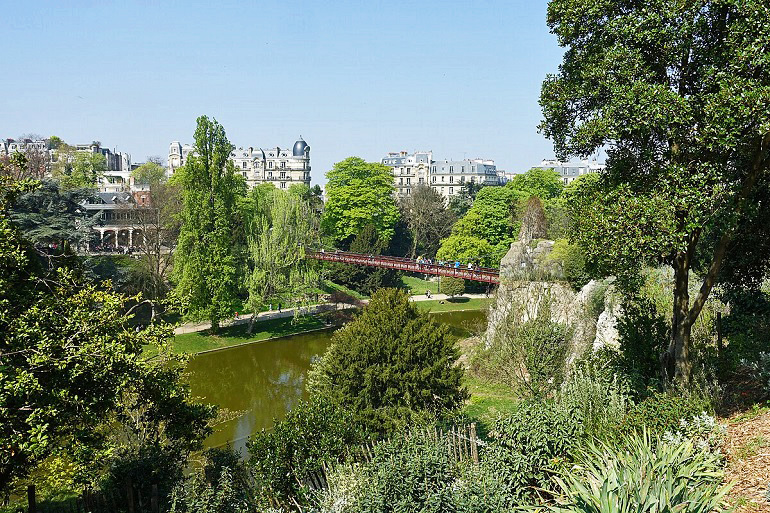
The monumental transformation of this wasteland into a picturesque park required three years of intensive work from 1864 to 1867, overseen by the engineer Jean-Charles Adolphe Alphand, who had already gained experience creating the Bois de Boulogne and Bois de Vincennes. The construction was so extensive that a light railway had to be built to transport 200,000 cubic metres of topsoil into the site and remove excavated material, whilst explosives were used to sculpt the former quarry into a dramatic 50-metre-high rocky promontory with cliffs, grottoes, pinnacles and arches. A thousand workers remade the landscape, creating a two-hectare artificial lake with an island topped by Gabriel Davioud's Temple de la Sibylle, a miniature Roman temple modelled after that at Tivoli, accessible via two bridges including a 64-metre suspension bridge designed by Gustave Eiffel. Hydraulic pumps lifted water from the Canal de l'Ourcq to create a spectacular 27-metre waterfall cascading into an artificial grotto decorated with stalactites, whilst the chief gardener Jean-Pierre Barillet-Deschamps planted thousands of trees, shrubs and flowers to complete this engineered landscape.
Description
The Dramatic Landscape and Topography
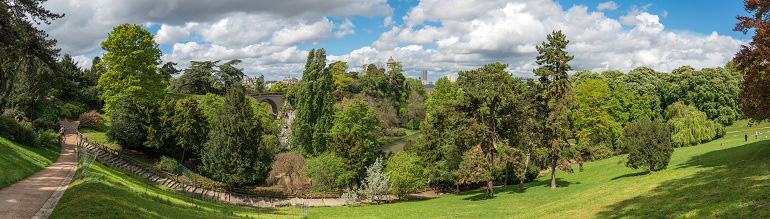
The park's most striking feature is its bold, mountainous topography that creates an almost surreal landscape within the urban environment. Steep cliffs rise dramatically from the ground, some reaching heights of 50 metres, whilst deep valleys and ravines carve through the terrain, creating a sense of wild, untamed nature. The legacy of the old quarries is evident in the exposed rock faces and dramatic geological formations that punctuate the landscape, giving visitors the sensation of exploring a rugged countryside rather than a metropolitan park.
Winding paths snake through the undulating terrain, leading visitors up steep inclines and down into hidden valleys. The network of walkways includes both gentle, accessible routes for leisurely strolls and challenging climbs that reward the adventurous with spectacular elevated viewpoints. Stone staircases carved into the hillsides provide access to the highest points, whilst meandering dirt paths offer more natural walking experiences through wooded areas.
The Enchanting Lake and Île de la Belvédère
At the heart of this magnificent landscape lies an artificial lake covering approximately 1.5 hectares, its crystal-clear waters reflecting the surrounding cliffs and vegetation. This serene body of water, fed by the park's famous waterfall, serves as both a tranquil focal point and a habitat for diverse wildlife. The lake's irregular shoreline features rocky outcrops, gentle beaches, and reed beds that provide shelter for waterfowl.
Rising dramatically from the centre of the lake is the Île de la Belvédère, a rocky island that reaches 50 metres above the water's surface. This imposing natural monument, with its sheer cliff faces and craggy outcrops, creates one of the most photographed scenes in Paris. The island's summit is crowned by the elegant Temple de la Sibylle, a neo-classical folly that serves as both an architectural masterpiece and an exceptional observation deck.
The Temple de la Sibylle
Perched majestically atop the island's highest point, the Temple de la Sibylle is a faithful reproduction of the ancient Roman Temple of Vesta in Tivoli, Italy. This circular, colonnaded structure, with its perfect proportions and classical detailing, creates a romantic and timeless atmosphere that has captivated visitors for generations. The temple's elevated position, some 30 metres above the lake's surface, provides unparalleled panoramic views across Paris, with particularly stunning vistas towards Montmartre, the Sacré-Cœur Basilica, and on clear days, glimpses of iconic landmarks including the Eiffel Tower.
The temple's classical columns frame different aspects of the Parisian skyline, creating natural picture frames for photographers and providing contemplative spaces for visitors seeking a moment of tranquillity above the bustling city below.
The Famous Bridges
Access to the Île de la Belvédère is provided by two distinctive and architecturally significant bridges, each offering its own unique experience. The most famous of these is the suspension bridge, a 63-metre-long marvel of 19th-century engineering that was designed by the same team responsible for the Eiffel Tower. This bridge, suspended high above the water, sways gently as visitors cross, creating an exhilarating experience that combines breathtaking views with a thrilling sense of adventure. The bridge's iron construction and delicate cables create beautiful geometric patterns against the sky, whilst its elevated position provides spectacular photography opportunities.
The second bridge is a solid masonry structure that arches gracefully over another section of the park, offering a more stable but equally scenic crossing. This stone bridge, with its classical proportions and robust construction, provides an interesting architectural contrast to its more delicate suspended counterpart.
The Magnificent Grotto and Waterfall
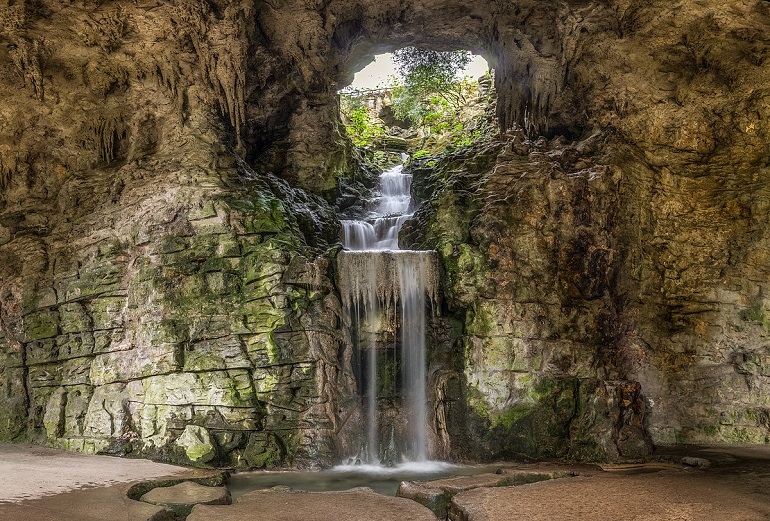
One of the park's most magical features is its spectacular artificial grotto, a vast cavern that demonstrates the remarkable engineering achievements of the 19th century. This enormous cave system, complete with meticulously crafted artificial stalactites and stalagmites, creates an otherworldly atmosphere that feels like stepping into a natural wonder. The grotto's cool, misty interior provides welcome relief on hot summer days, whilst the play of light and shadow on the artificial rock formations creates a constantly changing display of natural beauty.
From within this enchanting cavern, visitors can witness one of Paris's most impressive artificial waterfalls, which cascades dramatically from a height of over 30 metres. The thundering water crashes into the lake below, creating a spectacular display of spray and mist that catches the light and creates rainbow effects on sunny days. The sound of cascading water adds an auditory dimension to the park's appeal, providing a natural soundtrack that masks the sounds of the surrounding city.
Flora and Botanical Diversity
The Parc des Buttes-Chaumont is a botanical treasure trove, home to an extraordinary collection of both indigenous and exotic plant species that create a rich tapestry of colours, textures, and scents throughout the seasons. Towering cedars from Lebanon create dramatic silhouettes against the sky, whilst ancient ginkgo trees, some of the oldest specimens in Paris, provide golden autumn displays that are simply breathtaking.
The park's diverse microclimates, created by its varied topography, support an impressive range of vegetation. Shaded valleys harbour moisture-loving ferns and hostas, whilst sunny slopes burst with Mediterranean plants including lavender, rosemary, and olive trees. Spring brings spectacular displays of cherry blossoms, magnolias, and azaleas, whilst summer sees the park transformed by vibrant flower beds filled with seasonal displays.
Mature plane trees provide broad canopies of shade along the main pathways, whilst weeping willows trail their branches into the lake's edge, creating romantic, secluded spots perfect for contemplation. The park's horticultural team maintains themed gardens throughout the space, including a medicinal plant garden showcasing herbs and healing plants, and sensory gardens designed to engage all five senses.
Wildlife and Natural Habitats
The park's diverse ecosystems support a remarkable variety of urban wildlife, making it a haven for nature enthusiasts and birdwatchers. The lake and its surrounding wetlands attract numerous waterfowl species, including elegant swans, playful mallards, and graceful moorhens. Seagulls, surprisingly common in this inland location, add to the aquatic atmosphere whilst fishing for small fish in the lake's clear waters.
The park's mature trees provide nesting sites for numerous bird species, from tiny wrens and robins to impressive woodpeckers and corvids. Squirrels scamper through the branches and across the lawns, whilst the park's quiet corners harbour hedgehogs, bats, and a variety of beneficial insects that contribute to the ecosystem's health.
Recreational Areas and Activities
The park's expansive lawns provide perfect spaces for outdoor activities and relaxation. These gently sloping grass areas, some covering several hectares, are popular destinations for picnicking families, sunbathers, and groups of friends gathering for outdoor meals. The varied topography creates natural amphitheatres where impromptu performances and gatherings take place, whilst the open spaces allow for games of football, frisbee, and other recreational activities.
For families with children, the park offers several well-equipped playgrounds featuring modern play equipment set within natural surroundings. These areas include climbing frames, swings, sandpits, and imaginative play structures that blend seamlessly with the park's natural aesthetic. The famous Théâtre de Guignol provides traditional puppet shows that have delighted generations of Parisian children, whilst various seasonal activities and workshops introduce young visitors to nature and environmental awareness.
Dining and Social Establishments
The park houses several distinguished dining establishments that enhance its appeal as a social destination. Rosa Bonheur, perhaps the most famous of these venues, embodies the spirit of a traditional Parisian guinguette—an open-air tavern that combines dining, drinking, and entertainment in a relaxed, festive atmosphere. Located on the park's elevated terraces, Rosa Bonheur offers stunning views whilst serving creative cocktails, wines, and light meals. The venue regularly hosts live music events, DJ sets, and themed parties that transform the park into a vibrant nightlife destination whilst maintaining its family-friendly daytime atmosphere.
Le Pavillon du Lac provides a more refined dining experience, situated alongside the water with panoramic views across the lake to the Temple de la Sibylle. This restaurant's terrace seating allows diners to enjoy gourmet French cuisine whilst watching the interplay of light on water and the graceful movements of waterfowl. The establishment's seasonal menu celebrates fresh, local ingredients and provides an ideal setting for romantic dinners or special celebrations.
Le Pavillon Puebla offers another dining option with its trendy bar and café atmosphere, featuring outdoor seating that takes full advantage of the park's natural beauty. These establishments, along with seasonal kiosks and mobile vendors, ensure that visitors can enjoy refreshments without leaving the park's enchanting environment.
Cultural and Seasonal Attractions
Throughout the year, the Parc des Buttes-Chaumont serves as a venue for various cultural events and seasonal celebrations. Open-air concerts take advantage of the park's natural acoustics, with performances ranging from classical music to contemporary acts. The park's natural amphitheatres provide intimate settings for theatrical performances, whilst art installations and temporary exhibitions showcase both established and emerging artists.
Seasonal events celebrate the park's natural beauty, from spring flower festivals to autumn harvest celebrations. Educational workshops and guided tours help visitors understand the park's unique ecology, geological history, and architectural features, whilst photography workshops take advantage of the endless opportunities for capturing the park's dramatic landscapes and intimate details.
The Parc des Buttes-Chaumont represents a masterpiece of 19th-century landscape architecture that continues to enchant and inspire visitors more than 150 years after its creation. Its combination of dramatic natural beauty, architectural excellence, recreational opportunities, and social destinations makes it not just a park, but a complete cultural and recreational ecosystem that embodies the very best of Parisian urban design and quality of life.
Getting There
Parc des Buttes-Chaumont in the 19th arrondissement is best reached by métro, with Line 7bis to Buttes-Chaumont or Botzaris placing visitors by key entrances, and Line 5 to Laumière a short walk away along Avenue de Laumière. Line 11 to Pyrénées also works, followed by a brief stroll via Avenue Simon Bolivar to the gates near Place Armand-Carrel, the main access beside the mairie of the 19th. Several bus routes serve the perimeter, notably the 26, 48, 60, 71 and 75, with stops such as Jean Menans–Buttes Chaumont and Botzaris–Buttes Chaumont just minutes from the paths. With multiple gates, including Porte Bolivar, Porte Secrétan, Porte de Crimée and Porte Fessart, choosing the nearest station or stop to the planned starting point makes for an easy, hilly park entry and a convenient return afterwards.