| Contents |
|---|
Introduction
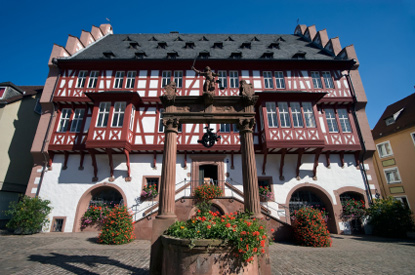
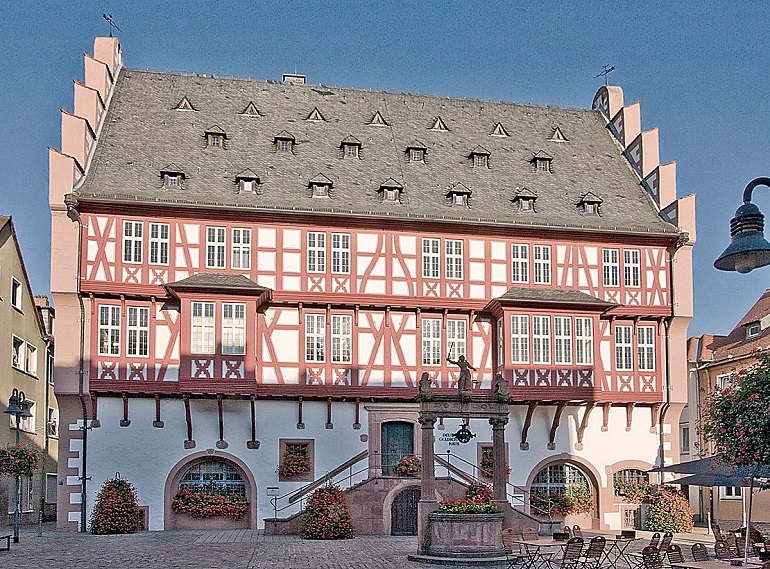
Hanau (pop. 101,000) is the southern starting point of the Märchenstraße (German Fairy Tale Road), as well as the birthplace of the writers Jakob and Wilhem Grimm, who collected and published many of the world's most famous fairy tales in the early 19th century. Founded in 1143, Hanau serves as an important regional centre for goldsmithing and jewellery making, earning it the nickname "Goldschmiedestadt" (City of Goldsmiths). The town features a well-preserved historic centre with notable attractions including the New Town Hall and Philippsruhe Castle with its baroque gardens. The German Goldsmith House (sometimes mistaken for the old town hall) is one of the most ravishing timber-framed buildings in the region.
Interesting Facts about Hanau
- More than 20% of Hanau's population are foreign nationals, with a significant Turkish community.
- Hanau has long been a centre for precious metalworking, especially goldsmiths, since the 16th century.
- The city suffered massive destruction during a British air raid in 1945, which decimated most of its old town.
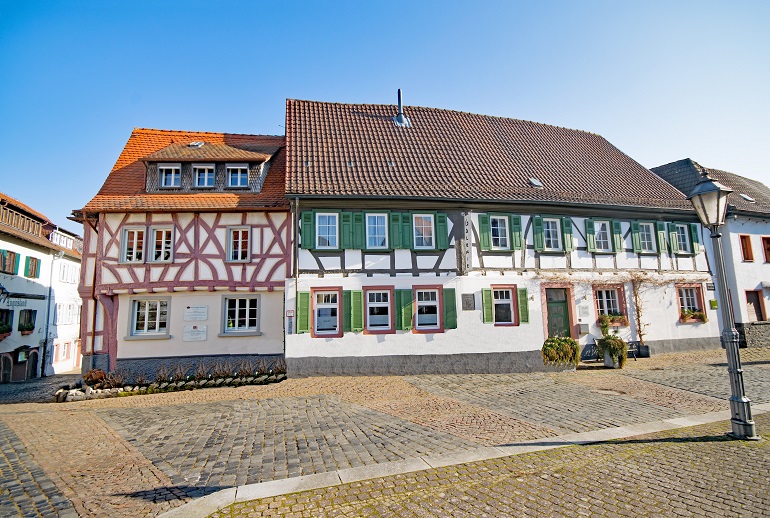
- Notable historic sites include Schloss Philippsruhe and Hanau-Steinheim, a district famed for its charming timber-framed houses.
- Hanau has a major railway station and a port on the River Main, making it a key transport hub in the region.
- The city hosts the annual Brothers Grimm Festival and is part of Germany’s Fairy Tale Route.
- Hanau was once the seat of the Counts of Hanau and later became part of Hesse-Kassel in the 18th century.
- The local company Heraeus, founded in Hanau, is now one of Germany’s largest family-owned businesses.
History
First mentioned as a settlement in 1143, Hanau developed around a strategically positioned castle that utilised the River Kinzig as a natural defence. The castle belonged to a noble family who began calling themselves "of Hanau" in the 13th century, eventually becoming counts in 1429. The village surrounding the castle received town status in 1303, and as it grew beyond its original walls in the early 14th century, a settlement called the Vorstadt developed along the road to Frankfurt am Main. This expansion necessitated completely new Renaissance-style fortifications during the first half of the 16th century, which enclosed the medieval castle, the town of Hanau, and the Vorstadt.
The 17th century marked a significant transformation in Hanau's character with the arrival of religious refugees. In 1597, Count Philipp Ludwig II attracted French Protestant Huguenot refugees who had been granted only limited accommodation in Frankfurt, offering them the opportunity to establish their own settlement south of Hanau. These refugees, along with Walloon and Dutch Calvinist refugees from the Spanish Netherlands, founded the "new town of Hanau" (Neustadt Hanau) with its own separate community, church, and administration. From 1604, Jews were also permitted to settle in Hanau. These diverse religious communities brought significant economic and cultural advances to the region, establishing traditions such as goldsmithing and faïence (tin-glazed pottery) production. The new town, protected by modern Baroque-style fortifications, proved its worth during the Thirty Years' War when it survived a siege in 1637 with minimal damage. During this conflict, Hanau was taken by the Swedes in 1631 and later besieged by imperial troops in 1636 before being relieved by William V, Landgrave of Hesse-Kassel.
The 18th and 19th centuries witnessed considerable political and economic changes for Hanau. When Johann Reinhard III of Hanau-Lichtenberg, the last Count of Hanau, died in 1736, the town passed to Hesse-Kassel. Due to dynastic troubles, the County of Hesse-Hanau was created as a separate state from 1760 until 1786, with Hanau remaining the capital for another fifty years. Even after integration, it became the second-most important town in Hesse-Kassel after Kassel itself. The Napoleonic era brought destruction to the town's fortifications on Napoleon's orders, though this allowed both parts of the town to expand beyond their former limits. In 1813, Hanau was the scene of a significant battle between French troops and Austro-Bavarian forces. The 19th century transformed Hanau into an industrial centre, with heavy industrialisation supported by its development as an important railway interchange of six major lines between 1848 and 1882. The town became a centre of the German democratic movement, contributing significantly to both the 1830 uprising and the Revolution of 1848, during which the German Gymnastic League was founded there. Like all of Hesse-Kassel, Hanau was annexed to Prussia in 1866 following the Austro-Prussian War and remained part of Prussia until 1945.
Main Attractions
Marktplatz Hanau
The lively market square is the civic heart of Hanau, surrounded by historic buildings and serving as a venue for weekly markets, festivals, and community events. It is home to major landmarks, such as the city hall and the Brothers Grimm Monument, and is a social hub for both locals and tourists.
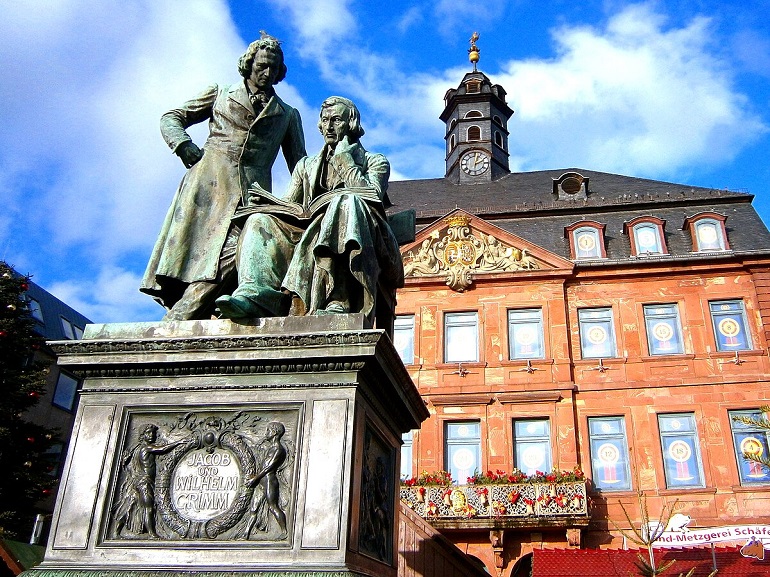
Brothers Grimm National Monument
Located on the Marktplatz, this iconic double statue was erected in 1896 and commemorates Jacob and Wilhelm Grimm, Hanau's most famous natives. It marks the starting point of the German Fairy Tale Route and serves as a central meeting spot in the city, making it a significant symbol for both locals and visitors interested in cultural heritage.
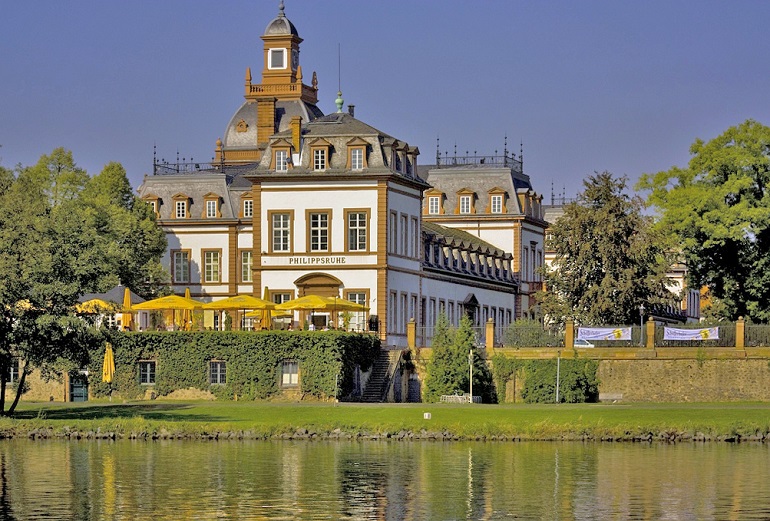
Schloss Philippsruhe
This Baroque palace, dating from the early 18th century, features elegant architecture and manicured gardens on the banks of the Main River. Beyond its museum, the grounds, including riverside promenades and outdoor sculptures, are open to the public and popular for walks and photo opportunities, especially in warmer months.
State Park Wilhelmsbad
A vast English-style landscaped park, Wilhelmsbad is renowned for its serene tree-lined walkways, romantic ruins, and a rare surviving wooden carousel from the 18th century. The park is a popular spot for leisure, picnics, and seasonal outdoor events, offering a peaceful escape in a historical setting.
Amphitheater Hanau
This open-air venue, situated in the Wilhelmsbad Park, is notable for hosting the annual Brothers Grimm Festival and a variety of concerts and performances from spring to autumn. Its unique covered structure makes it an all-weather attraction and a focal point for cultural life in Hanau.
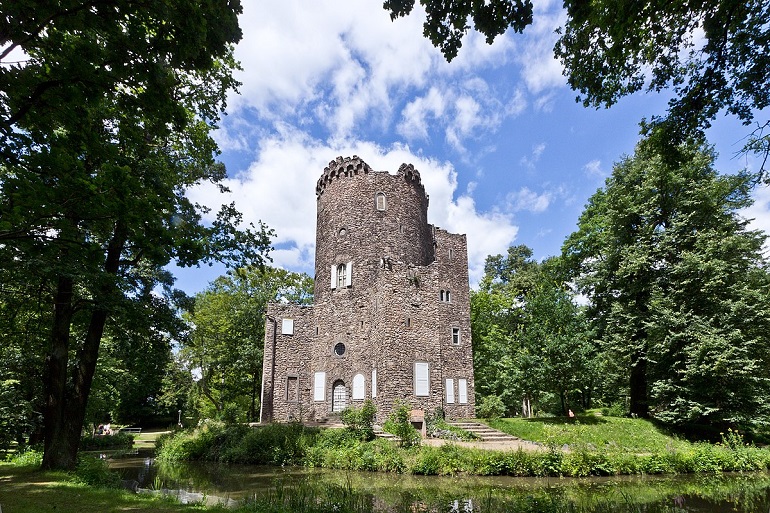
Burgruine Wilhelmsbad
Located within the Wilhelmsbad Park, this romantic 18th-century castle ruin was designed as a picturesque folly, typical of landscaped gardens of the period. It provides a charming backdrop for walks and photographs, and enhances the historical atmosphere of the park.
Hanau Fairy Tale Path
This trail weaves through the city centre, marked by 11 fairytale-themed sculptures, celebrating Hanau’s literary heritage. It offers an engaging outdoor experience for families and visitors interested in the fairytale legacy of the Brothers Grimm.
Top Museums
Hanauer Papiertheatermuseum
A truly unique institution, the Paper Theatre Museum in Hanau is the only museum in Germany dedicated solely to the 19th-century art form of paper or toy theatre. Housed within Schloss Philippsruhe, its displays include more than twenty full paper theatres, hundreds of hand-cut figures, exquisite backdrops, and an array of historical materials. Notably, visitors may experience live performances or explore detailed miniature stagecraft, making it a delight for both children and adults. The collection, some of which counts as UNESCO-recognised intangible heritage, succinctly reveals the creativity and craftsmanship behind this forgotten entertainment tradition. Occasional renovations may affect access, so it is wise to check ahead, but the immersive quality and singular focus set it apart from other cultural attractions.
Deutsches Goldschmiedehaus Hanau
Occupying a stately Renaissance-era half-timbered building on Hanau's Altstädter Markt, the German Goldsmiths’ House is both an architectural landmark and a centre of goldsmithing artistry. The museum showcases a remarkable collection of jewellery and silverwork, tracing both local traditions and international trends from the early modern period to contemporary design. Regularly changing exhibitions and thematic presentations ensure that repeat visits remain fresh and insightful, while the atmospheric interiors evoke Hanau’s longstanding role as a city of fine metalsmiths. The interactive workshops, artist encounters, and a compelling historic goldsmith’s workstation make it ideal for both enthusiasts and newcomers to this intricate craft.
Hessisches Puppen- und Spielzeugmuseum Hanau
Nestled within the pretty, historic spa complex of Wilhelmsbad, this museum offers an enchanting journey through the world of dolls and toys from antiquity to the present. Its displays range from ancient Roman pottery figures to elaborate modern miniatures, and include one of Europe's largest model department stores as well as a notable collection of Japanese dolls. The museum is highly interactive, with areas where younger visitors can play directly with some toys, making it especially family-friendly. Special exhibitions and educational events provide further depth, while the setting allows for peaceful strolls through the adjacent park afterward.
Museum Großauheim Hanau
Housed in a former electricity works and bathhouse, the Großauheim Museum illuminates Hanau's industrial development, local agriculture, and artistic heritage. Its engaging displays showcase steam engines, tractors, and machinery, vividly documenting the shift from rural to industrial society. Important sections are devoted to prominent local artists, including the acclaimed animal sculptor August Gaul. Visitors with an interest in technology, regional history, or the stories of everyday workers will find substantial content here. Occasional working demonstrations of steam engines add a lively touch, setting it apart within the region’s museum network.
RadWerk – Kulturstätte am Main Hanau
The RadWerk in Klein-Auheim, set within a former printing works, is more than just a museum: it is a vibrant cultural venue highlighting Hanau’s ties to cycling, local industry, and railway modelling. The focal point is an impressive collection of bicycles and motorcycles, most notably the world’s largest assemblage of Bauer bikes, which were produced locally for much of the twentieth century. Partnerships with railway and tractor enthusiasts ensure diverse exhibits, interactive stations, and events, while an on-site café and gatherings create a community hub. This makes it a lively, modern option, appealing to those who enjoy hands-on history in a more informal setting.
Heimatmuseum Mittelbuchen Hanau
Situated in the Obertor, a preserved tower of the town’s medieval fortifications, the Mittelbuchen Local History Museum offers a compact yet fascinating snapshot of rural and village life north of Hanau. Exhibits stretch from prehistoric artefacts and Roman finds to the domestic culture and legal curiosities of the village across several centuries. Its strong focus on Mittelbuchen ties in agricultural heritage, small-scale everyday items, and even local criminal cases. Those interested in archaeology or village histories will appreciate its authentic atmosphere and well-interpreted displays.
Geripptes Museum – Raum für Apfelweinkultur Hanau
A standout for those seeking something distinctly Hessian, the Geripptes Museum is the state’s first museum dedicated to apple wine, celebrated here as a cornerstone of regional identity. The engaging displays cover the cultural, economic, ecological, and culinary aspects of cider, featuring historical bottles, memorabilia, and quirky record-holding items like the world’s largest apple wine glass and 'bembel' (jug). Interactive events and tastings bring extra life to the experience, making it a delightful visit for locals, newcomers, and international guests seeking authentic local culture.
Local Cuisine
Visitors to Hanau can enjoy regional classics like Handkäse mit Musik—a marinated sour milk cheese served with onions, vinegar, and caraway seeds—and Frankfurter Grüne Soße, a refreshing green sauce made from seven herbs, often drizzled over boiled eggs or tender potatoes. Traditional taverns in Hanau frequently offer Wiener Schnitzel and Tafelspitz, both beloved dishes perfect for sampling authentic German comfort food. The culinary scene is rounded out with seasonal specialities, home-style dumplings, and locally brewed apple wine, ensuring a delicious taste of Hanau’s gastronomic culture.
Getting There & Around
By train, Hanau is well connected by rail and served by the Hanau Hauptbahnhof, where regular S-Bahn and regional trains run directly from Frankfurt and many nearby cities. Long-distance trains and private operators such as FlixTrain also make stops, making it simple to reach Hanau from other parts of Germany or major European cities.
By bus, several regional and long-distance bus routes operate services to and from Hanau. Buses frequently depart from major nearby hubs like Frankfurt, and the central Hanau station is a convenient point of arrival and departure, with connections from cities in Germany and beyond.
By car, Hanau enjoys an accessible location close to Frankfurt and is sandwiched between the A3, A66, and A45 motorways.