



| Contents |
|---|

Introduction
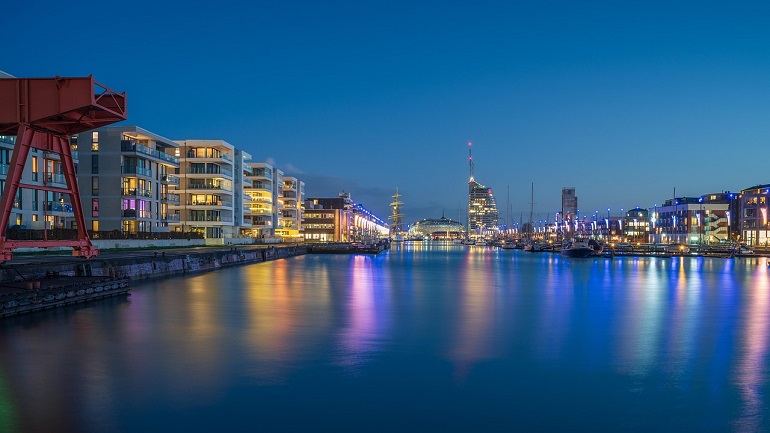
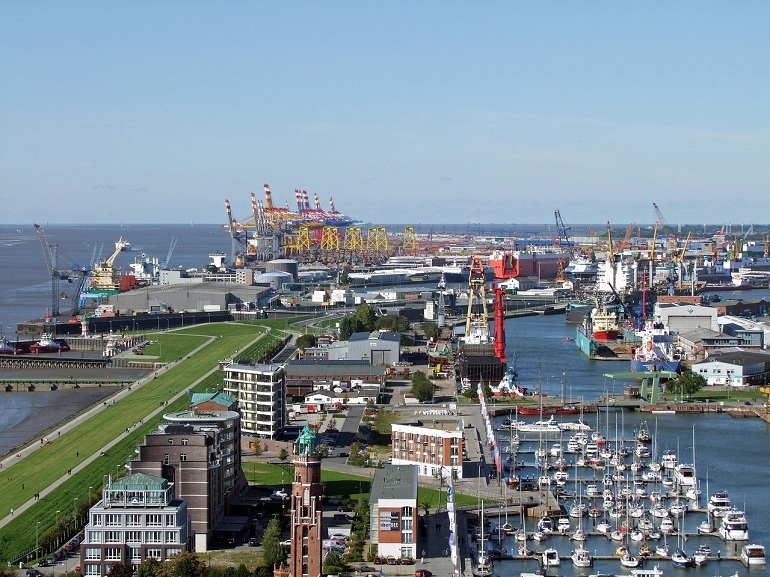
Located at the mouth of the River Weser, Bremerhaven (pop. 119,000) is Bremen's seaport. It is Europe's fourth largest container port. The viewing platform is a perfect place to watch the hustle-bustle of ships being loaded and the impressive industrial machinery that goes with it. Established in the 19th century as a harbour, it is known for maritime heritage centred on the Hafenwelten district, including the German Emigration Center, the German Maritime Museum and the Climate House Bremerhaven 8° East. The modern container terminal reflects its ongoing role in shipping and logistics, while the historic fishing harbour (Schaufenster Fischereihafen) features seafood restaurants and maritime industry sites. The National German Maritime Museum has an impressive collection of 500 model ships.
Interesting Facts about Bremerhaven
- Bremerhaven is a seaport city on the North Sea at the mouth of the River Weser, forming the seaward part of the State of Bremen despite being surrounded by Lower Saxony.
- Founded in 1827 as a purpose-built harbour for Bremen’s overseas trade, it rapidly became one of Germany’s key emigration ports to the Americas.
- The German Emigration Centre (Deutsches Auswandererhaus) in Bremerhaven is an award-winning museum that traces the stories of millions who departed from the city.
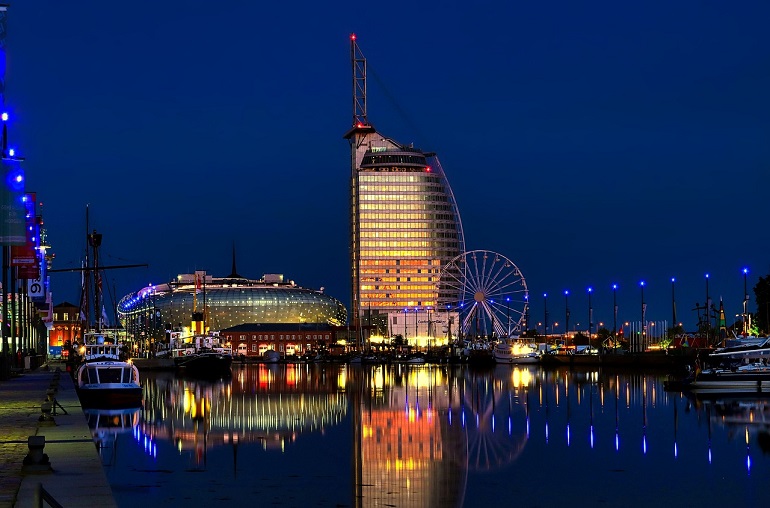
- Bremerhaven’s Havenwelten district combines maritime museums, the Klimahaus Bremerhaven 8° Ost climate experience, and modern waterfront architecture.
- The Klimahaus takes visitors on an immersive journey along the 8° East longitude through diverse climate zones around the world.
- Bremerhaven hosts one of Europe’s largest car terminals, handling massive volumes of vehicle imports and exports each year.
- The German Maritime Museum (Deutsches Schiffahrtsmuseum) displays historic ships and maritime technology, reflecting Bremerhaven’s nautical heritage.
- Fishery Harbour (Fischereihafen) is renowned for seafood processing and restaurants, with “Fischbrötchen” being a local staple.
- Bremerhaven’s container terminal is among the biggest in Germany, underpinning its role as a logistics and shipping hub.
- The city’s skyline features the sail-shaped Atlantic Hotel Sail City, a landmark visible along the Weser estuary.
- Bremerhaven maintains extensive sea dykes and storm-surge protections due to its low elevation and North Sea exposure.
- The Weser-Strandbad offers a sandy urban beach where visitors can watch ocean-going ships pass close to shore.
- Bremerhaven’s Lloyd Marina and New Harbour area blend historic dock basins with contemporary leisure and residential spaces.
- The Zoo am Meer specialises in North Sea and polar species, with panoramic enclosures overlooking the estuary.
- Bremerhaven’s name literally means “Bremen’s harbour,” highlighting its historical and administrative link to the city-state of Bremen.
History
Early Origins and Medieval Foundations
The area's earliest documented presence appears in medieval times, with Geestendorf being mentioned in ninth-century documents and Lehe appearing in records from 1091 and later in 1275. These tiny villages were built on small islands within the swampy estuary of the River Weser. In 1381, the city of Bremen established de facto rule over the lower Weser stream, including Lehe, which subsequently became known as Bremerlehe. The area experienced significant political upheaval during the 17th century when Swedish Bremen-Verden's troops captured Bremerlehe by force in 1653, leading to the First Bremian War in 1654. Under Swedish rule, there were unsuccessful attempts to establish a fortified settlement called Carlsburg in 1672, named after King Charles XI of Sweden.
The Strategic Port Foundation
The modern city of Bremerhaven was officially founded in 1827 by Johann Smidt, the Bürgermeister of Bremen, who purchased the territory at the mouth of the Weser from the Kingdom of Hanover. This strategic acquisition was driven by Bremen's urgent need to retain its share of Germany's overseas trade, which was threatened by the silting up of the Weser around Bremen's old inland port. The new port, designed by Dutch engineer Jacobus Johannes van Ronzelen and constructed between 1827 and 1830, was literally named "Bremen's Haven" (Bremerhaven), serving as Bremen's second harbour despite being 50 kilometres downstream. The port's development coincided with the massive wave of emigration to North America, with the "Old Harbour" opening in 1830. Between 1830 and 1971, approximately seven million people departed Europe through Bremerhaven's docks, making it even busier than Hamburg for emigrant traffic.
Growth, Rivalry, and Modern Consolidation
The success of Bremerhaven prompted the Kingdom of Hanover to establish a rival town called Geestemünde in 1845, situated directly adjacent to Bremerhaven. Both settlements flourished, establishing the three economic pillars of trade, shipbuilding, and fishing. After 1857, Bremerhaven became the headquarters of the North German Lloyd Steamship Company (Norddeutscher Lloyd), transforming it into Germany's largest passenger port with the famous Columbus Quay and Columbus Station handling transatlantic traffic. The city's political structure underwent numerous changes: in 1924, Geestemünde merged with the neighbouring municipality of Lehe to form Wesermünde. In 1939, under Nazi administration, Bremerhaven itself was incorporated into Wesermünde and placed under Prussian jurisdiction. Following World War II, despite heavy Allied bombing that demolished the city centre whilst leaving the docks substantially intact, the unified city was restored to Bremen in 1947 and renamed Bremerhaven.
Main Attractions
The Bremerhaven lighthouse
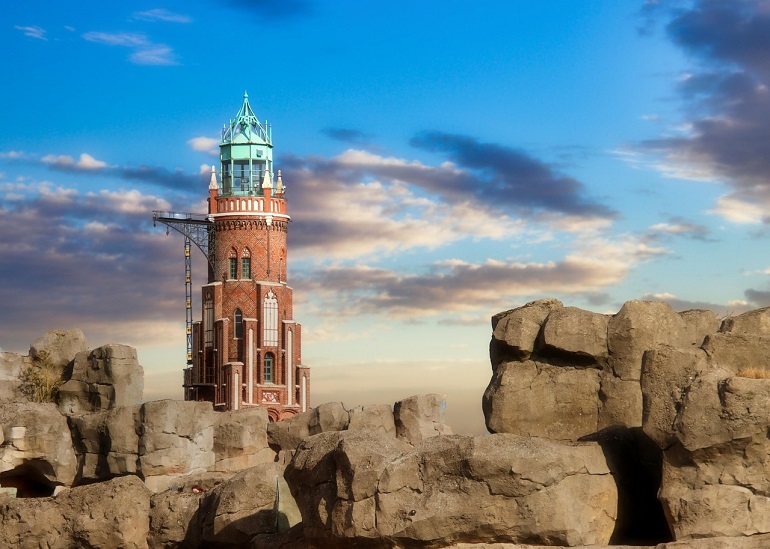
The Bremerhaven lighthouse is a prominent historical landmark situated on Lohmannstraße. Originally built in the 19th century, it stands as one of the oldest operational lighthouses on Germany’s North Sea coast. Visitors can view its elegant red brick façade and appreciate its vital role in guiding maritime traffic through the harbour entrance.
The Sail City Viewing Platform
The Sail City Viewing Platform stands some 90 metres above sea level atop the Atlantic Hotel Sail City. It provides sweeping views across the city, the Weser River, and the North Sea, making it one of the best vantage points for urban and waterfront panoramas in Bremerhaven.
The Deichpromenade
The Deichpromenade is a popular coastal pathway along Bremerhaven's sea wall. Ideal for walking, jogging or cycling, it offers relaxing views over the estuary and busy shipping lanes. The promenade is family-friendly and allows dogs, making it suitable for outdoor enthusiasts and casual visitors alike.
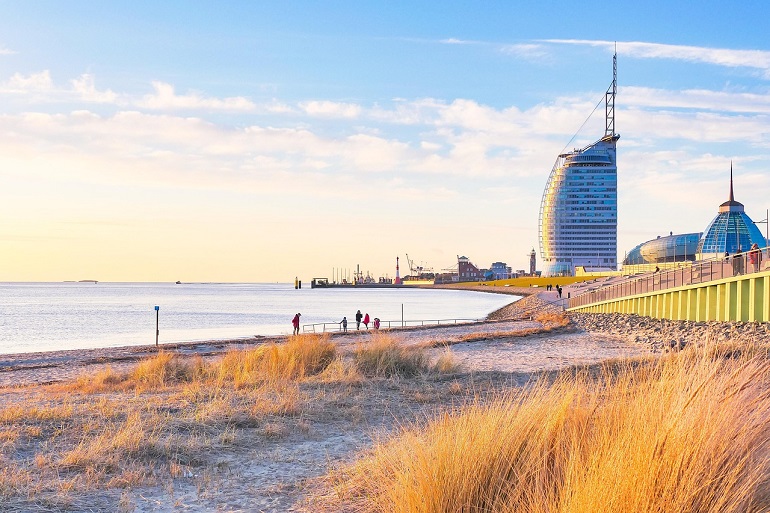
The Bremerhaven Radar Tower
The Bremerhaven Radar Tower is an iconic observation structure overlooking the harbour area. While primarily used for monitoring vessel movements, the tower's distinctive appearance and strategic location have made it a recognisable feature of the cityscape. It offers panoramic views of Bremerhaven and the bustling docks below.
The Hafenrundfahrt boat tours
The Hafenrundfahrt boat tours provide an informative journey through Bremerhaven’s port facilities. The trip allows participants to observe modern container terminals and historic dockyards, while guides explain the port's development and current operations. These tours are accessible and suitable for families.
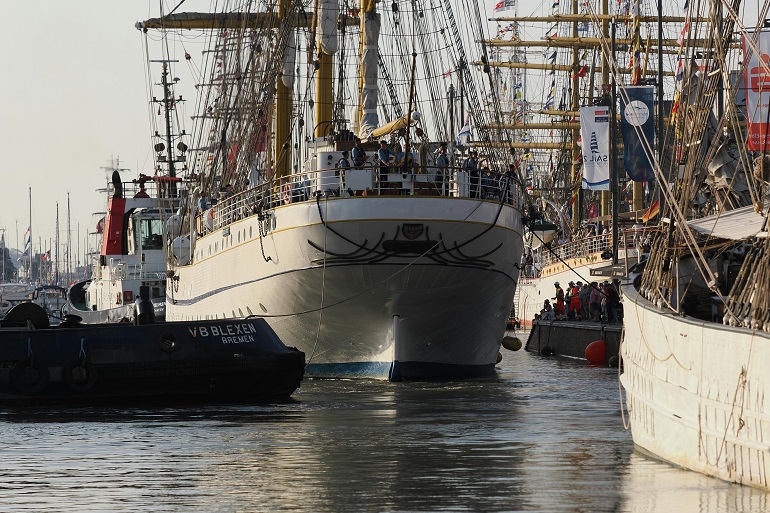
Schaufenster Fischereihafen
Schaufenster Fischereihafen is a vibrant waterfront district featuring traditional fish restaurants, shops, and event venues. Visitors can explore the atmospheric harbour, sample local seafood specialities, and attend various open-air concerts or festivals. The area reflects Bremerhaven’s deep maritime heritage and is popular with both locals and tourists.
Natural Attractions
Bremerhaven Zoo
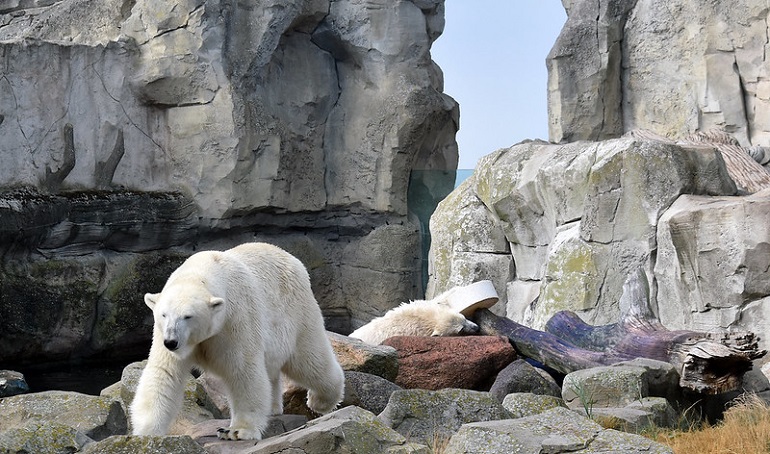
Bremerhaven Zoo, located on the waterfront, specialises in aquatic and northern latitude species. Its modern enclosures and saltwater tanks host seals, polar bears, and seabirds, providing educational insights into marine ecosystems. Facilities are accessible and the zoo is particularly recommended for families with children.
Bürgerpark
Bürger Park is a spacious public park offering picnic areas, playgrounds, hiking paths, and sports amenities including tennis courts. Dogs are welcome and there is a dedicated dog park. It is a preferred location for local events, children’s activities, and outdoor recreation throughout the year.
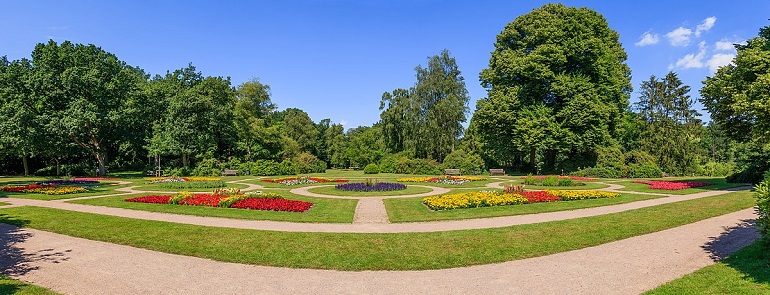
Thieles Garten
Thieles Garten is a unique blend of memorial park, art venue, and natural retreat, featuring sculptures, landscaped gardens, and wooded paths. The park hosts live music and art installations and allows dogs. It is an inviting spot for leisurely strolls and peaceful reflection.
Top Museums
Migration and Society
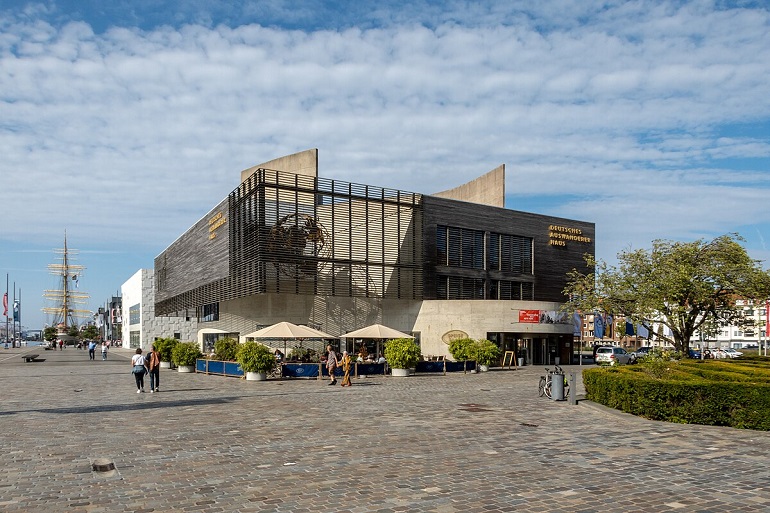
German Emigration Center (Deutsches Auswandererhaus)
The German Emigration Center stands as one of Europe's most compelling immigration museums, documenting over 300 years of German emigration history. This expansive institution transforms the personal stories of emigrants into immersive experiences, showcasing the journeys and destinies of millions who passed through Bremerhaven's port en route to new lives overseas. The museum integrates historical artefacts with modern multimedia presentations, allowing visitors to follow individual family histories and understand the broader social, economic, and political forces that drove mass migration from German-speaking regions.
Visitors can experience recreated ship conditions, explore departure halls that mirror those used by actual emigrants, and discover how Bremerhaven became the primary gateway for European emigration to the Americas. The museum's approach combines scholarly research with engaging storytelling, making complex historical processes accessible to diverse audiences whilst maintaining historical accuracy and emotional resonance.
History and Heritage
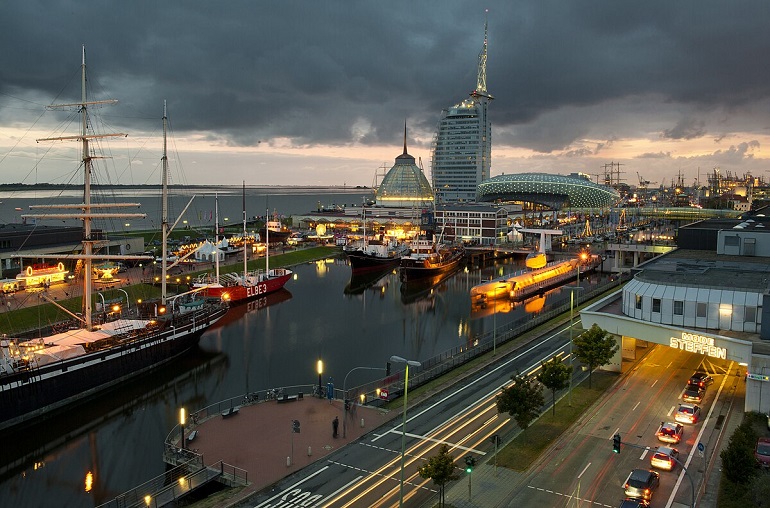
German Maritime Museum
The German Maritime Museum serves as the national repository for Germany's extensive maritime heritage, housing both permanent and temporary exhibitions across extensive indoor and outdoor spaces. The museum showcases 56 vessels, with 11 historic ships afloat in the old harbour basin, providing visitors with authentic maritime experiences. The institution's crown jewel is the Bremen Cog, a remarkably preserved 14th-century Hanseatic League merchant vessel discovered in 1962 and painstakingly restored over decades.
The newly redesigned permanent exhibition "Worlds of Ships - The Ocean and Us" spans 2,800 square metres and explores fundamental questions about shipbuilding, maritime physics, and ocean research. This installation features 2,000 historical exhibits from two centuries of maritime development, many displayed publicly for the first time. Highlights include research installations with interactive stations. Visitors can also board historic vessels including the harbour tug STIER, whaler RAU IX, and deep-sea salvage tug SEEFALKE, experiencing authentic maritime environments and learning about different aspects of seafaring life.
Open-Air Museum Speckenbüttel (Volkskundliches Freilichtmuseum Speckenbüttel)
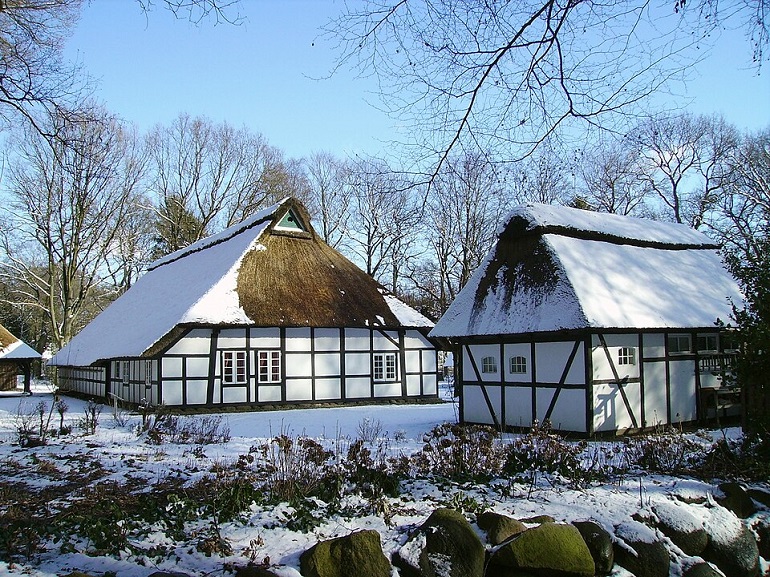
The Open-Air Museum Speckenbüttel is an outdoor heritage site located within the Speckenbüttel Park in Bremerhaven. The museum represents rural building traditions from the Elbe-Weser triangle, showcasing architectural styles from heath, marsh, and moor environments beginning in the early 17th century. The museum grounds contain eleven historic buildings including a complete heath farm complex, a moor cottage, and a large marsh house positioned on a traditional dwelling mound.
Notable structures include a smoke house from 1625, retirement cottage, traditional sheep barn, and an operational bakehouse with functioning clay oven. The museum displays extensive collections of agricultural tools, household implements, fishing equipment, and drainage devices that illustrate regional adaptation to diverse landscape conditions. A functioning windmill and weaving demonstrations provide dynamic experiences. Educational programmes include traditional craft demonstrations and seasonal activities that connect contemporary visitors with historical rural practices.
Historisches Museum Bremerhaven
Located directly on the Geeste River banks, the Historical Museum Bremerhaven occupies an award-winning building. This institution traces regional history from the earliest human settlement in the Elbe-Weser region 120,000 years ago through to the 1960s. The museum's approach emphasises immersive experiences through life-sized figures, multimedia presentations, and authentic reconstructions of historical environments.
Visitors can explore a fully reconstructed historic shipyard complete with worker housing, realistic harbour scenes, and a walk-in dockside tavern. The museum features an authentic fish shop and a machine hall with functioning steam and refrigeration equipment used in ice production, providing tangible connections to Bremerhaven's industrial heritage. Seven distinct sections cover regional development through different historical periods, deep-sea fishing and fish processing, overseas ports and harbour work, shipyards and shipbuilding, archaeological treasures, and a painting gallery.
Museum Ship FMS Gera
The FMS Gera offers visitors a unique opportunity to experience authentic maritime life aboard Germany's last surviving fishing trawler. Built in 1956 and commissioned in 1961, this vessel served the East German fishing fleet before becoming a museum. The ship's exhibits include comprehensive collections of fishing equipment, crew quarters, navigation instruments, and photographic documentation.
Visitors can explore the vessel's engine rooms, crew accommodations, and working spaces whilst learning about the technical specifications that enabled long-range fishing expeditions. The museum displays original fishing gear, maritime clothing, and documentation. Films and videos supplement the physical exhibits, offering broader context about Germany's maritime fishing industry and its evolution throughout the 20th century.
Museum der 50er Jahre
Housed in a former American military chapel, the Museum der 50er Jahre presents an extensive collection of 1950s everyday objects. This institution documents living conditions from 1949 to 1963 through several thousand exhibits that recreate complete commercial and domestic environments from the post-war period. Visitors encounter a complete grocery shop, textile store, stationery business, hairdressing salon, petrol station, medical practice, office space, pub, dental surgery, and hunting lodge.
The museum's approach transcends mere nostalgia, examining the mentalities and cultural phenomena of post-war German society. The collection includes complete residential spaces with authentic furnishings, demonstrating how American cultural influence shaped West German domestic life during the economic miracle years. The institution investigates the psychological aspects of the 1950s, particularly the tendency toward idealised domestic imagery that helped German society process recent traumatic history whilst embracing optimistic modernisation.
Science and Natural World
Klimahaus Bremerhaven 8° Ost
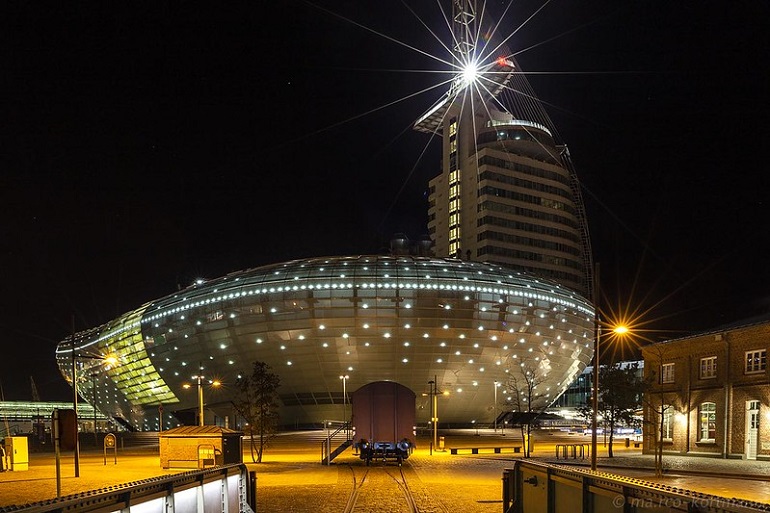
The Klimahaus represents a pioneering approach to climate education, taking visitors on an extraordinary journey along the 8th degree longitude—Bremerhaven's own meridian. This contemporary science centre creates immersive environments that replicate different global climate zones, from the Swiss Alps through the Sahel Desert to Antarctic ice fields. Each destination features authentic temperature, humidity, and atmospheric conditions, supported by flora, fauna, and architectural elements that transport visitors across continents without leaving the building.
The exhibition follows the travels of Axel Werner, who documented encounters with local populations in each climate zone, providing human perspectives on how climate shapes daily life. Interactive stations throughout the journey demonstrate scientific principles behind weather formation, climate change, and environmental adaptation. The facility includes a weather studio where visitors can learn about meteorological forecasting and television weather production, whilst specialised exhibition areas explore the fundamental elements—fire, water, earth, and air—that determine our planet's climate systems.
PHÄNOMENTA Bremerhaven
PHÄNOMENTA operates as an interactive science centre with 80 hands-on experiment stations covering biology, chemistry, physics, and mathematics. The facility opens almost all year, providing consistent access to scientific education through direct experimentation and discovery. The museum's approach particularly emphasises MINT subjects (Mathematics, Informatics, Natural Sciences, Technology), designed to motivate young people toward scientific careers whilst making complex principles accessible to general audiences.
Visitors can engage with experiments ranging from basic physical principles to advanced scientific phenomena, with each station designed for active participation rather than passive observation. The museum operates as a non-profit organisation with educational missions that extend beyond typical museum visits, offering workshops, special programmes for schools and groups. The facility's commitment to hands-on learning makes abstract scientific concepts tangible and memorable for visitors of all ages.
Art and Modern Culture
Kunstmuseum Bremerhaven
The Kunstmuseum Bremerhaven is a prominent institution dedicated to contemporary art, housed in a striking modern building in the city centre. Established in 2007, the museum boasts around 700 square metres of exhibition space spread over three floors. It showcases a diverse collection that spans more than a century of modern and contemporary artworks.
The museum places special emphasis on artists connected to the region as well as nationally and internationally renowned figures. Notable regional artists featured include Paula Becker-Modersohn, Heinrich Vogeler, and Fritz Overbeck, whose works are presented alongside contemporary pieces that reflect current artistic trends and experimentation.
Exhibitions rotate regularly, with six to nine major shows each year, allowing visitors to experience a continuously fresh and dynamic artistic programme. The Kunstmuseum’s curatorial approach thoughtfully balances individual artist retrospectives with group exhibitions that explore broader themes and movements in modern art.
Beyond its exhibitions, the Kunstmuseum Bremerhaven contributes actively to the cultural life of the city through education programmes, lectures, and guided tours. It serves as a platform for dialogue between artists, critics, and the public, fostering an appreciation for modern art and its evolving forms.
Local Cuisine
Bremerhaven enjoys a coastal culinary tradition deeply rooted in its seafaring heritage. Visitors will quickly notice the city’s pride in its freshly caught North Sea fish, with dishes such as Nordseekrabben (tiny brown shrimps) and Kabeljau (cod) featuring prominently on menus. Classic regional specialities include Finkenwerder Scholle, a fried plaice topped with bacon and onions, as well as hearty bowls of Labskaus, a traditional sailor’s stew of corned beef, potatoes, beetroot, and herring. For those with a sweet tooth, local bakeries often serve Rote Grütze, a tangy red berry pudding typically enjoyed with cream or vanilla sauce. Together, these dishes offer travellers a taste of Bremerhaven’s seafaring legacy and the flavours of northern Germany.
Getting There
By train Bremerhaven is well connected to the German rail network, with frequent direct services from Bremen that take under an hour, and through trains running from major cities such as Hamburg and Hanover, making it a straightforward and comfortable option for travellers.
By coach or bus Long-distance coaches and regional buses link Bremerhaven with various towns and cities in northern Germany, offering a convenient alternative to rail travel, particularly if you are coming from smaller communities not directly connected by train.
By car Reaching Bremerhaven by road is simple, with the A27 motorway providing direct access from Bremen and connecting to wider routes across Lower Saxony; driving also allows for flexibility in exploring the surrounding North Sea coast at your own pace.


