



| Contents |
|---|

Introduction
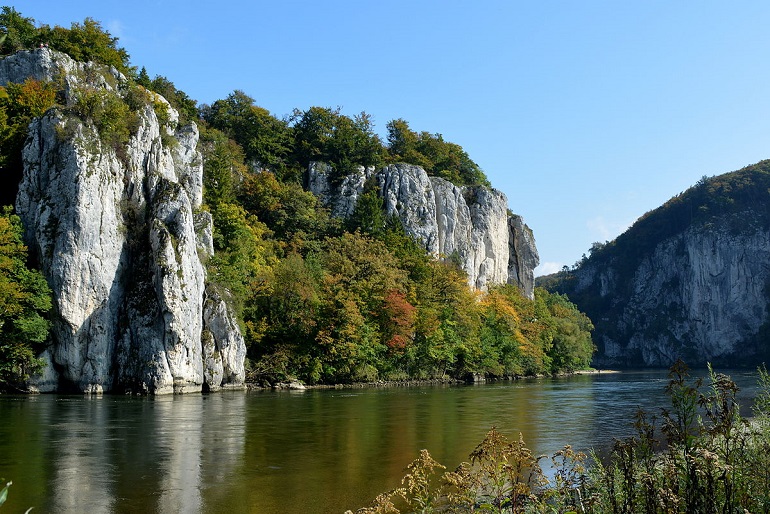
The Altmühl Valley is the fifth largest of Germany's 27 nature parks and covers an area of 2962 km². Its landscape is defined by the Altmühl river, which carves its way through the Jurassic limestone of the Franconian Jura. The park is characterized by gently undulating tablelands, sloping hillsides with juniper heaths, and steep valleys with precipitous limestone cliffs along the Altmühl River. Half of the park is wooded.
This region is also recognised for its significant fossil discoveries, including specimens of Archaeopteryx. Visitors can explore a network of trails for hiking and cycling, as well as paddle along the river, while the area is also home to numerous castles, palaces, and Roman ruins. The river is an excellent place for canoeing and kayaking, while the well-marked trails make it perfect for cycling or walking. The information centre is located in Eichstätt.
Geography and Landscape
Setting and Overall Character
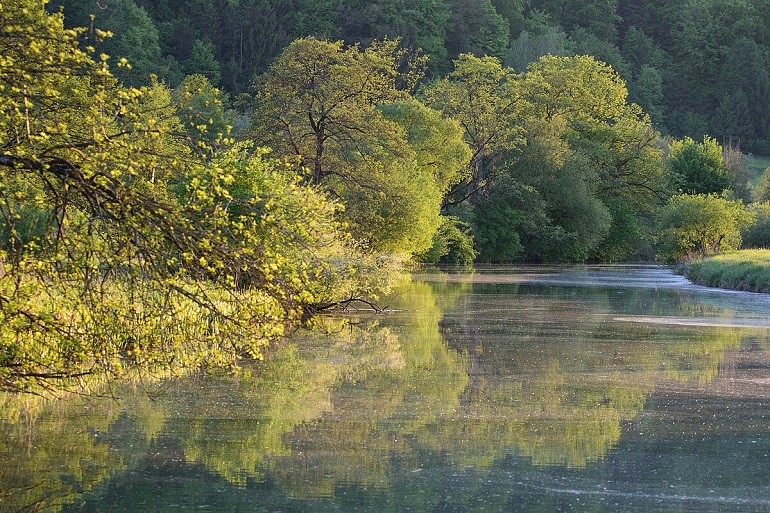
Altmühltal Nature Park stretches across the Southern Franconian Jura in Bavaria, immediately north of the Danube and broadly framed by the cities of Regensburg, Nuremberg, Augsburg and Ingolstadt. It is one of Germany’s largest nature parks, with a landscape defined by a high Jurassic limestone plateau incised by the meandering Altmühl River into a broad, picturesque valley system with distinctive rock scenery and gorges.
Geology and Landforms
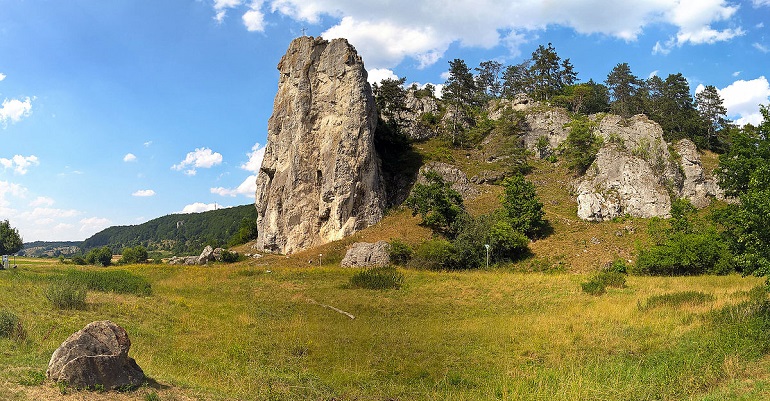
The park sits on White Jurassic limestone and dolomite, a legacy of an Upper Jurassic subtropical sea whose sediments formed today’s plateaux, cliffs and freestanding towers. Over time, weathering and river erosion sculpted striking formations such as the “Twelve Apostles” near Solnhofen, where dolomitic walls rise above the river corridor, and the Burgsteinfelsen towers between Dollnstein and Breitenfurt, recognised as a Bavarian geotope for its textbook exposure of marine limestones reshaped by ancient fluvial action from the palaeo-Danube and the Altmühl. The valley also shows classic karst features, including narrow rock gates, washouts, and dry side valleys carved in soluble limestone.
River Valley and Course
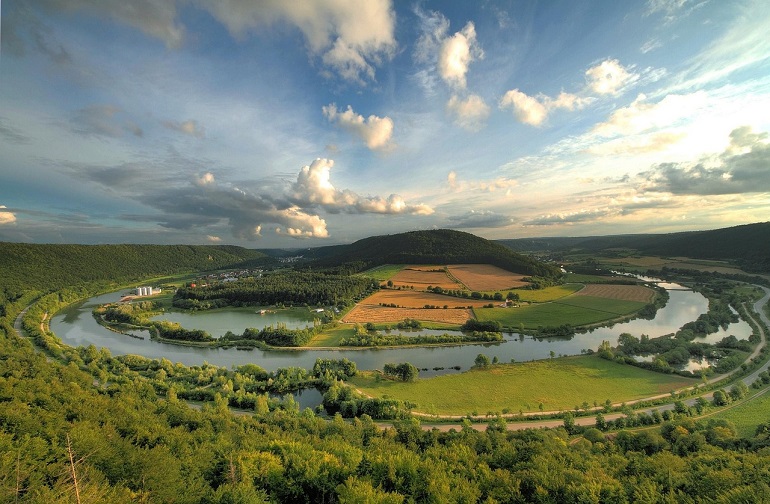
The Altmühl flows from the Franconian uplands towards the Danube at Kelheim, entering the nature park as a modest river that has cut a deep, winding trench through the limestone block of the Franconian Jura. Past Dollnstein, the valley opens dramatically into the “Urdonautal,” an ancestral Danube valley now partially occupied by the Altmühl and, in sections, preserved as the Wellheim dry valley. Downstream of Dietfurt, the Altmühl merges with engineered sections linked to the Rhine–Main–Danube Canal, a modern reconfiguration that straightened parts of the eastern valley while the upper and middle reaches retain their sinuous, natural floodplain character.
Notable Scenic Sections
- Eichstätt to Solnhofen: Rugged slopes, fossil-rich quarry landscapes, and prominent rock spurs loom above the river’s bends, offering frequent high viewpoints across the valley floor.
- Solnhofen to Eßlingen: The “Twelve Apostles” dolomitic cliffs form a hallmark skyline along the river and cycling trail corridors.
- Dollnstein corridor: Sheer limestone walls and towers, including the Burgsteinfelsen, dominate the northern valley side and exemplify Jura cliff-and-terrace relief.
- Kelheim approach: The valley transitions towards the Danube, where narrow rock passages and entrenched meanders illustrate the long interplay of fluvial incision and limestone structure across the Franconian Jura.
Human Imprint on the Landscape
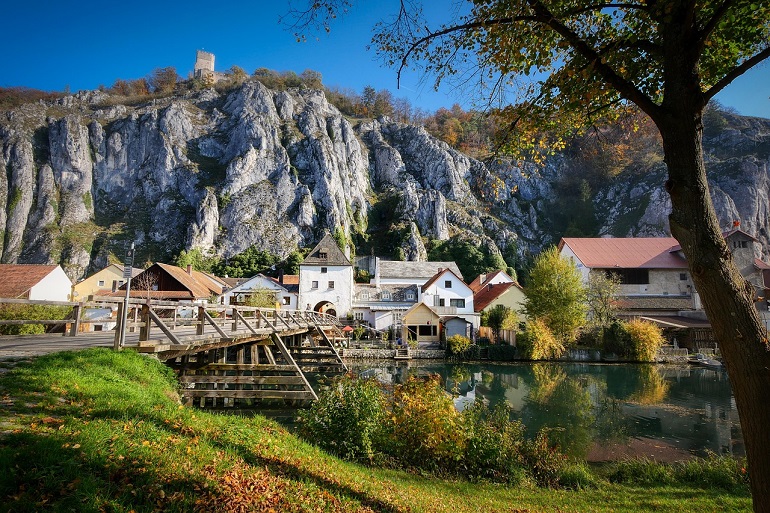
Centuries of river transport and corridor settlement have left a cultural layer woven into the topography: Roman frontier lines of the UNESCO-listed Limes once crossed the area, and historic towns such as Gunzenhausen, Treuchtlingen, Eichstätt and Beilngries occupy terraces and low spurs along the valley. The Altmühlsee near Gunzenhausen and associated water-transfer works sit at the edge of the park’s catchment, while the Rhine–Main–Danube Canal integrates parts of the downstream valley into a trans-European waterway, juxtaposing engineered corridors with the park’s classic Jurassic landforms.
Flora and Fauna
The Altmühltal Nature Park presents a fascinating blend of ancient geological history and thriving modern biodiversity. This remarkable region offers visitors a unique opportunity to explore both fossilised remains from 150 million years ago and the diverse flora and fauna that flourish there today.
A Living Fossil Museum
The park's most extraordinary claim to fame lies in its world-renowned fossil heritage. More than 900 different species of animals and plants have been uncovered in the Altmühltal Nature Park, making it a true palaeontological treasure trove. The region was once covered by a subtropical lagoon where ammonites, predatory fishes, and crocodiles populated the Jurassic sea, whilst dinosaurs roamed the dry land and pterosaurs dominated the skies.
The park is globally recognised as the "homeland of the Archaeopteryx" - remarkably, all fossils of this crucial evolutionary link between dinosaurs and modern birds have been found exclusively within the park's boundaries. Besides the famous Archaeopteryx, visitors can discover extraordinary specimens such as the Xaveropterus, a 72-centimetre-long baby predatory dinosaur found near Riedenburg, and the Juravenator starki, considered the best-preserved carnivorous dinosaur in Europe.
Contemporary Flora: From Juniper Fields to Ancient Forests
The park's modern landscape showcases a remarkable diversity of plant communities shaped by both natural processes and centuries of human cultivation. The most distinctive botanical feature consists of the characteristic fields dotted with junipers, which rank among the Altmühltal's most species-rich environments. These unique habitats developed when valley slopes were cultivated to create new pasturelands, resulting in today's quintessential park landscape.
The region supports diverse woodland communities, including natural beech forests and mixed woodlands. Visitors can explore dry grasslands alongside lush meadows that line the riverbanks, creating varied habitats that support numerous plant species. The park's geological foundation of limestone contributes to the development of specialised plant communities adapted to calcareous soils.
Modern Wildlife: A Haven for Biodiversity
Today's Altmühltal Nature Park provides crucial habitats for a wide variety of animal species across its diverse ecosystems of limestone formations, rivers, forests, and grasslands. The park's network of rivers, lakes, and streams creates ideal conditions for aquatic and semi-aquatic wildlife, whilst the extensive forests and grasslands support terrestrial species ranging from small mammals to impressive birds of prey.
The park's bizarre rock formations provide nesting sites for birds of prey, which take advantage of the elevated positions and relative isolation these geological features offer. The combination of rocky outcrops, deep valleys, forests, meadows, and dry grassland creates a mosaic of microhabitats that supports an exceptionally diverse range of species.
Aquatic Ecosystems and Wetland Life
The meandering Altmühl River and its tributaries form the backbone of the park's aquatic ecosystems. These waterways, along with associated wetland areas, provide essential breeding and feeding grounds for numerous species. The pristine quality of many waterways supports both native fish populations and the broader food web that depends upon healthy aquatic ecosystems.
Experiencing the Park's Natural Heritage
Visitors can explore this remarkable biodiversity through an extensive network of well-marked trails that extend for thousands of kilometres throughout the region. The park offers unique opportunities to experience both ancient and modern natural history, from fossil hunting in accessible quarries where visitors can search for ammonites and other fossilised remains, to wildlife watching in diverse contemporary habitats.
The integration of geological and biological heritage makes Altmühltal Nature Park exceptional amongst European protected areas. Here, the prehistoric past provides context for understanding current ecosystems, whilst modern conservation efforts ensure that this remarkable landscape continues to support thriving communities of plants and animals for future generations to discover and appreciate.
Activities and Attractions
The Altmühltal Nature Park offers an extraordinary array of activities and attractions for outdoor enthusiasts and culture seekers alike. This vast protected area combines stunning natural landscapes with remarkable historical treasures, making it one of Germany's most captivating destinations. Bavaria's largest nature park presents a unique interplay of gentle river valleys, dramatic limestone cliffs, and meticulously preserved cultural heritage.
Historic Towns and Cultural Treasures
The nature park is dotted with charming historic towns, each offering its own unique attractions dating back to different eras. Eichstätt stands as a jewel of the region, featuring its magnificent cathedral and the Prince-Bishops' Residence, whilst Kelheim serves as gateway to the famous Danube Gorge and houses the remarkable Asam Church at Weltenburg Abbey, built by the renowned Asam brothers.
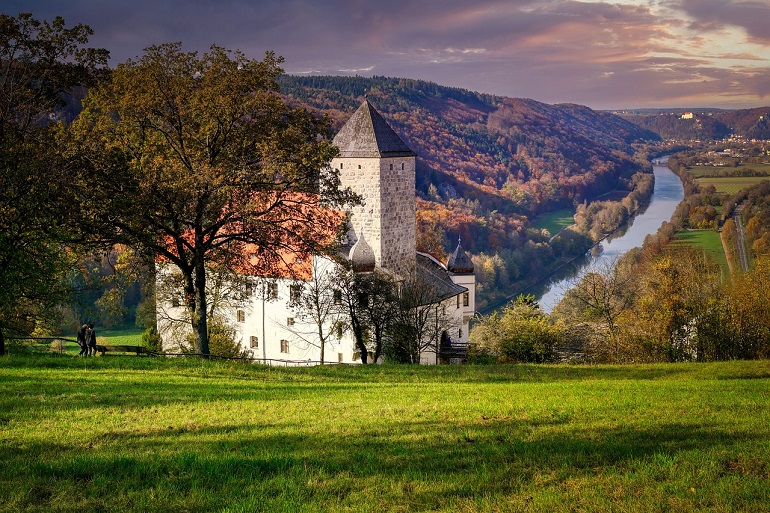
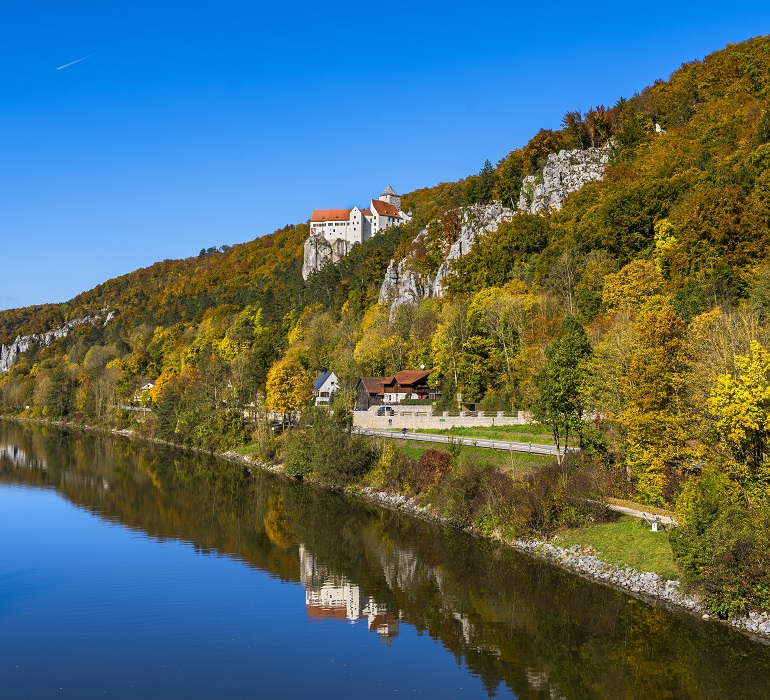
Medieval enthusiasts will find themselves drawn to the imposing castles scattered throughout the region, including Pappenheim Castle perched dramatically above the valley, and Prunn Castle near Riedenburg. The Rosenburg, known as the Falconry Castle, offers spectacular bird of prey demonstrations against the backdrop of the Altmühl Valley. These fortress ruins and palaces tell stories spanning centuries, with Celtic and Roman remains providing glimpses into the area's ancient past.
The picturesque town of Pappenheim deserves special mention, immortalised in Friedrich Schiller's Wallenstein trilogy with the famous line "I know my fellow Pappenheims." The town combines its historic castle ruins with charming local hospitality, making it an essential stop for cultural exploration.
Water-Based Adventures
The gently meandering Altmühl River provides the perfect setting for peaceful canoeing adventures. The boating route stretches nearly 120 kilometres between Gunzenhausen and Dietfurt/Töging, offering options for half-day excursions or multi-day expeditions. The river's gentle current makes it ideal for beginners and families, whilst experienced paddlers will appreciate the scenic variety along different sections of the waterway. Known as Bavaria's slowest river, the Altmühl encourages a leisurely pace that perfectly complements the region's tranquil atmosphere.
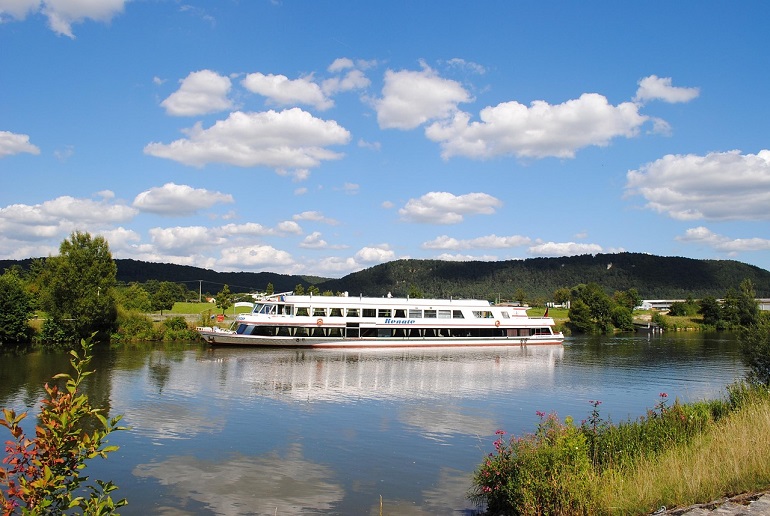
For those preferring a more relaxed approach to water-based sightseeing, six modern cruise ships operate various routes along the Altmühl and Main-Danube Canal. These cruises pass by romantic castles and landscapes, with some routes continuing along the Danube through the spectacular Danube breakthrough to Weltenburg Monastery. The boats accommodate bicycles free of charge, allowing for combined cycling and cruising adventures. This flexibility enables visitors to craft personalised itineraries mixing active exploration with restful river travel.
Underground Explorations
The region's geological wonders extend beneath the surface as well. The Schulerloch stalactite cave near Kelheim houses fascinating formations, including what may be a unique cupstalagmite water basin. Guided tours reveal the cave's dual significance as both a natural wonder and an archaeological site, having been inhabited by Neanderthals and Ice Age animals. During summer months, the cave's acoustics are showcased through atmospheric concerts that transform the ancient chambers into unique performance venues.
These underground spaces offer visitors a tangible connection to prehistoric times, where Stone Age settlements once thrived in the shelter of limestone caves. The combination of geological spectacle and archaeological significance makes cave exploration an essential component of any comprehensive park visit.
Fossil Hunting and Geological Discoveries
The Altmühltal's prehistoric significance cannot be overstated. Some 150 million years ago, this area was a subtropical island and lagoon landscape where dinosaurs roamed and pterosaurs soared. Today, visitors can explore this ancient world at the Solnhofen Museum, home to the world-famous Archaeopteryx fossil, and try their hand at fossil hunting in designated hobby quarries.
The fossil-rich limestone formations throughout the park provide amateur palaeontologists with genuine opportunities to discover prehistoric treasures. Professional guidance and designated quarrying areas ensure both safety and conservation whilst maintaining the excitement of uncovering ancient marine life preserved in stone.
Cycling Adventures
The family-friendly 166-kilometre Altmühl Valley Cycle Route offers cyclists of all abilities the chance to explore the region at their own pace. The route follows the river valley, providing gentle gradients and spectacular scenery throughout its length. The cycling infrastructure integrates seamlessly with the river cruise system, allowing cyclists to combine pedalling with boat travel for varied multi-day adventures.
Nordic Walking and Speciality Activities
Seven Nordic walking parks throughout the region provide professionally designed networks of trails for this increasingly popular fitness activity. The flat stretches and gentle inclines of the valley floor prove ideal for Nordic walking, whilst guided tours offer instruction for beginners and advanced techniques for experienced practitioners. The health benefits of Nordic walking combine perfectly with the therapeutic qualities of the park's natural environment.
Hiking Trails: The Heart of Outdoor Adventure
The Altmühltal Nature Park is a hiker's paradise, offering an extensive network of trails that showcase the region's diverse landscapes and rich heritage. From gentle riverside walks to challenging cliff-top scrambles, the hiking opportunities cater to every level of experience and interest. The park's status as one of Germany's premier hiking destinations stems from its carefully maintained trail network, exceptional waymarking, and the incredible variety of landscapes encountered within relatively compact areas.
The Altmühltal Panorama Trail: The Crown Jewel
The Altmühltal Panorama Trail stands as the region's premier long-distance hiking route and ranks among Germany's "Top Trails." This 200-kilometre trail follows the Altmühl River from Gunzenhausen to Kelheim, taking hikers through meadows dotted with ancient junipers, past romantic rock formations, and alongside historic cities and castles. The trail has earned its place among Germany's most prestigious hiking routes, offering an unparalleled combination of natural beauty and cultural significance.
The trail's design allows remarkable flexibility, divided into 15 distinct stages that can be tackled individually or combined according to personal preference and fitness levels. Each stage typically covers 10-15 kilometres, making them perfect for day hikes whilst maintaining the option for longer expeditions. The route has earned official certification as a "Qualitätsweg Wanderbares Deutschland" by the German Hiking Association, guaranteeing consistently high standards of waymarking, path quality, and scenic value.
Railway connections throughout the valley make the trail particularly accessible, allowing hikers to start and finish at different points without transport complications. The predominantly flat terrain, with only gentle ascents and descents, makes this trail suitable for hikers of moderate fitness whilst still providing rewarding challenges and spectacular viewpoints. Cumulative elevation gains remain manageable, with most stages featuring between 300-800 metres of ascent distributed over comfortable distances.
Detailed Stage Breakdown
The complete trail can be accomplished in various configurations, with most experienced hikers choosing either an 8-stage or 9-stage approach over 10-11 days. The classic 10-day itinerary includes:
- Stage 1: Gunzenhausen to Wolfsbronn (20km, 370m ascent) - Beginning at the Altmühlsee, this opening stage introduces hikers to the region's characteristic juniper heaths and provides the first taste of the limestone landscape that defines the entire route.
- Stage 2: Wolfsbronn to Treuchtlingen (22km, 350m ascent) - This section traverses varied terrain including agricultural landscapes and forested hillsides, offering excellent preparation for the more dramatic sections ahead.
- Stage 3: Treuchtlingen to Mörnsheim (21km, 560m ascent) - The ascent increases as the trail begins engaging more seriously with the limestone topography, providing the first significant cliff-top viewpoints.
- Stage 4: Mörnsheim to Eichstätt (25km, 840m ascent) - One of the most challenging but rewarding stages, this section combines the steepest climbs with arrival at the historic episcopal city of Eichstätt, renowned for its baroque architecture and cathedral.
- Stage 5: Eichstätt to Kipfenberg (29km, 810m ascent) - The longest single stage traverses some of the park's most pristine landscapes, passing reconstructed Roman and Celtic settlements along the way.
- Stage 6: Kipfenberg to Beilngries (26km, 440m ascent) - This section moderates in difficulty whilst maintaining spectacular valley views and opportunities to explore local history.
- Stage 7: Beilngries to Riedenburg (25-32km, 530-740m ascent depending on route choice) - Multiple path options allow hikers to choose between directness and scenic detours, with the longer route incorporating additional castle ruins and viewpoints.
- Stage 8: Riedenburg to Kelheim (22km, 580m ascent) - The dramatic finale approaches the Danube through increasingly impressive limestone gorges, culminating at Weltenburg Monastery and the famous Danube Breakthrough.
Dramatic Rock Formations and Signature Hikes
One of the trail's most celebrated sections leads to the Twelve Apostles (Zwölf Apostel), a striking formation of limestone pillars that stands as one of the Altmühltal's most recognisable landmarks. This geological masterpiece consists of the remains of an ancient reef belt from the Jurassic Sea, creating dramatic vertical columns that rise majestically from the valley floor. The 8-kilometre approach hike to reach this formation is considered essential for any serious exploration of the region, offering breathtaking panoramic views across the entire valley.
The limestone pillars themselves represent millions of years of geological history, with their vertical faces providing habitat for rare plants and nesting sites for birds of prey. The viewing platforms positioned strategically around the formation allow photographers and nature enthusiasts to capture the interplay of light and shadow across these ancient monuments throughout different times of day.
Challenging Mountain Trails
For those seeking more demanding terrain, the Jägersteig near Dollnstein provides an exhilarating contrast to the valley's gentler paths. This 6-kilometre route takes hikers over rocky cliffs, through narrow rock crevices, and up sharp climbs that reward with endless views across the Franconian landscape. The return journey follows a gentler valley route, creating a perfect loop that combines high-altitude drama with peaceful riverside walking.
This trail represents the more adventurous side of Altmühltal hiking, requiring sure-footedness and a head for heights. The rocky sections demand attention to foot placement, whilst the rewards include intimate encounters with the limestone geology that defines the region's character.
The Traumschleife Dollnstein-Wellheim offers another challenging alternative, combining elements of the longer panorama trail with unique local features whilst maintaining the elevated difficulty that serious hikers appreciate.
Themed Historical Trails
The nature park offers several themed hiking routes that combine walking with historical education, transforming simple exercise into immersive cultural experiences. The Mittelalterweg (Medieval Trail), Keltenweg (Celtic Trail), and Vorgeschichtsweg (Prehistoric Trail) each focus on different periods of human settlement in the region. These trails lead hikers to archaeological sites, ancient burial mounds, and reconstructed settlements whilst following well-maintained paths through diverse landscapes.
The Medieval Trail connects various castle ruins and fortified positions, explaining defensive strategies and daily life during the turbulent centuries following the Roman withdrawal. Interactive displays and information panels provide context whilst maintaining the trail's hiking integrity.
The Celtic Trail focuses on the La Tène period settlements that thrived in the valley's sheltered locations, with reconstructed buildings allowing visitors to experience Iron Age architecture and technology firsthand. Archaeological excavations continue to reveal new insights into Celtic society, making these trails particularly dynamic educational experiences.
The Prehistoric Trail encompasses the region's most ancient human occupation, from Neanderthal caves through early modern hunter-gatherer societies. The trail's route includes actual excavation sites where visitors can observe ongoing archaeological work during summer months.
Mystical and Spiritual Routes
The Kapellenweg (Chapel Trail) offers a more contemplative hiking experience, leading to the ruins of St. Ulrichs Chapel. This atmospheric route winds through dense forests to reach the abandoned chapel ruins perched mysteriously on a hilltop, providing both physical exercise and spiritual reflection. The trail's relative isolation means hikers often enjoy hours of solitude in pristine natural surroundings, with the ruins offering a powerful meditation on the passage of time and the persistence of human faith.
The Benediktusweg provides a spiritual dimension to hiking, connecting various monasteries and religious sites throughout the region. This trail combines gentle walking with opportunities for contemplation and exploration of the area's rich monastic heritage. Active monasteries along the route welcome pilgrims and hikers, offering accommodation and meals that provide authentic encounters with continuing religious traditions.
The Wallfahrerweg (Pilgrimage Trail) follows traditional pilgrimage routes used for centuries by faithful seeking spiritual renewal. These paths connect important religious sites whilst traversing some of the park's most serene landscapes, maintaining their sacred character through careful preservation and respectful development.
Speciality Loop Trails and Day Hikes
Beyond the major long-distance routes, the park features numerous shorter loop trails perfect for half-day adventures. These 20 loop trails cater to visitors with limited time or those preferring concentrated experiences over extended expeditions.
The Mühlenweg (Mill Trail) spans 25 kilometres, connecting historic mills along valley streams and providing insights into traditional crafts and early industrial development. Working mills continue operations along this route, offering demonstrations and fresh-ground flour for visitors.
The Schmetterlingsweg (Butterfly Trail) covers 11 kilometres through butterfly habitats, with timing coordinated to seasonal migrations and breeding cycles. The trail includes educational stations explaining lepidopteran lifecycles and conservation efforts.
The Waldlehrpfad (Forest Educational Trail) focuses on forest ecology and management practices, explaining the relationship between human activity and woodland health whilst traversing representative examples of different forest types.
The Wohlfühlpfad (Wellness Trail) incorporates elements of forest bathing and natural therapy, with strategically positioned meditation points and exercises designed to maximise the psychological benefits of woodland immersion.
Water and Mill Trails
The Wasser- und Mühlenweg (Water and Mill Trail) deserves special mention as a multi-day experience focusing on the region's relationship with water power and traditional industries. This route follows historic mill streams and waterways, explaining the technology that powered medieval communities whilst providing gentle walking alongside constantly flowing water.
Traditional mills continue operating along this route, offering accommodation and meals prepared with fresh-ground flour and traditional techniques. The sound of water wheels and mill stones provides a constant, meditative backdrop to hiking, whilst mill operators share knowledge passed down through generations of craftsmen.
Advanced Multi-Day Options
For serious hiking enthusiasts, several advanced multi-day options extend beyond the main Panorama Trail. The Urdonautalsteig provides an exciting journey through geological history, following the ancient Danube riverbed before the river's course was altered by tectonic activity. This trail requires strong navigation skills and wilderness experience but rewards with rarely visited landscapes and profound geological insights.
The Zeugenber Loop around Neumarkt offers particularly scenic terrain for experienced hikers comfortable with challenging navigation and extended wilderness camping. This route traverses the most remote sections of the park, providing genuine wilderness experiences increasingly rare in central Europe.
Navigation and Trail Maintenance
All major trails feature excellent waymarking with the characteristic red and yellow symbols of the Altmühltal Panorama Trail clearly visible throughout. Distance markers and directional signs appear at regular intervals, whilst detailed maps and information boards at major trail access points provide comprehensive route planning information. GPS coordinates are provided at key junctions, ensuring navigation confidence even in challenging weather conditions.
The trails traverse various protected areas and nature reserves, with some sections specifically designated for hiking only to preserve sensitive ecosystems and ensure walker safety. These restrictions are clearly marked and contribute to the exceptional preservation of the region's natural heritage. Trail maintenance follows strict environmental protocols, with path improvements designed to prevent erosion whilst maintaining the natural character essential to the hiking experience.
Regular quality assessments ensure continued certification standards, with volunteer trail wardens supplementing professional maintenance crews. This collaborative approach maintains exceptional trail standards whilst fostering community engagement with conservation goals.
Whether seeking gentle family walks, challenging mountain adventures, or multi-day expeditions, the Altmühltal Nature Park's hiking trail network provides some of Germany's finest walking experiences, all set against the backdrop of one of Europe's most spectacular limestone landscapes. The combination of natural beauty, cultural richness, and hiking infrastructure excellence makes this region an essential destination for serious outdoor enthusiasts and casual walkers alike.
Accommodation
Country Guesthouses and Inns
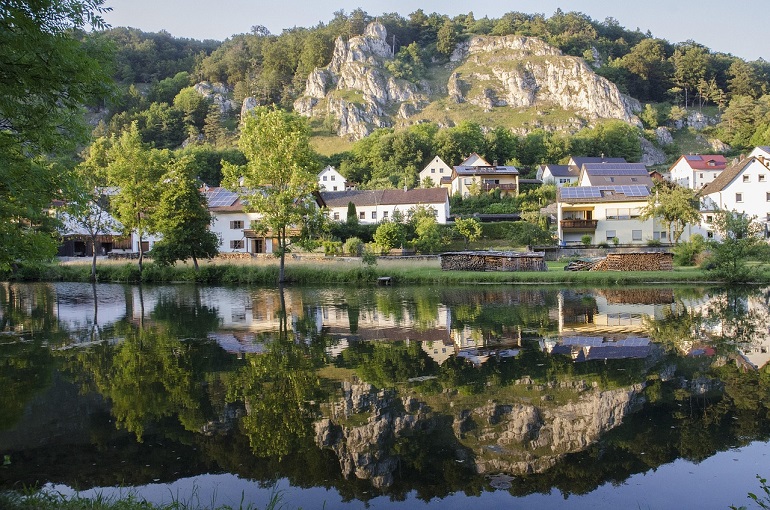
Nestled in villages and hamlets across the park, charming country guesthouses provide an authentic Bavarian experience. Often family-run, these properties offer cosy bedrooms decorated in traditional style, hearty home-cooked breakfasts and warm hospitality. Many are housed in historic farmhouses or timber-framed buildings, allowing guests to feel part of local village life. Morning walks through nearby woodlands or along the riverbanks are within easy reach.
Boutique and Countryside Hotels
For travellers seeking a bit more comfort and amenities, small boutique hotels scattered throughout the park combine modern touches with regional character. These properties typically feature en-suite rooms with views of the valley, on-site dining showcasing local produce, and sometimes wellness facilities such as saunas, hot tubs or spa treatments. Their central locations make them ideal bases for day trips to castle ruins, canoe excursions and cycling routes.
Self-catering Holiday Apartments
Self-contained apartments and holiday flats are increasingly popular for families and groups who value independence. Often set within converted farm buildings or purpose-built small complexes, these units include fully equipped kitchens, living areas and private terraces or gardens. Staying in self-catering accommodation allows guests to shop at local markets and prepare regional specialities in their own time, offering both convenience and immersion in rural life.
Farm Stays and Agritourism
Agritourism accommodations invite visitors to stay on working farms, where they can help feed animals, sample homemade cheeses and learn about traditional agricultural practices. This form of lodging often includes rustic yet comfortable rooms, participation in farm activities and freshly prepared meals featuring produce from the farm itself. Farm stays are particularly appealing to families with children and those wishing for an educational countryside experience.
Campsites and Glamping
The Altmühltal boasts several well-appointed campsites, many situated along the river or within wooded clearings. Facilities range from basic tent pitches to hard-standing spots for caravans and motorhomes, complete with electric hook-ups, sanitary blocks and small shop kiosks. For a touch of luxury, glamping options such as safari tents, yurts or wooden pods provide a romantic way to sleep under the stars with added comforts like real beds, lighting and heating.
Eco-friendly and Sustainable Options
Sustainability is a growing focus in the region, and eco-friendly accommodations can be found that employ renewable energy, use local building materials and offer organic breakfasts. These venues often adhere to green certification standards and may include features like solar panels, rainwater harvesting and composting toilets. Guests interested in low-impact travel will appreciate these environmentally conscious options.
Choosing the Right Location
When selecting accommodation, consider the type of experience desired:
- River Valley: Ideal for canoeing, kayaking and cycling along the water’s edge. Evening strolls by the riverbank are a highlight.
- Forest Edge: Suited to walkers and wildlife enthusiasts, with immediate access to hiking trails and birdwatching.
- Village Centre: Best for those who wish to explore local shops, cafés and cultural events on foot.
- Hilltop or Ridge: Offers panoramic views and a tranquil setting, though a car or bicycle may be necessary for daily excursions.
Booking Tips
- Seasonal Variations: Summer and autumn are peak times, so booking in advance ensures the best choice of accommodation. Spring offers springtime blossoms and quieter trails, while winter provides a peaceful retreat, especially for those who enjoy crisp, frosty landscapes.
- Group Rates: Many self-catering and farm-stay options offer discounts for larger groups or extended stays.
- Packages and Activities: Look for hosts who partner with local guide services for activities such as guided hikes, rock-climbing courses or canoe rentals, allowing you to combine lodging and adventure.
With its blend of traditional charm and modern comforts, the Altmühltal Nature Park offers accommodation options to suit every traveller’s needs. Whether seeking outdoor adventure, family-friendly fun or a peaceful countryside escape, visitors can find the perfect base from which to explore this enchanting German landscape.
Gastronomy
Traditional Franconian Flavours
The gastronomy here remains deeply rooted in Franconian tradition, characterised by hearty, rustic dishes that celebrate local ingredients. Game features prominently on menus throughout the region, with venison, wild boar, and rabbit prepared in time-honoured ways that showcase the abundant wildlife of the park's forests. These dishes are often accompanied by spätzle, the beloved hand-made egg noodles, or robust potato preparations that complement the rich, earthy flavours of the meat.
Freshwater fish from the Altmühl River and its tributaries provide another cornerstone of local cuisine. Trout, prepared simply with butter and herbs, reflects the clean waters of this pristine environment. Pike and carp are also regional specialities, often prepared according to generations-old recipes that highlight the natural sweetness of these freshwater varieties.
Seasonal Specialities
The park's varied landscape yields seasonal delicacies that define the culinary calendar. Spring brings wild asparagus (Bärlauch) and fresh herbs that transform simple dishes into aromatic celebrations of the season. Summer offers an abundance of berries and wild mushrooms, whilst autumn delivers the region's famous hop harvest, reflecting Bavaria's deep brewing traditions.
The area's limestone-rich soil proves particularly favourable for juniper cultivation, lending a distinctive Nordic flavour to many local preparations. Juniper berries appear in everything from marinades for game to distinctive regional spirits that warm visitors during the cooler months.
Brewing Heritage
As befits its Bavarian location, the Altmühltal boasts a rich brewing tradition. Small, family-run breweries dot the landscape, each producing distinctive beers that reflect local water sources and brewing techniques passed down through generations. The region's beer gardens, set beneath ancient lime trees or alongside the river, provide idyllic settings for sampling these local brews alongside traditional Bavarian fare.
Wheat beers and crisp lagers dominate the offerings, often served with pretzels baked to perfection in wood-fired ovens. The brewing tradition here extends beyond mere refreshment—it represents a cultural cornerstone that brings communities together and preserves centuries-old craftsmanship.
Contemporary Culinary Evolution
Modern gastronomy in the Altmühltal successfully marries traditional techniques with contemporary presentation and sustainability principles. Local chefs increasingly embrace farm-to-table philosophies, sourcing ingredients from the park's organic farms and wild spaces whilst maintaining respect for seasonal availability.
This evolution has seen traditional dishes refined and reimagined without losing their essential character. Ancient grains, once common in the region but forgotten during industrialisation, are experiencing a renaissance in both bread-making and brewing.
Artisanal Food Culture
The park supports a thriving artisanal food culture, with small-scale producers creating everything from traditional sausages to innovative preserves using wild fruits and herbs. Local markets showcase these products alongside fresh produce from the region's farms, creating opportunities for visitors to experience authentic flavours whilst supporting sustainable local agriculture.
Cheese-making, though less prominent than in Alpine regions, still flourishes here, with several producers creating distinctive varieties using milk from grass-fed cattle that graze the park's meadows. These cheeses often incorporate local herbs and reflect the limestone terroir that characterises the landscape.
Culinary Tourism Experience
The region's approach to culinary tourism emphasises authenticity and connection to place. Cooking classes often incorporate foraging expeditions, teaching visitors to identify and prepare wild ingredients that have sustained local communities for generations. Wine tastings feature varietals from nearby Franconian vineyards, where the unique Bocksbeutel bottle shape has become synonymous with regional wine culture.
Food festivals throughout the year celebrate specific ingredients or traditions, from asparagus in spring to game in autumn, providing visitors with immersive experiences that go beyond mere dining to encompass cultural education and community participation.
The gastronomy of Altmühltal Nature Park represents more than mere sustenance—it embodies a living connection between landscape, tradition, and community that offers visitors an authentic taste of Franconian culture whilst supporting the sustainable preservation of this remarkable natural environment.
Getting There and Around
Reaching Altmühltal Nature Park
The Altmühltal Nature Park, set in the heart of Bavaria, is well-connected and easy to access for travellers. Surrounded by major cities—Munich to the south, Nuremberg to the north, Augsburg to the west, and Regensburg to the east—it offers several convenient transport options.
By Train
The region is served by Germany’s efficient rail network. Key towns such as Kinding, Treuchtlingen, and Saal an der Donau provide railway access directly into the park. Travellers from Munich, Nuremberg, and Augsburg can reach these towns via direct train services. From Munich’s main station, for example, hourly trains travel towards the region, making stops in towns at the park’s edge.
By Road
Altmühltal Nature Park is also accessible by car, thanks to its proximity to the A9 and A3 motorways. This central location allows for straightforward drives from surrounding metropolitan areas. Well-signposted roads lead into the park, making self-driving a flexible option.
By Bus
Coach and regional bus services connect the park with nearby towns and cities. From spring to autumn, leisure bus routes (such as the VGN leisure lines) operate within the park, linking attractions, trailheads, and villages, a handy feature if you prefer public transport over driving.
By Air
The nearest major airports are in Munich and Nuremberg. From either airport, you can continue your journey by train or hire a car to reach the park.
Getting Around the Altmühltal Nature Park
Once inside the park, you will find a range of transport options suitable for exploring its scenic landscapes, picturesque villages, and various attractions.
Walking and Hiking
The park is renowned for its extensive network of walking trails, especially the famous Altmühltal-Panoramaweg. This route, alongside shorter loops, offers well-marked paths suitable for strolls or multi-day hikes, all supported by public transport connections to trailheads.
Cycling
Cycling is especially popular, with the Altmühl Cycle Route (Altmühltal-Radweg) stretching 166 km across the park and following the river through serene countryside. Cycle paths are generally flat and family-friendly, with towns along the route offering bicycle rentals for visitors.
Canoeing
For a different perspective, canoeing on the gentle Altmühl river allows you to discover the landscape from the water. Several towns along the river have providers renting out canoes for day trips or longer excursions.
Public Transport and Leisure Buses
From spring to autumn, leisure buses run within the park, connecting hiking trailheads, cycle paths, and visitor attractions. This seasonal service is highly convenient, especially for one-way hikes or rides, making it possible to explore the park without needing a personal vehicle.
Car Hire and Driving
Hiring a car is another option for flexible exploration, particularly if you wish to venture between villages or out-of-the-way sights that are less accessible by bus or train. Several car hire services operate in the larger towns at the park’s edge.
Summary
In essence, the Altmühltal Nature Park is extremely accessible, whether by train, car, or bus, and offers ample ways to get around—walking, cycling, canoeing, and public transport each providing unique ways to experience the park’s natural beauty and rich culture.
Best Time to Visit
Spring: Nature's Awakening (April - May)
Spring emerges as one of the most rewarding times to explore the Altmühltal. As winter's grip loosens, the valley transforms into a vibrant tapestry of fresh greens and colourful wildflowers. The lengthening days and warming temperatures create perfect conditions for dusting off walking boots and bicycles after the winter months.
The lush meadows burst with small, colourful blooms, whilst the trees regain their verdant canopy. This season offers comfortable weather for outdoor activities without the need for heavy waterproof clothing, making it ideal for those eager to reconnect with nature after winter's confinement. The temperatures are pleasantly mild, and whilst occasional spring showers may occur, they typically don't persist long enough to disrupt outdoor plans.
Summer: Peak Season Adventures (June - September)
Summer represents the height of activity in the Altmühltal Nature Park, with daily average temperatures ranging from 20-25°C. This period offers the most stable weather conditions and longest daylight hours, making it perfect for extended cycling tours along the 166-kilometre Altmühl Valley Cycle Route or multi-day hiking adventures on the panoramic trails.
The warm weather opens up all outdoor possibilities, from canoeing on the gently flowing Altmühl River to exploring the fascinating fossil quarries where visitors can search for 147-million-year-old treasures. However, summer's popularity means this is the busiest time for tourists, particularly during July and August when cycling enthusiasts flock to the well-maintained paths.
Autumn: A Photographer's Paradise (October - November)
Autumn transforms the Altmühltal into a spectacular canvas of golden and amber hues. This season offers some of the most breathtaking scenery as forests don their autumn colours and the golden sun creates magical lighting conditions on the river's surface. The cooler temperatures make hiking particularly enjoyable, whilst the dramatic seasonal changes provide endless photographic opportunities.
The autumn months present ideal conditions for exploring the park's themed trails and taking in the panoramic views from the limestone cliffs. Although temperatures drop and occasional rain showers occur, the spectacular foliage display and the crisp, clear days more than compensate for the cooler weather.
Winter: Serene Beauty (December - March)
Winter blankets the Altmühltal in a different kind of magic. The landscape transforms into a serene wonderland with frozen lakes, frost-covered juniper heathlands, and snow-dusted rock formations creating an enchanting atmosphere. This quieter season appeals to those seeking peaceful winter walks and intimate encounters with the park's natural beauty.
The park provides excellent conditions for winter sports enthusiasts, including cross-country skiing, sledging, and ice skating opportunities. Animal tracks in the snow add an element of wildlife discovery, whilst the stark beauty of the limestone cliffs against winter skies offers a completely different perspective on this ancient landscape.
Optimal Visiting Periods
For the most versatile experience, plan your visit between April and October when all facilities and activities are fully operational. Those seeking the perfect balance of good weather and fewer crowds should consider late spring (May) or early autumn (September-October), when comfortable temperatures combine with spectacular natural displays.
Summer visitors should book accommodations well in advance due to peak season demand, whilst autumn travellers will find excellent hiking conditions and the park's most photogenic period. Winter explorers can enjoy the tranquil beauty and winter sports opportunities, though some facilities may have reduced hours.
The continental climate means weather can vary depending on specific location and altitude within the park, so layered clothing is recommended regardless of season. The park's diverse offerings ensure that whenever you choose to visit, the Altmühltal Nature Park will provide memorable experiences amidst some of Germany's most captivating natural scenery.
Conservation and Responsible Tourism
Conservation Achievements and Natural Heritage
The nature park, established in 1969, has dedicated itself to preserving unique habitats and landscapes whilst educating visitors about the region's extraordinary natural features. The park's most famous conservation achievement centres around its world-renowned fossil sites, particularly as the "homeland of the Archaeopteryx", where these crucial evolutionary fossils linking reptiles to birds have been discovered exclusively within the park's boundaries.
The conservation efforts extend beyond fossil preservation to protecting diverse ecosystems. The park safeguards dry grasslands, natural beech forests, juniper heathland, and lush riverside meadows. These varied habitats support rare species and maintain the ecological integrity of the Jurassic landscape, where limestone formations continue to reveal secrets from millions of years ago when an ancient ocean covered this region.
Sustainable Tourism Infrastructure
The park has developed an exemplary model of sustainable tourism that balances environmental protection with visitor access. The infrastructure includes carefully planned trails that minimise environmental impact whilst maximising visitor experience. The Altmühltal-Panoramaweg hiking trail and the 166-kilometre Altmühl Cycle Route follow traffic-separated paths, making them particularly family-friendly whilst reducing carbon emissions from motor vehicle use.
Water-based tourism operates under strict environmental guidelines, with canoeing on the gently meandering Altmühl river providing low-impact access to the park's natural beauty. The river route allows visitors to experience the landscape from a unique perspective whilst maintaining minimal ecological disruption.
Accommodation and Visitor Management
The park promotes environmentally conscious accommodation that emphasises proximity to nature. Options range from traditional hotels and guesthouses to innovative sustainable lodging such as tree hotels, shepherd wagons, and floating holiday apartments. These accommodations are strategically located to provide comfortable access to hiking and cycling routes whilst minimising environmental footprint.
Comprehensive rest areas for recreational vehicles and designated camping areas for young groups ensure that all visitors can enjoy the park responsibly. The accommodation network supports the local economy whilst maintaining environmental standards that protect the park's delicate ecosystems.
Educational Conservation Programmes
The park operates extensive educational initiatives through fossil museums, stone quarries, and the Altmühltal Nature Park Visitors Centre in Eichstätt. These facilities provide visitors with deep insights into the region's geological history and current conservation efforts, fostering environmental awareness and appreciation for sustainable tourism practices.
Guided tours and self-guided trails incorporate conservation education, teaching visitors about the importance of protecting juniper heathland, rare fossil sites, and diverse wildlife habitats. This educational approach ensures that tourism contributes to conservation awareness rather than merely consuming natural resources.
Regional Integration and Community Benefits
The park exemplifies community-based destination management, where various stakeholder relationships create mutual benefits for conservation and local communities. The tourism infrastructure supports local economic cycles, organic farming initiatives, and traditional crafts, ensuring that responsible tourism directly benefits regional communities.
The park's strategic location between major Bavarian cities allows for excellent public transport access, reducing the carbon footprint of visitor travel. Seasonal leisure bus services operate within the park from spring to autumn, further minimising private vehicle use and environmental impact.
Future Sustainability Commitment
The Altmühltal Nature Park continues to develop contemporary and sustainable solutions that address the ongoing challenges of balancing technology, tourism, and nature conservation. The park's 50-year track record demonstrates that environmental protection and sustainable tourism can create a successful model that benefits wildlife, landscapes, local communities, and visitors alike.
Through careful planning, educational programmes, and community engagement, the Altmühltal Nature Park serves as an exemplary destination where conservation and responsible tourism work hand in hand to protect Bavaria's natural heritage for future generations.
Visitor Centres and Educational Facilities
Overview
The Altmühltal Nature Park spans nearly 3,000 square kilometres in the heart of Bavaria and is among Germany’s largest nature parks, combining river landscapes, juniper heathland, striking rock formations and deep cultural layers from the Romans to baroque towns. It’s an ideal region for cycling the 166-kilometre Altmühl Valley route, hiking panoramic trails, canoeing gentle waters, and exploring fossil-rich geology, Roman Limes heritage and the Danube Gorge from Weltenburg Abbey. Visitor centres in Eichstätt and Treuchtlingen serve as excellent starting points, pairing orientation and trip-planning with hands-on exhibitions and local insight.
Altmühltal Nature Park Information Centre, Eichstätt
Housed in the former Notre Dame complex in Eichstätt, the park’s main Information Centre combines a modern exhibition on the region’s nature, culture and history with a biotope garden, an environmental hub, and full visitor services at the counter. Across two floors, displays blend classic museum elements with multisensory stations for listening, touching and discovery; highlights include a look into a doline’s interior and the gentle soundscape of a “stone channel,” evoking hallmark karst features of the Jura landscape. The upper level pivots to culture, from carnival figures to Romans and knights, with audio capturing the area’s dialect diversity; children follow the exhibition via the “Fossi and Juvi” characters and a playful “Entdeckerquiz” trail. The dome gallery invites a pause beneath a baroque fresco with music by composers connected to the region, creating a contemplative transition between themes.
A recent upgrade includes a multimedia information station: a 3D-printed relief model with projector overlay and touch screen allows visitors to explore themes across Nature & Geology, Leisure & Recreation, and Culture & History. It visualises protected areas, trail networks and museum locations, helping plan outings dynamically within the park’s geography. The centre also provides comprehensive trip-planning support, printed materials and on-the-spot advice.
- Address and contact: Notre Dame 1, 85072 Eichstätt; central information and enquiries are handled by the Altmühltal Nature Park team.
- Seasonal operation: the exhibition and biotope garden close from November until the Bavarian Easter holidays; the tourist information remains open, with limited access to the former monastery church.
Treuchtlingen Information Centre (Stadtschloss)
Set within Treuchtlingen’s Renaissance town palace, this centre offers free exhibitions introducing the park’s landscapes and human story: settlement history, Altmühltal geology with fossils, and links to the nearby Ries Geopark. A nature experience room and changing exhibitions enrich the visit, and the on-site spa and tourist information provides practical support for routes on foot, by bike or coach, often led by certified Nature Park guides. The historic setting and regularly updated displays make it a convenient launch pad for exploring the park’s western and central sectors.
- Exhibitions: Nature Park Altmühltal overview, regional settlement history, fossils and geology; nature experience room; rotating shows.
- Access and fees: exhibitions are free during tourist information opening hours.
- Typical hours: Monday–Friday 09:00–12:00 and 13:00–17:00; Saturdays 09:00–13:00 from April to September.
What These Centres Offer Travellers
- Trip planning and orientation: Staffed counters provide route suggestions, maps, accommodation help and ideas for themed excursions across nature, leisure and culture.
- Immersive learning: Multisensory exhibits bring karst, rivers and juniper heaths to life, while cultural galleries link Romans, medieval heritage and local traditions to present-day towns.
- Family-friendly interpretation: Child-focused trails, tactile stations and approachable storytelling support visits with children and mixed-age groups.
- Technology-enhanced exploration: Eichstätt’s 3D relief with projected overlays helps visualise trails, protected zones and sights across the park for smarter daily itineraries.
- Local connections: Guidance extends to regional highlights such as Roman Limes sites, fossil quarries and museums, as well as scenic classics like the Danube Gorge near Weltenburg Abbey.
Wider Educational Landscape
Beyond the centres, the park’s museums and fossil sites illuminate geology and deep time, while Roman Limes locations and reconstructed villas interpret frontier life and agriculture; Eichstätt itself is recognised as the park’s cultural and administrative centre with rich ecclesiastical and baroque heritage linking straight into the park story. The park’s breadth—river corridors, rock pinnacles, historic towns and Abbeys—offers a layered curriculum for field-based learning, from geomorphology to cultural history, all easily connected through the visitor hubs in Eichstätt and Treuchtlingen.
Practical Notes
- Eichstätt Centre: expect seasonal closures of the exhibition area and garden in winter; tourist information remains available for advice and bookings during this period.
- Treuchtlingen Centre: plan visits within tourist information hours; exhibitions are free, with additional information on guided walks and group programming available on site.
- Contact: The Nature Park’s central information team in Eichstätt can assist with itineraries and materials for cycling, hiking, canoeing and cultural touring throughout the region.
Each centre is designed to be more than an information desk: they are gateways into the Altmühltal’s landscapes and stories, making them essential first stops for a well-informed and rewarding visit.


