



| Contents |
|---|
Introduction
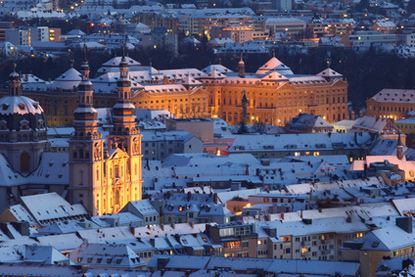
Würzburg (pop. 133,000) is a historic city situated along the Main River about 120 km southeast of Frankfurt. Founded by Celts and first mentioned in 704 CE, Würzburg was the seat of a wealthy and powerful Prince-Bishopric until 1801. The city is renowned for its Baroque architecture, particularly the UNESCO World Heritage-listed Würzburg Residence with its Court Gardens, one of the grandest baroque palaces in Europe and a definite highlight of Germany. The cityscape features significant landmarks including the Marienberg Fortress, the 180-meter-long Old Main Bridge, and St. Kilian Cathedral, the fourth largest Romanesque church in Germany. The city is also a center of wine production in the Franconia region, known for its mineral-rich dry white wines, and houses the Julius-Maximilians-University, founded in 1582.
Interesting Facts about Würzburg
- Würzburg is home to the UNESCO-listed Würzburger Residenz, a Baroque palace famed for Tiepolo’s vast staircase fresco and recognised since 1981.
- The city’s Marienberg Fortress crowns a hill above the Main River and contains one of Germany’s oldest churches with origins traditionally dated to 706.
- Würzburg sits at the northern end of Germany’s Romantic Road and is surrounded by renowned Franconian vineyards.
- First mentioned in 704 and a bishopric by the 740s, Würzburg long served as a powerful ecclesiastical centre in Franconia.
- Physicist Wilhelm Conrad Röntgen discovered X-rays in Würzburg in 1895, a breakthrough that transformed medicine.
- Much of Würzburg’s historic core was devastated by bombing in March 1945, followed by an extensive post-war reconstruction.
- The Alte Mainbrücke, lined with statues of saints and rulers since the 1730s, links the old town to the river’s left bank.
- Balthasar Neumann, a leading Baroque architect, shaped the city with works including the Residenz and the pilgrimage church Käppele.
- Würzburg’s university was refounded in 1582 by Prince-Bishop Julius Echter and remains a major institution in the city.
- Koenig & Bauer, founded in Würzburg in 1817, became the world’s first manufacturer of steam-powered printing presses.
History
Würzburg's ancient origins stretch back to the Bronze Age. In the Iron Age it was the site of a Celtic settlement known as Segodunum. The hill that now supports the Fortress Marienberg was first occupied by the Urnfield culture during the Bronze Age, later becoming a Celtic refuge castle and subsequently a Roman fort. Following the collapse of Roman power, Alamanni settlers arrived in the 4th or 5th century, followed by the Franks in the 6th to 7th centuries. By approximately 650, Würzburg had become the seat of a Merovingian duke. The city's Christian conversion began in 686 when Irish missionaries Saint Kilian, Kolonat and Totnan arrived to spread Christianity. The first official written mention of the city appears in a donation document dated 1 May 704, where it was recorded as "castellum Virteburch".
The medieval period marked Würzburg's transformation into a major ecclesiastical centre of power. Saint Boniface established the first diocese in 742, appointing Saint Burkhard as the first bishop. By the 12th century, the bishops had achieved secular authority over eastern Franconia, creating a powerful prince-bishopric that would dominate the region for centuries. The city hosted several Imperial Diets, including the significant assembly of 1180 where Henry the Lion, Duke of Saxony and Bavaria, was banned from the Empire and Bavaria was transferred to Otto of Wittelsbach. The University of Würzburg was first founded in 1402 but closed after a few years, only to be permanently re-established in 1582 by Bishop Julius Echter von Mespelbrunn. However, this period was also marked by violence against the Jewish community, with massacres occurring in 1147 and 1298, the latter killing approximately 900 Jews during the Rintfleisch persecutions. The citizens repeatedly revolted against episcopal rule, culminating in the Battle of Bergtheim in 1400, after which the city remained permanently under the prince-bishop's control.
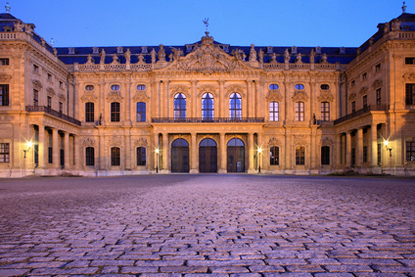
The early modern period brought both triumph and tragedy to Würzburg. Between 1626 and 1631, the city witnessed one of history's largest peacetime mass trials during the Würzburg witch trials, when an estimated 600 to 900 alleged witches were executed under Bishop Philip Adolf until Swedish King Gustaf Adolf invaded and ended the burnings in 1631. The 18th century represented the pinnacle of the prince-bishops' power and wealth, culminating in the construction of the magnificent Würzburg Residence between 1720 and 1744, designed by Balthasar Neumann with famous frescoes by Giovanni Tiepolo. This Baroque masterpiece became a UNESCO World Heritage site in 1981. The prince-bishopric was secularised in 1803 during the Napoleonic reorganisation, with the city passing to Bavaria in 1803, briefly becoming the seat of the Grand Duchy of Würzburg from 1805 to 1814 before returning permanently to Bavaria. The 19th century brought industrial development, including the founding of Koenig & Bauer in 1817, the world's first steam-driven printing press manufacturer.
Main Attractions
Old Town
Würzburg Residence
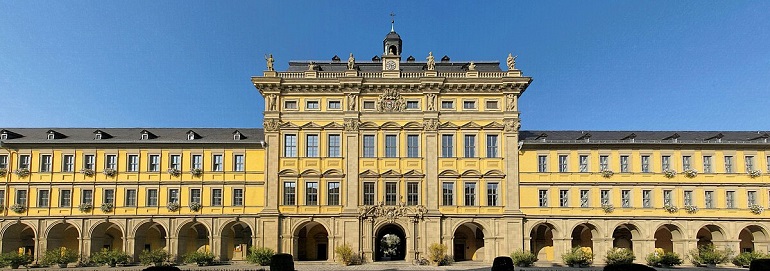
The Würzburg Residence stands as the crown jewel of Bavarian Baroque architecture, this UNESCO World Heritage Site commissioned in the 18th century for the prince-bishops. The palace showcases opulent interiors including Giovanni Battista Tiepolo's magnificent ceiling frescoes and Balthasar Neumann's architectural genius. Visitors can explore the grand Imperial Hall, the resplendent White Hall, and the Mirror Cabinet with its intricate Rococo decorations. The Residence represents one of Europe's finest examples of palatial architecture, seamlessly blending German Baroque with French château influences.

Court Garden (Hofgarten)
Adjacent to the Residence, the Court Garden (Hofgarten) exemplifies the perfect marriage of Baroque and English landscape design. These formal gardens feature meticulously maintained parterres, ornamental fountains, and tree-lined avenues that invite leisurely exploration. The gardens showcase beautifully designed flower beds, decorative sculptures, and peaceful alcoves where visitors can rest whilst admiring the harmonious blend of architectural elements and natural beauty.

Market Square (Marktplatz)
Market Square (Marktplatz) pulses as the vibrant heart of Würzburg's Old Town, surrounded by beautifully preserved medieval and Baroque buildings with diverse architectural facades. The square hosts daily open-air markets where visitors can discover fresh local produce, traditional crafts, and regional specialties. Street performers add to the lively atmosphere, whilst numerous cafes and restaurants provide perfect vantage points for people-watching and soaking up the authentic Franconian ambiance.
Falkenhaus
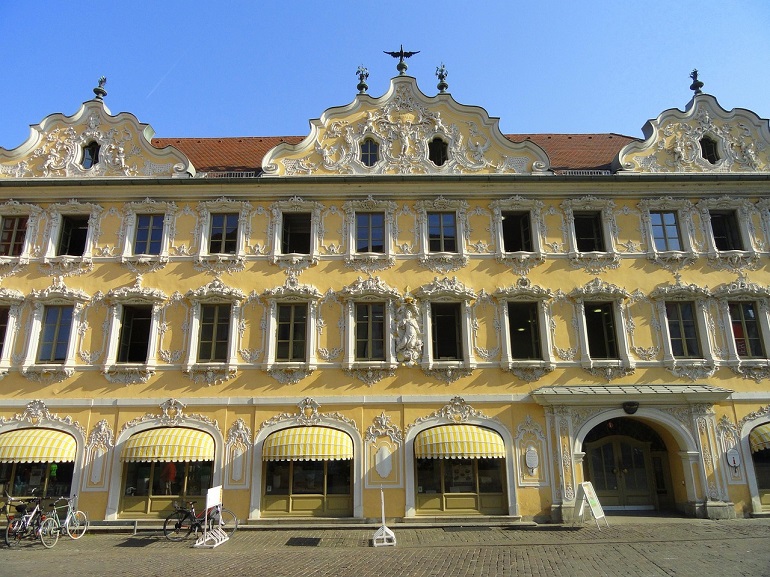
Located on Würzburg's main market square, the Falkenhaus, or House of the Falcon, is an architectural highlight renowned for its magnificent Rococo facade, which is often considered one of the most beautiful in southern Germany. The building's history dates back to 1338 when it served as a residence for a cathedral priest. In 1735, it was purchased by an innkeeper and became the "Zum Falken" inn. The iconic, three-gabled stucco facade was added in 1751 by the innkeeper's widow. The building was completely destroyed during a bombing raid on March 16, 1945, but was meticulously reconstructed in the early 1950s based on old photographs. Today, the Falkenhaus serves as a central point for visitors, housing the city's tourist information office and public library.
Marienkapelle
Located in the Market Square, the Marienkapelle is a stunning example of Gothic architecture dating back to the 14th century. This historic chapel has been damaged and rebuilt several times throughout its history, with the most recent restoration completed between 1996 and 2003. Despite its turbulent past, the chapel remains a significant landmark, admired for its striking red and white exterior and intricate design details. A visit offers a moment of peace and a chance to appreciate its historical and architectural significance in the heart of the old town.

Würzburg Cathedral
Würzburg Cathedral dominates the cityscape with its twin towers and stands as Germany's fourth largest Romanesque church, dedicated to St. Kilian. This 11th-century architectural marvel houses remarkable bishops' tombs, including those of Rudolf von Scherenberg and Lorenz von Bibra, alongside Balthasar Neumann's exquisite Schönborn Chapel from 1721-36. The cathedral contains treasures such as the 1279 baptismal font, a spectacular seven-armed candelabra, and the historic Lobdeburg Bell from 1257, which tolls every Friday at 3pm in memory of Christ's crucifixion. The accompanying Museum am Dom displays over 770 artifacts spanning the cathedral's thousand-year history.

Old Town Hall (Rathaus)
The historic Old Town Hall (Rathaus) near Market Square showcases a fascinating blend of Gothic, Renaissance, and Baroque architectural styles, serving as both a cultural centre and exhibition venue. The building's grand staircase and decorated chambers reflect centuries of civic pride, whilst its displays about the devastating WWII bombing that destroyed over 90% of the Old Town provide poignant historical context. The annual commemoration marked by the rising of church bells serves as a moving reminder of the city's resilience and reconstruction.
Old Main Bridge (Alte Mainbrücke)
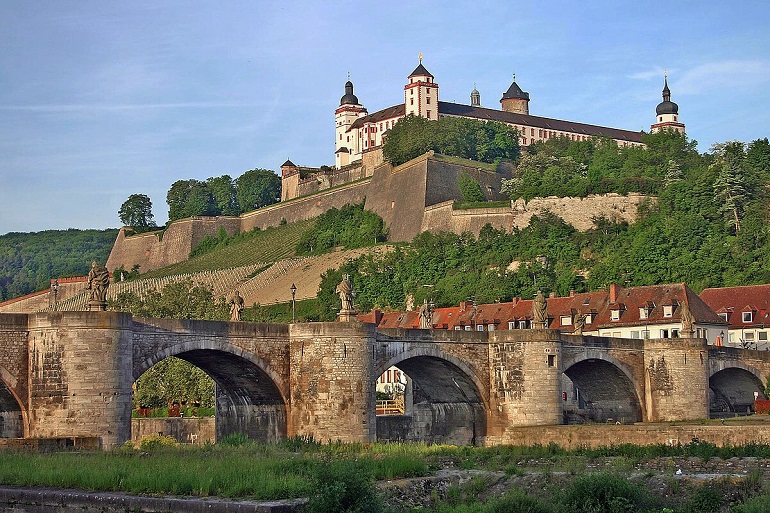
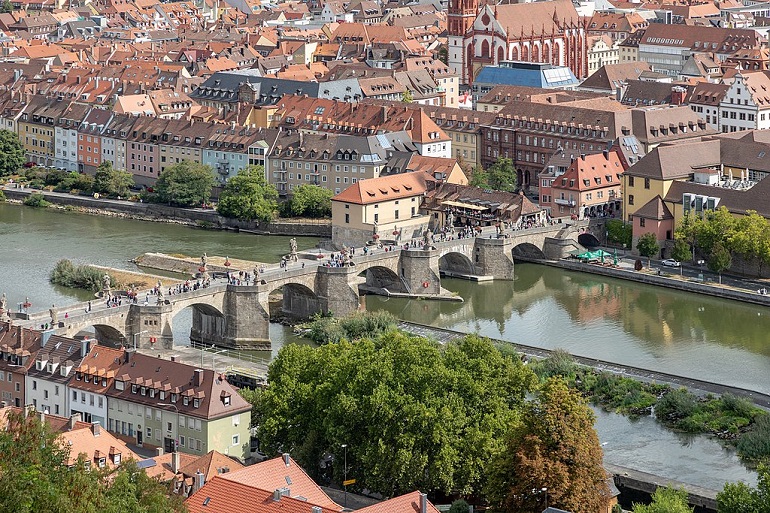
The Old Main Bridge serves as Würzburg's most iconic pedestrian crossing, dating to the 15th century and adorned with twelve impressive Baroque statues of saints and local dignitaries. This 180-metre stone bridge connects the historic Old Town with the left bank districts and offers spectacular views of Marienberg Fortress, the Käppele church, and surrounding vineyards. The bridge becomes particularly enchanting at sunset when locals and tourists gather to socialise, creating a vibrant atmosphere that has made it one of Germany's most beloved historic bridges.
Alte Mainmühle
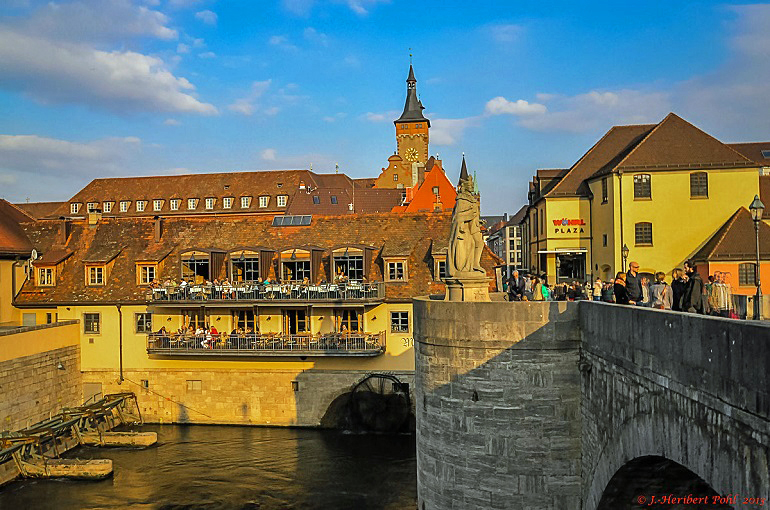
At the end of the Old Main Bridge stands the Alte Mainmühle, a historic mill transformed into a rustic restaurant and wine bar. It is famous for serving local Franconian wine to patrons who gather on the bridge, a tradition that has become an integral part of Würzburg's culture. You can order a glass of wine from a window and enjoy it while taking in the panoramic views of the River Main, the Marienberg Fortress, and the city skyline. During the Christmas season, they also serve Glühwein, adding to the festive atmosphere.
Stiftung Juliusspital
For those seeking cultural immersion beyond traditional sightseeing, the Stiftung Juliusspital offers cellar tours and wine tastings in an elegant historic wine estate that has operated since 1576. This combination of healthcare institution and winemaking tradition provides unique insights into Würzburg's multifaceted heritage.
Alter Kranen (Old Cranes)
The historic Alter Kranen (Old Cranes) near the Old Main Bridge represent fascinating industrial heritage, built in 1773 to load and unload cargo from vessels navigating the River Main. These remarkably well-preserved wooden cranes, last used in 1846, serve as impressive examples of 18th-century engineering and provide excellent photographic opportunities against the backdrop of the medieval cityscape.
West of the Main River
Marienberg Fortress
Perched majestically above the River Main, Marienberg Fortress represents over 500 years of history as the former seat of Würzburg's prince-bishops. This massive 13th-century fortress complex houses the Museum für Franken with its exceptional collection of Tilman Riemenschneider's woodcarvings and sculptures. Visitors can explore the Bibra Apartment with its fine furniture and tapestries, the imposing Maschikuli Tower, the Baroque Armoury from 1712, and the ancient St. Mary's Church dating to the 11th century. The fortress's Princes' Garden provides breathtaking panoramic views across Würzburg and the Main valley.

St. Burkard Church
St. Burkard Church occupies a prominent position below Marienberg Fortress on the left bank of the Main, dating to the 11th century as one of Würzburg's oldest parish churches. The nearby Burkarder Tor, a splendid city gate built in 1680, marks the entrance to pedestrian and cycling tunnels connecting historic neighbourhoods.
Japanese Garden
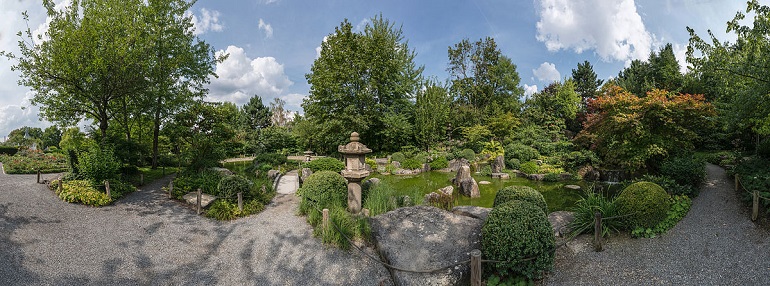
Würzburg's Japanese Garden presents an authentic oasis of Eastern tranquillity, featuring traditional landscaping elements including serene ponds, graceful bridges, and meticulously arranged flora. This beautifully maintained space demonstrates the artful fusion of Japanese horticultural principles with Franconian natural beauty, providing visitors with a meditative environment perfect for quiet contemplation and cultural appreciation.
Käppele Sanctuary
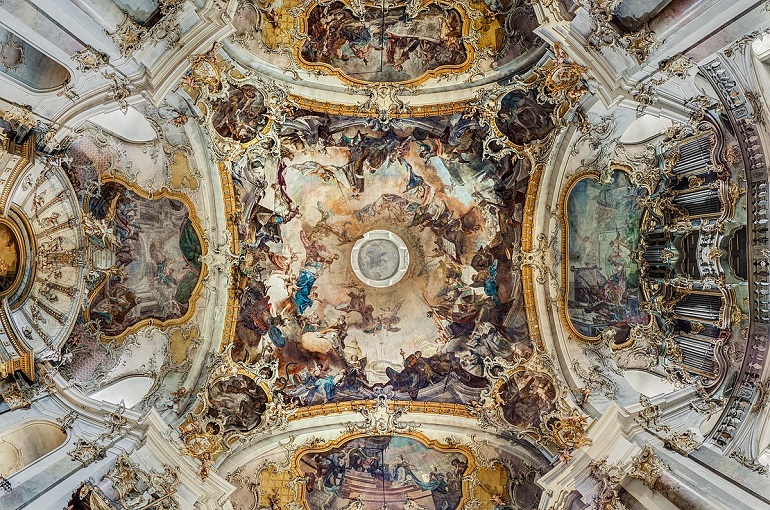
The hilltop Käppele Sanctuary crowns the landscape as Würzburg's most picturesque pilgrimage destination, renowned for its elaborate Rococo architecture and striking twin towers. Built in the 1700s, this landmark church features opulent interior decorations with intricate stucco work and vibrant frescoes that create an atmosphere of spiritual tranquillity. The scenic approach via tree-lined paths dotted with devotional chapels enhances the pilgrimage experience, whilst the elevated position provides magnificent views across the city and Main valley.
In the Suburbs
Schloss Veitshöchheim
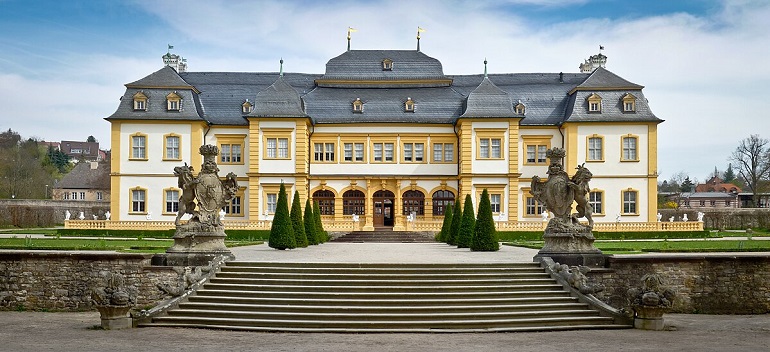
Located in nearby Veitshöchheim, Schloss Veitshöchheim enchants visitors as the former summer residence of Würzburg's prince-bishops, featuring an elegant 17th-century palace and elaborate Rococo gardens. The palace's richly decorated interiors reflect aristocratic tastes, whilst the extensive gardens boast ornate fountains, classical statuary, and geometric parterres that represent some of Germany's finest landscape architecture. River cruises from Würzburg provide scenic access to this palatial retreat.
Vineyards
Würzburg's vineyards and surrounding wine country provide the perfect backdrop for the city's renowned viticulture tradition, with numerous hiking paths winding through terraced slopes that offer spectacular views and opportunities to sample local Franconian wines. These vineyard walks connect visitors with the agricultural heritage that has sustained the region for centuries whilst providing exercise and scenic beauty.

Top Museums
Major Art Museums
Museum im Kulturspeicher (MiK)
Housed in a striking former grain warehouse on the banks of the Main, the Museum im Kulturspeicher stands as one of Würzburg's premier contemporary art destinations. This modernist cultural centre combines art exhibitions with concrete art and modern works spanning from the 19th century through to the present day. The museum's impressive collection includes pieces from the classical modern period through DDR art, Federal Republic works, and contemporary creations.
The museum regularly hosts compelling temporary exhibitions, from Ukrainian art academy showcases to thought-provoking displays on themes like the Peasants' War. Its unique approach to curation creates "visual dialogues" between different artistic periods and movements, making each visit a discovery of unexpected connections.
Martin von Wagner Museum
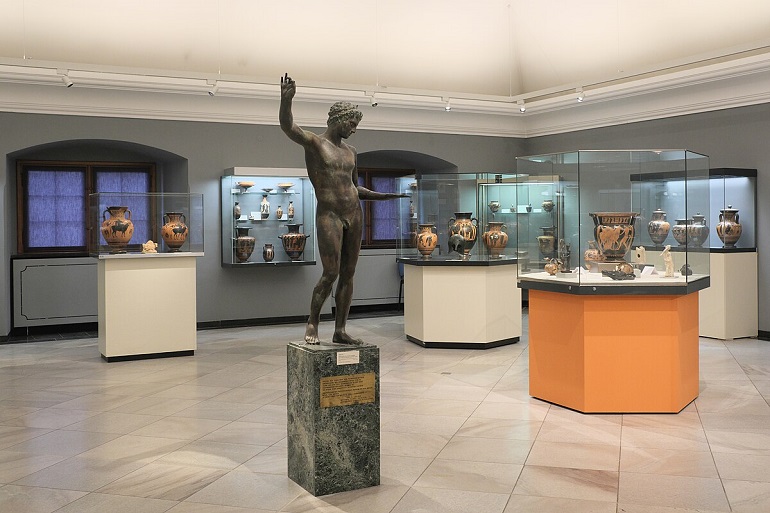
Located within the magnificent Würzburg Residenz, the Martin von Wagner Museum ranks amongst Europe's largest university museums. This treasure trove houses five millennia of art, attracting both casual visitors and serious scholars. The museum's vast collections span ancient civilisations through to contemporary works, offering visitors an extraordinary journey across cultures and centuries. Currently featuring exhibitions that explore "Ancient Art in New Perspective" and "Between Comedy and Abyss," the museum demonstrates its commitment to presenting classical collections through fresh, contemporary lenses.
MAD Museum am Dom
The Museum am Dom (MAD) represents a bold experiment in modern museum design, where contemporary art meets tradition. Rather than organising works by historical periods or artistic movements, the MAD structures its exhibitions around universal human themes: life, nature, motherhood, journeys, loss, and transcendence. This innovative approach creates unexpected dialogues between medieval sculptures and contemporary installations, making art accessible to all generations.
The museum's permanent collection features works by renowned artists including Bacon, Beuys, Kollwitz, Riemenschneider, and Jawlenski. The institution prides itself on creating a "sensory approach" that engages heart, mind, and spirit, transforming the museum experience into something both enlightening and entertaining.
Historical and Cultural Museums
Fürstenbaumuseum
Perched majestically within the Festung Marienberg, the Fürstenbaumuseum offers visitors an intimate glimpse into the opulent world of Würzburg's prince-bishops. The museum occupies the eastern wing of the fortress, known as the Fürstenbau, creating an authentic historical setting for its treasures.
The first floor recreates the lavish living quarters of the prince-bishops, complete with period furniture, exquisite paintings, and delicate tapestries that reflect the immense wealth and refined tastes of these powerful ecclesiastical rulers. The highlight is the magnificent Fürstensaal, which houses the Echter'schen Familienteppich, a remarkable tapestry chronicling the family history of Julius Echter von Mespelbrunn.
The second floor presents Würzburg's urban history chronologically, from the early Middle Ages through to 1945. Two extraordinary scale models serve as centrepieces: one showing Würzburg circa 1525, and another depicting the city's devastation following the catastrophic bombing of March 16, 1945.
Siebold-Museum
This unique institution celebrates the remarkable life of Philipp Franz von Siebold (1796-1866), a Würzburg doctor who became the first European to teach Western medicine in Japan. Housed in a beautifully preserved former director's villa from 1887, the museum tells the extraordinary story of a man who bridged two worlds.
The museum showcases objects from both German and Japanese cultures, reflecting Siebold's groundbreaking work as a physician, naturalist, ethnologist, and collector. His contributions to introducing Western medicine to Japan, including vaccinations, revolutionised healthcare in the Far East. The museum's exhibitions demonstrate how one individual's curiosity and dedication could create lasting cultural exchanges between distant civilisations.
Würzburger Domschatz
The Cathedral Treasury represents one of Würzburg's most precious collections, displaying liturgical treasures spanning nearly a millennium. Following extensive renovation, the collection moved from the Marmelsteiner Hof to its current home within the cathedral itself in 2015.
The 182 exhibits housed across 170 square metres include bischopal insignia, ornate chalices and vessels, embroidered vestments, and items recovered from bishops' graves. Particularly poignant are the salvaged cathedral furnishings recovered after the devastating 1945 bombing, alongside paintings and decorative elements that chronicle the cathedral's evolution over the centuries. The collection emphasises reliquaries and religious artefacts, with special attention given to explaining their historical context and liturgical significance.
Specialised Museums
Eisenbahnmuseum Würzburg
Railway enthusiasts will find paradise at Würzburg's Railway Museum, dedicated to preserving the region's rich transportation heritage. This family-friendly institution offers an engaging journey through the history of German railways, featuring authentic rolling stock, historical locomotives, and interactive displays that bring the golden age of rail travel to life.
Knauf-Museum Iphofen
Though technically located in nearby Iphofen, this remarkable institution merits inclusion for its extraordinary collection of ancient art replicas from across the globe. The museum presents 250 exhibits showcasing masterpieces from Mesopotamia, Egypt, Greece, Rome, pre-Columbian America, and India. These meticulously crafted plaster replicas, created from originals in the world's greatest museums, offer visitors a unique opportunity to experience a "global museum" under one roof.
Trachtenmuseum im Greisinghaus
Located in nearby Ochsenfurt, this specialised museum preserves the magnificent traditional costumes of the Ochsenfurt region. The collection showcases Lower Franconia's most elaborately decorated traditional dress, reflecting the prosperity, joy, and mourning customs of rural communities.
Visitors can admire festival costumes, everyday wear, and specialised garments including pearl gloves, prayer books, embroidered shoes, and stockings with intricate knitting patterns. High-quality materials such as cashmere, silk shoulder shawls, velvet bodices, and elaborate garnet cross pendants demonstrate the considerable wealth of local farming families. The museum also features interactive elements, including an "dressing room" where visitors can try on traditional costumes.
The Röntgen X-Ray Exhibit (Röntgengedächtnisstätte)
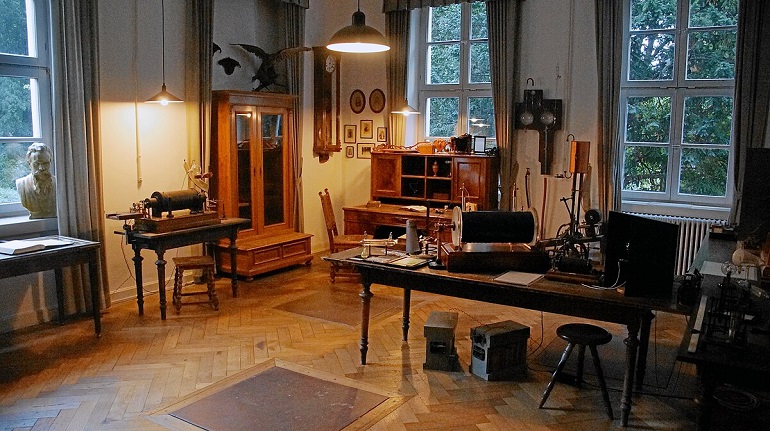
The preserved Röntgen Laboratory commemorates Wilhelm Röntgen's groundbreaking discovery of X-rays in Würzburg, offering visitors the chance to explore the original research facility where this revolutionary medical technology was first developed. This scientific heritage site provides fascinating insights into Würzburg's contributions to modern medicine and physics.
Unique Attractions
Café vom Lügensteinmuseum
This quirky combination café and museum offers visitors a delightfully unconventional cultural experience. Blending hospitality with curiosity, it provides an intimate setting for discovering unusual artefacts whilst enjoying refreshments in the heart of Würzburg's old town.
Local Cuisine
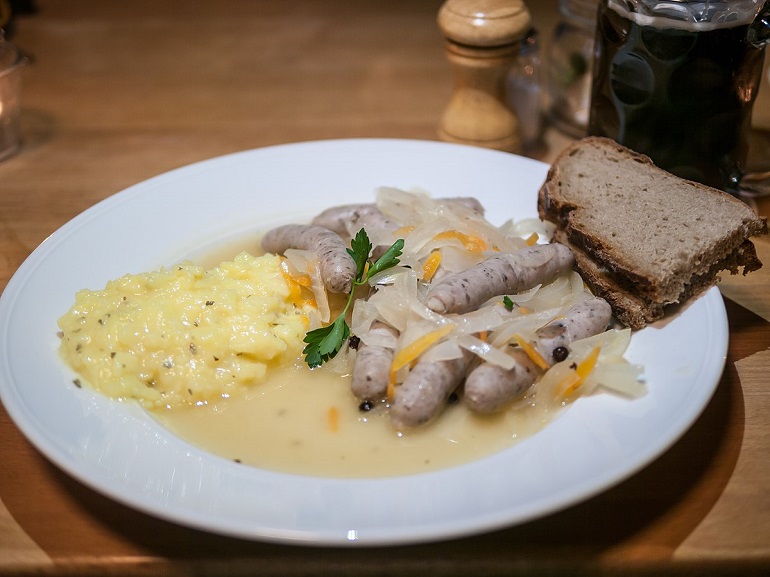
Würzburg offers a delightful array of traditional Franconian and German cuisine, with hearty dishes that reflect the region's rich culinary heritage. The city's most renowned restaurant, Backöfele, serves authentic Franconian specialities including Schäufele (crispy pork shoulder with diamond-shaped rind), traditional bratwurst with wine sauerkraut, and the local favourite 'Blaue Zipfel' (sausages cooked in wine broth with onions and carrots). The regional cuisine is particularly meat-centric, with pork featuring prominently in many dishes, whilst local specialities like the Franconian Wedding Soup with bread and liver dumplings showcase the area's sophisticated approach to traditional cooking. Visitors can complement their meals with Franconian wines, as Würzburg is situated in one of Germany's premier wine-growing regions.
Shopping
Würzburg offers a delightful shopping experience with its charming medieval streets lined with boutique shops, local craft stores and traditional German markets. The vibrant Market Square, situated in the heart of the city, serves as the primary shopping hub, surrounded by beautifully preserved medieval and baroque buildings where visitors can find fresh products, local crafts and treats. The city centre features a mix of well-known international brands and local boutiques, with notable establishments including Galeria Kaufhof, TK Maxx and the stylish Echter-Galerie shopping centre. For luxury shopping enthusiasts, the nearby Wertheim Village outlet centre houses over 110 designer boutiques offering significant discounts on premium brands. The charming Dompassage shopping mall adds to the retail landscape, providing a blend of local shops and dining options that capture the essence of this historic Franconian city.
Nature in and around Würzburg
Würzburg offers a delightful blend of natural attractions both within and around the city. The picturesque Steinbachtal valley, located in the south of Würzburg, serves as a popular recreational area featuring the enchanting 700-metre-long Anna Gorge and a free botanical garden. The region is surrounded by stunning vineyards that create a magnificent backdrop to the cityscape, particularly visible from the Marienberg Fortress viewpoints. The Steigerwald, a densely wooded low mountain range near Würzburg, comprises nearly 70% beech trees and stands as Bavaria's second-largest deciduous forest, offering excellent opportunities for peaceful walks and nature appreciation. The area's natural beauty is further enhanced by the Main River, which winds through the city, whilst the surrounding countryside features extensive beech forests and numerous walking trails that showcase the region's natural splendour.
Ring Park
Encircling the historic centre, Ring Park comprises interconnected green spaces established in the 19th century, featuring mature trees, ornate fountains, and commemorative monuments. This ring-shaped riverside park provides a verdant corridor perfect for jogging, cycling, or peaceful picnicking, with sculptures and memorials offering insights into Würzburg's civic heritage. The park includes playgrounds and recreational facilities, making it a popular destination for families and locals seeking respite from urban life.
Klein Nizza
The charming Klein Nizza section of Ring Park offers a Mediterranean-inspired landscape with palm trees and exotic plantings that create an unexpectedly tropical atmosphere. This unique garden space provides scenic river views and peaceful walking paths, earning its nickname as Würzburg's "Little Nice" for its resemblance to the French Riviera's botanical splendour.
Getting To Würzburg & Around
Getting to Würzburg
Würzburg is easily accessible by various modes of transport, making it a convenient destination for travellers. By train, the city is excellently connected to major German cities via Würzburg Hauptbahnhof, with regular Deutsche Bahn services taking approximately one hour from Frankfurt, two hours from Munich, and four hours from Berlin, whilst the station is conveniently located within walking distance of the historic old town.
By coach, FlixBus operates regular services from across Germany and Europe, with coaches arriving at the main bus terminal adjacent to the railway station, providing an economical alternative for budget-conscious travellers.
By car, Würzburg sits directly on the A3 motorway, offering excellent road connections with journey times of roughly 90 minutes from both Frankfurt and Nuremberg, and approximately three and a half hours from Munich, with several parking options available in the city centre including both car parks and street parking.
Getting around Würzburg
Würzburg is compact and easy to navigate on foot, with trams and buses covering most neighbourhoods and providing frequent links through the city centre. Most lines converge between the Hauptbahnhof and Sanderring, creating an easy transfer corridor across the centre. Walking suits the Old Town and riverside Ringpark areas, with only the climbs to the Marienberg Fortress and Käppele being notably steep. For planning and tickets, the WVVmobil app and FAIRTIQ work across the WVV network alongside machines at tram stops. Taxis, bike hire and e‑scooters round out local options, and some bus services operate overnight. Sightseers can also ride the City Train for a relaxed circuit of key Old Town sights.
Best Time to Visit
The optimal time to visit Würzburg is during the late spring and early autumn months, specifically May, June, September, and October, when the weather is pleasant and tourist crowds are moderate. During these months, temperatures range from 11°C to 22°C, providing comfortable conditions for sightseeing and outdoor activities. While summer (July and August) offers the warmest temperatures and longest daylight hours, it's also the peak tourist season with higher accommodation prices and larger crowds. Winter visits can be rewarding too, particularly in December when the city's Christmas markets create a festive atmosphere, though travellers should be prepared for cold temperatures hovering around 1-5°C.


