



| Contents |
|---|
Introduction
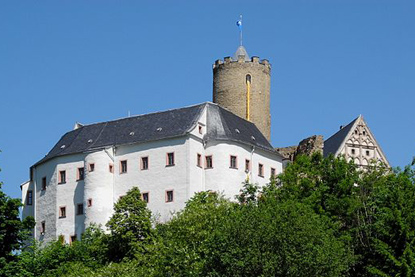
Perched dramatically on a rocky outcrop in the picturesque Ore Mountains of Saxony, Scharfenstein Castle stands as one of Germany's most striking medieval fortresses. Built in the 12th century, this imposing structure captivates visitors with its robust defensive walls, ancient towers, and commanding views over the surrounding forested valleys. The castle's rich history spans centuries of noble ownership, strategic importance during various conflicts, and eventual transformation into a fascinating museum that showcases medieval life, regional history, and an impressive collection of historical toys and Christmas decorations. Today, Scharfenstein offers visitors a perfect blend of architectural grandeur, historical intrigue, and family-friendly attractions, making it an essential destination for anyone exploring the cultural treasures of the Saxon Ore Mountains region.
Interesting Facts about Scharfenstein Castle
- Scharfenstein Castle crowns a rocky spur above the Zschopau valley in the Ore Mountains and has been continuously used since around 1250, making it one of Saxony’s oldest inhabited manor houses.
- Built as a medieval hill-and-spur fortress, it likely originated under the Lords of Waldenburg and later passed to Electorate control in 1439 as regional guardianship shifted after Greifenstein’s destruction.
- Heinrich von Einsiedel purchased the castle in 1492, and the Einsiedel family held it until 1931, shaping centuries of its residential history.
- A devastating night fire in June 1921 destroyed major wings, which were then rebuilt from 1921–1923 under restorer-architect Bodo Ebhardt following historical designs.
- Today it operates as a state-run “family castle” with interactive, child-friendly exhibitions, including an observation tower and hands-on displays.
- The on-site Christmas and Toy Museum showcases Ore Mountain folk art traditions—nutcrackers, “smoking men,” and Christmas pyramids—celebrating the region’s famed Männelmacher craft.
- Exhibits also spotlight Karl Stülpner, the so-called “Robin Hood of the Ore Mountains,” tying the castle to local legend and social history.
- A reconstructed medieval village in the former castle garden hosts seasonal family events, linking the site’s landscape to living heritage programming.
- The 17-metre keep offers a coin-operated ascent and panoramic views over the Zschopau valley and forested ridges of the Erzgebirge.
- Since 1993, Saxony’s palaces and castles authority has overseen conservation and museum conversion, securing Scharfenstein’s role as a heritage anchor in the region.
History
Scharfenstein Castle stands as one of the oldest manor houses in Saxony, having been continuously inhabited and animated for more than 750 years. The original structure was built around 1250, most likely commissioned by the Lords of Waldenburg, though only its first occupant ownership is documented with certainty. The von Waldenburgs possessed extensive estates including Waldenburg, Rabenstein, Scharfenstein, and Wolkenstein, which covered a contiguous area extending from the middle reaches of the River Pleiße to the Ore Mountain crest. Nine villages paid duties to the lord of the castle, including Grießbach, Großolbersdorf, Drebach and Herold. When Greifenstein Castle was destroyed in the 15th century, Scharfenstein assumed protective responsibility for the towns of Thum, Ehrenfriedersdorf and Geyer, significantly increasing its strategic value and importance in the region.
The castle's fortunes changed dramatically in 1439 when the heavily indebted Lords of Waldenburg were forced to surrender their valuable fortress to the Elector. Subsequently, Heinrich von Einsiedel purchased Scharfenstein Castle and its associated villages of Grießbach, Großolbersdorf, Grünau, Hohndorf, Hopfgarten and Scharfenstein on 26th January 1492. The von Einsiedel family maintained ownership of the castle for nearly four and a half centuries, residing there throughout this extended period. However, disaster struck during the night of 1st-2nd June 1921 when a devastating fire destroyed the entire residential wing and part of the domestic wing. The damaged sections were subsequently rebuilt between 1921 and 1923 according to plans by Bodo Ebhardt, carefully based on the original medieval design. In 1931, the von Einsiedel family finally sold the historic property to factory owner Captain Eulitz from Fährbrücke.
Under Captain Eulitz's ownership, Scharfenstein Castle experienced an unexpected transformation when he established a bird observatory in 1932. Hundreds of nest boxes were installed throughout the 325 hectares of woodland on the estate, bird ringing was undertaken, and scientific reports were compiled in collaboration with the Chemnitz Ornithological Society. Following the Second World War, the castle's forest became public property whilst the building itself served various institutional purposes. It functioned initially as a mining school for the state-owned Wismut mining company, then from 1951 as a special children's home for maladjusted boys, and later as a detention centre for juvenile delinquents from 1967. The Saxon Palace Department took over Scharfenstein Castle in 1993, undertaking comprehensive renovations in accordance with historic monument preservation requirements and converting it into a museum. The castle reopened to the public in 1995 for the first time since 1945, now housing exhibitions including a Christmas and Toy Museum, folk art displays, and interactive historical exhibits. Today, visitors can climb the 17-metre-high bergfried, which continues to serve as an observation tower, offering panoramic views across the Zschopau valley and surrounding Ore Mountains.
Description
Architectural Features and Setting
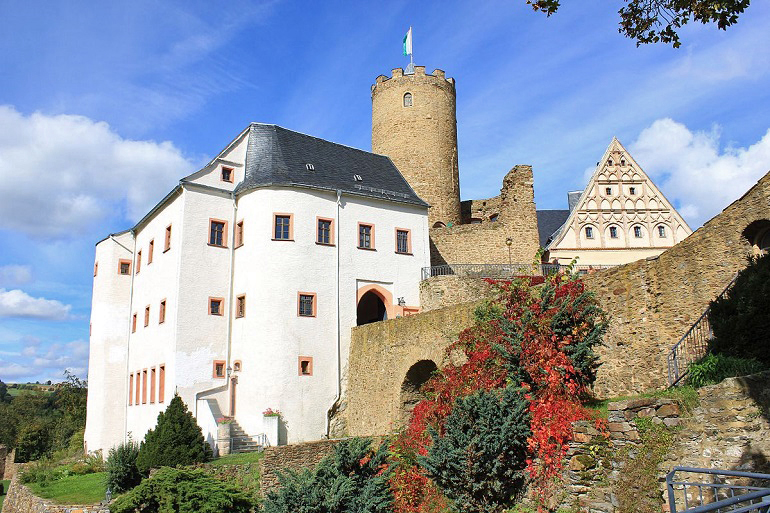
Scharfenstein Castle stands majestically on an elongated hill spur above the village of Scharfenstein in the Ore Mountains of Saxony, representing one of the region's most striking examples of medieval defensive architecture. This hill castle, continuously inhabited for more than 750 years, is one of the oldest manor houses in Saxony still in active use.
The castle's dramatic position creates a commanding presence over the Zschopau valley, with its stone walls and towers emerging from the forested hillside like a natural extension of the rocky outcrop. The fortress demonstrates the characteristic features of 13th-century castle design, built around 1250 with strategic defensive positioning that takes full advantage of the natural terrain.
Visitors approach the castle through a magnificent Renaissance portal, an architectural gem that reflects the castle's evolution through different historical periods. This ornate entrance leads to a stone bridge that spans the ancient moat, creating a dramatic approach sequence that builds anticipation. The entrance proceeds through a traditional gatehouse, whose thick walls and defensive features speak to the castle's original military purpose, before opening into the central castle courtyard.
The castle's architectural character represents a fascinating blend of medieval fortress design enhanced by Renaissance refinements and careful 20th-century restoration work. Following a devastating fire in 1921 that destroyed the entire residential wing and part of the domestic wing, the castle was meticulously rebuilt between 1921 and 1923 according to plans by renowned architect Bodo Ebhardt, who based his reconstruction on the original historical designs.
The Keep and Defensive Architecture
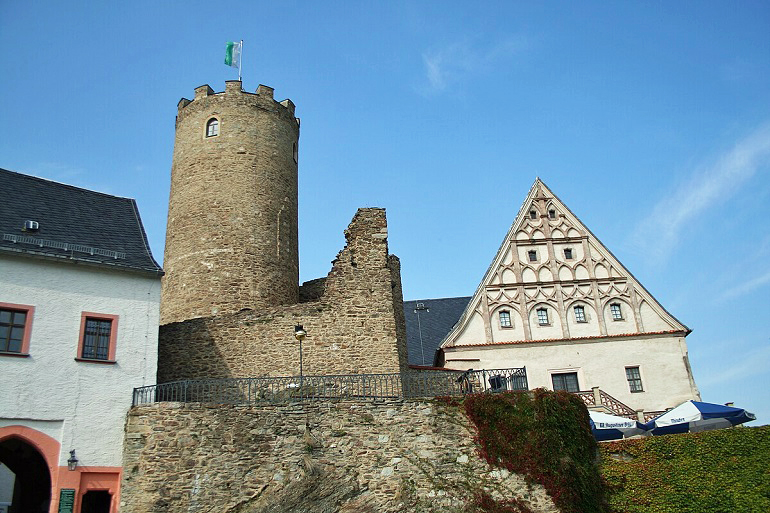
The castle's most prominent and impressive feature is its 17-metre-high keep (bergfried), a cylindrical tower that stands proudly on a natural rock formation within the central courtyard. This imposing structure serves as both the architectural centrepiece and the most visible symbol of the castle's medieval heritage. The keep represents classic medieval military architecture, designed not only for defence but also as a statement of power and authority.
Accessing the tower requires climbing a few stone steps that lead to the tower entrance, where visitors can purchase separate admission directly at a small turnstile system. Inside the keep, a narrow, well-worn stone spiral staircase winds its way upward through the thick walls. The staircase itself tells the story of centuries of use, with stone steps polished smooth by countless footsteps over more than seven centuries.
The spiral staircase culminates at the top of the tower, where a small opening provides access to a narrow walkway that encircles the tower's crown. This walkway serves as an observation deck and offers one of the most spectacular panoramic viewing experiences in the Ore Mountains region. From this elevated vantage point, visitors can survey the entire Zschopau valley, taking in the winding river below, the surrounding forested hills, and the characteristic narrow valley landscape that defines this part of Saxony.
On clear days, the views extend for considerable distances across the mountainous terrain, providing an excellent overview of the Ore Mountains landscape. The tower offers particularly stunning perspectives of what locals call the "Geese Corner" (Gänsewinkel), a distinctive geographical feature visible from the castle heights.
Museums and Cultural Collections
The castle houses the renowned Christmas and Toy Museum, which showcases one of Germany's most comprehensive collections of Erzgebirge folk art. This unique museum documents the region's centuries-old tradition of "Männelmacher" (figurine-making) and presents an enchanting array of traditional wooden crafts that have made the Ore Mountains famous throughout the world.
The collection features an extensive display of iconic nutcrackers, smoking men (Räuchermännchen), and Christmas pyramids—the wooden figures that represent the pinnacle of Ore Mountain craftsmanship. These intricately carved pieces demonstrate the extraordinary skill of local artisans and illustrate the evolution of this folk art tradition from medieval times to the present day.
Beyond the toy collection, the museum presents various exhibitions about local folk art traditions and displays artifacts that illustrate the region's rich cultural history. The museum tells compelling stories about traditional crafts, seasonal celebrations, and the daily life of Ore Mountain communities through the centuries.
Special interactive exhibitions cater specifically to children and families, featuring hands-on activities that cover topics ranging from medieval knights and castle life to modern toy-making techniques, including displays of contemporary Playmobil figures. These interactive elements make the museum experience engaging for visitors of all ages whilst providing educational value about traditional crafts and local history.
A particularly notable exhibition focuses on Karl Stülpner, known as the "Robin Hood of the Erzgebirge." This legendary 18th-century figure from local folklore is celebrated through displays that recount his adventures and explain his significance in regional culture and oral tradition.
The castle also features a fascinating exhibition titled "Romans and Teutons," which provides an interactive educational experience exploring ancient civilizations. Visitors can participate in activities such as wearing traditional Roman and Germanic costumes, handling replica artifacts, and participating in educational demonstrations about ancient daily life, warfare, and cultural practices.
An exceptional collection called "Longing for the Light" presents decades of careful collecting by Johannes Martin, featuring rare and unique items that illuminate different aspects of European cultural history and artistic traditions.
Medieval Village and Historical Recreation
The medieval village, constructed in the area of the former castle garden, represents one of the castle's most significant outdoor attractions. This carefully reconstructed historical village provides visitors with an immersive experience of medieval life, complete with authentic-style buildings, workshops, and demonstration areas.
The village regularly hosts family-friendly events and educational programmes that bring medieval history to life through reenactments, craft demonstrations, and interactive workshops. These events often feature costumed interpreters who demonstrate traditional skills such as blacksmithing, weaving, pottery, and medieval cooking techniques.
Seasonal celebrations and medieval festivals transform the village into a bustling community where visitors can experience authentic medieval atmosphere, participate in traditional games, and observe historical crafts being practiced using period-appropriate tools and techniques.
Castle Garden and Landscape Features
The castle garden occupies the site of what was once an elaborate 18th-century house and pleasure garden. This substantial green area, enclosed by the remains of ancient defensive walls, provides a peaceful retreat for visitors whilst offering excellent views of the castle's architectural features.
The garden's history reveals its former grandeur: it once contained an orangery for cultivating citrus fruits, an extensive herb garden for culinary and medicinal purposes, and areas dedicated to soft fruit cultivation. The garden represented the sophisticated lifestyle of the castle's noble residents and their interest in both practical horticulture and ornamental gardening.
Within the original garden walls stood two distinctive tower-like bastions, defensive structures that have been carefully studied by archaeologists. One of these bastions has been thoughtfully reconstructed as a charming tea house, adding a romantic element to the garden experience whilst preserving the historical character of the space.
The garden area invites contemplation and rest, with strategically placed seating areas that take advantage of the best views of both the castle architecture and the surrounding Ore Mountains landscape. The juxtaposition of cultivated garden space with ancient walls creates a particularly atmospheric setting for understanding how medieval fortress life evolved into more comfortable residential arrangements.
Visitor Facilities and Comprehensive Experience
Scharfenstein Castle operates as a fully functioning museum complex with comprehensive visitor facilities designed to enhance the historical experience. The main museum entrance houses a professional ticket office where visitors can purchase various admission options, including combined tickets for multiple attractions, family packages, and group rates.
The castle provides excellent accessibility features, including wheelchair access to many areas of the complex, ensuring that the historical experience is available to visitors with mobility challenges. Clear signage in multiple languages helps international visitors navigate the extensive facilities.
Refreshment facilities are strategically located on-site, offering visitors the opportunity to rest and enjoy refreshments whilst taking in views of the castle courtyards and surrounding landscape. The dining facilities often feature regional specialities and traditional Ore Mountain cuisine.
The castle hosts a varied programme of special events throughout the year, including medieval festivals, craft fairs, concerts, and educational workshops. Guided tours are available in multiple languages and provide detailed historical context, architectural analysis, and insights into daily life throughout the castle's long history.
The complex caters particularly well to families, with numerous interactive elements specifically designed to engage children whilst providing substantial educational value. These include treasure hunts, hands-on craft activities, costume try-on opportunities, and simplified historical presentations that make medieval life accessible to young visitors.
Hiking and Outdoor Recreation
The castle's elevated position makes it an ideal destination for combining cultural exploration with outdoor recreation in the scenic Ore Mountains landscape. Well-marked hiking trails lead to and around the fortress, including the steep but manageable Karl-Stülpner-Weg that provides a dramatic approach to the castle from the valley floor.
Alternative walking routes, including paths via Schloßberg and Hofgasse, offer different perspectives on the castle and village whilst providing varying levels of physical challenge for hikers of different abilities. These trails connect to the broader network of Ore Mountains hiking routes, making the castle an excellent starting or ending point for longer mountain walks.
A castle circular walk (when fully accessible) provides comprehensive views of the fortress from multiple angles, allowing visitors to appreciate the castle's defensive positioning and architectural evolution from various vantage points around the hilltop site.
The riverside parking area on the banks of the Zschopau River serves not only as a convenient starting point for castle visits but also as a scenic spot in its own right, offering views upward to the castle's dramatic silhouette and providing access to riverside walking paths along the valley floor.
This combination of historical significance, architectural beauty, comprehensive museum facilities, and outstanding natural setting makes Scharfenstein Castle one of the Ore Mountains' premier cultural destinations, offering visitors an exceptionally rich and varied experience that encompasses medieval history, regional culture, traditional crafts, and scenic mountain landscapes.
Getting There
By train Take an Erzgebirgsbahn regional train from Chemnitz (via Flöha and Zschopau) towards Annaberg-Buchholz/Cranzahl and alight at Scharfenstein; from the station it’s an uphill walk of about 10–15 minutes to the castle, with clear signposting. Chemnitz is well connected by regional services from Dresden and Leipzig.
By bus/coach Regional buses link Zschopau, Annaberg-Buchholz and surrounding villages with Scharfenstein/Drebach; get off at Scharfenstein or Drebach and follow the signs up to the castle. Long-distance coaches stop in Chemnitz, from where you continue by train or regional bus; services may run less frequently at weekends.
By car From Chemnitz, follow the B174 towards Marienberg and turn off for Zschopau/Scharfenstein, then follow the brown tourist signs to Burg Scharfenstein; from Dresden, use the A4 towards Chemnitz before joining the B174. A signposted car park sits below the castle hill, with a short, steep walk to the gate, and winter conditions in the Ore Mountains can be icy.
Best Time to Visit
The best time to visit Scharfenstein Castle in Saxony is during the warmer months from April through October, when the castle enjoys extended opening hours (10:00 AM to 5:30 PM daily except Mondays) and the stunning views from the 17-metre-high keep can be fully appreciated. Summer months from June to August are particularly ideal, offering the warmest weather for exploring both the castle's Christmas and Toy Museum and the outdoor Medieval Village, whilst also providing perfect conditions for hiking the surrounding trails in the Ore Mountains. The warmer season allows visitors to make full use of the castle's scenic location overlooking the romantic Zschopau River valley, though those preferring fewer crowds might consider visiting during weekdays in late spring or early autumn when the weather remains pleasant but tourist numbers are reduced. During the winter months (November to March), whilst the castle maintains shorter hours (10:00 AM to 5:00 PM), visitors can still enjoy the indoor attractions, though the outdoor medieval village may be less accessible and the hiking trails more challenging due to weather conditions.