



| Contents |
|---|
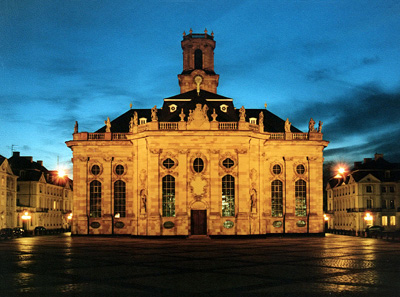
Ludwigskirche, Saarbrücken.
Introduction
Saarbrücken (pop. 100,000) is the capital and largest city of Saarland, Germany's smallest federal state, situated directly on the French border. Located strategically on the Saar River, a tributary of the Moselle, Saarbrücken occupies a central position in the heart of Europe's most successful economic regions, bordering both France and Luxembourg. The modern city was formed in 1909 through the merger of three separate settlements: Alt-Saarbrücken, St. Johann a.d. Saar, and Malstatt-Burbach. Saarbrücken has experienced a complex history, having changed nationality eight times over 250 years and serving twice as an independent territory separate from Germany during the 20th century. Powerhouse of the industrial revolution, it is now a quieter place with a few good museums, art galleries and Baroque monuments. The city combines this rich Franco-German heritage with its role as a major European research hub, particularly renowned for artificial intelligence and computer science through its world-class university and numerous international research institutes.
Interesting Facts about Saarbrücken
- Saarbrücken is the capital and largest city of the German state of Saarland.
- The city stands just by the French border, making it one of Germany's most French-influenced urban centres.
- Saarbrücken originated from the merger of three towns—Alt-Saarbrücken, St. Johann, and Malstatt-Burbach—in 1909.
- The city boasts striking Baroque architecture, including the renowned Ludwigskirche, acclaimed as one of Germany’s most beautiful baroque churches.
- Saarbrücken's rich industrial heritage is visible at the nearby Völklingen Ironworks, a UNESCO World Heritage Site.
- Saarbrücken was twice separated from Germany in the 20th century: after World War I as the capital of the Saar Basin Territory, and again after World War II as capital of the Saar Protectorate.
- The main campus of the prestigious University of the Saarland is located in Saarbrücken.
- The old stone bridge across the Saar River dates back to 1546, making it one of the city’s oldest surviving structures.
- Saarbrücken’s city centre, the lively St. Johanner Markt, is famous for its bustling cafés and colourful nightlife.
- Saarbrücken hosts the headquarters of Saarländischer Rundfunk, the regional public broadcaster for Saarland.
History
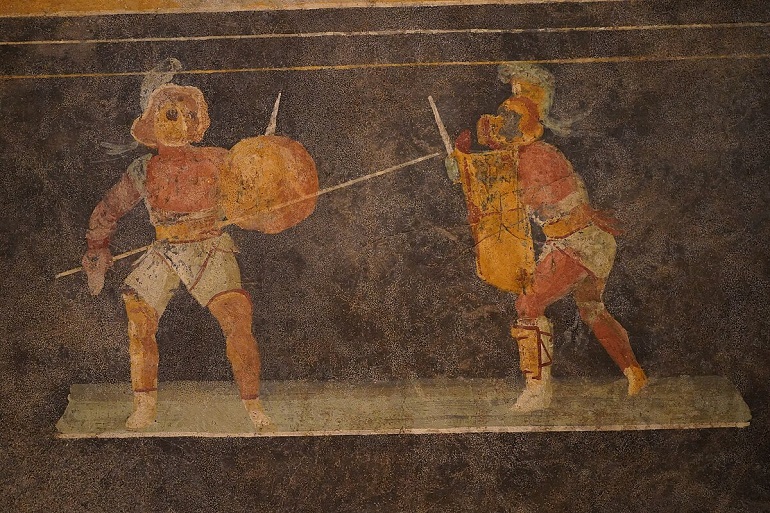
Saarbrücken’s origins stretch back to antiquity, when the Mediomatrici tribe inhabited the region before it formed part of the Roman Empire. By the first century CE, a Gallo-Roman settlement known as vicus Saravus flourished beside the Saar River, linked by a wooden—and later stone—bridge to the opposite bank at today’s St Arnual. Roman relics, including a Mithras shrine in a cave on Halberg hill and remains of a small military camp, testify to this early importance. After the fall of Rome, the area lay largely abandoned until the Franks established control in the late fifth century; by 999 Saarbrücken (then “castellum Sarabrucca”) was recorded in a deed of Emperor Otto III, marking its first documentary mention.
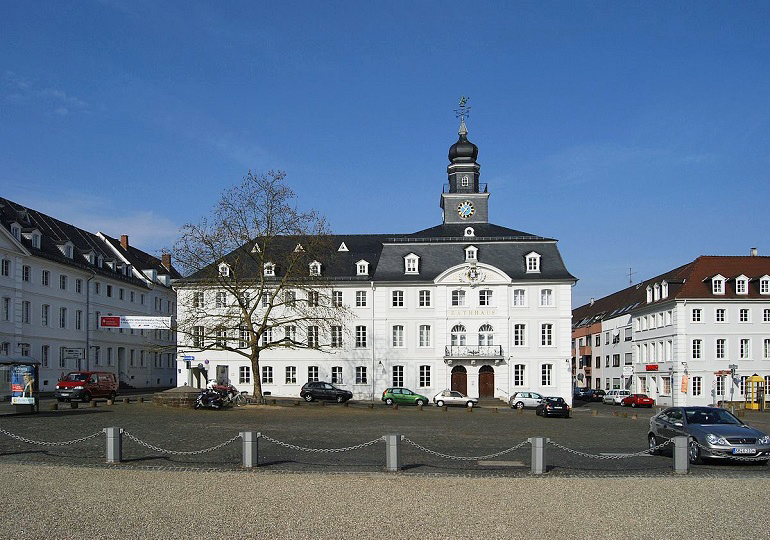
During the Middle Ages, the settlement grew around the Counts of Saarbrücken’s castle and in 1321–22 was granted city status, uniting the town with the fishing village of St Johann under a common administration. The counts of Nassau-Saarbrücken ruled until the late eighteenth century, commissioning architect Friedrich Joachim Stengel to reshape the city in Baroque splendour. His landmarks—the Ludwigskirche, the Old Town Hall, St John’s Basilica and the Saarkran river crane—endure as Saarbrücken’s defining monuments. Yet the city’s fortunes waxed and waned: it was ravaged in the Thirty Years’ War and again burned by Louis XIV’s troops in 1677, before briefly passing under French rule at the end of the eighteenth century.
The nineteenth and twentieth centuries ushered in industrial ascendancy and geopolitical tumult. Coal and iron exploitation, aided by railway and canal links from the 1850s, transformed Saarbrücken into a major industrial hub. In 1909 Alt-Saarbrücken merged with St Johann and Malstatt-Burbach to form today’s city. Under the Treaty of Versailles, its coalfields fell under French control in 1920, and a League of Nations mandate followed until a 1935 plebiscite returned the region to Germany. After World War II Saarbrücken was capital of the French-created Saar Protectorate until rejoining the Federal Republic on 1 January 1957. Today it stands as Saarland’s vibrant capital, where layers of Celtic, Roman, Baroque and industrial heritage await the curious traveller.
Main Attractions
The city's focal point is the Sankt Johanner Markt (St. John's Market), encircled by a network of narrow shopping streets. That's where you'll find the Baroque St. John's Basilica, the Stadtgalerie (a contemporary art gallery), as well as the highest concentration of old buildings and restaurants. A few hundreds metres north is the Neo-Gothic Rathaus (town hall), with its clock tower.
Immediately south of St Johanner Markt lies a park in the embankment of the Saar River, with the State Theatre and the Saarland Museum, the city's most important museum, which has collections ranging from the 16th to the 20th centuries.
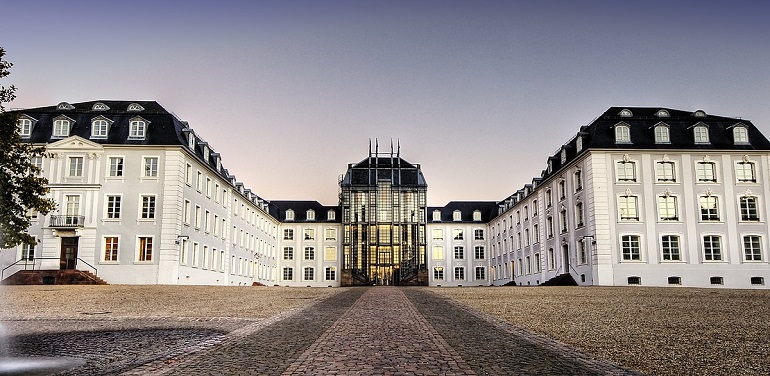
Cross the Alte Brücke (old bridge) to reach the other southern bank of the Saar. You will emerge on the Schlossplatz (palace square), where stands the imposing white palace known as Schloss Saarbrücken. It was built as the residence of the local rulers, the Counts, then Princes of Nassau-Saarbrücken. Destroyed, restored and extended several times, the present structure blends mostly baroque and neoclassical styles and houses the Saar Historical Museum, concentrating chiefly on the region's history in the 20th century.
500 metres northwest of the Schlossplatz stands the graceful baroque Ludwigskirche, designed by the same architect as the palace, Friedrich Joachim Stengel. It is considered to be one of the most important Protestant churches in Germany.
Historical Landmarks and Architecture
Saarbrücken Castle
Saarbrücken Castle perches atop a sandstone cliff overlooking the River Saar and traces its origins to a medieval fortress first mentioned in 999. Baroque architect Friedrich Joachim Stengel redesigned the residence between 1738 and 1748 for Prince Wilhelm Heinrich of Nassau-Saarbrücken, embedding the structure within the planned Schlossplatz ensemble. The castle suffered significant damage during the French Revolution and both World Wars, notably serving as Gestapo headquarters during WWII and enduring Allied bombing. A comprehensive restoration led by Gottfried Böhm between 1982 and 1989 introduced a Post-Modernist glass-and-steel central pavilion while preserving the Baroque wings. Today, the castle functions as the seat of the Regionalverband Saarbrücken and hosts cultural events, conferences and gala evenings.
Ludwigskirche
Ludwigskirche in Old Saarbrücken is a Protestant Baroque church designed by Friedrich Joachim Stengel and completed in 1775 under Prince Louis following an initial commission in 1762 by Prince William Henry. Its Greek cross plan features arms measuring 38.5 and 34.2 metres with exterior niches housing statues of the four Evangelists, and an interior centralised pulpit and organ constructed by the Stumm brothers. Heavily damaged by aerial bombing in 1944, only its outer walls remained, after which restoration commenced in 1949 and concluded with the reconstruction of the princely gallery ("Fürstenstuhl") in 2009, thus restoring much of the original Baroque interior. The church serves both as an active place of worship and as a landmark symbolising Saarbrücken’s Baroque architectural heritage, hosting services and concert events.
Mithras shrine at Halberg hill
Mithras shrine at Halberg hill stands as a well-preserved Roman cult site dating from the 2nd century CE, located on the slopes of the Halberg overlooking Saarbrücken. Archaeological excavations have unearthed reliefs and altars dedicated to the god Mithras, offering insights into Roman religious practices in the province of Germania Superior. The shrine’s limestone construction and carved imagery of the tauroctony remains largely intact, and the site is managed to protect its historical integrity while allowing public access. Interpretive signage provides context on the ritual significance of Mithraism and its role within the Roman military community stationed in the region.
Doppelbrunnen
Doppelbrunnen on Obertorstraße is an 18th-century double fountain historically serving the local community as a public water supply and gathering point. The stone structure features twin spouts and Baroque-style carvings, and it remains operational during the warmer months. Located amid historic timber-framed buildings, the fountain is maintained by the city and forms part of guided walking tours of the Alt-Stadt district, illustrating the evolution of urban water management.
Squares and Markets
St. Johanner Markt
St. Johanner Markt is the central square of Saarbrücken’s old town district of St. Johann, which gained its town rights in 1322. The market occupies an expanded medieval street layout and was historically positioned at the crossing of trade routes from Metz to Mainz and Strasbourg to Trier, accounting for its irregular quadrilateral shape. Surrounding the baroque market fountain installed in 1759 by the castle architect Friedrich Joachim Stengel, the square is now a pedestrian zone featuring boutiques, bistros and cafes, and hosts weekly farmers’ markets on Saturdays alongside regular market days on Monday, Wednesday and Friday. A network of adjacent streets with restored baroque facades, such as the Fröschengasse, links the square with the Schlossplatz and Ludwigskirche, reflecting Stengel’s original visual axes.
Wildlife and Zoological Attractions
Saarbrücken Zoo
Saarbrücken Zoo is home to approximately 150 species including giraffes, zebras, cheetahs and penguins, and features interactive petting enclosures and guided night tours. Established adjacent to the city’s historic centre, the zoo occupies a parkland setting with free parking and accessible facilities, making it suitable for family visits and birthday events. The animal enclosures are designed to reflect naturalistic habitats, with educational signage outlining conservation status and origin of species. Seasonal events such as feeding demonstrations and themed excursions are scheduled throughout the year. A dedicated children’s playground and pony rides provide additional attractions.
Wildpark Sankt Johann
Wildpark Sankt Johann is a free-entry wildlife park set on Meerwiesertalweg, specialising in local fauna such as deer and boar and featuring forest trails and a children’s playground with slides. Hikers can explore a network of shaded paths that lead through woodland clearings and picnic areas, while the onsite visitor centre provides information on native species and conservation efforts. The park’s design balances habitat preservation with public engagement, offering accessible restrooms and parking to accommodate visitors of all ages. Seasonal guided tours introduce guests to the park’s management practices and the ecological significance of the surrounding Saarländische Waldlandschaft.
Parks and Green Spaces
Deutsch‐Französischer Garten
Deutsch‐Französischer Garten is a landscaped park featuring terraced rose gardens, ornamental ponds and a water organ fountain that performs musical events by means of water jets and organ pipes. Created in 1960 as a symbol of Franco-German reconciliation, the park includes boating facilities, cable cars and an outdoor café, with designed walking circuits linking themed garden areas and a sculpture trail. Accessibility features include paved pathways, wheelchair-accessible restrooms and parking, while playgrounds and picnic tables support family activities. A regular programme of cultural events is hosted in the park’s open-air bandstand, emphasising its role as both an urban green space and a community gathering point.
Ludwigspark
Ludwigspark is a state-run urban park offering sports facilities, playgrounds and open lawns across multiple hectares of managed woodland and meadow. The park’s central feature is a multipurpose stadium complex used for local sports clubs and events, while adjacent trails enable walking and jogging beneath mature trees. Benches and picnic tables are distributed throughout, with designated barbecue areas and a public restroom. Dogs on leads are permitted, and the park’s layout allows for seasonal festivals and markets to be held on its open grounds.
Urwald vor den Toren der Stadt
Urwald vor den Toren der Stadt is a protected wilderness reserve preserving ancient mixed forest with interpretive trails and picnic shelters. The site is accessible via car or on foot, with designated parking and clearly marked pathways guiding visitors through native oak and beech stands. An observation platform affords views across the canopy, and educational signage explains forest ecology and the importance of biodiversity. The area supports local wildlife and is maintained to minimise human impact, while providing a scenic retreat for photography and quiet contemplation.
Rondell im Bürger Park
Rondell im Bürger Park is a circular pavilion set within the Bürgerpark, originally constructed in the 19th century as a bandstand and now serving as a popular location for outdoor performances and leisure. Surrounded by shaded lawns and mature trees, the Rondell features a sandstone colonnade and cast-iron roof reflecting historic park architecture. The site hosts open-air concerts, community gatherings and seasonal flower exhibitions, with adjacent walking paths linking to the broader network of the Bürgerpark. Accessibility is ensured by paved surfaces and nearby parking, making it a focal point for local recreation.
Adventure and Family Activities
Adventure Park Saar
Adventure Park Saar is an outdoor ropes course set in a forested area on Fuchstälchen, offering high-ropes and obstacle circuits with graded difficulty levels for children and adults alike. Equipment and safety briefings are provided onsite, with helmet and harness rental included in the admission price. The course is organised into sequential sections that increase in complexity, incorporating zip-lines, balance beams and net bridges among the trees. A ground-level picnic area and restroom facilities support full-day visits, while visitors are advised to book tickets in advance, particularly during peak season.
Top Museums
Saar Historical Museum
The Saar Historical Museum is a must for anyone seeking to understand the multifaceted history of Saarland, spanning from the 19th century to the modern era. Blending innovative architecture with extensive underground exhibitions and access to the atmospheric castle casemates, this museum excels at making regional history tangible through artefacts, reconstructions, and interactive displays. It stands apart for its focus on Saarland’s political, economic, and social transformation, as well as its dramatic subterranean exploration of the mediaeval castle ruins. Both history enthusiasts and casual visitors will find the engaging presentation memorable.
Museum for Pre- and Early History
This museum is the region’s archaeological showcase, taking visitors on a journey from the Stone Age through Roman and Celtic periods to the early Middle Ages. Its treasures include the opulent grave goods of the Celtic Princess of Reinheim, Roman artefacts, and hands-on exhibits that illuminate the daily lives of ancient inhabitants. The museum’s detailed displays offer an unrivalled insight into Saarland’s distant past, and the child-friendly programmes ensure it’s as educational as it is engaging.
Saarland Museum, Modern Gallery
A cultural highlight for art lovers, the Modern Gallery of the Saarland Museum displays an impressive collection from the 19th century to the present. What truly sets it apart is its dynamic interplay between French and German art movements, reflecting Saarbrücken’s position on the border, and its remarkable holdings in modern sculpture, particularly the works of Alexander Archipenko. Families and children will appreciate the interactive exhibits and dedicated workshops, while enthusiasts of architecture will enjoy its modernist design.
Stadtgalerie Saarbrücken
Contemporary art takes centre stage at the Stadtgalerie, a vibrant platform for experimental, site-specific, and installation-based art. The Stadtgalerie offers not only exhibitions but also sound art, live performances, and artist workshops, making it a true laboratory for innovative artistic expression. Housed in a listed Baroque building, its ever-changing exhibitions ensure there is always something new to discover, particularly for those interested in the cutting edge of today's art world.
Museum in the Castle Church (Museum in der Schlosskirche)
Nestled within a late Gothic church atop the remains of earlier chapels, this museum presents religious art and artefacts from the Middle Ages to the 19th century, along with striking stained glass windows and princely graves. The combination of sacred art, architectural splendour, and the building's own tumultuous history makes visits here particularly evocative, with the church’s soaring interiors and tranquil atmosphere providing the perfect backdrop for its collection.
Deutsches Zeitungsmuseum Wadgassen
A short trip from Saarbrücken brings you to this illuminating museum dedicated to media and newspaper history. With interactive exhibits covering four centuries of print technology, journalism, and freedom of the press, including original presses and rare first editions, this museum is especially appealing to those intrigued by communication, media, and the pivotal role of newspapers in democracy. Its hands-on approach and historical artefacts cater to both adults and younger visitors.
Local Cuisine
Saarbrücken’s local cuisine is a delicious blend of German and French influences, reflecting its rich cross-border heritage. Visitors can savour specialities such as Dibbelabbes, a hearty potato hash with bacon and leeks, and Lyoner Wurst, a finely seasoned pork sausage often enjoyed in salads or sandwiches. Another must-try is Gefillde, tasty potato dumplings stuffed with meat or liverwurst, typically served with sauerkraut and a light gravy. Sweet tooths should not miss Schwenker—pork steaks marinated and grilled over an open fire—or regional pastries such as Quetschekuche, a plum tart beloved by locals. Saarbrücken’s culinary scene offers warm hospitality and a unique fusion of flavours in every dish.
Getting There & Around
By train, Saarbrücken is well connected to major cities in Germany and France, including regular high-speed and regional services such as ICE, TGV, and Deutsche Bahn trains. You can reach the city directly from Frankfurt, Paris, and other regional hubs, and most trains arrive at Saarbrücken Hauptbahnhof, which is centrally located and offers onward local transport options.
By bus, Saarbrücken is accessible via several long-distance bus operators, including FlixBus and BlaBlaCar Bus, with routes from major European cities. The main bus station, situated close to the city centre, frequently welcomes direct services from Brussels and other cities, providing a convenient and comfortable alternative to rail travel.
By car, the city lies along key motorways, making it straightforward to reach from various directions. Travellers from within Germany can use the A6, A1, or A8 motorways, while those driving from France can follow the A4 or A320, all connecting seamlessly to Saarbrücken and offering scenic routes through the region.