



| Contents |
|---|
Introduction
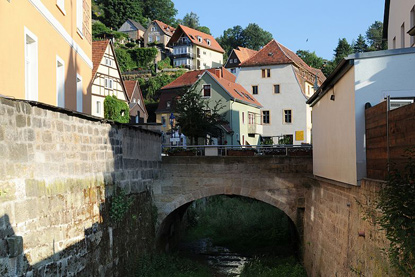
Bad Schandau (pop. 3,500) is a spa town situated in the Saxon Switzerland region, positioned along the banks of the River Elbe approximately 30 kilometres southeast of Dresden. The town serves as the primary gateway to Saxon Switzerland National Park, offering direct access to the dramatic sandstone rock formations and hiking trails that define this unique landscape. Bad Schandau combines its historic spa heritage with modern tourism infrastructure, featuring thermal baths, historic paddle steamers that navigate the Elbe, and the Kirnitzsch Valley tramway - Germany's only electric heritage tram still in regular passenger service. The town's location at the confluence of the Elbe and Kirnitzsch rivers makes it an ideal base for exploring both the German and Czech portions of the Bohemian Switzerland region, whilst its well-preserved town centre reflects typical Saxon architecture from the 19th and early 20th centuries.
Interesting Facts about Bad Schandau
- Bad Schandau is a historic spa town on the Elbe in Saxon Switzerland, officially holding the “Bad” title since 1920 and renowned for Kneipp therapies since the early 20th century.
- It is one of the oldest holiday resorts in Saxon Switzerland, centrally placed by the national park and designated a Kneipp health resort, with the status reaffirmed in recent years.
- The town operates Germany’s smallest place with its own tram service, the Kirnitzschtal Tramway, running 8 km from the Kurpark to the Lichtenhain Waterfall since 1898.
- Around 30% of the tramway’s power is generated by a large photovoltaic installation on the depot roof, blending nostalgia with modern sustainability.
- Bad Schandau’s spa tradition began around 1800, building on an iron-bearing spring discovered in the Kirnitzsch Valley in the 17th century.
- The town’s development is closely tied to Elbe river navigation, which accelerated after the first steamboat sailed the Elbe here in 1837, spurring tourism.
- Bad Schandau has repeatedly faced Elbe flood events, with severe inundations recorded in 1845, 2002 and 2006 that marked the townscape and memory.
- The line of the Scandinavian ice sheet once reached the area, helping shape the distinctive sandstone landscape now famed for hiking and rock formations.
- From tram stops, walkers access iconic Saxon Switzerland viewpoints including Schrammsteine, Affensteine, and the Kuhstall natural arch.
- The elegant Gründerzeit riverfront hotels—notably the former Dampfschiff—were comprehensively restored after 2002, reopening as the Elbresidenz ensemble.
- St John’s Church features an octagonal west tower and a valuable two-storey Renaissance sandstone altar originally crafted for Dresden’s Kreuzkirche.
- Local museum exhibits chart mountaineering history, Elbe navigation, and the role of hotelier Rudolf Sendig in shaping Bad Schandau’s tourism.
History
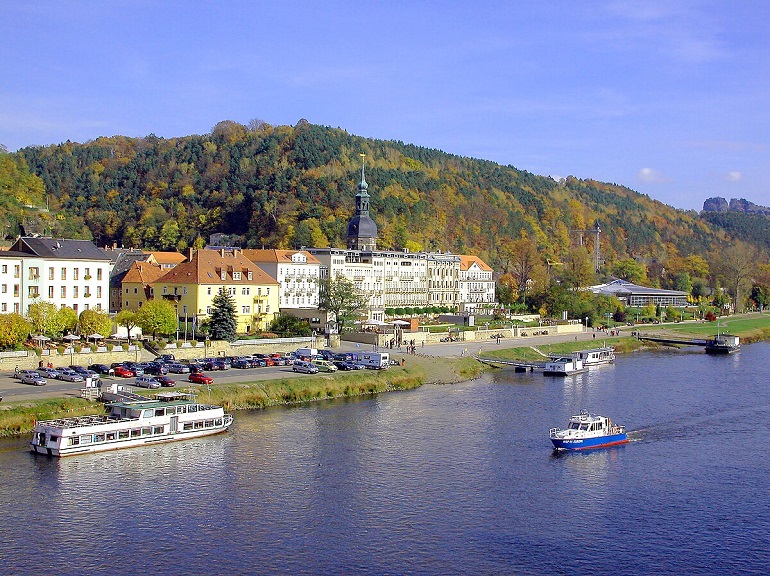
In the first half of the 14th century, German settlers acquired the Elbe meadows between Rathmannsdorf and Postelwitz from the feudal estate of Hohnstein, establishing a trading post at this strategic location. The settlement was first mentioned in historical records in 1445, and by 1467, it had gained the effective status of a town through a council constitution, recognising its importance as a trading site on the River Elbe. The town's development was closely linked to Elbe shipping, with barges being pulled upstream by human hands until the 19th century. This river trade formed the economic backbone of the community for centuries, establishing Bad Schandau as a vital commercial hub in the region.
The transformation of Bad Schandau into a renowned spa destination began in the late 17th century when an iron-bearing spring was discovered in the Kirnitzschtal valley in 1680. The first bathhouse was constructed in 1799, marking the beginning of the town's evolution into a health resort. From around 1800, Bad Schandau established itself as a spa town and summer resort, attracting visitors seeking the therapeutic benefits of its mineral waters. The development accelerated in 1837 when the first steamboat sailed the Elbe, opening up the valley to increasing numbers of tourists. In 1877, the town received a permanent river crossing with the construction of the Carola Bridge, improving accessibility and further boosting tourism. The official recognition of Bad Schandau's spa status came in 1920 when it was granted the title "Bad" (meaning spa), followed by its designation as a Kneipp spa in 1936.
The late 19th and early 20th centuries marked the golden age of Bad Schandau's tourism development. The Kirnitzschtal Tramway, which has been operating since 1898, made Bad Schandau the smallest German town to have its own tram service. This rural tram line follows the Kirnitzsch river for several kilometres, providing access to the surrounding walking areas and serving as both a practical transport link and a tourist attraction. The town's profile was dominated by grand Gründerzeit hotels bordering the Elbe, with the most famous being the "Dampfschiff" (Steamship) hotel. An art nouveau elevator
Main Attractions
Toskana Therme Bad Schandau
A celebrated sanctuary of wellness, the Toskana Therme is far more than a conventional spa. Its main attraction is the remarkable Liquid Sound Temple, an immersive experience where guests float effortlessly in warm, buoyant saltwater while enveloped by underwater music and mesmerising light installations. Beyond this unique offering, the complex boasts a generous selection of indoor and outdoor pools, including a lazy river, whirlpools, and a dedicated children's area. The extensive sauna world features a panoramic sauna, a herbal steam room, and a laconium, providing diverse options for thermal relaxation. The spa regularly hosts special events, such as "Classical Music Underwater" on Fridays and the "Liquid Sound Club" with live DJs, enhancing the magical atmosphere.
Kirnitzschtal Tramway
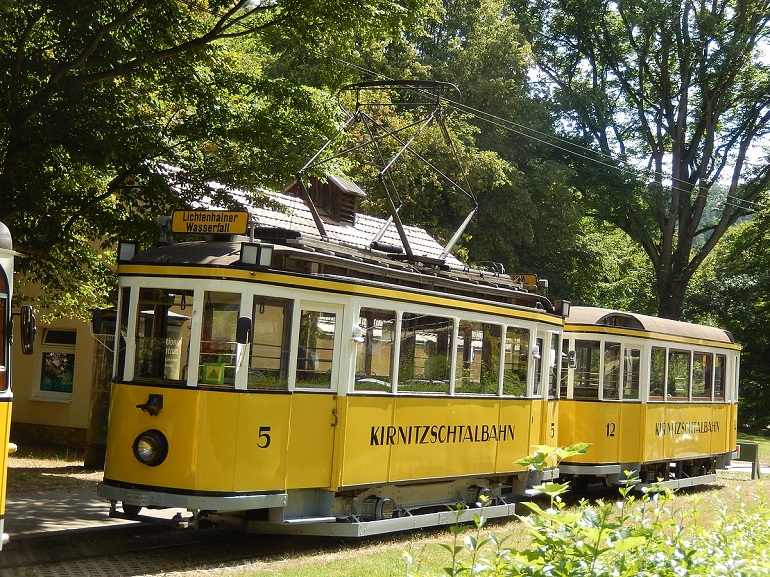
A journey on the Kirnitzschtal tramway offers a delightful dose of nostalgia and scenery. Operating since 1898, this charming, narrow-gauge electric tramway is the only one in Germany that runs into a national park. Its 7.9-kilometre route follows the idyllic Kirnitzsch Valley, connecting the town of Bad Schandau with the Lichtenhain Waterfall and numerous trailheads deep within the national park. Riding in the historic carriages, some of which date back to the 1920s, provides a unique and relaxing way to access some of the region's best hiking areas while enjoying the picturesque views of the forested valley.
Nature around Bad Schandau
Schrammsteinaussicht
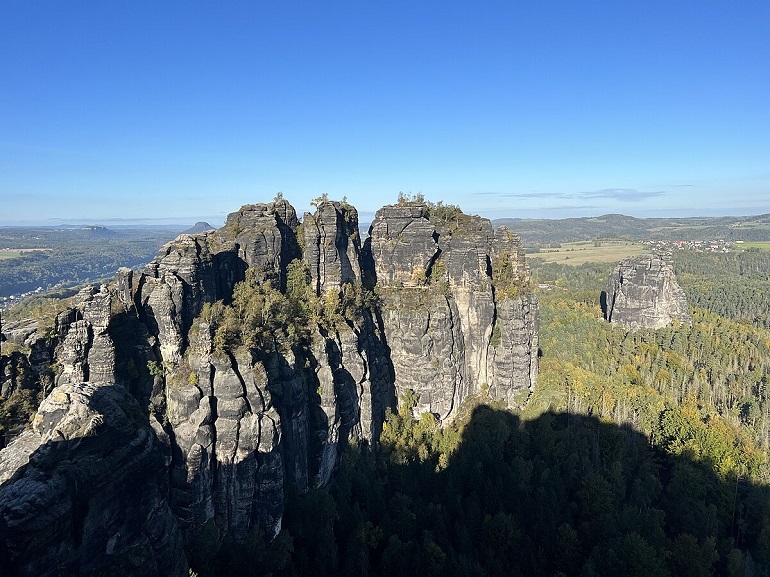
For one of the most iconic and rewarding panoramic views in Saxon Switzerland, a hike to the Schrammsteinaussicht viewpoint is essential. The Schrammsteine are a long, deeply fissured chain of jagged sandstone rocks that dominate the landscape east of Bad Schandau. Well-marked trails cater to various fitness levels, guiding hikers through lush forests and past towering rock formations before a final ascent via stairs and ladders to the viewing platform. The vista from the top is breathtaking, sweeping across the Elbe Sandstone Mountains. This area is also a highlight along the famous Malerweg (Painters' Way) long-distance trail and is a popular destination for rock climbers.
Affensteinpromenade
The Affensteinpromenade is a spectacular high-elevation trail that winds its way through a dramatic landscape of rock towers and deep gorges. This path owes its existence to the unique geology of the region; it follows a horizontal layer of softer rock that has eroded over millennia, creating natural terraces along the cliff faces. The result is a relatively level path with minimal changes in altitude, yet it provides continuous, breathtaking views. Certain sections of the trail incorporate metal rungs and ladders, adding an element of excitement for sure-footed hikers who are not prone to vertigo. This route offers a less-crowded but equally stunning alternative for experiencing the grandeur of Saxon Switzerland.
Pfaffenstein Nature Reserve
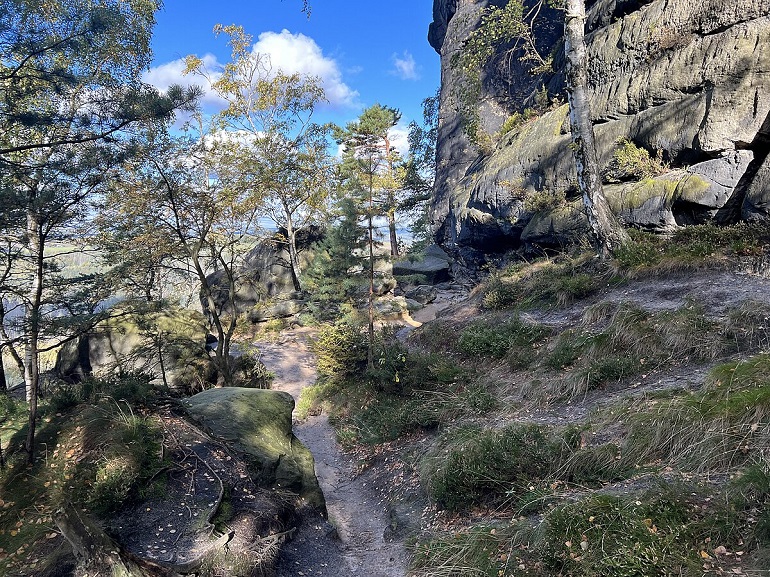
The Pfaffenstein Nature Reserve is centred around a striking table mountain that offers a blend of gentle walks and adventurous climbs. Well-maintained trails lead hikers through woodlands to the plateau, where they are rewarded with panoramic views and fascinating geological features. The reserve is home to the iconic Barbarine rock needle, a freestanding pinnacle that is a famous symbol of the region. For the more adventurous, a climb through the narrow rock cleft known as the "Eye of the Needle" provides a thrilling challenge. A welcoming mountain restaurant offers a place to rest and refuel while soaking in the scenery, making it an excellent destination for a family day out.
Top Museums
Museum Bad Schandau (Heimatmuseum)
Located in a modernised historic building with views of the Kurpark, the Museum Bad Schandau is the town’s primary cultural institution. Its diverse exhibitions offer visitors a comprehensive understanding of the region’s history, traditions, and the pioneering spirit that shaped its development.
Town History and the Rise of Tourism
The museum’s overview of Bad Schandau’s history traces its transformation from a humble riverside settlement to a celebrated spa destination. In 1680, the discovery of a mineral spring in the Kirnitzschtal valley laid the foundation for the town’s wellness tradition. The first bathhouse opened in 1799, and after decades of growth, Bad Schandau was officially granted the “Bad” (spa) title in 1920. The exhibition also highlights the contribution of hoteliers such as Rudolf Sendig, whose elegant establishments attracted an international clientele and helped establish Bad Schandau’s reputation as a health resort of distinction.
Elbe Navigation and Shipbuilding
For centuries, the Elbe was the lifeline of Bad Schandau. Before the advent of steam power, barges and boats were laboriously pulled upstream by hand. The arrival of the first steamboat in 1837 revolutionised river travel, making the Elbe valley more accessible to tourists and traders alike. The museum’s displays detail this evolution, showcasing a variety of shipbuilding tools, historic documents, and intricate ship models that bring the era of Elbe navigation to life.
Mountaineering in Saxon Switzerland
The dramatic sandstone cliffs surrounding Bad Schandau have long been a magnet for mountaineers. The museum’s “Climbing Worlds” exhibition recounts 150 years of mountaineering history in Saxon Switzerland, widely considered the birthplace of traditional free climbing. The displays chronicle how the sport began in the mid-19th century and evolved, notably with the 1864 ascent of Falkenstein by local gymnasts—an event regarded as the birth of Saxon climbing. Visitors will learn about the establishment of unique climbing ethics, especially the 1890 rejection of artificial aids such as ladders and carved steps in favour of ropes and ring hooks, traditions that continue to define the region’s climbing culture.
Erich Wustmann Exhibition
A particularly distinctive section of the museum is dedicated to Erich Wustmann (1907–1994), a celebrated local explorer and ethnologist. Wustmann’s extensive travels took him to Scandinavia, South America, and Africa, where he documented the lives of indigenous communities. The exhibition displays his photographs, collected artefacts, and even songs gathered during his expeditions, offering a unique glimpse into the cultures of Nordic reindeer herders and rainforest communities. Wustmann shared his discoveries through nearly 60 publications and a 16-part television series, excerpts of which are also featured in the museum.
Bad Schandau National Park Centre
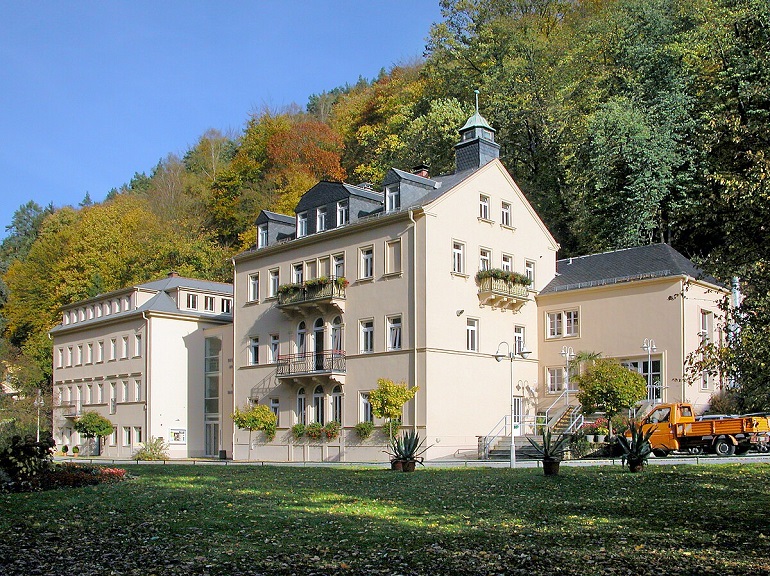
For those interested in the natural wonders of the region, the Bad Schandau National Park Centre is a must-visit. This modern facility serves as the main information hub for Saxon Switzerland National Park and features an engaging multimedia exhibition focused on the area’s unique geology, diverse flora, and notable fauna. Interactive displays and educational panels provide context for the striking landscapes that characterise Saxon Switzerland, making the centre a valuable complement to outdoor exploration.
Friedrich Gottlob Keller Museum
In the nearby district of Krippen, visitors will find the Friedrich Gottlob Keller Museum, dedicated to the inventor of mechanical wood pulp paper. Keller’s innovation revolutionised paper production worldwide, and the museum offers insights into his life, his process, and the broader impact of his invention.
Town Gallery (Stadtgalerie)
Though smaller in scale, the Town Gallery offers changing art exhibitions that reflect both local and international perspectives. The gallery is an intimate space for appreciating contemporary visual culture in the context of Bad Schandau’s lively community.
Local Cuisine
Bad Schandau offers a hearty blend of Saxon and Bohemian flavours: think caraway-roasted pork with Böhmische Knödel (Bohemian bread dumplings), river fish such as Elbzander (pike-perch) and geräucherte Forelle aus dem Kirnitzschtal (smoked trout), and seasonal forest game with chanterelles; for something sweet, cafés showcase Quarkkeulchen (potato-and-quark fritters) and the classic Dresdner Eierschecke cake. Pair plates with Sächsische Elbtalweine from nearby Meissen and Radebeul, or a pint of Schmilkaer Bio-Bier brewed by the Elbe, and look out for autumn menus shaped by mushrooms and game, reflecting the region’s woodland larder.
Getting There
By train Bad Schandau sits on the Dresden–Děčín main line, with frequent S-Bahn S1 services from Dresden Hauptbahnhof via Pirna and Königstein, and selected regional and EuroCity trains between Dresden and Prague calling at Bad Schandau; the station lies across the Elbe from the town centre, linked by a short ferry ride or the road bridge, and local buses plus the historic Kirnitzschtal tram connect the spa district with trailheads in Saxon Switzerland.
By coach or bus Long-distance coaches generally run to Dresden, from where the S-Bahn S1 offers the most convenient onward link to Bad Schandau; alternatively, regional buses operated by RVSOE connect Pirna, Königstein, Sebnitz and surrounding villages with Bad Schandau, providing useful access to the national park’s walking routes and viewpoints.
By car From the A17 motorway between Dresden and the Czech border, exit at Pirna and follow the B172 along the Elbe valley via Pirna and Königstein to Bad Schandau; cross the Elbe on the town bridge for the centre, allow extra time at weekends and holidays when traffic can be busy, and use the signed car parks by the station or on the edge of the centre if central spaces are limited.