| Contents |
|---|

Introduction
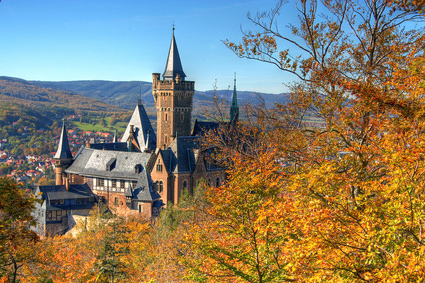
Schierke (pop. 750) is a pretty mountain village set in the upper Harz at roughly 580–650m elevation in the valley of the Cold Bode river. It borders the Harz National Park and serves as a base for hikes to the Brocken, the range’s highest peak at 1,141m. The Brocken Railway, one of three tourist metre gauge railways in the Harz mountains, has a station 100 metres above the village.
In 1914 and 1934 Schierke was the site of the German Skeleton Championships. A popular attaction in the area is the "Brocken Coaster", a local summer rodelbahn. In winter, one can hire a sled and ride it down the "bob bahn", a local tobogganing track.
Interesting Facts about Schierke
- It sits at the foot of the Brocken, the highest peak in the Harz and northern Germany, making it a popular base for hikes and steam-train trips up the mountain.
- The village gave its name to Schierker Feuerstein, a herbal liqueur created at the “Alte Apotheke” and named after the local flint cliffs.
- In the early 20th century Schierke gained the nickname “St. Moritz of the North” thanks to its fashionable hotels and winter sport scene.
- Schierke hosted the German Skeleton Championships in 1914 and again in 1934.
- During the Cold War, Schierke lay in the restricted border zone by the inner German border and access required special permission until 1989.
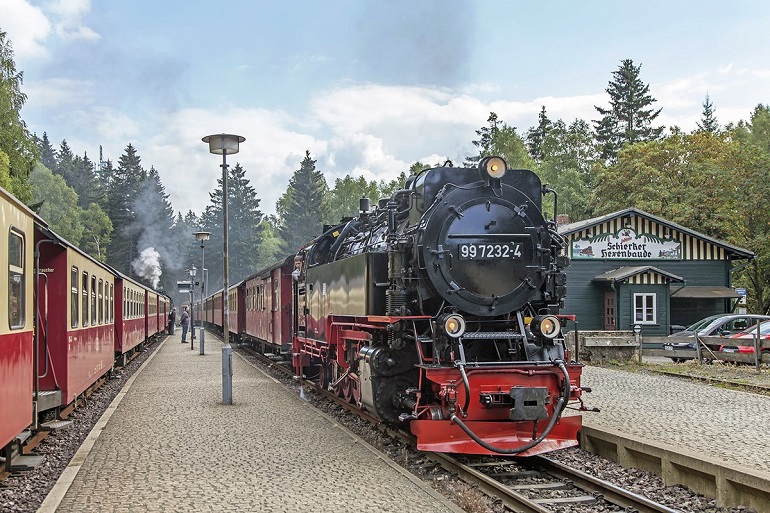
- The Brocken Railway reached Schierke in 1898 and continues to run with historic steam locomotives.
- Dramatic granite formations such as the Feuersteinklippen, Schnarcherklippen and Mauseklippen shape Schierke’s striking landscape.
- The Cold Bode (Kalte Bode) river flows through the village, carving a forested valley that’s prized for hiking.
- Today Schierke blends nature and recreation with attractions like the Feuerstein Arena and the Brocken Coaster, alongside tranquil spa gardens.
History
Schierke was first recorded as Schiriken in 1590. The village developed in the valley of the Cold Bode River, surrounded by pristine forest landscape, and became known for its sawmills and early smelting works. A church was consecrated here in 1691, marking the roots of the present settlement. Schierke’s growth continued, and in 1898 it gained rail connectivity when the Brocken Railway linked the village to Wernigerode, which contributed to an early influx of tourists seeking the restorative powers of its natural environment.
At the turn of the 20th century, Schierke established itself as a foremost spa and winter sports destination, even earning the moniker 'St. Moritz of the North'. Prominent hotels and stately villas sprang up, attracting the European nobility. The village hosted the German Skeleton Championships twice, in 1914 and 1934, while the nearby Brocken and Wurmberg mountains became favourite excursions for hiking and skiing enthusiasts. During the period of the Cold War, however, Schierke’s location near the inner German border meant that access was heavily restricted; several hotels became state-run holiday homes or quarters for the border troops, and special permission was needed to visit the area.
With German reunification, Schierke underwent a revival as a tourist haven. Many historic villas were restored, and the village actively re-established itself as a gateway to the Brocken and the Harz National Park, famed for hiking trails, the Brocken Railway, and the local herbal liqueur, Schierker Feuerstein, created in 1908. Since 2009, Schierke has formed part of the town of Wernigerode, maintaining its status as a holiday resort and spa—its traditions and natural beauty continuing to captivate travellers from all over Europe.
Main Attractions
Brocken (Mount Brocken)
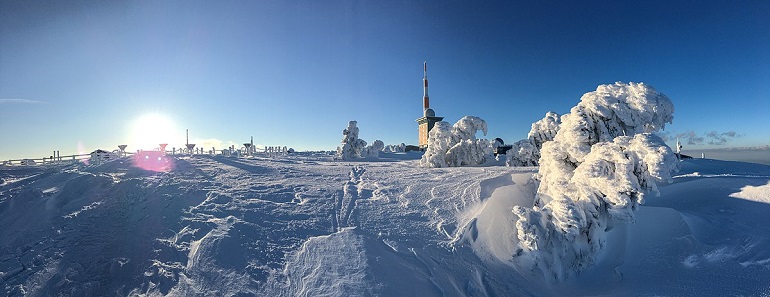
Brocken is the highest peak in the Harz Mountains, standing at 1,141 metres and serving as the most prominent natural attraction near Schierke. The mountain is accessible via several well-maintained hiking trails starting from Schierke, such as the Goetheweg and the Glashüttenweg, catering to walkers of various abilities. For those preferring a more leisurely ascent, the nostalgic Brocken Railway offers a scenic ride through the national park’s forests to the summit. At the top, visitors will find panoramic views over the Harz region, with the option to participate in guided tours with a national park ranger. The area is also steeped in local myths and legends, enhancing its appeal for both nature enthusiasts and cultural visitors.
Schierker Feuerstein Arena
The Schierker Feuerstein Arena is a modern multi-purpose sports and events venue located near the centre of Schierke. The facility provides a covered ice rink during winter, suitable for ice skating, curling and ice hockey, while the roof opens in warmer months for roller sports and various recreational activities. The arena holds regular sporting events and serves as a social hub for families and visitors, with options for equipment hire and on-site refreshment facilities.
Brocken Coaster
The Brocken Coaster is a summer toboggan run in Schierke designed for families and adventure seekers. The track winds down the slope at the foot of the Brocken, offering an exhilarating ride through scenic pine forests with tight bends and fast descents. Riders use individual sledges equipped with brakes for speed control, making the attraction suitable for children and adults alike. This facility provides a contrasting activity to the area’s hiking routes, adding a fun and accessible leisure option during the warmer months.
Schierke’s Natural Spa Gardens
Schierke’s natural spa gardens offer a tranquil setting for relaxation and recreation. The well-maintained gardens include landscaped walking paths, botanical rarities and quiet spots to unwind amidst the surrounding forests. Originating from Schierke’s history as a health resort, they continue to serve as a peaceful retreat for visitors looking to recharge in close contact with local flora. The site frequently hosts outdoor events and is suitable for families as well as individual travellers seeking a slower pace.
Bobsleigh Run (Alte Bobbahn)
The old bobsleigh run in Schierke, one of Germany’s earliest, was built in 1907 and used until the 1950s. The preserved course, stretching roughly 1,450 metres, follows forested trails and historic bends. Today the site attracts visitors interested in winter sports history and forms part of a popular hiking route that also includes sections of the Teufelsstieg path and views of the Brocken Railway.

Hiking in Schierke (Teufelsstieg and Themed Trails)
Schierke offers a dense network of hiking trails of varying difficulty and length, making it a renowned base for walkers and outdoor enthusiasts. Notable routes include the challenging Teufelsstieg (“Devil’s Path”), featuring rocky terrain and steep ascents suited to experienced hikers. Themed discovery and family-friendly trails allow children to engage with local legends, flora and fauna. The extensive infrastructure supports both intensive hiking adventures and leisurely forest walks.
Schnarcherklippen
The Schnarcherklippen are two remarkable granite rock towers located to the west of Schierke, easily reachable via marked trails. Standing 25 and 28 metres high, these rocks are known for an acoustic phenomenon whereby certain winds produce a snoring sound. The formations contain magnetite, causing compass needles to deflect, and can be climbed via iron ladders for wide-ranging views over the Harz region including the Brocken and Wurmberg. Nearby outcrops such as the Mäuseklippe and Scherstorklippen add interest for geology and nature enthusiasts.
Cliff Formations: Feuersteinklippen, Mäuseklippen, Ahrensklint
In the immediate surroundings of Schierke, several striking granite cliff formations can be explored, notably the Feuersteinklippen, Mäuseklippen and Ahrensklint. These natural features, shaped by geological forces over millennia, are accessible on foot via signposted trails starting in the village. They provide opportunities for panoramic views and are valued both for their scientific significance and as scenic viewpoints, making them popular destinations for hikers, climbers and those interested in the natural history of the Harz.

Top Museums
Brockenhaus Museum
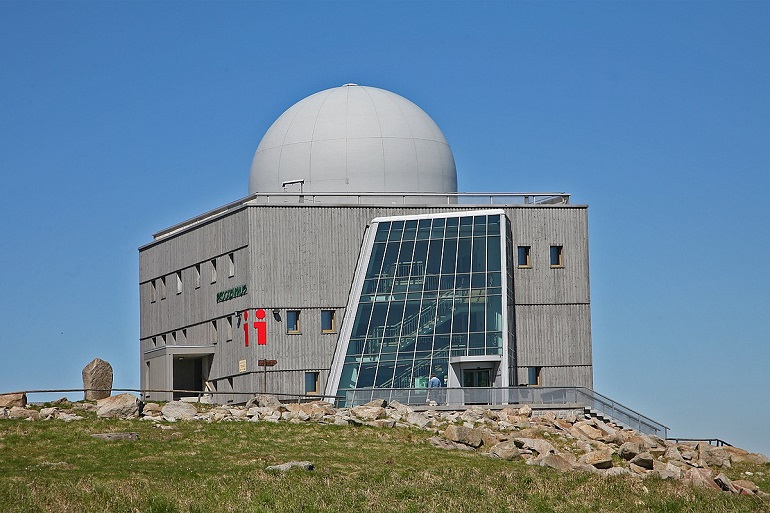
The Brockenhaus Museum is prominently situated at the summit of Mount Brocken and serves as the primary museum in Schierke. Its modern exhibitions unveil the fascinating and mysterious world of Mount Brocken, the highest peak in the Harz Mountains. Visitors can delve into a rich tapestry of subjects, from the geological formation of the region to its unique flora and fauna. A significant part of the museum is dedicated to the mountain’s compelling political history. During the era of the German Democratic Republic (GDR), the Brocken was a restricted military area operated by the Stasi, and the museum features original transmission and bugging devices from this period, offering a glimpse into Cold War espionage on the peak.
Interactive elements enrich the experience, including a virtual reality simulation that allows you to embark on a witch’s flight over Mount Brocken—an allusion to the area's connection to the Walpurgis Night legends. Panoramic views from the museum café and rooftop terrace provide further appeal, especially on clear days when vistas extend for up to 200km. The museum is accessible via a historic narrow gauge steam train from Schierke or by foot via picturesque hiking trails.
Adjacent to the museum is the Brocken Garden, Germany’s oldest alpine garden. With over 1,600 plant species from mountain regions around the world, it provides a unique botanical experience and guided tours are typically available in the summer months.
Local Cuisine
Schierke’s cuisine reflects the forests and rivers of the Harz, with menus built around hearty game and freshwater fish, notably rich game goulash, roast venison and Harz brown trout “Müllerin Art”. Traditional miners’ fare still echoes through local spreads, where Harz cheese (Harzer Roller)—protein-rich and famously pungent—appears alongside sausage, lard and robust bread in rustic “Tscherperessen” platters. Sweet tooths will spot simple comfort puddings like Arme Ritter (fried milk-soaked bread), while dumplings (Klümpe) turn up in both savoury and sweet guises, underscoring the region’s fondness for hearty, warming plates. To toast the day, the village’s signature Schierker Feuerstein—a herbal half-bitter created from a closely guarded recipe—remains the quintessential local digestif, best served ice-cold after a mountain walk.
Getting There
By train Schierke is reached via Wernigerode, which sits on regional lines from Magdeburg, Halle/Leipzig and Hanover/Braunschweig through Halberstadt and Goslar; from Wernigerode, continue on the Harz Narrow-Gauge Railway to Schierke station, with services running several times daily and coordinated for visitors to the Brocken.
By coach or bus Regional buses operated by Harzer Verkehrsbetriebe link Wernigerode with Schierke, notably line 264 running hourly most days; overnight guests holding the Harz travel card (HATIX) can use eligible public buses across much of the Harz, making onward travel to Schierke straightforward during a stay.
By car Approach Schierke via the L100 from Wernigerode (about 18km) or from Braunlage via the B27 to Elend and on to Schierke; parking is available in the village, and the route climbs steadily into the Upper Harz, so allow extra time in wintry conditions.
| Travel destinations in Saxony-Anhalt | ||||||||||||||
|---|---|---|---|---|---|---|---|---|---|---|---|---|---|---|
|
|
|
|
| ||||||||||
|
|
|
|
| ||||||||||
|
|
|
| |||||||||||