



| Contents |
|---|

Introduction
The Western Pomerania Lagoon Area National Park (Nationalpark Vorpommersche Boddenlandschaft in German) is Germany's largest coastal reserve, spanning 786 square kilometres. It consists of several peninsulas and islands in the Darss-Zingst Bodden Chain on the Baltic Sea. The park encompasses the Darß-Zingst peninsula, the island of Hiddensee, and the western coast of Rügen, but its defining feature is the Darß-Zingst Bodden Chain—a series of large, shallow, brackish lagoons. This unique aquatic landscape provides a vital habitat and serves as one of Europe's most important resting areas for migratory birds. It is particularly renowned for the tens of thousands of cranes that gather here in the spring and autumn.
Geography and Landscape
Overview
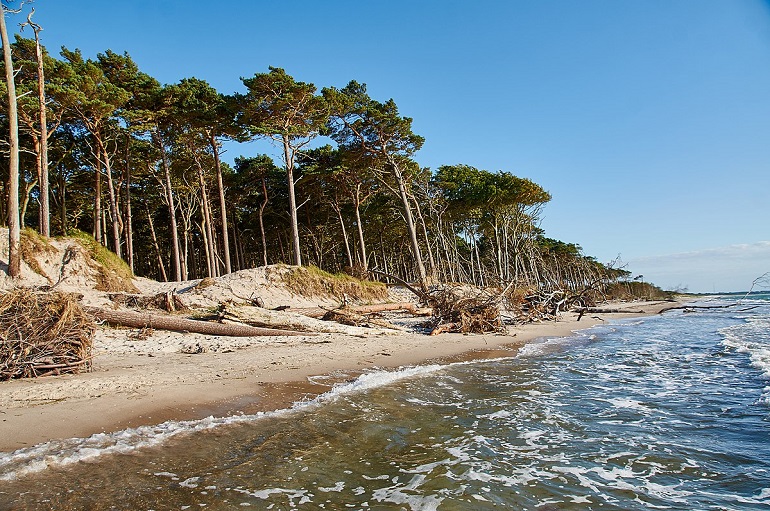
Stretching along Germany’s Baltic coast in Mecklenburg-Vorpommern, the Western Pomerania Lagoon Area National Park is defined by a striking interplay of sea, sky, wind, and shifting landforms. Its core character is sculpted by the shallow waters of the Bodden—coastal lagoons separated from the open Baltic Sea by barrier islands and peninsulas. This low-lying, ever-changing landscape blends wide horizons with intricate shorelines, where land is constantly being reworked by marine and aeolian forces.
Coastal Architecture: Bodden and Barriers
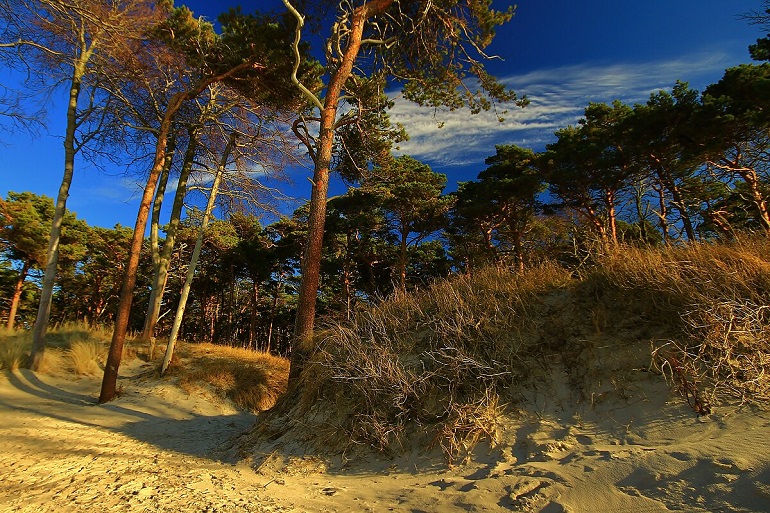
The park’s signature feature is its bodden system: semi-enclosed, brackish lagoons connected to the Baltic through narrow inlets. These sheltered waters create a labyrinth of bays, coves, and reed-fringed margins, their depths often minimal and their colours shifting with weather and season. The bodden are set behind barrier spits and long, sandy peninsulas, such as the Darß and Zingst, which act as natural breakwaters and define the park’s outer edge. Along the seaward rims lie sweeping beaches of pale sand, backed by dune belts that rise and fall in soft ridges, occasionally opening to reveal ephemeral ponds and wind-sculpted hollows.
The Darß–Zingst Peninsula
Projecting into the Baltic like a great, protective arm, the Darß–Zingst peninsula is a dynamic sand body built by longshore drift and shaped by storms. Its shoreline alternates between straight ocean-facing reaches and scalloped bays, while inland dune fields give way to low moors and lagoons. The peninsula’s western tip, sculpted by relentless wave action, shows stark coastal erosion in places and fresh accretion in others, a living demonstration of how capes and spits advance or retreat over time. Broad beaches merge into tranquil hinterlands where the land grades gently towards the bodden, creating a palpable transition from open sea to calm lagoon.
Islands and Outcrops
Within the park’s waters sit small islands and salt-tinged islets, some little more than low sandbanks that appear and vanish with shifting sediments and tides. These features punctuate the bodden and outer coast, offering focal points across the flat seascape and serving as indicators of ongoing geomorphological change. To the north and east, the horizon is often defined by narrow sandy bars or low dune crests, lending the scenery a spare, minimalist beauty.
Cliffs and Shores
While much of the park is low and sandy, sections present contrasting relief in the form of coastal bluffs and ancient morainic rises, where glacial deposits have been exposed by the sea. Here, wave-cut cliffs reveal layered earth tones—ochres, greys, and creams—descending to pebble-strewn foreshore. Elsewhere, shorelines are soft-edged, with mudflats and salt-scarred margins that glint under shallow water. The constant negotiation between soft sediment and energetic seas creates a mosaic of shore types within short distances.
Wetlands, Moors, and Shallow Waters
Behind the dune belts and along the inner rims of the bodden, extensive wetlands and peat-rich moors spread across flat terrain. Water pools in shallow basins, forming mirror-like surfaces that merge with the sky on still days. Channels, creeks, and narrow guts thread through the reeds, connecting lagoons and backwaters. Water levels respond to wind-driven set-up and set-down as much as to tides, giving the area a capricious, living-water quality that is central to its atmosphere.
Light, Sky, and Horizons
One of the park’s defining sensory impressions is its luminosity. With low relief and expansive water surfaces, light travels unimpeded, enhancing the sense of space and distance. Skies feel immense; cloudscapes take centre stage; and at the edges where land, water, and air meet, horizons seem to stretch endlessly. In certain places, subtle elevation shifts—a dune crest or low bluff—can yield panoramic views across both open Baltic and tranquil bodden.
Human Traces in a Shifting Land
The landscape bears discreet marks of human adaptation to a mutable coast: navigation beacons, slender jetties, and protective dune fences tucked into sandy margins. Traditional embankments and drainage cuts trace straight lines through otherwise fluid scenery, revealing historic efforts to shape water levels and reclaim land. However, the prevailing impression remains one of elemental processes at work, where wind, waves, and sediment dictate form and pattern more than any human hand.
Sense of Place
The Western Pomerania Lagoon Area National Park is, above all, a study in subtlety and motion. It offers vast beaches and intimate inlets, raw Baltic surf and hushed lagoonal waters, stark dune profiles and secretive wetlands. The quiet drama lies in the slow choreography of sand and water—an evolving coastal tapestry that rewards unhurried exploration and an eye for detail.
Flora and Fauna
The Western Pomerania Lagoon Area National Park stands as one of Europe's most significant coastal wilderness areas, offering visitors an extraordinary glimpse into the diverse fauna and flora that thrive in this unique Baltic Sea ecosystem. This pristine landscape, characterised by shallow lagoons, salt marshes, and ancient woodlands, supports an incredible array of wildlife across its varied habitats.
Avian Spectacle: A Birdwatcher's Paradise
The park's most celebrated inhabitants are undoubtedly its birds, with the area serving as one of the most important staging areas for migratory birds in Northern Europe. The shallow coastal waters, reed beds, and mudflats provide essential resting and feeding grounds for thousands of species.
Common cranes (Grus grus) are the park's flagship species, with up to 60,000 cranes gathering here annually, making it the largest roosting spot for cranes in all of Europe. During autumn, around 80,000 of these majestic birds grace the region with their presence, creating one of nature's most spectacular displays as they perform their elegant courtship dances and fill the air with their distinctive trumpeting calls.
The park also hosts white-tailed eagles, Europe's largest eagles and the self-proclaimed "kings of the skies". These magnificent raptors nest in tall trees near the water and represent an important conservation success story in the region. Ospreys and Arctic terns are also notable residents.
Waterfowl diversity is particularly remarkable, with large flocks of greater white-fronted geese (Anser albifrons), bean geese (Anser fabalis), and barnacle geese finding sanctuary during migration. Whooper swans visit during winter months, whilst great egrets and red-breasted mergansers utilise the brackish waters for feeding.
Wading birds include pied avocets (Recurvirostra avosetta) with their distinctive upturned bills, Eurasian curlews with their long, curved beaks, oystercatchers with bright orange bills, northern lapwings displaying their iridescent plumage, common redshanks (Tringa totanus), black-tailed godwits (Limosa limosa), and common ringed plovers (Charadrius hiaticula).
Marine Mammals and Coastal Wildlife
The park's coastal waters support several marine mammal species. Harbour seals (Phoca vitulina) are commonly observed basking on sandbanks and islands, using these areas as resting and breeding sites. Grey seals, larger than their harbour cousins, also inhabit the area, distinguished by their long noses and exceptional diving abilities.
Perhaps most remarkable are the harbour porpoises, among the smallest cetaceans and one of the few marine mammals in the Baltic Sea. These shy and elusive creatures serve as important top predators in the marine food web.
Terrestrial Mammals
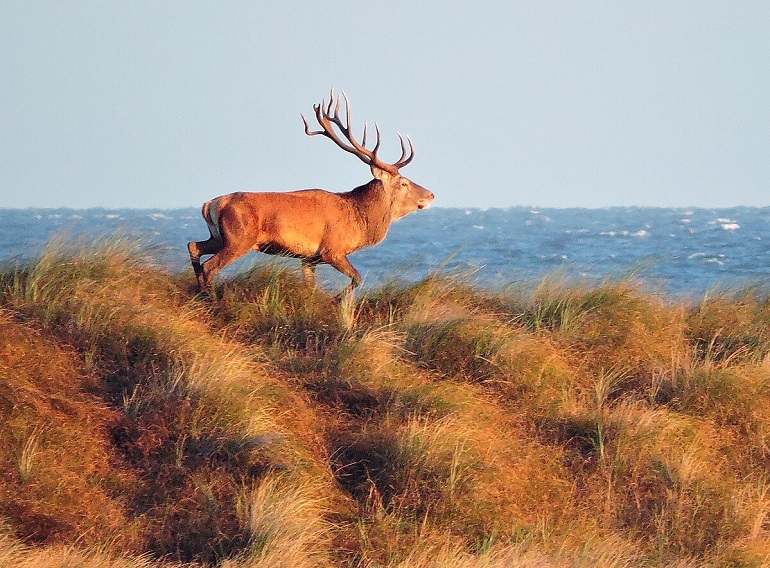
The park's diverse terrestrial habitats support a variety of mammals. Red deer and roe deer inhabit the coastal forests and meadows, feeding on grasses, shrubs, and young shoots. Wild boar roam the woodlands and marshes, serving as opportunistic feeders that help maintain ecological balance.
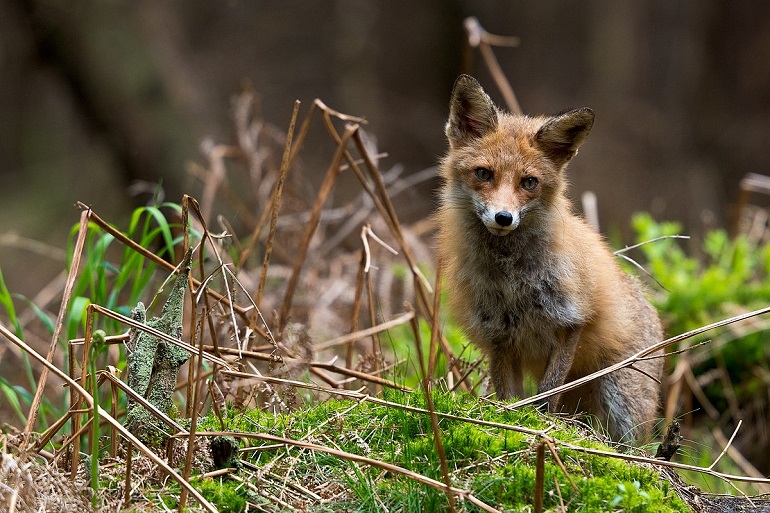
Red foxes are adaptable carnivores found throughout the park, scavenging along shores and controlling rodent populations. The secretive European otter thrives in the freshwater and brackish environments, preying on fish, amphibians, and small crustaceans.
Marine Life and Aquatic Fauna
The park's shallow lagoons serve as crucial nursery grounds for various fish species. Herring (Clupea harengus), garfish (Belone belone), and northern pike (Esox lucius) find sanctuary in these protected waters. The fascinating European eel begins its life in the Sargasso Sea before journeying thousands of kilometres to mature in the park's brackish lagoons.
A bustling community of invertebrates supports the intricate web of life, including rotifers, microscopic copepods, soft-shell clams (Mya arenaria), lagoon cockles (Cerastoderma glaucum), polychaete worms, and freshwater amphipods (Gammarus fossarum).
Flora and Vegetation Communities
The park's plant life is equally diverse, adapted to the unique conditions of this coastal environment. Underwater vegetation includes stoneworts (Charophycae) and beaked tasselweed (Ruppia maritima), which carpet the submerged realm in the shallow lagoons. In nutrient-rich zones, fennel pondweed (Potamogeton pectinatus) creates verdant underwater meadows, though vegetation becomes sparse in depths beyond 70 centimetres where sunlight cannot penetrate.
Extensive salt marshes and reed beds fringe the lagoons, providing crucial habitats for wildlife whilst helping to stabilise the coastline. The park also encompasses extensive beech forests, particularly on the island of Hiddensee and western Rügen, where ancient trees create tranquil, shaded environments.
Sand dunes and coastal grasslands add to the varied landscape, with rare coastal heaths and unspoilt marshlands creating a mosaic of habitats. These diverse plant communities support the park's remarkable wildlife diversity whilst contributing to the area's scenic beauty.
Conservation and Ecological Importance
The park's management focuses on protecting these delicate ecosystems through conservation efforts that limit human disturbance, particularly during critical migration seasons. Rewilding initiatives have helped restore natural processes in salt marshes and wetlands, benefiting biodiversity whilst maintaining the area's status as a vital sanctuary for wildlife.
Animal species both large and small, from red deer to the blue moor frog, find exclusive habitats spread across the park's extensive area. This remarkable biodiversity, combined with the park's pristine coastal beauty, makes the Western Pomerania Lagoon Area National Park an essential destination for nature enthusiasts and a crucial refuge for wildlife in Northern Europe.
Activities and Attractions
The park's diverse terrain offers visitors an unparalleled opportunity to experience the dynamic forces of nature whilst engaging in numerous outdoor activities across both land and water environments.
Comprehensive Hiking Trail Network
The park features an extensive and well-developed hiking trail system with approximately ten designated routes that showcase the region's diverse ecosystems. These paths wind through an impressive mosaic of habitats including pristine beaches, ancient coastal forests, heathland, meadows, and dramatic clifftops, ensuring that each hiking experience offers unique perspectives and discoveries.
Detailed Trail Descriptions
- The Dornbusch Hiking Trail: Represents the park's most challenging walking route, though it remains accessible to hikers of moderate fitness levels. This meticulously designed loop covers just under five kilometres and typically requires slightly over an hour to complete at a comfortable pace. The trail's reputation as the park's most demanding route stems from its varied terrain rather than extreme elevation changes. Hikers traverse root-covered forest floors, navigate through sections of deep, loose sand typical of coastal dune environments, and occasionally encounter seasonal puddles that reflect the area's natural water cycles. Panoramic rewards from this trail are truly spectacular, offering sweeping views across the park's diverse landscape. Dogs are welcome but must remain on leads.
- The Zingst/Sundische Wiese Circuit: Presents a more moderate four-kilometre hiking experience, beginning and concluding at the historically significant former Ellerhof site. This circular route offers flexibility, with worthwhile detours to two of the park's most spectacular viewpoints: Hohe Düne and Pramort. These diversions provide breathtaking panoramic views across vast countryside and coastal landscapes. The recommended approach for accessing this trail involves cycling from Schlösschen Sundische Wiese to the trailhead.
- The Darsser Ort Coastal Experience: Commences at the Bernsteinweg car park and follows the dramatic north beach coastline through one of the park's most scenic sections. This circular hiking trail incorporates multiple strategically positioned observation decks for magnificent views across the landscape and seascape. Hikers may spot red deer and sea eagles. A highlight includes a visit to the NATUREUM at the lighthouse before returning via the historic lighthouse path.
- The Guided Hiddensee/Bessin Route: Offers a more intimate three-kilometre hiking experience, starting at the Bessin entrance and concluding at a purpose-built observation deck. This trail along the Alter Bessin peninsula is rewarding for ornithologists and botany enthusiasts, offering close encounters with diverse plant communities and exceptional bird-watching.
- The Forest Hike: A longer option covering six kilometres over approximately two hours, taking hikers deep into ancient alder forests between sand dunes and natural swampland for an immersive experience.
- The Lighthouse Loop Trail: A moderate, one-hour, four-kilometre walk that combines coastal and inland environments. It provides excellent access to the park's iconic lighthouse.
- Daras Forest guided tours: Venture into the largest unbroken stretch of woodland. Expert-led excursions interpret the forest’s complex ecosystem and wildlife communities.
Hiking conditions range from root-covered forest floors, deep loose sand typical of dunes, to seasonal water features. Appropriate footwear is essential. Staying on designated paths is critical, especially in Core Zones, where delicate moss and lichens are easily damaged by trampling.
Diverse Water-Based Adventures
With about 80% of the park consisting of water environments, aquatic activities are essential for a complete experience. Shallow lagoons, coastal waters, and waterways create opportunities for:
- Boat excursions: Access marine environments, observe marine life like harbour porpoises and grey seals, and explore the lagoon systems.
- Kayak tours: A sensitive way to explore water habitats closer to wildlife without disturbing them, suitable for calm weather days.
- Sailing and motorboats: Permitted in specified areas, subject to regulations protecting wildlife and habitats.
Exceptional Fishing Opportunities
The aquatic environments support nearly 50 fish species. Extensive coastal beach fishing and varied lagoon fishing are available. Catch-and-release is prohibited; anglers must be prepared to keep what they catch.
Strategic Vantage Points and Observation Areas
- Pramort: Home to impressive dunes over 40 feet high, with observation decks to protect sensitive vegetation and offer dramatic views.
- Hohe Düne: The largest unforested dune field on the Baltic coast, traversed by wooden walkways and equipped with viewing platforms.
- Darßer Ort lighthouse: Iconic for 360-degree panoramic views and maritime interpretive facilities.
Comprehensive Information and Education Network
- Sundische Wiese Information Centre: Focuses on terrestrial ecosystems and seasonal changes.
- Darßer Arche: Features coastal dynamics and geological processes.
- Haus am Kliff (Barhöft): Specialises in maritime ecosystems and heritage.
- National Park House on Hiddensee: Covers island ecosystems and conservation.
- Other centres in Zingst, Waase, and Bug offer local guidance.
The Island of Hiddensee Experience
Hiddensee Island, with its car-free policy, preserves pristine natural landscapes. Hiking routes, including coastal paths and meadows, combine with cycling and ferry access for a tranquil experience. The Hiddensee lighthouse offers scenic views, while cycling paths facilitate low-impact exploration.
Extensive Cycling Network
Cycling complements hiking, providing access to trailheads, attractions, and information centres. Flat terrain allows accessibility for all visitors. Routes traverse sea views, forest tracks, and rest areas with educational panels.
Year-Round Activities and Seasonal Considerations
- Spring: Migration season for thousands of birds; excellent hiking conditions.
- Summer: Ideal for water-based activities and longer hikes.
- Autumn: Spectacular colours and up to 60,000 cranes roosting; prime time for nature photography.
- Winter: Solitude and wildlife observation with fewer visitors, though weather and daylight must be considered.
Accommodation
Coastal Cottages and Holiday Homes
Nestled along sandy beaches and sheltered bays, traditional seaside cottages and self-catering holiday homes provide an ideal retreat for families or groups seeking privacy and flexibility. Often converted from historic fisherman’s huts or newly built to blend with the landscape, these properties typically feature:
- Fully equipped kitchens, allowing guests to prepare fresh local seafood.
- Spacious decks or terraces with views of the lagoon, perfect for morning coffee or evening stargazing.
- Easy access to walking trails and cycle routes winding through dunes and reed beds.
Farmhouse Stays and Rural Lodges
On the outskirts of park boundaries, converted farmhouses and rural lodges offer a bucolic atmosphere, surrounded by meadows and pastures. Guests can often enjoy:
- Breakfasts made with farm-fresh eggs, honey, and homemade preserves.
- Engaging with local producers, from cheese-making demonstrations to beekeeping insights.
- Ample open space for children to roam and for birdwatching right at the doorstep.
Eco-Friendly Campsites and Glamping
For those eager to immerse themselves more directly in nature, several eco-conscious campsites and glamping platforms lie within the park’s perimeter. Facilities range from basic tent pitches to fully furnished safari tents and wooden pod-style huts. Key features include:
- Communal fire pits for sharing stories under the stars.
- Solar-powered showers and composting toilets in line with sustainable principles.
- On-site nature guides offering twilight walks and bat-watching tours.
Coastal Guesthouses and Family-Run Inns
Along the park’s fringes, charming guesthouses and small inns combine warm hospitality with local character. Visitors can expect:
- Cosy sitting rooms with wood-burning stoves and well-stocked library corners.
- Hearty evening meals featuring regional specialities such as fresh herring, eel pâté and potato dumplings.
- Personalised service, with concierge tips on secluded beaches, bridle paths and boat excursions.
Practical Considerations
- Seasonality: Summer (June to August) brings balmy days and bustling birdlife but book well in advance. Spring and early autumn offer quieter trails and dramatic skies at sunrise.
- Transport: Some rural and coastal retreats require a car or bicycle, while others are accessible by regional bus or ferry.
- Reservations: Many hosts operate on limited-room inventories; advanced reservation maximises choice and flexibility.
- Eco-awareness: The park authorities encourage low-impact stays—opt for providers who demonstrate sustainable practices, from waste reduction to wildlife-friendly lighting.
Gastronomy
A Taste of the Baltic
Given its location, it is no surprise that fish is the cornerstone of the region's culinary identity. The waters of the Baltic Sea and the inland lagoons (Bodden) provide a diverse catch, with almost 50 species of fish inhabiting the varied water environments.
A visit to the area would be incomplete without sampling the local smoked fish. Delicacies such as mackerel, halibut, and eel are traditionally smoked and sold throughout the region. Herring is another staple, prepared in various ways. You might encounter it pickled as Bismarckherring, often served with onions in a crisp roll, or as Brathering (fried marinated herring).
From the Land
Beyond the coast, the region's fields and forests provide an abundance of produce. Local weekend markets are treasure troves for food lovers, offering regional cheeses, honey, sausages, and freshly baked breads.
Key regional products include:
- Game: Venison and wild boar from the extensive forests are often featured on local menus, especially in savoury salamis and roasts.
- Sea Buckthorn: Known locally as the "lemon of the north," the bright orange berries of the sea buckthorn bush are used to make tangy jams, juices, and nectars.
- Seasonal Vegetables: Depending on the season, you can find fresh local produce like asparagus.
- Hearty Dishes: In autumn, a traditional dish is the Mecklenburger Rippenbraten, a flavourful roast pork stuffed with apples and prunes. For a sweet treat, many cafés offer Rote Grütze, a red fruit pudding commonly served with cream or vanilla sauce.
Getting There and Around
Getting to the Western Pomerania Lagoon Area National Park
The Western Pomerania Lagoon Area National Park is located on the Baltic Sea coast in the state of Mecklenburg-Vorpommern, north-eastern Germany. The park can be accessed by various modes of transport, with nearby towns such as Zingst and Born often serving as convenient gateways.
- By Car: The most straightforward route is by car. From Hamburg, motorists can follow the A1, then A20, and A19 motorways. The A19 should be exited at Rostock-Ost (exit 6), after which you continue on the B105 towards Zingst, passing through Bartelshagen II, Fuhlendorf, and Pruchten. Similarly, from Berlin, the journey is roughly two to three hours by car, heading north to the park area.
- By Train and Bus: From Berlin, a train travels to Ribnitz-Damgarten West station. From there, a local bus (for example, line 210) continues to Born, a town close to the park. The combined journey from Berlin, involving the train and bus, takes around 4.5 hours. Alternatively, direct long-distance buses operate several times per week from Berlin Alexanderplatz to Born-Ibenhorst.
- From Abroad: For those travelling internationally, the closest major airports are in Hamburg and Berlin. From there, rental cars and public transport connections are available for onward travel to the national park area.
Getting Around the National Park
Once within the Western Pomerania Lagoon Area National Park, the best way to explore depends on your interests and the specific sites you wish to visit.
- Cycling and Walking: The park features many well-maintained and signposted hiking and cycling trails. Travelling by bicycle is an excellent way to reach various parts of the park, including the starting points of popular hiking routes such as those from Schlösschen Sundische Wiese or the north beach at Darsser Ort. The Darß Lighthouse, for example, is only reachable on foot or by bike.
- Boats and Kayaks: Given that a significant portion of the park consists of water, seeing the park by boat or kayak is highly rewarding. There are strict rules about access, but kayak tours and some boat trips are permitted in certain areas, offering views of cliffs, lagoons, and rich birdlife.
- Local Buses: Local public buses connect key villages and entry points like Zingst, Born, and surrounding communities. Stops such as Born Waldschänke are noted for their proximity to the park.
- Information and Visitor Centres: To plan further excursions or gather detailed park information, visitors can head to information centres located in Hiddensee, Zingst, Barhöft, Waase, and Bug.
General Tips
- In core preservation zones, visitors must remain on marked paths to protect sensitive habitats.
- Suitable footwear is essential, as trails often traverse sandy or uneven terrain.
- Binoculars are advisable, especially for those keen on birdwatching, as the region is famous for its migratory cranes and other birdlife.
In summary, the Western Pomerania Lagoon Area National Park can be reached conveniently by car or a combination of train and bus from major German cities. Once there, getting around is best accomplished using local buses, bicycles, hiking, or via waterways, all whilst respecting the natural environment and its regulations.

Best Time to Visit
Summer (June to August)
Summer represents the peak season for Western Pomerania Lagoon Area National Park, when the Baltic coast comes alive with warm temperatures and long daylight hours. The weather is ideal for exploring the park's extensive network of hiking trails, cycling along coastal paths, and enjoying boat excursions through the lagoons. Beach activities flourish during this period, with comfortable temperatures for walking along the pristine shoreline and observing marine life.
However, summer's popularity means the park experiences its busiest period, with tourist numbers at their highest. Accommodation fills up quickly, and popular viewpoints like Pramort and Hohe Düne can become crowded, particularly during weekends and school holidays.
Autumn (September to November)
Autumn emerges as perhaps the most spectacular time to visit Western Pomerania Lagoon Area National Park. This season transforms the park into Europe's largest roosting site for cranes, with tens of thousands of these magnificent birds arriving for their migration. The sight and sound of up to 60,000 cranes gathering in the lagoons creates an unforgettable wildlife spectacle that draws nature enthusiasts from across the continent.
The cooler temperatures and fewer crowds make autumn ideal for hiking and photography. The changing colours of the coastal forests provide stunning backdrops, whilst the dramatic autumn skies over the Baltic Sea offer exceptional sunset viewing opportunities. Bird migration activity peaks during this period, making it a paradise for birdwatchers seeking to spot various species of geese, waterfowl, and raptors.
Winter (December to February)
Winter visits offer a completely different perspective of the park, characterised by solitude and raw natural beauty. The landscape takes on a stark, elemental quality with storm-lashed beaches and frost-covered reed beds. This season appeals to those seeking contemplative walks along deserted shores and dramatic weather displays over the Baltic Sea.
Wildlife viewing opportunities continue, with seals more easily spotted along the coastline and hardy bird species remaining throughout the winter months. The reduced daylight hours and unpredictable weather require proper preparation, but reward visitors with an authentic wilderness experience largely free from crowds.
Spring (March to May)
Spring brings renewal to the park as migratory birds return and coastal vegetation begins to flourish. The season offers excellent birdwatching opportunities as species arrive from their wintering grounds, though the spectacle isn't quite as concentrated as autumn's crane migration.
Weather conditions can be variable during spring, with occasional storms interspersed with increasingly pleasant days. This transitional season provides good value for visitors, with fewer crowds than summer but more predictable conditions than winter.
Weather Considerations
The park's coastal location means weather can change rapidly throughout the year. Visitors should prepare for potential wind and rain regardless of season, as Baltic Sea conditions can be unpredictable. Summer temperatures typically range from comfortable to warm, whilst winter can bring harsh coastal weather with strong winds and occasional storms.
Recommended Timing
For the ultimate wildlife experience, visit during late August through October when crane migration peaks. Those preferring comfortable weather and full access to all activities should choose June through August, despite higher visitor numbers. Winter and early spring suit visitors seeking solitude and dramatic coastal scenery, though weather-dependent activities may be limited.
Each season offers distinct advantages, making Western Pomerania Lagoon Area National Park a year-round destination that rewards visitors with different but equally memorable experiences throughout the calendar year.
Conservation and Responsible Tourism
Conservation Excellence and Biodiversity Protection
The park's conservation efforts centre on protecting one of Northern Europe's most critical staging areas for migratory birds. Each autumn, up to 60,000 cranes converge here, creating Europe's largest roosting spot for these magnificent birds. The park also safeguards vital habitats for endangered species, including the common harbour porpoise and grey seals, whilst supporting over 160 bird species.
Rewilding initiatives have successfully restored natural processes in salt marshes and wetlands, enhancing biodiversity across the park's diverse landscapes. The national park authority's primary aim is to protect the area's particular characteristics, beauty, and unspoilt nature, including the most important water and shorebird breeding grounds on the German Baltic coast.
The shallow lagoons, or "Bodden," which give the park its name, create brackish water habitats with varying salt content that contribute significantly to local biodiversity. These nutrient-rich waters support a complex marine ecosystem, whilst extensive beech forests, salt marshes, and reed beds provide crucial habitats for wildlife.
Sustainable Tourism Practices
Responsible Access and Movement
Visitors can explore the park through carefully managed activities that minimise environmental impact. Boat tours offer the most sustainable way to experience the lagoons, allowing tourists to observe wildlife from a respectful distance without disturbing sensitive habitats. The park permits controlled access for sailboats and motorboats in designated areas, though kayak tours provide the most environmentally conscious option for water-based exploration.
Protected Pathways and Education
The park features well-maintained hiking trails designed to protect fragile ecosystems. Visitors must strictly adhere to signposted paths, particularly in Core Zones, as even a single step off designated routes can cause significant damage to sensitive lichens, mosses, and dune vegetation.
Notable sustainable hiking options include:
- Guided hike Hiddensee/Bessin (3km): Perfect for birdwatchers and botany enthusiasts
- Zingst/Sundische Wiese circuit (4km): Offers breathtaking views whilst protecting grassland habitats
- Darsser Ort circular trail: Features observation decks that allow wildlife viewing without disturbance
Car-Free Zones
The island of Hiddensee exemplifies sustainable tourism through its car-free policy, creating a tranquil environment that reduces noise pollution and habitat disturbance whilst enhancing the visitor experience.
Responsible Tourism Guidelines
Leave No Trace Principles form the foundation of responsible visiting. The park operates under the principle of "don't bring in anything, don't take anything out," ensuring natural habitats remain undisturbed. Noise restrictions protect wildlife, particularly during critical migration periods when thousands of birds use the area for rest and refuelling.
Seasonal Considerations are crucial for responsible tourism. The park's management limits human disturbance in key wildlife areas during migration seasons, particularly when cranes arrive in autumn. Visitors should plan their trips accordingly, respecting wildlife schedules and breeding periods.
Educational Opportunities enhance responsible tourism through information exhibitions at Sundische Wiese, Darßer Arche, Haus am Kliff in Barhöft, and the National Park House on Hiddensee. These centres provide essential knowledge about coastal dynamics, flora, fauna, and conservation efforts.
Ongoing Conservation Challenges
The park faces modern conservation challenges, including rising sea levels due to climate change and increasing tourism pressure. Balancing visitor access with ecosystem protection remains a priority, requiring careful management to ensure future generations can experience this remarkable coastal wilderness whilst preserving its ecological integrity.
Collaborative Conservation Efforts demonstrate the park's commitment to long-term protection. Partnerships with organisations like Naturefund enable the purchase of valuable conservation areas, bringing the national park closer to its long-term protection goals.
Through thoughtful planning and respect for guidelines, visitors can contribute to the park's conservation mission whilst experiencing one of Europe's most spectacular coastal environments. The Western Pomerania Lagoon Area National Park proves that responsible tourism and effective conservation can work hand in hand to protect irreplaceable natural heritage.
Visitor Centres and Educational Facilities
The Western Pomerania Lagoon Area National Park offers a well-developed network of visitor centres and partner exhibitions that make it easy to understand the park’s dynamic coastal landscapes, wildlife, and responsible ways to explore them. These centres are distributed across key access points on the Fischland–Darß–Zingst peninsula and the islands, with rangers, exhibits and viewing towers helping interpret everything from shifting dunes and salt meadows to the region’s famous autumn crane gatherings.
Core National Park Information Points
-
Sundische Wiese, Zingst
A dedicated information centre on the Zingst peninsula with ranger presence and exhibitions that explain habitats, coastal processes and visitor guidance within this sensitive section of the park. -
Haus am Kliff, Barhöft
A compact exhibition that introduces the national park’s shorelines, reedbeds and “Bodden” (lagoons) in an accessible way for families and international visitors; a nearby tower provides sweeping views over the lagoons and Baltic Sea, ideal for orientation and bird spotting. -
National Park House, Hiddensee
The park’s own exhibition space on Hiddensee island serves as a ranger station and interpretive hub for trails, seasonal wildlife, and the island’s protected dune and heath systems.
Partner and Associated Exhibitions
-
Darßer Arche, Wieck a. Darß
Housed in the former village school with a striking, ship-hull-like extension, this visitor and guest centre presents an engaging exhibition on the park’s habitats and the powerful forces that continually shape the coastline (erosion, sand drift, dune building). It also provides tourist information and practical advice for planning visits. -
NATUREUM Darßer Ort (near Prerow)
A natural history museum within the park that focuses on the Darß peninsula’s landscapes and Baltic biodiversity. Highlights include aquaria with local marine life, natural history displays, and access to the 35-metre Darßer Ort lighthouse for expansive views over the Bodden and coast—useful for grasping geomorphology and spotting wildlife. -
Waase and Bug information points
Additional partner-run sites that contribute local context and orientation around the Bodden shores, complementing the park’s own centres.
What the Exhibitions Cover
-
Coastal dynamics and land formation
Exhibits show how cliffs, spits, dunes and shallow lagoons evolve under the influence of wind and waves, a hallmark of this stretch of Baltic coastline. -
Habitats and species
Interpretive displays explain reedbeds, salt marshes, forest succession and marine life, helping visitors recognise what they see on trails, lookouts and boat trips. -
Crane migration
Each autumn, up to tens of thousands of cranes roost in the park’s lagoons, making it one of Europe’s premier staging areas; centres offer current advice on viewing etiquette and vantage points.
Practical Tips for Travellers
-
Start at a visitor centre
Collect maps, check trail conditions, seasonal restrictions and ranger-led walks; centres at Sundische Wiese, Barhöft, Hiddensee and the Darßer Arche are particularly helpful for first-time visitors. -
Combine exhibits with viewpoints
Pair an indoor visit with an outdoor vantage: the Barhöft tower overlooks the Bodden seascape, while the Darßer Ort lighthouse offers a panoramic introduction to the peninsula’s geomorphology. -
Time crane viewing carefully
Autumn evenings are prime for crane fly-ins; staff at centres can advise on boat trips and viewing areas around Zingst, Pramort and the Bodden islands, with guidance to minimise disturbance. -
Explore the peninsula context
The Fischland–Darß–Zingst area is largely within the park and can be explored on foot or by bicycle along signed paths linking forests, dunes and lagoons, with centres spaced sensibly along the route network.
Nearby Educational Institutions
-
Ozeaneum and German Maritime Museum, Stralsund
Both institutions, closely linked geographically to the park, deepen understanding of the Baltic and North Sea environment and complement the park’s nature-focused interpretation. -
NABU Crane Information Centre
A national park partner offering detailed crane ecology, migration insights and responsible watching guidance—valuable during the peak autumn season.
Orientation: The Bodden Landscape
Understanding the park’s string of shallow lagoons (the Darß–Zingst Bodden Chain) helps frame any visit. From west to east, Saaler Bodden, Bodstedter Bodden, Barther Bodden and the Grabow are separated from the open Baltic by the Fischland–Darß–Zingst peninsula; their varying salinity, inlets and river inputs create the mosaic of habitats interpreted across the visitor centres.
Where to Find Centres Across the Park
Information facilities are distributed in Hiddensee, Zingst (including Sundische Wiese), Barhöft, Waase and Bug, with additional partner venues at Wieck (Darßer Arche) and the NATUREUM at Darßer Ort near Prerow—ensuring most gateway towns have accessible interpretation and advice for exploring the protected area.


