Introduction
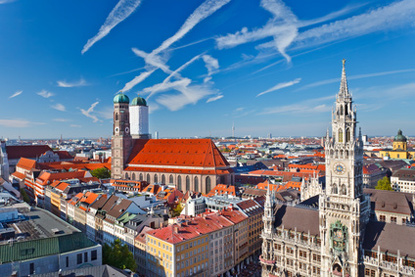
Munich (pop. 1.6 million; urban 2.6 million; metro 6 million), the capital and largest city of Bavaria, is Germany's third-largest city. Located north of the Alps along the Isar River, the city combines historical significance dating back to 1158 with modern prominence as a global center of science, technology, and tourism. The city features numerous historical landmarks, including the Frauenkirche cathedral, Marienplatz with its Old and New Town Halls, and the Nymphenburg Palace. Munich's cultural landscape encompasses world-famous museums, the historic Hofbräuhaus Brewery, and extensive green spaces like the English Garden26. The city consistently ranks among Germany's most expensive cities and boasts one of the highest standards of living worldwide.
Badly damaged in WWII, the city has recovered well and its prosperity transpires in its chic boutiques and its rich cultural scene. The Oktoberfest, the world's largest beer festival, attracts millions of visitors every year. Munich hosts the headquarters of many top companies such as BMW, Siemens, or Allianz.
Interesting Facts about Munich
- Munich was first officially mentioned in 1158 and later became the capital of the Kingdom of Bavaria in 1806.
- The city hosts Oktoberfest, the world’s largest Volksfest, first held in 1810 to celebrate a royal wedding.
- Around seven million visitors now attend Oktoberfest, with a record 7.2 million in 2023.
- Marienplatz’s Neues Rathaus features the famous Glockenspiel that reenacts 16th-century stories with life-sized figures.
- Munich’s Englischer Garten is one of Europe’s largest urban parks and even has a year-round river-surfing wave.
- The city is synonymous with beer culture, from historic beer halls to vast beer gardens under chestnut trees.
- Munich hosted the 1972 Summer Olympics, leaving an architectural legacy in the Olympic Park.
- BMW has deep roots in Munich, where the company was founded and maintains its museum and headquarters.
- The Frauenkirche’s twin-towers skyline is a protected city symbol that shapes building-height debates.
- Munich’s museums include the Alte Pinakothek, among the world’s oldest galleries of Old Masters.
- The city is a major European hub for science, technology, finance, and innovation with a very high quality of life.
- Munich’s population in 2025 is estimated around 1.59 million in its urban agglomeration.
- The U-Bahn and S-Bahn network is known for punctuality and cleanliness, underpinning easy citywide travel.
- The mayor ceremonially opens Oktoberfest by tapping the first keg with the cry “O’zapft is!”.
- Many historic buildings damaged in WWII were painstakingly restored, preserving the Baroque and Neo-Gothic feel.
- The Theresienwiese (“Wiesn”), Oktoberfest’s grounds, also hosts other seasonal festivals and fairs.
- Munich is famed for hearty Bavarian dishes like Weisswurst, pretzels, and roast chicken at festivals and beer halls.
- The city balances tradition and modernity, from Wittelsbach heritage to cutting-edge research institutions.
- Surfing the Eisbach, strolling the English Garden, and visiting palaces like Nymphenburg define local leisure.
- International rankings regularly cite Munich for liveability and prosperity within the EU.
History
Munich, or München in German, derives its name from the medieval term "zu den Münichen," meaning "at the site of the little monks". The city's origins trace back to a Benedictine monastery, likely established around 750 CE, though the foundation date of Munich itself is officially recognised as 14th June 1158. This date marks the Augsburg Arbitration, when Emperor Frederick Barbarossa legitimised the establishment of Munich following a dispute between Henry the Lion, Duke of Saxony and Bavaria, and Bishop Otto of Freising.
The city's creation stemmed from Henry the Lion's strategic economic ambitions. In 1157, he granted Benedictine monks the right to establish a market where the Salt Road from Salzburg met the River Isar. To ensure all traders used his new toll bridge and market, Henry destroyed the existing bridge at nearby Föhring, forcing merchants to pass through his settlement. Archaeological excavations at Marienhof Square in 2012 uncovered 11th-century pottery shards, suggesting the settlement predates the official founding date.
By 1175, Munich had received city status and fortification, with stone walls studded with watchtowers and five gates enclosing approximately 2,500 inhabitants. The central Marienplatz, originally known as the Marketplace or Grain Market, became the crossing point of the historic Salt Route and remains the city's heart today. Following Henry the Lion's fall from grace in 1180, the Wittelsbach dynasty gained control of Bavaria and Munich, ruling the region for over 700 years until 1918.
The medieval period saw Munich flourish under Wittelsbach rule. Duke Louis IV, a Munich native, was elected German king in 1314 and crowned Holy Roman Emperor in 1328, significantly strengthening the city's position by granting it the salt monopoly. This ensured substantial additional income and enhanced Munich's importance as the principal river crossing between Salzburg and Augsburg. However, the city faced considerable challenges, including devastating fires in 1327 and 1429 that destroyed large portions of the settlement.
The late 15th century marked a revival of Gothic arts in Munich. Following the 1429 fire, extensive rebuilding efforts produced architectural landmarks that survive today, including the Old Town Hall, which dates to 1310 but was enlarged during this period. The iconic Frauenkirche, Munich's cathedral with its distinctive twin brick towers and onion domes, was constructed remarkably quickly between 1468 and 1494, becoming the city's enduring symbol.
In 1506, Munich became the capital of Bavaria, marking a new era of prominence. The 16th century brought the Renaissance and Counter-Reformation to Munich, transforming it into a centre of Catholic revival and artistic achievement. The largest Renaissance church north of the Alps, Michaelskirche (St. Michael's Church), was begun in 1583 and took 14 years to build, nearly bankrupting the Bavarian treasury but establishing Munich as an architectural beacon. The Wittelsbach family simultaneously expanded their stronghold, the Residenz, and founded the art collection that would eventually become the Alte Pinakothek.
The Catholic League was founded in Munich in 1609, strengthening the city's role in religious politics. In 1623, during the Thirty Years' War, Munich became an electoral residence when Duke Maximilian I was invested with electoral dignity. However, the city suffered greatly during this conflict — it was occupied by Swedish King Gustavus Adolphus in 1632 and devastated by the bubonic plague in 1634-1635 which killed approximately one-third of the population.
Under the Bavarian electors, Munich became an important centre of Baroque life, with magnificent palaces like Nymphenburg Palace built in 1675 and the Cuvilliés Theatre constructed in 1753. The population grew from 20,000 in 1680 to 38,000 by 1783. Notable cultural achievements included the premiere of Mozart's opera Idomeneo in 1781 and the establishment of the Bavarian Academy of Sciences and Humanities in 1759.
The city was taken by French forces on 2 July 1800 and experienced multiple occupations during the Napoleonic Wars. Munich became the capital of the Kingdom of Bavaria in 1806 under French influence. The most transformative ruler was King Ludwig I (1825-1848), the actual creator of the so-called "new Munich", who brought forward artistic and cultural activity, making Munich a centre of intellectual elite. His ambitious building programmes created many of the neoclassical landmarks that define Munich today.
After World War I, Munich experienced massive recession with poverty, housing shortage and unemployment that provided fertile ground for Nazi ideology. From 1933 until the end of the Third Reich, Munich became a Nazi stronghold, serving as the birthplace and headquarters of the Nazi movement. However, Munich was also a centre of resistance, notably the "Weiße Rose" (White Rose) student group who distributed anti-Nazi flyers in 1942 before being executed in 1943. During World War II, about 45% of all buildings in Munich were damaged or destroyed.
Munich was completely rebuilt following a precise and rather conservative plan which preserved its pre-war street grid and historical character. The city experienced remarkable growth during the "Wirtschaftswunder" (economic miracle) in the 1950s and 1960s, with the population passing the 1 million mark. Major modern milestones include the 1972 Summer Olympics, the 1974 Football World Cup, and the construction of the new Munich Airport "Franz-Josef-Strauss". The city also hosted matches during the 2006 Football World Cup. Today, more than 1.4 million people live within Munich, making it Germany's third-largest city and a major economic powerhouse.
Main Attractions
In the Old Town
Marienplatz
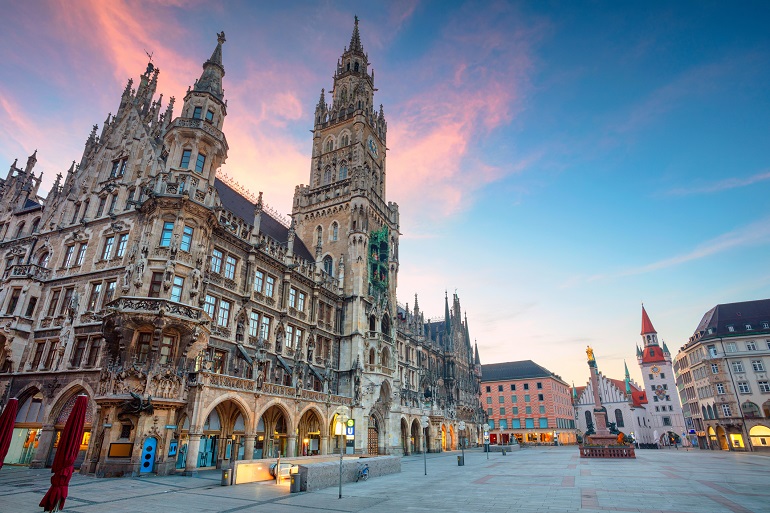
Marienplatz sits at the heart of Munich and is the city's most iconic square, bustling with activity and serving as the pulsing core since the 12th century. The magnificent Neues Rathaus (New Town Hall) dominates the plaza with its neo-Gothic façade, whilst its renowned Glockenspiel draws crowds daily at 11:00 AM and 12:00 PM with animated figures performing elaborate dances. The Mariensäule (Mary's Column), standing 11 metres high, the ornate Fischbrunnen (Fish Fountain), and the historic Alte Rathaus (Old Town Hall) with its Gothic spires further enrich the atmosphere, creating a harmonious blend of architectural styles that spans centuries. The square’s lively energy and historical grandeur make it an essential stop for absorbing Munich’s cultural pulse.
Frauenkirche (Cathedral of Our Lady)
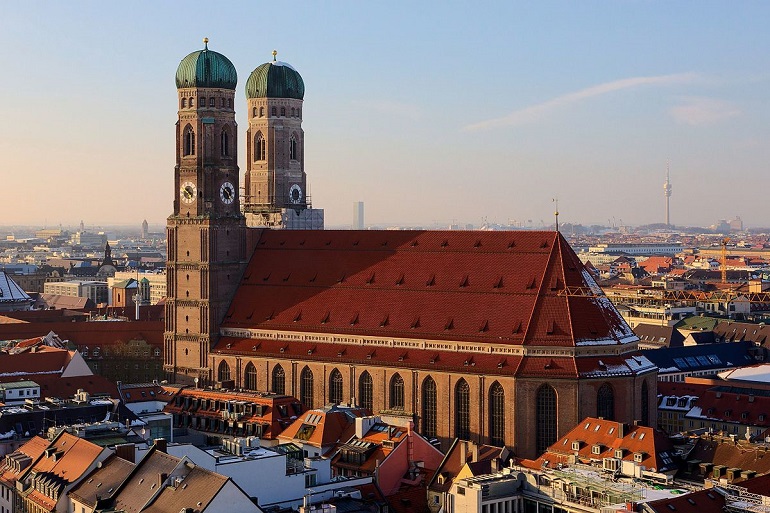
Built in the 15th century, the Gothic Frauenkirche serves as Munich's cathedral and an unmistakable symbol of the city skyline with its distinctive twin onion-domed towers reaching 100 metres in height. This 500-year-old brick building functions as the seat of the Archbishop of Munich and Freising, whilst also serving as the final resting place of emperors and kings. Visitors can climb one of the cathedral's towers for spectacular views over the city, explore the vaulted nave with its stunning stained glass windows, and discover the famous "Devil's Footprint" on the floor, a local legend that adds mystique to this resilient structure that survived World War II bombings. The Frauenkirche is both a spiritual and historic anchor for the city.
Hofbräuhaus and Platzl
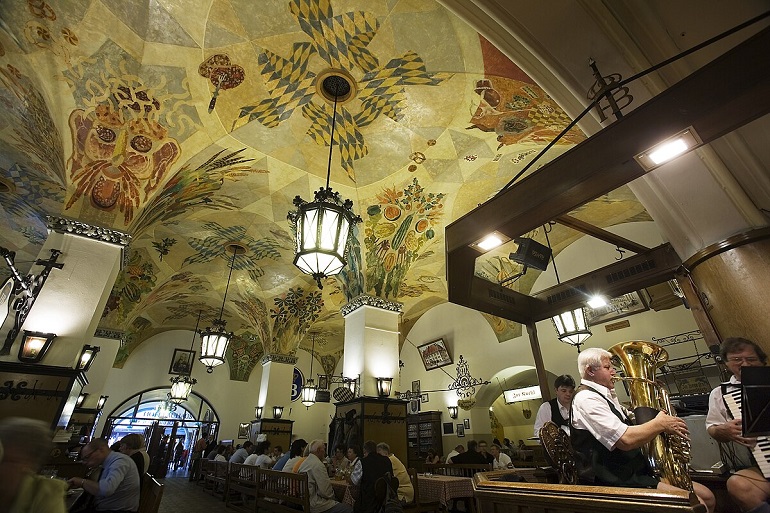
Platzl, nestled in Munich's old town, serves as the picturesque setting for the world-famous Hofbräuhaus, with its cobbled streets and historic townhouses creating an authentic medieval atmosphere. Since 1608, this legendary beer hall has embodied Munich's deep-rooted brewing tradition, drawing visitors into its festive halls adorned with neo-Renaissance architecture for hearty Bavarian fare, traditional music, and communal celebration. The surrounding neighbourhood's delightful ambience, marked by a harmonious blend of old-world charm and animated daily life, offers visitors a quintessential Munich experience steeped in centuries of cultural tradition. No visit to the city is complete without raising a glass at the Hofbräuhaus.
St. Peter's Church (Peterskirche)
St. Peter's Church, known locally as "Alter Peter", holds the distinction of being Munich's oldest landmark and the city's original parish church. The church's tower, affectionately called "Old Peter", offers one of the most rewarding climbs in Munich, with 299 steps leading to panoramic views across the city centre, the Alps, and the surrounding Bavarian countryside. The Gothic interior features beautiful altarpieces and religious artwork, whilst the church's central location near Marienplatz makes it an easily accessible historical anchor point for exploring Munich's medieval origins. Climbing the tower is considered a rite of passage for visitors seeking the best views in town.
Asamkirche (St. Johann Nepomuk)
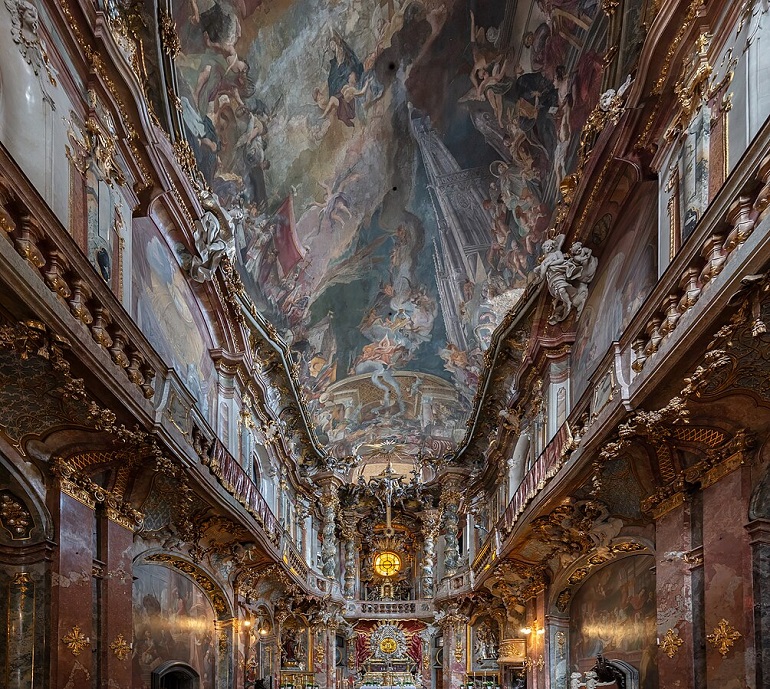
The Asamkirche represents one of Munich's most extraordinary examples of Baroque church architecture, built by the Asam brothers in the 18th century as a private church. Despite its modest exterior dimensions, the interior explodes with ornate decoration, featuring elaborate frescoes, gilded details, and dramatic lighting effects that create an almost theatrical religious experience. The church's unique history as a private family chapel, combined with its incredibly detailed artistic program, makes it one of Munich's most remarkable hidden gems tucked away in the city centre. A visit to Asamkirche offers a glimpse into the artistic ambition and spiritual devotion of Bavaria’s past.
Around the Hofgarten & Residenz
Munich Residence (Residenz München)
The Munich Residence stands as the largest palace complex in any German city centre, stretching impressively from Dienerstrasse to Max-Joseph-Platz with its imposing façade towering over all who marvel at its grandeur. This former residence of Bavarian dukes and kings showcases over 600 years of continuous expansion and rebuilding, featuring apartments, ballrooms, and chapels in styles ranging from Baroque to Rococo to Neoclassical. Highlights include the palace treasury, the sumptuous Rococo Cuvilliés Theatre, and the magnificent Hofgarten (Royal Garden), whilst the complex's sheer scale and architectural diversity make it one of Europe's most impressive royal residences. The Residenz is a testament to Munich’s imperial heritage and architectural ambition.
Hofgarten
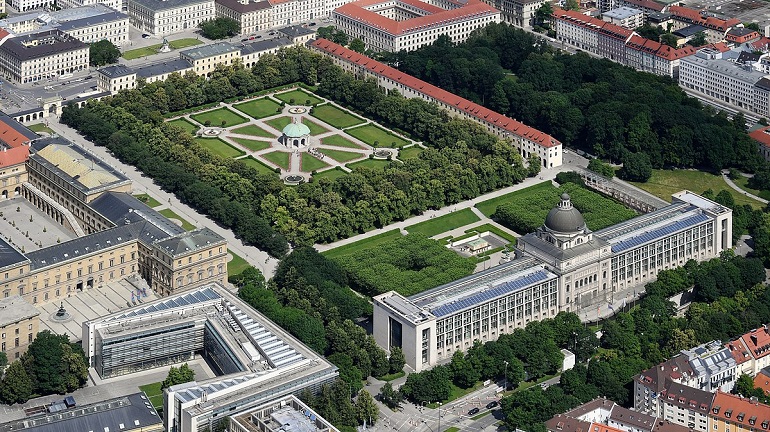
The elegant Hofgarten dates back to the 17th century and represents a perfectly preserved example of Renaissance garden design adjacent to the Munich Residenz. This formal garden features symmetrical layouts showcasing manicured lawns, seasonal flower beds, and a central pavilion known as the Hofgarten Pavilion, all connected by a network of tree-lined pathways. The garden's arcade-style passages add architectural interest, with the Galeriestrasse arcade housing the Deutsches Theatermuseum, whilst the western arcade displays impressive frescoes created by students of painter Peter von Cornelius. Hofgarten is a peaceful retreat in the heart of the city, perfect for a quiet stroll or a moment of reflection.
Bavarian State Chancellery (Bayerische Staatskanzlei)
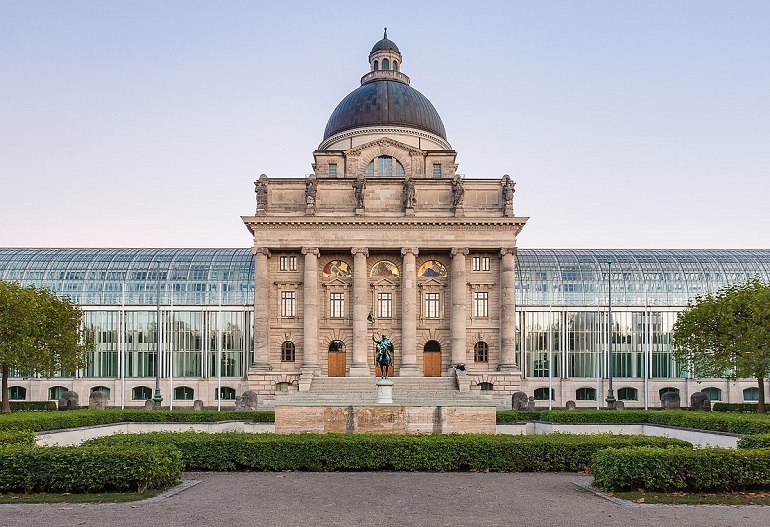
The Bavarian State Chancellery is a striking architectural landmark that serves as the executive office of the Bavarian Minister-President. Completed in 1993, the building ingeniously combines old and new by integrating the central dome of the former Bavarian Army Museum, which was heavily damaged in World War II, with modern glass wings that flank the historic structure. The design, initiated under former Prime Minister Franz Josef Strauss, creates a powerful symbol of transparency and modern governance set against the backdrop of the historic Hofgarten. This fusion of Renaissance-inspired architecture and contemporary design makes it a significant and visually impressive seat of political power in Bavaria.
Kriegerdenkmal im Hofgarten
Tucked into the eastern end of the Hofgarten, the Kriegerdenkmal serves as a solemn and poignant memorial to the soldiers from Munich who lost their lives in World War I. Designed by Bernhard Bleeker, the monument is set within a sunken, crypt-like enclosure built from limestone blocks. At its centre lies the powerful sculpture of a fallen soldier, a figure of eternal rest and sacrifice. The memorial's understated and dignified design encourages quiet reflection, providing a powerful contrast to the lively atmosphere of the surrounding park. It is a space for remembrance that powerfully conveys the human cost of conflict, right in the heart of the city.
Odeonsplatz
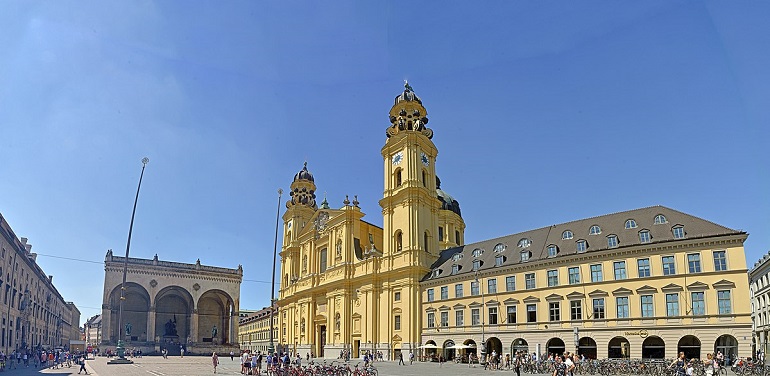
Odeonsplatz stands as one of Munich's most elegant and historically significant squares, framed by iconic buildings including the striking Theatinerkirche with its baroque yellow façade and the imposing Feldherrnhalle military monument. The square's central location makes it a natural gathering point for cultural and political events, whilst also serving as a gateway to Munich's sophisticated shopping streets such as Maximilianstrasse and the manicured Hofgarten Park. Late afternoon visits are particularly rewarding when golden hour sunlight illuminates the architectural details and creates dramatic shadows across the square's classical proportions. Odeonsplatz offers a picturesque introduction to Munich’s refined public spaces.
Max-Joseph-Platz
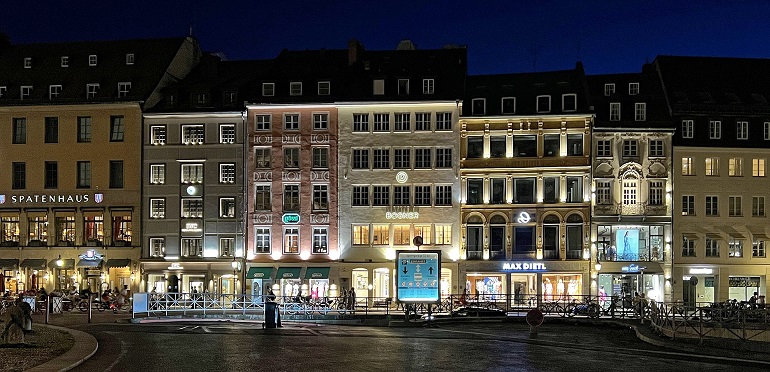
Max-Joseph-Platz is one of Munich’s most impressive and stately squares, serving as a magnificent forecourt to the Munich Residenz and the National Theatre, home of the Bavarian State Opera. Dominated by the central monument to King Maximilian I Joseph, from whom the square takes its name, this grand plaza is a harmonious example of Neoclassical design. The clean lines of the surrounding buildings, including the former Main Post Office, create a cohesive and monumental architectural ensemble. The square functions as both a cultural epicentre and a majestic public space, channelling the spirit of 19th-century royal Munich and remaining a vibrant part of the city's urban fabric.
Around the Railway Station & Königsplatz
Karlsplatz (Stachus)
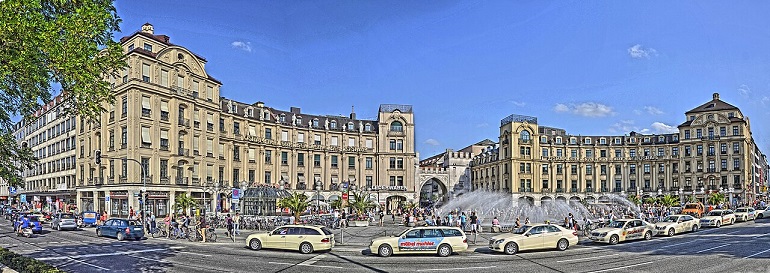
Karlsplatz, affectionately known as Stachus by locals, serves as a bustling gateway into Munich's pedestrian zone and one of the city's most animated public spaces. Anchored by the neo-Gothic Karlstor gate and encircled by impressive arcaded buildings, this vibrant square teems with energy from morning to night, functioning as a central hub for shopping, public transport, and people-watching. The Stachus fountain and constant flow of street activity create a dynamic atmosphere that perfectly encapsulates Munich's blend of historical architecture and contemporary urban life. Whether you're starting a shopping spree or simply soaking up the city’s vibe, Karlsplatz is an essential part of the Munich experience.
Königsplatz
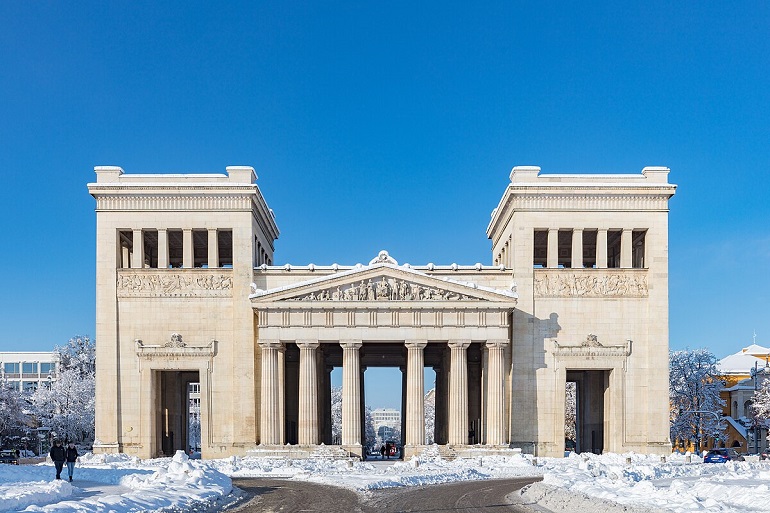
Königsplatz represents one of Munich's grandest architectural achievements, designed in the early 19th century as a testament to Neoclassical urban planning. The square is bordered by impressive cultural institutions including the Glyptothek and Staatliche Antikensammlungen, whilst the western edge features the monumental Propyläen, a classical city gate that serves as a dramatic architectural focal point. The expansive lawns provide perfect spots for picnics and relaxation, whilst the square regularly hosts cultural events, open-air concerts, and festivals that bring the space to life throughout the year. Königsplatz is a place where history, art, and public life intersect in the heart of Munich.
Alter Botanischer Garten
The Alter Botanischer Garten, located just a stone's throw from the bustling Karlsplatz (Stachus), offers a serene escape from the city's energy. Established in the early 19th century, this historic park is entered through a grand, classical gate that hints at its past significance as the city's original botanical garden. Today, it serves as a tranquil public space filled with mature trees, peaceful lawns, and the ornate Neptune Fountain at its centre. The garden also houses the Kunstpavillon, an art gallery that hosts contemporary exhibitions, and the popular Park Café beer garden, making it a perfect spot for both quiet reflection and relaxed socialising in the heart of Munich.
Maximiliansplatz
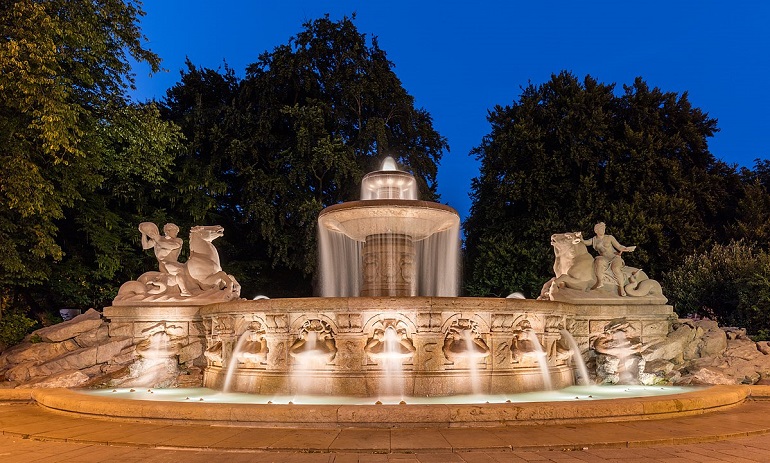
Maximiliansplatz is a large, elongated square that uniquely blends park-like tranquillity with vibrant urban nightlife. By day, it serves as a pleasant green space where paths wind through grassy areas dotted with significant monuments, including the impressive Wittelsbach Fountain and statues dedicated to prominent historical figures. But as night falls, the square transforms into one of Munich's premier entertainment districts, home to some of the city's most famous and exclusive clubs and bars. This dual character makes Maximiliansplatz a dynamic destination, offering a peaceful spot for a daytime stroll that later buzzes with the energy of Munich's sophisticated social scene.
In the Suburbs
Nymphenburg Palace and Park
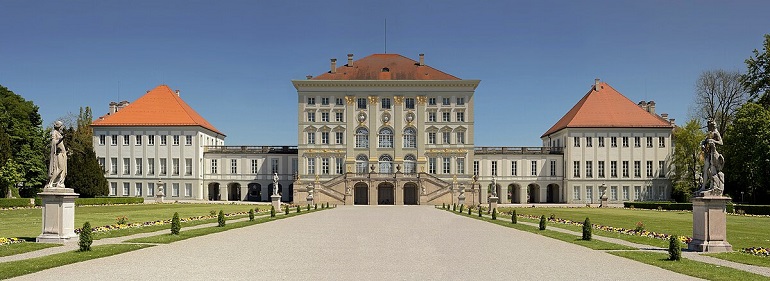
The magnificent Nymphenburg Palace presents an outstanding example of Baroque architecture, originally built in the 17th century as a summer residence for Bavarian royalty. Stretching over 600 metres in length with approximately 50 rooms, the palace showcases luxurious interiors featuring gilded mouldings, precious chandeliers, and exquisite parquet floors. The surrounding parkland covers more than 200 hectares of landscaped gardens, featuring tranquil waterways, ornate fountains, charming pavilions including the Amalienburg and Pagodenburg, and magnificent flower gardens that provide a serene retreat from urban life. A stroll through these opulent grounds is a journey into Bavaria's royal past.
Botanical Garden Munich-Nymphenburg
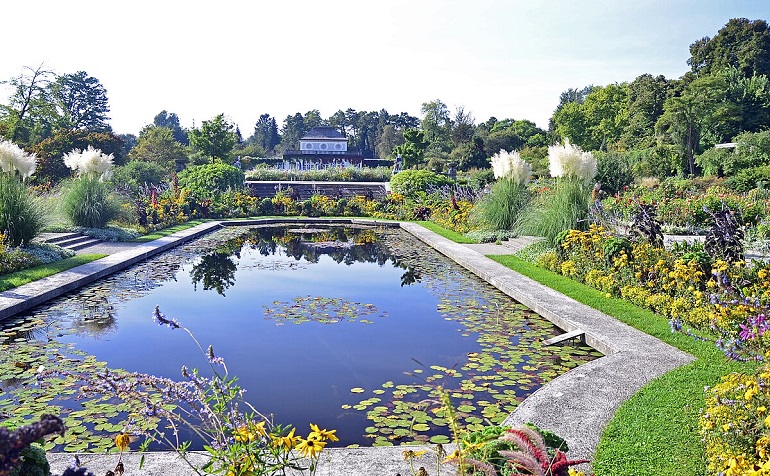
Situated adjacent to the historic Nymphenburg Palace Park, the Botanical Garden Munich-Nymphenburg is one of the world's most significant botanical collections. Spanning over 21 hectares, this verdant oasis, established in 1914, is home to thousands of plant species from across the globe. Visitors can embark on a botanical journey through the extensive greenhouse complex, which simulates environments from humid tropics to arid deserts. Other key features include the impressive Alpinum, showcasing a rich collection of mountain plants, and the tranquil Arboretum with its vast array of trees. The garden also features specialized sections such as a fern ravine and rose gardens, serving not only as a beautiful public space but also as an important centre for scientific research and education.
Allianz Arena
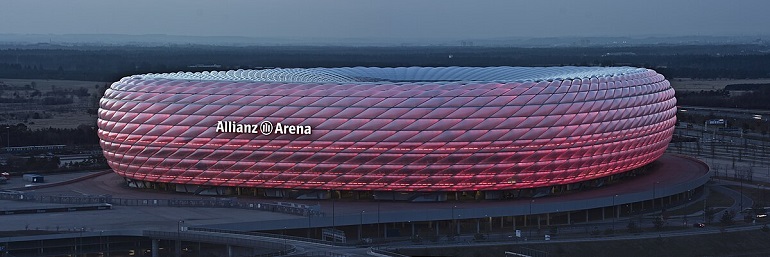
The Allianz Arena stands as one of Munich's most recognisable modern landmarks, serving as the home ground for FC Bayern Munich and a stunning example of contemporary sports architecture. The stadium's innovative façade features thousands of diamond-shaped panels that can be illuminated in various colours, creating a spectacular light show that's visible from across the city. Beyond match days, the arena offers guided tours that showcase the stadium's cutting-edge design, player facilities, and panoramic views from the upper tiers, making it a must-visit destination for both football enthusiasts and architecture admirers. The Allianz Arena is a symbol of Munich’s passion for sport and innovation.
Olympiapark
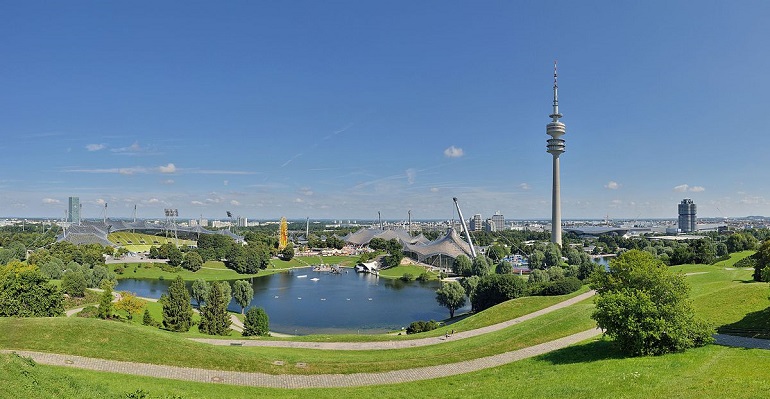
Constructed for the 1972 Summer Olympic Games, Olympiapark has evolved into a dynamic centre for recreation, sports, concerts, and expansive green landscapes. The park's striking tent-roof architecture houses the Olympic Stadium, Olympic Hall, and the soaring Olympic Tower, which offers sweeping panoramic views across Munich and, on clear days, extends to the distant Alps. Visitors can enjoy ziplining adventures, guided architectural tours, seasonal festivals, and major concerts, whilst the park's innovative design continues to serve as a testament to modern architectural achievement and sustainable urban planning. Olympiapark remains a lively destination for both locals and tourists alike, blending sporting heritage with contemporary cultural events.
BMW Welt
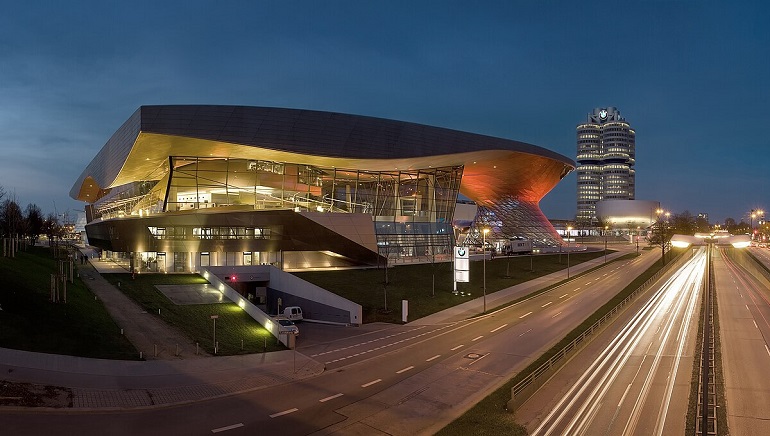
BMW Welt represents a fascinating intersection of automotive innovation, architectural excellence, and interactive entertainment in Munich's northern district. This futuristic complex serves as BMW's brand experience centre, featuring the latest vehicle models, historical exhibits, and hands-on displays that showcase German engineering prowess. The building's distinctive double-cone architecture creates a striking silhouette against the skyline, whilst visitors can also explore cutting-edge automotive technology, attend product launches, and even collect their new BMW vehicles in a ceremonial setting. BMW Welt is a destination for car lovers and anyone interested in technology and design.
Theresienwiese
Theresienwiese transforms Munich each autumn into the world's most famous beer festival location during Oktoberfest, but throughout the rest of the year serves as a vast public space for recreation and events. This expansive meadow, stretching across 42 hectares, hosted the original wedding celebration of Crown Prince Ludwig in 1810, establishing the tradition that would become Oktoberfest. Outside of festival season, locals use the space for jogging, cycling, and outdoor activities, whilst the Bavaria statue and Hall of Fame provide year-round attractions that celebrate Bavarian culture and history. Theresienwiese is a symbol of Munich’s festive spirit and communal identity.
Top Museums
Art Museums
The Pinakothek Trio
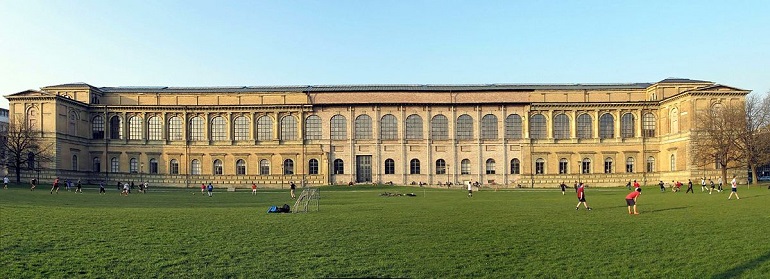
The Alte Pinakothek represents one of the world's finest collections of European painting from the 14th to 18th centuries. Housed in a magnificent neoclassical building, this treasure trove displays approximately 900 paintings at any given time, featuring masterworks by Dürer, Rubens, and Rembrandt. The museum's carefully curated galleries offer visitors a comprehensive journey through the evolution of European art.
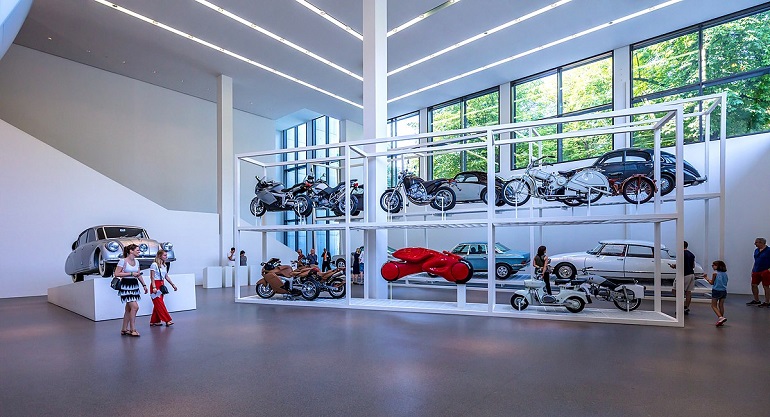
The Pinakothek der Moderne serves as Munich's premier destination for contemporary artistic expression. This vast institution houses four distinct collections under one roof: art, architecture, design, and graphics from the 19th and 20th centuries. The museum's striking modern architecture provides an ideal backdrop for works ranging from classic modernism to cutting-edge contemporary pieces.
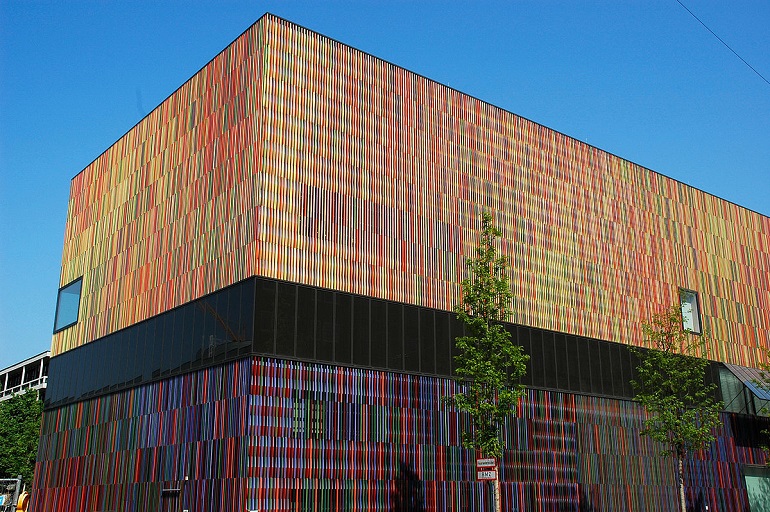
Museum Brandhorst complements the Pinakothek complex with its focus on modern and contemporary art. The museum showcases an impressive array of paintings, sculptures, photographs, multimedia works, and installations. Its distinctive façade, covered in thousands of coloured ceramic rods, has become an architectural landmark in its own right.
Glyptothek
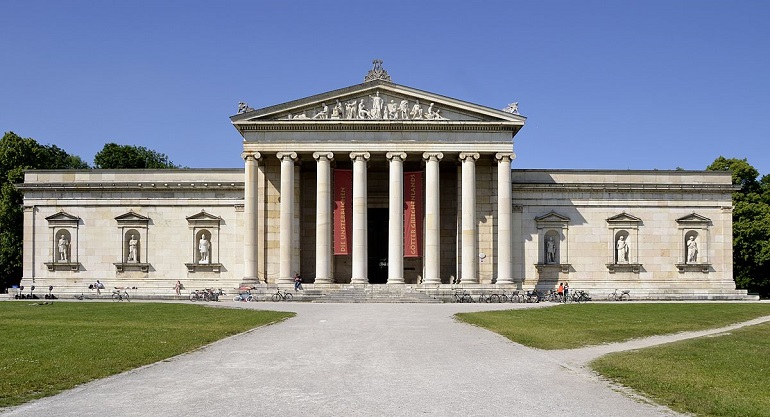
Located on the grand Königsplatz, the Glyptothek is a masterpiece of Neoclassical architecture, designed by Leo von Klenze to house King Ludwig I’s collection of Greek and Roman sculptures. As Munich’s oldest public museum, its galleries are arranged chronologically, taking visitors on a journey through the evolution of classical art from archaic Greece to the late Roman Empire. The building itself, with its imposing Ionic portico and serene inner courtyard, is as much a work of art as the ancient statues it contains. The Glyptothek forms a key part of Munich's Kunstareal, or art district, offering a profound connection to the classical world that so heavily influenced the city's architectural identity.
Specialised Art Collections
The Haus der Kunst offers a dynamic programme of temporary and travelling exhibitions. This historic venue, known for its bold curatorial approach, regularly hosts groundbreaking shows that challenge conventional perspectives on contemporary art. The museum also conducts significant research and organises regular events that engage the broader cultural community.
The Kunsthalle der Hypo-Kulturstiftung presents changing themed exhibitions covering classic, modern, and decorative art, design, and photography. This versatile space provides a platform for both established and emerging artists, often featuring innovative approaches to exhibition design and audience engagement.
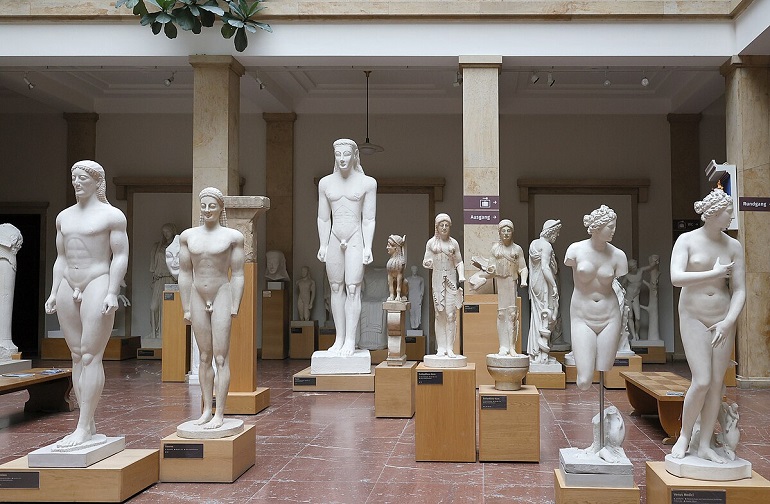
For those interested in classical antiquity, the Museum für Abgüsse Klassischer Bildwerke München houses an elegant collection of plaster casts from famous Greek and Roman sculptures. This unique institution allows visitors to experience masterpieces of ancient art that would otherwise be scattered across museums worldwide.
History and Cultural Museums
Munich's Story
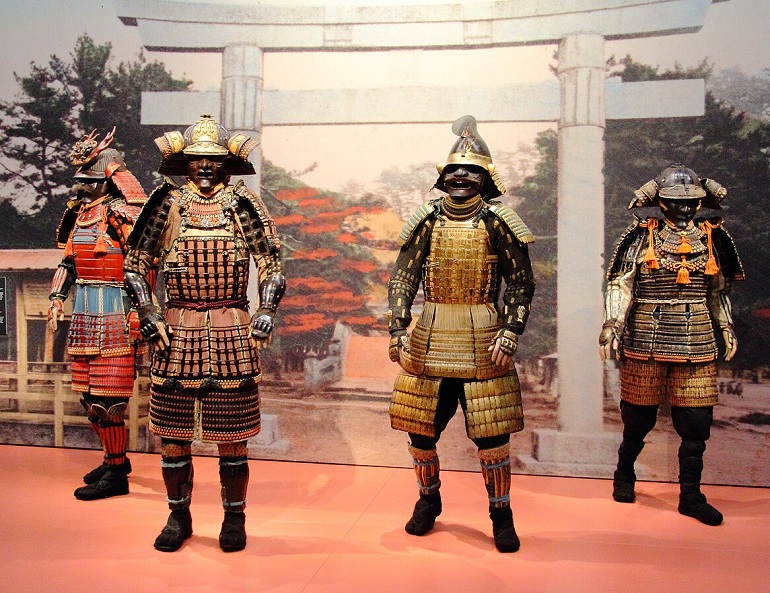
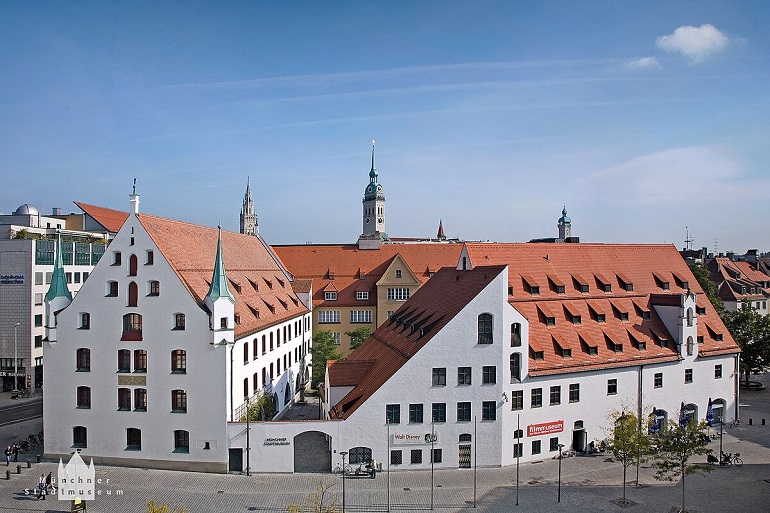
The Münchner Stadtmuseum (Munich City Museum) serves as the definitive source for Munich's local history and culture. Beyond its comprehensive historical exhibitions, the museum features fascinating collections dedicated to music and weaponry, providing insights into the city's rich cultural heritage and martial traditions.
The NS-Dokumentationszentrum München confronts one of history's darkest chapters through permanent and temporary exhibitions focusing on Munich's role during the First and Second World Wars. This important institution provides crucial historical context and promotes understanding of the Nazi period's impact on the city and its inhabitants.
Bavarian Heritage
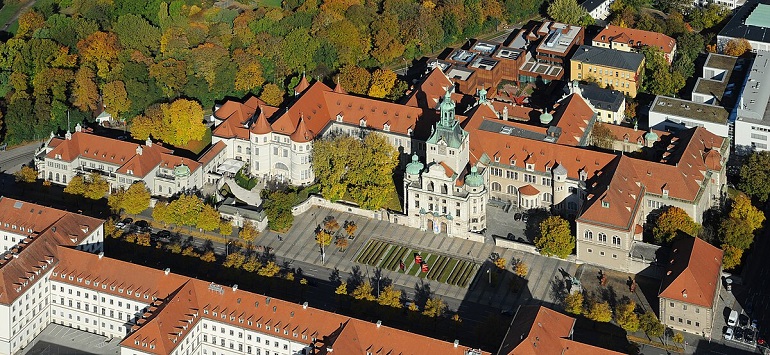
The Bavarian National Museum presents a vast cultural history collection spanning from 5th-century church art to antique clocks. This major institution chronicles the development of Bavarian culture through centuries of artistic and cultural achievement, making it essential for understanding the region's identity.
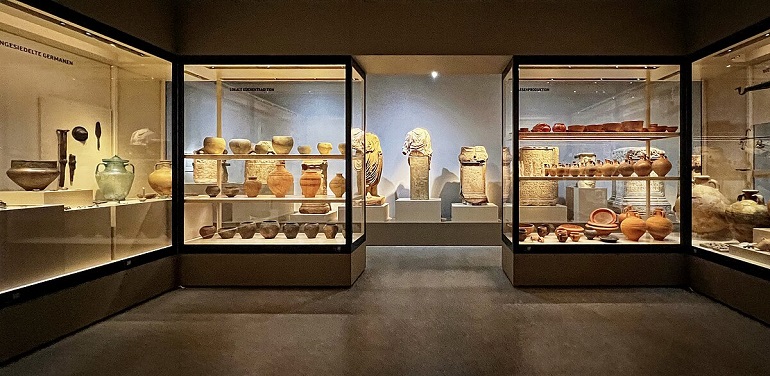
The Archäologische Staatssammlung (Bavarian State Archaeological Collection) takes visitors even further back in time, displaying prehistoric, Roman, and medieval relics from early Bavarian settlers. Founded in 1885, this museum provides archaeological evidence of human habitation in the region across millennia.
For a more specific cultural perspective, the Sudetendeutsches Museum explores the history and culture of the Sudeten Germans, offering insights into a significant but often overlooked aspect of Central European heritage.
Unique Cultural Institutions
The Munich Museum of Egyptian Art (Staatliches Museum Ägyptischer Kunst) houses over 2,000 artefacts spanning 5,000 years of Egyptian history. This archaeological museum provides visitors with an extraordinary journey through ancient Egyptian civilisation, from everyday objects to monumental art.
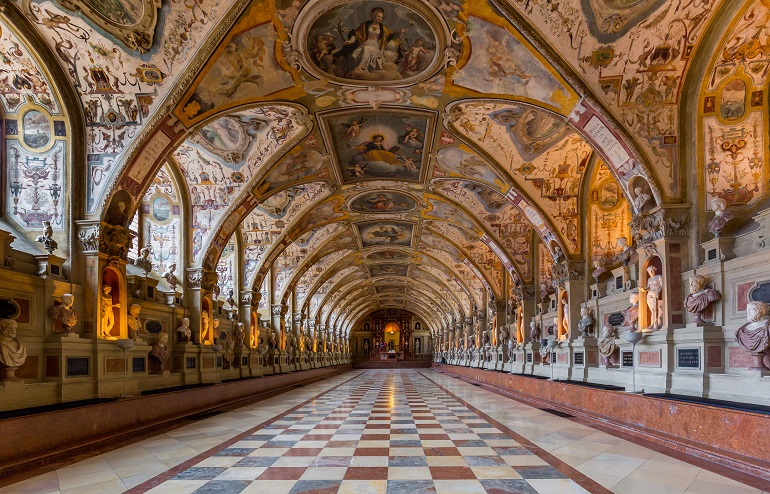
The Munich Residence encompasses palace buildings and gardens housing state-owned museums. These former royal quarters showcase original interiors and artworks, offering glimpses into the grandeur of Bavarian court life.
Science and Technology Museums
The Deutsches Museum Complex
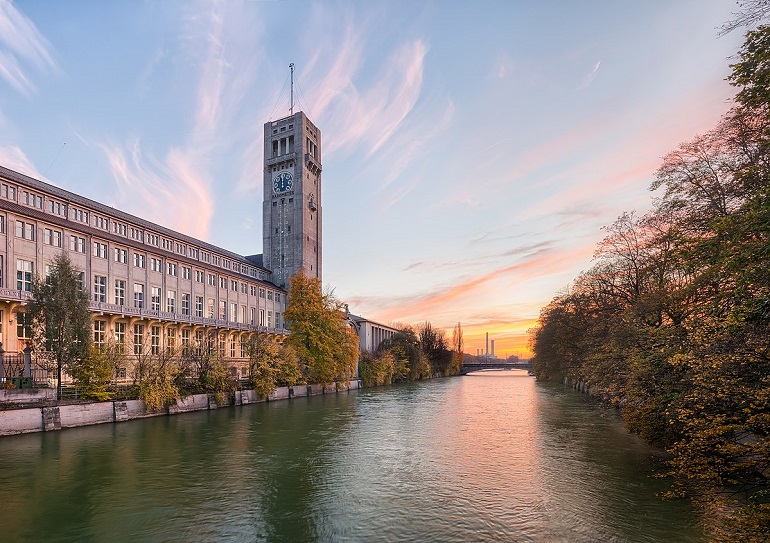
The Deutsches Museum stands as one of the world's largest and most comprehensive science and technology museums. Located on Museum Island, this massive institution features original artefacts and interactive displays covering energy, transport, and astronomy. The museum's hands-on approach makes complex scientific concepts accessible to visitors of all ages.
The Deutsches Museum Flugwerft Schleissheim extends the main museum's aviation collection across 60 aircraft and helicopters displayed in historic hangars and modern glass exhibition halls. This airfield museum provides an immersive experience in aviation history, from early flight experiments to modern aerospace technology.
Natural Sciences
The Palaeontological Museum offers three levels of fossils showcasing dinosaurs, ancient animals and plants, plus a compelling exhibit on human evolution. This institution brings prehistoric life vividly to reality, helping visitors understand Earth's biological history.
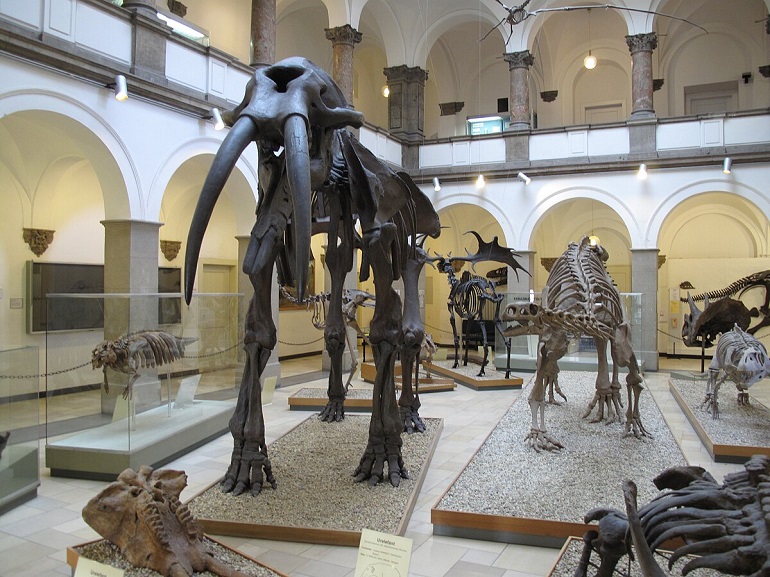
The Geologisches Museum München focuses on the Earth's geological processes and mineral wealth. This specialised institution provides insights into the planet's formation and ongoing geological activity.
The Mineralogy Museum Munich presents an enchanting collection of gemstones and minerals, including a memorable room featuring glow-in-the-dark crystals. This quaint museum combines scientific education with natural beauty, creating an almost magical visitor experience.
Unique and Quirky Museums
Local Traditions
The Beer & Oktoberfest Museum celebrates Munich's most famous traditions through exhibitions housed in a beautifully restored 14th-century townhouse. Visitors can explore the history of beer brewing and the world's most famous festival, complete with tasting opportunities.
The Toy Museum Munich occupies four levels of the Gothic town hall's 14th-century clock tower. This charming institution showcases toys from across the centuries, providing nostalgic journeys for adults and wonder for children.
Sports and Entertainment
The FC Bayern Museum tells the story of Germany's most successful football club through displays of trophies, a hall of fame, and interactive exhibits. For football enthusiasts, this museum offers unprecedented access to the club's legendary history and achievements.
The WOW Museum – Room for Illusions Munich provides a completely different museum experience through interactive optical illusions and mind-bending exhibits. This modern attraction combines entertainment with education, challenging visitors' perceptions of reality.
Museum Districts
The Kunstareal represents Munich's cultural quarter, where art, history, and science museums occupy monumental 19th-century exhibition halls. This concentrated area allows visitors to experience multiple world-class institutions within walking distance, making it possible to explore diverse collections in a single day.
Local Cuisine
Munich's culinary landscape is dominated by hearty Bavarian fare that reflects the region's agricultural heritage. The city's signature dish is Weisswurst, a delicate white sausage made from minced veal and pork bacon, seasoned with onions, ginger, lemon and cardamom, traditionally served with sweet mustard and pretzels. Other must-try specialities include Schweinshaxe (roasted pork knuckle) and Schweinsbraten (roast pork), both typically accompanied by Knödel (dumplings) and Sauerkraut. For a taste of local comfort food, sample the Spätzle, a chewy egg pasta often served with cheese and fried shallots, or try the distinctive Obatzda, a savoury spread made from aged camembert cheese and butter, perfectly paired with a fresh Bavarian pretzel. These traditional dishes are best enjoyed in Munich's countless Wirtshäuser (traditional taverns) or beer gardens, where they're served alongside the city's world-renowned locally-brewed beers.
Shopping
Munich stands as one of Germany's premier shopping destinations, offering an impressive array of retail experiences to suit every taste and budget. The city's central pedestrian zone, comprising Kaufingerstraße and Neuhauser Straße, forms the bustling heart of Munich's shopping scene, where traditional department stores and fashion boutiques line the historic streets. For luxury seekers, the elegant Maximilianstraße showcases world-renowned designer boutiques and high-end jewellers, whilst the architecturally stunning Fünf Höfe shopping arcade houses more than 60 sophisticated stores and restaurants. Food enthusiasts shouldn't miss the historic Viktualienmarkt, a vibrant two-hectare market dating back to 1807, where visitors can discover fresh local produce, regional delicacies, and authentic Bavarian specialities. The city also caters to sustainable shoppers with numerous second-hand boutiques and zero-waste stores, making Munich a truly comprehensive shopping destination that seamlessly blends traditional charm with modern retail experiences.
Viktualienmarkt
Located just steps from Marienplatz, Viktualienmarkt is Munich's most beloved open-air market, renowned for its colourful stalls brimming with fresh produce, Bavarian specialities, exotic flowers, and international delicacies. At the market's heart sits a vibrant beer garden where locals gather beneath the traditional Maibaum (Maypole), creating an authentic atmosphere of Bavarian conviviality. The market's daily bustle, combined with its artisanal food vendors, specialty shops, and seasonal offerings, makes it an essential destination for experiencing Munich's culinary culture and community spirit. A visit here offers a true taste of local life and is perfect for sampling regional flavours.

Nature in and around Munich
Munich offers a splendid array of natural attractions both within the city and in its picturesque surroundings. The magnificent English Garden, one of the world's largest inner-city parks at 375 hectares, serves as Munich's green lung and features the famous Eisbach wave for urban surfing, the Monopteros temple, and numerous biergartens. The River Isar creates a verdant corridor through the city with excellent cycling paths and gravel beaches perfect for wild swimming and picnicking. For wildlife enthusiasts, the Hellabrunn Zoo, the world's first geological zoo, showcases over 500 animal species in natural habitats within the Isar conservation area. Beyond the city limits, Munich is blessed with stunning lakes including the Ammersee, Starnberger See, Tegernsee, Chiemsee, and Walchensee, all offering various water sports and hiking opportunities. The region is also home to remarkable nature parks, including the Bavarian Forest, which stands as Central Europe's largest forest landscape and houses rare wildlife such as brown bears, lynxes, and wolves.
English Garden (Englischer Garten)
The English Garden stretches over 375 hectares and stands as one of the largest urban parks in the world, surpassing even London's Hyde Park in size. This sprawling green oasis offers verdant meadows, meandering waterways, and scenic paths perfect for picnics, cycling, and leisurely strolls. Landmark spots include the Monopteros Temple, which provides some of the best views in Munich, and the Chinese Tower with its traditional beer garden beneath. The park's most unique attraction is the Eisbachwelle, where river surfers demonstrate their skills on Germany's most famous artificial wave, creating an extraordinary spectacle of urban surfing that draws crowds year-round. Whether for relaxation, adventure, or simply enjoying the Bavarian outdoors, the English Garden is a must-visit for all visitors.
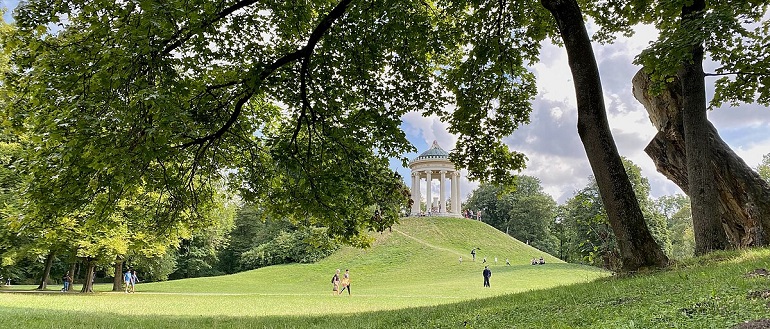
Tierpark Hellabrunn
Founded in 1911, Tierpark Hellabrunn holds the distinction of being the world's first geological zoo, where animals have lived according to continental groupings since 1928. The innovative design allows creatures to roam in large, naturalistic enclosures without traditional fencing and cages, creating optimal conditions for both animal welfare and visitor education about wildlife conservation. Throughout the year, the zoo organises special events that provide fascinating insights into natural habitats, whilst the adjacent Isar conservation area offers additional opportunities to observe local wildlife in their native environment. Tierpark Hellabrunn is a must for families and anyone interested in the natural world.
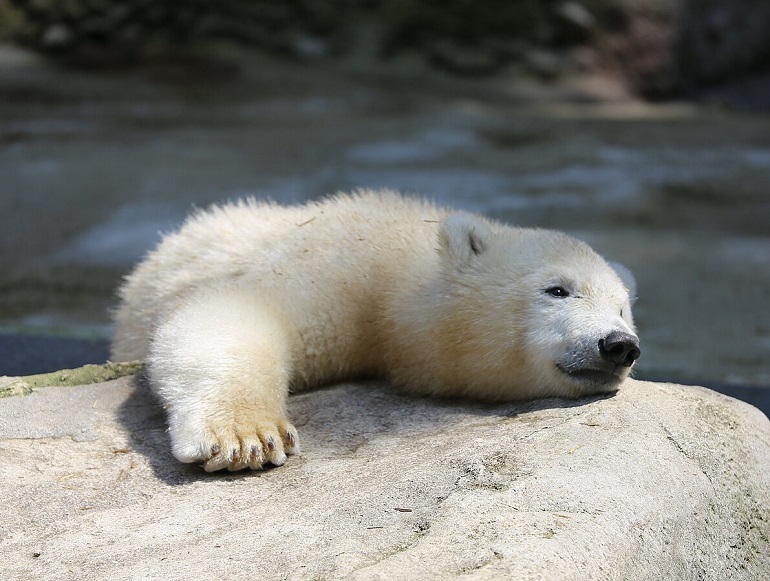
Isar River
The Isar River winds gracefully through Munich, offering a refreshing urban escape with scenic banks ideal for relaxation, cycling, swimming, and outdoor recreation. Popular gathering spots such as the Isarauen at Flaucher and the green spaces surrounding the Reichenbach Bridge provide opportunities for barbecues, sunbathing, and tranquil riverside walks. During summer months, the river becomes a natural playground where locals and visitors alike enjoy the clean waters and peaceful atmosphere, whilst the riverside paths offer scenic cycling routes that connect various parts of the city. The Isar is the perfect place for those seeking a break from city life or wanting to experience Munich's natural side.
Getting To Munich & Around
By Air: Munich Airport (Franz Josef Strauss Airport)
Airport Overview
Munich Airport is Germany's second-largest airport and has been voted the best airport in Europe. It's the only 5-star airport in the western hemisphere, offering world-class facilities and services. The airport is located approximately 28 kilometres northeast of Munich city centre.
Getting from the Airport to the City Centre
S-Bahn (Rapid Transit)
The most popular and economical option is the S-Bahn, with lines S1 and S8 connecting the airport directly to Munich city centre. Trains run every 10 minutes, and the journey takes approximately 40 minutes to reach the main railway station (Hauptbahnhof). The S1 travels via the west of the city, whilst the S8 goes via the east, providing excellent connectivity throughout Munich.
Lufthansa Express Bus
The Lufthansa Express Bus operates between Munich Airport and Munich Central Station every 15-20 minutes, with a journey time of about 45 minutes. The service stops at all terminals and provides a comfortable alternative to the train.
Private Transfers and Taxis
For door-to-door convenience, private airport transfers and taxis are readily available. The journey to the city centre takes 25-30 minutes by car, making it the fastest option, though naturally more expensive than public transport.
By Train: European Rail Connections
Munich Hauptbahnhof (Central Station)
Munich's Hauptbahnhof is one of Germany's largest railway stations and serves as the main arrival point for international trains from across Europe. The station is centrally located, putting you within walking distance of many attractions, including Marienplatz (just 15 minutes on foot).
International Connections
Munich enjoys excellent rail connections with major European cities. You can travel by train from Brussels in approximately 6-8 hours, from Frankfurt in about 6 hours, and from Berlin in roughly 6 hours. The Deutsche Bahn Inter-City Express (ICE) service provides high-speed connections throughout Germany and to neighbouring countries.
High-Speed Rail Services
The city is served by various high-speed rail services, including the ICE trains and international services like TGV INOUI from France. These modern trains offer comfortable seating and excellent onboard facilities, making rail travel an attractive option for reaching Munich.
By Coach: Long-Distance Bus Services
Central Bus Station (ZOB München)
Munich's Central Bus Station, known as Zentraler Omnibusbahnhof München (ZOB), is located on Arnulfstraße, very close to the main railway station. This modern facility, opened in 2009, serves as a major transportation hub connecting Munich with destinations throughout Germany and Europe.
Facilities and Services
The ZOB features 29 covered bus terminals, a shopping arcade with retail and catering facilities, and excellent connectivity to local public transport. The station is directly connected to Hackerbrücke S-Bahn station and is easily accessible from the main railway station.
European Coach Network
From the ZOB, you can catch coaches to major German cities like Berlin, Hamburg, and Stuttgart, as well as international destinations including Zurich, Amsterdam, Prague, and Budapest. Services like FlixBus and Eurolines operate regular departures to these destinations.
By Car: Driving to Munich
Motorway Connections
Munich is excellently connected to Germany's motorway network (Autobahn system). The city can be reached via several major motorways, including the A8 from Stuttgart and Salzburg, the A9 from Nuremberg and Berlin, and the A95 from Garmisch-Partenkirchen.
International Driving Routes
For those driving from other European countries, Munich is accessible via well-maintained motorways. From the UK via Calais, the journey takes approximately 10-11 hours, passing through France, Belgium, Luxembourg, and Germany. The German Autobahn system is toll-free, making it an economical option for international travellers.
Parking in Munich
Munich city centre offers various parking options, though spaces can be limited and expensive. Park-and-ride facilities on the outskirts of the city provide a convenient alternative, allowing you to park your car and use public transport to reach the city centre.
Getting Around Munich
Public Transport System
Munich boasts one of Europe's most efficient public transport systems, operated by MVG (Munich Transportation Corporation) in partnership with MVV (Munich Transport and Tariff Association). The network comprises four main components:
U-Bahn (Underground/Subway)
The U-Bahn consists of eight lines serving about 100 stations throughout the city and surrounding areas. Stations are marked with a blue 'U' symbol. The network is interconnected with the S-Bahn system for seamless travel.
S-Bahn (Suburban Railway)
Eight S-Bahn lines travel through the city and connect Munich with its suburbs and neighbouring towns. The core route through the city centre offers excellent flexibility for travel within the metropolitan area. Stations are marked with a green 'S' symbol.
Trams
Munich operates 13 tram lines covering over 80 kilometres of routes. The extensive tram network interconnects with buses, U-Bahn, and S-Bahn services, providing comprehensive coverage of the city.
Buses
The bus network serves areas not covered by rail services and includes special night services (marked with 'N') for late-night travel. Digital displays at bus stops provide real-time arrival information.
Alternative Transport Options
Bicycle Hire
Munich is exceptionally bicycle-friendly, with over 1,200 kilometres of dedicated cycle paths. Numerous bike rental companies operate throughout the city, offering everything from standard city bikes to e-bikes. Popular rental locations include the city centre and near major attractions like the English Garden.
Ride-Sharing and Taxis
Services like Bolt, traditional taxis, and ride-hailing apps are readily available throughout Munich. Many taxi drivers speak English, and the city's compact size makes short journeys economical.
Planning Your Journey
When planning your trip to Munich, consider your starting point, budget, and travel preferences. Rail travel offers scenic routes and city-centre arrivals, whilst flying provides speed for long-distance journeys. Coach travel is budget-friendly for European trips, and driving offers flexibility for exploring the broader Bavarian region.
Munich's excellent transport infrastructure ensures that regardless of how you choose to arrive, you'll find yourself in one of Europe's most accessible and well-connected cities. From the moment you arrive, whether at the airport, central station, or bus terminal, you'll be just minutes away from the heart of this magnificent Bavarian capital.
The city's commitment to sustainable transport, combined with its comprehensive public transport network, makes getting around Munich both convenient and environmentally friendly. The public transport system uses a zone-based pricing structure, with the city centre designated as Zone M, and German efficiency extends to public transport with services running punctually and frequently throughout the day.
Top Tips for Arriving in Munich
- The public transport system uses a zone-based pricing structure, with the city centre designated as Zone M
- If arriving by train, you'll be in the heart of the city with easy access to major attractions
- Munich Airport offers excellent facilities if you have a layover or early arrival
- The city is very walkable, with many major attractions within easy walking distance of each other
- Consider purchasing a Munich City Pass for combined transport and attraction discounts
- German efficiency extends to public transport - services run punctually and frequently
Best Time to Visit
The optimal time to visit Munich is during the shoulder seasons, particularly in May or September, when the weather is pleasantly mild and tourist crowds are manageable. May offers delightful spring temperatures ranging from 8°C to 20°C, with blooming gardens and parks creating a picturesque setting for outdoor exploration. September is equally appealing, as the weather remains warm enough for outdoor activities whilst offering the added excitement of Oktoberfest celebrations, though it's worth noting that accommodation prices surge significantly during this festival. For budget-conscious travellers, visiting during the low season from November to March (excluding the Christmas market period in December) can be advantageous, with notably lower accommodation and flight prices. However, if you're keen to avoid both crowds and extreme temperatures whilst still enjoying comfortable weather for sightseeing, the periods of April to early May or late October are particularly recommended.