



| Contents |
|---|
Introduction
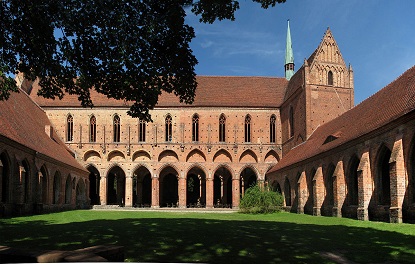
Chorin Abbey, situated in the Schorfheide-Chorin Biosphere Reserve, is a former Cistercian monastery renowned as a significant example of early Brick Gothic architecture. It was founded by in 1258 by the Margrave of Ascania and had a far-reaching influence on the Slavic population that occupied the region in medieval times. Chorin Abbey is generally considered one of the finest examples of Brick Gothic in East Germany. Following its secularisation during the Protestant Reformation, the abbey was dissolved in 1542 and fell into disrepair. Its architectural importance was recognised in the 19th century, leading to restoration efforts championed by the architect Karl Friedrich Schinkel. Today, the preserved ruins serve as a cultural monument, hosting a variety of events, including the annual Chorin Music Summer festival.
Interesting Facts about Chorin Abbey
- Chorin Abbey, founded in 1258, is a former Cistercian monastery in Brandenburg renowned for its austere yet elegant Brick Gothic architecture.
- The abbey was established by the Ascanian margraves as a dynastic burial site and to consolidate power in the then newly colonised Uckermark region.
- Despite suffering damage and secularisation during the Reformation and the Thirty Years’ War, substantial parts of the church, cloister, and convent buildings survive as evocative ruins.
- The 19th-century Prussian architect Karl Friedrich Schinkel championed the conservation of Chorin Abbey, marking an early milestone in monument preservation in Germany.
- Built almost entirely of locally fired bricks, the complex showcases hallmark Cistercian design principles: simplicity, harmony, and functional clarity without lavish ornament.
- The abbey’s picturesque lakeside and forest setting amplifies its contemplative character and makes it a popular excursion from Berlin.
- Today, Chorin Abbey hosts concerts and cultural festivals, with its atmospheric nave and cloister providing striking acoustics and ambience.
- Archaeological and restoration work at the site has revealed original floor plans, vaulting systems, and construction phases, deepening understanding of medieval brick building techniques.
- The west front’s tall lancet windows and rhythmic buttressing exemplify Northern European Gothic adapted to brick rather than stone.
- Chorin Abbey forms part of the “Brick Gothic” heritage route across the Baltic region, linking it to Hanseatic and monastic architectural traditions.

History
Chorin Abbey represents one of Brandenburg's most significant architectural treasures, with its origins tracing back to the ambitious medieval expansion of the Ascanian margraves. Founded in 1258 by Margraves Johann I and Otto III, the monastery was established as a Cistercian abbey that would serve as both a symbol of political authority and a burial site for the ruling family. The location near the village of Chorin was chosen after two previous attempts at establishing a monastery elsewhere had failed, with the site beside the Choriner lake proving ideal. Construction began in earnest around 1272, making this the first brick Gothic building to be constructed in Brandenburg and one of the most ambitious architectural projects of its time in the region.
The abbey's golden age lasted from approximately 1258 to 1280, during which skilled craftsmen manufactured red brick on site to create what would become an archetypal example of the Brick Gothic style. The monastery played a crucial role in the political landscape of medieval Brandenburg, strategically positioned on the border with Slavic territories that had not yet been conquered, where it exerted far-reaching influence for the Ascanians. The complex featured impressive Gothic architecture with elaborate brick embellishments, including detailed moulded-brick friezes depicting lilies, vines, and animals, alongside corbelled arches and a striking west façade. As the house monastery of the Ascanian sovereigns, Chorin represented the successful implementation of the High Gothic architectural system that had been developed in France, but executed entirely in brick for the first time.
The monastery's decline began with the Reformation in 1542, when the rulers of Brandenburg converted to Protestantism and the abbey was secularised and dissolved. Over the subsequent centuries, the abandoned buildings served various purposes, including use as a livestock barn, pig shed, and source of building materials for local residents. The complex suffered further damage during the Thirty Years' War, which resulted in the destruction of the abbey's south side. It was not until the early 19th century that the ruins found their saviour in Karl Friedrich Schinkel, the renowned Prussian architect who discovered the building around 1810 and became instrumental in its preservation and partial restoration. Schinkel described buildings like Chorin as "the state's most precious jewels" and recommended the monastery as a study object for his students, helping to establish it as an early example of Prussian monument conservation.
Description
Architectural Marvel
The abbey's striking west façade serves as the centrepiece of this Gothic masterpiece, showcasing the sophisticated architectural principles that made Chorin the first fully realised High Gothic brick building in Brandenburg. The imposing gable architecture, characterised by filigree ornamentation and intricate brickwork, draws clear inspiration from the great cathedrals of Cologne, Paris, and Siena, yet achieves its own distinctive character through the warm, red brick construction typical of northern German Gothic style.
The elaborate stone friezes adorning the building feature delicate lily, vine, and animal motifs that demonstrate the exceptional craftsmanship of medieval artisans. Visitors can spend considerable time examining the detailed vault consoles and the sophisticated brickwork patterns that create visual depth and texture across the façade. The narrow, elongated windows with their pointed arches allow dramatic shafts of light to illuminate the interior spaces, creating an atmosphere of both grandeur and contemplation.
The Church Interior
The abbey church presents a particularly compelling experience for visitors, with its soaring nave that extends dramatically skyward through pointed brick arches. The interior space has been partially opened to the elements following centuries of change, creating a unique atmosphere where medieval architecture meets natural light and air. Modern seating arrangements allow visitors to sit quietly within this sacred space and appreciate the interplay of light, shadow, and architectural form.
The exposed brick construction throughout the interior reveals the masterful building techniques employed by the Cistercian monks and their craftsmen. The contrast between the ancient Gothic stonework and the contemporary use of the space for concerts and cultural events creates a dynamic environment where past and present converge harmoniously.
Museum Exhibitions and Cultural Spaces
The abbey complex houses several permanent exhibitions spanning 800 square metres, each thoughtfully located within historically significant buildings. The former brewery, preserved much as it appeared centuries ago, now displays the exhibition on Karl Friedrich Schinkel and Chorin, featuring digitised sketches and multimedia presentations that illuminate the abbey's architectural significance.
In the warehouse cellar, discovered and fully excavated in recent years, visitors encounter exhibitions on monastery construction and management, providing insights into the practical aspects of medieval monastic life. The infirmary (also known as the abbot's house) maintains its tranquil atmosphere while hosting contemporary art exhibitions, creating an intriguing dialogue between historical architecture and modern creative expression.
The former chapter house in the east wing houses exhibitions on the spiritual daily life of the monks, including an animated short film that brings the Cistercian way of life to vivid reality for contemporary visitors. Throughout these spaces, the "talking stones" exhibition reveals special testimonies from the construction period, offering visitors direct connections to the medieval builders and inhabitants.
Monastery Complex and Grounds
The abbey's layout follows the traditional Cistercian plan, with the three-winged cloister forming the heart of the complex. Today, visitors can explore the intact east and west wings, which house various exhibitions and cultural spaces. The hospital building and the remains of ancillary structures, including mill and brewery ruins, provide glimpses into the self-sufficient nature of medieval monastic life.
The monastery grounds feature expansive lawns where families often gather for picnics and children play freely, creating a welcoming atmosphere that encourages relaxation and contemplation. The carefully maintained pathways wind through the complex, offering different perspectives on the architectural details and allowing visitors to appreciate the harmonious relationship between the built environment and its natural setting.

Natural Setting and Surroundings
The abbey's location beside the tranquil Amtssee enhances its appeal as a destination for both architectural enthusiasts and nature lovers. The lake's calm waters reflect the monastery's distinctive brick towers, creating picture-perfect views that change with the light throughout the day. Walking paths around the lake offer peaceful retreats from the more structured museum experience within the abbey buildings.
The surrounding Schorfheide-Chorin Biosphere Reserve provides a remarkable backdrop of ancient forests, pristine lakes, and diverse wildlife habitats. This protected landscape, shaped by Ice Age glacial activity, offers countless opportunities for hiking, birdwatching, and simply enjoying the unspoiled natural environment that frames the monastery complex.
Cultural Life and Events
Chorin Abbey maintains an active cultural calendar throughout the year, with the renowned "Choriner Musiksommer" concerts ranking among Brandenburg's most popular cultural events. These performances utilise the abbey's exceptional acoustics, with concerts taking place in the partially roofed nave where audiences sit beneath the medieval arches under starlit skies during summer evenings.
The monastery also hosts Christmas markets, art exhibitions, and special cultural events that breathe contemporary life into these ancient walls. The monastery café, serving organic regional products, provides a perfect spot to reflect on the experience while enjoying locally sourced refreshments in the peaceful abbey atmosphere.
Getting There
By train The most convenient way to reach Chorin Abbey is by taking a regional train from Berlin to Chorin station, which is just a short walk from the abbey. Trains run regularly from Berlin’s Hauptbahnhof, offering a direct and scenic route through Brandenburg’s countryside.
By coach or bus Travellers can also access Chorin Abbey via regional bus services, which connect the village with the nearby towns of Eberswalde and Angermünde. These bus routes often align with train schedules, providing a seamless transfer for those relying on public transport.
By car If you prefer to drive, simply follow the A11 motorway from Berlin towards Szczecin, taking the exit at Chorin. Well-signposted local roads lead directly to the abbey, and ample parking is available near the site.
Best Time to Visit
The best time to visit Chorin Abbey is during the late spring through early autumn months, particularly from May to September, when the weather is pleasantly warm and the abbey's extensive outdoor areas can be fully enjoyed. Summer offers the most appealing conditions, with temperatures ranging from 14-25°C, making it ideal for exploring both the impressive Gothic ruins and the surrounding Schorfheide-Chorin biosphere reserve with its beautiful lakes and walking trails. During these warmer months, visitors can take advantage of the extended opening hours (9am to 6pm) and participate in special events such as the renowned Chorin Music Summer concerts held within the atmospheric former monks' parlour, which draws audiences to experience classical performances in this intimate medieval setting. Whilst the abbey remains open year-round and offers its own unique charm in winter, the colder months bring reduced opening hours (10am to 4pm) and limited transport options, making the late spring to early autumn period the most practical and rewarding time for a visit.


