


 Ireland Guide
 Scotland Guide
 Wales Guide
| Museums by Category |
|---|
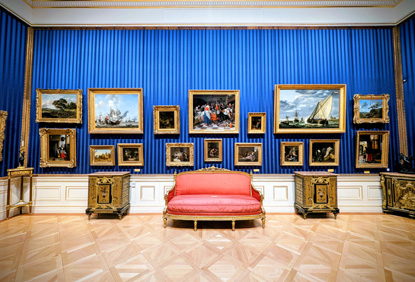
London boasts an extraordinary array of museums, each offering immersive experiences that transport visitors through centuries of human achievement, artistic expression, and scientific discovery, making the capital one of the world's premier destinations for cultural exploration.
The heart of London's museum quarter in South Kensington and Bloomsbury is home to some of the most significant collections in the world.
The Great National Collections
The British Museum
A monumental institution dedicated to human history, art, and culture, the British Museum's collection numbers over eight million works, making it one of the largest in existence. It was the first public national museum in the world, founded in 1753. Its galleries chronicle the story of civilisation from its earliest beginnings. The Great Court, with its magnificent glass roof designed by Norman Foster, encloses the original Round Reading Room of the British Library and serves as the museum's central hub.
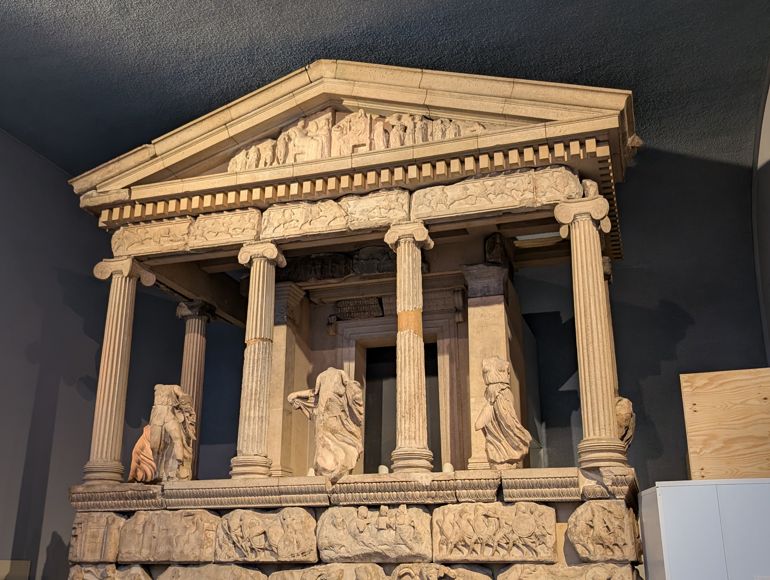
The museum's treasures span every continent and era. The Rosetta Stone, discovered in 1799, provided the key to deciphering Egyptian hieroglyphs and remains one of the most visited objects in the collection. The Parthenon Marbles, also known as the Elgin Marbles, represent the pinnacle of classical Greek sculpture and continue to spark debate about cultural heritage and repatriation. The Egyptian galleries house one of the most comprehensive collections outside Cairo, featuring mummies, painted coffins, the colossal bust of Ramesses II, and countless artifacts that illuminate life in ancient Egypt.
The Sutton Hoo treasures offer a window into Anglo-Saxon England, with the iconic helmet and ship burial goods revealing a sophisticated warrior culture. Medieval treasures include the Lewis Chessmen, intricately carved walrus ivory pieces discovered in the Outer Hebrides. The Assyrian galleries display monumental winged bulls and narrative reliefs from Mesopotamian palaces, whilst the galleries devoted to Asia, Africa, and the Americas present global cultures with depth and sensitivity.
Victoria and Albert Museum
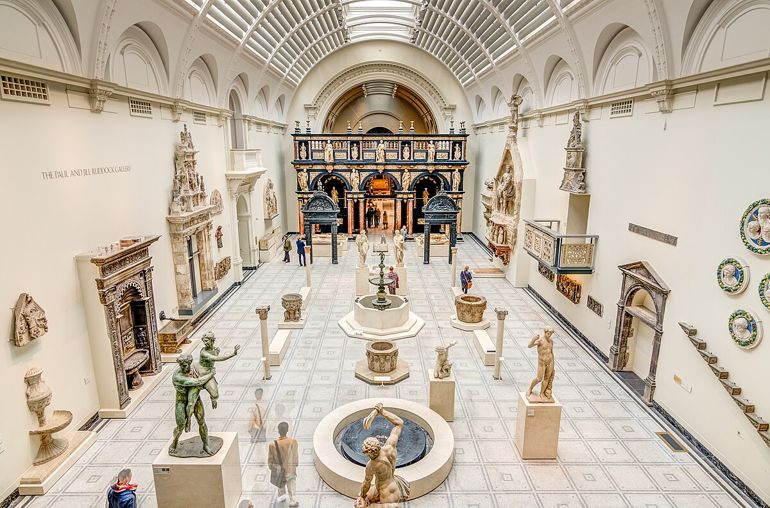
The V&A is the world's leading museum of art, design, and performance, its collection spanning 5,000 years of human creativity in virtually every medium. Founded in 1852 following the Great Exhibition, it was established with the mission to make works of art available to all and to inspire British designers and manufacturers.
The museum's fashion collection is unrivalled, tracing the history of dress from the 17th century through to cutting-edge contemporary design by Alexander McQueen, Vivienne Westwood, and emerging talents. The Cast Courts contain two spectacular galleries filled with full-scale plaster reproductions of European architectural masterpieces, including Trajan's Column and Michelangelo's David, commissioned in the Victorian era when foreign travel was beyond most people's reach.
The jewellery galleries showcase over 3,000 treasures spanning 4,000 years, from ancient Egyptian amulets to contemporary pieces, including the Beauharnais emerald necklace and Catherine the Great's wedding crown. The ceramics collection encompasses 80,000 objects representing every major ceramic tradition, whilst the sculpture galleries house works from medieval Europe through to Rodin.
The V&A's theatre and performance collection is the national collection documenting British performance history, including Shakespeare First Folios, original costume designs, and David Bowie's stage outfits. The museum building itself is magnificent, with period rooms recreating historical interiors, stunning Victorian refreshment rooms with elaborate tile work and mosaics, and the spectacular medieval and Renaissance galleries that resemble a cathedral of decorative arts.
The Wallace Collection
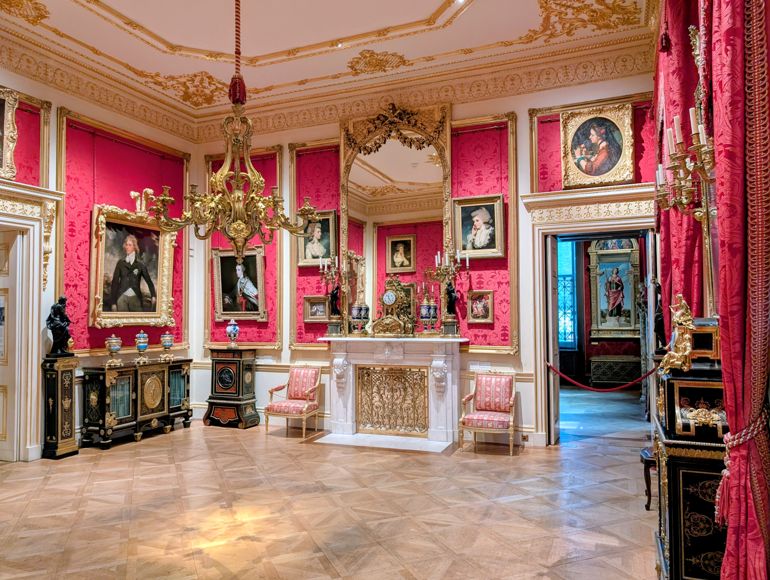
Housed in Hertford House, a grand townhouse in Manchester Square, the Wallace Collection is a national museum containing one of the world's finest private collections of art. Assembled primarily by the 4th Marquess of Hertford and his illegitimate son Richard Wallace, it was bequeathed to the nation in 1897 on condition that it remain together and in this location.
The collection is particularly strong in 18th-century French painting, furniture, and Sèvres porcelain, reflecting the Marquess's Francophile tastes. The Great Gallery houses Old Master paintings including works by Titian, Velázquez, Rembrandt, and Rubens. Frans Hals' The Laughing Cavalier and Fragonard's The Swing are amongst the most famous works.
The Wallace Collection also contains a world-class armoury, with Renaissance and Oriental weapons and armour displayed in dramatic fashion. The courtyard, now enclosed by a glass roof, houses a restaurant serving French-inspired cuisine.
London's Great Art Galleries
The National Gallery
Dominating the north side of Trafalgar Square, the National Gallery houses one of the finest collections of Western European painting in the world, spanning the period from the 13th century to the early 20th century. Unlike many European galleries, the National Gallery was not formed from a royal collection but was founded in 1824 specifically for the public benefit.
The collection is arranged broadly chronologically, allowing visitors to trace the development of European painting across six centuries. The Sainsbury Wing houses medieval and early Renaissance masterpieces, including works by Duccio, Giotto, and Botticelli, as well as Leonardo da Vinci's mysterious The Virgin of the Rocks.
The main galleries progress through the High Renaissance and Baroque periods, with paintings by Titian, Caravaggio, Velázquez, Rembrandt, and Rubens. Hans Holbein the Younger's The Ambassadors, with its anamorphic skull, never fails to captivate viewers. The Dutch Golden Age is magnificently represented, with multiple works by Vermeer, including A Young Woman Standing at a Virginal.
British painting is showcased through Gainsborough, Constable, and Turner, with Turner's The Fighting Temeraire being amongst the nation's most beloved paintings. The later galleries feature the Impressionists and Post-Impressionists, including Van Gogh's Sunflowers, Monet's Water-Lilies, and works by Renoir, Degas, and Cézanne.

National Portrait Gallery
Located immediately behind the National Gallery, this unique institution is dedicated to portraiture as both art and historical documentation. The collection tells the story of Britain through the faces of those who have shaped its history, from monarchs and politicians to artists, writers, scientists, and cultural icons.
The gallery displays its collection chronologically, beginning with the Tudors on the top floor and descending through British history to the present day. The Tudor galleries feature the famous Ditchley portrait of Elizabeth I and Holbein's cartoon of Henry VIII, whilst the Stuart galleries include Van Dyck's magnificent portraits of Charles I. The Victorian galleries house Julia Margaret Cameron's pioneering photographs, whilst the 20th-century galleries feature portraits of figures from Virginia Woolf to David Bowie. The gallery reopened in 2023 following a major three-year transformation.
The Courtauld Gallery (Somerset House)
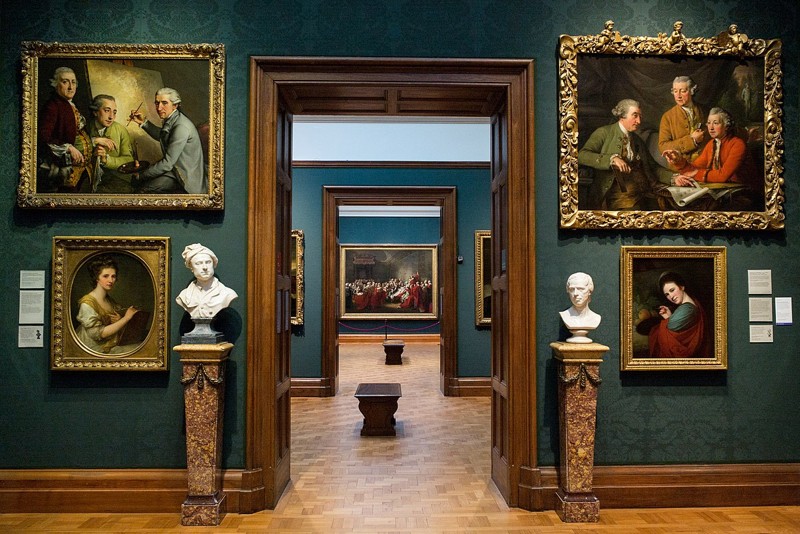
The Courtauld Gallery, housed in the magnificent neoclassical surroundings of Somerset House on the The Strand, is home to one of the world's finest art collections and a true jewel of British cultural heritage. Founded by the collector and philanthropist Samuel Courtauld in 1932, the gallery boasts an extraordinary collection of over 530 paintings and more than 26,000 drawings and prints spanning from the Medieval period to the 20th century. The gallery is particularly renowned for its exceptional assemblage of Impressionist and Post-Impressionist masterpieces, including Édouard Manet's world-famous A Bar at the Folies-Bergère, Vincent van Gogh's Self-Portrait with Bandaged Ear, and the UK's most significant collection of works by Paul Cézanne. Following a major three-year restoration completed in 2021, the gallery reopened with spectacularly refurbished spaces, including the LVMH Great Room—London's oldest purpose-built exhibition space—and the Blavatnik Fine Rooms, an elegant suite of six galleries showcasing masterworks from Botticelli and Rubens.
Operating as part of the prestigious Courtauld Institute of Art, a world-leading centre for the study of art history and conservation, the gallery offers visitors an intimate and manageable experience with its relatively compact scale, allowing close engagement with artworks without overwhelming crowds. Beyond its permanent collection, the gallery presents an acclaimed programme of temporary exhibitions and displays, complemented by curator-led talks, family events, and short courses that draw upon the institution's academic excellence. The gallery's setting within Somerset House adds immeasurably to the experience, with visitors able to enjoy not only the treasures within but also the grand courtyard and architectural splendour of this historic Thames-side building. With its combination of world-class art, scholarly expertise, and stunning surroundings, The Courtauld Gallery provides a serene yet enriching cultural escape in the heart of London.
Tate Britain
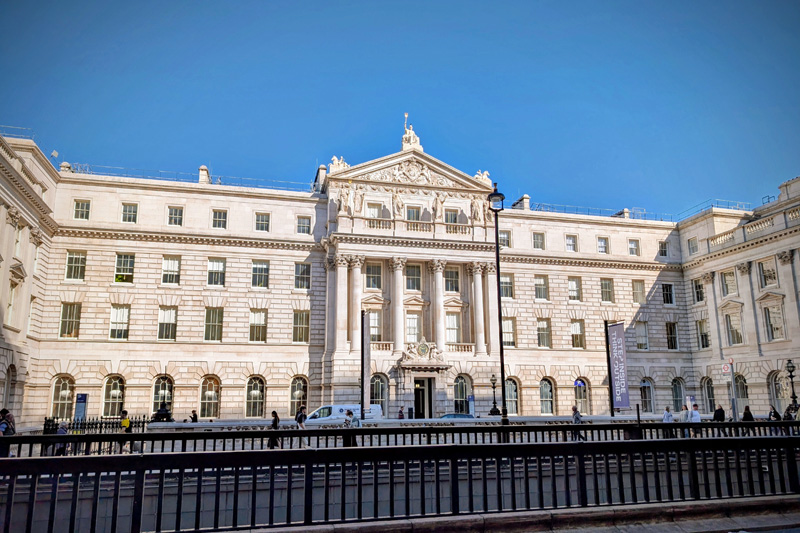
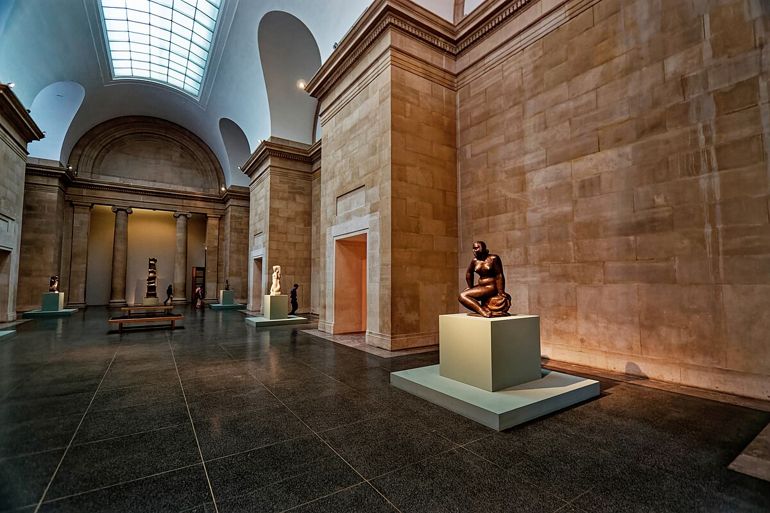
Situated on the banks of the Thames at Millbank, on the site of the old Millbank Prison, Tate Britain houses the national collection of British art from 1500 to the present day. It provides the most comprehensive survey of British art in existence, tracking the development of painting, sculpture, and other media across five centuries.
The Turner collection, housed in the Clore Gallery, is a major highlight, containing the world's largest collection of works by J.M.W. Turner, bequeathed to the nation by the artist. The collection includes over 300 oil paintings and thousands of watercolours and drawings, tracing Turner's evolution from topographical precisionism to revolutionary atmospheric abstraction.
Other strengths include extensive holdings of William Blake's mystical paintings and illuminated books, major works by the Pre-Raphaelites including Millais' Ophelia, and significant works from every period of British art history. The 20th-century galleries feature Francis Bacon, Lucian Freud, David Hockney, and contemporary artists working today.
Tate Modern
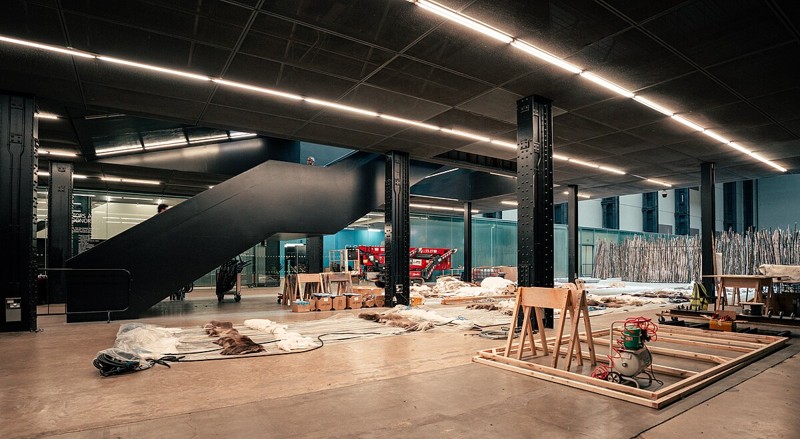
Housed in the magnificent former Bankside Power Station, Tate Modern stands as one of the world's leading galleries of modern and contemporary art. Since opening its doors in 2000, this architectural landmark has transformed London's cultural landscape, drawing millions of visitors annually to explore its remarkable collection of international artworks dating from 1900 to the present day. The building itself is a masterpiece of industrial conversion, with the iconic central chimney rising 99 metres above the South Bank and the cavernous Turbine Hall—standing 26 metres high—providing a breath-taking space for large-scale installations and commissions. In 2016, the addition of the twisting Switch House extension increased the gallery's exhibition space by 60 per cent, whilst the top-floor viewing terrace offers spectacular panoramic views across the Thames to St Paul's Cathedral.
What sets Tate Modern apart is its innovative approach to displaying art thematically rather than chronologically, creating dynamic conversations between works from different eras and movements. The permanent collection, which is free to enter, showcases masterpieces by artists including Picasso, Rothko, Dalí, and Monet alongside cutting-edge contemporary pieces, with displays frequently rotated to offer fresh perspectives. The gallery spans multiple levels between the Natalie Bell Building (formerly the Boiler House) and the Blavatnik Building (the Switch House), with the atmospheric Tanks—converted from the power station's original fuel oil tanks—hosting performances and experimental works. Whether you're admiring a monumental sculpture in the Turbine Hall or discovering lesser-known artists in the intimate gallery spaces, Tate Modern offers an unparalleled journey through modern artistic expression.
Guildhall Art Gallery
The Guildhall Art Gallery stands as a distinguished cultural institution in the heart of the City of London, housing the City of London Corporation's impressive art collection of over 4,500 works. Opened originally in 1885 and rebuilt after its destruction during the Blitz in 1941, the current gallery—designed by architect Richard Gilbert Scott in a semi-Gothic style—reopened in 1999 with a mission to be 'a gallery about London for London'. The collection spans centuries, from portraits commissioned since 1670 through to contemporary works, and is particularly renowned for its exceptional holdings of Victorian art, including significant Pre-Raphaelite masterpieces such as Dante Gabriel Rossetti's La Ghirlandata. The entrance hall is dominated by John Singleton Copley's monumental The Defeat of the Floating Batteries at Gibraltar, one of the largest oil paintings in Britain, which stretches dramatically across two floors.
Beyond its impressive artistic offerings, the Guildhall Art Gallery provides visitors with a unique dual experience: beneath the gallery lies the remarkable remains of London's Roman Amphitheatre, discovered during construction work in 1988 and opened to the public in 2002. This ancient arena, where gladiatorial contests and public spectacles once entertained Roman Londoners, can be viewed from within the gallery itself, connecting two millennia of London's cultural history. The gallery's collection particularly excels in topographical works and ceremonial paintings that chronicle London's evolution, offering history enthusiasts a visual journey through the capital's past. With its emphasis on London subjects, masterworks by artists including Millais, Leighton and Tissot, and the atmospheric presence of Roman ruins below, the Guildhall Art Gallery offers a distinctly peaceful and enriching museum experience in the often-bustling Square Mile.
Frameless Immersive Art Experience
Frameless is a dazzling immersive art experience near Marble Arch that reimagines great masterpieces at room-scale through floor-to-ceiling projection, surround sound, and interactive motion effects, inviting visitors to step inside works by the likes of Van Gogh, Monet, Dalí, Klimt, Rembrandt and Canaletto across four themed galleries—Beyond Reality, Colour in Motion, The World Around Us, and The Art of Abstraction. Expect a multi-sensory journey where brushstrokes ripple, colours flow with your movement, and bespoke musical scores heighten the spectacle, making it as engaging for families as it is for art lovers. With cafés and a shop on site, timed entry, and a convenient West End location just off Oxford Street, it’s one of London’s most striking contemporary additions to the museum and gallery scene, blending technology and curation to make classic art feel immediate, playful, and surprisingly contemplative.
Saatchi Gallery
Housed in the beautifully renovated Duke of York's Headquarters on King's Road in Chelsea, the Saatchi Gallery is a leading destination for contemporary art in London. Founded in 1985 by advertising magnate Charles Saatchi, the gallery has earned international recognition for championing emerging artists and presenting cutting-edge exhibitions that push the boundaries of contemporary creative culture. In 2019, the Saatchi Gallery transitioned to a charitable organisation with a mission to make contemporary art accessible to all through engaging, thought-provoking exhibitions and educational programmes. The gallery's 70,000 square feet of exhibition space comprises fifteen equally proportioned galleries spread across three floors, offering some of the most light-filled and beautifully proportioned exhibition spaces in London.
The Saatchi Gallery is particularly renowned for introducing new talent to the public, having launched the careers of the Young British Artists movement including Damien Hirst, Tracy Emin and the Chapman Brothers, amongst many others. The gallery's collection encompasses over 2,000 works including paintings, sculptures, installations and photography, with exhibitions that frequently change to showcase diverse voices and perspectives from both British and international artists. With free admission to most exhibitions and over 600,000 visitors annually, the gallery remains committed to fostering fresh thought and stimulating innovation whilst presenting some of the most exciting and occasionally controversial contemporary art in the capital. The gallery also offers family workshops, Saatchi Lates for evening visitors, and houses an on-site bar and brasserie, making it an accessible and welcoming space for art enthusiasts of all backgrounds.
History Museums
Museum of London
The Museum of London chronicles the capital's remarkable story from prehistoric times to the present day, using archaeological finds, social history collections, and multimedia displays. The museum traces London's evolution from a marshy river crossing to a Roman provincial capital, through medieval prosperity, Tudor expansion, civil war, plague, and fire, Victorian industrial growth, Blitz survival, and contemporary multiculturalism.
Highlights include Roman mosaics and sculptures from Londinium, medieval artifacts including a pilgrim's badge from Canterbury, Tudor and Stuart galleries displaying period interiors, and a reconstruction of an 18th-century pleasure garden. The Victorian Walk recreates shops and streets from 19th-century London, whilst the 20th-century galleries address both world wars, immigration, and social change. The Lord Mayor's State Coach, still used annually, glitters in its gilded splendour.
The museum is currently preparing to relocate to a new, larger site at Smithfield Market, with the new London Museum scheduled to open in stages, offering significantly expanded galleries.
London's Roman Amphitheatre
Hidden beneath the Guildhall Art Gallery in the City of London, the Roman Amphitheatre is an evocative undercroft gallery where the curving arena walls, entrance passages and a marked oval at street level trace the capital’s only known Roman arena, first built in timber around 70 CE and upgraded in stone in the early second century to seat roughly 6,000–7,000 spectators for gladiatorial contests, animal fights, public executions and civic or religious spectacles; rediscovered in 1988 during excavations for the new gallery and opened to visitors in 2002, the preserved remains—kept about 6 metres below Guildhall Yard and complemented by a striking dark-stone outline on the plaza above—offer a vivid, atmospheric encounter with Londinium’s mass entertainment venue and its long afterlife beneath the medieval and modern city.
London Mithraeum
Hidden beneath Bloomberg’s sleek headquarters on Walbrook, London Mithraeum is a striking reconstruction of Roman Londinium’s 3rd-century Temple of Mithras, discovered in 1954 and re-sited close to its original riverside setting for an atmospheric, free-to-visit experience with timed entry. Evocative lighting, soundscapes and in-situ remains conjure the mystery cult of Mithras—famed for its cave-like temples and bull-slaying imagery—while displays of excavated finds trace the site’s story from bomb-damaged post-war digs to today’s careful conservation. Visitors descend several metres below street level to encounter the temple’s footprint, apse and altar setting, gaining a vivid glimpse of Roman ritual life in the City of London.
Museum of the Order of St John
Located in the 16th-century gatehouse of the medieval Priory of the Knights Hospitaller in Clerkenwell, this museum explores the history of the Order of St John from the Crusades to the modern St John Ambulance. The collection includes medieval manuscripts, Renaissance paintings, armour, and medical equipment.
Visitors can tour the 12th-century crypt beneath the priory church and the tranquil cloister garden planted with medicinal herbs. The museum connects medieval chivalry to modern humanitarianism.
Foundling Museum
This moving museum tells the story of the Foundling Hospital, established in 1739 by Thomas Coram as Britain's first children's charity. The hospital cared for abandoned children, and the museum displays the poignant tokens left by mothers with their babies—scraps of fabric, buttons, coins—that might allow future identification.
The museum also explores the hospital's patronage by Hogarth and Handel, displaying paintings donated by Hogarth (whose works helped establish the hospital's reputation) and manuscripts by Handel, who gave regular benefit performances. The Gerald Coke Handel Collection upstairs includes armchairs with built-in speakers playing nine hours of Handel's music.
Museum of London Docklands
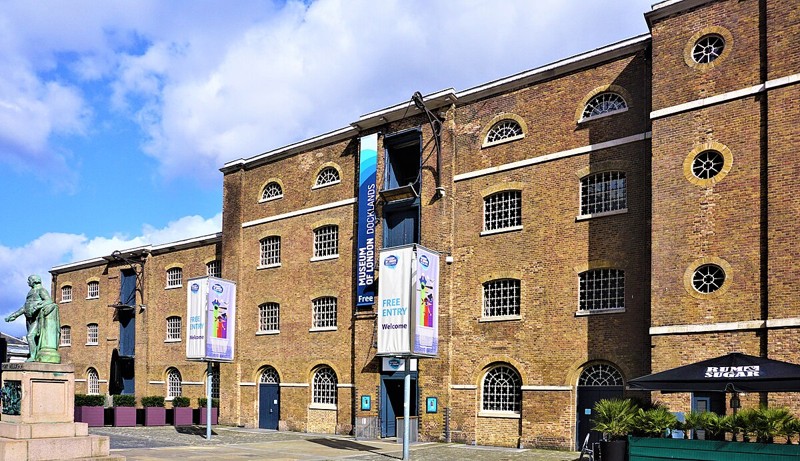
Located in a Grade I listed Georgian warehouse at West India Quay, this museum explores the Thames's role in shaping London and Britain's relationship with the world. The museum's permanent galleries trace 2,000 years of river, port, and docklands history, from Roman trade to the decline of the docks and the transformation into Canary Wharf.
The museum addresses difficult aspects of maritime history head-on, with the London, Sugar & Slavery gallery examining the capital's central role in the transatlantic slave trade and its economic benefits from colonial exploitation. Other galleries explore the lives of dock workers, Victorian warehousing, the Blitz damage to the docks, and the radical regeneration that created London's second financial district.
Brunel Museum
Tucked beside the Thames in Rotherhithe, the Brunel Museum celebrates the world’s first underwater tunnel and the audacity of the Brunel engineering dynasty that built it, Marc Isambard Brunel and his son Isambard Kingdom Brunel. Housed in the 19th-century Brunel Engine House, it sets the scene for visits down to the vast brick-lined Tunnel Shaft—once the grand entrance hall for Victorian pedestrians and now an atmospheric space for tours, talks and occasional performances. Compact yet rich in story, the museum’s displays trace the perils, innovations and sheer persistence behind the Thames Tunnel, illuminating how this bold project reshaped London’s infrastructure and inspired future feats of engineering.
The Clink Prison Museum
The Clink Prison Museum on Bankside offers a grimly fascinating glimpse into London’s medieval justice, built on the original site of the notorious Clink, a prison operating from the 12th century until the late 18th century and long associated with the raucous liberties south of the Thames. Inside, atmospheric displays and interactive exhibits evoke the stench, noise and cruelty of incarceration, with original objects, archaeological finds and replicas of torture devices illuminating the brutal conditions faced by debtors, heretics and other unfortunates. It’s an evocative, hands-on stop for those interested in crime and punishment, civic order and the social history of Southwark’s once-notorious entertainment district.
Jack The Ripper Museum
Housed in a restored Victorian townhouse on Cable Street in Whitechapel, the Jack the Ripper Museum presents an immersive, atmospheric look at the unsolved 1888 murders that gripped London’s East End, combining recreated spaces such as a Whitechapel police station, Mary Jane Kelly’s room, and a basement morgue with period artefacts, newspapers, and evocative set pieces to explore both the victims’ lives and the era’s investigation practices. Visitors move floor by floor through dimly lit rooms that evoke the sights and sounds of late-Victorian London, piecing together suspects, letters, and forensic clues while reflecting on the social conditions of the time.
Military & Maritime Museums
Imperial War Museum London
Founded during the First World War to record the unprecedented conflict, the Imperial War Museum (IWM) has evolved into a comprehensive examination of modern warfare and its impact on society. The museum's approach is neither glorifying nor simplistic, instead exploring the complex human dimensions of conflict.
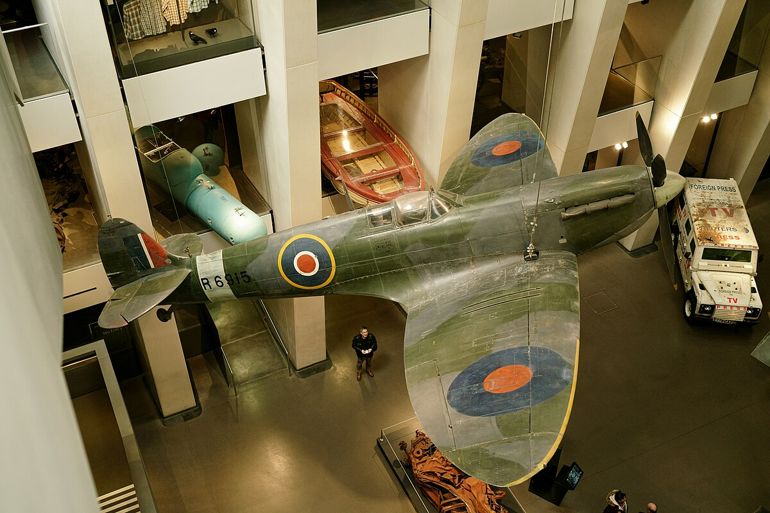
The museum's dramatic atrium displays large military hardware, including a Spitfire, a Harrier jump jet, a V-2 rocket, and a section of twisted steel from the World Trade Center. The First World War Galleries are immersive and moving, using personal testimonies, artifacts, and multimedia displays to convey the experience of the trenches and the home front.
The Second World War Galleries examine the global conflict through themes of leadership, innovation, propaganda, and civilians' experiences. The Holocaust Galleries, redesigned in 2021, provide a comprehensive and deeply affecting exploration of the Nazi genocide, emphasizing individual stories whilst documenting the systematic destruction of European Jewry. Temporary exhibitions address contemporary conflicts and the ongoing impacts of war.
Churchill War Rooms
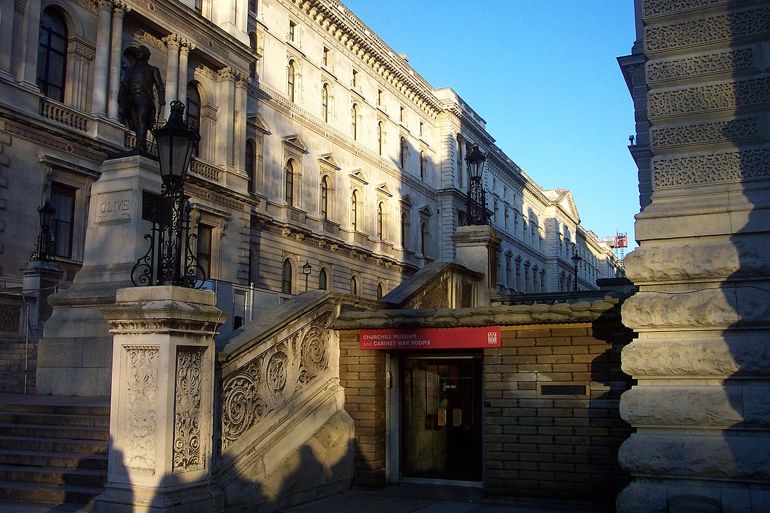
Preserved exactly as they were left in August 1945, when the lights were finally switched off, the Cabinet War Rooms offer an extraordinarily intimate glimpse into the nerve centre of Britain's wartime government. Located beneath the Treasury building in Whitehall, this underground bunker complex housed Churchill's offices, the Cabinet Room where crucial decisions were made, and the Map Room where military operations were coordinated.
Visitors can see Churchill's modest bedroom, the scrambled telephone used for conversations with President Roosevelt, and the room where military chiefs plotted strategy. The adjacent Churchill Museum provides a comprehensive biographical portrait of Britain's wartime leader, using multimedia displays and original documents to trace his extraordinary life from Victorian childhood through political controversy to wartime leadership and beyond.
National Army Museum
Chronicling five centuries of British Army history, the National Army Museum explores the soldier's experience from the Tudor period to contemporary deployments in Iraq and Afghanistan. The museum's galleries examine major campaigns and conflicts whilst emphasizing personal stories and the lived experience of military service.
Collections include uniforms spanning centuries of military fashion, medals and decorations including Victoria Crosses, weapons from pikes to modern rifles, and artwork documenting battles and barrack life. The museum addresses controversial aspects of military history, including colonial campaigns and the complexities of counterinsurgency warfare.

The Household Cavalry Museum
Set within the historic Horse Guards on Whitehall, the Household Cavalry Museum is a small yet evocative “living museum” that opens a window onto over 350 years of pageantry and active service by The Life Guards and The Blues and Royals, the British Army’s senior regiments. Visitors look through a glazed screen into the original 18th-century stables to watch troopers tending their horses, then explore rare uniforms, cuirasses, standards and personal stories that trace the regiments’ dual role—guarding the Sovereign at state ceremonies and deploying on modern operations. Time a visit to coincide with the Changing of the King’s Life Guard on Horse Guards Parade in the late morning or the 4 o’clock inspection, and you’ll see the living traditions that the galleries so vividly contextualise.
The Guards Museum
The Guards Museum, set within Wellington Barracks just a short stroll from Buckingham Palace, offers a compact yet evocative journey through nearly four centuries of the Foot Guards’ history, from their 17th-century origins to modern deployments, blending ceremonial splendour with the realities of frontline soldiering in conflicts such as Iraq and Afghanistan; expect richly presented uniforms, medals, weaponry, paintings and personal artefacts that illuminate the five regiments’ dual role guarding the Sovereign and serving as elite infantry, alongside thoughtful interpretation that makes the pageantry seen at Changing the Guard feel grounded in lived experience, all in a welcoming space adjacent to the Guards Chapel and ideal for pairing with a wander through St James’s Park.
National Maritime Museum
The world's largest maritime museum, located in Greenwich as part of a UNESCO World Heritage Site, celebrates Britain's naval history and the nation's relationship with the sea. The museum's vast collections encompass maritime art, navigation instruments, ship models, charts, and maritime archaeology.
Highlights include Turner's Battle of Trafalgar, the uniform Nelson wore when mortally wounded at Trafalgar (complete with bullet hole), and galleries exploring Arctic exploration, ocean liners, and Britain's mercantile and naval power. The museum examines controversial aspects of maritime history, including the Royal Navy's role in the slave trade and imperial expansion.
The adjacent Queen's House, a masterpiece of early 17th-century architecture designed by Inigo Jones, houses the museum's art collection, including the famous Armada Portrait of Elizabeth I. The complex connects to the Royal Observatory Greenwich, home of Greenwich Mean Time and the Prime Meridian.
HMS Belfast
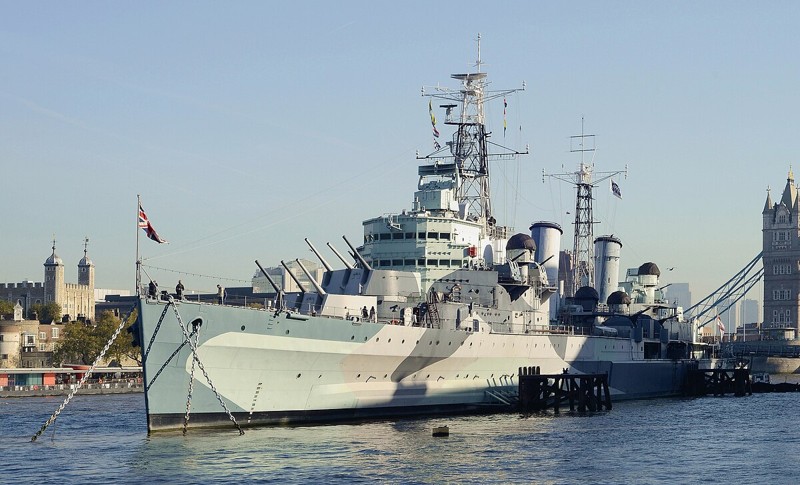
This Second World War Town-class cruiser, permanently moored on the Thames near Tower Bridge, offers visitors an immersive experience of naval life. Commissioned in 1938, HMS Belfast served in Arctic convoys, participated in the D-Day landings, and later saw action in the Korean War.
Visitors can explore nine decks, from the cramped engine rooms and mess decks where crew lived and worked to the bridge, operations room, and gun turrets. The ship vividly conveys the claustrophobic conditions endured by a crew of over 900 men, whilst also showcasing the technological sophistication of a Second World War warship.
Cutty Sark
Located in dry dock at Greenwich, the Cutty Sark is the world's sole surviving tea clipper and one of the fastest sailing ships ever built. Launched in 1869 for the China tea trade, she later carried wool from Australia, setting speed records that stood for decades.
The ship underwent major restoration after a devastating fire in 2007 and is now displayed dramatically suspended above ground level, allowing visitors to walk beneath the gleaming copper hull. The interior galleries explore life aboard a merchant sailing ship and the golden age of clipper ships.
Museums of Science, Medicine & Natural History
The Natural History Museum
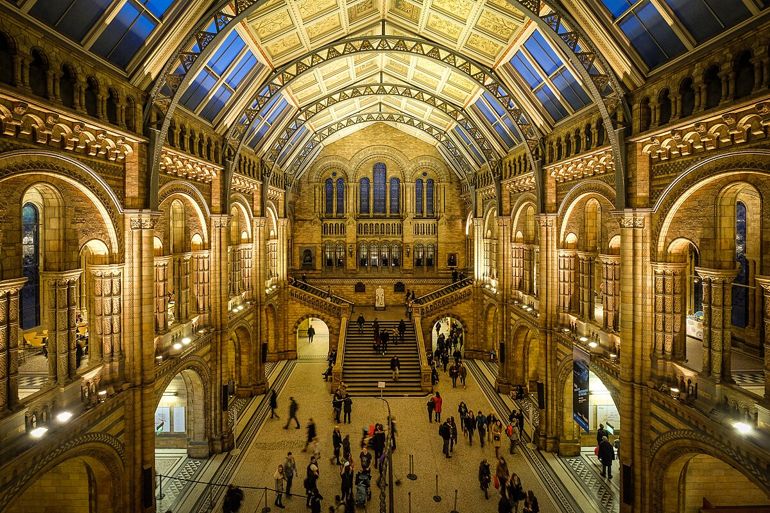
Housed in an iconic Romanesque-revival building designed by Alfred Waterhouse, often described as a "cathedral of nature," the Natural History Museum is home to 80 million specimens spanning botany, entomology, mineralogy, palaeontology, and zoology. The entrance hall is now dominated by "Hope," the skeleton of a giant blue whale suspended from the ceiling, which replaced the famous Diplodocus cast in 2017.
The museum is divided into colour-coded zones. The Blue Zone focuses on the diversity of life, with the dinosaur gallery being one of the most popular, featuring an animatronic Tyrannosaurus rex and fossil specimens including Stegosaurus and Iguanodon. The mammal galleries showcase the incredible diversity of mammalian life, with a life-size model of a blue whale being a particular highlight.
The Green Zone explores ecology and evolution, with galleries dedicated to birds, insects, minerals, and the origins of life. The vast mineral collection includes extraordinary gemstones and meteorites that tell the story of the solar system. The Red Zone takes visitors on a journey through Earth's history, featuring an earthquake simulator that recreates the 1995 Kobe earthquake and the spectacular Earth Hall accessed via an escalator through a giant model of the planet.
The Orange Zone houses the Darwin Centre, a state-of-the-art scientific research facility where visitors can see scientists at work amongst 17 million insects and 3 million plant specimens preserved in spirit. The museum's collections continue to support cutting-edge research in taxonomy, conservation, and climate science.
The Science Museum
This institution chronicles human ingenuity, housing over 300,000 items that trace the history of science, technology, medicine, and industry. The museum takes a strongly interactive approach, making it particularly popular with families whilst remaining intellectually rigorous.
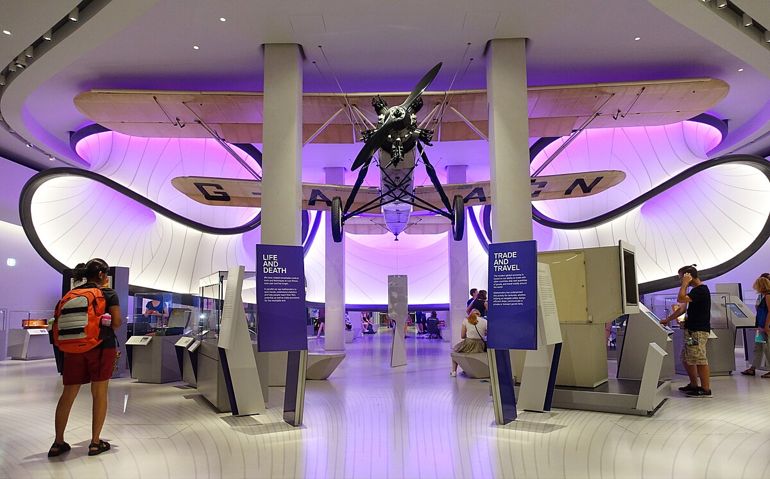
The ground floor features Stephenson's Rocket, the pioneering steam locomotive of 1829 that established the template for railway development worldwide. The Making the Modern World gallery displays iconic objects including Puffing Billy, the oldest surviving steam locomotive, and the actual Apollo 10 command module that circled the Moon in May 1969.
Charles Babbage's Difference Engine No. 2, a calculating machine designed in the 1840s but not constructed until the 1990s using his original plans, demonstrates Victorian ambitions in mechanical computing. The Information Age gallery traces the development of communication from the first telegraph to the World Wide Web, with original equipment used in groundbreaking broadcasts and transmissions.
The Medicine: The Wellcome Galleries present a comprehensive history of healthcare, from ancient remedies to genetic engineering, addressing both medical triumphs and ethical challenges. Interactive galleries allow visitors to explore flight simulation, pattern recognition, and the science behind everyday phenomena.
Royal Observatory Greenwich
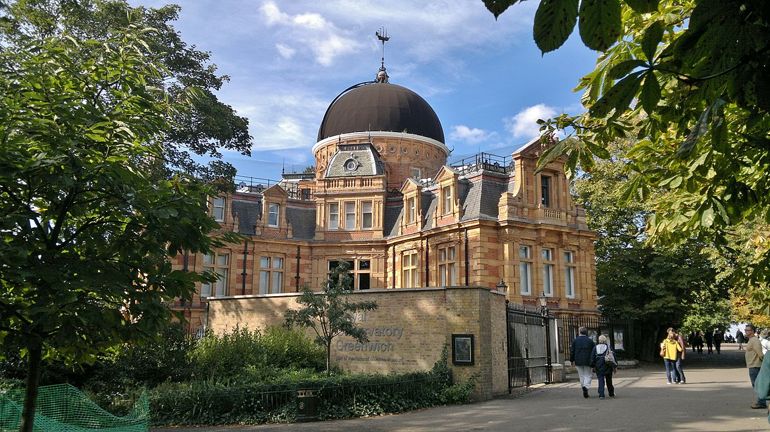
The Royal Observatory Greenwich stands at the heart of global timekeeping, where visitors can literally straddle the Prime Meridian Line - the point from which all time zones are measured. The observatory houses historic telescopes, astronomical instruments, and exhibits explaining the relationship between time, navigation, and exploration. The Planetarium offers immersive shows about the cosmos, whilst the Astronomy Centre displays meteorites and explains current space research. The site's connection to Greenwich Mean Time and its role in solving the longitude problem makes it a fascinating destination for understanding humanity's relationship with time and space.
Wellcome Collection
This unique museum explores connections between medicine, life, and art through thought-provoking exhibitions that challenge conventional thinking. Founded on the collection of pharmaceutical entrepreneur Sir Henry Wellcome, the museum addresses the human condition through historical medical artifacts, contemporary art, and interactive displays.
The permanent Medicine Man exhibition displays artifacts from Wellcome's vast collection, including Napoleon's toothbrush, Japanese sex aids, and a lock of George III's hair. The museum addresses difficult topics including mental health, death, and medical ethics with sensitivity and intellectual rigour. Temporary exhibitions examine contemporary issues at the intersection of science, society, and culture.
Hunterian Museum
The Hunterian Museum, located at Lincoln's Inn Fields in central London, is one of the city's most unusual and fascinating institutions. Named after 18th-century surgeon and anatomist John Hunter (1728-1793), this remarkable museum forms part of the Royal College of Surgeons of England and reopened in May 2023 following a five-year, £4.6 million redevelopment. The collection traces the history of surgery from ancient times to modern robot-assisted operations, featuring over 2,000 anatomical preparations from Hunter's original collection alongside surgical instruments, medical equipment, anatomical models, paintings and archive material. Visitors will encounter England's largest public display of human anatomy, including the famous Evelyn Tables—four wooden boards from 1640 displaying real human blood vessels and nerves—and countless other specimens from both human and animal sources.
The museum's striking Long Gallery serves as its centrepiece, with glass walls lined with illuminated specimen jars presented like jewellers' displays, drawing visitors into close contemplation of their extraordinary contents. The collection includes everything from 17th-century anatomical models and Winston Churchill's dentures to specimens illustrating diseases that plagued 18th-century London's urban poor, such as rickets, tuberculosis and syphilis. Hunter's voracious collecting habits during his lifetime resulted in a teaching museum originally housed at his Leicester Square home, where he kept both his practice and a menagerie of exotic animals. Today's museum contextualises these controversial historical practices whilst celebrating modern medical advances, making it an essential destination for those interested in medical history, though visitors with squeamish dispositions should note the graphic nature of many displays. Entry is completely free, though booking in advance is recommended.
Old Operating Theatre Museum and Herb Garret
Hidden in the roof space of St Thomas's Church near London Bridge, this museum occupies Britain's oldest surviving operating theatre, dating from 1822. The theatre was used for surgical operations on women before the development of anaesthetics or antiseptics, making it a place of extraordinary suffering.
The museum displays terrifying surgical instruments, discusses the history of anaesthesia and infection control, and explains 19th-century medical practices. The adjacent herb garret, where medicinal plants were dried and stored, contains displays about traditional remedies. Climbing the narrow spiral staircase to reach the museum adds to the atmospheric experience.
Florence Nightingale Museum
Located at St Thomas' Hospital, this museum celebrates the founder of modern nursing and her revolutionary impact on healthcare. The collection includes Nightingale's personal belongings, letters written during the Crimean War, the famous lamp (though she preferred to work by daylight), and displays exploring Victorian medicine.
The museum examines Nightingale's pioneering use of statistics to demonstrate the importance of sanitation, her training school for nurses, and her influence on hospital design and public health policy. Contemporary displays address modern nursing challenges and the continuing relevance of Nightingale's principles.
Grant Museum of Zoology
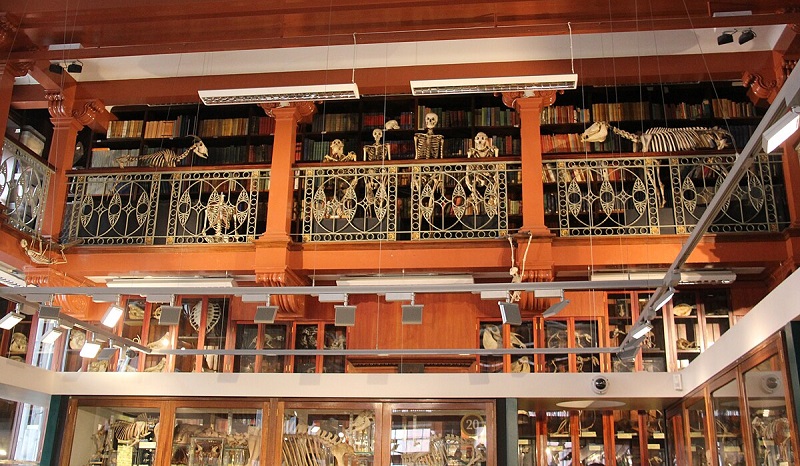
Part of University College London, this compact museum houses one of the country's oldest and most important natural history collections. The Victorian-style displays create an atmospheric setting for exploring comparative anatomy, evolution, and biodiversity.
The collection includes rare specimens of extinct species, including dodo bones, a Tasmanian tiger, and a quagga, highlighting the ongoing biodiversity crisis. The museum's Jar of Moles (18 individual moles preserved in a single jar) and other unusual displays make it a favourite with students and visitors seeking something different from the major natural history museums.
Cultural Museums
Museum of the Home (formerly Geffrye Museum)
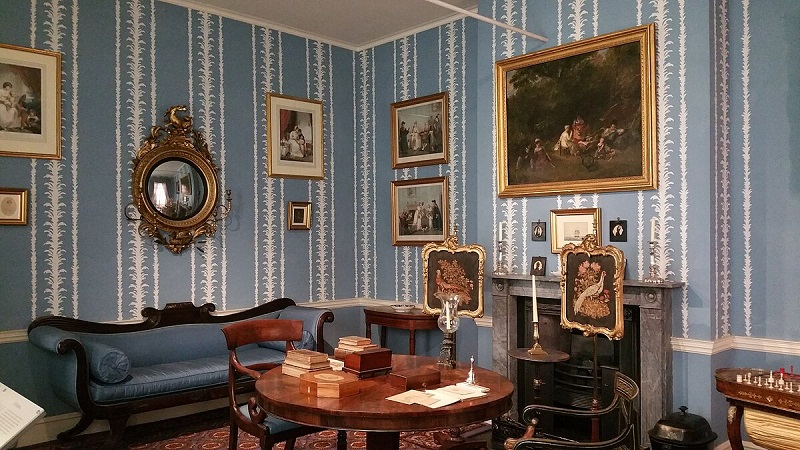
Located in handsome 18th-century almshouses in Hackney, this museum explores the British home from 1600 to the present day. Period rooms decorated in authentic historical styles trace changing domestic tastes and social conditions, from Stuart austerity through Georgian elegance, Victorian clutter, and modernist minimalism to contemporary living.
The museum reopened in 2021 following major redevelopment, with expanded galleries addressing themes of home, identity, and belonging. The beautiful period gardens recreate historical garden styles, whilst the café occupies a converted Victorian pub. At Christmas, the period rooms are decorated to show how the festival was celebrated across the centuries.
Horniman Museum and Gardens
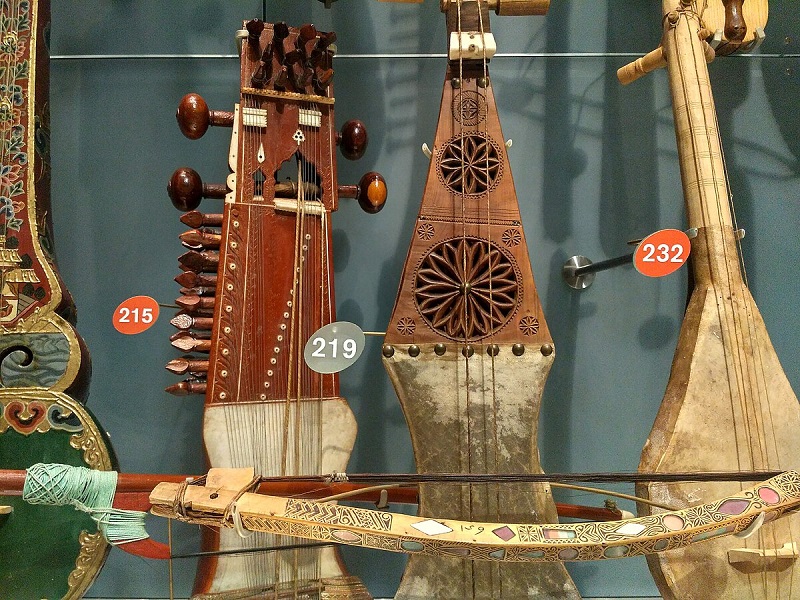
This beloved South London institution houses wonderfully eclectic collections of anthropology, natural history, and musical instruments. The museum was founded by Victorian tea trader Frederick Horniman, who brought back artifacts from his travels and opened his collection to the public.
The natural history galleries feature extensive taxidermy, including the famous overstuffed walrus who has become a London celebrity. The World Galleries display cultural artifacts from Africa, Asia, and the Americas, addressing themes of identity, belief, and trade. The Music Gallery contains over 8,000 instruments from around the world, with regular handling sessions and performances.
The museum also houses a small aquarium and beautiful gardens with views across London, making it an excellent family destination.
The Design Museum
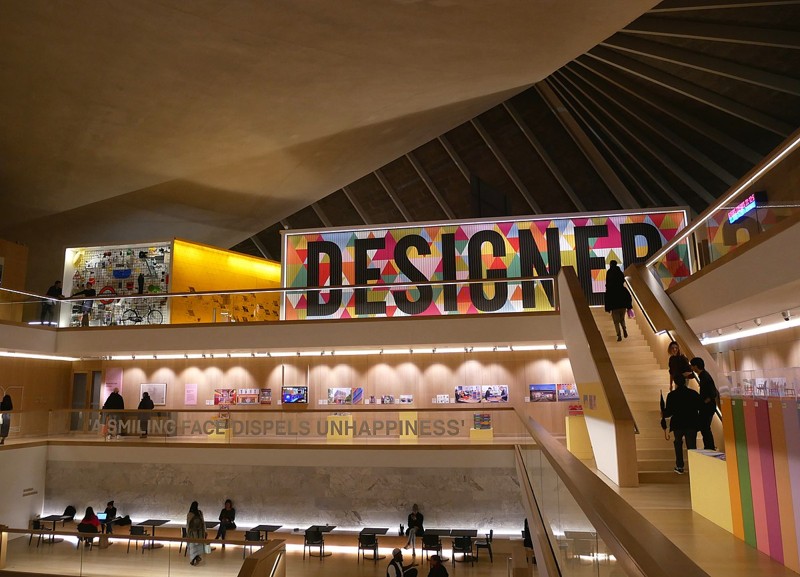
Relocated in 2016 to a spectacular building in Kensington (the former Commonwealth Institute with its distinctive hyperbolic paraboloid roof), the Design Museum celebrates design in all its forms. The permanent exhibition, Designer Maker User, explores how design shapes the world, displaying iconic objects from Bauhaus chairs to Apple computers.
Temporary exhibitions examine fashion, architecture, product design, graphic design, and digital media, showcasing the work of leading designers and exploring design's social and environmental impacts. The museum's approach is accessible and engaging, making design relevant to everyone.
The Cinema Museum
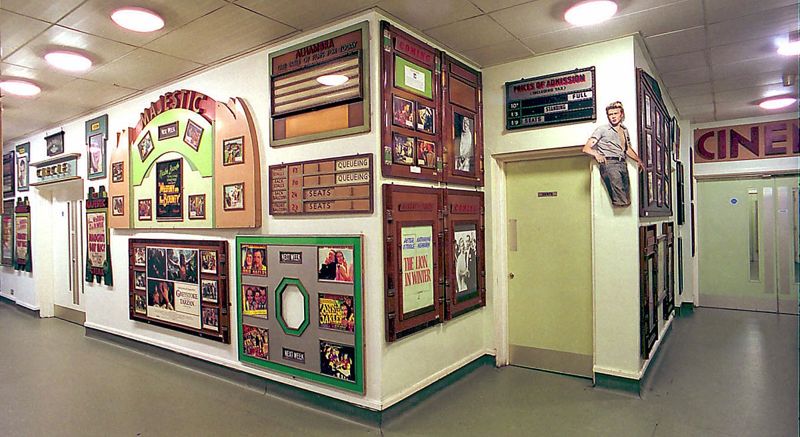
Located in a former workhouse in Lambeth (the building that inspired Charlie Chaplin's childhood), this museum houses a vast collection of cinema ephemera. The collection includes projectors, posters, programmes, tickets, and seats from historic cinemas, preserving Britain's cinema-going heritage.
The museum is run by volunteers and opens by appointment and during special events, maintaining an amateur enthusiasm that suits the nostalgic material.
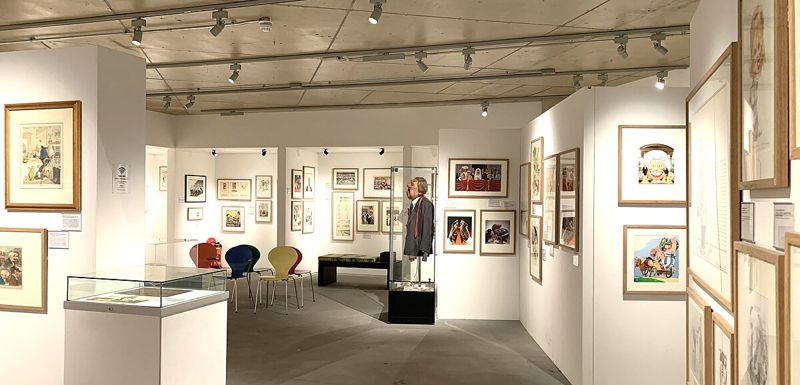
The Cartoon Museum
This specialist museum in Bloomsbury celebrates British cartoons, caricature, and comic art from the 18th century to the present. The collection includes original drawings by James Gillray, Gerald Scarfe, Steve Bell, and contemporary comic artists.
Temporary exhibitions explore satirical art, political cartoons, newspaper strips, and graphic novels, demonstrating the power of visual humour and commentary.
Fan Museum
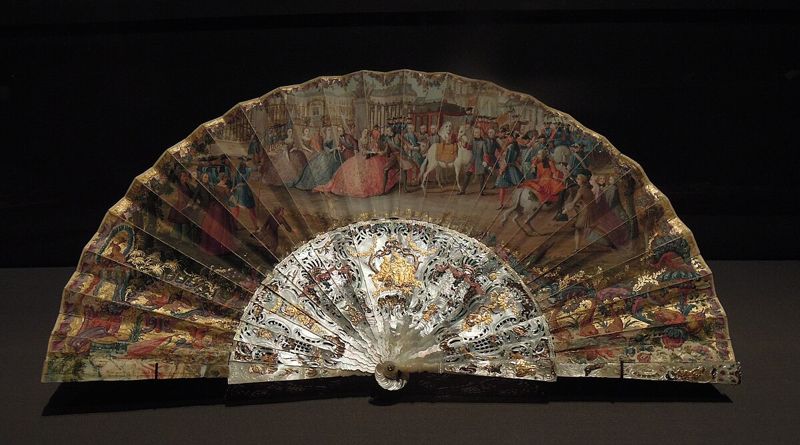
Located in Greenwich, this unique museum is the only one in the UK dedicated to the history and craft of the hand fan. The collection spans from the 11th century to the present day, with fans from Europe, Asia, and beyond.
The museum occupies two elegant Georgian houses and includes a delightful orangery where afternoon tea is served. The collection demonstrates the fan's role in fashion, communication, and social ritual, with exquisitely painted and embroidered examples.
The Musical Museum
Set beside the Thames in Brentford, The Musical Museum is a delightful niche collection devoted to the magic of mechanical music, where guided demonstrations bring to life everything from delicate music boxes and gramophones to pianolas, orchestrions and a show-stopping Mighty Wurlitzer theatre organ that once accompanied silent films. Housed in a purpose-built venue with a charming café and a small concert hall, the museum’s volunteer-led tours let visitors hear rare self-playing instruments in action, revealing how perforated rolls and ingenious mechanisms captured performances by great pianists and animated entire ensembles. It’s an engaging, hands-on visit that mixes nostalgia with engineering wonder, perfect for anyone curious about how recorded sound evolved from clockwork to cinema.
Wimbledon Lawn Tennis Museum
Set within the All England Lawn Tennis Club, the Wimbledon Lawn Tennis Museum offers an engaging journey through the sport’s evolution and the traditions of The Championships, from Victorian lawn games to the global spectacle it is today. Visitors can explore historic rackets, outfits and trophies, immerse themselves in interactive and multimedia displays, and learn about the science of grass-court tennis. Highlights often include close-up encounters with the iconic silverware, seasonal exhibitions on players and fashion, and access—outside tournament time—to spaces that evoke the atmosphere of Centre Court. It’s a polished, year-round experience that appeals to devoted fans and curious newcomers alike.
Jewish Museum London
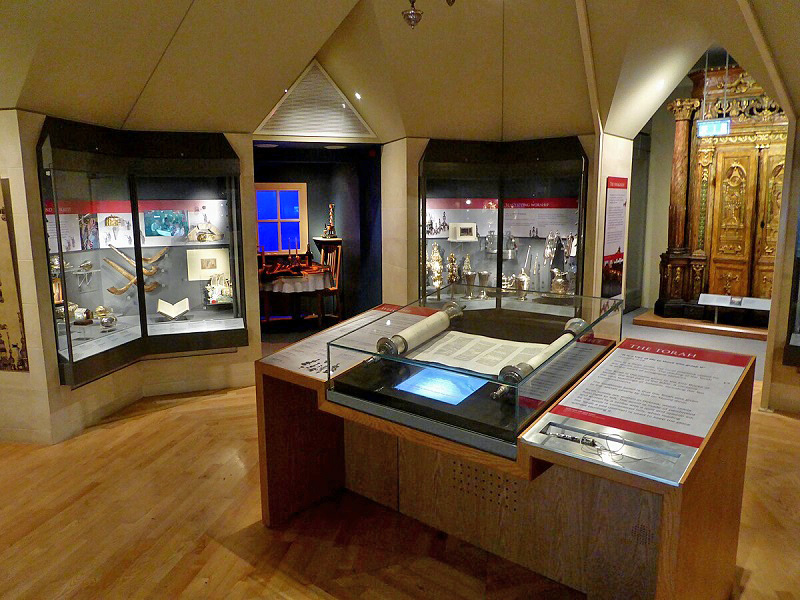
This museum explores Jewish history, culture, and identity in Britain from medieval times to the present. The collection includes important Judaica, ceremonial objects from synagogues, social history collections documenting Jewish immigration and integration, and displays about notable British Jews.
The museum addresses both celebration and persecution, examining Jewish contributions to British society in business, arts, politics, and science, whilst also documenting experiences of discrimination and the impact of the Holocaust on British Jewry. The Leon Gans Gallery recreates a historic East End cabinet-maker's workshop.
Specialised Museums
The British Library
The British Library stands as one of London's most remarkable cultural institutions, serving as the national library of the United Kingdom and the largest library in the world with its extraordinary collection of over 170 million items. Housed in a striking purpose-built building at St Pancras since 1998, the library was designed by architect Sir Colin St John Wilson in a style inspired by an ocean liner, creating a fascinating architectural contrast with the adjacent Victorian Gothic Revival St Pancras station. This Grade I listed building represents the largest public building constructed in the UK during the 20th century, extending 25 metres underground across 14 floors and earning recognition as the country's deepest building.
Beyond its architectural grandeur, the British Library offers visitors an unparalleled glimpse into humanity's written heritage through its renowned Treasures Gallery, which showcases priceless artefacts including Mozart's manuscripts, Leonardo da Vinci's notebooks, and the magnificent 7th-century Lindisfarne Gospels. The library's collection spans far beyond books to encompass maps, sound recordings, stamps, patents, and historical documents dating back to 2000 BCE, with the institution adding approximately three million items annually to its already vast holdings. As a legal deposit library, it receives copies of all books published in the UK and Ireland, ensuring its role as a living repository of British literary culture. The library welcomes visitors free of charge and provides an inspiring environment for both serious researchers and curious explorers, enhanced by its regular programme of exhibitions, lectures, and cultural events that make this treasure trove of human knowledge accessible to all.

London Transport Museum
Nestled in a beautifully restored Victorian flower market building on the edge of Covent Garden Piazza, the London Transport Museum offers a captivating journey through more than 200 years of the capital's transport heritage. The museum explores the powerful connection between London's transport network and the growth of the city's culture and society since 1800, showcasing an outstanding collection that includes over 500,000 objects. Visitors can discover iconic red buses, vintage trams, horse-drawn omnibuses, and historic Underground carriages—many of which you can climb aboard and explore—alongside the world's first underground steam train from 1890. The Design for Travel gallery celebrates pioneering poster art and graphic design, featuring Harry Beck's original Tube map design and the evolution of the world-famous roundel logo.
The museum's interactive approach makes it engaging for visitors of all ages, with hands-on exhibits including a Tube driving simulator and the popular Stamper Trail for children. Beyond transport vehicles, the collection reveals how engineering, architecture, design, and daily life have evolved alongside London's expanding network, with displays covering everything from vintage advertisements and seat fabrics to wartime shelters used during the Blitz. The museum also operates a depot in Acton where additional historic artefacts are stored and opened to the public on special days, whilst its Hidden London programme offers guided tours of disused stations and typically closed Underground spaces. Set within easy walking distance of both Covent Garden Underground station and Charing Cross railway station, the museum provides a fascinating glimpse into the innovations and personal stories that have kept London moving for over two centuries.
The Postal Museum
This museum tells the story of the postal service and Britain's social history through the lens of communication. The highlight is Mail Rail, an underground railway that carried post beneath London streets from 1927 to 2003.
Visitors can ride the miniature railway through original tunnels, passing Victorian platforms and learning about the engineering feat that created London's hidden postal network. The exhibition galleries display historical vehicles, uniforms, and philatelic collections, including the world's first postage stamp, the Penny Black.
Bank of England Museum
Tucked inside the Bank’s historic Threadneedle Street headquarters, the Bank of England Museum brings three centuries of money, markets and monetary policy vividly to life, from the institution’s founding in 1694 to its role today in keeping prices stable and the financial system secure. Expect engaging galleries on banknotes and their security features, the architecture of Sir John Soane and his successors, and the drama of crises and counterfeiting, alongside hands-on stations that unpack inflation, interest rates and how the Bank works behind the scenes. A perennial highlight is the chance to test your strength with a real gold bar—safely enclosed yet liftable through a perspex slot—while exhibits range from early ledgers and printing plates to political cartoons and contemporary notes.
The museum is compact, free to enter and particularly convenient for a lunchtime or after-work visit when late openings are scheduled, with temporary exhibitions that add topical context—think features on new banknote designs or community saving traditions. Family-friendly interactives make it accessible to younger visitors without short-changing enthusiasts who want to dig deeper into economic history and design, and the setting—just above vaults that famously store vast quantities of gold—adds a frisson that few museums can match. It’s an illuminating stop in the City, blending tangible treasures with clear explanations to demystify the money that makes London tick.
Young V&A (former Museum of Childhood)
Young V&A in Bethnal Green is the V&A’s vibrant, free-to-enter museum dedicated to children and young people, reimagined from the former Museum of Childhood to spark creativity through hands-on discovery and design-led displays. Inside, three lively galleries—Play, Imagine and Design—invite families to tinker, perform, and explore objects from the V&A’s world-class collections alongside contemporary pieces that speak to young makers today. Co-designed with children, the bright, accessible spaces include interactive exhibits, workshops and an open studio, with a central “town square” that doubles as a social hub. It’s an inspiring, welcoming spot for under-14s and the young at heart, pairing nostalgia with fresh, future-focused imagination.
Sherlock Holmes Museum
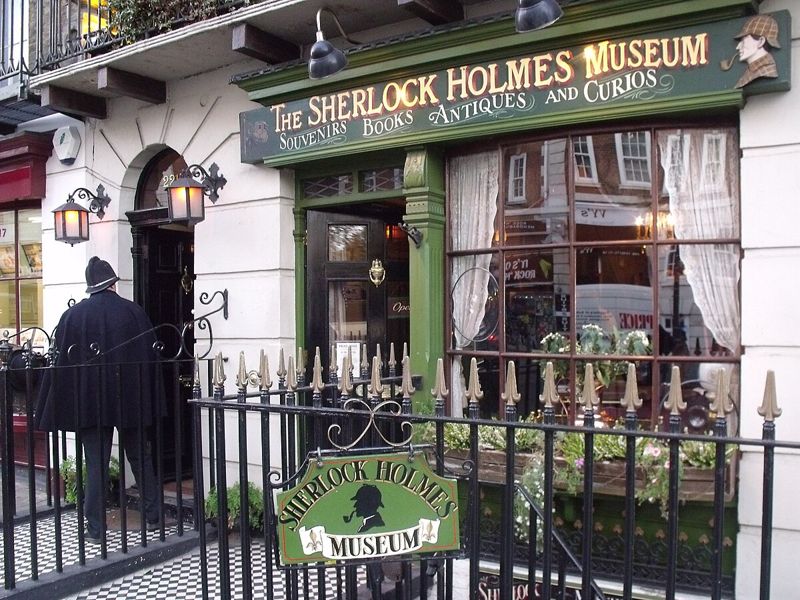
Located at 221B Baker Street (actually between numbers 237 and 241), this museum recreates the fictional detective's lodgings as described in Arthur Conan Doyle's stories. Rooms are furnished in Victorian style with period pieces and objects mentioned in the stories.
Whilst not endorsed by the Conan Doyle estate, the museum successfully evokes the atmosphere of Holmes and Watson's adventures and remains popular with fans worldwide.
Museum of Brands
Tucked away in Notting Hill, the Museum of Brands offers a nostalgic and insightful journey through British consumer culture, charting how everyday products, packaging and advertising have evolved from the Victorian era to today. Its signature Time Tunnel leads you decade by decade past more than 12,000 original items—from biscuit tins and sweet wrappers to toys, magazines and iconic household goods—revealing how design, marketing and social change shaped what we bought and how we lived. Founded on Robert Opie’s remarkable collection, the museum balances fond recognition with cultural context, showing how brands mirrored wars, fashions, new technologies and shifting values, all within a friendly space complete with café and garden.
London Canal Museum
Nestled in King's Cross within a former Victorian ice warehouse built in the 1860s, the London Canal Museum offers a fascinating journey through the capital's inland waterways, particularly the Regent's Canal, alongside the intriguing history of London's 19th-century ice trade. Visitors can step inside an authentic narrowboat cabin to experience the cramped living conditions endured by canal workers and their families, peer down into one of the building's enormous underground ice wells that once stored ice imported from Norway, and explore exhibitions covering everything from canal engineering and cargo transport to the horses that powered the barges and the distinctive decorative arts known as "roses and castles". The museum, which opened in 1992, also celebrates the legacy of Carlo Gatti, the famous ice cream maker who originally commissioned the warehouse, and offers seasonal boat trips aboard its 12-seater vessel Long Tom through the Islington Tunnel and to destinations such as Little Venice and Victoria Park, making it one of only two transport museums in London dedicated to preserving the colourful social and industrial heritage of the city's waterways.
Quirky & Unique Museums
Madame Tussauds
Madame Tussauds is one of London's most iconic attractions, situated on Marylebone Road in the heart of the capital. Founded in 1835 by French wax sculptor Marie Tussaud, this world-famous museum has been captivating visitors since the Victorian era with its incredibly lifelike wax figures of celebrities, historical figures, and cultural icons. The current building opened its doors in 1884 and has since become a landmark destination, welcoming millions of visitors each year who come to experience its unique blend of art, history, and entertainment. With around 150 wax figures on display across three immersive floors, the museum offers visitors the chance to get up close and personal with A-listers from film, music, sport, and royalty.
Beyond its remarkable collection of wax sculptures, Madame Tussauds offers a range of interactive experiences that bring history and popular culture to life. Visitors can journey through London's past aboard a traditional black cab on the Spirit of London Ride, test their nerves in the spine-chilling Chamber of Horrors featuring the capital's most notorious criminals, and step into the worlds of Marvel superheroes and Star Wars characters through immersive zones and 4D cinema experiences. From rubbing shoulders with royalty in The Royal Palace experience to performing alongside music legends at the Impossible Festival, the museum combines glamour and nostalgia with cutting-edge technology, making it suitable for all ages and a must-visit destination for anyone exploring London's cultural offerings.
The Viktor Wynd Museum of Curiosities
Tucked beneath an absinthe parlour in Hackney, The Viktor Wynd Museum of Curiosities is a modern wunderkammer where taxidermy, natural history and offbeat art are packed floor-to-ceiling in deliciously claustrophobic style, inviting wonder, discomfort and delight in equal measure. Expect shrunken heads, fantastical “mermaids,” extinct-bird relics and eccentric celebrity ephemera rubbing shoulders with outsider art and old-master etchings, arranged with deliberate whim rather than didactic labels, so the experience feels more like rifling through a collector’s attic than touring a conventional gallery. The intimate cellar setting heightens the theatre of the bizarre, while the upstairs bar—famed for absinthe—extends the mood, making this tiny institution a heady, irreverent antidote to museum formality.
Monopoly Lifesized
Monopoly Lifesized transforms the world's favourite board game into an extraordinary 80-minute immersive adventure where teams compete on a massive 15-metre-by-15-metre game board. Located at 213-215 Tottenham Court Road in the heart of the West End, this unique attraction challenges players to navigate around a life-sized Monopoly board, but with an exciting twist: to claim properties, you must complete escape room-style challenges, puzzles, and mini-games in themed challenge rooms. Choose from four different game boards—Luxury, Classic, City, or Classic: Own It All—each offering distinct themes and challenges, from staging a heist in Mayfair and cracking enigma codes in Whitehall to competing in dance-offs and solving murder mysteries.
Perfect for families, friends, or corporate team-building events, Monopoly Lifesized accommodates up to four teams of six players per game, all guided by enthusiastic human "Playing Tokens" who provide assistance, encouragement, and keep the energy levels high throughout. The experience features state-of-the-art technology, loud music, flashing lights, and intimate challenge spaces that combine physical tasks with mental puzzles, making every turn unpredictable and exhilarating. After your game, relax at the Top Hat Bar and Restaurant, where you can enjoy food, drinks, and additional games. With tickets starting from £54 and the venue being wheelchair accessible, this interactive 4D experience offers a completely fresh way to enjoy Monopoly whilst exploring London's most iconic streets and landmarks—without ever stepping outside.
Twist Museum
The Twist Museum is a vibrant, interactive playground for the senses located on Oxford Street in the heart of London. Housed in a deceptively large underground space, this immersive attraction features over 80 mind-bending exhibits that challenge visitors' perceptions of colour, perspective, sound, space, and heat. The name stands for "The Way I See Things", reflecting the museum's philosophy that reality is shaped by how each person uniquely experiences the world around them. Developed in collaboration with artists, neuroscientists, psychologists, and mathematicians, the installations range from classic optical illusions like the Ames Room and Beuchet Chair to cutting-edge experiences such as the Colour Flip Room, the Kaleidoscope Room, and a mesmerising 4D Booth that creates spinning hologram avatars of visitors.
Designed to delight all ages, the Twist Museum offers a family-friendly experience that's both entertaining and educational, with helpful information cards explaining each illusion and how best to experience its effects. The visit typically lasts between 45 and 90 minutes, allowing guests to explore the brightly coloured, atmospheric spaces at their own pace whilst testing their senses and capturing countless Instagram-worthy moments. Located just a five-minute walk from Oxford Circus Underground station, the attraction has become a popular addition to London's museum scene, offering an accessible and engaging alternative to traditional galleries. Whilst there's no café on-site, the central location means countless dining options are just steps away on Oxford Street, making it easy to combine a visit with shopping or other central London activities.
Paradox Museum London
The Paradox Museum London is a playful, photo-friendly world of optical illusions and immersive rooms that flip your expectations of space, gravity and perspective on their head, making it a lively, hands-on complement to the city’s more traditional galleries and science institutions. Set in the Knightsbridge area near Harrods, it’s designed for visitors of all ages to step into topsy-turvy sets, vortex tunnels and perspective-bending scenes where the fun lies in becoming part of the exhibit, capturing mind-boggling shots, and leaving with a sharper sense of how easily the eye and brain can be deceived. It’s best approached as an interactive experience rather than a didactic museum, ideal for families, friends and anyone after an energetic, quirky stop on a London museums itinerary.
God's Own Junkyard
This fluorescent wonderland in Walthamstow is the legacy of neon artist Chris Bracey, who created props for films, music videos, and advertising. The warehouse is crammed with vintage neon signs, fairground lights, film props, and custom art pieces creating an overwhelming visual feast.
The collection includes provocative and risqué pieces alongside nostalgic advertising signs and fairground ephemera. The attached Rolling Scones Café serves refreshments amidst the neon glow. The venue has become a popular location for photography and social media.
House Museums
Sir John Soane's Museum
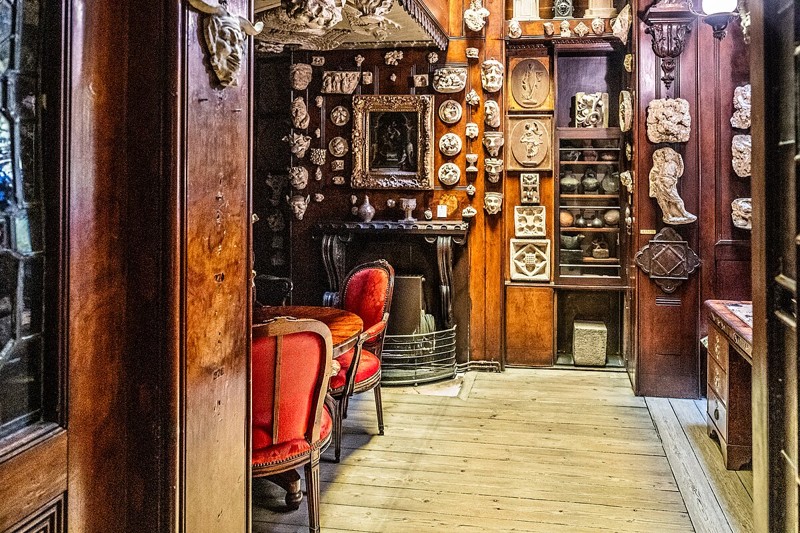
This extraordinary house-museum in Lincoln's Inn Fields preserves the home and collection of the neoclassical architect Sir John Soane (1753–1837), who designed the Bank of England. Soane arranged his house as a teaching museum for architectural students, creating a densely layered environment where every surface displays artifacts, architectural fragments, paintings, and curiosities.
The Picture Room is ingeniously designed with hinged panels that open to reveal multiple layers of paintings, including Hogarth's moralizing series A Rake's Progress and An Election. The basement contains the sarcophagus of Seti I, an Egyptian pharaoh, which Soane purchased when the British Museum could not afford it, celebrating its arrival with a three-day party for London society.
The museum maintains Soane's atmospheric use of light, with skylights, mirrors, and coloured glass creating theatrical effects throughout. The house operates as a cabinet of curiosities, with classical sculpture fragments, Canalettos, Turner watercolours, and architectural models creating an overwhelming but fascinating visual experience.
Charles Dickens Museum
Located at 48 Doughty Street, this Georgian townhouse was Dickens's home from 1837 to 1839, the only surviving London residence of the great Victorian novelist. During his time here, Dickens wrote Oliver Twist, Nicholas Nickleby, and The Pickwick Papers, establishing his reputation as the pre-eminent chronicler of Victorian London.
The house has been restored to reflect its appearance during Dickens's occupancy, with period furnishings, manuscripts, first editions, and personal belongings creating an intimate portrait of the author and his family. The museum explores Dickens's social campaigning, his theatrical interests, and his complex personal life. The museum is particularly atmospheric at Christmas, when the house is decorated in Victorian fashion.
Freud Museum London
The final home of Sigmund Freud, who fled Nazi-occupied Vienna in 1938 and spent the last year of his life in this Hampstead house, is preserved as a museum. The highlight is Freud's study and library, transported intact from Vienna, where the famous psychoanalytic couch remains exactly as Freud left it.
The study contains Freud's remarkable collection of antiquities, including Egyptian, Greek, Roman, and Asian artifacts that lined his desk and inspired his thinking about the human psyche. The museum explores the development of psychoanalysis and its cultural impact whilst also presenting temporary exhibitions on psychology, art, and culture.
Dr Johnson's House
This 18th-century townhouse off Fleet Street was the home of Samuel Johnson from 1748 to 1759, during which time he compiled his groundbreaking Dictionary of the English Language. The house recreates the atmosphere of Georgian literary London, with period furnishings and displays exploring Johnson's circle, which included James Boswell, Sir Joshua Reynolds, and other luminaries of the Enlightenment.
Visitors can see the garret where Johnson and his six assistants worked on the Dictionary, as well as first editions of his works and contemporary portraits. The house conveys the intellectual ferment of 18th-century London and Johnson's towering influence on English letters.
Keats House
This elegant Regency villa in Hampstead was the home of the Romantic poet John Keats from 1818 to 1820, his most productive period. Here Keats fell in love with Fanny Brawne, who lived next door, and wrote some of his greatest poems, including Ode to a Nightingale, reportedly composed beneath a plum tree in the garden.
The house preserves the intimate atmosphere of Keats's brief residence, with period rooms, manuscripts, letters, and personal effects. The museum explores Keats's tragically short life—he died of tuberculosis in Rome aged just 25—and his enduring influence on English poetry. The house and gardens provide a peaceful retreat from urban bustle.
Leighton House Museum
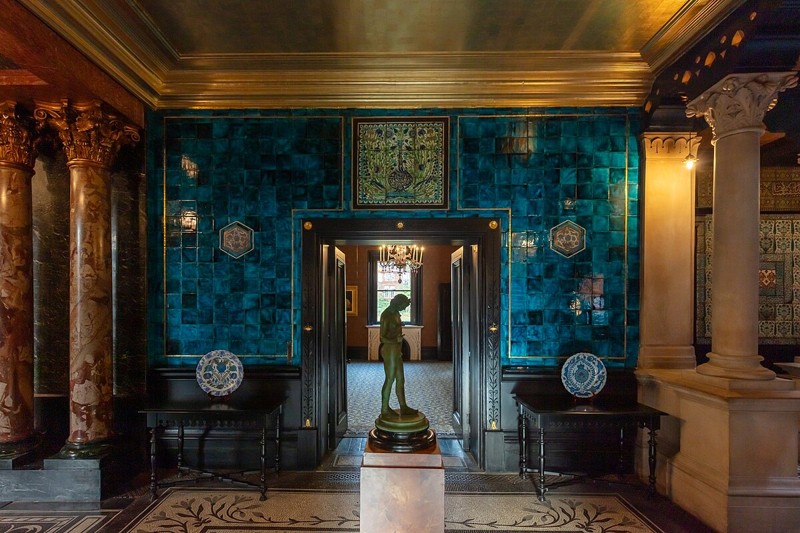
This remarkable house in Holland Park was the studio-home of the Victorian artist Frederic, Lord Leighton, President of the Royal Academy. Built from 1866 onwards, the house was designed as both a private residence and a temple of art, embodying Aesthetic Movement principles.
The centrepiece is the breathtaking Arab Hall, inspired by Leighton's travels to the Middle East and lined with Islamic tiles collected in Damascus and Cairo. The hall features a fountain, gilded dome, and intricate wooden screens, creating an otherworldly atmosphere. Upstairs, the studio remains as Leighton left it, a vast top-lit space where he created his monumental canvases.
The house also contains the Narcissus Hall, inspired by Pompeiian interiors, and the Golden Drawing Room, with its elaborate chimney-piece designed by the artist. The collection includes Leighton's own works and paintings by his contemporaries.
The Royal Institution
Housed in a handsome Grade I–listed townhouse at 21 Albemarle Street in Mayfair, the Royal Institution is a historic home of public science where lectures, hands-on demonstrations, and the on-site Faraday Museum bring more than two centuries of discovery to life for visitors of all ages. Founded in 1799 with a mission to share practical science with the public, it became renowned for its steep-tiered lecture theatre and for figures such as Michael Faraday, whose research and spellbinding talks helped define the Institution’s reputation. Today, you can explore artefacts from landmark experiments, trace the story of the famous Christmas Lectures, and step into a living tradition of curiosity and invention in the heart of London.
18 Stafford Terrace (Linley Sambourne House)
This perfectly preserved Victorian townhouse in Kensington was the home of Edward Linley Sambourne, chief political cartoonist for Punch magazine, from 1875 until his death in 1910. The house is one of the finest surviving examples of the "Aesthetic interior" or "House Beautiful" style popular in late-Victorian Britain.
Every room is crammed with period furnishings, William Morris wallpapers, stained glass, paintings, and photographs (Sambourne was also a pioneering photographer). The dark, cluttered Victorian aesthetic is brilliantly preserved, offering a remarkable contrast to minimalist contemporary tastes. The house remained in the family until 1980 and retains an extraordinarily authentic atmosphere.
Dennis Severs' House
This unique house in Spitalfields is not so much a museum as a theatrical experience. Artist Dennis Severs (1948–1999) created an immersive "still-life drama" depicting the lives of a family of Huguenot silk weavers from 1725 to 1919. Each room is a meticulously crafted tableau suggesting that the inhabitants have just stepped out—fires crackle, candles burn, food sits half-eaten on tables.
Visitors explore the house in silence, moving from the poverty of the attic to the prosperity of the parlour, experiencing the passage of time and social change. The artist David Hockney called it "one of the world's greatest works of opera". Evening candlelit visits are particularly atmospheric.
2 Willow Road (Ernö Goldfinger House)
This striking modernist house in Hampstead was designed and lived in by the architect Ernö Goldfinger from 1939 until his death. The terrace of three houses represents a rare example of International Modernist architecture in suburban London.
The house showcases Goldfinger's innovative design, with built-in furniture, flexible spaces, and careful use of natural light. It remains furnished with the Goldfingers' collection of modern art and design, including works by Max Ernst, Henry Moore, and Bridget Riley. The house inspired Ian Fleming to name his Bond villain Goldfinger—Fleming lived nearby and detested the modernist buildings.
William Morris Gallery
Located in Walthamstow in Morris's childhood home, this museum celebrates the life and work of William Morris, the designer, writer, and socialist who led the Arts and Crafts movement. The Georgian house displays the most comprehensive collection of Morris's work, including textiles, wallpapers, furniture, ceramics, and books from the Kelmscott Press.
The galleries explore Morris's multifaceted career as designer, poet, political activist, and preservationist, as well as the broader Arts and Crafts movement he inspired. The collection includes works by Morris's Pre-Raphaelite associates, including Edward Burne-Jones and Dante Gabriel Rossetti.
Kelmscott Manor
Although located in Oxfordshire rather than London, Kelmscott Manor deserves mention as William Morris's beloved country retreat. This beautiful Cotswold manor house, dating from around 1570, was Morris's summer home from 1871 until his death in 1896. The house inspired much of Morris's design work and provided an escape from London's industrial grime.
2 Temple Place
This spectacular neo-Gothic mansion near the Thames was built in the 1890s for the American millionaire William Waldorf Astor. The building is an opulent fantasy, with elaborate wood carvings including characters from Astor's favourite books, including The Three Musketeers.
The house is only open during temporary exhibitions (typically twice yearly), which showcase regional museum collections from across the UK. The interiors have featured in numerous films and television programmes, including Bridget Jones, The Crown, and Mr Selfridge.
Eltham Palace
This unique property combines a medieval great hall (one of the finest in England, built for Edward IV) with a spectacular Art Deco mansion added in the 1930s by the Courtauld family. The contrast between medieval and modernist is striking, with the 1930s interiors featuring exotic veneers, built-in furniture, and even a heated cage for the Courtaulds' pet lemur.
The house is surrounded by beautiful gardens and provides insights into both medieval royal living and 1930s high society.
Hogarth's House
The country retreat of the painter William Hogarth (1697–1764) preserves the atmosphere of 18th-century Chiswick, then a village outside London. The house displays prints of Hogarth's moralizing narrative series, including A Harlot's Progress and Marriage A-la-Mode.
The small house and garden provide a peaceful setting for exploring Hogarth's artistic and social satire.