


 Ireland Guide
 Scotland Guide
 Wales Guide
| Contents |
|---|

Introduction
Located 4 km west of Salisbury, Wilton House has been the country seat of the Earls of Pembroke for over 400 years. Built on the site of a medieval Benedictine abbey following the dissolution of the monasteries in the 16th century, the present Grade I listed house is largely the result of rebuilding after a fire in 1647. The house features magnificent 17th-century interiors, including the famous Double Cube Room, considered one of the finest examples of 17th-century interior design in England. Visitors can explore the world-famous art collection featuring works by masters such as Van Dyck, Rembrandt, and Raphael, as well as 22 acres of landscaped parkland and gardens bordered by the rivers Wylye and Nadder. The grounds include the elegant Palladian Bridge, designed around 1736 by the 9th Earl of Pembroke himself, along with water gardens, rose displays, and an arboretum. For families, there is an adventure playground with a special area reserved for under-5s. While still a family home to the current Earl of Pembroke, the house and grounds are open to visitors from spring to autumn.
Interesting Facts about Wilton House
- Wilton House has been the ancestral home of the Earls of Pembroke for over 450 years.
- The house was rebuilt in the Palladian style in 1647 by Inigo Jones and John Webb.
- The famous Double Cube Room, designed to display Van Dyck portraits, is considered the finest surviving 17th-century stateroom in England.
- Wilton House sits on the site of a 9th-century nunnery founded by King Egbert.
- The gardens feature a Palladian Bridge, Japanese Water Garden, and whispering seats.
- James Wyatt added Gothic features to the house during the early 19th century.
- The house contains an impressive art collection, including works by Rembrandt, Rubens, and Pieter Brueghel.
- Wilton House has been used as a filming location for productions like *The Crown* and *Pride and Prejudice*.
- The estate includes a classic car collection owned by the current Earl of Pembroke.
- The grounds cover 21 acres of landscaped parkland along the River Nadder.
History
Wilton House is one of England’s most distinguished stately homes and has served as the ancestral residence of the Earls of Pembroke for over 450 years. The site originally housed a Benedictine abbey, established in the 9th century, which was later dissolved during the reign of Henry VIII. In 1544, the property was granted to William Herbert, the 1st Earl of Pembroke, who transformed the monastic ruins into a Tudor-style manor. Over subsequent centuries, the house underwent significant architectural changes, including contributions by renowned architects such as Inigo Jones and John Webb in the 17th century and James Wyatt in the 19th century. These transformations have left Wilton House with a unique blend of Palladian elegance and Gothic revival elements.
One of Wilton House’s most iconic features is its Double Cube Room, designed by Inigo Jones and John Webb. This grand space, with proportions that exemplify Palladian ideals, is adorned with portraits by Sir Anthony van Dyck and remains a masterpiece of early English country house design. The house also boasts an extensive art collection featuring works by Rubens, Rembrandt, and Reynolds. Surrounding the house are 21 acres of beautifully landscaped gardens, which include water features and whispering spots. The gardens were initially developed in the 17th century by Isaac de Caus and have since been expanded to provide a tranquil setting for visitors.
Today, Wilton House remains a private residence for the Earl of Pembroke and his family but is open to the public from May to September. Visitors can explore its historic interiors, admire its art collections, and enjoy its picturesque gardens. The estate also features an adventure playground for families and a collection of classic cars reflecting the Earl’s passion for automobiles. Wilton House has even gained modern fame as a filming location for productions like Bridgerton, adding to its allure as a historical and cultural landmark.
Description
Wilton House, a magnificent stately home near Salisbury in Wiltshire, offers visitors a splendid glimpse into the grandeur of English country estates. This architectural marvel, set amidst 21 acres of picturesque gardens and parkland, has been the seat of the Earls of Pembroke for over four centuries. The house stands as a testament to English aristocratic life, combining palatial interiors with landscaped gardens that have evolved over generations.
The House Exterior
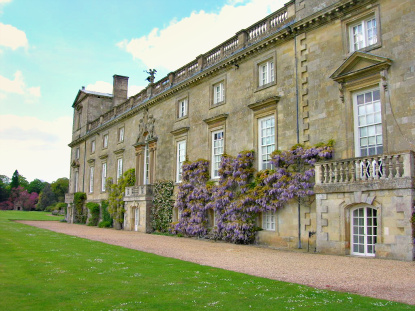
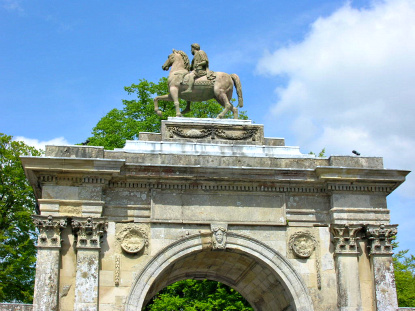
As you approach Wilton House, you'll be struck by its impressive Palladian façade. The south front, designed in collaboration with the renowned architect Inigo Jones, showcases the epitome of 17th-century English architecture. The symmetrical design, with its classical proportions and elegant stonework, creates an immediate impression of grandeur and refinement.
The east front presents a different architectural character, featuring a Tudor courtyard with distinctive chimneys and gables that hint at the building's medieval origins. This fascinating juxtaposition of styles reflects the house's evolution through the centuries, with each generation of the Herbert family adding their own architectural stamp.
The State Rooms
Upon entering Wilton House, prepare to be dazzled by a series of opulent state rooms, each more magnificent than the last.
The Great Anteroom serves as a grand introduction, featuring one of the house's greatest treasures: a portrait of the Earl's mother by Rembrandt. The room's high ceiling and ornate plasterwork create an atmosphere of refined elegance, setting the tone for what lies beyond.
Moving on, you'll encounter the Colonnade Room, formerly the state bedroom, adorned with gilded columns and paintings by Reynolds. The room takes its name from the series of Corinthian columns that divide the space, creating a sense of classical harmony and proportion.
The highlight of any visit is undoubtedly the Double Cube Room, widely regarded as the finest surviving 17th-century stateroom in England. This masterpiece of interior design boasts ornate gilding, exquisite plasterwork, and a collection of family portraits by the celebrated artist Van Dyck. The room's name derives from its perfect proportions—its length is exactly twice its width and height. The ceiling, with its elaborate painted panels depicting scenes from the story of Perseus, is a marvel of craftsmanship.
The Single Cube Room, though smaller than its double counterpart, is equally impressive with its perfect cubic proportions and exquisite detailing. The white and gold scheme creates a luminous atmosphere, enhanced by the natural light flooding through tall windows.
Other notable rooms include:
- The Corner Room, with its ceiling painted by Luca Giordano depicting scenes from classical mythology
- The Little Ante Room, featuring a marble fireplace attributed to Inigo Jones and walls adorned with crimson damask
- The Front Hall, home to a larger-than-life statue of William Shakespeare and an impressive collection of Roman busts
- The Upper Cloisters, displaying neoclassical sculpture and fascinating curios collected by generations of the Herbert family
- The Dining Room, with its magnificent table that can seat up to 36 guests and walls lined with family portraits
- The Smoking Room, featuring a remarkable collection of equestrian paintings and hunting memorabilia
- The Library, housing thousands of rare volumes and manuscripts collected over centuries
The Gardens and Grounds
The exterior of Wilton House is equally captivating. The gardens, initially landscaped in the 17th century, offer a delightful blend of formal design and natural beauty, reflecting changing tastes in garden design over the centuries.
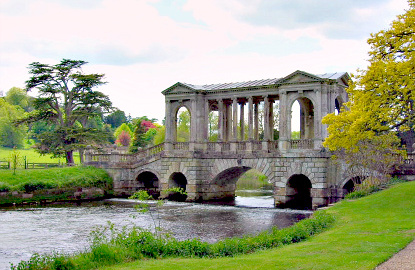
A must-see feature is the Palladian Bridge, an architectural gem spanning the River Nadder. This elegant structure, with its Ionic colonnade and balustraded stairs, provides a picturesque focal point and a favourite spot for photographers. Designed by the 9th Earl of Pembroke in collaboration with Roger Morris, it was inspired by Palladio's designs and has itself inspired similar bridges at Prior Park in Bath and Stowe in Buckinghamshire.
The Rose Garden offers a sensory delight, particularly in summer when dozens of varieties burst into bloom, filling the air with their heady perfume. Traditional English roses mingle with more exotic varieties, creating a tapestry of colour and scent.
The Water Garden provides a tranquil contrast, with reflective pools, gentle fountains, and carefully positioned water plants creating an atmosphere of serene contemplation. The sound of water adds an auditory dimension to the visual pleasures of the garden.
As you explore the grounds, you'll discover:
- Wide, open lawns dotted with majestic cedar trees, some planted in the 18th century
- A charming Japanese Water Garden with authentic Eastern influences, including a red bridge and carefully positioned stone lanterns
- Woodland areas perfect for a leisurely stroll, home to ancient oaks and sweet chestnuts
- The formal front gardens with their geometric patterns and seasonal bedding displays
- A unique Whispering Seat where acoustic properties allow whispers to travel from one end to the other
- An impressive 32-foot Egyptian Column from Rome, brought to Wilton in the 18th century as part of the Grand Tour tradition
- The Holbein Porch, a Tudor architectural gem relocated from London's Whitehall Palace
- Hidden garden rooms and secret paths that reveal new vistas and surprises around every corner
The parkland, designed in part by the legendary Capability Brown, exemplifies the English landscape style with its seemingly natural but carefully planned vistas. Ancient trees frame views of the house, while ha-has (sunken fences) create boundaries invisible from a distance, maintaining the illusion of uninterrupted landscape.
For those visiting with children, the adventure playground is a highlight. Set amongst the trees, it features wooden structures with slides, scramble nets, boat swings, and trampolines, ensuring hours of fun for younger guests. A dedicated toddler area caters to the smallest visitors, while more challenging equipment entertains older children.
Art Collection
Art enthusiasts will be enthralled by Wilton House's extensive collection, one of the finest in any English country house. Throughout the house, you'll find works by masters such as Rembrandt, Van Dyck, Pieter Brueghel the Elder, and Sir Joshua Reynolds.
The Van Dyck collection is particularly noteworthy, featuring the monumental "Philip Herbert, 4th Earl of Pembroke, and His Family," which dominates the Double Cube Room. This masterpiece of group portraiture captures the Earl with his wife and children in a composition of remarkable dynamism and psychological insight.
The Smoking Rooms house a remarkable set of 55 gouache paintings with an equestrian theme, depicting various breeds and riding styles from around the world. These unusual works provide a fascinating glimpse into the aristocratic passion for horsemanship.
The Hunting Room boasts panels depicting hunting scenes by Edward Pierce, capturing the excitement of the chase with vivid immediacy. These works reflect the importance of field sports in the life of the English country house.
The sculpture collection includes classical pieces acquired during Grand Tours of Europe, Renaissance bronzes, and more modern works. Particularly noteworthy is the collection of Roman busts and statuary, displayed to dramatic effect in the cloisters and state rooms.
Decorative Arts
Beyond paintings and sculpture, Wilton House contains a treasure trove of decorative arts. The furniture collection spans several centuries and includes pieces by Thomas Chippendale, George Hepplewhite, and other master craftsmen.
The house boasts an impressive array of tapestries, including Flemish examples from the 16th century depicting biblical and mythological scenes. These massive textile artworks not only provided insulation in the days before central heating but also demonstrated the wealth and cultural sophistication of their owners.
Porcelain collectors will appreciate the displays of Sèvres, Meissen, and Chelsea pieces, many of museum quality. Particularly noteworthy is the collection of Chinese export porcelain, reflecting the fascination with Eastern aesthetics that swept Europe in the 18th century.
The silver collection includes ceremonial pieces, tableware, and personal items spanning four centuries. Many pieces bear the Pembroke coat of arms and tell the story of grand entertainments and everyday life in this aristocratic household.
The Pembroke Legacy
Throughout Wilton House, visitors can sense the presence of the Herbert family, whose members have shaped English history as politicians, patrons of the arts, and collectors. Family portraits line the walls, telling the story of generations who have called this magnificent place home.
Particularly evocative are the personal items displayed throughout the house—handwritten letters, jewellery, clothing, and mementoes that bring the past to life. These intimate glimpses into the lives of the Earls of Pembroke and their families add a human dimension to the grandeur of the setting.
Getting There
To visit Wilton House, located just 3 miles west of Salisbury, you have several convenient options. By car, it is easily accessible from the A36, offering a scenic route from nearby cities like Southampton and Bath. If you prefer public transport, you can take the bus from Salisbury. The R3 and R8 routes are particularly useful, with the journey taking approximately 15 minutes from Salisbury Train Station. Alternatively, you can use the Moovit app to navigate through various bus options such as the PR3, which stops nearby. Once you arrive, you can enjoy the stunning 17th-century interiors, world-class art collection, and beautiful gardens.
Best Time to Visit
The best time to visit Wilton House is during the spring and summer months when the gardens are in full bloom and the weather is generally pleasant. The house and grounds are open from Easter, with specific dates for the house and additional attractions like the Classic Car exhibition. For the main season, Wilton House operates from Sundays to Thursdays, starting from early May, with special openings on certain Saturdays. Visitors can enjoy guided tours from Monday to Wednesday, while Thursday and Sunday offer a 'free flow' experience, allowing guests to explore at their leisure. The house closes for the season in mid-September, making the summer months ideal for a visit to enjoy both the house and its beautiful surroundings.