


 Ireland Guide
 Scotland Guide
 Wales Guide
| Contents |
|---|
Introduction
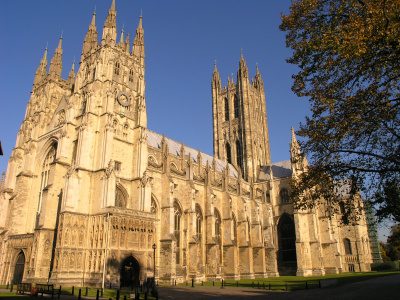
Canterbury (pop. 157,000) is a cathedral city located in the county of Kent. The city, a UNESCO World Heritage Site, is notable for its cathedral, which is the seat of the Archbishop of Canterbury, the leader of the Church of England. Historically significant, Canterbury was a major centre of pilgrimage in the Middle Ages following the murder of Archbishop Thomas Becket in 1170. Its historical importance is also marked by the ruins of St Augustine's Abbey and St Martin's Church, the oldest parish church in continuous use in the English-speaking world. The city is situated on the River Stour and serves as a regional commercial centre and the location for two universities.
Interesting Facts about Canterbury
- Canterbury is a UNESCO World Heritage Site located in Kent, England, sitting on the River Stour.
- The city has one of the highest student-to-permanent-resident ratios in Britain, with over 55,000 residents including a substantial number of students.
- The King's School in Canterbury is the oldest school still running in the world.
- People have lived in the Canterbury area since Paleolithic times, with Stone Age tools and Bronze Age pottery having been discovered there.
- The Romans called the settlement Durovernum Cantiacorum, meaning "Kentish Durovernum," and it served as the capital of the Celtic Cantiaci tribe.
- Canterbury Cathedral receives a million visitors per year and serves as the seat of the Archbishop of Canterbury.
- The city's Roman wall was built around 200 CE and was later rebuilt in the 14th century, with parts of it still standing today.
- The Crooked House, a 17th-century bookshop, is frequently photographed for its quirky, slanted appearance.
- Canterbury Roman Museum houses an in situ mosaic pavement dating from around 300 CE.
- St Martin's Mill is the only surviving mill out of six that once stood in Canterbury, built in 1817 and now serving as a residence.
- The Marlowe Theatre is named after Christopher Marlowe, the famous playwright who was born in Canterbury.
- Canterbury has been a European pilgrimage site of major importance for over 800 years since the assassination of Archbishop Thomas Becket in 1170.
- The city inspired Geoffrey Chaucer's famous work "The Canterbury Tales," which have been known throughout the world for more than 600 years.
- In Old English, Canterbury was known as Cantwareburh, meaning "stronghold of the Kentish men".
- Canterbury Castle is believed to be one of the oldest castle ruins in Britain, established around 1070 by William the Conqueror.
- St Augustine's Abbey, dating back to 597, was initially constructed as a burial site for Kent's Anglo-Saxon kings and marked the rebirth of Christianity in southern England.
- The cathedral was founded by St Augustine in 597 CE, making it the first cathedral in England.
- Canterbury is located in Kent, which is known as the "Garden of England".
History
The history of Canterbury stretches back to prehistoric times, with evidence of human settlement from the Stone and Bronze Ages. Before the Romans arrived, the area was the main settlement for the Celtic tribe known as the Cantiaci. Following the Roman invasion in 43 CE, the town was captured and renamed Durovernum Cantiacorum, meaning "the walled town of Cantiaci by the alder marsh". The Romans established a grid-like street pattern, a theatre, a temple, and public baths, transforming it into a significant administrative centre. Its strategic position on Watling Street, which connected London to the major ports of Dover and Richborough, was crucial. Around 200 CE, the Romans built a defensive wall with seven gates around the city, parts of which still stand today. After the Romans departed Britain in 410, the town was largely abandoned for about a century before a new Anglo-Saxon community, likely formed by Jutish refugees, began to grow within the old Roman walls. The settlement was then known in Old English as Cantwaraburgh, meaning ‘the stronghold of the people of Kent’.
Canterbury’s significance soared in 597 CE with the arrival of St. Augustine, who was sent by Pope Gregory the Great to convert the Anglo-Saxons to Christianity. This mission established Canterbury as the heart of the English Church, and the magnificent Canterbury Cathedral was founded, becoming the seat of the Archbishop. The city's religious importance was cemented after the infamous murder of Archbishop Thomas Becket within the cathedral in 1170, which turned Canterbury into one of Europe's most important pilgrimage sites for over 800 years. Before this, the city had endured Danish Viking raids in 842, 851, and a particularly destructive siege in 1011. After the Norman Conquest in 1066, William the Conqueror ordered the construction of a stone castle, which was later captured by French Prince Louis during his invasion of England in 1215. The city was struck by the Black Death in 1348 and was the scene of rebellion during the Peasants' Revolt in 1381, when the Archbishop's Palace was sacked. In 1448, Canterbury was granted a city charter, giving it a mayor and a high sheriff.
Following the Middle Ages, Canterbury’s fortunes shifted. The cult of Thomas Becket was ended by King Henry VIII, which saw a decline in the number of pilgrims visiting the city. However, in the late 16th century, the city's population was boosted by the arrival of Protestant weavers from modern-day Belgium, who were fleeing religious persecution. The city witnessed the "Plum Pudding Riots" in 1647 during the English Civil War, a revolt against Parliamentarian forces. By the 18th century, Canterbury had become a quiet market town, and in 1787, all of the city's medieval gates, except for the Westgate, were demolished to improve access for coach travel. A new era of transport arrived in 1830 with the opening of the Canterbury & Whitstable Railway, the world's first regular passenger railway line. The city suffered damage from bombing during the Second World War, with 115 people killed, but has since been rebuilt and is now home to the University of Kent, founded in 1962.
Main Attractions
Canterbury is a pleasant town rich in historical buildings. A sizeable section of the massive city walls are still standing (the southern rampart) and there are many well preserved medieval and Renaissance houses. The double-towered West Gate, at the north-western end of High Street, has withstood the test of time and is virtually intact. Canterybury Castle (at the end of Castle Street at the south-western edge of town) and St. Augustine Abbey (east of the cathedral), on the other hand, lay in ruins.
Canterbury Cathedral

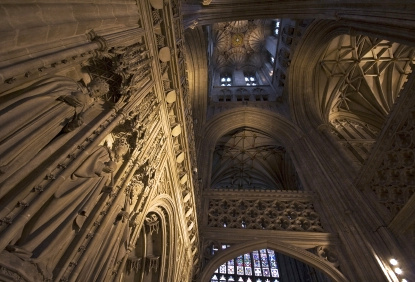
The Cathedral was founded in 597 by St Augustine, first Archbishop of Canterbury and has acted as the seat of the Primate of All England, and since Henry VIII (1491-1547), the leader of the Church of England.
Archbishop Thomas Becket was famously assassinated here in 1170. Becket's body was placed in a Shrine in Trinity Chapel in 1220, but the shrine was destroyed by Henry VIII in 1538.
The cathedral buildings were constructed between 1070 and 1077, although parts of it were later reconstructed, such as the Quire (1175-1184) and the Nave (1377-1405).
The cathedral's soaring architecture features stunning stained glass windows. Visitors can explore the extensive crypt, one of the largest in England, which contains Romanesque carved capitals and wall paintings. The cathedral's Bell Harry Tower, completed in 1503, dominates Canterbury's skyline and offers panoramic views of the city and surrounding countryside.
St Augustine's Abbey
The ruins of St Augustine's Abbey provide a fascinating glimpse into England's early Christian history as another UNESCO World Heritage Site. Founded in 597 CE by St Augustine, the first Archbishop of Canterbury, this former Benedictine monastery was once one of the most important religious centres in medieval England. The extensive ruins include the remains of the great abbey church, chapter house, and various monastic buildings spread across a peaceful parkland setting. Archaeological excavations have revealed evidence of Saxon and Norman construction phases, with interpretive displays helping visitors understand the layout and significance of this ancient foundation. The site offers excellent walking paths through the ruins, allowing exploration of the medieval fishponds, gateway, and cemetery areas.
Historic City Centre and Medieval Streets
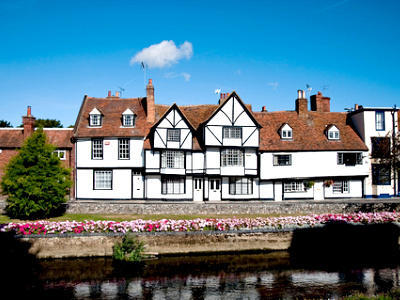
Canterbury's historic centre preserves an exceptional collection of medieval architecture along pedestrianised streets that follow ancient Roman and Anglo-Saxon layouts. Mercery Lane, leading to the cathedral, features outstanding timber-framed buildings dating from the 14th to 16th centuries, including the famous crooked house. The Buttermarket area showcases medieval merchant houses with their characteristic overhanging upper floors and carved details. These narrow lanes contain numerous shops, restaurants, and pubs housed within historic buildings, creating an authentic medieval atmosphere. Interpretive plaques throughout the area explain the significance of various buildings and their connections to Canterbury's literary heritage, including associations with Geoffrey Chaucer and Christopher Marlowe.
St Martin's Church
St Martin's Church holds the distinction of being the oldest church in the English-speaking world still in continuous use, forming part of Canterbury's UNESCO World Heritage designation. This remarkable building incorporates Roman bricks and foundations, indicating its ancient origins, possibly dating back to the 4th century. The church played a crucial role in the conversion of the Anglo-Saxons to Christianity, as it was here that Queen Bertha of Kent worshipped before St Augustine's arrival. The simple yet atmospheric interior features medieval wall paintings, Norman additions, and a 13th-century chancel. The churchyard contains ancient graves and provides a tranquil setting for reflection, whilst the building's modest scale offers an intimate contrast to the grandeur of Canterbury Cathedral.
Westgate Gardens
Westgate Gardens encompasses a delightful riverside park stretching along the River Stour, featuring formal flowerbeds, ancient trees, and remnants of the medieval city walls. The gardens provide excellent views of the historic Westgate Towers and offer pleasant walking paths alongside the river. Visitors can enjoy guided punt tours departing from the gardens, which provide unique perspectives of Canterbury's medieval architecture and wildlife along the waterway. The park includes children's play areas, memorial gardens, and peaceful spots for picnicking. The medieval city wall section within the gardens allows visitors to walk along the ancient fortifications and appreciate Canterbury's defensive history.
River Stour and Historic River Tours
The River Stour meanders through Canterbury's historic centre, offering scenic waterway experiences through guided boat tours and punting excursions. These leisurely river journeys provide distinctive views of medieval buildings, historic bridges, and riverside gardens whilst expert guides share stories of Canterbury's 2,000-year history. The tours typically operate from March through October, weather permitting, with departures from various points including Westgate Gardens and the city centre. The river supports diverse wildlife including kingfishers, herons, and various waterfowl, making it popular with nature enthusiasts. The peaceful waterway offers respite from the bustling city streets and provides excellent photography opportunities of Canterbury's architectural heritage.
Westgate Towers
The Westgate Towers represent the largest surviving medieval gateway in England, built in 1380 as part of Canterbury's defensive walls. This impressive stone structure served as both a fortification and a prison throughout its history, with the upper floors once housing debtors and other prisoners. Visitors can climb the narrow spiral staircases to explore the guard rooms and cells whilst learning about medieval justice and city defences. The towers provide excellent views over the city and River Stour, with interpretation panels explaining their construction and historical significance. The surrounding area includes well-preserved sections of the city walls, allowing visitors to walk along the medieval fortifications and appreciate Canterbury's defensive strategy.
Dane John Gardens
Dane John Gardens offers a Victorian public park built around a mysterious ancient mound that may date back to Roman times. This central earthwork, originally possibly a Roman burial site and later adapted as a Norman motte, provides elevated views across Canterbury and the surrounding countryside. The gardens feature formal Victorian landscaping with tree-lined avenues, ornamental flowerbeds, and a bandstand hosting summer concerts. The park includes various memorials commemorating local military history, children's play areas, and a small maze. The combination of ancient earthworks and Victorian park design creates a unique green space in the city centre, popular with both locals and visitors for relaxation and recreation.
The Marlowe Theatre
The Marlowe Theatre serves as Canterbury's premier performing arts venue, named after the city's famous playwright Christopher Marlowe. This modern theatre building hosts a diverse programme of touring West End productions, drama, music, dance, and comedy performances throughout the year. The venue features state-of-the-art facilities with excellent acoustics and sightlines, making it a popular destination for both local audiences and visitors. The theatre's central location within the historic city makes it easily accessible from hotels and restaurants, whilst its programming includes family-friendly shows alongside more sophisticated adult entertainment. The building also houses a café and bar, providing spaces for pre-show dining and interval refreshments.
Greyfriars Chapel
Greyfriars Chapel represents the sole surviving remnant of Canterbury's medieval Franciscan friary, built in 1267 over the River Stour. This small stone chapel, accessible via a charming footbridge, offers a peaceful retreat from the city's busier attractions whilst providing insight into medieval monastic life. The chapel's simple Gothic architecture and riverside setting create a contemplative atmosphere, enhanced by the sound of flowing water beneath the building. The structure demonstrates medieval engineering techniques for building over water, with its foundations extending directly into the riverbed. Visitors can explore the chapel's interior, which occasionally hosts exhibitions and events, whilst the surrounding area provides pleasant riverside walking opportunities and views of the historic city walls.
Top Museums
The Beaney House of Art & Knowledge
Situated in the heart of the city, The Beaney is a unique combination of museum, art gallery, library, and visitor information centre. The Beaney is known for its diverse collections ranging from local history and archaeological artefacts to fine art and decorative pieces. The galleries host regularly changing exhibitions, interactive displays, and treasures from around the world. The venue is accessible to visitors of all ages, offering engaging family activities as well as opportunities for more in-depth exploration of artefacts and works of art.
Canterbury Roman Museum
The Canterbury Roman Museum is built around the preserved remains of a Roman town house and features fascinating mosaics that have survived in situ. Visitors descend beneath modern-day Canterbury to discover streets and rooms that date back nearly two thousand years. The museum offers reconstructed Roman rooms, original artefacts, a Roman pavement, and marketplace scenes, providing a hands-on insight into everyday life in ancient Canterbury. Interactive exhibits make this museum especially engaging for children, who can try on togas or create their own mosaics.
The Kent Museum of Freemasonry
A specialty museum, the Kent Museum of Freemasonry offers exhibitions that detail the history and practices of Freemasonry with a particular focus on Kent. Its collections include rare artefacts, regalia, and documents, allowing visitors to delve into the rich symbolism and charitable traditions of this centuries-old organisation. The museum is noted for its helpful volunteers and clear explanations, making it accessible whether you are deeply interested in the subject or simply curious.
Westgate Towers Museum & Viewpoint
Westgate Towers is England’s largest surviving medieval gateway and has been welcoming visitors for over a century. The museum is housed inside a 600-year-old tower and explores four main themes: City Wars, Crime & Punishment, Westgate Through History, and the Magna Carta. One of the highlights is climbing to the rooftop battlements, where you can take in panoramic views of Canterbury. The interior retains its original, narrow stairways and atmospheric chambers, offering a sense of stepping back in time.
The Buffs: East Kent Regiment Collection
This museum celebrates the history of The Buffs (Royal East Kent Regiment), a famous military unit with deep local ties. The exhibits cover uniforms, medals, weaponry, and personal stories of soldiers who served across the globe. The museum aims to preserve and share the regiment’s proud heritage for future generations, making it an essential stop for military history enthusiasts.
Lilford Gallery
Although primarily an art gallery, Lilford Gallery is notable for its exhibitions of contemporary art and sculpture by both established and emerging artists. It’s regarded as an invaluable fixture of Canterbury’s creative scene, supporting local artisans and offering visitors a chance to experience artworks in an intimate, welcoming space.
Other Notable Mentions
- Studio 3 Gallery: A university-run gallery showcasing modern and contemporary art.
- St Augustine’s Abbey: While more of a historic monument than a traditional museum, the site includes exhibitions on the abbey’s role in spreading Christianity in England.
Local Cuisine
Visitors can indulge in uniquely Kentish delicacies such as the Gypsy Tart, a famously sweet confection of evaporated milk and brown sugar, or the classic Canterbury Tart, a delectable apple tart with a recipe possibly dating back to Chaucer's era. For a true taste of the coast, the nearby town of Whitstable provides world-renowned Whitstable Oysters, a delicacy enjoyed for centuries. Beyond these specific dishes, the city’s pubs and restaurants pride themselves on serving hearty British classics, often featuring locally sourced lamb, ales, and seasonal fruit like apples and cherries, ensuring a flavourful experience rooted in the region's rich agricultural heritage.
Getting There & Around
By train, the fastest route is from London St Pancras International to Canterbury West on Southeastern's high-speed services, taking just 51 minutes, whilst slower but direct trains also operate from London Victoria to both Canterbury East and Canterbury West stations throughout the day.
By coach, National Express operates regular services from London Victoria Coach Station directly to Canterbury Bus Station in the city centre, with journey times of approximately 2 hours and 10 minutes and up to 14 departures daily.
By car, Canterbury is conveniently served by the M2 motorway with direct access from London and the Port of Dover, taking around 1.5 hours from the capital, and the city offers several Park and Ride facilities for those preferring to leave their vehicles on the outskirts.