


 Ireland Guide
 Scotland Guide
 Wales Guide
| Contents |
|---|
Introduction
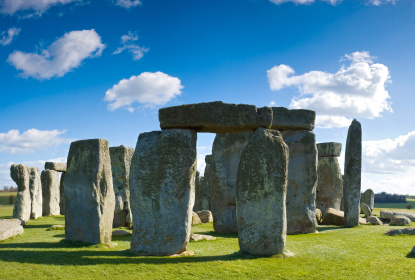
The monoliths of Stonehenge, 13km northwest of Salisbury, are the oldest prehistoric monuments of Britain and some of the oldest in the world. The word Stonehenge comes from the Old English words Stanhen gist, which mean 'hanging stones'.
This ancient stone circle, constructed between 3000 BCE and 1600 BCE, consists of massive sarsen stones arranged in a unique lintelled formation. The site is surrounded by numerous Neolithic and Bronze Age monuments, including burial mounds. Stonehenge is aligned with the movements of the sun, particularly the summer solstice sunrise and winter solstice sunset. As a UNESCO World Heritage Site, it offers visitors a glimpse into Britain's rich archaeological heritage. The site features a modern visitor centre with exhibitions, Neolithic house reconstructions, and shuttle buses to transport guests to the stone circle. Whilst visitors cannot enter the circle except during solstice celebrations, they can walk around it and explore the surrounding landscape.
Interesting Facts about Stonehenge
- Stonehenge is approximately 5,000 years old and was constructed over a period of 1,500 years.
- The site features massive stones, some weighing up to 25 tons, arranged in a circular pattern.
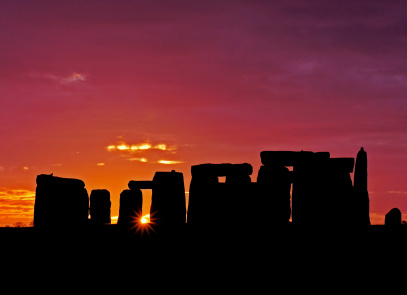
- It is aligned with the summer solstice sunrise and the winter solstice sunset, showcasing advanced astronomical knowledge.
- The larger sarsen stones were transported from about 25 miles away, while the smaller bluestones came from over 150 miles away in Wales.
- Stonehenge was designated a UNESCO World Heritage Site in 1986 due to its cultural and historical significance.
- The stones possess unique acoustic properties, producing a ringing sound when struck, which ancient cultures believed had healing powers.
- Excavations have revealed cremated human remains, indicating that Stonehenge may have been used as a burial ground in its early history.
- The monument includes sophisticated carpentry-like techniques, such as mortise and tenon joints, used to secure the lintels atop the standing stones.
- A quarter of each standing stone's bulk is buried underground for stability.
- The exact purpose of Stonehenge remains a mystery, with theories ranging from an astronomical observatory to a site for religious rituals or healing practices.
History
Stonehenge was constructed in several phases, starting some 5,000 years ago, although the recent discovery of Mesolithic postholes supports the existence of human activity on the spot 10,000 years before present.
The circular banked enclosure ('henge') and internal ditch dates back to 3000 BCE. The granite bluestones of the inner circle were brought from the Preseli Hills in South Wales around 2000 BCE and weigh about 4 tonnes each.
The bigger stones (megaliths) that make Stonehenge famous were brought from the Marlborough Downs some 30km north around 1500 BCE. They are made of sarsen (silicified sandstone) and weigh on average 50 tonnes. It is estimated that it would take 600 people to haul them.
500 years later, the sarsen stones were re-arranged in 5 trilithons (2 upright stones with a lintel on the top) in the shape of a horseshoe. Three of them are still standing.
Description
The Stone Circle
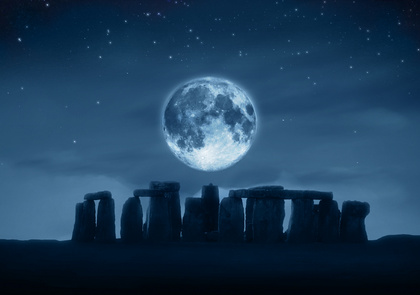
The centrepiece of Stonehenge is its awe-inspiring stone circle. Massive sarsen stones, some weighing up to 40 tonnes, form an outer ring, while smaller bluestones create inner horseshoe shapes. The precise alignment of these stones with the movements of the sun has long fascinated scholars and visitors alike. Although visitors cannot enter the circle during regular hours, the paved path encircling the site offers stunning views from every angle.
Visitor Centre and Exhibition
The Stonehenge Visitor Centre, located a short distance from the stone circle, serves as the gateway to this ancient wonder. Inside, you'll find a world-class exhibition featuring over 250 archaeological artefacts discovered in the surrounding landscape. These treasures, ranging from ancient jewellery and pottery to human remains, offer a glimpse into the lives of those who built and used Stonehenge.
A highlight of the centre is the immersive 360-degree audio-visual experience, which allows visitors to stand virtually inside the stone circle and watch the seasons change around them. This captivating display brings the monument to life in a way that's both educational and entertaining.
Neolithic Houses
Behind the Visitor Centre, a cluster of reconstructed Neolithic houses provides insight into daily life 4,500 years ago. These thatched-roof dwellings, based on archaeological evidence found nearby, offer a tangible connection to the past. Visitors can step inside these houses and often find volunteers demonstrating ancient crafts or cooking techniques, adding a vivid dimension to the Stonehenge experience.
Surrounding Landscape
The area around Stonehenge is rich in prehistoric features. The landscape is dotted with burial mounds known as barrows, ancient earthworks, and other circular monuments. These elements, along with the stone circle itself, form part of a complex prehistoric landscape that continues to intrigue archaeologists and history enthusiasts.
Facilities and Accessibility
The Stonehenge complex is well-equipped to cater to visitors' needs. A spacious café offers a range of refreshments, including soups, sandwiches, and the famous rock cakes. The gift shop stocks a wide selection of souvenirs, books, and locally produced crafts.
The site is largely accessible, with facilities for visitors with disabilities. These include parking areas, ramps, accessible toilets, and audio guides in multiple languages. The shuttle bus service between the Visitor Centre and the stone circle ensures that all visitors can easily access the main attraction.
Special Experiences
For those seeking a more intimate encounter with Stonehenge, the Stone Circle Experience offers a unique opportunity. This special tour, available outside normal opening hours, allows a small group of visitors to enter the inner circle and stand among the ancient stones.
Stonehenge continues to captivate and inspire visitors from around the world. Whether you're drawn by its archaeological significance, its spiritual aura, or simply its sheer impressiveness, a visit to this ancient monument is sure to leave a lasting impression.
Function
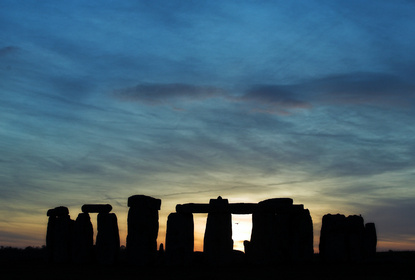
The stone circles were constructed by the pagan Bronze-age Celtic people for religious purposes. The alignment of the stones carry astrological meanings, as they coincide with the solstices and equinoxes. For instance, on midsummer's sunrise and midwinter's sunset light passes exactly into the centre of the monument between the horseshoe.
It has been speculated that priests practised healing rituals or held religious festivals. However, recent excavations suggest that the site was used for cremation burial throughout its history.
Getting There & Around
Getting to Stonehenge from London is straightforward, with several options available. The most convenient method is to join a guided tour, which provides round-trip transport and often includes stops at other nearby attractions. For those preferring public transport, take a train from London Waterloo to Salisbury (approximately 1 hour 30 minutes), then catch the Stonehenge Tour bus from Salisbury station to the site. Alternatively, you can drive, which takes about 2 hours from central London; follow the M3 and A303, then the A360 to reach Stonehenge. If you're feeling adventurous, you can also cycle from Salisbury (about 9 miles) or walk from the nearby town of Amesbury (approximately 2 miles). Whichever method you choose, be sure to book your entry tickets in advance, especially during peak seasons.
Access Map
View Larger Map
Best Time to Visit
The best time to visit Stonehenge in England is during the spring months, particularly in May. During this period, the weather is generally pleasant, neither too cold nor wet, with comfortably sunny days and extended daylight hours. Whilst visitor numbers begin to increase, it's still less crowded than the bustling summer months, allowing for a more enjoyable experience. The monument's opening hours are extended as the days grow longer, providing ample time to explore the ancient site and its surroundings. For those seeking a unique experience, the summer solstice on 21st June offers a rare opportunity to enter the inner circle and witness the sunrise behind the entrance to the Stone Circle. However, this event draws large crowds, so booking well in advance is essential. Alternatively, winter can provide a serene atmosphere with fewer visitors, offering striking views of the monument against the winter skies, particularly outside the winter solstice period.