


 Ireland Guide
 Scotland Guide
 Wales Guide
| Contents |
|---|

Introduction
The sumptuous Waddesdon Manor is one of the grandest palaces in Britain, be it for its marvellous art collection, its lavish French gardens or its imposing architecture. The magnificent French Renaissance-style château was built between 1874 and 1885 by Baron Ferdinand de Rothschild. The Baron created this estate as a summer retreat where he could entertain family and friends for weekend house parties. The house showcases the Rothschilds' world-renowned art collection, including valuable French objects such as Queen Marie-Antoinette's desk and King Louis XV's daughter's desk.
In 1957, James de Rothschild bequeathed the house and its contents to the National Trust, opening it to the public in 1959. Today, visitors can explore the dramatic architecture, impressive collections of furniture and paintings, Victorian gardens with seasonal displays, the Parterre, and the Aviary housing rare birds. The manor's shop sells Rothschild wines from around the world, including the celebrated Château Lafite-Rothschild and Château Mouton-Rothschild, as well as wine-related gifts and books. The estate also features a Woodland Playground, walking paths, and various dining options. Waddesdon Manor is open Wednesday to Sunday, with the grounds typically opening at 10am and the house from 11am.
Interesting Facts about Waddesdon Manor
- Waddesdon Manor was built between 1874 and 1889 for Baron Ferdinand de Rothschild as a weekend retreat for entertaining guests.
- The house was designed in the style of a French Renaissance château, inspired by those in the Loire Valley.
- Waddesdon Manor was one of the first country houses in England to have electric lights and central heating.
- Queen Victoria visited Waddesdon Manor in 1890 and was impressed by the electric lights designed to look like candles in the chandeliers.
- During World War II, the manor housed 100 evacuated children from London, the first and only time children lived in the house.
- The house contains a remarkable collection of fine art, including works by Gainsborough, Reynolds, and Rubens.
- Waddesdon Manor houses a carpet commissioned by Louis XIV for the Louvre, which is nearly a quarter of a mile in length.
- The estate features a special steam-powered tramway that was built to haul building materials up the hill during construction.
- Water for the estate had to be brought in from 14 miles away when the house was first built.
- In 2019, Waddesdon Manor welcomed over 463,000 visitors, making it one of the National Trust's most visited properties.
- The Rothschild Foundation continues to manage the property on behalf of the National Trust, providing the majority of the funding.
History
Waddesdon Manor was built between 1874 and 1889 for Baron Ferdinand de Rothschild. The Baron purchased the bare agricultural estate in 1874, desiring a summer retreat where he could entertain family and friends for weekend house parties. Over the next three years, the site was transformed, with 30 feet of soil removed to create an impressive approach to the house. The foundation stone was laid in 1877, and by 1883, the house was complete, celebrating its first house party.
Designed in the style of a French Renaissance château, Waddesdon Manor was the work of French architect Gabriel-Hippolyte Destailleur. The house boasted modern amenities for its time, including running water and central heating from the start, with electricity introduced in 1889. Queen Victoria visited in 1890, and a small passenger lift was installed for her convenience, though she declined to use it. The manor quickly became renowned for its opulence and impressive art collection, hosting numerous notable guests, including the future King Edward VII.
After Baron Ferdinand's death in 1898, the estate passed through generations of Rothschilds. During World War II, the house accommodated 100 evacuated children from London. In 1957, James de Rothschild bequeathed Waddesdon Manor to the National Trust, along with its contents and an area of the garden. This ensured the preservation of the house as a prime example of the famous 'Rothschild style' of the 19th century. The manor opened to the public in 1959 under the supervision of James's widow, Dorothy. Today, Waddesdon Manor remains one of the National Trust's most visited properties, offering visitors a glimpse into the grandeur of the Rothschild legacy.
Description

The Château
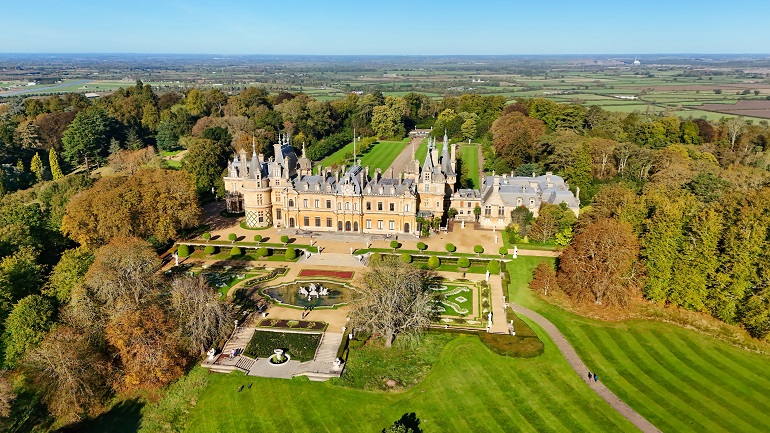
Waddesdon Manor stands as a magnificent testament to French Renaissance architecture, nestled in the verdant Buckinghamshire countryside. This extraordinary château was designed to evoke the splendour of the Loire Valley castles, with its distinctive silhouette of turrets and towers creating an unforgettable first impression. The façade features exquisite stonework with intricate carvings, ornamental balustrades, and decorative elements that showcase remarkable craftsmanship.
The twin staircase towers, inspired by Château de Chambord, create a symmetrical grandeur that draws the eye upward to the slate-blue roofs and ornate weathervanes. The exterior stonework displays a warm, honey-coloured hue that glows magnificently in the afternoon sun, creating a striking contrast against the manicured lawns and gardens that surround it. Each corner of the building reveals new architectural delights, from the finely carved window surrounds to the decorative chimneys that punctuate the roofline.
The State Rooms
Upon entering Waddesdon Manor, visitors are immediately transported to a world of opulence and artistic refinement. The Red Drawing Room dazzles with its crimson silk wall coverings, gilded furniture, and an impressive collection of Sèvres porcelain. The ceiling features ornate plasterwork with intricate medallions and cornices, complemented by crystal chandeliers that cast a warm glow over the priceless artworks.
The Grey Drawing Room offers a more subdued elegance with its pale grey and silver colour scheme, housing masterpieces by renowned artists including Gainsborough and Reynolds. The Dining Room is particularly spectacular, with its table set with gleaming silver and fine porcelain, just as it would have been for Baron Ferdinand's legendary house parties. The room's walls are adorned with tapestries and paintings, while the ceiling features elaborate mouldings that frame scenes of feasting and celebration.
The Bachelor's Wing
The Bachelor's Wing represents a fascinating aspect of Victorian social life, designed specifically for male guests. This section of the manor features darker wood panelling, leather furnishings, and a distinctly masculine aesthetic. The Smoking Room, with its comfortable armchairs and rich tobacco-coloured walls, offers a glimpse into gentlemen's leisure activities of the era. The Billiard Room nearby contains an immaculately preserved Victorian billiard table, surrounded by sporting prints and hunting trophies.
The corridor connecting these rooms displays an impressive collection of Renaissance bronzes and decorative arms, reflecting the Baron's interest in both art and masculine pursuits. The Morning Room, though part of this wing, offers a lighter touch with its pale blue décor and views over the parterre, serving as a transitional space between the masculine domain and the more formal areas of the house.
The Parterre
The South Parterre represents the pinnacle of formal Victorian garden design, meticulously restored to its original splendour. This extraordinary garden feature consists of six principal beds arranged in a symmetrical pattern, bordered by low, precisely trimmed box hedges that create an intricate geometric design. The planting scheme changes with the seasons, featuring a carefully orchestrated symphony of colours and textures that would have delighted Victorian sensibilities.
In spring, the parterre bursts into life with thousands of tulips in harmonious colour combinations, their tall stems swaying gently in the breeze. Summer brings a more elaborate display with pelargoniums, salvias, and heliotropes creating a tapestry of reds, purples, and silvers. The gardeners plant approximately 110,000 bedding plants twice yearly, ensuring the parterre remains a vibrant focal point. Stone urns and statuary punctuate the design, while the central fountain provides both movement and sound, its water catching the light as it cascades into the basin below.
The Aviary Garden
The Aviary Garden represents a unique fusion of horticultural design and exotic ornithology. The ornate Victorian aviary structure itself is a masterpiece of decorative ironwork, painted in a distinctive cream and pale blue colour scheme that complements the Rococo styling. Inside, rare and endangered birds flit between perches and nesting boxes, their colourful plumage and melodious calls adding life and movement to this garden space.
Surrounding the aviary, the garden follows a formal design with raised beds containing vibrant plantings arranged in ribbons of colour. Scarlet salvias might flow into deep blue lobelias, then transition to golden marigolds, creating a visual feast that changes throughout the growing season. Carefully positioned statues, including pieces originally created for the gardens of Versailles, provide focal points and historical resonance. The pathways are lined with ornamental urns planted with trailing flowers, while strategically placed benches invite visitors to pause and absorb the sensory delights of this enchanting space.
Pulham Rock and Water Garden
The Pulham Rock formations represent a fascinating Victorian innovation in garden design. Created by the renowned firm of James Pulham & Son, these artificial rock structures were crafted using their secret 'Pulhamite' recipe—a mixture of rubble, cement, and sand sculpted to mimic natural stone formations. The skilled craftsmen created convincing strata, weathering patterns, and even fossil impressions, producing an extraordinary illusion of ancient rock outcroppings that have been naturally eroded over millennia.
The Water Garden nearby offers a tranquil contrast with its series of interconnected pools linked by gentle cascades and waterfalls. Lush marginal plants including iris, hostas, and gunnera create a verdant frame for the reflective water surfaces. Water lilies spread their broad leaves across the pools, producing exquisite flowers in summer that range from pristine white to deep crimson. Ornamental bridges cross the narrower sections, offering different perspectives of this serene landscape. Rare waterfowl glide across the water, while dragonflies hover above the surface, adding movement and life to this peaceful retreat.
The Woodland Garden
Beyond the formal gardens lies the enchanting Woodland Garden, a more naturalistic area that showcases Waddesdon's impressive collection of specimen trees and shrubs. Ancient oaks and beeches create a protective canopy over winding paths that meander through drifts of seasonal plantings. In spring, the woodland floor becomes a tapestry of bluebells, their hazy violet-blue creating an ethereal atmosphere beneath the emerging leaf canopy.
Rhododendrons and azaleas provide spectacular splashes of colour in late spring, their vibrant blooms ranging from delicate pinks to fiery oranges and deep purples. The woodland is also home to unusual tree species collected from around the world, including handkerchief trees, Japanese maples, and towering sequoias. Rustic benches positioned at strategic viewpoints allow visitors to pause and absorb the peaceful atmosphere, perhaps catching glimpses of the resident wildlife including woodpeckers, squirrels, and occasionally deer at the woodland edges.
The Rose Garden
The Rose Garden at Waddesdon Manor offers a sensory celebration of Britain's favourite flower. Set within a sheltered area that provides ideal growing conditions, this garden features a collection of heritage and modern roses arranged in a formal pattern of beds edged with low box hedging. The design creates an intimate atmosphere, with narrow paths allowing visitors to get close enough to appreciate the subtle variations in form and fragrance.
Old-fashioned roses, including gallicas, damasks, and albas, provide a connection to the roses that would have been grown during the Victorian era, their blowsy, multi-petalled blooms offering intense fragrance. These are complemented by more modern varieties chosen for their disease resistance and extended flowering period. The colour palette ranges from the purest whites through blush pinks to deep crimsons, with occasional yellows and apricots adding warmth. Clematis and other climbing plants scramble over decorative obelisks and arches, extending the vertical interest and flowering season of this romantic garden space.
Seasonal Highlights
Spring at Waddesdon brings an extraordinary display of bulbs that transform the landscape into a celebration of renewal. Beyond the famous daffodil valley with its thousands of golden blooms, visitors can discover carpets of crocuses in purple, white, and yellow creating a tapestry effect across the lawns. The Tulip Patch presents a carefully curated collection of historic and modern tulip varieties, their goblet-shaped flowers displaying an astonishing range of colours from subtle pastels to flamboyant parrot forms with frilled petals.
Summer sees the gardens at their most abundant, with herbaceous borders reaching their peak of perfection. The Long Border presents a masterclass in planting design, with towering delphiniums and hollyhocks providing height, while salvias, penstemons, and geraniums create a middle layer of colour. Ground-covering plants like alchemilla and hardy geraniums knit the scheme together, their flowers and foliage concealing bare earth and creating a lush, abundant effect. The scent of philadelphus and roses wafts through the warm air, while the buzz of bees and flutter of butterflies brings the garden to life.
Autumn transforms Waddesdon's landscape into a symphony of gold, russet, and crimson as the extensive collection of deciduous trees begins to change colour. The Japanese maples are particularly spectacular, their finely cut leaves turning brilliant scarlet and orange. The berries of rowans, cotoneasters, and viburnums provide food for birds and visual interest for visitors. The late-flowering salvias and asters in the formal beds extend the season of colour well into October, their blues and purples contrasting beautifully with the autumnal tones of the wider landscape.
Winter reveals the underlying structure of the gardens, with the precise geometry of the parterre and aviary gardens standing out against the frost-covered lawns. The Winter Garden comes into its own during this season, featuring plants specifically chosen for cold-weather interest. Cornus stems glow in shades of red and orange, while the white bark of birch trees creates striking vertical accents. Hellebores nod their elegant flowers above evergreen foliage, and the delicate blooms of winter-flowering shrubs like witch hazel and daphne provide unexpected colour and fragrance during the coldest months.
Contemporary Sculptures and Trails
Throughout Waddesdon's extensive grounds, visitors encounter an impressive collection of contemporary sculptures that create a fascinating dialogue between historical and modern artistic sensibilities. These pieces range from abstract forms in materials like bronze, steel, and glass to more figurative works that respond to the estate's rich history and natural environment. Positioned thoughtfully within the landscape, these sculptures sometimes contrast with their surroundings, creating moments of surprise and reflection, while others seem to emerge organically from their settings.
The sculpture trails wind through various landscapes, from formal gardens to more naturalistic woodland settings. Along these paths, visitors might discover works by internationally renowned artists alongside emerging talents, each piece selected to enhance the visitor experience and provoke thought. Some sculptures change with the seasons—reflecting different light conditions or interacting with growing plants—while others transform the spaces around them through sound or movement. Interpretation panels provide context without intruding on the direct experience of encountering these artworks in Waddesdon's magnificent setting.
For families, specially designed trails offer an engaging way to explore the grounds. These might follow themes related to nature, history, or art, with interactive elements that encourage observation and discovery. The woodland playground blends seamlessly into its natural surroundings, using sustainable materials to create climbing structures, balance beams, and swings that challenge and delight younger visitors while maintaining the aesthetic integrity of this historic landscape.
The Arboretum
Waddesdon's Arboretum represents a living collection of remarkable trees from across the globe, many planted during the Victorian era when plant hunting expeditions were bringing exotic species back to Britain. Mature specimens of sequoia, cedar, and monkey puzzle trees create dramatic silhouettes against the sky, while more unusual species like the handkerchief tree (Davidia involucrata) and the Indian bean tree (Catalpa bignonioides) offer fascinating seasonal features from pendulous white bracts to long seed pods.
The collection continues to evolve with new plantings chosen both for their ornamental value and to ensure resilience in the face of climate change and emerging tree diseases. Careful management preserves the historic character while planning for future generations to enjoy this arboreal treasury. Meandering paths encourage exploration, with viewpoints carefully positioned to appreciate both individual specimens and the broader landscape composition. Labels provide information about origins and characteristics without detracting from the natural beauty of these magnificent trees.
Getting There
To reach Waddesdon Manor, located in Buckinghamshire, you can drive via the A41 between Bicester and Aylesbury. For sat nav users, enter the postcode HP18 0JH, and the main entrance is accessible from Silk Street. If approaching from London, take the M40 to Junction 7, then head towards Thame and Aylesbury. Alternatively, from the M40 eastbound, exit at Junction 9 and follow the A41 from Bicester. Public transport options include trains to Aylesbury Vale Parkway or Aylesbury Town Centre, with taxis available for onward travel. Local buses, such as the Red Rose bus (16), also run from Aylesbury to Waddesdon village, though services are limited. Once at the manor, free parking is available, and a shuttle bus service operates from the car park to the main attractions. Be sure to check for any roadworks or temporary signs before setting off.
Best Time to Visit
The best time to visit Waddesdon Manor largely depends on your preferences and what you wish to experience. For those interested in exploring the house, it is advisable to visit from late March onwards when the house reopens after its winter closure. During this period, the house is open from 11 am to 4 pm, Wednesday to Sunday, allowing ample time to appreciate its stunning French Renaissance architecture and impressive art collection. The gardens, which are open from 10 am to 5 pm during the same days, offer a beautiful backdrop with seasonal displays and activities suitable for families. If you prefer fewer crowds, consider visiting on a weekday, while weekends and school holidays tend to be busier. Additionally, special events and exhibitions often take place during peak seasons, which may enhance your visit but require advance booking to avoid disappointment.