England Guide  |
|---|
|
| | English Regions |
|---|
|
| | Top English Cities |
|---|
|
| | Top National Parks |
|---|
|
| | Europe Guide |
|---|
|
| | Travel Tools |
|---|
|
| | UK & Ireland Guide |
|---|
|
|
|
|
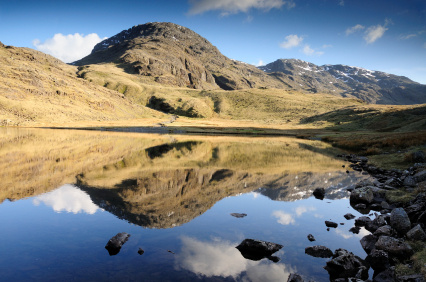 Mountain tarn reflections, Lake District. Mountain tarn reflections, Lake District.
Introduction to North-West England
North-West England offers a captivating blend of natural beauty, rich history, and vibrant urban culture that makes it a compelling destination for visitors.
Natural Landscapes
The region boasts breathtaking scenery, particularly in the Lake District, a UNESCO World Heritage Site featuring England's highest peak, Scafell Pike (978 m). Windermere, England's largest natural lake, and Wast Water, its deepest lake at 74 metres, showcase the area's remarkable geography. The diverse landscape encompasses three National Parks (Lake District, parts of the Peak District and Yorkshire Dales) and three Areas of Outstanding Natural Beauty.
Historical Heritage
North-West England's historical significance spans millennia, from ancient Roman settlements to industrial revolution powerhouses:
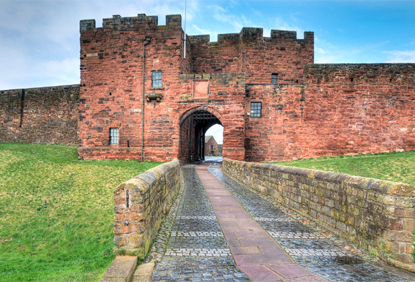
- Roman heritage is visible at sites like Birdoswald Roman Fort and Carlisle Castle, described as "the most besieged castle in England".
- Medieval treasures include Lancaster Castle, Brougham Castle, and numerous historic houses such as Arley Hall, which has been cherished by the same family for over 550 years.
- The region's linguistic heritage reflects Celtic, Anglo-Saxon, and Norse influences, evident in place names like Carlisle, Penrith, and elements such as "fell," "thwaite," and "tarn".
Urban Attractions
The region's cities offer distinctive cultural experiences:
- Liverpool's maritime heritage is showcased at the Royal Albert Dock, alongside its celebrated musical legacy, particularly The Beatles.
- Manchester, pivotal in the 18th-century Industrial Revolution, features impressive architecture, the Gothic-style library, and a thriving music scene that produced bands like Oasis and The Smiths.
- Chester stands out with its Roman and Medieval roots, including ancient city walls and a Roman amphitheatre.
Cultural Experiences
North-West England provides diverse cultural offerings:
- Museums abound, from the Museum of Science and Industry in Manchester to maritime museums in Liverpool.
- Stately homes and gardens like Tatton Park, Capesthorne Hall, and Browsholme Hall offer glimpses into aristocratic life through the centuries.
- Blackpool adds seaside entertainment with its three Victorian piers, iconic Blackpool Tower, and annual illuminations.
The region's distinctive character comes from its contrasts—peaceful countryside alongside dynamic cities, ancient ruins beside industrial heritage, and traditional charm coexisting with contemporary culture.
Attractions
Clickable Tourist Map of Northwest England
Note that dots, castle icons and national parks are not clickable on the mobile version. Please use the desktop version for optimal navigation. |
Cheshire
| Chester |
|---|

 Chester offers a rare blend of Roman, medieval and Tudor heritage visible at every turn: you can circumnavigate the only city in Britain to retain its entire Roman city walls, step down into Britain’s largest Roman amphitheatre and admire the ornate Eastgate Clock perched above bustling streets. The city centre’s black-and-white Rows—two-tiered covered walkways unique to Chester—house independent shops and cafés in buildings dating back to the 13th century, while the nearby cathedral, begun as a Benedictine abbey in the 11th century, displays one of Europe’s finest collections of medieval woodcarvings and a free-standing bell tower added as recently as the 1970s. A short stroll brings you to the Roodee, the world’s oldest racecourse, and beyond the walls lies Grosvenor Park, designed in Victorian times, for riverside walks along the Dee. Together, these features make Chester an unusually complete living museum of British history. |
| Lyme Park |
|---|

Lyme Park offers visitors a remarkable combination of architectural grandeur and natural beauty centred around its imposing Palladian mansion, which houses an impressive collection of Elizabethan and Edwardian interiors alongside works by Grinling Gibbons. The estate gained widespread recognition as the filming location for Pemberley in the BBC's Pride and Prejudice adaptation, drawing literature enthusiasts from around the world. Beyond its literary connections, the park features 1,400 acres of moorland, gardens, and deer park where herds of red and fallow deer roam freely, whilst the distinctive Cage hunting lodge provides panoramic views across the Cheshire countryside. The gardens showcase formal Victorian bedding schemes and a notable orangery, whilst the house itself tells the story of the Legh family's 600-year ownership through its preserved rooms and historical artefacts. |
| Tatton Park |
|---|

Tatton Park’s charm lies in its rich tapestry of historic and horticultural highlights: the grand Neoclassical mansion, remodelled in the late eighteenth century with elegant rococo interiors, an exceptional collection of Gillow furniture and one of the National Trust’s finest libraries, sits alongside the fifteenth-century timber-framed Old Hall; the 50-acre gardens showcase a century-old Japanese garden, restored glasshouses and a walled kitchen garden that together trace over 300 years of landscape design; beyond the formal grounds, a thousand-acre deer park dotted with ancient meres and medieval village earthworks provides a sense of timeless parkland, while a working rare-breeds farm and the renowned annual RHS flower show bring the estate’s living heritage to life. |
| Arley Hall & Gardens |
|---|

 Arley Hall & Gardens presents an unusually intact slice of English country-house evolution, where a Jacobethan mansion—erected in the 1830s on the footprint of a medieval manor and anchored by a Gothic chapel melding multiple architectural phases—sits amid twelve acres of pioneering horticulture. Here you’ll find England’s first double herbaceous border, laid out by Rowland Egerton-Warburton, alongside parterres, pleached lime and clipped ilex avenues, themed walled and kitchen gardens, and a Grade I cruck barn repurposed as a café. Held by one family for over five centuries, the estate also offers woodland walks, an organic farm for families and the chance to glimpse richly panelled interiors and rare stained glass, all of which have made it a sought-after location for film and television. |
| Dunham Massey House and Deer Park |
|---|
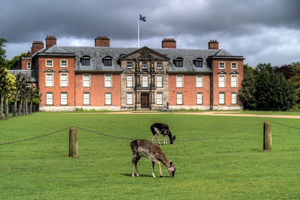
Dunham Massey offers a rare combination of architectural grandeur and living heritage, centred on a finely proportioned Georgian country house whose interiors showcase one of the National Trust’s most important collections of silver, furniture, paintings and curiosities assembled by the Booth and Grey families. Beyond its elegant rooms lies a 230-acre deer park that dates back to the medieval era, where fallow deer wander freely beneath ancient oaks along level, accessible paths. The estate’s formal gardens—including a celebrated winter garden, orangery and rose garden—unfold through changing seasons, while the house itself served as a military hospital during the First World War, adding a poignant layer to its centuries-old story. This blend of art, architecture, landscape and wildlife creates a distinctive experience that appeals equally to history enthusiasts and those seeking peaceful countryside walks. |
| Little Moreton Hall |
|---|

Little Moreton Hall stands out for its striking half-timbered construction and deliberately irregular design, with overhanging upper floors and a long gallery that tilts like a stranded ship, offering an unmatched glimpse into Tudor craftsmanship and domestic life. Encircled by a broad moat and surrounded by a restored knot garden, the manor’s austere interiors reveal original wall paintings, hidden ritual protection marks and bare beams that speak to centuries of use without later “improvements.” Costumed guides and volunteer room stewards bring the winding corridors and spiral staircases to life, while the warped floorboards and uneven plaster testify to the boldness of its original builders and the hall’s remarkable resilience. |
Other attractions
 Alderley Edge
 Beeson Castle (ruins)
Quarry Bank Mill and Styal Estate
Cumbria
| Hadrian's Wall Path ※ |
|---|

 Hadrian’s Wall Path offers a unique blend of living history and varied terrain, tracing the line of the most impressive Roman frontier ever built. Walkers encounter remarkably well-preserved forts and milecastles—such as Housesteads, Birdoswald and Chesters—where barracks, temples and even flushable latrines bring the empire’s northern garrison to life. Alongside these archaeological treasures lie cosy village pubs and bustling market towns, while active excavations at Vindolanda reveal new artefacts each season. The trail’s gentle gradients and clear way-marking make the full coast-to-coast journey accessible to those of reasonable fitness, yet the remote high sections around Chollerford reward with sweeping views and a real sense of solitude. All this combines to create a walking experience that is as much about strolling through millennia of history as it is about enjoying England’s varied countryside. The route provides unparalleled access to remarkably well-preserved Roman forts, milecastles, and turrets, allowing visitors to experience the scale and sophistication of Roman military engineering firsthand. |
Other attractions
Sizergh Castle and Garden
Wordsworth House and Garden
Greater Manchester
| Manchester |
|---|

Manchester's appeal lies in its vivid blend of industrial heritage and rich cultural offerings, where remnants of the world's first industrial city meet striking Victorian and neo-Gothic architecture. Visitors can wander along the restored canals of Castlefield, once busy with coal barges, now framed by converted warehouses and a reconstructed Roman fort. The John Rylands Library impresses with its ornate neo-Gothic reading room and rare manuscripts, while nearby Manchester Town Hall showcases Alfred Waterhouse's elaborate stonework and the iconic mosaic of worker bees. The Science and Industry Museum charts the city's role in technological breakthroughs, from early textile machinery to computing innovations. Beyond history, the Northern Quarter offers an eclectic mix of street art, independent boutiques and cafés in a former Italian enclave, and the National Football Museum celebrates the city's sporting legacy with interactive exhibits and memorabilia. Together, these sights reveal a city that honours its past even as it reinvents itself for contemporary exploration. |
Merseyside
| Liverpool ※
|
|---|

 Liverpool’s appeal lies in the remarkable convergence of maritime innovation, musical heritage and architectural splendour that mark its story. The city’s waterfront, once among the world’s busiest trading ports, showcases pioneering dock engineering at the Albert Dock and the trio of grand turn-of-the-century buildings known as the Three Graces, reflecting its central role in 18th- and 19th-century global commerce. Music lovers can trace the Beatles’ journey from local clubs to superstardom at specialist museums on Mathew Street and Albert Dock, while football fans experience the living passion of Anfield’s stadium and museum. Beyond these highlights, St George’s Hall and the Philharmonic Dining Rooms offer fine examples of neoclassical and Victorian design, and a wealth of galleries and cultural venues ensures that every visitor uncovers layers of heritage and creativity in this dynamic city. |
Lancashire
| Lancaster |
|---|
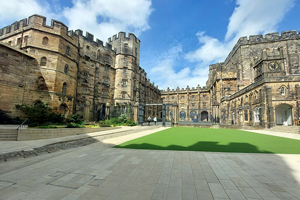
 Lancaster started its existence as a Roman fort where its impressive medieval castle now rises. Its walls have witnessed the infamous Pendle Witch trials of 1612 and the sieges of the Civil War. The Maritime Museum in the original 18th-century Custom House tells the story of Lancaster's former role as one of Britain's busiest ports. Georgian prosperity from port trade endowed the city with elegant townhouses, Dalton Square and the Custom House, while the castle precincts now house museums that trace everything from local maritime history to Regency furniture at the Judges’ Lodgings. Beyond the centre, Williamson Park’s Ashton Memorial grants panoramic views over the Lune valley, and the nearby Forest of Bowland and Morecambe Bay provide opportunities for stargazing and coastal walks. A compact university city with cobbled streets, independent cafés and regular markets, Lancaster combines scholarly energy with the tangible presence of its own long story. |
| Blackpool |
|---|

Blackpool’s appeal lies in its blend of pioneering Victorian engineering and lively seaside amusements: the 158-metre tower, inspired by Paris’s Eiffel, opened in 1894 and still houses a ballroom, circus and glass-walk viewing platform, while the Pleasure Beach, founded in 1896, boasts Britain’s original Big Dipper wood coaster and today’s “Big One” thrill ride. Three historic piers—North (1863), Central (1868) and South (1893)—offer promenading, arcades and theatres, and the annual Illuminations, dating from 1879, stretch ten kilometres along the prom in over a million bulbs. Heritage tram services trace the coastline much as they have since 1885, and the Winter Gardens complex (opened 1878) continues to host grand concerts in its ornate halls, ensuring that both the town’s inventive past and its family-friendly attractions remain in full view. |
| Gawthorpe Hall |
|---|
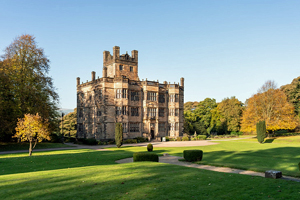
Gawthorpe Hall’s appeal lies in its remarkable fusion of late Elizabethan design and mid-Victorian restoration, offering visitors a rare chance to examine a house attributed to Robert Smythson alongside Sir Charles Barry and A.W.N. Pugin’s Gothic revival enhancements. Inside, richly carved oak panelling, intricately plastered Jacobean ceilings and a nationally important textiles collection amassed by Rachel Kay-Shuttleworth create an intimate portrait of country-house life across four centuries. The Long Gallery and Great Chamber display fine plasterwork and historic portraits on loan from the National Portrait Gallery, while the winding oak-panelled staircase and cosy drawing rooms retain a homely atmosphere despite the building’s grandeur. Beyond the hall, formal terraced gardens, a hidden walled garden and over 40 acres of woodland—complete with natural play spaces and sweeping views to Pendle Hill—provide varied landscapes in which to unwind and explore. |
Other attractions
Martin Mere Wetland Centre
Rufford Old Hall
|


 Ireland Guide
 Scotland Guide
 Wales Guide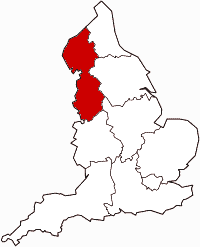


 Alderley Edge

 The Lake District’s appeal lies in its harmonious blend of natural features and human heritage, where ancient Roman forts and Bronze Age stone circles sit alongside the dry-stone walls and Herdwick sheep farms that have shaped the landscape for over a millennium. From Thomas West’s 1778 guide, which first mapped out the most striking viewpoints, to William Wordsworth’s own travel book and the wealth of poetry, painting and prose inspired by these glacial valleys, the region has long drawn those seeking both solace and creative stimulus. Its places of literary pilgrimage—such as Hill Top, Beatrix Potter’s former home—and its role in the birth of the National Trust movement offer a direct link to the conservation ideals that preserved this cultural landscape, now recognised by UNESCO for its outstanding universal value. Whether tracing the routes laid down by early tourists or exploring the working farms, visitors encounter a living tableau of history and tradition rather than a static museum piece.

 Hadrian’s Wall Path offers a unique blend of living history and varied terrain, tracing the line of the most impressive Roman frontier ever built. Walkers encounter remarkably well-preserved forts and milecastles—such as Housesteads, Birdoswald and Chesters—where barracks, temples and even flushable latrines bring the empire’s northern garrison to life. Alongside these archaeological treasures lie cosy village pubs and bustling market towns, while active excavations at Vindolanda reveal new artefacts each season. The trail’s gentle gradients and clear way-marking make the full coast-to-coast journey accessible to those of reasonable fitness, yet the remote high sections around Chollerford reward with sweeping views and a real sense of solitude. All this combines to create a walking experience that is as much about strolling through millennia of history as it is about enjoying England’s varied countryside. The route provides unparalleled access to remarkably well-preserved Roman forts, milecastles, and turrets, allowing visitors to experience the scale and sophistication of Roman military engineering firsthand.


 : Local interest
 : Moderately interesting
 : Outstanding place
 : Must-see in the country
 : Top cities in Europe