


 Ireland Guide
 Scotland Guide
 Wales Guide
| Contents |
|---|
Introduction
Once one of the greatest port in the world, Liverpool (pop. 496,000, with suburbs 1,362,000) is now the fourth largest conurbation in England (after London, Birmingham and nearby Manchester). The inhabitants of Liverpool are officially known as the "Liverpudlians", but more commonly known as "Scousers".
Few English cities have such a unique character as Liverpool. This could be due to the large influx of Irish and Scottish immigrants in past centuries, or to the very distinctive local accent, called Scouse, almost incomprehensible by most other speakers of English (in addition to the rising and falling tones, a word like "town" is pronounced "toon", "back" sounds like "bax", "technology" is "texnology" and "get" is "gerr").
Liverpool's past glories have come to an abrupt end after WWII, and the subsequent high unemployment and poor economic situation have made it a bastion of radical left-wing politics. But it is best known to the world as the city from where The Beatles originated.
Interesting Facts about Liverpool
- Liverpool is home to the oldest Chinatown in Europe.
- The city boasts two cathedrals, the Anglican Cathedral and the Metropolitan Cathedral, making it one of the few cities in the world with two such structures.
- Liverpool's waterfront was once a UNESCO World Heritage Site, known for its maritime history and stunning architecture.
- The Royal Liver Building features two clock faces that are larger than those of Big Ben in London.
- Liverpool is the birthplace of the legendary rock band The Beatles.
- The city hosted the Eurovision Song Contest in 2023, further cementing its status as a music hub.
- Liverpool has the largest number of museums and galleries outside of London.
- The world's first purpose-built public library was established in Liverpool.
- The Grand National, one of the world's most famous horse races, is held at Aintree Racecourse in Liverpool.
- Liverpool was named the European Capital of Culture in 2008, recognising its significant contributions to international culture.
History
Liverpool is a relatively new city by European standard. It was only founded in 1207 and immediately followed by the erection of Liverpool Castle in the 1230's. If you are wondering where the castle is, it was demolished in 1726, but used to stand on Derby Square (Queen Victoria Monument).
Liverpool remained a minor village subordinate to Chester until the 1650s. The real development only started after the Restoration. In the 18th century, Liverpool had become a major port and was thriving on the triangular trade between Europe, Africa and America (manufactured goods, slaves, sugar/tobacco/cotton) along with Bristol.
The first wet dock in Britain was built in Liverpool in 1715. At the beginning of the 19th century, 40% of the world's trade was passing through the docks at Liverpool.
The city soon acquired one of Northern Europe's first Black community through the slave trade. From the 1830's to 1930, 9 million emigrants from Wales, Scotland, Scandinavia, and other parts of Europe (including Russian and German Jews) came to Liverpool to sail for the Americas or Australia.
The city's population grew tremendously as a sizeable foreign community remained and non-European immigrants arrived from the Caribbean and China. Liverpool was granted city status in 1880 and became independent from Lancashire in 1888. By 1930 the population of the city exceeded 850,000.
During WWII, one million American soldiers passed through Liverpool preparing for D-Day. The 1950's, 60's and 70's were going to be gloomier for Liverpool. Air travel quickly replaced the profitable liner business, and the disintegration of the British Empire brought sharp decline to ship trading. Things having been looking up a bit since the 1990's, when EU development funds brought an new impetus to the economy.
Main Attractions
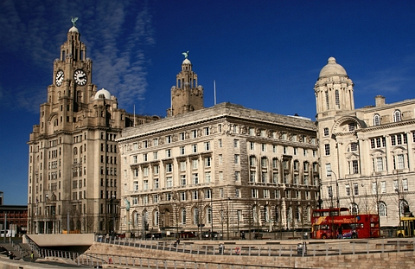
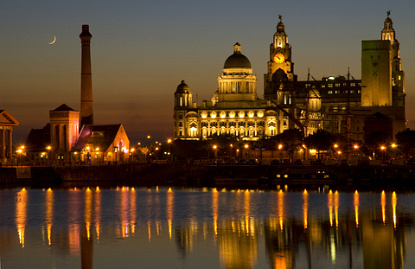
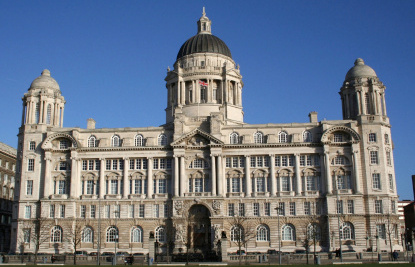
Liverpool is a reflection of its past glory. The landscape is dominated by the massive early 20th-century Royal Liver Building, Port of Liverpool Building (Mersey Docks and Harbour Board Company building) and Cunard Building on Pier Head.
Royal Albert Dock
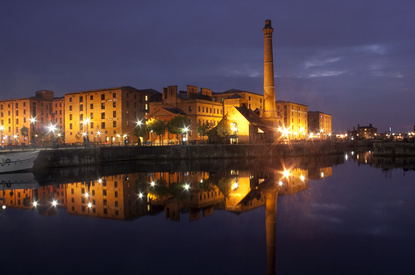
The Royal Albert Dock is a bustling hub of activity and a must-visit destination in Liverpool. This historic waterfront complex, once a vital part of the city's maritime trade, has been beautifully restored and repurposed. Named after Queen Victoria's husband, Prince Albert, the docks opened in 1846 and were the first non-combustible (brick, stone and iron) warehousing system in the world.
The warehouses were upgraded in 1848 with the world's first hydraulic warehouse hoist system. The docks were listed as Grade 1 Buildings in 1972. In the 1980's the entire site was redeveloped, with shops, restaurants, offices and the studios of Granada TV.
Today, it houses numerous restaurants, bars, and shops, making it a perfect spot for dining, shopping, or simply enjoying a stroll along the water's edge. The dock area is particularly stunning at night when the buildings are illuminated, reflecting off the water. It's also a popular venue for festivals and events, so it's worth checking the calendar for upcoming activities. For those seeking a bit of adventure, the dock even features an inflatable waterpark, offering a unique way to experience the historic area.
Around Lime Street
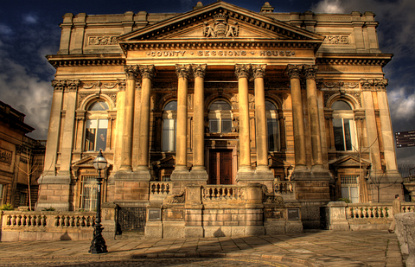
Just opposite Lime St Train Station, St George's Hall was completed in 1854 and claims to be Europe's finest Neo-classical building.
Crossing William Brown Street is the great Liverpool Museum, with over 100,000 items of archeology and ethnology, 500,000 specimens and items of science and natural history. The adjoining Walker Art Gallery has a startling collection of European painting ranging from Italian and Netherlandish Renaissance to Pre-Raphaelite works and 20th century paintings. It also boasts one of the most important sculpture collections outside London.
Between the Lime Street and Central Stations, the Britannia Adelphi Hotel (built in 1912) was once ranked as one of the most luxurious hotel in the world.
The Cavern Quarter
The Cavern Quarter is steeped in musical history, most notably as the birthplace of The Beatles. This area is a pilgrimage site for music fans from around the world. The iconic Cavern Club, where the Fab Four played their first gig in 1961, is located here. While the original club was filled in during the 1970s, the current venue is a meticulous recreation built using many of the original bricks. Today, it continues to host live music, keeping the spirit of the 1960s alive. The surrounding streets are filled with Beatles-themed bars, shops, and attractions, making it a perfect area for those looking to immerse themselves in Liverpool's musical heritage.
Bold Street
For those interested in independent shopping, Bold Street in Liverpool's city centre is a treasure trove. This cobbled street, once known as the "Bond Street of the North", has reinvented itself as a hub for independent businesses. It's lined with creative shops, cafes, and boutiques, offering a refreshing alternative to mainstream high street shopping. Visitors can find everything from vintage items and vinyl records to vegan products and artisanal foods, all infused with a unique creative flair. The street also boasts a diverse range of international cuisines, making it a great spot for food enthusiasts.
Liverpool Watersports Centre
Located at the historic docks, the Liverpool Watersports Centre offers a range of activities for adventure seekers. Visitors can enjoy kayaking, canoeing, and even wild swimming, providing a fresh perspective on the city's waterfront. The centre offers courses for beginners as well as equipment hire for more experienced water sports enthusiasts. It's a great way to get active and see Liverpool from a different angle, particularly on a sunny day.
Stanley Park
Spanning 110 acres, Stanley Park is a Grade II listed park and garden situated in the Anfield area. Designed by Edward Kemp and opened in 1870, it features lakes, walks, and the magnificent Isla Gladstone conservatory. The park is also notable for separating the home grounds of rival football clubs Liverpool and Everton. With its beautiful flower gardens, fishing lake, and children's play areas, it's a perfect spot for a leisurely day out. The park also hosts various events throughout the year, including outdoor theatre performances and music festivals.
Anfield Stadium
Home to Liverpool Football Club, Anfield Stadium is a must-visit for sports enthusiasts. This iconic stadium has been the home of Liverpool FC since the club's formation in 1892. Even for those who aren't Liverpool FC supporters, the stadium's impressive scale and atmosphere can be appreciated through behind-the-scenes tours. These tours offer access to areas usually off-limits to the public, including the dressing rooms, players' tunnel, and the famous Kop stand. On match days, the atmosphere around Anfield is electric, with thousands of fans creating a sea of red in the surrounding streets.
St Luke's Church (Bombed Out Church)
St Luke's Church, also known as the Bombed Out Church, is a unique outdoor venue in Liverpool. The church was heavily damaged during the Liverpool Blitz in 1941 and has been left as a roofless shell, serving as a memorial to those lost in the war. Today, it hosts a variety of events including live music, dance performances, festivals, theatre, and cinema. The church and its gardens also serve as a peaceful oasis in the heart of the city, offering a place for reflection and relaxation.
Crosby Beach
Located just outside the city, Crosby Beach is home to "Another Place", an art installation by renowned artist Antony Gormley. The installation consists of 100 cast-iron sculptures spread across 3km of shoreline and extending nearly 1km into the sea. Each sculpture is a cast of Gormley's own body, standing and gazing out to sea. The figures are submerged and revealed by the changing tides, creating a striking and ever-changing landscape. It's a popular spot for walks and photography, particularly at sunset.
Liverpool One
For those looking to shop, Liverpool One is a vast city centre mall featuring over 170 shops, ranging from high street brands to luxury boutiques. Opened in 2008, this open-air shopping complex has transformed Liverpool's retail landscape. In addition to shops, it houses a wide variety of restaurants and cafes, a 14-screen cinema, and even mini-golf facilities. The complex also includes several public spaces and parks, making it a pleasant place to spend time even if you're not shopping.
Parks and Green Spaces
Liverpool boasts numerous parks and green spaces, offering tranquil retreats within the bustling city. Sefton Park, one of the largest, is a 235-acre park featuring a boating lake, bandstand, and the beautiful Palm House, a restored Victorian glasshouse. Calderstones Park, another notable green space, is home to a 1,000-year-old oak tree and the Allerton Oak, which is thought to be around 1,000 years old. Everton Park offers stunning views over the city and the River Mersey, making it a popular spot for watching the sunset.
The Three Graces
The Liverpool waterfront, a UNESCO World Heritage site, is home to the Three Graces - the Royal Liver Building, the Cunard Building, and the Port of Liverpool Building. These iconic buildings dominate Liverpool's skyline and are a symbol of the city's maritime history. The Royal Liver Building, in particular, is famous for the two Liver Birds perched on its towers, which have become a symbol of the city. Guided tours are available that allow visitors to climb to the top of the Royal Liver Building for panoramic views of the city and the River Mersey.
Mersey Ferry
For those interested in Liverpool's maritime history, a ferry across the Mersey is a must-do activity. Made famous by the 1964 Gerry and the Pacemakers hit song, the ferry offers fantastic views of Liverpool's waterfront. Regular services run between Liverpool and the Wirral peninsula, with some boats offering informative commentary about the river's history and landmarks. It's a great way to see the city from a different perspective and understand its important role as a major port.
The Baltic Triangle
The Baltic Triangle, once an industrial area, has been transformed into Liverpool's creative and digital quarter. This vibrant neighbourhood is home to numerous independent businesses, bars, restaurants, and music venues. It's known for its street art, including murals of Liverpool icons like John Lennon and Bill Shankly. The area hosts regular events, from food festivals to vintage fairs, making it a great place to experience Liverpool's contemporary culture.
Chinatown
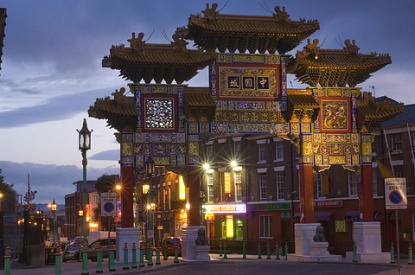
Chinatown in Liverpool is home to the oldest Chinese community in Europe. The area is marked by a striking Chinese arch at the entrance to Nelson Street, which was imported from Shanghai and is the largest of its kind outside of China. The neighbourhood is filled with Chinese and Asian restaurants, supermarkets, and shops. It's particularly lively during Chinese New Year celebrations, which typically include parades, performances, and fireworks.
Nightlife Areas
Finally, for those looking to experience Liverpool's nightlife, Concert Square and Mathew Street are popular destinations. Concert Square is surrounded by bars and clubs and is particularly busy on weekends. Mathew Street, home to the famous Cavern Club, offers a mix of Beatles-themed bars and live music venues. Both areas showcase Liverpool's reputation as a city that knows how to enjoy itself, with a diverse range of venues catering to all tastes.
Remember to check opening times and any entry fees before visiting these attractions, as they may vary depending on the season and specific events. Liverpool's public transport system, including buses and trains, makes it easy to navigate between these attractions. Many are also within walking distance of each other, particularly in the city centre. Whether you're interested in history, music, sports, shopping, or simply soaking up the atmosphere of this vibrant city, Liverpool has plenty to offer.
Top Museums
General Museums
World Museum
The World Museum is a treasure trove of natural and cultural history. Located on William Brown Street, it offers an extensive collection across four floors, featuring archaeology, ethnology, geology, and natural and physical sciences. Highlights include Egyptian mummies, prehistoric pottery, and a space exploration section. The museum also houses the UK's only free observatory and offers a unique 360-degree documentary experience. Visitors can explore living bugs in the Bug House and delve into ancient cultures in the World Cultures Gallery. The museum's vast collection spans thousands of years, providing a fascinating journey through time and across the globe.
Victoria Gallery and Museum
Housed in the iconic red-brick Victoria building, the Victoria Gallery and Museum is a stunning piece of architecture itself. It showcases the University of Liverpool's collection, including fine art, silver, furniture, and scientific equipment. Highlights include early X-ray technology and dinosaur footprints from the North West. The museum also features a collection of rare books and manuscripts, offering a glimpse into the history of literature and learning. Visitors can explore the building's beautiful interior, which includes a grand entrance hall and a stunning lecture theatre.
Museum of Liverpool
The Museum of Liverpool explores the city's history and culture, offering insights into its people, music, and sports. It provides a comprehensive look at Liverpool's development and its significance in the world. The museum features exhibits on the city's football history, its role in the transatlantic slave trade, and its vibrant music scene. Visitors can learn about Liverpool's resilience and innovation, from its early days as a major port to its current status as a thriving cultural hub.
Art Galleries
Walker Art Gallery
The Walker Art Gallery is one of England's largest art collections outside London. Located on William Brown Street, it features works from the 13th century to contemporary pieces, including Pre-Raphaelite art and works by artists like Rossetti and Hockney. The gallery also hosts the interactive Big Art in the Gallery for children aged 0-5, offering a space for creative play and discovery. The gallery regularly hosts temporary exhibitions, ensuring there's always something new to explore. Its collection includes European and British art, providing a rich insight into the evolution of artistic styles over the centuries.
Tate Liverpool
Located at Albert Dock, Tate Liverpool is part of the Tate network, showcasing modern and contemporary art. The gallery hosts a diverse range of exhibitions, from British and international artists to interactive installations. Tate Liverpool offers a dynamic programme of events and activities, making it a vibrant hub for art lovers. Visitors can enjoy stunning views of the dock while exploring the latest trends in modern art.
Maritime and Slavery Museums
Merseyside Maritime Museum
Situated at the Royal Albert Dock, the Merseyside Maritime Museum showcases Liverpool's maritime history. The museum spans five floors, featuring ship models, maritime paintings, and exhibits on the Titanic. It also includes a slavery research museum and offers stunning views from its upper floors. The museum provides a comprehensive look at the city's role in global trade and navigation. Visitors can learn about the impact of the sea on Liverpool's development and explore the city's connection to the world's oceans.
Liverpool Museum of Slavery
The International Slavery Museum, located at Albert Dock, is dedicated to the history and legacy of the transatlantic slave trade. It provides a poignant and thought-provoking exploration of this significant period in human history. The museum offers insights into the experiences of enslaved people and the ongoing impact of slavery on contemporary society. Visitors can engage with interactive exhibits and learn about the role Liverpool played in the slave trade, as well as the city's contributions to the abolition movement.
Specialised Museums
The Beatles Story
Located at Albert Dock, The Beatles Story is a must-visit for fans of the iconic band. It chronicles the journey of John, Paul, George, and Ringo from their early days to global fame. The museum offers an immersive experience into the world of The Beatles, with interactive exhibits and memorabilia. Visitors can explore replicas of the Cavern Club and Abbey Road Studios, reliving pivotal moments in the band's history. The museum also provides insights into the cultural and social context of the 1960s, highlighting the band's impact on music and society.
Sudley House
Sudley House is a charming Victorian mansion located in Mossley Hill. It houses a collection of art and antiques, including works by artists like Millais and Landseer. The house itself is a beautiful example of Victorian architecture, offering a glimpse into the lives of Liverpool's wealthy elite during the 19th century. Visitors can explore the house's opulent interiors and stroll through its picturesque gardens, providing a tranquil escape from the city centre.
Williamson Art Gallery and Museum
Located in Birkenhead, just across the Mersey from Liverpool, the Williamson Art Gallery and Museum offers a diverse collection of art and local history. The gallery features works by local artists and a collection of Wirral's history, including exhibits on the area's maritime past. Visitors can explore the beautiful gardens and enjoy the tranquil surroundings, making it a great day trip from Liverpool.
Local Cuisine
Liverpool's most iconic dish is undoubtedly scouse, a hearty stew typically made with beef or lamb, potatoes, carrots, and onions, often served with pickled beetroot or red cabbage and crusty bread. For those with a sweet tooth, wet nelly is a must-try dessert, a bread pudding-like treat made with stale cakes or bread, dried fruits, and spices. Another local favourite is Liverpool tarts, sweet pastries filled with a tangy lemon mixture. Visitors should also sample bubble and squeak, a tasty dish made from leftover roast vegetables, and Everton mints, traditional peppermint-flavoured sweets. For a unique twist on a classic, try the scouse pie at community bakeries. To wash it all down, don't miss the opportunity to taste Liverpool Gin, which boasts a distinctive flavour owing to the city's history as a bustling port.
Shopping
The city centre is home to Liverpool ONE, the UK's largest open-air shopping complex, featuring over 170 stores, restaurants, and entertainment venues. For high-end retail, the Metquarter houses designer boutiques and luxury brands. Bold Street is known for its independent shops, vintage stores, and quirky cafes. The covered St John's Shopping Centre offers a mix of well-known retailers and local businesses. Church Street, the main pedestrianised thoroughfare, is lined with popular high street shops. For those seeking unique finds, Lark Lane in south Liverpool is dotted with bohemian boutiques and hosts a monthly farmers' market. The Baltic Triangle area, centred around the revitalised Cain's Brewery Village, offers a trendy shopping experience with independent traders and artisanal goods.
Nature in and around Liverpool
Liverpool boasts several beautiful parks, including the Grade I listed Sefton Park, which spans 235 acres and features a magnificent Palm House. Other notable green spaces include Princes Park, Calderstones Park with its ancient megaliths, and Stanley Park situated between Liverpool and Everton football grounds. Just outside the city centre, Croxteth Hall and Country Park provides over 500 acres of historic parkland and a Victorian Walled Garden. For those seeking coastal experiences, Crosby Beach offers stunning views and is home to Antony Gormley's unique art installation. Nature enthusiasts can explore Seaforth Nature Reserve, an important roosting site for various waders and seabirds at the mouth of the River Mersey. The nearby Wirral Peninsula boasts eight beaches, including four designated bathing areas, while Formby Beach features impressive sand dunes and red squirrel woods.
Getting There & Around
By train, Liverpool Lime Street station serves as the city's main railway hub, with direct services from London Euston taking approximately two and a half hours, whilst regular connections run from Manchester, Birmingham, Preston, and other major cities throughout England and Wales via the West Coast Main Line and regional networks.
By coach, National Express operates frequent services to Liverpool from London Victoria Coach Station and numerous other UK destinations, with the journey from the capital taking around five to six hours, whilst other operators like Megabus also provide competitive routes to the city's central coach station.
By car, Liverpool benefits from excellent motorway links, with the M62 providing the primary east-west connection from Manchester and the M1 corridor, whilst the M57 and M58 offer additional access routes, and the city centre is well-signposted from all major approaches, though drivers should be prepared for busy urban traffic and consider using one of the many park-and-ride facilities or city centre car parks.
Best Time to Visit
The best time to visit Liverpool is during the summer months, from May to September, when the weather is pleasantly warm and the city comes alive with numerous festivals and events. July and August are the peak tourist months, offering the warmest temperatures and longest daylight hours, perfect for exploring the city's outdoor attractions and enjoying its vibrant nightlife. However, these months can be crowded and accommodation prices tend to be higher. For a quieter visit with mild weather and fewer tourists, consider travelling in late spring (April to May) or early autumn (September to October). Whilst Liverpool experiences rainfall throughout the year, the summer months generally see less precipitation than the winter. It's worth noting that even during the warmer months, temperatures rarely exceed 21°C, so packing layers is advisable for any visit to this charming northern English city.