


 Ireland Guide
 Scotland Guide
 Wales Guide
| Contents |
|---|
Introduction
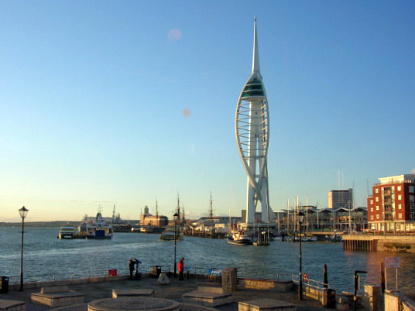
Portsmouth (pop. 210,000; urban 240,000) is a port city primarily located on Portsea Island, making it the United Kingdom's only island city. It used to be the largest naval base in the world in the heyday of the British Empire. Nowadays, it is still home to the Royal Navy and remains an important naval base. Its waterfront is dominated by the Portsmouth Historic Dockyard, which houses famous vessels such as Lord Nelson's flagship, HMS Victory, and the Tudor warship, the Mary Rose. A prominent modern landmark is the Spinnaker Tower, which offers panoramic views of the city, the Solent, and the Isle of Wight. The city also serves as a commercial ferry port, with routes connecting to continental Europe and the nearby Isle of Wight. Portsmouth is also Charles Dickens' birthplace (his house can be visited).
Interesting Facts about Portsmouth
- Portsmouth is the United Kingdom's only island city, built mostly on Portsea Island off the south coast of England.
- The city is the birthplace of Charles Dickens, one of Britain's most celebrated authors and creator of Oliver Twist and Great Expectations.
- Portsmouth is home to the world's oldest dry dock, originally built in 1495 and making it Britain's first drydock.
- With a population density greater than London's, Portsmouth is the most densely populated city in the United Kingdom.
- HMS Victory, Lord Nelson's flagship and the world's oldest naval ship still in commission, is permanently housed in Portsmouth Historic Dockyard.
- The remains of Henry VIII's flagship, the Mary Rose, were raised from the seabed in 1982 and now reside in a purpose-built museum in the city.
- Portsmouth's iconic Spinnaker Tower stands 170 metres tall and offers panoramic views across the south coast.
- The city served as the primary departure point for British and Allied forces during the D-Day landings in 1944.
- Portsmouth was once the most heavily fortified city in the world and was burned down by French forces four times between 1338 and 1380.
- The world's first mass production line was established at Portsmouth's Block Mills to manufacture pulley blocks for the Royal Navy fleet.
- The city handles 100% of Jersey potatoes, 100% of Moroccan citrus fruits, and 70% of all bananas imported to mainland Britain through its port.
- Portsmouth was granted its first royal charter by King Richard I (Richard the Lionheart) on 2 May 1194.
- The first co-operative society in Britain was established in Portsmouth in 1796 by dockyard workers seeking fairer trading practices.
- Much of the Southsea area lies below sea level, requiring careful coastal management and flood defences.
- The D-Day Story museum in Southsea houses the 83-metre-long Overlord Embroidery, one of the longest embroideries in the world.
History
Portsmouth’s story begins around 1180, when Anglo-Norman merchant Jean de Gisors founded a small settlement on the south-west corner of Portsea Island. This location, now known as Old Portsmouth, was chosen for its sheltered harbour, the Camber, which was ideal for De Gisors' fleet of ships. The settlement quickly grew, and in 1194, King Richard I granted Portsmouth its first royal charter, giving it the right to hold weekly markets and an annual fair. The town's strategic importance was recognised early on; in 1212, King John established a permanent naval base and the first docks. However, its coastal position made it vulnerable. Throughout the 14th century, French forces repeatedly attacked and burned the town, prompting the construction of its first defences. Despite these setbacks, the port thrived, with early exports including wool and grain. In 1495, King Henry VII cemented Portsmouth's naval future by building the world's first dry dock, making it a Royal Dockyard.
The town's destiny became inextricably linked with the strength of the Royal Navy. During the Tudor period, its fortifications were significantly enhanced. Henry V ordered the construction of a wooden Round Tower at the harbour entrance around 1418, and Henry VII later built the stone Square Tower. His successor, Henry VIII, continued this work, commissioning Southsea Castle in 1543. It was from this castle in 1545 that Henry VIII watched his flagship, the Mary Rose, tragically sink while engaging a French fleet. By the late 17th century, Portsmouth had become one of the most heavily fortified places in the world, with new walls, bastions, and moats. The town also hosted significant royal events; Charles II married Catherine of Braganza here in 1662, a union reputedly responsible for introducing the custom of tea drinking to England.
From the Age of Sail to the modern era, Portsmouth has remained at the centre of Britain's maritime history. It was the departure point for many historic voyages, including Captain James Cook's circumnavigation on HMS Endeavour and the First Fleet's journey to establish the first European colony in Australia in 1787. The city is also the birthplace of one of Britain's most celebrated authors, Charles Dickens, who was born here in 1812. Its strategic role was paramount during the Second World War when, after suffering extensive bombing during the Blitz, it became a key staging area and embarkation point for Allied forces on D-Day. Today, this rich history can be explored throughout the city, from the Hotwalls, which were once part of its extensive defences, to the Historic Dockyard, home to iconic ships like HMS Victory.
Main Attractions
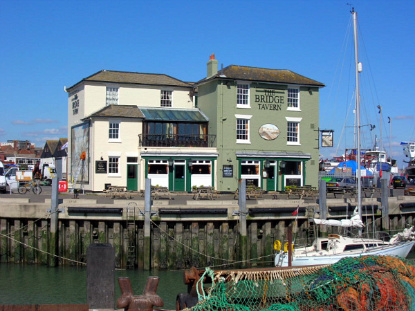
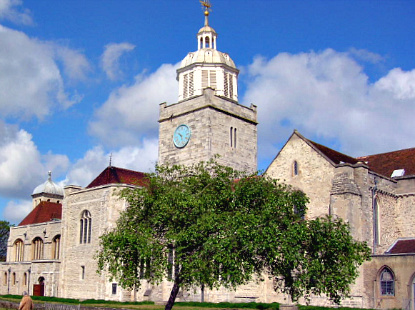
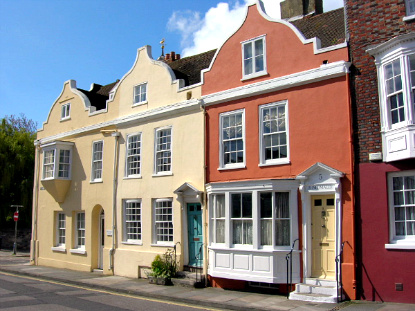
The strategic importance of Portsmouth during WWII made it one of the most heavily bombed cities in England. Therefore there is not much historical left standing, apart a few cobblestone streets around The Point and the Old Town, which are great for walking when the weather is nice. Note the Cathedral of St Thomas of Canterbury, an interesting jumble of architectural styles.
Old Portsmouth
The city's historic quarter features cobbled streets and ancient fortifications that preserve the character of Portsmouth's maritime past. This area concentrates numerous traditional pubs and restaurants within walking distance of the harbour's edge, creating an authentic atmosphere for experiencing the city's seafaring heritage. The Hotwalls Studios, housed in converted artillery barracks, showcase contemporary artists' workshops and host small cultural events.
Portsmouth Historic Dockyard
This historic naval complex represents the heart of Portsmouth's maritime identity, featuring centuries-old dockyard buildings and historic vessels such as HMS Victory and HMS Warrior. Whilst the ships themselves may involve museum elements, the dockyard's exterior spaces and historic architecture provide an immersive experience of Britain's naval past. The site serves as the departure point for harbour boat tours, which offer visitors views of active naval vessels and the historic port area from the water.
Gunwharf Quays
This waterfront retail and leisure complex combines shopping with scenic harbour views, housing over 90 outlet shops alongside numerous restaurants, bars, cafés, and a cinema. The development centres around an attractive marina that showcases both modern leisure craft and occasional naval vessels. Public sculptures and carefully designed waterfront spaces make this a popular destination for both shopping and leisurely strolling along the harbour edge.
Spinnaker Tower
Portsmouth's iconic 170-metre observation tower stands prominently at Gunwharf Quays, offering visitors three distinct viewing decks with panoramic views across Portsmouth, the Solent, and the Isle of Wight. The tower provides an excellent vantage point for understanding the city's maritime geography and naval heritage. Beyond the viewing experience, the tower features a café and offers adventure activities including abseiling and virtual reality experiences for those seeking additional thrills.
Southsea Castle
Built in 1544 under the orders of King Henry VIII, this Tudor fortification occupies a strategic position on Southsea's seafront with commanding views across the Solent. The castle's robust stone construction and distinctive angular design reflect the military engineering of the period. Visitors can explore the ramparts and courtyard, whilst outdoor displays provide context about the fortress's role in defending Portsmouth's approaches over the centuries.
Southsea Seafront & Beach
Portsmouth's principal beach stretches for several kilometres along the city's southern edge, offering a traditional British seaside experience with its characteristic pebble composition. The seafront accommodates various activities from walking and sunbathing to water sports, supported by the historic Clarence Pier and South Parade Pier, both of which provide traditional seaside amusements and refreshments. The adjacent Southsea Rock Gardens and extensive promenade create additional outdoor spaces for relaxation and scenic walks.
The Round Tower and Square Tower
These historic coastal fortifications guard the entrance to Portsmouth Harbour from their positions in Old Portsmouth, with the Round Tower dating from the early 15th century. Both structures exemplify medieval military architecture and offer insight into Portsmouth's defensive evolution over the centuries. The towers are publicly accessible on foot and provide excellent viewpoints for observing maritime traffic entering and leaving the historic harbour.
Portchester Castle
Situated on the northern shore of Portsmouth Harbour, this medieval castle incorporates Roman foundations, creating a unique archaeological site that spans nearly two millennia. The extensive grounds accommodate walking and picnicking whilst offering panoramic views across the harbour towards Portsmouth itself. The castle's substantial walls and towers demonstrate the continuity of defensive occupation at this strategically important site.
Staunton Country Park
This extensive public park in northern Portsmouth encompasses woodlands, lakes, walking trails, and a carefully maintained walled garden. The diverse landscapes provide opportunities for various outdoor activities whilst the family-friendly facilities make it particularly suitable for visitors with children. The park's size and variety of environments offer a contrast to the city's urban and maritime attractions.
Portsdown Hill
This natural chalk ridge rises to the north of Portsmouth, providing elevated panoramic views over the entire city and the Solent beyond. Multiple walking paths traverse the hill, accessible by car or on foot, whilst the historic Forts of Portsdown add archaeological interest to the natural landscape. The hill's elevation makes it particularly valuable for photography and understanding Portsmouth's geographical setting within the broader Hampshire landscape.
Top Museums
Portsmouth Historic Dockyard

The Portsmouth Historic Dockyard is the city’s premier attraction for those interested in over 500 years of naval history. Here, visitors can:
- Step aboard HMS Victory, Admiral Nelson’s legendary flagship, and explore 18th-century maritime life.
- Discover the HMS Warrior, a groundbreaking Victorian warship showcasing the innovations of the steam age.
- Tour the Mary Rose, the Tudor warship of Henry VIII, and view the world’s largest collection of Tudor artefacts.
- Visit HMS M.33, a rare First World War warship, offering unique insights into wartime experiences.
- Explore the National Museum of the Royal Navy, which brings to life the stories of serving personnel and famous warships.
- Engage with interactive exhibitions at the Explosion Museum of Naval Firepower and experience life as a submariner at the Royal Navy Submarine Museum (accessible by waterbus from the dockyard).
This is a must-see destination for naval enthusiasts and families seeking an immersive historical adventure.
The Mary Rose Museum
Located within the Historic Dockyard, the Mary Rose Museum is dedicated to Henry VIII’s favourite warship. The museum presents a mesmerising display of the ship’s remains, astonishing Tudor artefacts, and engaging multimedia exhibits that bring the tragic story of the Mary Rose and her crew to life.
The D-Day Story
As the only museum in the UK devoted to the Allied invasion of Normandy in June 1944, The D-Day Story features personal testimonies, evocative audio-visual presentations, and iconic objects, including the Landing Craft Tank 7074. The museum tells the definitive story of D-Day, focusing on the human experiences behind this monumental military operation.
Portsmouth Museum and Art Gallery
This museum celebrates the rich social, cultural, and sporting heritage of Portsmouth. Visitors can journey through diverse galleries exploring local history, the world of Sherlock Holmes, and a wide range of art collections. A special display is dedicated to the history of Portsmouth Football Club, making it a welcoming spot for both locals and newcomers.
Cumberland House Natural History Museum
With engaging displays illustrating the natural history of Portsmouth and South East Hampshire, this museum is perfect for families and nature lovers. Highlights include the A-Z of Natural History, a life-sized dinosaur, and the charming Butterfly House, where visitors can walk among free-flying butterflies during summer months.
Charles Dickens’ Birthplace Museum
Situated in the modest house where Charles Dickens was born, the museum offers a snapshot of Regency Portsmouth and explores the early influences on one of Britain’s greatest novelists. It’s a captivating stop for literary enthusiasts wanting to delve into Dickens’ life.
Southsea Castle
Built by Henry VIII, Southsea Castle marks the place from which the king witnessed the sinking of the Mary Rose. The castle features exhibitions on its own history, coastal defence, and stunning views from its ramparts.
Local Cuisine
As a vibrant port city, Portsmouth's culinary scene is deeply connected to the sea, offering a fantastic array of fresh, locally sourced seafood. No trip would be complete without indulging in a classic portion of fish and chips by the seafront, a quintessential British experience. For a true taste of the locale, seek out restaurants serving the catch of the day, which might include delicious mussels or other freshly caught seafood. Beyond the coast, the city’s pubs offer a warm welcome with hearty fare such as traditional pies and classic roast dinners. The region's wider larder provides high-quality produce, with South Downs pork and New Forest venison often featuring on local menus. To finish, you might find classic English desserts like banoffee pie or Eton mess to round off your meal.
Getting There & Around
By train, travellers can enjoy direct rail services from London, Southampton, Brighton, Bristol, Cardiff and more, with routes operated by various railway companies; the city is served by Portsmouth & Southsea, Portsmouth Harbour, and Fratton stations and journeys from London typically take less than two hours.
By coach, regular direct services run from London Victoria Coach Station and other UK locations, arriving at stops such as Portsmouth Port, The Hard, and the University of Portsmouth, making coach travel a straightforward and relaxed choice.
By car, Portsmouth is easily accessible via the M27 and M275 motorways—drivers from the north and London can use the A3(M), while those from the west join at Junction 12 of the M27; clear signposting leads to the city centre, ferry terminals and main attractions, and a Park & Ride service is available for convenient onward travel.