


 Ireland Guide
 Scotland Guide
 Wales Guide
| Contents |
|---|

Introduction
Brighton (pop. 188,000) is one of the most popular seaside resort in England. It has long been a favourite of the well-off from London and other hedonistic revellers.
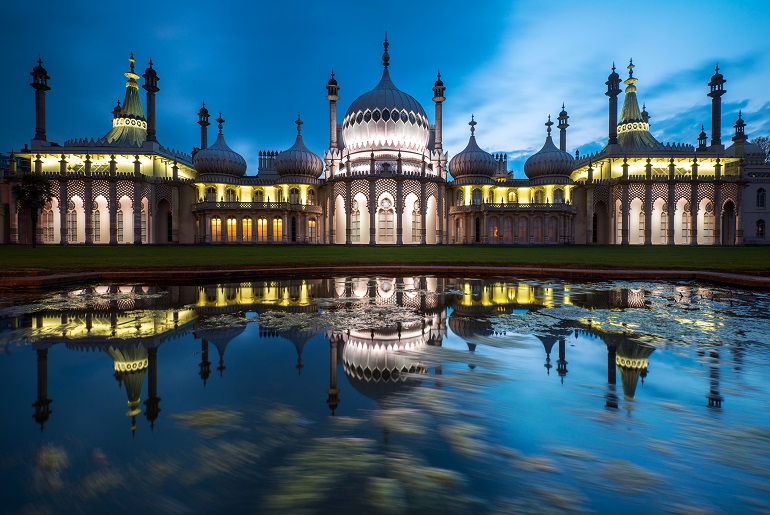
Brighton has always been synonymous with party since Prince Regent (later to become King George IV) came here to lead a life of debauch and luxury. It is him who commissioned the gobsmacking Royal Pavilion. This exotic Mogul-Indian palace may seem well out of place on a beach in southern England, and its Chinese interior even more outlandish. Imagine the reaction of the locals (that is, all Europeans, not just Brightonians) when they saw these proud bulbous domes at the time of the pavilion's completion in 1822.
Interesting Facts about Brighton
- Brighton and Hove officially became a city in 2000 as part of the millennium celebrations.
- The Duke of York's Picturehouse, opened in 1910, is the oldest cinema in continuous use in Britain.
- Brighton Dome hosted the Eurovision Song Contest in 1974, where ABBA won with their hit song "Waterloo".
- Volk's Electric Railway, opened in 1883, is the world's oldest operating electric railway.
- Brighton Palace Pier attracts over 4 million visitors annually, making it the UK's most visited pier.
- With approximately 1,650 hours of sunshine per year, Brighton is one of the sunniest spots in the UK.
- In 1997, residents reported small fish falling from the sky during a storm, believed to have been scooped up by a waterspout.
- The Royal Pavilion was built as a lavish party palace for King George IV.
- Brighton Marina is the largest man-made marina in Europe, covering 127 acres.
- Britain's first official naturist beach opened in Brighton in 1979.
- Brighton is considered the second most haunted city in Britain after York.
- During World War II, Hitler reportedly ordered that Brighton should not be bombed, as he wanted the Royal Pavilion as his seaside home.
- There are approximately 614,600,000 pebbles along Brighton's 6 miles of beach.
- Brighton has more restaurants per capita than anywhere else in the country, with a ratio of 1 restaurant for every 250 people.
- The haunting remains of the West Pier, destroyed by fire and storms, are still visible on Brighton's seafront.
History
Brighton's history is a tale of transformation from a humble fishing village to a vibrant seaside resort. Originally known as Brighthelmstone, the town's earliest recorded mention dates back to the 11th century when it was owned by Earl Godwin. The settlement gradually grew, with East Street, West Street, Ship Street, and Middle Street being built in the early 14th century. However, Brighton faced numerous challenges, including French attacks in the 16th century and severe coastal erosion that destroyed the lower town by the early 18th century.
The town's fortunes changed dramatically in the mid-18th century when Dr Richard Russell moved to Brighton and began promoting the health benefits of seawater. This sparked Brighton's transformation into a fashionable health resort, attracting visitors from across England. The arrival of the Prince of Wales (later George IV) in 1783 further elevated Brighton's status, leading to the construction of the iconic Royal Pavilion. The opening of the London-to-Brighton railway line in 1841 marked a turning point, bringing a flood of tourists and causing Brighton's economy and population to boom.
Throughout the 19th and 20th centuries, Brighton continued to evolve as a popular seaside destination. The town saw the construction of its first pier, the Chain Pier, in 1823, followed by the Royal Suspension Chain Pier in 1823. Brighton's growth as a cultural hub was marked by events such as the first Brighton Festival in 1967 and hosting the Eurovision Song Contest in 1974. Today, Brighton remains a vibrant city, known for its diverse community, cultural events, and iconic landmarks, continuing to attract visitors seeking both health and pleasure by the sea.
Main Attractions
The Royal Pavilion
The Royal Pavilion stands as Brighton's most iconic landmark, a testament to the city's regal history and unique architectural style. Built in 1787 as a seaside retreat for King George IV, this Grade I listed building features a distinctive blend of Regency architecture with Indian and Chinese-inspired aesthetics. The exterior of the Royal Pavilion is immediately recognisable, showcasing distinctive domes and minarets that set it apart from typical British architecture of its time. Inside, visitors can explore a series of lavishly decorated rooms that reflect the extravagant tastes of the Georgian era. The Banqueting Room, one of the most impressive spaces, features a magnificent 30ft chandelier suspended from the ceiling, creating a sense of grandeur and opulence. The Music Room is equally stunning, adorned with nine lotus-shaped chandeliers and intricately painted dragons, demonstrating the strong Oriental influences in the building's design. The Royal Pavilion is surrounded by Regency gardens, designed by the renowned architect John Nash, which are also open to the public and provide a serene space for relaxation amidst the bustling city. Admission to the Royal Pavilion is £17 for adults and £10.50 for children aged 5-18, making it an accessible attraction for families and history enthusiasts alike.
Brighton Palace Pier
Brighton Palace Pier, a Victorian pier extending into the English Channel, is one of the city's most popular and enduring attractions. Opened in 1899, the pier has been a central feature of Brighton's seafront for over a century, offering visitors a quintessential British seaside experience.

The pier is home to a variety of entertainment options, including traditional arcades where visitors can try their luck at classic games, and a range of amusement rides suitable for all ages. Thrill-seekers can enjoy rides like the Turbo Coaster, while younger visitors might prefer the more sedate carousel or dodgems.
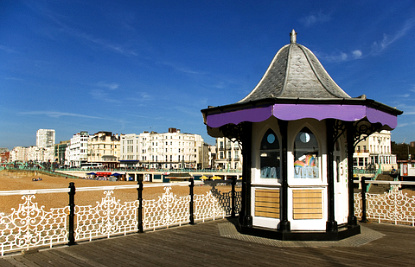
The pier also boasts an array of restaurants and food stalls, including places to sample traditional British seaside fare such as fish and chips. One of the pier's main draws is the panoramic views it offers of the Brighton coastline, particularly beautiful at sunset when the sea and sky are painted in warm hues. The pier is free to enter, making it an accessible attraction for all visitors to Brighton.
The Seafront
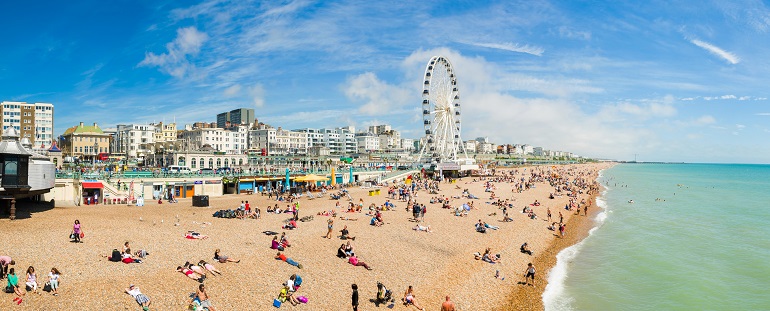
Brighton's seafront is a major attraction in its own right, with its pebble beach and bustling promenade drawing visitors throughout the year. The beach, while pebbly rather than sandy, is nonetheless popular for sunbathing and swimming during the warmer months. Visitors can rent deck chairs to relax on the beach in comfort, or take part in various water sports activities such as kayaking or paddleboarding. The promenade that runs along the seafront is lined with a diverse array of bars, restaurants, and cafes, offering everything from quick snacks to fine dining with sea views. Street performers and artists often set up along the promenade, adding to the lively atmosphere. The seafront is also home to several notable landmarks, including the iconic Brighton Bandstand, a Victorian structure that hosts concerts during the summer months.
Brighton Beach
Brighton Beach, while mentioned earlier as part of the seafront, deserves special attention as a key attraction in its own right. The pebble beach stretches for miles along the coast and is a quintessential part of Brighton's charm. Despite not being sandy, the beach is popular for swimming and sunbathing during the summer months, with the pebbles warming up nicely in the sun. The beach is divided into sections by wooden groynes, which help to prevent coastal erosion and create more intimate areas along the long stretch of coastline. Various water sports are available, including kayaking, stand-up paddleboarding, and windsurfing, with equipment rental available from beachfront operators. The beach is also home to several beach bars and clubs, particularly towards the Kemptown end, which come alive in the evenings with music and events. During the peak summer season, lifeguards patrol designated swimming areas, ensuring visitor safety.
West Pier
Brighton's West Pier, while no longer accessible, remains an iconic part of the city's seafront. The skeletal remains of this Grade I listed pier, which was opened in 1866 and closed in 1975, stand as a haunting and photogenic reminder of Brighton's past. Although ravaged by fires and storms, the West Pier's framework creates a striking silhouette against the sea and sky, particularly at sunset. Many visitors come to photograph the pier or simply admire its ghostly beauty. The area around the West Pier has been developed in recent years, with the addition of the i360 and new beachfront restaurants and bars, creating a vibrant atmosphere around this historic structure.
The Lanes
For those interested in shopping and exploring Brighton's historic quarter, The Lanes offer a unique experience. This network of narrow alleyways in the heart of the old town is known for its quirky shops, boutiques, and cafes. The area dates back to the late 18th century and retains much of its original character, with many buildings featuring distinctive Georgian and Victorian architecture. The Lanes are particularly known for their jewellery shops, with numerous independent jewellers offering everything from antique pieces to contemporary designs. Visitors can also find a variety of vintage and antique items, from clothing to homeware, in the many specialist shops that line these winding alleys. The area is also home to several excellent restaurants and traditional pubs, making it a popular spot for both shopping and dining.
North Laine
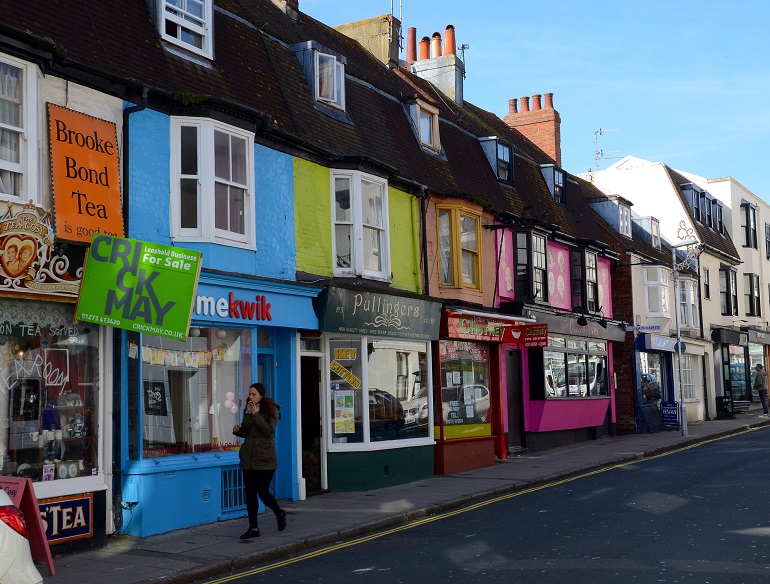
North Laine, Brighton's bohemian and cultural quarter, offers a different but equally engaging shopping and leisure experience. This area features over 400 independent shops, cafes, and entertainment venues spread across several streets north of the city centre. North Laine is known for its alternative and eclectic atmosphere, with shops selling everything from vintage clothing and vinyl records to handmade crafts and organic produce. The area is also a hub for Brighton's creative community, with many local artists and designers having studios or shops here. Visitors to North Laine will also notice the area's vibrant street art, with many buildings adorned with colourful murals and graffiti. The streets of North Laine are often bustling with activity, particularly on weekends, when locals and tourists alike come to browse the shops, enjoy the cafe culture, and soak up the unique atmosphere.
British Airways i360
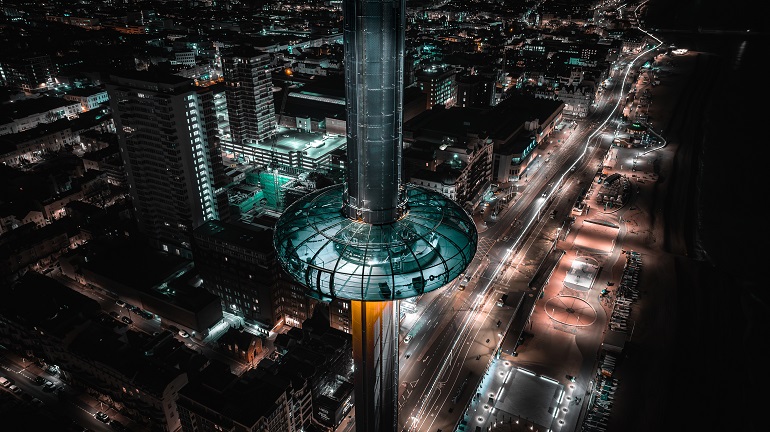
A more recent addition to Brighton's skyline is the British Airways i360, a modern attraction that offers unparalleled views of the city and beyond. Standing at 138 metres high, it holds the title of the world's tallest moving observation tower. Visitors ascend in a glass viewing pod that slowly rotates as it climbs, providing 360-degree views of Brighton, the South Downs, and on clear days, as far as the Isle of Wight. The experience lasts approximately 25 minutes, during which time visitors can enjoy the changing perspectives of the landscape below. At the base of the tower, there's a restaurant and gift shop, as well as an exhibition about the tower's construction and Brighton's history. The i360 is particularly impressive at night when it's illuminated, becoming a striking feature of Brighton's night-time skyline.
Brighton Marina
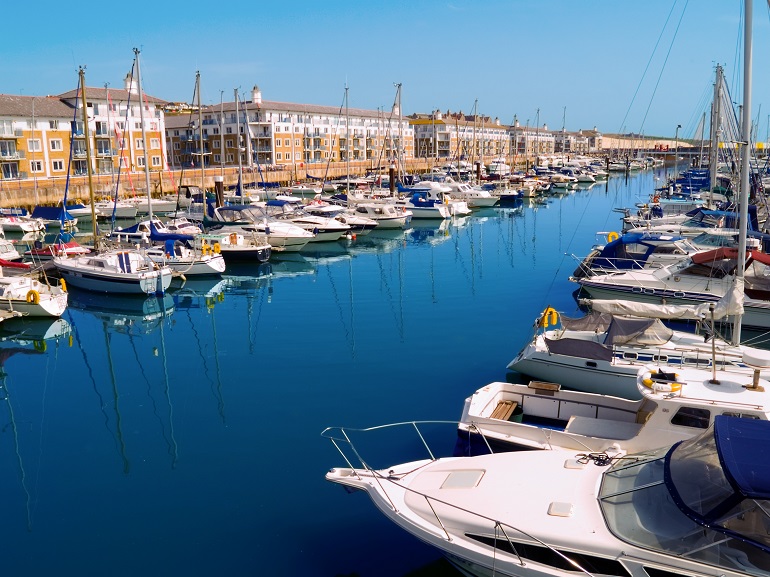
Brighton Marina, located to the east of the city centre, is Europe's largest marina complex and offers a range of attractions beyond its primary function as a harbour. Visitors can enjoy a stroll along the waterfront, admiring the array of boats and yachts moored in the marina. The complex includes a variety of restaurants and cafes, many with outdoor seating areas overlooking the water. There's also a multi-screen cinema, a bowling alley, and a casino for entertainment. The marina's boardwalk area features several shops, including some unique independent retailers. For those interested in getting out on the water, boat trips and fishing excursions depart regularly from the marina during the summer months.
Top Museums
The Royal Pavilion
The Royal Pavilion stands as an architectural marvel and a testament to Brighton's regal history. This exotic palace, with its distinctive Indian-style domes and Chinese-inspired interiors, was originally built as a seaside retreat for King George IV when he was still the Prince of Wales. The building's exterior is a stunning example of Indo-Saracenic architecture, its gleaming white domes and minarets creating a striking contrast against the blue Brighton sky.
Inside, visitors are transported to a world of opulence and extravagance. The Banqueting Room is a particular highlight, featuring a magnificent chandelier weighing over one tonne, suspended from the claws of a silvered dragon. The Music Room is equally impressive, with its vibrant colour scheme and intricate decorations. The Long Gallery, connecting these grand spaces, offers a more intimate glimpse into royal life.
The palace's kitchen is another must-see, showcasing the cutting-edge technology of its time. With its towering cast-iron columns and innovative cooking equipment, it provides insight into the behind-the-scenes workings of a royal residence. The Royal Pavilion's gardens, restored to their original Regency splendour, offer a peaceful retreat and a chance to admire the building's exterior from various vantage points.
Brighton Museum and Art Gallery
Situated in the cultural heart of Brighton, adjacent to the Royal Pavilion, the Brighton Museum and Art Gallery is a treasure trove of art, history, and culture. The museum's diverse collections span centuries and continents, offering visitors a comprehensive look at both local and global heritage.
The Fashion and Style Gallery is a particular draw, featuring clothing and accessories from the 1750s to the present day. It includes pieces by renowned designers and explores how fashion has evolved over time. The 20th Century Art and Design Gallery showcases an impressive collection of decorative arts, including furniture, ceramics, and textiles, with a focus on the influential Art Nouveau and Art Deco movements.
The museum's World Art collection is equally impressive, featuring artefacts from Africa, Asia, the Pacific, and the Americas. This collection offers insights into diverse cultures and artistic traditions from around the globe. The Fine Art collection includes works by both British and European artists, spanning from the Renaissance to the present day.
Local history is well-represented in the museum's galleries dedicated to Brighton & Hove's past. These exhibits trace the city's evolution from a small fishing village to a fashionable seaside resort and beyond. The museum also hosts a variety of temporary exhibitions throughout the year, ensuring there's always something new to discover.
SEA LIFE Brighton
SEA LIFE Brighton holds the distinction of being the world's oldest operating aquarium, having first opened its doors in 1872. This Victorian-era attraction has been carefully modernised while retaining much of its original charm, creating a unique blend of historical architecture and contemporary marine conservation.
The aquarium is home to over 5,500 sea creatures, representing more than 100 species. Visitors can marvel at the diverse marine life, from colourful tropical fish to graceful sea turtles and imposing sharks. The ocean tunnel is a highlight, allowing guests to walk beneath the waters and observe marine life from a unique perspective.
SEA LIFE Brighton is also committed to marine conservation, participating in breeding programmes for endangered species and educating visitors about the importance of protecting our oceans. Interactive exhibits and feeding demonstrations provide engaging learning experiences for visitors of all ages.
Booth Museum of Natural History
The Booth Museum of Natural History offers a fascinating journey through the natural world, with a particular focus on British wildlife. Founded in 1874 by naturalist and collector Edward Thomas Booth, the museum houses an extensive collection of birds, butterflies, fossils, and bones.
The museum's Victorian roots are evident in its impressive collection of taxidermy, particularly its bird dioramas. These intricate displays showcase various species in recreated natural habitats, providing a unique perspective on British birdlife. The museum's butterfly collection is equally impressive, featuring specimens from around the world.
Geology enthusiasts will appreciate the museum's extensive fossil collection, which includes locally found chalk fossils as well as specimens from further afield. The osteology (bone) collection is another highlight, featuring skeletons of various animals, including a killer whale suspended from the ceiling.
Hove Museum of Creativity
Housed in a Victorian villa, the Hove Museum of Creativity celebrates human ingenuity and artistic expression across various mediums. The museum's eclectic collections span crafts, fine art, toys, film, and local history.
One of the museum's most striking features is Jaipur Gate, a magnificent carved wooden structure that originally formed part of the Indian Palace's display at the Colonial and Indian Exhibition in London in 1886. This piece beautifully exemplifies the fusion of Indian craftsmanship with English design that was popular during the Victorian era.
The Wizard's Attic is a particular favourite among younger visitors. This magical space is filled with toys from different eras, allowing children (and adults) to explore the history of play. The museum's fine art collection includes works by local artists as well as nationally recognised figures, providing a diverse representation of artistic styles and periods.
The museum's craft gallery showcases contemporary crafts, highlighting the skill and creativity of modern artisans. This space often features rotating exhibitions, ensuring there's always something new to discover. The local history gallery offers insights into Hove's past, from its early days as a small fishing village to its development as part of the larger Brighton & Hove urban area.
Brighton Toy and Model Museum
Tucked away in the Victorian arches beneath Brighton Railway Station, the Brighton Toy and Model Museum is a nostalgic wonderland for visitors of all ages. Housing over 10,000 toys and models, this museum offers a comprehensive look at the history of play and model-making from the mid-19th century to the present day.
The museum's collection of model trains is particularly impressive, featuring rare and valuable sets from manufacturers like Hornby, Märklin, and Bassett-Lowke. The working model railway layouts are a highlight, bringing these miniature worlds to life with intricate detail and moving parts.
Beyond trains, the museum showcases a wide variety of toys and models. Visitors can admire collections of dolls and dollhouses, teddy bears, tin plate toys, and die-cast models. The museum's collection of Meccano sets is one of the finest in the world, demonstrating the evolution of this popular construction toy over the decades.
One of the museum's unique features is its collection of coin-operated models and games from the early 20th century. These rare surviving examples of early arcade entertainment provide a glimpse into the leisure activities of past generations.
Old Police Cells Museum
The Old Police Cells Museum offers a unique perspective on Brighton's law enforcement history. Located in the basement of Brighton Town Hall, this atmospheric museum allows visitors to step back in time and experience the conditions of a Victorian police station and jail.
The museum's exhibits trace the evolution of policing in Brighton from the 19th century to the present day. Visitors can explore the original cells, complete with prisoner graffiti that offers poignant and sometimes humorous insights into the experiences of past inmates.
One of the museum's most intriguing features is its focus on the development of women's roles in policing. Exhibits highlight the challenges faced by early female officers and the gradual integration of women into all aspects of police work.
The museum also houses a collection of police memorabilia, including uniforms, equipment, and photographs that illustrate how policing methods and technology have changed over time. Crime scene investigation techniques are another area of focus, with displays showing how forensic science has evolved to become a crucial tool in modern policing.
Fishing Museum
Situated on Brighton's bustling seafront, the Fishing Museum celebrates the city's maritime heritage. Before Brighton became a fashionable seaside resort, it was primarily a fishing town, and this museum helps to preserve and share that important aspect of local history.
The museum's collection includes a variety of fishing boats, including traditional Sussex clinker boats that were once a common sight along the coast. Visitors can learn about the different fishing techniques used over the years and the types of fish that have been important to the local economy.
Displays of fishing gear, from nets and lines to lobster pots, provide insight into the practical aspects of the fishing trade. The museum also houses a collection of photographs and documents that trace the history of Brighton's fishing community, offering a glimpse into the lives of the families who have made their living from the sea for generations.
One of the museum's most engaging features is its audio-visual displays, which bring to life the sights and sounds of Brighton's fishing past. These include recordings of local fishermen sharing their experiences and stories, adding a personal touch to the historical exhibits.
Brighton Museum of Penny Slot Machines
For a dose of seaside nostalgia, the Brighton Museum of Penny Slot Machines offers a unique and entertaining experience. Located on the seafront, this museum houses a collection of vintage coin-operated machines from the early 20th century.
Visitors can try their luck on a variety of restored penny slot machines, including fortune tellers, strength testers, and early arcade games. Many of these machines still operate on old pennies, which can be purchased at the museum, allowing guests to experience these amusements as they would have been enjoyed decades ago.
The museum also features a collection of vintage automata, mechanical figures that come to life with the insertion of a coin. These intricate machines, with their often humorous or macabre themes, offer a fascinating glimpse into popular entertainment of the past.
Doris Museum of Childhood
The Doris Museum of Childhood, named after its founder Doris Littlewood, is a charming small museum dedicated to preserving and sharing memories of childhood from the Victorian era to the mid-20th century. Located in a historic building in the Lanes area of Brighton, this museum offers a nostalgic journey through the toys, games, and everyday objects that shaped the experiences of children in the past.
The museum's collection includes a wide range of items, from dolls and teddy bears to board games and children's books. Visitors can explore recreated children's bedrooms from different eras, each filled with period-appropriate toys and furnishings. The museum also houses a collection of school memorabilia, including old textbooks, uniforms, and classroom equipment.
One of the museum's most popular features is its hands-on area, where visitors can play with reproductions of vintage toys and games. This interactive element helps to bring the exhibits to life and allows visitors of all ages to connect with the experiences of children from the past.
Local Cuisine
Visitors must try the iconic fish and chips, a staple of any coastal town, but Brighton offers so much more. Indulge in Brighton Rock, a sweet peppermint treat perfect for a beachside stroll, or savour the Seven Good Things of Sussex, which includes delicacies like Pulborough eel and Chichester lobster. For a unique breakfast experience, try the hearty Hashegeddon, a monstrous hash brown creation that's a local favourite. Don't miss out on Brighton Blue cheese, an award-winning local delicacy, or the famous Banoffee Pie, which originated in nearby Jevington. To wash it all down, sample some Brighton Gin, a locally distilled spirit that has garnered national acclaim. For those with a penchant for international flavours, Brighton's diverse restaurant scene offers everything from authentic Neapolitan pizzas to Japanese tapas, ensuring there's something to satisfy every palate.
Shopping
The Lanes, a network of narrow alleyways, features independent boutiques, antique shops and jewellers. North Laine, known for its bohemian atmosphere, houses over 300 unique shops in less than half a square mile, offering vintage clothing, handmade crafts and eclectic gifts. For mainstream retail, Churchill Square Shopping Centre provides over 70 high street brands under one roof. Brighton Marina combines waterfront dining with specialist stores, while local markets like the Open Market and Brighton Market showcase fresh produce, artisanal goods and vintage finds. Kemp Town and Hove offer quieter shopping experiences with independent retailers and charming boutiques.
Nature in and around Brighton
The city boasts a 5.4-mile stretch of shingle beach along its seafront, with a flat sandy foreshore exposed at low tide. Nature enthusiasts can visit Preston Park, a picturesque green space with vibrant lawns and tranquil ponds, or explore Stanmer Park, which offers rolling hills, woodlands, and meadows perfect for leisurely strolls. Just outside Brighton, the South Downs National Park provides breathtaking landscapes and opportunities for hiking, cycling, and wildlife observation. The Seven Sisters Country Park, located in East Sussex, showcases stunning white chalk cliffs along the English Channel. For those seeking unique natural features, Devil's Dyke, a National Trust site, is renowned for being Britain's deepest and widest dry valley, offering panoramic views of the surrounding countryside. Additionally, Ditchling Beacon, the highest point in East Sussex, provides spectacular vistas of the Downs and is situated near an ancient Iron Age hillfort.
Preston Park
For those seeking green spaces, Preston Park offers a welcome respite from the bustling seafront and city centre. Located slightly north of the city centre, Preston Park is Brighton's largest urban park, covering 63 acres. The park features wide open lawns, formal gardens, and a variety of recreational facilities. Visitors can enjoy tennis courts, a bowling green, and a velodrome that hosts cycling events. The park is also home to the Preston Twins, reputedly the oldest and largest elm trees in the world. Throughout the year, Preston Park hosts various events, including the Brighton Marathon and Pride Brighton & Hove. The Rockery, located opposite the main park, is the largest municipal rock garden in the UK and offers a peaceful setting with winding paths, streams, and a diverse array of plants.
Getting There & Around
By train, Brighton is easily accessible from London with regular services running from Victoria, London Bridge, and Blackfriars stations, taking approximately one hour, whilst direct trains also operate from other major cities including Manchester, Birmingham, and Leeds.
By coach, National Express and other operators provide comfortable services from Victoria Coach Station in London and cities across the UK, though journey times are longer than rail travel, typically taking around two hours from London.
By car, Brighton is conveniently reached via the A23 from London, which becomes the A273 as you approach the coast, or alternatively via the M25 and A27 from other directions, with the seaside resort being approximately 50 miles south of central London and well-signposted throughout the journey.
Best Time to Visit
The best time to visit Brighton is during the summer months of July and August when the weather is at its warmest and sunniest. During this period, temperatures typically range from 22°C to 30°C, with long days boasting up to 10 hours of sunshine. The city comes alive with a vibrant atmosphere, bustling seaside attractions, and numerous events and festivals. However, it's worth noting that this is also the peak tourist season, so accommodation prices tend to be higher and crowds more substantial. For those seeking a balance between pleasant weather and fewer tourists, the shoulder seasons of late spring (May to June) and early autumn (September) offer mild temperatures and a more relaxed ambiance. Winter visits, while less popular, can still be enjoyable, with temperatures rarely dropping below 3°C, though one should expect more grey skies and occasional rainfall.