


 Ireland Guide
 Scotland Guide
 Wales Guide
| Contents |
|---|
Introduction
Northumberland National Park, established in 1956, covers 1,049 square kilometres of northern England's most remote and sparsely populated landscape, stretching from Hadrian's Wall in the south to the Scottish border in the north. As England's least populated national park, it encompasses the Cheviot Hills, vast moorlands, ancient forests, and sections of Hadrian's Wall World Heritage Site, offering visitors a chance to explore 2,000 years of history alongside some of the country's most pristine wilderness. The park holds Gold Tier Dark Sky status, making it one of the best places in England for stargazing, whilst its diverse terrain supports red squirrels, otters, and over 240 bird species. Popular activities include walking along Hadrian's Wall Path, hiking in the Cheviot Hills, visiting historic sites such as Housesteads Roman Fort, and exploring traditional Border Reiver country, with the park serving as a gateway to understanding both England's Roman heritage and its turbulent border history with Scotland.
Geography and Landscape
Overview
Northumberland National Park, situated in the far north of England, is renowned for its sweeping vistas, dramatic uplands, and tranquil valleys. Spanning over 1,000 square kilometres, it encompasses some of the most remote and unspoilt landscapes in the country, offering visitors a sense of wildness and solitude.
Distinctive Features
Cheviot Hills
- The Cheviot Hills dominate the northern part of the park, forming a natural border with Scotland.
- Rolling moorlands and rounded summits, with The Cheviot itself being the highest point at 815 metres.
- Deep glens and ridges create a rugged terrain, ideal for walkers seeking panoramic views.
Hadrian’s Wall
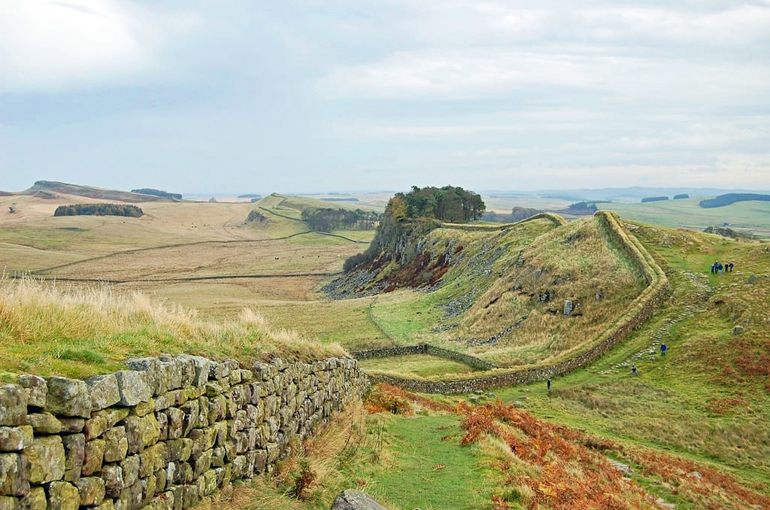
- The central section of the park is marked by the iconic Hadrian’s Wall, a UNESCO World Heritage Site.
- The Wall runs along the Whin Sill escarpment, a dramatic geological formation of dolerite rock.
- The landscape here is defined by steep crags, windswept ridges, and ancient Roman ruins.
River Valleys and Waterways
- Numerous rivers, including the North Tyne and Coquet, meander through the park, carving out lush valleys.
- These valleys provide a stark contrast to the uplands, with gentle slopes and fertile farmland.
Simonside Hills
- To the south, the Simonside Hills rise above the surrounding countryside.
- Known for their distinctive sandstone outcrops and heather-clad slopes, they offer striking vistas across the park.
Geological Highlights
- The park’s geology is varied, with ancient volcanic rocks, sandstones, and limestones shaping the land.
- The Whin Sill, a prominent ridge of hard volcanic rock, underpins much of the dramatic scenery in the central area.
- Glacial activity during the last Ice Age sculpted the hills and valleys, leaving behind distinctive features such as drumlins and meltwater channels.
Human Influence
- Evidence of human settlement is scattered across the landscape, from prehistoric hillforts to medieval castles and Roman remains.
- Dry stone walls, isolated farmsteads, and traditional villages are nestled within the valleys, blending harmoniously with the natural surroundings.
Dark Skies
Northumberland National Park is recognised as an International Dark Sky Park. The absence of urban light pollution means the night skies are exceptionally clear, revealing a stunning canopy of stars.
Summary Table: Key Landscape Features
| Feature | Description |
|---|---|
| Cheviot Hills | Rolling moorland, highest point in the park |
| Hadrian’s Wall | Historic Roman wall on dramatic escarpment |
| Simonside Hills | Sandstone ridges and heather moorland |
| River Valleys | Meandering rivers and lush, green valleys |
| Whin Sill | Volcanic rock formation, striking crags |
| Dark Sky Area | Exceptional stargazing opportunities |
Flora and Fauna
Fauna
Mammals
- Red Squirrels: Still present in many woodlands, these native creatures are best spotted at Kielder Forest, one of their last strongholds in England.
- Roe Deer: The only native deer species regularly seen in the park, often glimpsed at dusk in small groups.
- Feral Goats: Roaming the Cheviot Hills, these hardy animals have grazed the uplands for centuries.
- Otters: Found along the park’s clean rivers, especially in quieter stretches.
- Bats and Badgers: Pipistrelle bats flit at sunset, while badgers emerge from their setts in woodland areas.
Birds
- Curlew: The emblem of the park, this large wader with its haunting call breeds on the moorland edges in spring.
- Grouse: Both red and the rarer black grouse inhabit the heather moors.
- Barn Owls: Often seen hunting at dusk, especially along field margins.
- Dippers and Grey Wagtails: Common along fast-flowing rivers, these birds are a delight for keen-eyed visitors.
- Puffins, Guillemots, and Seabirds: While more common on the coast and islands, such as the Farne Islands, seabirds can be spotted in the wider region.
Other Wildlife
- Grey and Common Seals: Occasionally seen basking along the coastline or swimming offshore.
- Salmon and Sea Trout: Rivers teem with migrating fish, especially during late summer and autumn.
Flora
Moorland and Grassland
- Heather: Purple heather dominates the uplands in late summer, creating sweeping vistas.
- Wildflowers: Species such as Heath Bedstraw, Goldenrod, Wild Thyme, and Wood Crane’s-bill add colour to the moors and grasslands.
- Rare Plants: Look for Maiden Pink and Northern Hawk’s-beard in select meadows and hillsides.
Woodland
- Ancient Trees: Oak, ash, and juniper are common in older woodlands.
- Spring Wildflowers: Bluebells, wood anemones, and wild daffodils carpet the woodland floor in spring.
- Specialities: Herb Paris and Jacob’s Ladder are among the rarer woodland plants.
Wetlands and Rivers
- Water Crow-foot: This floating buttercup brightens many streams.
- Marsh Orchids: Early summer brings a profusion of marsh and spotted orchids to damp meadows and riverbanks.
Coastal and Unusual Habitats
- Thrift and Sea Campion: Thrive on cliffs and dunes near the coast.
- Calaminarian Grassland: Unique to areas with metal-rich soils, supporting delicate mountain pansies and other specialists.
Nature Watching Tips
- Wildlife Hides: Visit Kielder Castle for red squirrels or Druridge Pools for wading birds and waterfowl.
- Best Seasons: Spring and early summer are ideal for wildflowers and birdwatching; autumn brings salmon runs and spectacular foliage.
Activities and Attractions
Northumberland National Park is a haven for outdoor enthusiasts, offering a rich tapestry of landscapes, from rolling hills and ancient woodlands to dramatic waterfalls and tranquil valleys. While Hadrian's Wall is a famous draw, the park boasts a wealth of other activities and attractions that promise memorable adventures across its 400 square miles of protected countryside.
Comprehensive Guide to Hiking Trails
Walking is at the heart of the Northumberland National Park experience. With over 600 miles of marked footpaths, the park provides routes for all abilities, from gentle ambles to challenging hill climbs. The landscape offers everything from riverside walks to breathtaking ridge walks across heather-clad moorland.
Challenging Full-Day Hikes
The Cheviot Walk
- Distance: 8 miles (13 km)
- Duration: Full day
- Difficulty: Challenging
- Start/End: Langleeford
- Highlights: Ascend to the highest point in Northumberland at 815 metres (2,670 feet). The route traverses Cairn Hill and Scald Hill, offering panoramic views of the North Sea and the Simonside Hills on clear days. The climb is demanding but the sense of achievement and vistas from the summit are exceptional. The hike includes a pleasant flat section along Harthope Burn to compensate for the uphill climbing.
Otterburn Ranges
- Distance: 8.2 miles (13 km)
- Duration: 5 hours
- Difficulty: Moderate
- Highlights: The Otterburn Ranges offer a peaceful and often overlooked hiking experience through high-level moorland terrain. The area is open to the public at certain times and features a mix of hills, loughs, and woodlands. Wildlife enthusiasts may spot wild goats, moorland birds, and if fortunate, rare black grouse. Always check access times before setting out.
Half-Day and Moderate Hikes
Simonside Hills
- Distance: 4.5-7.4 miles (7-12 km) depending on route
- Duration: 3-4 hours
- Difficulty: Moderate
- Start/End: Simonside car park
- Highlights: This circular route takes you through heather-clad moorland and up to distinctive sandstone summits formed from river delta deposits 330 million years ago. The views from the ridge are breathtaking, especially when the heather is in bloom during summer months. The walk passes by Bronze Age cemetery sites and ancient woodland. Navigation is straightforward thanks to cairns marking the summits. The route crosses Cauldhole Moss, a boggy area steeped in local folklore about will o' the wisps.
Alwinton and Harbottle
- Distance: 4.4 miles (7 km)
- Duration: 2.5 hours
- Difficulty: Moderate
- Start/End: Alwinton village
- Highlights: This walk explores the scenic Coquetdale area, passing through historic villages alongside rivers and up gentle hills for rewarding views. The tiny village of Alwinton sits where the plains of the middle reaches of the River Coquet begin to narrow towards Coquet Gorge, positioned between the fell sandstones to the south and the volcanic Cheviot Hills to the north.
Thrunton Woods
- Distance: Various routes available
- Difficulty: Range of abilities
- Highlights: Perfect for outdoor enthusiasts seeking different walks for all abilities with stunning views in all weather conditions. The area offers both biking and hiking trails through beautiful woodland terrain.
Family-Friendly and Easy Walks
Hareshaw Linn
- Distance: 3 miles (5 km)
- Duration: 2 hours
- Difficulty: Easy to moderate
- Start/End: Bellingham
- Highlights: A woodland walk leading to the stunning Hareshaw Linn waterfall. The trail winds through enchanting ancient woodland filled with moss-covered rocks, ferns, and over 300 different types of mosses, liverworts, and lichen. The well-maintained path includes several footbridges crossing the Hareshaw Burn. Wildlife spotting opportunities include great spotted woodpecker, badgers, red squirrels, and Daubenton's bats. The 18-metre waterfall is particularly spectacular after heavy rainfall.
Flagstone Burn
- Distance: 2 miles (3 km)
- Duration: 1 hour
- Difficulty: Easy
- Start/End: Falstone
- Highlights: An easy walk suitable for all abilities along the picturesque Falstone Burn. Wildlife enthusiasts can spot kestrels, buzzards, roe deer, and red squirrels along the route.
Elsdon Burn
- Distance: 3.5 miles (6 km)
- Duration: 2 hours
- Difficulty: Easy
- Highlights: A family-friendly walk on the park's eastern edge, featuring historical sites including a 12th-century church, the Mote Hills earthworks, and a Northumbrian Pele tower. Wildlife watchers can look out for little owls and brown hares. The route combines open countryside with historical interest.
Reaveley Farm Family Stroll
- Distance: 2.7 miles (4.3 km)
- Duration: 2 hours
- Difficulty: Easy
- Start/End: Ingram National Park Visitor Centre
- Highlights: This circular walk follows quiet roads along the River Breamish and is suitable for families with pushchairs, dogs, and mobility-impaired users. The route takes in tranquil woodlands and views of impressive earthworks at Heddon Hill, with opportunities to spot kestrels, red kites, herons, and otters.
Walltown Crags Family Walks
- Distance: 2.5-3.7 miles (4-6 km)
- Duration: Varies
- Difficulty: Easy (pushchair-friendly)
- Highlights: English Heritage offers three different walks around Walltown Crags with well-maintained paths suitable for families with children and pushchairs. All routes offer dramatic views of the surrounding countryside and opportunities to visit Roman forts and milecastles along Hadrian's Wall.
Waterfall Walks
Linhope Spout
- Distance: Varies depending on route
- Highlights: An 18-metre waterfall set in the heart of the park, accessible via a scenic walk through the Breamish Valley. The waterfall is located in the Cheviot Hills area and provides excellent opportunities for photography and nature appreciation.
Drake Stone and Harbottle
- Distance: 2.5 miles (4 km)
- Highlights: A circular route around the mystical Drake Stone, offering panoramic vistas and a connection to local legend and folklore.
Riverside and Valley Walks
Rothbury Riverside Walk
- Distance: Various routes available
- Difficulty: Easy to moderate
- Highlights: Scenic walking areas along the River Coquet near the charming market town of Rothbury. The town serves as the 'Capital of Coquetdale' and provides an excellent base for walkers with independent shops and welcoming atmosphere.
Cycling and Mountain Biking
Northumberland National Park is a cyclist's paradise, with quiet country lanes and over 100 miles of purpose-built trails. The terrain varies from gentle riverside paths to challenging upland tracks, catering to all skill levels.
Key Cycling Routes
- The Sandstone Way: A purpose-built trail offering thrilling rides through varied terrain
- Otterburn Ranges routes: Challenging upland tracks with spectacular moorland views
- Coquetdale circuits: Scenic routes following river valleys and gentle hills
- Thrunton Woods: Dedicated biking trails through woodland terrain
Facilities and Services
Kielder Water, on the park's edge, provides additional cycling opportunities with a 26-mile lakeside trail. Equipment hire and day tickets are available for visitors who don't have their own bikes.
Water-Based Activities
Kielder Water
Located on the park's edge, Kielder Water serves as a hub for various water sports including:
- Canoeing and kayaking: Equipment hire available with day tickets
- Sailing: Facilities for both beginners and experienced sailors
- Paddleboarding: Growing in popularity on the calm waters
- Fishing: Pristine waters offer excellent angling opportunities
Other Water Activities
The park's pristine rivers provide additional opportunities for:
- River fishing: Clean, well-maintained waterways
- Wild swimming: In designated safe areas
- Nature photography: Waterside wildlife and landscapes
Adventure and Adrenaline Activities
For those seeking excitement beyond traditional hiking, the park and surrounding areas offer:
Organised Adventure Activities
- Archery: Traditional and modern equipment available
- Abseiling: Supervised descents from natural rock faces
- Zip wires: Forest canopy adventures
- High ropes courses: Challenging aerial obstacle courses
- Rock climbing: Excellent crags throughout the park
Extreme Sports
- Coasteering: Combining swimming, climbing, and jumping along coastal areas
- Paintballing: Team-building activities in woodland settings
- Quad biking: Off-road adventures through varied terrain
Attractions and Points of Interest
Visitor Centres and Educational Facilities
The Sill: National Landscape Discovery Centre
Located near Once Brewed, The Sill is an innovative visitor centre featuring:
- Interactive exhibitions: Covering the park's landscapes, geology, and history
- Rooftop viewing platform: Panoramic views across the countryside
- Educational workshops: Regular events for all ages
- Café and accommodation: Youth hostel facilities available
- Architecture: Building design inspired by local landscape
Walltown Country Park
- Visitor centre: Information and educational displays
- Recreational facilities: Picnic areas and children's play park
- Willow maze: Family-friendly attraction
- Wildflower meadows: Orchids bloom in summer months
- Lakes and walkways: Restored Victorian quarry site
Historic Sites and Ruins
Thirlwall Castle
- Period: Medieval fortress
- Location: Perched above the Tipalt Burn
- Features: Well-preserved ruins with commanding views
Harbottle Castle
- Period: Norman castle
- Features: Remains offer commanding views over surrounding countryside
- Access: Various walking routes lead to the site
Scenic Villages and Market Towns
Rothbury
Known as the 'Capital of Coquetdale,' this charming market town offers:
- Shopping: Independent shops and local crafts
- Dining: Traditional pubs and cafés
- Accommodation: Range of options for visitors
- Location: Excellent base for exploring the River Coquet area
Elsdon
A picturesque village featuring:
- Medieval church: 12th-century architecture
- Pele tower: Traditional Northumbrian defensive structure
- Village green: Traditional English village setting
- Historical significance: Rich heritage dating back centuries
Unique Experiences
Heatherslaw Light Railway
- Type: Heritage steam train
- Route: Leisurely ride through countryside
- Suitability: Perfect for families and those seeking a different perspective of the park
- Experience: Traditional railway journey through scenic landscapes
Ranger-Led Activities
During summer months, the park offers:
- Nature walks: Led by knowledgeable rangers
- Wildlife-spotting sessions: Expert guidance for animal observation
- Educational talks: Covering conservation and park management
- Hands-on activities: Interactive learning experiences
Ranger School
- Target age: 11-14 years
- Duration: Four-day programme
- Location: Based at The Sill National Landscape and Discovery Centre
- Activities: Conservation work, map reading, navigation skills, and understanding ranger roles
Stargazing and Dark Sky Experiences
Northumberland National Park forms part of the Northumberland International Dark Sky Park, one of the largest areas of protected night sky in Europe. This designation makes it an exceptional destination for astronomy enthusiasts.
Key Features
- Kielder Observatory: Regular stargazing events and educational programmes
- Minimal light pollution: Protected status ensures excellent viewing conditions
- Year-round activities: Seasonal astronomical events and workshops
- Photography opportunities: Exceptional conditions for astrophotography
Best Viewing Locations
- The Sill: Rooftop viewing platform for accessible stargazing
- Kielder Water area: Remote locations with minimal light interference
- Cheviot Hills: High altitude locations for optimal viewing
Geocaching and Modern Adventures
The park offers modern treasure-hunting experiences through geocaching, combining technology with outdoor exploration:
- GPS-based treasure hunting: Using coordinates to find hidden caches
- Family-friendly activity: Suitable for all ages
- Educational element: Learning about local geography and history
- Year-round availability: Weather-independent activity option
Horse Riding
The park's 700 miles of footpaths and rights of way include designated bridleways for equestrian activities:
- Scenic routes: Riding through varied landscapes with only the wind for company
- All abilities: Routes suitable for different riding experience levels
- Local stables: Equipment and guide services available
- Traditional experience: Exploring the countryside as it has been done for centuries
Running and Trail Running
For those preferring to explore on foot at pace:
- Trail running routes: Varied terrain from gentle paths to challenging hill routes
- Organised events: Regular running events and competitions
- Training opportunities: Ideal environment for fitness and endurance building
- Spectacular scenery: Motivation provided by stunning landscapes
Seasonal Activities and Events
Spring Activities
- Wildflower walks: Guided tours during blooming season
- Bird watching: Migration periods offer excellent opportunities
- Photography workshops: Capturing spring landscapes and wildlife
Summer Activities
- Heather blooming: Peak time for moorland walks, especially Simonside Hills
- Extended daylight: Longer days for extended hiking and activities
- Ranger programmes: Full schedule of guided activities and educational events
Autumn Activities
- Colour photography: Spectacular autumn foliage
- Harvest festivals: Local community events
- Comfortable hiking weather: Ideal temperatures for longer walks
Winter Activities
- Stargazing: Longer nights provide extended viewing opportunities
- Winter photography: Dramatic landscapes under snow
- Cosy pub visits: Traditional warming experiences after outdoor activities
Conclusion
Northumberland National Park offers an extraordinary diversity of activities and attractions beyond its famous Hadrian's Wall. From the challenging ascent of The Cheviot to gentle family strolls along ancient burns, the park caters to every outdoor enthusiast. The combination of over 600 miles of marked footpaths, purpose-built cycling trails, water sports facilities, and unique experiences like stargazing in one of Europe's largest dark sky areas makes it a truly exceptional destination.
If you wish to hike along Hadrian's Wall Path, please check our dedicated guide:
| Hadrian's Wall Path ※ |
|---|

|
Accommodation
Types of Accommodation
- Traditional Cottages: Scattered throughout picturesque villages and rolling hills, cottages provide a cosy base for exploring the park. Many feature original stonework, wood-burning stoves, and scenic views.
- Bed and Breakfasts: For a warm welcome and a hearty start to your day, local B&Bs offer comfortable rooms and the chance to sample regional produce.
- Hotels and Inns: Ranging from historic coaching inns to modern hotels, these establishments often blend period features with contemporary comforts.
- Campsites and Glamping: For those wishing to immerse themselves in nature, there are numerous campsites, some offering glamping pods, yurts, or shepherd’s huts for an upgraded outdoor experience.
- Self-Catering Lodges: Ideal for families or groups, lodges and holiday homes provide flexibility and space, often with facilities for walkers and cyclists.
What to Expect
- Scenic Locations: Many accommodations boast stunning views of the Cheviot Hills, rivers, or dark skies, making them perfect for stargazing.
- Local Hospitality: Expect friendly hosts and a relaxed pace of life, with plenty of local knowledge to help you make the most of your stay.
- Access to Activities: Whether you’re keen on hiking, cycling, wildlife spotting, or simply soaking up the tranquillity, you’ll find accommodation conveniently located for outdoor pursuits.
Practical Tips
- Book in Advance: The park is popular, especially during school holidays and peak walking seasons, so early booking is recommended.
- Check Facilities: Some rural locations may have limited mobile signal or internet access, and not all properties are pet-friendly.
- Sustainable Stays: Many providers are committed to eco-friendly practices, such as using renewable energy or supporting local suppliers.
Gastronomy
Local Flavours and Traditions
The park’s gastronomy is deeply rooted in its agricultural traditions. Expect to find dishes featuring locally reared lamb, beef, and game, reflecting the area’s rolling hills and expansive moorlands. Cheeses, often crafted in small dairies, showcase the creamy richness of Northumberland milk, while fresh eggs and seasonal vegetables are staples in many kitchens.
Wild Ingredients and Foraging
Foraging is a cherished activity in the park, with wild berries, mushrooms, and herbs making their way into both home cooking and restaurant menus. The rivers and streams winding through the park provide fresh trout and salmon, which are often smoked or served simply to highlight their natural flavours.
Sweet Treats and Baked Goods
No visit is complete without sampling traditional Northumbrian baked goods. From crumbly shortbread to rich fruit cakes, the area’s sweet treats are perfect for refuelling after a day of exploration. Many recipes have been handed down through generations, preserving the unique tastes of the region.
Contemporary Influences
While tradition remains at the heart of Northumberland’s food scene, there is also a growing movement towards modern British cuisine. Creative chefs are embracing local produce, crafting innovative dishes that pay homage to the area’s culinary roots while introducing contemporary flair.
Getting There and Around
Getting There
By Car
Northumberland National Park is most easily accessed by car, offering the greatest flexibility for exploring this vast wilderness area. The park stretches along the Scottish border and can be reached via several major routes:
From the South: Take the A1 northbound to Hexham, then follow the A69 westbound towards Carlisle. Various B-roads branch northward from the A69 into the park.
From Newcastle: Head west on the A69 via Hexham, or take the A696 north through Belsay towards Otterburn.
From Scotland: The A68 provides excellent access from Edinburgh, passing through the heart of the park near Byrness.
From the West: The A69 from Carlisle eastbound offers access to the western portions of the park.
By Public Transport
Train Services: The nearest railway stations are in Hexham and Haltwhistle on the Newcastle to Carlisle line. Both stations are served by regular services and provide good access to the southern edges of the park.
Bus Services: Several bus routes connect market towns around the park's periphery:
- Services run from Newcastle to Hexham, Bellingham, and Otterburn
- The Hadrian's Wall bus service operates seasonally along the A69
- Local buses connect Hexham with Bellingham and other villages
- Limited services reach Rothbury and Wooler on the eastern edges
Coach Services: National Express and other operators provide long-distance coach services to Newcastle, from where you can connect to local transport.
Getting Around the Park
By Car
A car remains the most practical way to explore Northumberland National Park's remote valleys and scattered attractions. The park's road network includes:
Major Routes:
- A68: Runs north-south through the eastern section
- A696: Connects to Otterburn and the central areas
- Military Road (B6318): Follows Hadrian's Wall along the southern boundary
Minor Roads: Numerous single-track and B-roads wind through the valleys, offering access to remote areas and starting points for walks. Many of these roads are steep and winding, requiring careful driving.
Public Transport Within the Park
Public transport within the park is limited, reflecting its rural nature:
Seasonal Services: During summer months, some specialised bus services operate to popular destinations like Kielder Water and parts of Hadrian's Wall.
Local Buses: A few routes serve main villages like Bellingham, Byrness, and Rothbury, but services are infrequent and may not operate on Sundays.
Community Transport: Some villages operate community bus schemes, particularly useful for accessing remote areas without private transport.
Walking and Cycling
The park is renowned for its walking opportunities, with numerous public footpaths and bridleways:
Long-Distance Paths: The Pennine Way, Hadrian's Wall Path, and St. Oswald's Way traverse the park, offering multi-day walking experiences.
Cycle Routes: The area includes sections of the Coast to Coast cycle route and numerous forest tracks around Kielder. Many roads are suitable for cycling, though traffic can be heavy on main routes during peak season.
Practical Transport Tips
Fuel: Petrol stations are scarce within the park, so ensure you have sufficient fuel before entering remote areas.
Weather Considerations: Mountain roads can be affected by snow and ice in winter. Check weather conditions before travelling to higher elevations.
Parking: Most attractions and trail heads have designated parking areas, though some popular locations fill up quickly during peak season.
Navigation: Mobile phone signals can be patchy in remote areas, so consider carrying a paper map or GPS device.
Accommodation Access: If staying in remote accommodation, confirm access arrangements as some locations may require walking from the nearest road.
Best Time to Visit
Northumberland National Park offers spectacular experiences throughout the year, with each season bringing its own unique charm and opportunities. Whether you're seeking wildflower meadows, stargazing adventures, or crisp winter walks, timing your visit can enhance your experience of England's most northerly national park.
Summer (June to August): Peak Season
Summer represents the optimal time for most visitors to Northumberland National Park. The warmest months of July and August offer the most comfortable conditions, with maximum daytime temperatures reaching 18°C and up to 10 hours of sunshine daily.
Why summer excels:
- Perfect hiking weather with mild temperatures and long daylight hours
- Ideal conditions for exploring Hadrian's Wall without battling harsh elements
- Boat trips to the nearby Farne Islands become readily available
- Beach days at Bamburgh and Beadnell complement your national park adventures
- Stargazing opportunities peak during summer's clear, long evenings
However, be prepared for busier trails and attractions during this peak season, particularly during school holidays.
Spring (March to May): Nature's Awakening
Spring emerges as an excellent alternative to summer, offering milder weather perfect for outdoor activities without the crowds. This season transforms the Cheviot Hills into a carpet of wildflowers, including coltsfoot, primroses, and bluebells.
Spring highlights:
- Wildflower displays across the park's heathlands and moorlands
- Puffin spotting on the Farne Islands as baby puffins arrive
- Osprey watching at nearby Kielder Water & Forest Park
- Comfortable temperatures for castle exploration and hiking
- Fewer crowds compared to summer months
The gradually warming weather makes spring particularly appealing for photographers and nature enthusiasts seeking to capture the park's awakening landscape.
Autumn (September to November): Tranquil Beauty
Autumn offers a peaceful alternative with stunning foliage and crisp, clear conditions perfect for hiking. The changing leaves create a breathtaking tapestry across the Northumbrian landscape, whilst cooler temperatures provide comfortable walking conditions.
Autumn advantages:
- Spectacular autumn colours throughout the park's woodlands
- Quieter trails with significantly fewer visitors
- Crisp, clear air ideal for photography and scenic walks
- Pleasant weather for exploring historic sites like Hadrian's Wall
- Harvest season atmosphere in surrounding villages
This season particularly appeals to couples and solo travellers seeking a more contemplative national park experience.
Winter (December to February): Dramatic Landscapes
Winter transforms Northumberland National Park into a serene wonderland, though it requires proper preparation for harsh conditions. Snow-dusted peaks and frost-tipped landscapes create unforgettable vistas, whilst the season offers the best stargazing opportunities.
Winter experiences:
- Exceptional night skies with minimal light pollution
- Snow-covered Cheviot Hills providing dramatic winter scenery
- Peaceful solitude on trails with very few other visitors
- Crisp winter walks offering refreshing outdoor experiences
- Historic atmosphere enhanced by winter's stark beauty
Note that daylight hours are significantly shorter, and weather conditions can be challenging, requiring appropriate winter gear and careful planning.
Weather Considerations
Temperature ranges:
- Summer: 16-18°C maximum, ideal for all activities
- Spring/Autumn: 8-16°C, perfect for hiking with layers
- Winter: 6-9°C, requiring warm clothing for outdoor activities
Rainfall patterns:
August typically sees the most precipitation (69mm), whilst other months remain relatively dry. The park experiences rain throughout the year, so waterproof clothing remains essential regardless of season.
Planning Your Visit
- For families: Summer offers the most reliable weather and longest days for exploring with children.
- For photographers: Spring and autumn provide the most dramatic lighting and seasonal colours.
- For stargazers: Winter months offer the clearest, darkest skies for astronomical observation.
- For hikers: Late spring through early autumn provides the most comfortable walking conditions.
- Booking considerations: Summer and school holidays require advance booking of at least 6 months, whilst off-season visits offer quieter experiences and lower prices.
Northumberland National Park rewards visitors in every season, but summer (June-August) remains the most popular choice for good reason, offering the perfect balance of weather, daylight, and accessibility to the park's magnificent landscapes and historic treasures.
Conservation and Responsible Tourism
Northumberland National Park is renowned for its tranquil landscapes, rich biodiversity, and historic heritage. The Park Authority is dedicated to conserving these unique qualities for future generations. Conservation efforts focus on:
- Protecting Flora and Fauna: The park is home to a diverse range of species and habitats, including rare upland moorlands and ancient woodlands. Conservation programmes work closely with landowners and farmers to safeguard biodiversity and prevent the loss of rare species.
- Landscape Management: The authority manages the landscape to prevent over-development, restore peatlands, and encourage natural processes such as tree planting and watercourse re-naturalisation. Recent initiatives, like the Hadrian’s Wall: Recovering Nature project, aim to create wilder, more resilient environments through rewilding and nature-first land management.
- Cultural Heritage: The park contains Roman ruins, Iron Age hillforts, and the iconic Hadrian’s Wall. Staff and volunteers are committed to protecting these historic treasures, ensuring that the area’s rich history remains accessible and intact.
- Sustainable Planning: All development within the park is carefully managed to maintain its special character, with conservation areas designated to preserve distinctive features and local heritage.
Despite these efforts, the park faces challenges such as limited funding, which impacts the scale and speed of conservation projects. Partnerships with local communities, charities, and visitors are vital for ongoing success.
Responsible Tourism
Responsible tourism is at the heart of Northumberland National Park’s ethos. Visitors are encouraged to enjoy the park’s beauty while minimising their environmental impact. Key principles of responsible tourism include:
- Leave No Trace: Tourists are urged to follow the ‘leave no trace’ principles, ensuring all rubbish is disposed of properly, avoiding single-use plastics, and leaving natural habitats undisturbed.
- Respect Wildlife: Observing wildlife from a distance and never feeding wild animals helps keep Northumberland’s wildlife truly wild. Special care should be taken during sensitive times such as nesting or breeding seasons.
- Support Local Communities: Responsible visitors use local businesses, book accommodation in advance, and respect the people who live and work in the park. This supports the rural economy and helps sustain traditional ways of life.
- Sustainable Activities: Walking, cycling, and public transport are promoted as eco-friendly ways to explore the park. Many routes and facilities are maintained to balance access with conservation.
- Mindful Camping: Wild camping is discouraged; instead, visitors are asked to use designated campsites and follow guidelines to protect the pristine environment.
- Offsetting Impact: Tourists are encouraged to offset their carbon footprint, for example by making donations to local rewilding projects.
The Park Authority regularly runs campaigns and educational programmes to inspire visitors to act as ambassadors for responsible tourism, ensuring the park remains a haven for both people and wildlife.
Visitor Centres and Educational Facilities
The Sill: National Landscape Discovery Centre
The Sill stands as the flagship visitor centre for Northumberland National Park, situated near the iconic Hadrian’s Wall. This award-winning, architecturally striking building is designed to be fully accessible, welcoming visitors of all ages and abilities. The Sill features:
- Permanent and temporary exhibitions that bring the park’s unique landscapes, geology, and heritage to life through interactive displays.
- A rooftop walk offering panoramic views of the surrounding countryside.
- A well-stocked shop and a café serving local produce.
- A youth hostel for those wishing to stay overnight.
- Regular events, workshops, and guided walks that appeal to families, walkers, and nature enthusiasts alike.
The Sill is an excellent starting point for exploring the park, with direct access to some of the most scenic stretches of Hadrian’s Wall and nearby walking and cycling routes.
Once Brewed National Park Centre
Located adjacent to The Sill, the Once Brewed Centre serves as both a National Park Centre and a Tourist Information Centre. Here, visitors can:
- Obtain detailed information on walking and cycling routes.
- Book local accommodation.
- Enjoy refreshments and browse local crafts.
- Access free internet and watch informative videos about the park and its history.
The centre is ideally placed for those planning to explore Hadrian’s Wall and the surrounding World Heritage Site.
Educational Facilities and Learning Opportunities
Learning at The Sill
The Sill offers a rich programme of educational activities for all ages, from school groups to adult learners. Facilities and opportunities include:
- School visits with tailored workshops that cover topics such as landscape, history, and conservation.
- Adult learning courses in subjects like landscape art, navigation, and wildlife identification.
- Interactive exhibits designed to inspire curiosity about nature, climate change, and the local environment.
- Ranger School: A unique summer holiday experience for children aged 11–14, offering hands-on learning with park rangers.
Outdoor and Environmental Education
Northumberland National Park provides a superb outdoor classroom, with activities such as:
- Wildlife discovery and environmental studies.
- Orienteering, bushcraft, and team-building sessions.
- Programmes designed to support the National Curriculum and promote environmental responsibility.
Specialist facilities, such as those at Kielder Water and Forest Park, offer inclusive outdoor learning experiences, including activities for visitors with disabilities.
Additional Educational Resources
- Northumberlandia Visitor Centre and other local centres provide further opportunities for environmental education and outdoor learning.
- Downloadable activity packs and self-led resources are available for groups wishing to explore independently.
Summary Table: Key Visitor Centres and Educational Facilities
| Facility Name | Features & Services | Location |
|---|---|---|
| The Sill | Exhibitions, rooftop walk, café, shop, youth hostel, workshops, educational programmes | Near Hadrian’s Wall |
| Once Brewed Centre | Info, route planning, accommodation booking, crafts, refreshments, internet access | Adjacent to The Sill |
| Kielder Water & Forest Park | Outdoor learning, inclusive activities, wildlife discovery, adventure sports | Kielder |
| Northumberlandia Visitor Centre | Environmental education, café, toilets, classroom facilities | Near Cramlington |
Northumberland National Park’s visitor centres and educational facilities offer a warm welcome and a wealth of experiences, ensuring every visitor—whether a family, school group, or solo explorer—can discover and learn about this remarkable landscape.