


 Ireland Guide
 Scotland Guide
 Wales Guide
| Contents |
|---|
Introduction
The small town of Arundel (pop. 4,000), between Chichester and Brighton, is home to the majestic Arundel Castle, which dominates the skyline alongside the gothic Arundel Cathedral. The castle, originally built in 1067 by Roger de Montgomery, has been the seat of the Dukes of Norfolk for over 850 years. This Norman fortress, set in 40 acres of sweeping grounds and gardens, has undergone numerous renovations and expansions over the centuries, resulting in a fascinating blend of medieval and early modern architecture. Visitors to Arundel can explore the castle's impressive art collection, including works by Van Dyck, Gainsborough, and Canaletto, as well as historical artefacts such as possessions of Mary, Queen of Scots. Beyond the castle, the town offers a wealth of listed buildings, independent shops, and scenic walks, including the picturesque Swanbourne Lake.
Interesting Facts about Arundel Castle
- Arundel Castle, built in 1068, has been the seat of the Dukes of Norfolk for over 850 years.
- The castle's motte, constructed in 1068, is the oldest feature of the structure.
- Arundel began as a Saxon village, with its name possibly derived from 'harhune dell', meaning horehound valley.
- During the English Civil War, Arundel Castle changed hands three times between Royalist and Parliamentary forces.
- Queen Victoria and Prince Albert stayed at Arundel Castle in 1846, prompting extensive renovations.
- The castle houses an impressive collection of artwork, including pieces by Van Dyck, Gainsborough, and Canaletto.
- Arundel Castle's grounds span 40 acres and include Tropical and English gardens, as well as a unique stumpery.
- The town of Arundel has had a Town Crier announcing news since 369 CE.
- Arundel's skyline is dominated by both the gothic Arundel Cathedral and the majestic castle.
- The castle's keep, built in the mid-12th century, offers stunning views of the River Arun and surrounding countryside.

History
Arundel's history stretches back to Roman and Saxon times when it served as an inland port. Dominating its skyline is the magnificent Arundel Castle, a testament to nearly a millennium of British history. The castle was originally established in 1067 by Roger de Montgomery, a loyal baron to William the Conqueror, who recognised the strategic importance of its location overlooking the River Arun. Over the centuries, Arundel grew into a vibrant hub, with its castle playing a central role in the town's identity. Today, visitors can explore not only the castle but also the picturesque streets of Arundel, which are steeped in history and charm.
Arundel Castle has witnessed significant historical events and transformations since its inception. Initially constructed as a motte-and-bailey fortress, it became a focal point during the tumultuous medieval period. In 1139, it provided refuge to Empress Matilda during her conflict with King Stephen. The castle passed through several noble families, including the FitzAlans and Howards, who shaped its development over generations. It endured sieges during the English Civil War and sustained damage before being restored in the 18th and 19th centuries under the Dukes of Norfolk. Notably, Queen Victoria and Prince Albert visited in 1846, prompting further renovations to accommodate their stay. Despite these changes, remnants of its Norman origins, such as the keep and gatehouse, remain intact.
Today, Arundel Castle is a treasure trove of history and art. Visitors can marvel at its Gothic architecture, explore its well-preserved Norman keep, and view an impressive collection of artwork by masters like Van Dyck and Gainsborough. The castle grounds feature stunning gardens, including tropical areas and a unique stumpery. The Fitzalan Chapel within the grounds offers insights into religious and family history tied to the Dukes of Norfolk. Whether climbing the keep for panoramic views or strolling through its lush gardens, Arundel Castle provides an unforgettable glimpse into England’s rich heritage.
Attractions
Arundel Castle
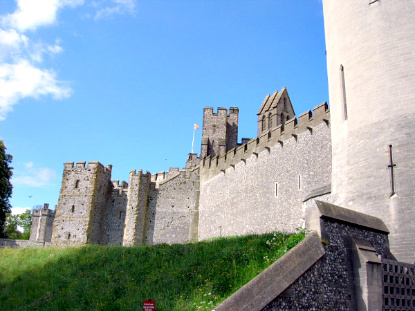
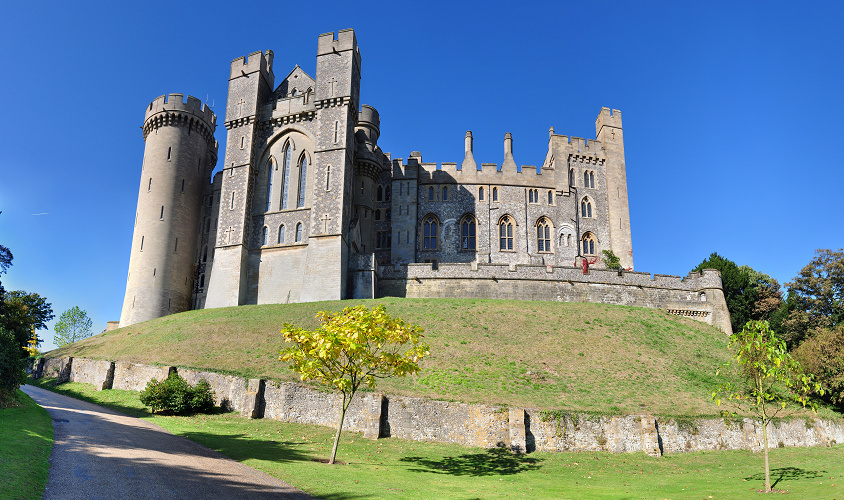
Arundel Castle stands as one of Britain's most impressive and complete medieval castles, commanding the landscape from its strategic position atop a hill in the picturesque South Downs of West Sussex. This magnificent fortress, with its distinctive round-shaped Norman keep and imposing gatehouse, creates a striking silhouette against the sky that has captivated visitors for centuries.
The castle's exterior presents an architectural journey through time, showcasing elements from the Norman period through to Victorian Gothic Revival. Its honey-coloured stone walls rise dramatically from the hillside, punctuated by crenellated towers and turrets that evoke tales of knights and nobility. The quadrangular layout encompasses a series of courtyards and buildings that reveal the castle's evolution over nearly a millennium.

Sumptuous State Rooms
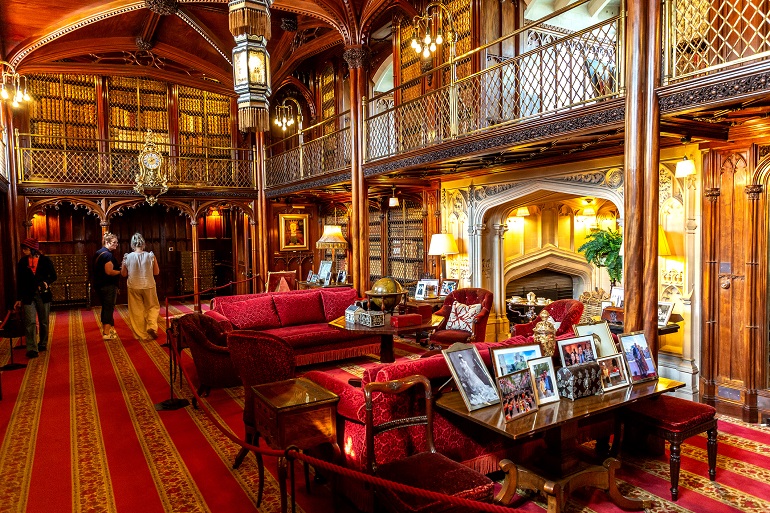
Upon entering the castle, visitors are transported into a world of aristocratic splendour. The Baron's Hall, with its soaring hammer-beam roof and intricate wood carvings, provides a magnificent example of medieval craftsmanship. The Drawing Room showcases exquisite Regency furniture and silk wall coverings in rich crimson hues, while the Library houses thousands of leather-bound volumes within oak shelving.
The castle's Picture Gallery is particularly noteworthy, displaying masterpieces by Van Dyck, Gainsborough, Reynolds, and Canaletto. Family portraits of the Dukes of Norfolk and their ancestors line the walls, offering glimpses into centuries of English aristocratic life. The Dining Room, set with gleaming silver and fine china, appears ready to host a formal dinner for nobility at a moment's notice.
Perhaps most impressive is the castle's collection of rare artefacts, including ornate suits of armour, medieval weaponry, and personal items belonging to Mary, Queen of Scots. Delicate tapestries adorn many walls, their intricate needlework depicting historical scenes and mythological tales that have retained their vibrant colours despite the passage of time.
The Fitzalan Chapel

The Fitzalan Chapel, located within the grounds of Arundel Castle, is a stunning example of Perpendicular Gothic architecture and serves as the private mausoleum of the Dukes of Norfolk. This Grade I-listed chapel forms the chancel of the Church of St Nicholas, uniquely divided into Roman Catholic and Anglican worship areas. The chapel's interior is adorned with intricate wood carvings, stained glass windows, and sculpted effigies on tombs of notable Fitzalan and Howard family members. Visitors are often drawn to its peaceful atmosphere and the rare cadaver tomb of John Fitzalan, alongside other remarkable historical features that reflect centuries of devotion and craftsmanship.
The Collector Earl's Garden
The internationally acclaimed Collector Earl's Garden represents the jewel in Arundel's horticultural crown. Designed by Isabel and Julian Bannerman and opened by HRH The Prince of Wales in 2008, this garden pays homage to Thomas Howard, 14th Earl of Arundel, known as 'The Collector' for his passion for art and antiquities.
This formal garden blends Jacobean elements with whimsical touches, creating a space that feels both historically authentic and enchantingly fantastical. Oak-framed domed pergolas draped with hornbeam create green architecture that frames views of the castle. The centrepiece, Oberon's Palace, features a shell-encrusted interior housing a stalagmite-like mountain with a floating gilded coronet suspended above a jet of water—a magical sight that delights visitors of all ages.
Throughout this garden, classical statuary and carved heraldic beasts stand sentinel amongst precisely clipped topiary and verdant planting. Fountains provide both visual interest and a soothing soundtrack as water cascades over carved stone features.
The Stumpery and Wild Gardens
One of Arundel's most distinctive garden features is the Stumpery, an imaginative Victorian-inspired landscape created from upturned tree stumps and gnarled roots. These weathered wooden sculptures form a naturalistic backdrop for shade-loving ferns, hostas, and woodland flowers. Moss-covered pathways wind between these arboreal sculptures, creating an atmosphere reminiscent of a fairy-tale forest.
Adjacent to the Stumpery lies the Wild Garden, where native wildflowers flourish in carefully managed meadows. In spring, carpets of bluebells create a hazy purple vista beneath ancient oak and beech trees. Later in the season, ox-eye daisies, red campion, and wild orchids add splashes of colour to the verdant landscape. This area exemplifies the castle's commitment to biodiversity and ecological gardening practices.
The Rose Garden
Set within what was once a medieval bowling green, Arundel's Rose Garden offers a sensory delight with its collection of heritage and English roses. Varieties chosen for their fragrance as well as their beauty fill the air with sweet perfume throughout summer. David Austin roses feature prominently, their full-petalled blooms in shades of cream, pink, and deep crimson creating a quintessentially English garden scene.
The roses are complemented by lavender borders, their purple spikes providing textural contrast and additional fragrance. At the centre of this garden stands an elegant stone fountain, its gentle splashing providing a soothing backdrop to the visual feast. Carefully positioned benches invite visitors to linger and absorb the tranquil beauty of this space.
The Fitzalan Chapel White Garden
Adjacent to the ancient Fitzalan Chapel lies a contemplative white garden, designed as a place of serenity and reflection. This monochromatic planting scheme features white roses, lilies, and phlox alongside silver-leaved plants such as artemisia and lamb's ears. The effect is particularly striking in the evening when the pale blooms seem to glow in the fading light.
The garden's design draws inspiration from the famous White Garden at Sissinghurst Castle, yet maintains its own distinct character. Clipped box hedges provide structure throughout the year, while white-flowered climbers adorn the ancient walls. This garden offers a peaceful counterpoint to the more vibrant areas of the castle grounds.
The Organic Kitchen Garden
Within the shelter of high brick walls lies Arundel's productive Kitchen Garden, managed according to organic principles. Neat rows of heritage vegetables grow alongside espaliered fruit trees that have been trained against the sun-warmed walls. The garden supplies the castle kitchens with fresh, seasonal produce throughout the year.
Traditional gardening techniques are employed here, with companion planting used to deter pests naturally. Visitors can observe centuries-old horticultural practices in action, from the use of cloches to protect tender seedlings to the art of cordon training for fruit trees. The garden also features a cutting garden section that provides fresh flowers for the castle's impressive floral arrangements.
Glasshouses and Exotic Collections
The restored Victorian Peach House and Vinery showcase the castle's commitment to preserving historical horticultural practices. These elegant structures, with their wrought iron frameworks and vast expanses of glass, provide the perfect environment for growing tender fruits. Grapevines trail along the ceiling, their pendulous bunches of fruit ripening in the captured warmth, while espaliered peach trees bear velvety fruits against the back wall.
The Tropical Glasshouse offers a complete contrast to the English gardens outside. Here, visitors can wander amongst banana plants, tree ferns, and exotic orchids in a humid, jungle-like atmosphere. The collection includes rare specimens from around the world, creating a botanical journey that complements the historical experience of the castle itself.
The Water Gardens
Recently restored from historic medieval stew ponds, the Water Gardens provide a tranquil space for reflection. Clear pools reflect the castle's imposing silhouette, while water lilies spread their broad leaves across the surface. Marginal plants such as iris, hostas, and gunnera create lush borders around the water's edge.
A series of small cascades connects the ponds, creating gentle water music that enhances the peaceful atmosphere. Dragonflies dart above the water's surface, and occasionally a kingfisher can be spotted perching on the overhanging branches. These gardens demonstrate how historical features can be reimagined for contemporary enjoyment while respecting their original purpose.
Seasonal Splendours
Each season brings different delights to Arundel's gardens. Spring heralds a magnificent display of bulbs, with thousands of daffodils carpeting the grassy slopes beneath the castle walls. Summer brings the roses and herbaceous borders to their peak, with a riot of colour and fragrance. Autumn transforms the landscape with fiery hues as ancient trees don their seasonal finery, while winter reveals the elegant bones of the garden—the sculptural forms of topiary and the intricate patterns of bare branches against stone walls.
The sheltered microclimate created by the castle walls allows for growing plants that might struggle elsewhere in Britain. Tender perennials such as cannas and dahlias often survive the winter without protection, while Mediterranean plants thrive in the well-drained soil of south-facing borders.
The Arundel Tulip Festival
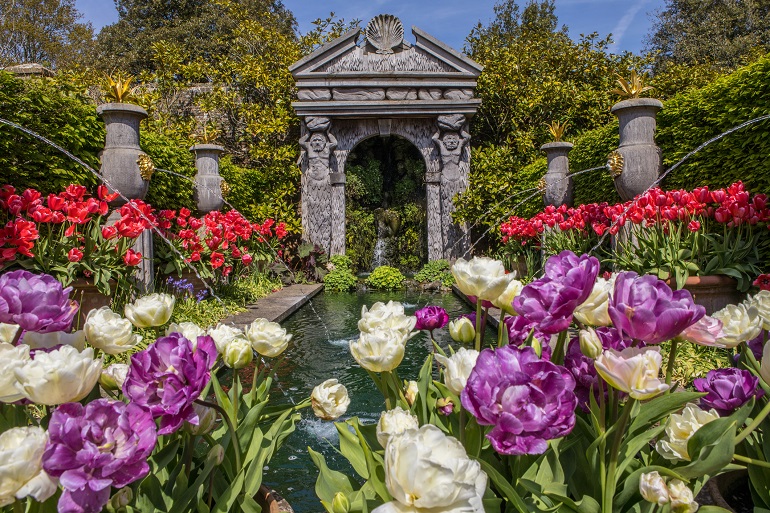
The Arundel Tulip Festival transforms the castle gardens into a vibrant spectacle of colour each spring, showcasing over 100,000 tulips in a breathtaking display. With more than 120 varieties planted across formal beds, wildflower meadows, and tiered arrangements, the festival offers a feast for the eyes at every turn. Highlights include tulips cascading down the steep castle banks and imaginative plantings in the Collector Earl’s Garden and labyrinth. The festival’s design harmonises beautifully with the castle’s historic backdrop, creating unforgettable vistas that celebrate both horticultural artistry and natural beauty.
The Town of Arundel
The charming town of Arundel nestles at the foot of the castle, its medieval street pattern largely unchanged over centuries. Distinctive flint-faced buildings line narrow lanes that wind their way up the hillside. The River Arun flows gently through the town, crossed by an elegant stone bridge that offers splendid views of both the castle and the Gothic Revival cathedral.
Arundel's character is defined by its independent shops, galleries, and antique dealers, many housed in buildings dating from the 18th and 19th centuries. The town has a reputation for fine dining, with restaurants and tea rooms offering everything from traditional British fare to international cuisine.
The town's proximity to the South Downs National Park makes it an excellent base for exploring the surrounding countryside. Walking paths lead from the town into rolling chalk hills, offering panoramic views across the coastal plain to the English Channel beyond.
Getting There
To reach Arundel you have several convenient options. By train, frequent services operate from London Victoria, Gatwick Airport, Portsmouth, Brighton, and local towns such as Bognor Regis and Chichester. The train station is located just a short walk from the town centre, making it an ideal choice for those without a car. If you prefer to drive, Arundel is situated off the A27, roughly halfway between Portsmouth and Brighton. There are several pay-and-display car parks available, including those on Mill Road and Fitzalan Car Park, all within a short stroll of the town centre. Once in Arundel, you can easily explore its historic sites, including the magnificent Arundel Castle and Cathedral, on foot.
Best Time to Visit
The best time to visit Arundel is during the spring and early summer months, particularly from April to June. This period offers a delightful combination of pleasant weather and vibrant events. The Arundel Tulip Festival, which typically takes place from mid-April to early May, is a highlight of the season, showcasing over 60,000 tulip bulbs in bloom across the castle gardens. Additionally, the town's historic charm is enhanced by the mild spring climate, making it ideal for exploring Arundel Castle, strolling along the River Arun, and enjoying the local antique shops and cafes. For budget-conscious travellers, visiting between March and May can also offer lower hotel prices, making it an excellent time for a cost-effective trip.