


 Ireland Guide
 Scotland Guide
 Wales Guide
| Contents |
|---|

Introduction
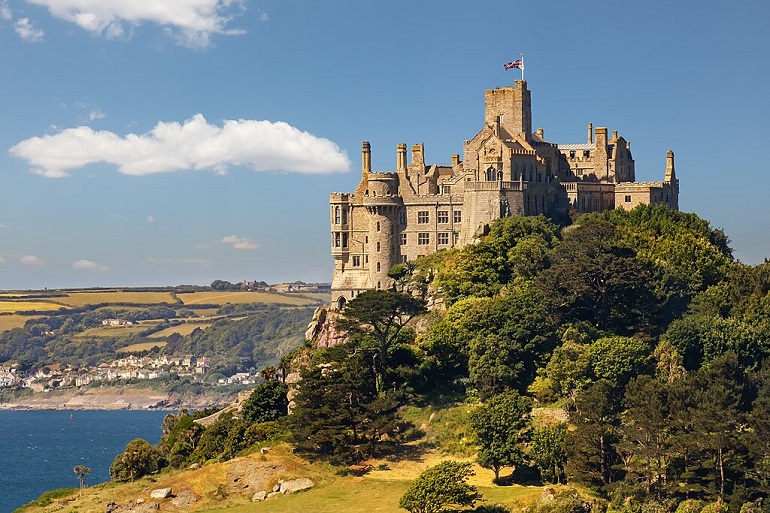
Just 3 km east of Penzance as the crow flies, St Michaels Mount is a rocky outcrop surmounted by a 12th-century castle, that becomes an island at high tide. Constructed by the same monks who built the world-famous Mont St Michel off the coast of Normandy, this Cornish version started as a Benedictine priory around 1070. In 1659 the St Aubyn family converted the castle and priory into a private house, while its gardens showcase exotic plants thriving in Cornwall's mild climate. Visitors explore defensive structures, archaeological traces of early habitation, and the island's strategic role in Cornish history, all within a compact landscape blending natural beauty and cultural heritage. The interior has a splendid rococo Gothic drawing room as well as an armoury. There are views toward Land's End and the Lizard from the 14th-century priory church.
Interesting Facts about St Michael's Mount
- St Michael's Mount is one of only 43 unbridged tidal islands accessible by foot from mainland Britain.
- The island was likely an ancient trading post for Cornish tin, possibly the mysterious "Ictis" mentioned in Greek records.
- Legend states that the Archangel Michael appeared to fishermen on the western side of the island in 495 CE to warn them of danger.
- The Mount has a French counterpart, Mont-Saint-Michel in Normandy, and both were connected during the Norman Conquest when the Cornish island was given to the French abbey.
- The island is made from granite with well-developed mineralisation, including tourmaline, wolframite and cassiterite in sheeted greisen veins.
- Colonel John St Aubyn purchased the island in 1659, and his descendants, the Lords St Levan, still live there today.
- The famous legend of Jack the Giant Killer originates from here, where a boy named Jack supposedly killed the giant Cormoran, whose body is said to remain in the island's well.
- It was from St Michael's Mount that the Spanish Armada was first spotted in 1588, and the beacon lit here started a chain of warnings along the south coast.
- The island features three Second World War pillboxes that were used as bunkers, which are now covered with mossy grass.
- The Mount's terraced subtropical gardens cling to the steep slopes and thrive in Cornwall's mild climate, housing plants from around the world.
- By 1811, the island had developed into a flourishing port with 53 houses and 4 streets in its village.
- The castle contains fascinating artefacts including Samurai armour and a mummified cat from Egypt.
- Access to the island is governed by the tides - visitors can walk across the cobbled causeway at low tide or take small ferryboats when the tide is in.
- The island rises dramatically from Mount's Bay, connected to the mainland town of Marazion by a granite-built causeway that is exposed twice daily.
- Bronze Age artefacts discovered on the island have confirmed beliefs that it was a hub of trade during that ancient period.
History
The Ancient Origins and Medieval Monastery
St Michael's Mount has captured imaginations for millennia, its story beginning in the mists of prehistory. The island's granite foundations were formed approximately 275 million years ago, emerging from the sea as part of the Cornubian Batholith. Archaeological evidence suggests human habitation stretching back to the Neolithic period (approximately 4000-2500 BCE), with flint arrowheads and tools discovered on the island. The mount's Cornish name, "Karrek Loos yn Koos," meaning "hoar rock in woodland," may preserve a folk memory of when the island stood surrounded by forest before rising sea levels created Mount's Bay around 1700 BCE.
The transformation from ancient trading post to sacred site began in 495 CE when St Michael the Archangel allegedly appeared to local fishermen on the island's western cliffs. This miraculous vision established the mount as a place of pilgrimage and Christian worship, with the site becoming a major religious centre by the sixth century. The island's importance as a prehistoric tin-trading port—possibly the mysterious "Ictis" mentioned by ancient Greek writers—evolved into spiritual significance as Christianity spread across Cornwall. By 1044, Edward the Confessor had granted the mount to the Benedictine monastery of Mont-Saint-Michel in Normandy, creating a remarkable cross-Channel religious partnership. The first church was constructed in 1135 under Abbot Bernard, with the current church building largely dating from the late 14th century. During the 12th and 13th centuries, the mount flourished as a destination for pilgrims, with four recorded miracles occurring in 1262-1263 that further enhanced its reputation as a sacred site.
Medieval Fortress and Political Upheaval
The mount's religious tranquillity was repeatedly interrupted by political and military conflicts that shaped its architectural evolution. In 1193, Henry de la Pomeroy seized and fortified the island for Prince John during King Richard I's absence on crusade, marking the beginning of its dual role as monastery and fortress. The strategic importance of the location led to continuous fortification, with the medieval castle structure emerging in the 14th century. The mount's connection to its French mother house became increasingly problematic during the Hundred Years' War, and in 1414, Henry V transferred control from Mont-Saint-Michel to Syon Abbey in Middlesex, ending centuries of Norman influence.
The most dramatic siege in the mount's history occurred during the Wars of the Roses when, in September 1473, the Earl of Oxford and Lord Beaumont captured the island with 397 men, holding it against Edward IV's forces for 22 weeks. The siege demonstrated the mount's formidable defensive capabilities, with contemporary chroniclers noting that "twenty men may keep it against the world" due to its unique position. During the English Civil War, the mount again proved its strategic worth when Sir Arthur Basset held it for the Royalists against Parliamentary forces until July 1646. The island's final military action came in 1588 when its beacon was lit to warn of the Spanish Armada's approach, though the Spanish successfully raided nearby Penzance, Newlyn, and Mousehole in 1595.
The St Aubyn Dynasty and Modern Heritage
The mount's transformation from fortress to family home began in 1659 when Colonel John St Aubyn, the island's final military governor, purchased the property for his family. The St Aubyn family's stewardship has continued for over 350 years, with successive generations converting the medieval structures into an elegant domestic residence whilst preserving its historical character. The 18th and 19th centuries saw the mount develop as a thriving seaport, with harbour improvements in 1727 creating a prosperous village of 53 houses and four streets by 1811. The family's commitment to preservation reached its culmination in 1954 when Francis St Aubyn, the 3rd Baron St Levan, gifted most of the island to the National Trust whilst retaining a 999-year lease for the family to continue living in the castle.
Today, St Michael's Mount operates under a unique partnership between the National Trust and the St Aubyn family, with the current Lord and Lady St Levan maintaining their residence whilst welcoming approximately 350,000 visitors annually. The island supports a vibrant community of twelve permanent families, supplemented by over eighty seasonal staff who facilitate public access to this remarkable heritage site. The mount's enduring appeal lies not merely in its fairy-tale appearance rising from the Cornish seas, but in its extraordinary continuity—a living testament to nearly 1,500 years of continuous human habitation, spiritual significance, and architectural evolution.
Main Attractions

St Michael's Mount stands as one of Cornwall's most enchanting destinations, a mystical tidal island that captures the imagination of every visitor who sets foot upon its ancient shores. Rising dramatically from the waters of Mount's Bay, this remarkable geological formation is crowned by a medieval castle that has watched over the Cornish coast for centuries. The island presents a unique tapestry of experiences, where history, horticulture, and natural beauty converge to create something truly extraordinary.
What makes St Michael's Mount particularly special is its dual nature as both a living community and a preserved piece of England's heritage. The island transforms throughout the day with the rhythm of the tides, alternately becoming accessible by foot across an ancient causeway or standing majestically isolated, requiring a boat journey to reach its shores. This tidal transformation adds an element of timing and anticipation to every visit, making each journey to the Mount feel like an adventure.
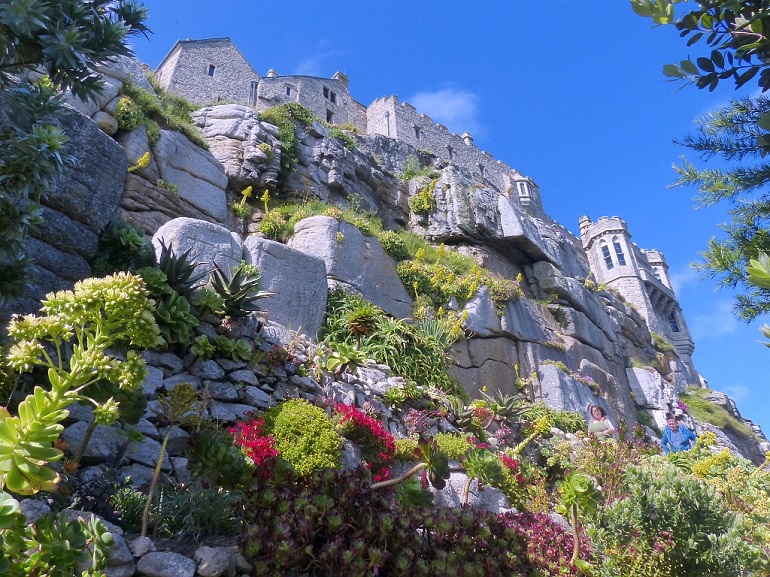
The island's subtropical gardens defy expectation, clinging impossibly to granite cliff faces and creating pockets of exotic beauty that seem almost magical against the rugged Cornish coastline. These terraced gardens, combined with the medieval castle perched at the summit, create a visual spectacle that changes with the light and weather, offering photographers and nature lovers endless opportunities to capture its beauty.
Exploring the Castle
Castle Rooms and Features
The castle itself is a living museum that has evolved over centuries, with each room telling part of the story of the families who have called this extraordinary place home. The Chevy Chase Room serves as one of the castle's most impressive spaces, featuring an intricate plaster frieze that depicts hunting scenes in remarkable detail. This room also offers some of the most spectacular views over Mount's Bay, with large windows that frame the coastal landscape like living paintings. The morning light streaming through these windows creates an almost ethereal atmosphere, particularly when mist rises from the sea.
The Blue Drawing Room represents the more intimate side of castle life, decorated with carefully curated collections of fine art and furniture that reflect the refined tastes of generations of inhabitants. The room's blue colour scheme creates a sense of calm elegance, whilst the furniture and decorative objects tell stories of trade, travel, and cultural exchange. Visitors can spend considerable time examining the portraits, decorative objects, and fine furniture that fill this beautifully proportioned space.
The Garrison Room takes visitors into the castle's military past, housing displays of armour, weapons, and military memorabilia that speak to the island's strategic importance throughout history. The collection includes pieces from different periods, showing how warfare and defence evolved over the centuries. The room's stone walls and narrow windows create an appropriately martial atmosphere, helping visitors understand the castle's role as both home and fortress.
The Library offers a quieter, more contemplative space where visitors can appreciate the literary heritage of the island. The collection includes rare books, manuscripts, and documents that chronicle not only the island's history but also the wider cultural and intellectual interests of its inhabitants. The library's peaceful atmosphere provides a welcome contrast to the more dramatic spaces elsewhere in the castle.
The Church represents perhaps the most spiritual and historically significant space on the island. This 12th-century church dedicated to St Michael has witnessed centuries of worship and remains an active place of prayer and reflection. The church's simple stone architecture and peaceful atmosphere provide a sense of continuity with the island's earliest religious inhabitants, whilst the views from its windows remind visitors of the island's unique position between sea and sky.
Castle Highlights
Among the castle's many treasures, several items capture visitors' imagination and exemplify the unique character of island life. The champagne cork model of St Michael's Mount, created by a former butler, demonstrates the resourcefulness and creativity that island living inspires. This remarkable piece of craftsmanship shows incredible attention to detail and represents hours of patient work, transforming everyday material into something extraordinary.
The portraits of Sir John St Aubyn throughout the castle provide insight into the family who has been responsible for preserving and maintaining the island for generations. These paintings show not just individual family members but also the evolution of artistic styles and the changing relationship between the family and their extraordinary home. Each portrait tells a story of stewardship and dedication to preserving this unique place for future generations.
The samurai warrior's suit of armour represents the global connections and cultural interests of the island's inhabitants. This exotic piece, so far from its Japanese origins, demonstrates how the island has long been a place where different cultures and traditions converge. The armour's presence in a Cornish castle speaks to the curiosity and international outlook of those who have lived here.
The unique clock that tells both time and tide represents the practical genius required for island living. This ingenious timepiece acknowledges that on St Michael's Mount, conventional time is less important than the rhythm of the sea. The clock serves as a constant reminder that life on the island must work in harmony with natural forces, particularly the twice-daily cycle of tides that determines when visitors can come and go.
Views from the Battlements
The castle's battlements and turrets offer some of the most spectacular panoramic views in Cornwall, providing visitors with a bird's-eye perspective of the surrounding coastline that reveals the full beauty of this part of England. From these elevated positions, the view extends across Mount's Bay to the Lizard Peninsula, whilst inland vistas reveal the rolling Cornish countryside dotted with ancient field patterns and traditional settlements.
The changing light throughout the day transforms these views constantly, creating an ever-evolving natural gallery that rewards visitors who take time to observe and appreciate the subtle changes in colour and atmosphere. Morning light often brings crystal-clear visibility that allows views to extend far along the coast, whilst evening light creates dramatic silhouettes and golden reflections on the water that are particularly beloved by photographers.
These vantage points also provide insight into the island's strategic importance throughout history. From the battlements, visitors can understand how the castle's position allowed its defenders to monitor shipping movements and potential threats from far out to sea. The views also reveal the relationship between the island and the mainland town of Marazion, showing how the two communities have been connected yet separate throughout their shared history.
The Subtropical Gardens
Garden Design and Layout
The terraced gardens of St Michael's Mount represent one of the most remarkable horticultural achievements in Britain, demonstrating how skilled garden design can transform even the most challenging locations into spaces of beauty and tranquility. Originally designed in 1878, these gardens showcase the vision of landscape architects who saw potential in the island's steep granite cliff faces and created a series of terraced levels that work in harmony with the natural topography.
The gardens rise in dramatic tiers from just above sea level to heights of 50 metres, creating a vertical landscape that defies conventional gardening wisdom. Each terrace has its own microclimate, with the lower levels receiving salt spray and exposure to sea winds, whilst the higher terraces enjoy more shelter and different growing conditions. This variation allows for an incredible diversity of plant life, with each level supporting species that thrive in its particular conditions.
The Rock Garden represents perhaps the most dramatic section of the gardens, where terraced walkways wind between granite outcrops that provide natural windbreaks and create sheltered pockets for more delicate plants. The contrast between the hard granite surfaces and the soft textures of the plants creates a constantly changing visual experience as visitors move through the space. The walkways themselves are works of art, carefully constructed to provide safe passage whilst maintaining the natural beauty of the setting.
The Boat Garden offers a more intimate and sheltered gardening experience, protected from the worst of the coastal weather by surrounding structures and topography. This area features a tranquil pond that reflects the sky and surrounding plants, creating a peaceful focal point that contrasts beautifully with the more dramatic coastal views visible from other parts of the island. The garden's design encourages quiet contemplation and provides a welcome respite from the more exposed areas of the island.
The Lookout combines horticultural interest with spectacular coastal views, positioning carefully chosen plants to frame and enhance the natural beauty of the seascape beyond. This area demonstrates how thoughtful garden design can complement rather than compete with natural beauty, using plants to create foreground interest that draws the eye towards the distant horizon.
Notable Plants
The plant collection at St Michael's Mount reads like a botanical tour of the world's warmer regions, taking advantage of Cornwall's mild climate to grow species that would struggle in most other parts of Britain. The collection of aloes provides structural interest throughout the year, their sculptural forms creating dramatic silhouettes against the sky whilst their occasional spectacular flower spikes add punctuation marks of colour to the garden's palette.
The agaves contribute their own architectural presence, with their sword-like leaves creating bold geometric patterns that contrast beautifully with the softer forms of other plants. These remarkable plants, originally from Mexico and the southwestern United States, have found a remarkable home on this Cornish island, where they thrive in the mild winters and bright summers.
Tulbaghias add delicate beauty to the garden's composition, their slender leaves and clusters of small flowers providing textural contrast to the bolder architectural plants. These South African natives demonstrate the global reach of the garden's plant collection whilst contributing their own subtle charm to the overall design.
The aromatic plants in the collection, including rosemary and lavender, engage visitors' senses beyond the visual, filling the air with Mediterranean scents that transport visitors to warmer climates. These plants also attract beneficial insects, creating a living ecosystem that supports biodiversity whilst providing sensory pleasure for human visitors.
Lampranthus contributes brilliant displays of colour during its flowering season, carpeting areas of the garden with intense magenta, orange, and yellow blooms that create spectacular seasonal displays. These South African natives demonstrate how plants from similar climates can create harmonious compositions that celebrate both horticultural diversity and design excellence.
Garden Maintenance
The maintenance of these cliff-hanging gardens represents one of the most challenging and dangerous horticultural operations in Britain, requiring specialised skills and equipment that few other gardens demand. The dedicated gardeners who maintain these spaces must combine traditional horticultural knowledge with rock-climbing skills, using abseiling equipment to access the most precarious planting areas safely.
This extraordinary commitment to garden maintenance demonstrates the lengths to which the island's caretakers will go to preserve these unique landscapes for future generations. The gardeners must work in harmony with weather conditions, tides, and seasonal changes, often planning their work around these natural rhythms rather than conventional horticultural schedules.
The challenges of maintaining these gardens extend beyond simple access issues to include the transportation of tools, plants, and materials to locations that would be impossible to reach by conventional means. Every plant installation, every pruning operation, and every maintenance task requires careful planning and specialised techniques that have been developed specifically for these unique conditions.
The Village and Harbour
Island Community
St Michael's Mount supports a remarkable community of approximately 30 residents who have chosen to make their lives on this unique island, creating a close-knit society that operates according to different rhythms than mainland communities. These islanders represent a diverse mix of people, from those who work directly for the island's operations to families who have lived here for generations, each contributing to the unique character and atmosphere that makes the island feel like a living place rather than simply a tourist attraction.
The island community operates with a level of cooperation and mutual support that is rarely found in larger settlements, where everyone knows their neighbours and contributes to the collective wellbeing of the island. This community spirit is evident in the way residents work together to maintain the island's facilities, support each other through the challenges of island living, and welcome visitors with genuine warmth and hospitality.
Living on St Michael's Mount requires a special kind of person who can adapt to the unique challenges and rewards of island life. Residents must be comfortable with the isolation that comes with being cut off from the mainland during high tide, whilst also being able to cope with the constant flow of visitors during the tourist season. The community has developed its own traditions and ways of life that reflect these unique circumstances, creating a culture that is distinctly different from both mainland Cornwall and other British communities.
Village Attractions
The Harbour serves as the heart of the island's social and economic life, providing a picturesque focal point where the rhythms of island life are most clearly visible. This sheltered inlet offers protection for the boats that connect the island to the mainland, whilst also providing a gathering place where residents and visitors naturally converge. The harbour's stone walls and traditional architecture create a scene that has remained largely unchanged for centuries, offering visitors a glimpse into a way of life that continues to thrive despite the pressures of modern existence.
The Island Shops offer visitors access to authentic Cornish crafts and souvenirs that reflect the island's unique character and the skills of local artisans. These shops feature handcrafted homeware that demonstrates traditional Cornish craftsmanship, from pottery and textiles to woodwork and metalwork. The selection also includes local chocolate and other food products that capture the flavours of Cornwall, allowing visitors to take home tangible memories of their island experience.
The Steward's House represents one of the island's most impressive buildings, serving as both a historical monument and a contemporary exhibition space. This substantial structure demonstrates the quality of craftsmanship and attention to detail that characterises the island's architecture, whilst its various exhibits provide insight into different aspects of island life and history. The building's impressive proportions and fine details make it worthy of attention in its own right, independently of whatever exhibitions it might house.
Dining Options
The Island Café serves as a social hub where visitors can experience authentic Cornish cuisine, particularly the traditional pasties that represent one of Cornwall's most beloved culinary contributions. The café's menu focuses on local ingredients and traditional recipes, providing visitors with a taste of genuine Cornish cooking in a setting that could hardly be more atmospheric. The café's position allows diners to enjoy their meals whilst observing the constant activity of island life, from the coming and going of boats to the movements of residents going about their daily business.
The Sail Loft provides a more refined dining experience, offering afternoon tea in a setting that combines historical atmosphere with spectacular harbour views. This venue allows visitors to relax and appreciate the island's beauty whilst enjoying traditional British afternoon tea service. The combination of quality refreshments and unparalleled views makes this an essential stop for visitors who want to fully appreciate the island's unique atmosphere.
The Summer Pop-up Stands add seasonal variety to the island's culinary offerings, with vendors providing everything from artisanal ice cream to seasonal specialities that reflect the best of Cornish produce. These temporary installations add energy and variety to the island's food scene whilst providing additional opportunities for visitors to experience local flavours and support small businesses.
What to See and Do
Walking Routes
The Island Perimeter Walk provides visitors with a comprehensive tour of the island's coastline, revealing different perspectives of both the castle and the surrounding seascape that aren't visible from any single viewpoint. This walk takes visitors around the rocky coastline, where they can appreciate the full drama of the island's position and understand how the sea has shaped its character over millennia. The route offers constantly changing views of the castle, allowing visitors to appreciate its architectural details and strategic positioning from multiple angles.
The Harbour Area exploration provides insight into the working life of the island, where visitors can observe the loading and unloading of supplies, the comings and goings of boats, and the daily activities of residents. The harbour's stone quays and traditional architecture create a backdrop for observing a way of life that has continued for centuries, whilst the surrounding village streets offer glimpses into the domestic life of the island community.
The Castle Approach represents perhaps the most dramatic walk on the island, following the ancient cobbled pathway that climbs from the harbour to the castle entrance. This route has been used by countless generations of pilgrims, visitors, and residents, and walking it provides a direct connection to the island's history. The path's steep gradient and uneven surface require careful attention, but the views that unfold as you climb reward the effort with increasingly spectacular vistas.
Photography Opportunities
The Castle silhouette against the sky provides one of the most iconic photographic opportunities in Cornwall, particularly during the golden hours of early morning and late afternoon when the light creates dramatic contrasts and rich colours. The castle's position on the island's highest point means that it's visible from numerous angles, each offering different compositional possibilities depending on the light and weather conditions.
The Gardens clinging to cliff faces create surreal and beautiful images that capture the extraordinary achievement of creating these hanging gardens. The contrast between the soft textures of the plants and the hard granite surfaces provides rich material for photographers interested in texture and form, whilst the vertical composition of the gardens creates unique opportunities for dramatic perspective shots.
The Harbour reflections at different tide levels offer constantly changing photographic opportunities as the water level rises and falls throughout the day. The harbour's stone walls and traditional boats create perfect subjects for reflection photography, whilst the changing light throughout the day ensures that the same scene can look completely different at different times.
The Panoramic views from the battlements provide opportunities for landscape photography on a grand scale, with the elevated position allowing photographers to capture the full sweep of the Cornish coastline and the relationship between the island and the mainland. These views work particularly well as the basis for dramatic sunrise and sunset photographs.
The Causeway at low tide creates one of the most magical and quintessentially Cornish photographic opportunities, with the ancient stone pathway stretching across the bay towards the castle. The causeway's emergence from the sea provides perfect timing for dramatic photography, whilst the path itself creates strong leading lines that draw the eye towards the castle.
Seasonal Highlights
Spring brings the garden terraces to life as the island awakens from winter dormancy, with bulbs emerging and early flowering plants beginning their seasonal display. The mild Cornish climate means that spring arrives early on the island, often providing spectacular displays whilst the mainland is still experiencing winter weather. The combination of emerging plant life and excellent visibility makes spring an ideal time for both garden enthusiasts and photographers.
Summer represents the island's peak season, with full access to all areas of the gardens and extended opening hours that allow visitors to explore every corner of the island. The long summer days provide maximum time for exploration, whilst the settled weather conditions make the causeway crossing more predictable and pleasant. Summer also brings the seasonal food vendors and special events that add extra interest to the island experience.
Autumn and Winter offer a different but equally rewarding experience, with dramatic coastal views and significantly fewer crowds allowing for a more contemplative and intimate experience of the island. The winter storms create spectacular wave action that can be safely observed from the castle's elevated position, whilst the clearer atmosphere often provides exceptional visibility for coastal views. The reduced visitor numbers during these seasons allow for a more personal connection with the island's character and atmosphere.
Practical Visitor Information
Physical Requirements
Visiting St Michael's Mount requires a reasonable level of fitness, as the climb from the harbour to the castle involves steep, cobbled paths and numerous uneven stone steps that have been worn smooth by centuries of use. The gradient is significant, and visitors should be prepared for a workout that might be more challenging than expected. Those with heart conditions or breathing difficulties should take their time and rest as needed during the ascent.
The mobility challenges presented by the island's historic nature mean that accessibility is severely limited for visitors with mobility impairments. The cobbled causeway, uneven paths, and numerous steps throughout the castle make it difficult or impossible for wheelchairs or mobility scooters to navigate most areas of the island. Visitors with mobility concerns should contact the island administration in advance to discuss what areas might be accessible and what assistance might be available.
Appropriate footwear is absolutely essential for a safe and enjoyable visit to St Michael's Mount, with sturdy, non-slip shoes being mandatory for navigating the cobbled surfaces safely. The granite stones can become extremely slippery when wet, and the uneven surfaces require footwear that provides good ankle support and excellent grip. Visitors should avoid any footwear with smooth soles or high heels, which would be dangerous on the island's challenging surfaces.
Weather Considerations
The island's exposed position means that wind can be a significant factor in visitor comfort and safety, particularly around the castle battlements where the elevation and lack of shelter can create surprisingly strong gusts. Visitors should be prepared for windy conditions even on days that seem calm on the mainland, and should secure any loose items that might be blown away. The wind can also affect the boat service, with services sometimes suspended during particularly stormy weather.
Rain transforms the island's surfaces from challenging to potentially dangerous, with the cobbled paths becoming significantly more slippery when wet. Visitors should exercise extra caution during wet weather and consider postponing their visit if conditions are particularly poor. The rain can also reduce visibility, limiting the spectacular views that are one of the island's main attractions.
The island's lack of shelter means that sun protection is essential during bright weather, with visitors needing to bring hats, sunglasses, and sunscreen to avoid overexposure. The reflection of sunlight off the sea and the white castle walls can be particularly intense, whilst the sea breezes can mask the strength of the sun's rays. Visitors should be prepared for more intense sun exposure than they might experience on the mainland.
Facilities
The island's toilet facilities are located near the café and at the castle exit, providing convenient access for visitors during their exploration. These facilities are maintained to high standards despite the challenges of island infrastructure, though visitors should be aware that they may be more basic than mainland facilities due to the unique constraints of island living.
Refreshment opportunities are available through the island café and seasonal food vendors, providing a range of options from traditional Cornish pasties to artisanal ice cream. The café serves as a social hub where visitors can rest and refuel whilst enjoying views of the harbour and observing island life. The seasonal vendors add variety and interest, particularly during the summer months when the island's social atmosphere is at its most vibrant.
The shopping opportunities centre around the gift shop, which offers a carefully curated selection of local crafts and souvenirs that reflect the island's unique character. The shop features handcrafted items that demonstrate traditional Cornish skills, from pottery and textiles to woodwork and food products. These items provide visitors with tangible memories of their island experience whilst supporting local artisans and the island's economy.
Tips for Your Visit
Planning Your Trip
Checking tide times represents the most crucial aspect of planning a visit to St Michael's Mount, as the method of reaching the island depends entirely on whether the causeway is accessible or whether boat transport is required. Tide times change daily and seasonally, so visitors should check current information before travelling rather than relying on previous knowledge or assumptions. The timing of your visit will also affect your experience, as low tide access via the causeway provides a very different experience from high tide boat access.
Allowing adequate time for your visit is essential, as the island offers far more to see and do than many visitors initially realise. A comprehensive visit including the castle, gardens, and village exploration typically requires 2-3 hours, though photography enthusiasts and those who enjoy taking their time might want to allow longer. The island's unique character rewards unhurried exploration, and visitors who rush through their visit often miss many of the subtle details that make the island special.
Booking online in advance during peak season ensures guaranteed entry and helps avoid disappointment, particularly during summer months and bank holidays when visitor numbers are at their highest. The island has limited capacity, and advance booking allows for better crowd management and ensures that all visitors can enjoy their experience without overcrowding. Online booking also often provides better value than purchasing tickets on the day.
Considering weather forecasts when planning outdoor activities helps ensure the best possible experience, as the island's exposed position means that weather conditions can significantly impact visitor comfort and safety. Clear days provide the best visibility for enjoying the spectacular views, whilst calm conditions make the causeway crossing more pleasant and photogenic. Visitors should also consider how weather might affect their choice of clothing and equipment.
Getting There
To reach St Michael's Mount travellers should first make their way to Marazion, the coastal town that serves as the gateway to this medieval marvel. The most convenient route involves taking a train to Penzance station and then catching the regular U4 bus service to Marazion, which takes approximately 25 minutes and costs around £3 each way. Once in Marazion, visitors have two options depending on the tide: during low tide (roughly 4 hours daily), you can walk across the historic cobbled causeway that has been used by pilgrims for centuries, whilst at high tide, small ferryboats provide a scenic 5-minute crossing for £3.20 per adult and £1.60 for children under 16. The island operates seasonally with boats running from 30 March to 31 October, and visitors should check tide times in advance as access depends entirely on these natural rhythms. Parking is available in Marazion's designated car parks opposite the Mount, though spaces fill quickly during peak season, making public transport an increasingly popular choice for this quintessentially British day out.
The Causeway Walk
The ancient cobbled causeway represents one of the most memorable approaches to any destination in Britain. As the tide recedes, this historic pathway emerges from the sea like something from a fairy tale, revealing the route that pilgrims have used for over a thousand years. The causeway consists of carefully laid granite stones that have withstood centuries of tidal action, creating an uneven but atmospheric walking surface that tells the story of countless generations who have made this same journey.
Walking across the causeway is an experience that engages all the senses. The sound of your footsteps on the ancient stones mingles with the calls of seabirds and the gentle lapping of waves against the causeway walls. The smell of seaweed and salt air fills your nostrils as you make your way across, whilst the tactile experience of navigating the uneven cobbles adds to the sense of stepping back in time. The visual spectacle of the castle growing larger as you approach, framed by the dramatic Cornish sky, creates memories that last a lifetime.
However, the causeway journey requires careful planning and preparation. The cobbled surface can be treacherous, particularly when wet from sea spray or recent tides. Visitors should wear sturdy footwear with excellent grip, as the smooth granite stones can become slippery. The uneven nature of the surface makes it unsuitable for wheelchairs or pushchairs, and those with mobility issues should consider the boat alternative. The crossing typically takes between 10 and 15 minutes, depending on your pace and how often you stop to admire the views or take photographs.
Boat Service
When the tide covers the causeway, the boat service provides an equally magical alternative way to reach the island. These small boats operate from Marazion harbour during the summer months, offering passengers a different perspective of St Michael's Mount as they approach from the water. The boat journey allows you to appreciate the full dramatic impact of the castle rising from the sea, whilst also providing glimpses of the gardens cascading down the cliff faces that aren't visible from the causeway approach.
The boat service operates with consideration for both tides and weather conditions, with experienced local boatmen who know the waters intimately. During the short crossing, passengers often spot seals, various seabirds, and occasionally dolphins in the surrounding waters. The approach by boat also offers excellent photographic opportunities, allowing visitors to capture the island's profile against the Cornish coastline and appreciate its strategic position in Mount's Bay.
Best Time to Visit
The best time to visit St Michael’s Mount is during the late spring to early autumn months, from May to September, when the weather is generally mild and the gardens are in full bloom. During this period, visitors can enjoy longer daylight hours, making it easier to plan a crossing to the island either by foot along the causeway at low tide or by boat at high tide. Summer is especially appealing for those wishing to explore the historic castle, picturesque village, and subtropical gardens, as well as take part in seasonal events and tours. Early mornings or late afternoons tend to be quieter, offering a more peaceful experience away from the peak crowds that flock to this iconic Cornish landmark during school holidays.
Early morning or late afternoon visits offer the best combination of fewer crowds and superior light for photography, with the lower visitor numbers allowing for a more intimate experience of the island's character. The golden light of these times creates particularly beautiful conditions for appreciating the castle's architecture and the gardens' subtle colours, whilst the reduced crowds make it easier to find quiet spots for contemplation and photography.
Off-season visits provide a more peaceful and contemplative experience, with easier parking in Marazion and a more relaxed atmosphere on the island itself. The winter months offer their own rewards, including dramatic storm watching opportunities and exceptional visibility for coastal views. The reduced visitor numbers during these seasons allow for a more personal connection with the island's character and atmosphere.
Clear days provide the best visibility for enjoying the panoramic views from the castle battlements, with the elevated position allowing views that can extend for miles along the Cornish coast. The contrast between the island's dramatic profile and the surrounding seascape is most striking under clear skies, whilst the gardens' colours and textures are best appreciated in bright, natural light.