


| Contents |
|---|

Introduction
Syracuse, located on the eastern coast of Sicily, is a historic city of 122,000 inhabitants that was once the largest metropolis in the ancient world, surpassing both Athens and Corinth in size. Founded by Corinthian colonists in 734 BCE, the city is divided between the mainland and the island of Ortigia, which houses the historical centre. The city showcases a remarkable blend of Greek, Roman, Arab, and Spanish influences in its architecture and culture, particularly evident in its Greek Theatre from the 5th century BCE, Roman amphitheatre, and baroque cathedral built upon a 5th-century BCE Greek temple to Athena. UNESCO has recognised "Syracuse and the Rocky Necropolis of Pantalica" as a World Heritage site, and the city serves as an excellent base for exploring southeastern Sicily, including the baroque towns of Ragusa and Noto.
Interesting Facts about Syracuse
- Founded by Greek colonists from Corinth in 734 BCE
- Once the largest city in the ancient world, surpassing Athens and Corinth in size
- Birthplace of the renowned mathematician and inventor Archimedes
- Home to the ancient Greek Theatre of Syracuse, a UNESCO site with capacity for 16,000 spectators
- Ortigia, the historic island centre, features a medieval old town and Baroque architecture
- The Cathedral of Syracuse incorporates columns from a 5th-century BCE Greek temple to Athena
- Site of the Ear of Dionysius, a limestone cave renowned for its exceptional acoustics
- Conquered by Romans in 212 BCE after a famous siege where Archimedes was killed
- Contains one of Europe's largest ancient Jewish ritual baths beneath the Giudecca quarter
- Served as capital of the Byzantine Empire under Emperor Constans II from 663-668 CE

History
Syracuse, situated on the eastern coast of Sicily, stands as one of the most historically significant cities in the Mediterranean. Founded in 734 BCE by Greek settlers from Corinth and Tenea, the city rapidly grew to become a powerful metropolis that rivalled Athens itself, boasting around 250,000 inhabitants in its territory. The nucleus of both the ancient and modern city is the small island of Ortygia, from which Syracuse expanded its influence across the region.
During its golden age, Syracuse flourished under various rulers and survived numerous conflicts. The city successfully repelled an Athenian invasion during the Peloponnesian War in 413 BCE and reached its zenith under the rule of Dionysius I the Elder (405-367 BCE), when it became the most powerful of all Greek cities. The city's prominence attracted notable figures, including Plato, who visited Syracuse several times, though one visit resulted in his imprisonment and sale into slavery after he dared to disagree with the king.
The city's fortunes changed dramatically through the centuries. After falling to Rome in 211 BCE, Syracuse remained an important port between the Eastern and Western parts of the Empire. The city later endured numerous conquests, including rule by the Vandals, Byzantines, and Arabs. Under Arab rule, the city's grand cathedral was converted into a mosque, though Syracuse's significance gradually diminished as Palermo rose to prominence as Sicily's primary city. Today, Syracuse captivates visitors with its remarkable blend of medieval and Renaissance architecture alongside ancient Greek and Roman ruins, serving as a testament to its rich historical legacy.
Main Attractions
Historic Centre: Ortigia Island
Ortigia Island, the historic heart of Syracuse, is a UNESCO World Heritage Site that offers visitors a captivating journey through time. Connected to the mainland by three bridges, this picturesque island is a labyrinth of winding streets, artisan shops, and architectural wonders. As you wander through the cobbled streets, you'll find yourself immersed in layers of history, from ancient Greek foundations to Roman dominance, Byzantine influence, and later artistic achievements. The island's charm lies in its elegantly crumbling facades and faded patinas, creating an atmosphere that feels like stepping onto a movie set. One of the most enchanting experiences in Ortigia is simply strolling through its stunning laneways, piazzas, and promenades, allowing yourself to be transported back in time while soaking up the Mediterranean ambiance.
Piazza del Duomo
Piazza del Duomo stands as the beating heart of Syracuse, a stunning showcase of Baroque architecture and the city's rich history. This elegant square is surrounded by a harmonious ensemble of sand-coloured buildings that perfectly embody the warmth of Sicily. The eastern side of the piazza is lined with charming outdoor restaurants, providing the perfect spot to relax and soak in the atmosphere. Dominating the square is the magnificent Syracuse Cathedral, its Baroque facade concealing a structure that has evolved over millennia, from a Greek temple to a Christian basilica. The piazza is also home to the Palazzo Beneventano del Bosco, a grand Baroque palace that now houses the Archdiocesan Museum. At the centre of the square stands the Fontana di Diana, a beautiful Baroque fountain featuring the Roman goddess Diana. As night falls, the piazza comes alive with soft lighting that highlights the architectural splendour of its buildings, creating a magical ambiance. Whether you're admiring the historical landmarks, enjoying a meal at one of the restaurants, or simply people-watching, Piazza del Duomo offers a quintessential Syracuse experience that captures the essence of this ancient city.
Cathedral of Syracuse
The Cathedral of Syracuse, also known as the Cathedral of Santa Maria delle Colonne, is a magnificent testament to the city's rich cultural heritage. This architectural marvel dominates the Piazza del Duomo and showcases a unique blend of styles, reflecting Syracuse's diverse history. Originally constructed as a Greek temple dedicated to Athena in the 5th century BCE, the structure was later transformed into a Christian basilica. The cathedral's facade, redesigned by architect Andrea Palma between 1725 and 1753, is a stunning example of Sicilian Baroque style. Inside, visitors can marvel at the incorporation of the ancient Doric columns from the original Greek temple, visible both in the interior and exterior walls. The roof of the nave dates back to the Norman period, as do the beautiful mosaics in the apses. This architectural palimpsest offers a unique glimpse into the various civilisations that have shaped Syracuse over the millennia.

Castello Maniace
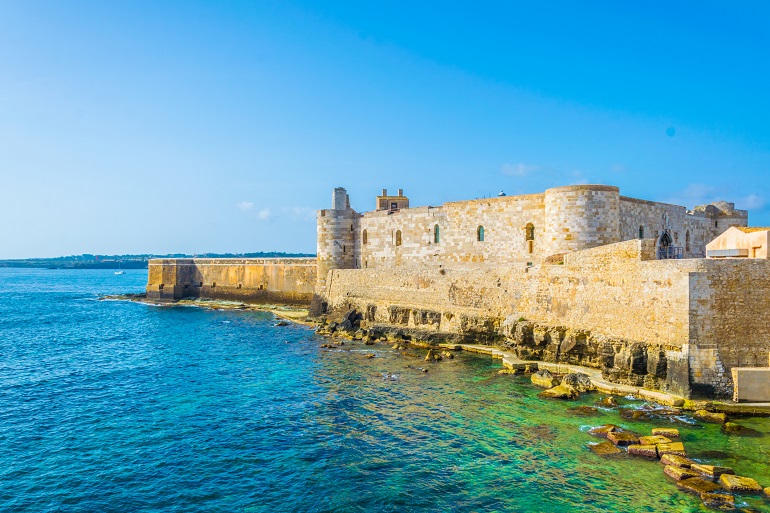
Perched at the southern tip of Ortigia, Castello Maniace stands as a formidable sentinel overlooking the Mediterranean Sea. This impressive 13th-century fortress, built in 1232 under the reign of Frederick II, Holy Roman Emperor and King of Sicily, is a prime example of medieval military architecture. Named after the Byzantine general George Maniakes, who briefly conquered Syracuse in 1038, the castle has played a crucial role in the city's defence throughout history. Its strategic location offers breathtaking panoramic views of the surrounding waters and coastline. The castle's architecture reflects a blend of various influences, showcasing robust walls, crenellations, and towers typical of medieval defensive structures. Inside, visitors can explore the spacious courtyard, which often hosts cultural events and exhibitions. The castle's rich history is evident in its various renovations and additions over the centuries, each reflecting the different ruling powers that shaped Syracuse. A visit to Castello Maniace not only provides insight into the city's military past but also offers a stunning backdrop for photographs and a peaceful retreat from the bustling city centre.
Fountain of Arethusa
The Fountain of Arethusa, located on Ortigia's waterfront, is one of Syracuse's most iconic landmarks, steeped in Greek mythology and natural beauty. According to legend, the fountain was created when the nymph Arethusa, fleeing the advances of the river god Alpheus, was transformed into a freshwater spring by the goddess Artemis. Today, this natural spring is a serene oasis in the heart of the city, featuring crystal-clear freshwater that flows directly into the sea. The fountain is particularly notable for its rare papyrus plants, which grow abundantly around its edges - one of the few places in Europe where this plant grows naturally. Visitors can enjoy the peaceful atmosphere, admire the lush vegetation, and take in beautiful sea views from the surrounding area. The Fountain of Arethusa not only offers a moment of tranquillity amidst the city's hustle and bustle but also serves as a living connection to Syracuse's ancient Greek heritage, making it a must-visit spot for history enthusiasts and nature lovers alike.

Basilica of Santa Lucia al Sepolcro
The Basilica of Santa Lucia al Sepolcro holds immense religious and historical significance for Syracuse. Located in Piazza Santa Lucia, this 17th-century church stands on the site where, according to tradition, the city's patron saint, Lucia, was martyred during the Diocletian persecution around 304 CE. The basilica's plan still reflects its ancient Byzantine origins, featuring a large central nave flanked by two side aisles. However, the current structure was largely rebuilt in the Norman era during the 12th century, with traces of the cupola apse, portal, and the first two orders of the bell tower dating from this period. The church underwent significant Baroque renovations in 1626 under the direction of architect Giovanni Vermexio. A notable addition is the portico, built in 1727 by Pompeo Picherali, which extends along the right side and front of the church. The Basilica of Santa Lucia al Sepolcro not only serves as a place of worship but also as a testament to Syracuse's enduring faith and architectural evolution.
Neapolis Archaeological Park
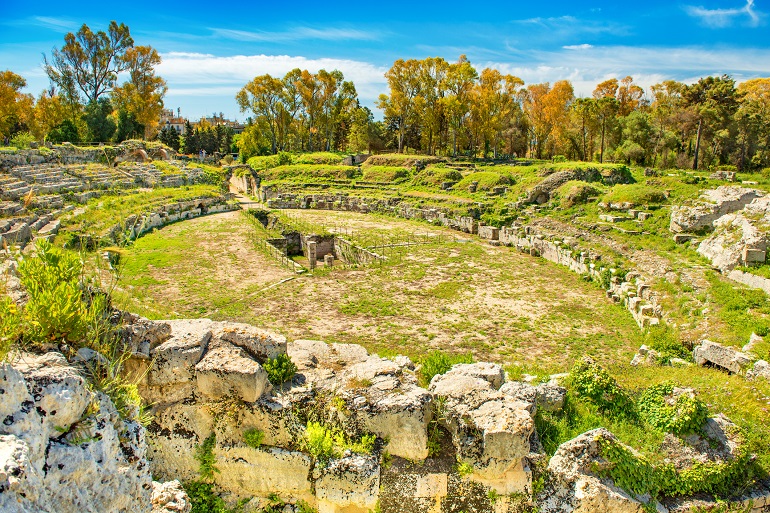
The Neapolis Archaeological Park is a treasure trove of ancient wonders, offering visitors a glimpse into Syracuse's glorious past. This UNESCO World Heritage site is the most visited archaeological area in the city, housing some of the most important remains of ancient Greek and Roman Syracuse. The park's centrepiece is the impressive Greek theatre, dating back to the 3rd century BCE, which continues to host classical performances during the summer months. Adjacent to this is the Roman amphitheatre, once the stage for gladiatorial contests and now a silent witness to the city's Roman period. One of the park's most intriguing features is the Ear of Dionysius, a limestone cave renowned for its extraordinary acoustics and the legends surrounding its use. The park also includes ancient stone quarries and the monumental Altar of Hieron, adding to the rich tapestry of historical artefacts on display. As you wander through this expansive green area, you'll find yourself transported back in time, walking in the footsteps of ancient Greeks and Romans who once called Syracuse home.
Catacombs of San Giovanni
The Catacombs of San Giovanni offer a fascinating journey into Syracuse's early Christian history. Located beneath the Basilica of San Giovanni Evangelista, these underground tunnels date back to the 4th century CE, following Constantine's Edict of Milan. The catacombs are laid out in a manner reminiscent of a Roman military camp, with a central gallery (decumanus maximus) from which ten secondary galleries (cardines) branch off. This complex network includes four round rooms, originally cisterns for a Greek aqueduct, each with its own historical significance. The Rotonda Marina features ancient graffiti depicting early Christian symbols, while the Rotonda di Adelphia once housed a prestigious marble sarcophagus now displayed in the Paolo Orsi Regional Museum. As you explore these subterranean passages, you'll encounter numerous niches carved into the walls, used for both individual and family burials. The cool, hushed atmosphere of the catacombs provides a stark contrast to the sun-drenched streets above, offering visitors a unique and contemplative experience. A visit to the Catacombs of San Giovanni not only provides insight into early Christian burial practices but also offers a tangible connection to Syracuse's ancient past.

Top Museums
Museo Archeologico Regionale Paolo Orsi: A Treasure Trove of Ancient History
The Paolo Orsi Regional Archaeological Museum stands as one of Europe's premier archaeological institutions. This expansive museum houses an extensive collection of artefacts from prehistoric, Greek, and Roman periods, all discovered during excavations in Syracuse and other Sicilian sites. The museum is thoughtfully divided into four sectors, each focusing on a different era of Sicily's history. Visitors can explore prehistoric finds, including fossils and geological exhibits, before moving on to admire Greek colonial artefacts, including impressive statues and votive offerings. The museum also showcases finds from Syracuse's colonies and other eastern Sicilian centres, as well as Hellenistic and Roman-era artefacts. Among the most renowned pieces in the collection are the Sarcophagus of Adelphia and the Venus Landolina statue, both exquisite examples of ancient craftsmanship.

Museo Aretuseo dei Pupi: The Magic of Sicilian Puppetry
For those interested in traditional Sicilian culture, the Museo Aretuseo dei Pupi offers a unique and immersive experience into the world of puppetry. This museum is dedicated to the Opera dei Pupi, a cherished Sicilian puppet theatre tradition that has been recognised by UNESCO as an Intangible Cultural Heritage of Humanity. Visitors can explore the artistic and theatrical aspects of this tradition, admiring intricately crafted puppets and learning about the stories they tell. The museum often hosts puppet shows, allowing visitors to experience this captivating art form firsthand.
Museo del Papiro "Corrado Basile": Unravelling the Secrets of Papyrus
The Museo del Papiro "Corrado Basile" provides a fascinating look into the history and significance of papyrus in ancient civilisations. Managed by the International Institute of Papyrus, this museum is devoted to the study, preservation, and dissemination of papyrus culture. Visitors can learn about the intricate process of papyrus paper-making and view a collection of papyrus-related artefacts and documents. The museum offers a unique perspective on this ancient writing material that played a crucial role in the development of human knowledge and communication.
SIRMUMA - Museo del Mare di Siracusa: Navigating Syracuse's Maritime Heritage
Maritime enthusiasts will find much to appreciate at SIRMUMA, the Sea Museum of Syracuse. Located in the heart of Ortigia, the museum houses a vast collection of maritime equipment, models, and documents that showcase the city's rich seafaring tradition. As the first museum in Sicily to reconstruct the entire naval carpentry chain, from initial design to boat construction, SIRMUMA offers visitors a comprehensive understanding of Syracuse's maritime heritage. The exhibits provide insight into the city's historical relationship with the sea, its naval traditions, and the evolution of shipbuilding techniques.
Palazzo Bellomo Museum: A Canvas of Sicilian Art Through the Ages
Art lovers should not miss the Palazzo Bellomo Museum, housed in a splendid 13th-century building. This museum presents a remarkable collection of artworks spanning from the Byzantine era to the 18th century. One of the highlights is the Annunciation by Antonello da Messina, painted in 1474, which showcases the artist's mastery of light and perspective. The museum also features Arab art marble slabs and 12th-century stylophorous lions, offering a glimpse into the diverse cultural influences that have shaped Syracuse over the centuries. Additionally, visitors can admire collections of sacred silver, carriages, and sculptures, providing a comprehensive overview of the region's artistic heritage.
Leonardo Da Vinci and Archimedes Museum: Genius Brought to Life
For those interested in the intersection of art and science, the Leonardo Da Vinci and Archimedes Museum offers a unique experience. This museum presents faithful reproductions of inventions by both Leonardo da Vinci and Archimedes, two of history's greatest minds. Visitors can interact with functioning models of machines designed by these brilliant inventors, offering an engaging and educational experience for all ages. The museum provides an opportunity to appreciate the ingenuity and foresight of these historical figures, whose ideas continue to influence modern science and engineering.
Tecnoparco Archimede: Ancient Ingenuity in Action
Complementing the Leonardo Da Vinci and Archimedes Museum is the Tecnoparco Archimede, an outdoor museum dedicated to the famous Greek mathematician and inventor Archimedes, who was born in Syracuse. This park showcases full-size, working replicas of Archimedes' war machines, bringing to life the ingenuity of Syracuse's most renowned historical figure. The wooden constructions, complete with wrought iron details, allow visitors to see and understand the practical applications of Archimedes' brilliant mind. It's an excellent destination for those interested in ancient technology and military history.
Local Cuisine
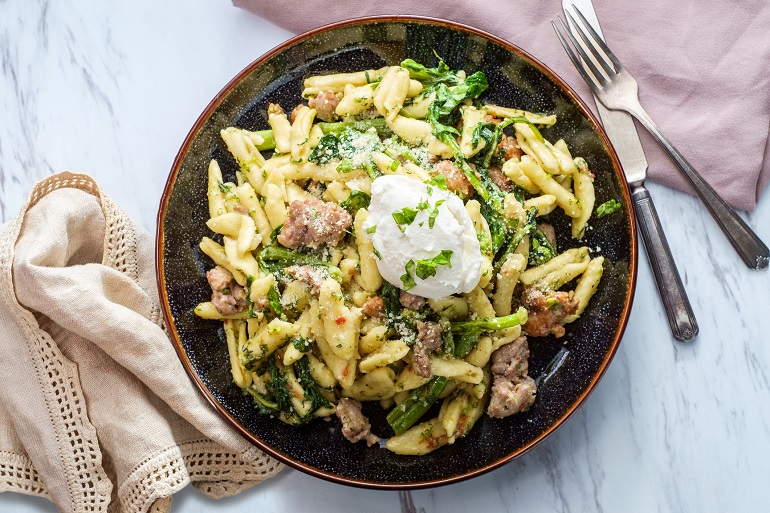
Syracuse's culinary heritage reflects Sicily's rich history of cultural influences, combining flavours from Greek, Arab, Norman, Spanish and North African traditions. The local cuisine features an abundance of fresh seafood, with specialities like matalotta (a hearty fish soup), tuna alla ghiotta, and pasta with sardines. Traditional pasta dishes include the distinctive Syracuse-style fried pasta seasoned with anchovies and breadcrumbs, as well as cavatelli served with various sauces. The city is renowned for its street food, particularly arancina (or arancino), a breaded rice ball filled with ragù, peas and caciocavallo cheese. Local cheeses, especially the spicy caciocavallo, are a point of pride in the region. During winter months, hearty dishes like legume soups and seasonal vegetables take centre stage, whilst summer brings refreshing granitas and almond-based sweets. The area's culinary reputation is further enhanced by its excellent wines, produced from both traditional Sicilian grapes and international varieties.
Shopping
Syracuse offers a diverse shopping experience, with the vibrant Ortigia Market at its heart where you can find fresh produce, local delicacies, nuts, and vacuum-packed meats and cheeses. The city centre boasts an array of designer stores, boutiques, and artisanal shops, whilst local craftspeople showcase unique ceramics, particularly at shops like Circo Fortuna which specialises in hand-painted pieces and Sicilian arts. For fashion enthusiasts, boutiques like Cool de Sac offer handmade jewellery and leather goods, whilst Chiodo focuses on sustainable fashion and accessories. The city is also known for its speciality food shops where you can purchase authentic Sicilian products such as olive oil, local wines, and the famous Frutta Martorana (marzipan fruits).
Nature in and around Syracuse
The ancient city of Syracuse boasts spectacular natural wonders along Sicily's eastern coast. The crystal-clear waters of the Ionian Sea lap against dramatic limestone cliffs and picturesque coves, whilst the nearby Ciane River offers a serene setting where graceful papyrus plants grow wild—one of the few places in Europe where this occurs naturally. Just offshore, the pristine Plemmirio Marine Reserve showcases a vibrant underwater world perfect for snorkelling and diving, with its rich marine life and fascinating sea caves. The area's fertile volcanic soil, nourished by Mount Etna's mineral-rich deposits, supports lush citrus groves and vineyards that dot the surrounding countryside, creating a verdant backdrop to the city's natural splendour.
Swimming Spots
Syracuse boasts several delightful swimming spots that allow visitors to cool off in the crystal-clear waters of the Ionian Sea. The main beach on Ortigia, Spiaggia di Cala Rossa, is a popular destination for both locals and tourists. This small, pebbly beach offers easy access to the sea and is conveniently located near the city centre. For those who prefer rocky swimming points, Ortigia's coastline is dotted with numerous spots where you can sunbathe on the rocks and dive into the refreshing Mediterranean waters. Near the Giardino Aretusa, there's a small beach that provides a perfect blend of urban convenience and natural beauty. Another notable swimming area can be found at Forte Vigliena, where the historic fortifications provide a unique backdrop for your seaside relaxation. These diverse swimming locations cater to all preferences, whether you're looking for a sandy beach experience, a secluded rocky cove, or a historic setting for your swim. Remember to bring appropriate footwear for the rocky areas and always observe local safety guidelines when swimming.
Getting Around
Syracuse is well-connected to major Sicilian cities by both train and bus services. Trenitalia operates direct trains from Catania, Messina, and Palermo, with journey times ranging from one to three hours. From Catania, train tickets cost approximately €8 each way with hourly departures. For those arriving at Catania Airport, direct bus services are available from the airport terminal, with tickets costing around €6, making it the most efficient option. Within Syracuse itself, SAIS Autolinee operates the local bus network with various ticket options: single rides cost €1.20, 90-minute tickets are €1.50, and day passes are available for €3.00. For longer stays, weekly passes cost €10 and monthly passes €30. Whilst public transport is suitable for visiting major cities, hiring a car is recommended for exploring the broader region of Sicily.
Best Time to Visit
The optimal time to visit Syracuse in Sicily is during spring (April to June) or autumn (September to October), when temperatures hover around a pleasant 20°C and crowds are manageable. Spring brings numerous Sicilian festivals that enhance the cultural experience, whilst autumn extends the summer warmth through October, allowing for comfortable swimming and sightseeing without the stifling midday heat of peak season. It's best to avoid July and August, when temperatures soar to 31°C and the city becomes crowded with tourists and visiting Italians enjoying the beaches. Winter visits from November through March can still be enjoyable with mild temperatures between 12-18°C, though you'll encounter more rainfall and cooler conditions - perfect for exploring the city's historical sites with fewer tourists, but not ideal for beach activities.