


| Contents |
|---|
Introduction
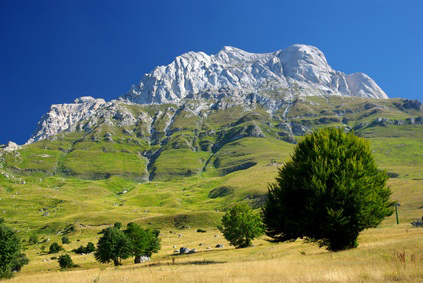
The Gran Sasso and Monti della Laga National Park, established in 1991, is Italy's third-largest nature reserve, spanning 2,014 square kilometres across three regions: Abruzzo, Lazio, and Marche. The park is centred around the Gran Sasso massif, which features the Corno Grande peak at 2,912 metres, the highest point in the Apennines. This protected area encompasses Europe's southernmost glacier, the Calderone, and boasts extraordinary biodiversity with 2,364 documented plant species. The park's diverse landscape includes alpine plains, dense forests of beech, fir, and chestnut trees, and numerous historical villages, with over 50 religious complexes and 12 castles scattered throughout its territory. Visitors can explore more than 200 kilometres of dedicated trails for hiking, cycling, and horseback riding.

Geography and Landscape
The Gran Sasso and Monti della Laga National Park stands as one of Italy's largest protected areas, covering an impressive 2,014 square kilometres across three regions: Abruzzo, Lazio, and Marche.
Mountain Groups
The park comprises three distinct mountain groups:
- The Gran Sasso d'Italia chain, featuring the majestic Corno Grande
- The Laga massif in the northern sector
- The Gemelli Mountains, known for their complex karst formations
Notable Features
The park's crown jewel is Corno Grande, which at 2,912 metres represents the highest peak in the Apennines. Beneath its summit lies the Calderone glacier, Europe's southernmost glacier, though it's rapidly diminishing due to climate change.
Water Features
The park boasts an impressive network of waterways, including:
- The spectacular Morricana Falls on Lepri Peak
- The Barche falls near Amatrice
- The dramatic Salinello Canyon carved through the Monti Gemelli
- Lake Campotosto, Europe's largest artificial lake
Landscapes
The terrain varies dramatically throughout the park, featuring:
- Alpine plains and rugged mountainsides
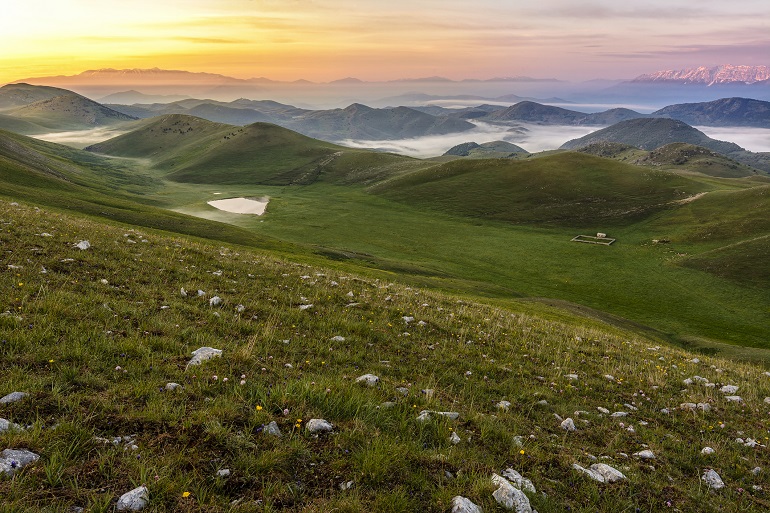
- The vast Campo Imperatore plateau, often called the "Tibet" of the park
- Deep gorges and vertiginous ridges
- The imposing eastern face known as "Paretone"
Accessibility
The park offers extensive networks of trails suitable for various activities:
- 200 kilometres of dedicated horse trails
- Mountain biking routes
- Hiking paths for all abilities, from gentle 15-kilometre routes to challenging mountaineering trails
- Winter routes accessible for skiing and snowshoeing

Flora and Fauna
The Gran Sasso and Monti della Laga National Park stands as one of Europe's most biologically diverse protected areas, offering visitors an extraordinary glimpse into Italy's rich natural heritage.
Flora
The park boasts remarkable botanical diversity with 2,364 plant species, including 139 endemic to Italy and 12 unique to the park itself. In spring and autumn, the landscape transforms into a vibrant tapestry of colours, featuring rare endemic plants such as the Viola della Majella, Edelweiss, and the once-thought-extinct Yellow Adonis.
The vegetation varies dramatically across different altitudes:
- Lower elevations feature oak woods and ancient Roman-era chestnut groves
- Between 1,000 and 1,800 metres, majestic beech forests dominate, interspersed with yew and holly
- The Gran Sasso area is characterised by extensive pastures
- The Monti della Laga region showcases dense forests with precious silver fir and birch stands
Fauna
The park serves as a sanctuary for an impressive array of wildlife:
Mammals
- The iconic Apennine chamois, successfully reintroduced with now over 1,000 specimens thriving in the park
- The Apennine wolf, with approximately 120 individuals and 20 breeding groups
- Occasional sightings of the critically endangered Marsican brown bear
- Various smaller mammals including wildcats, polecats, martens, and hedgehogs
Birds
The park hosts roughly 200 bird species, including:
- Golden eagles (12 breeding pairs)
- Peregrine falcons
- Alpine citril finches
- Great spotted woodpeckers
- Mountain swallows
Other Wildlife
- Diverse amphibians including alpine newts and Italian cave salamanders
- The largest population of endangered meadow vipers in Italy
- Notable insects such as Apollo butterflies and Alpine longhorn beetles
Best Times for Wildlife Viewing
Spring through autumn offers the best opportunities for flora and fauna observation, with spring particularly spectacular for wildflower displays. Winter transforms the landscape into a snow-covered wonderland, ideal for winter sports enthusiasts.

Activities and Attractions
The Gran Sasso National Park offers a spectacular array of activities and attractions amidst its breathtaking landscapes and diverse terrain. This magnificent park, one of Italy's largest, features the towering Corno Grande peak at 2,912 metres—the highest point south of the Alps.
Outdoor Activities
Hiking and Trekking
The park boasts an extensive network of trails suitable for all abilities. From gentle 15-kilometre routes connecting charming villages to challenging summit ascents, the paths wind through ancient beech woods, vertiginous ridges, and impressive rock walls.
Winter Sports
Campo Imperatore transforms into a winter sports paradise offering:
- Skiing
- Ski mountaineering
- Snowboarding
- Snowshoeing
Water Activities
The crystal-clear Tirino River provides excellent opportunities for:
- Canoeing
- Kayaking
- River sports
Adventure Sports
- Rock climbing on natural walls near Gran Sasso
- Mountain biking through valleys and forests
- Horse riding along dedicated trails
Natural Attractions
Wildlife and Nature
The park harbours remarkable biodiversity, including:
- Rare Apennine wolves
- Eagles and peregrine falcons
- Wild boar
- Abruzzo chamois
- Diverse wildflower species
Lake Campotosto
Europe's second-largest artificial lake serves as a haven for migratory birds and offers stunning views, particularly during sunrise and sunset. The lake's shores provide perfect spots for picnicking and nature observation.
Cultural Heritage
Historic Sites
- Rocca Calascio: One of Italy's most beautiful castles, perched at 1,460 metres
- Santo Stefano di Sessanio: A beautifully preserved medieval village
- Ancient villages and archaeological sites
- Traditional abbeys and sanctuaries
Local Experiences
- Birdwatching courses
- Environmental education programmes
- Guided tours with local experts
- Visits to the Deer Park (Area Faunistica del Cervo)
- Free access to the Botanical Garden at the Convent of San Colombo
The park provides excellent visitor services, including equipment rentals and knowledgeable guides who can offer insights into the local area's specific aspects.

Accommodation
The Gran Sasso National Park offers a diverse range of accommodation options to suit every traveller's needs and preferences. From charming village rentals to comfortable hotels and rustic mountain refuges, visitors can find the perfect place to rest after a day of exploring the park's stunning natural beauty.
Types of Accommodation
Hotels and Inns
Many towns and villages within and around the park boundaries feature hotels and inns of varying sizes and standards. These establishments often provide modern amenities such as en-suite bathrooms, Wi-Fi, and on-site restaurants serving local cuisine.
Agriturismi
For a more authentic experience, consider staying at an agriturismo—a working farm that offers accommodation. These provide a unique opportunity to sample farm-fresh produce and experience rural Italian life firsthand.
Mountain Refuges
Adventure seekers and hikers can opt for mountain refuges, which offer basic but comfortable lodging in remote areas of the park. These are ideal for those wanting to immerse themselves in nature and embark on early morning hikes.
Alberghi Diffusi
A unique concept in the region, alberghi diffusi are "scattered hotels" where rooms are spread throughout different buildings in a village, offering a more integrated local experience.
Campsites
For those who prefer to sleep under the stars, the park has designated camping areas. Some sites even offer the novel experience of sleeping in tents suspended among the trees, providing a thrilling way to observe nocturnal wildlife.
Amenities and Features
Many accommodations in the park offer spectacular views of the surrounding mountains and valleys. Depending on the type and location of your chosen lodging, you may find amenities such as:
- Swimming pools
- Spa facilities
- Restaurants serving traditional Abruzzese cuisine
- Terraces and gardens for relaxation
- Facilities for disabled guests
- Free parking
Seasonal Considerations
It's worth noting that availability and pricing can vary significantly between seasons. Winter attracts skiers and snowboarders, while summer sees an influx of hikers and nature enthusiasts. Booking in advance is recommended, especially during peak periods.
Location and Accessibility
Accommodation options are available throughout the park, from the foothills to higher altitudes. Some are conveniently located near popular attractions or trailheads, while others offer a more secluded experience. Consider your planned activities when choosing where to stay.
Whether you're seeking luxury or simplicity, a bustling town atmosphere or peaceful seclusion, the Gran Sasso National Park has accommodation to suit all tastes and budgets. Your choice of lodging can greatly enhance your experience of this magnificent natural area, providing a comfortable base from which to explore the park's diverse landscapes and rich cultural heritage.

Gastronomy
The Gran Sasso National Park in Abruzzo offers a delightful culinary journey through traditional flavours and local specialities. This region's cuisine is characterised by its simplicity, emphasis on fresh, high-quality ingredients, and a perfect balance between mountain and sea influences.
Mountain Delicacies
Lamb and Sheep: The park's pastoral tradition is evident in its lamb dishes. Don't miss the famous 'arrosticini', succulent lamb skewers grilled over charcoal. These are particularly popular during festivals and outdoor gatherings. Another must-try is 'agnello brodettato', a flavourful lamb goulash.
Cheeses: The area boasts an impressive array of cheeses, including:
- Pecorino di Farindola: A unique sheep's cheese made with pig rennet, giving it a distinctive sweet note.
- Canestrato: An intense flavoured cheese bearing basket marks on its crust, a testament to traditional moulding methods.
Lentils: The tiny lentils of Santo Stefano di Sessanio, grown on the slopes of Gran Sasso, are a local treasure. These don't require soaking and are perfect in hearty soups.
Pasta and First Courses
The pure mountain spring water has contributed to an excellent pasta-making culture in Abruzzo. Some notable dishes include:
- Spaghetti alla chitarra: Handmade egg noodles served with a slow-cooked meat sauce.
- Timballo alla Teramana: A rich 'pie' made with layers of crepes, meatballs, ragù, and local cheese.
- Pasta alla mugnaia: Thick, rough tagliatelle traditionally made by millers, now often served with pork-based sauces.
Other Specialities
- Porchetta: A savoury, moist boneless pork roast.
- Trippa alla pennese: A flavourful tripe dish slow-cooked with herbs and tomatoes.
- Le Virtù: A hearty soup containing 28 ingredients, including pulses, vegetables, and pasta.
Sweet Treats
For those with a sweet tooth, try the 'fiadone', a rustic cake filled with cheese and eggs, which can be either sweet or savoury. The region is also known for its honey and confectionery, particularly from Sulmona.
Wines
The area produces excellent wines, with Montepulciano d'Abruzzo being the most renowned. This robust red pairs wonderfully with the region's hearty meat dishes. For white wine enthusiasts, Trebbiano d'Abruzzo is a fine choice.
The Gran Sasso National Park offers a gastronomic experience that truly reflects the essence of Abruzzo - simple, authentic, and deeply rooted in tradition. Whether you're sampling cheese in a mountain village or enjoying a pasta dish with a view of the majestic Gran Sasso, you're sure to be delighted by the flavours of this remarkable region.
Best Time to Visit
The Gran Sasso National Park offers distinct experiences throughout the year, with each season providing unique opportunities for visitors.
Spring (March-April)
Spring brings mild temperatures ideal for hiking and outdoor activities, with temperatures ranging from 3°C to 11°C in March. The countryside bursts into bloom with endemic plants like the Viola della Majella and Yellow Adonis creating vibrant displays. This period offers fewer tourists and lower accommodation prices compared to peak season.
Summer (June-August)
Summer is the peak tourist season, offering excellent conditions for:
- Bouldering and rock climbing, with spots available up to 2,500m altitude
- Hiking through the extensive network of well-marked trails
- Exploring the medieval villages and archaeological sites
- Wildlife watching, including chances to spot the Apennine chamois and golden eagles
Autumn
Autumn provides comfortable temperatures for sightseeing and outdoor activities without summer's heat. The changing foliage creates spectacular landscapes, making it perfect for photography and nature walks.
Winter
Winter transforms the park into a snow-sports paradise, particularly at Campo Imperatore, offering:
- Skiing
- Ski mountaineering
- Snowboarding
- Snowshoeing
Best Time to Visit
The optimal time depends on your interests:
- For hiking and wildflower viewing: Spring and early summer
- For climbing and mountaineering: Summer months
- For avoiding crowds: Spring or autumn
- For winter sports: January and February
Practical Tip: If planning to visit in winter or early spring, check local transport schedules as some services, like the shuttle van from L'Aquila, may have limited operation.

Getting There and Around
Getting to and around the Gran Sasso National Park is straightforward with several transport options available.
Getting There
By Car
The most flexible way to reach the park is by car. From the north or south via the Adriatic Highway (A14), take these exits:
- For Ascoli Piceno: Exit at San Benedetto del Tronto
- For Teramo: Exit at Giulianova/Teramo
- For Pescara: Exit at Pescara Nord
From Rome, use the A24 motorway (Parks Highway) and exit at:
- Assergi for L'Aquila area
- Colledara/San Gabriele for Teramo area
- Castiglione a Casauria for Pescara area
By Train
Railway connections are available from:
- Rome to Pescara line
- Pescara to Giulianova-Teramo line
By Air
The nearest airports are:
- Abruzzo International Airport (Pescara)
- Rome Fiumicino Airport
- Rome Ciampino Airport
Getting Around
Public Transport
Regional buses connect the park's municipalities from provincial capitals:
- TUA buses operate from L'Aquila, Teramo, and Pescara
- START buses run from San Benedetto del Tronto and Ascoli Piceno
- COTRAL services operate from Rieti
Within the Park
The park offers various ways to explore its terrain:
- Marked hiking trails for all abilities
- Mountain biking routes
- Horse riding trails, including the 500km Gran Sasso Horse Riding Trail
- Equipment rental facilities for bikes and canoes
- Guided tours available
Visitor Services
Four information points are strategically located throughout the park:
- S. Pietro di Isola del Gran Sasso
- Crognaleto
- S. Stefano di Sessanio
- Capitignano
These centres provide visitor information, equipment rental, and can arrange local guides to help you explore specific areas of interest.
Conservation and Responsible Tourism
The Gran Sasso and Monti della Laga National Park, established in 1995, stands as one of Europe's most biodiverse protected areas, spanning across three Italian regions: Abruzzo, Lazio, and Marche.
Conservation Efforts
Wildlife Protection
The park has achieved remarkable success in wildlife conservation, particularly with the Abruzzo chamois, which has become the park's symbol. Through comprehensive management strategies and improved monitoring, the chamois population has grown significantly. The park is also home to numerous other species including wolves, golden eagles, and various endemic salamanders.
Anti-Poaching Measures
Special anti-poison dog units patrol the park to protect large carnivores and raptors, demonstrating the park's commitment to wildlife protection. These units conduct regular inspections and respond rapidly to potential threats.
Sustainable Tourism Guidelines
Visitor Regulations
- No plant cutting or vegetation damage is permitted
- Soil alterations are strictly prohibited
- Fires are only allowed in designated areas
- Waste must be disposed of in official containers
Eco-Friendly Activities
The park offers sustainable tourism experiences through:
- Marked hiking trails and nature paths
- Guided wildlife watching
- Botanical excursions
- Educational programmes about local ecosystems
Economic Impact
The park actively promotes sustainable development by supporting:
- Local organic farming practices
- Traditional agricultural methods
- Short supply chains for local products
- Eco-friendly accommodation options
The park authorities work closely with local stakeholders to harmonise grazing systems and tourism management, ensuring both conservation goals and economic activities can coexist sustainably. Through these efforts, the Gran Sasso National Park serves as a model for responsible tourism, where visitors can experience extraordinary natural beauty while contributing to its preservation.

Visitor Centres and Educational Facilities
The Gran Sasso and Monti della Laga National Park offers an extensive network of visitor facilities strategically positioned across its vast territory, making it one of Italy's most accessible national parks.
Visitor Centres and Museums
The park maintains a comprehensive network of museums and visitor centres that showcase the area's environmental and cultural heritage. These facilities highlight the unique characteristics of the park's eleven districts, featuring exhibits on local habitat, flora, fauna, traditional products, and historical architecture. The main visitor centre in Santo Stefano di Sessanio houses the Museo Terre della Baronia, which displays the region's environment, history, and culture through informative panels and local costume exhibitions.
Information Points
Four strategic information points serve visitors in the L'Aquila and Teramo territories, specifically located in:
- S. Pietro di Isola del Gran Sasso
- Crognaleto
- S. Stefano di Sessanio
- Capitignano
Educational Facilities
The park's Environmental Education Centre (CEA CeDAP), situated in the Patrizi Palace in Montorio al Vomano, serves as the hub for environmental education programmes. The centre offers:
- Birdwatching courses
- Environmental operator training
- Guided tours of the park's natural attractions
- Educational programmes for schools
- Sustainability awareness initiatives
Specialised Facilities
The park features several unique educational venues, including:
- The Apennine's Floristic Centre
- The Botanical Garden at the Convent of San Colombo
- The Area Faunistica del Cervo (Deer Park)
- Multiple observation points and nature interpretation areas
These facilities collectively support the park's mission of environmental education and conservation while providing visitors with comprehensive insights into the region's rich biodiversity and cultural heritage.