


| Contents |
|---|

Introduction
Mantua, known as Mantova in Italian, is a historic city in the Lombardy region of northern Italy with a population of around 49,000. The city is surrounded by three artificial lakes - Lago di Mezzo, Lago Inferiore, and Lago Superiore - and its old town has been a UNESCO World Heritage site since 2008. Dating back approximately 4,000 years, Mantua flourished during the Renaissance under the rule of the Gonzaga family, who transformed it into a significant cultural centre. The city is distinguished by its Renaissance architecture, most notably the 1,000-room Ducal Palace complex, and has been recognised both as the Italian Capital of Culture and the European Capital of Gastronomy in recent years.
Interesting Facts about Mantua
- Mantua, known as La Bella Addormentata (The Sleeping Beauty) to Italians, thrived during the Renaissance under the Gonzaga family and retains its historic charm.
- The city’s historic centre and nearby Sabbioneta form a UNESCO World Heritage Site, celebrated for their Renaissance urban design.
- Mantua’s Palazzo Ducale, the second-largest residence in Italy after the Vatican, boasts over 500 rooms and a castle.
- Surrounded by three artificial 12th-century lakes, Mantua’s waterways were originally engineered as defensive barriers.
- Shakespeare set parts of Romeo and Juliet in Mantua, where Romeo was exiled, and the city inspired Verdi’s opera Rigoletto.
- Local cuisine features pumpkin-filled pasta and stracotto d’asino, a slow-cooked donkey stew traditionally served in Mantuan eateries.
- In 2017, Mantua was named European Capital of Gastronomy, highlighting its role in Lombardy’s culinary heritage.
- The Teatro Bibiena, where 14-year-old Mozart performed in 1770, was designed to let audiences observe each other as much as the stage.
- Roman poet Virgil, author of the Aeneid, was born near Mantua, commemorated by a statue in Piazza Virgiliana.
- Andrea Mantegna’s Camera degli Sposi frescoes in the Ducal Palace feature one of Europe’s earliest trompe l’oeil ceiling paintings.

History
Mantua's origins stretch back to ancient times, with the Etruscans establishing a settlement in the 6th century BCE. The city later gained prominence during the Roman period and was notably the birthplace of the great Latin poet Virgil in 70 BCE. Following the fall of the Roman Empire, Mantua evolved through various rulers, eventually becoming a free commune in the 12th century before falling under the control of the Bonacolsi family in 1273.
The city's golden age began in 1328 when the Gonzaga family seized power, ushering in an era of unprecedented cultural and economic prosperity that would last nearly four centuries. Under Gonzaga rule, Mantua flourished as a centre of the Renaissance, with the family commissioning massive palaces and supporting renowned artists such as Andrea Mantegna, Giulio Romano, and Leon Battista Alberti. The family's influence was so significant that they transformed Mantua into one of Italy's most important artistic and cultural hubs, attracting scholars and artists from across Europe.
However, Mantua's fortunes changed dramatically in 1630 when imperial troops plundered the city during the Thirty Years' War, leading to economic and cultural decline. The Gonzaga dynasty's rule finally ended in 1708 when the city fell under Habsburg control. Despite these setbacks, Mantua's historical significance endures, and in 2008, the city was designated as a UNESCO World Heritage Site, recognising its remarkable architectural heritage and cultural importance. Today, Mantua stands as one of Italy's most beautiful historic cities, where visitors can experience an extraordinary blend of art, history, and Italian culture.
Main Attractions
Mantua, a UNESCO World Heritage Site, stands majestically surrounded by three artificial lakes created by the Mincio River. This Renaissance gem, once ruled by the powerful Gonzaga family, offers a remarkable collection of architectural and historical treasures. The city's intimate scale and pedestrian-friendly layout make it perfect for exploring on foot, with most attractions within comfortable walking distance of each other.
Palazzo Ducale Complex
The Ducal Palace of Mantua stands as the crown jewel of the city's museums, ranking among Italy's largest palace complexes. This vast architectural marvel spans over 34,000 square meters and houses more than 1,000 rooms, making it one of the largest palaces in Europe. The palace complex evolved over several centuries, resulting in a fascinating mixture of architectural styles, from Gothic to Renaissance and Baroque.
The Gonzaga family resided in the palace from 1328 to 1707, transforming it into a treasure trove of art and architecture. Within its walls, visitors can explore numerous courtyards, gardens, and galleries, each telling its own story of power and artistic patronage.
Camera degli Sposi
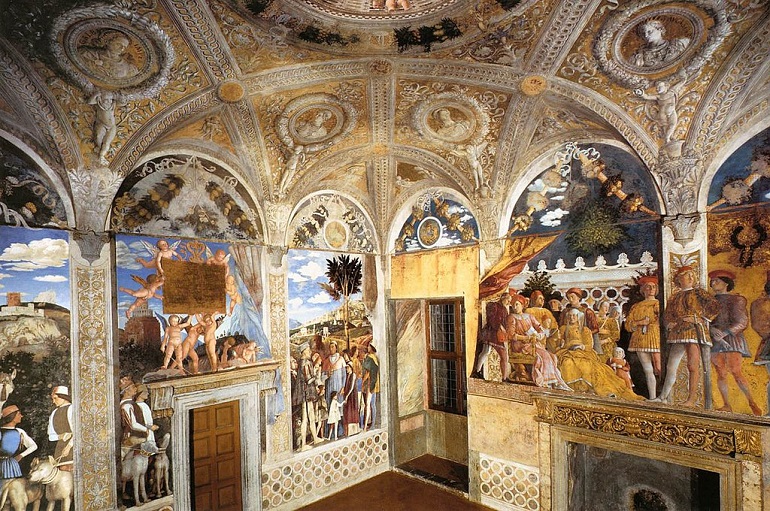
The undoubted highlight of the Ducal Palace is the Camera degli Sposi (Wedding Chamber or Bridal Chamber), adorned with stunning frescoes by Andrea Mantegna. Created between 1465 and 1474, these masterpieces showcase Mantegna's mastery of trompe-l'œil and illusionistic painting techniques. The frescoes create an illusion of open space through innovative use of perspective, making the room appear larger than its actual dimensions.
Other Notable Rooms
- The Hall of Pisanello, featuring frescoes by the eponymous artist
- The Hall of the Labyrinth, boasting a ceiling that mimics an intricate maze
- Sala dei Fiumi (Hall of Rivers), showcasing elaborate frescoes depicting the region's waterways
- Galleria degli Specchi (Hall of Mirrors), dazzling visitors with its ornate decoration and reflected light
- Appartamento degli Arazzi, housing precious Flemish tapestries
- Sala di Manto, featuring spectacular ceiling frescoes depicting classical mythology

Castello di San Giorgio
Within the Ducal Palace complex lies the Castello di San Giorgio, a beautiful moated castle built in the 14th century. This late Medieval architectural marvel later became the private residence of Isabella d'Este and even served as an Austrian prison. The castle stands as a testament to 14th-century military architecture and houses the famous Camera degli Sposi.
The Ducal Palace of Mantua continues to captivate visitors with its rich history, architectural grandeur, and unparalleled artistic treasures, offering a glimpse into the power and cultural legacy of the Gonzaga dynasty.
Piazza Sordello
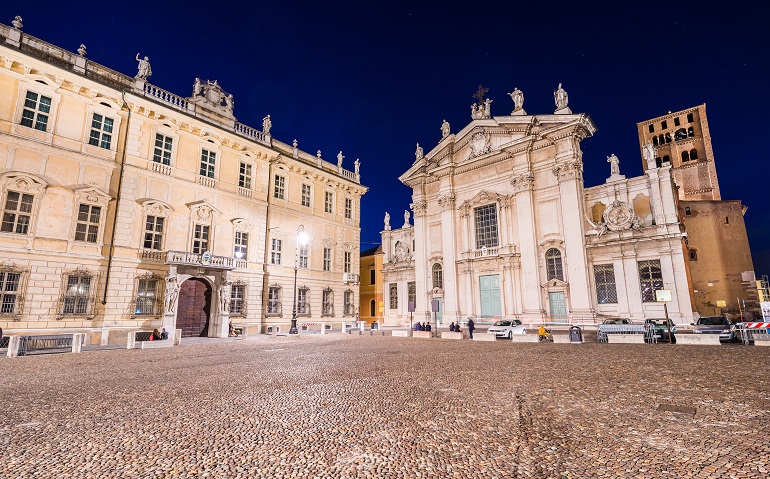
Piazza Sordello, the oldest and most significant square in Mantua, represents the city's historical heart. This majestic space showcases outstanding medieval architecture and serves as the primary gathering place for both locals and visitors. The square is surrounded by impressive buildings, including the Palazzo Ducale's facade, the Cathedral, and several noble residences. The pavement stones themselves tell stories of centuries past, while the square's vast expanse provides an excellent vantage point to admire the surrounding architecture.
Mantua Cathedral (Cattedrale di San Pietro)
The Cathedral presents a fascinating architectural evolution, combining Romanesque, Gothic, and Baroque elements. Originally built in the Early Christian era, the current structure was largely rebuilt in the 14th and 15th centuries. Its facade, reconstructed in the 18th century, features elegant proportions and classical elements. The interior houses numerous artistic treasures, including frescoes, sculptures, and an impressive 20th-century pipe organ. The side chapels contain valuable artworks spanning several centuries.
Piazza delle Erbe
This charming square functions as Mantua's commercial and social nerve centre, hosting vibrant morning flower and produce markets. The square's northern side is dominated by the Palazzo della Ragione, with its distinctive clock tower (Torre dell'Orologio) built in 1473. The timepiece still maintains its original astronomical functions, tracking the movement of celestial bodies.
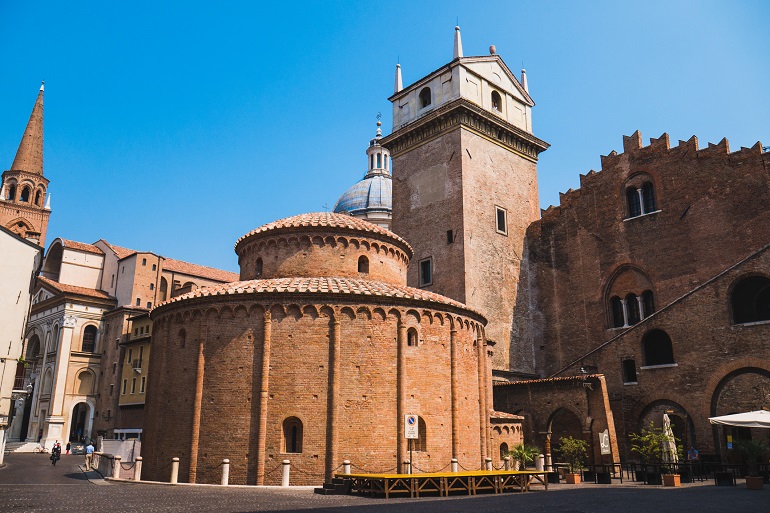
The Rotonda di San Lorenzo, visible from the square, offers a glimpse into Mantua's medieval past. The square's eastern side features the Merchant's House (Casa del Mercante), a splendid example of 15th-century Venetian-Gothic architecture, its facade adorned with original frescoes and decorative elements.
Basilica of Sant'Andrea
Designed by the renowned Renaissance architect Leon Battista Alberti, the Basilica of Sant'Andrea stands as Mantua's largest church. Its imposing facade revolutionised church architecture, combining elements of a Roman triumphal arch with classical temple features. The interior showcases an impressive barrel-vaulted nave and houses numerous chapels decorated with outstanding artworks. The church is also famous for housing a relic of Christ's blood, brought to Mantua by the Roman centurion Longinus.
Rotonda di San Lorenzo
This remarkable structure represents Mantua's oldest church, dating back to the late 11th century. Modelled after the Church of the Holy Sepulchre in Jerusalem, its circular design is unique in the region. The interior features remnants of medieval frescoes and an impressive dome structure. The building's history includes periods of abandonment and various uses, including as a warehouse, before being restored to its original religious function in the 20th century.
Palazzo Te
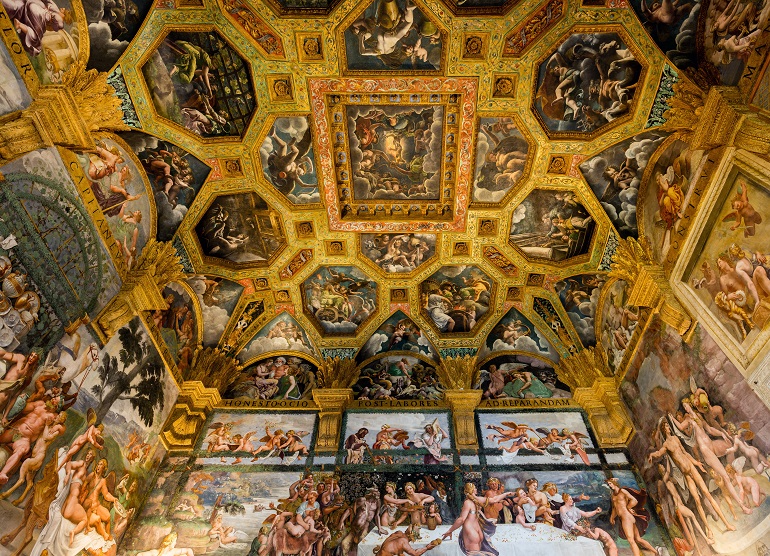
Built between 1525 and 1535 by Giulio Romano, Palazzo Te is a masterpiece of Mannerist architecture and decoration. Originally conceived as a suburban villa for Federico II Gonzaga, it later became a venue for official receptions.
The palace is renowned for its spectacular Room of the Giants, featuring frescoes depicting the fall of the Giants, creating an immersive and awe-inspiring visual experience. Another notable space is the Room of Psyche, known for its sensual frescoes telling the myth of Eros and Psyche, a triumph of Renaissance artistry.
Top Museums
Museo di Palazzo d'Arco
Housed in a Neoclassical palace, the Museo di Palazzo d'Arco displays the furnishings and artwork collected by the Duke D'Arco. Built starting in 1784 based on a design by architect Antonio Colonna, this museum offers a glimpse into the life of Mantua's nobility.
The museum houses an impressive collection of art and decorative objects, including masterpieces by Lorenzo Lotto, Tintoretto, Lorenzo Costa, and Giuseppe Bazzani. Visitors can explore frescoed rooms, portraits of ancestors, and a library with thousands of volumes. The admission ticket also includes access to the sumptuous garden and the 15th-century mansion, featuring the extraordinary Hall of the Zodiac, a masterpiece by Giovanni Maria Falconetto.
Museo Diocesano Francesco Gonzaga
Established in 1983 and refurbished in 2008, the Museo Diocesano Francesco Gonzaga is housed in the main cloister of the former monastery of Sant'Agnese. This museum showcases religious art and artefacts from Mantua's churches, including the Cathedral and the Basilica Palatina of Santa Barbara.
The museum is divided into several sections, including a picture gallery, enamels, ivories and coins section, armor collection, and the Gonzaga Rooms. It houses an impressive collection of works by Giuseppe Bazzani, the greatest artist of eighteenth-century Mantua. Notable masterpieces include Pierpaolo dalle Masegne's St. George, the sinopia of the Ascension attributed to Andrea Mantegna, and Correggio's Deposition and Holy Family.
National Archaeological Museum
Located in the former Teatro di Corte dei Gonzaga, the National Archaeological Museum houses a rich collection of artefacts spanning from prehistory to the Middle Ages. While specific details about its exhibits are not provided in the search results, archaeological museums typically showcase local finds and provide insights into the region's ancient history.
Local Cuisine
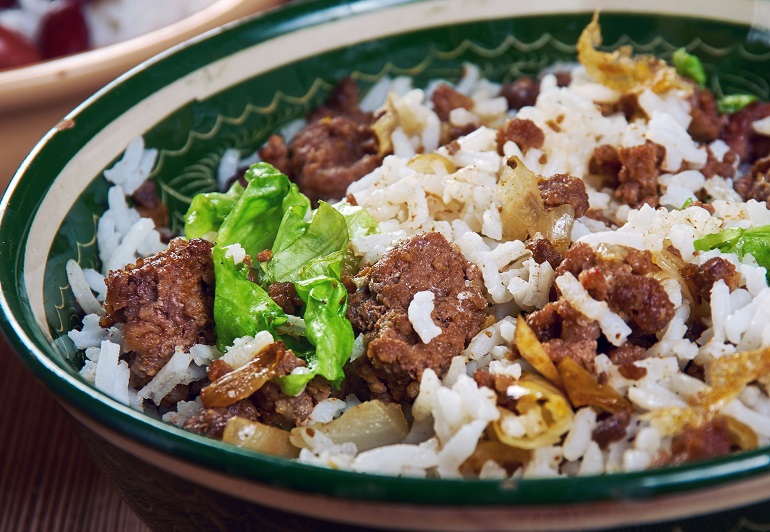
Mantuan cuisine reflects a rich culinary heritage that dates back to the Gonzaga era, blending influences from both Lombardy and Emilia-Romagna. The city's signature dish is tortelli alla Mantovana, a delightful pasta filled with pumpkin, apple mustard compote and amaretti biscuits, typically served with butter and sage. Other local specialities include riso alla pilota, a distinctive risotto flavoured with pork, and agnolini, small meat-filled pasta parcels served in broth. Fish from the surrounding lakes features prominently, with luccio in salsa (pike in green sauce) being a particular delicacy. For meat lovers, the stracotto (slow-cooked meat) served with polenta is a must-try. The region is also renowned for its mostarda mantovana, a condiment made from candied fruit and mustard-flavoured syrup, and the sbrisolona, a traditional crumbly cake made with cornflour, butter and almonds, traditionally enjoyed with grappa.
Shopping
Mantua offers diverse shopping experiences, from historic city-centre boutiques to modern outlet villages. The main shopping thoroughfares of Corso Umberto I, Corso Vittorio Emanuele II, Piazza Marconi and Via Verdi house numerous artisanal shops, including the historic Gelsomini, specialising in household items since 1938, and Casa del Bianco, one of Lombardy's oldest shops dating back to 1828. For designer bargains, the Mantova Village outlet, located just outside the city, features over 100 shops offering discounts of up to 70% on premium brands. This shopping village, designed to resemble a 16th-century Mantuan hamlet, includes restaurants, cafés, and a children's play area, making it perfect for a full day out. Don't forget to pick up local specialities like the traditional sbrisolona cake or fresh pumpkin-filled pasta from the city's numerous bakeries.
Nature in and around Mantua
Mantua's stunning natural beauty is defined by its unique position amidst three man-made lakes: Lago Superiore, Lago di Mezzo, and Lago Inferiore, which were created in the 12th century by diverting the River Mincio. These lakes not only provide a picturesque setting for the city but also serve as a haven for wildlife and outdoor enthusiasts. The expansive Parco del Mincio, stretching along the Mincio River which connects Mantua to Lake Garda, encompasses 16,000 hectares of protected landscapes including floodplains, marshlands and dense forests. The park is particularly spectacular in summer when thousands of lotus flowers transform the waters into a breathtaking sea of blossoms. Visitors can explore this natural wonderland through well-maintained cycling paths, peaceful walking trails, or scenic boat trips, whilst nature enthusiasts will delight in the rich biodiversity, including various water birds such as herons, cormorants and swans. The lakeshores offer splendid promenades and viewpoints, with the Lago di Mezzo providing particularly photogenic vistas of the city's historic buildings perfectly reflected in its calm waters.
Piazza Virgiliana
Once submerged under water during the Gonzaga rule, this area has been transformed into a verdant park named after Mantua's most famous Roman citizen, the poet Virgil. The space offers extensive gardens and peaceful walking paths along the Mincio River. The park features well-maintained lawns, mature trees, and numerous benches, making it perfect for relaxation and picnics. During spring and summer, the area comes alive with cultural events and outdoor concerts.
Lago di Mezzo Waterfront
The artificial lakes surrounding Mantua create a unique ecosystem and offer spectacular views of the city. The waterfront promenade along Lago di Mezzo provides excellent photo opportunities and peaceful walking routes. Visitors can enjoy boat tours of the lakes, offering unique perspectives of the city's Renaissance architecture reflected in the water. The area is particularly beautiful during sunset when the city's silhouette creates dramatic reflections on the water's surface.
Getting There & Around
Mantua is easily accessible from major Italian cities despite not having its own airport. The closest airports are Bologna (49 miles away) and Milan, with convenient train and bus connections to the city. From Milan Central Station, trains to Mantua take approximately 1 hour 30 minutes and cost £13. Once in Mantua, the compact historic centre is perfectly walkable, with most attractions within a 5-minute stroll from the train station. For public transport, APAM operates local buses with single tickets costing €1.60 for 75 minutes of travel. Cycling is another excellent option, particularly for exploring the scenic Mincio Cycle Path that connects Mantua to Lake Garda. For those planning to visit multiple attractions, the Mantova Card (€25) offers excellent value with free admission to major sites and unlimited bus travel for 72 hours. Taxis are available throughout the city area via Radiotaxi, though walking remains the most practical way to explore the city centre.
Best Time to Visit
Mantua is a delightful destination that can be visited throughout the year, though the spring season from February to June offers particularly pleasant conditions with fair weather and gradually rising temperatures. The summer months of July and August bring warm temperatures around 29°C and showcase the stunning lotus flowers blooming along the lakes. Autumn, from September to October, presents a beautiful spectacle with temperatures ranging from 8°C to 18°C, whilst the surrounding countryside transforms into deep oranges and yellows. Even winter visits can be rewarding, though you'll encounter chilly and foggy conditions—perfect for savouring the city's hearty traditional cuisine indoors.