


| Contents |
|---|

Introduction
Maiella National Park, established in 1991, is one of Italy's 24 national parks located in the Abruzzo region, approximately 30 kilometres from the Adriatic coast. The park encompasses 74,000 kilometres of protected landscape, spanning three provinces and 38 municipalities. Since 2021, it has been designated as a UNESCO Global Geopark, featuring the second-highest peak in the Apennine chain, Monte Amaro, at 2,793 metres. The park is renowned for its exceptional biodiversity, hosting one-third of Italy's flora species, including 1,800 uncommon plant varieties. The wildlife is equally diverse, with the Apennine wolf serving as the park's symbol, alongside other notable species such as the Marsican bear, chamois, and golden eagle. The area combines pristine wilderness with rich cultural heritage, featuring ancient hermitages, caves with prehistoric paintings, and traditional mountain villages.
Geography and Landscape
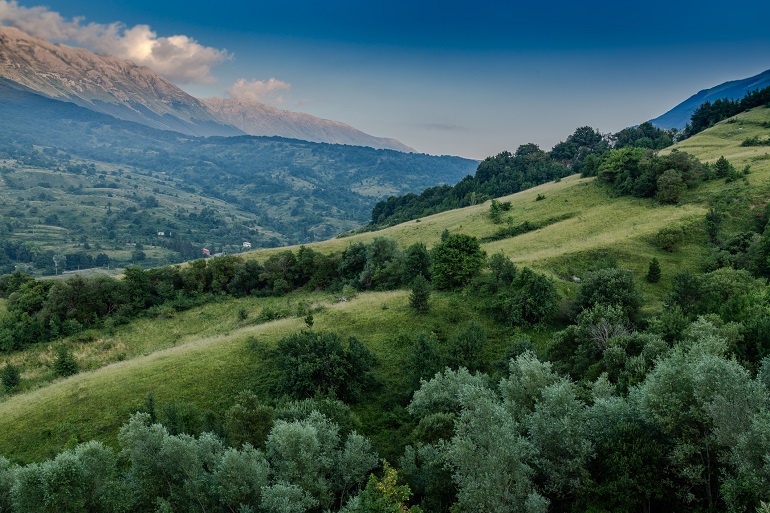
The Maiella National Park, established in 1995 and declared a UNESCO Global Geopark in 2021, is a remarkable natural wonder spanning 740 square kilometres in Italy's Abruzzo region. This magnificent park presents an extraordinary range of elevations, from 130 metres to 2,793 metres above sea level.
Mountain Ranges
The park comprises four primary mountain groups:
- The Maiella massif, a compact mountain formation with rounded peaks, containing over 60 peaks, half of which exceed 2,000 metres
- Monte Amaro, standing at 2,793 metres, is the park's highest point and the second-highest peak in the Apennines
- The Montagne del Morrone in the western section, with an average elevation of 1,700 metres
- The Monti Pizzi and Monte Porrara, forming the southeastern portion of the park
Geological Features
The landscape showcases remarkable geological diversity with 95 geosites, 22 of which hold international significance. The massif primarily consists of limestone formed over 100 million years ago from ancient sea creatures in a tropical sea environment. The area's distinctive karst topography features more than 100 caves, with the Cavallone Caves being particularly noteworthy for their stalactites and stalagmites.
Valleys and Waters
The eastern Maiella is carved by several impressive canyons, including:
- The Mandrelle-Santo Spirito valley
- The Taranta valley
- The spectacular Orta Valley, forming one of the park's most dramatic canyons
The park features several perennial water bodies, including the Ticino, Battista, and Pietra Cernaia lakes. Multiple rivers traverse the territory, including the Orta, Orfento, Gizio, and Vella rivers in the Pescara River basin.
Climate
The park experiences a typical mountain and high-mountain climate, characterised by:
- Abundant snowfall
- Cool, breezy summers
- Cold, rainy winters in lower elevations
- Generally good visibility at high altitudes
The park's proximity to the Adriatic Sea (just 30 kilometres away) creates unique climatic conditions, making autumn the most stable season.
Flora and Fauna
The Maiella National Park stands as one of Italy's most remarkable biodiversity hotspots, boasting an extraordinary wealth of flora and fauna across its limestone massifs and deep valleys.
Flora
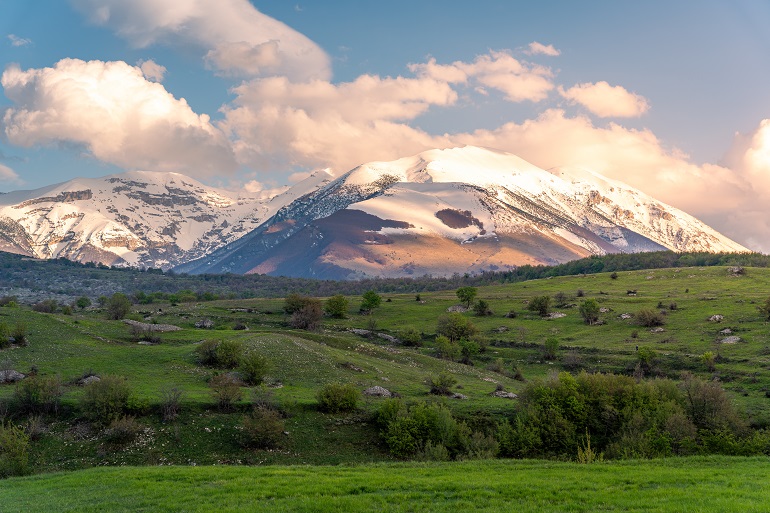
The park harbours an incredible 2,300 plant species, representing 70% of Abruzzo's total flora. This remarkable botanical diversity accounts for 37% of Italy's flora and 22% of Europe's total plant species. The area features distinctive vegetation zones, including:
- Vast beech forests dominating the slopes
- Rare mountain pine groves
- Endemic species like the Apennine Edelweiss and Majellense Violet
The park's unique position as Europe's southernmost Alpine region creates a remarkable crossroads of Mediterranean, Alpine, Balkan, Baltic, Pyrenean, and Arctic plant species.
Wildlife
Mammals
The park serves as a sanctuary for several iconic species, including:
- The Italian wolf, with approximately 100 wolves spread across eleven packs, representing one of the world's highest wolf population densities
- The Marsican brown bear, with about 20 individuals roaming the beech forests
- The successfully reintroduced Abruzzo chamois, now thriving in the high slopes
Birds
The park's rugged terrain provides habitat for numerous notable bird species:
- Six breeding pairs of Golden Eagles
- Peregrine falcons
- Alpine and red-billed chough
- Rock partridge
Other Species
The park's biodiversity extends to:
- 116 of Italy's 131 butterfly species
- 700 moth species
- Rare amphibians like the spectacled salamander
- The unique Orsini's viper
Conservation Success
The park represents a remarkable conservation success story, having restored populations of several species that were previously extinct in the region. The reintroduction of red and roe deer, along with the return of otters to the Orfento and Orta rivers, demonstrates the effectiveness of local conservation efforts.
The park's pristine condition and minimal human infrastructure have created an ideal sanctuary for Apennine wildlife, making it one of Italy's most important biodiversity refuges.

Activities and Attractions
The Maiella National Park, a UNESCO Global Geopark in Abruzzo, offers a wealth of outdoor activities and attractions across its 74,000-hectare expanse, featuring dramatic mountain landscapes and rich cultural heritage.
Outdoor Activities
- Hiking and Trekking
- Hundreds of kilometres of marked trails for all difficulty levels
- The 73km Spiritual Trail connecting Serramonacesca to Sulmona
- Multiple-day trekking options available
- 30 mountain summits to explore
- Adventure Sports
- Rock climbing on numerous cliff faces
- Mountain biking on well-marked paths
- Horse riding through forests and off-road trails
- Winter sports including skiing and snowshoeing
- Free climbing in designated nature reserves
Cultural Attractions
- Religious Sites
The park features numerous historic religious buildings carved into cliffs:
- Eremo Abbazia di Santo Spirito a Majella
- Hermitage of San Bartolomeo in Legio
- Abbey of San Martino in Valle
- Ancient bone-filled crypts
- Historic Towns
Notable settlements within the park include:
- Sulmona
- Guardiagrele
- Pretoro
- Caramanico Terme
- Fara San Martino
- Viewpoints
- Belvedere Balzolo overlooking the Avello Valley
- Belvedere Francesco Verlengia in Civitella Messer Raimondo
- Monte Amaro summit (2,793m) offering panoramic views
- Unique Attractions
- Wolf Wildlife Area in Pretoro for guided wolf watching
- Cavallone Caves - Europe's highest natural caves, accessible by cable car
- Traditional artisan workshops in various mountain towns
- Ancient hermitages carved into cliff faces
The park offers excellent facilities including bike rental services, guided tours, and well-maintained trails, making it accessible for visitors of all experience levels.

Accommodation
The Majella National Park offers a diverse range of accommodation options for visitors looking to immerse themselves in the stunning natural beauty of Abruzzo. From charming mountain villages to serene countryside retreats, there's something to suit every traveller's taste and budget.
Types of Accommodation
Hotels and Inns
Many quaint towns within and around the park boundaries boast traditional hotels and inns. These establishments often feature comfortable rooms, on-site restaurants serving local cuisine, and helpful staff who can provide information about the park's attractions.
Agriturismi
For a more authentic rural experience, consider staying at an agriturismo. These working farms offer guest accommodation, allowing visitors to enjoy home-cooked meals made with fresh, local ingredients whilst experiencing the traditional Abruzzese way of life.
Holiday Rentals
Self-catering options are plentiful in the Majella area. From rustic stone cottages to modern apartments, holiday rentals provide flexibility and privacy for families or groups. Many of these properties boast stunning views of the surrounding mountains and valleys.
Mountain Refuges
For the more adventurous, mountain refuges offer basic accommodation in remote locations. These simple lodgings are perfect for hikers and nature enthusiasts who want to fully immerse themselves in the park's wilderness.
Popular Locations
Several towns within the park are particularly popular for overnight stays:
- Caramanico Terme: Known for its thermal baths and spa facilities
- Sulmona: A larger town on the park's edge, famous for its confectionery
- Guardiagrele: Offers panoramic views and is renowned for its artisanal crafts
- Pretoro: A picturesque village with easy access to hiking trails
Amenities and Features
Many accommodations in the Majella National Park offer amenities tailored to outdoor enthusiasts:
- Secure bike storage for cyclists
- Drying rooms for wet hiking gear
- Packed lunch services for day trips
- Information on local trails and guided excursions
Some establishments also provide wellness facilities such as saunas or hot tubs—perfect for relaxing after a day of exploring the park.
Booking Tips
- Reserve well in advance, especially for summer months and holiday periods
- Consider the location carefully in relation to the activities you plan to do
- Check if your chosen accommodation offers park entry passes or discounts on local attractions
- Inquire about half-board options if you prefer to have meals included
Whether you're seeking a luxurious retreat or a simple base for outdoor adventures, the Majella National Park's accommodation options cater to all preferences, ensuring a memorable stay in this breathtaking corner of Italy.
Gastronomy
The Maiella National Park in Abruzzo, Italy, offers a rich tapestry of culinary delights that reflect the region's mountainous terrain and pastoral traditions. Visitors to this UNESCO-listed geopark can embark on a gastronomic journey that showcases the intense flavours of Abruzzo's hearty mountain fare.
Traditional Dishes
Pasta Specialities
The park's pristine mountain springs have contributed to an excellent pasta-making culture. The most renowned pasta dish is 'spaghetti alla chitarra', handmade egg noodles cut using a special wooden loom with metal wires, resembling guitar strings. This pasta is typically served with a slow-cooked meat sauce, often featuring a combination of pork, beef, and lamb.
Meat Delicacies
Abruzzo's cuisine is known for its robust meat dishes. 'Arrosticini', thin skewers of roasted sheep meat, are ubiquitous throughout the region and are a must-try for visitors. Another local favourite is 'porchetta', a savoury, boneless pork roast seasoned with herbs and spices.
Rustic Specialities
The park's culinary repertoire includes several rustic dishes that showcase the region's agricultural heritage. 'Pallotte cacio e ova' are cheese and egg fritters served in a basil-infused tomato sauce. 'Pizz e foje' is a traditional farmer's dish consisting of unleavened cornmeal pizza served with boiled vegetables, sautéed with garlic and peppers.
Local Produce
The Maiella National Park is a treasure trove of artisanal food products. Visitors can savour a variety of cured meats, sharp pecorino cheese made from sheep's milk, and an assortment of legumes, including the prized local spelt. The area is also known for its truffles, mushrooms, and saffron.
Sweet Treats
No culinary exploration of the park would be complete without sampling the local sweets. 'Mostaccioli' are soft cookies covered with chocolate icing, while 'fiadone' is a rustic cake filled with cheese and eggs, available in both sweet and savoury varieties.
Beverages
To complement the hearty cuisine, the park offers excellent local wines. Meals often conclude with a bracing shot of 'genziana', a local herbal liqueur.
The Maiella National Park's gastronomy is a testament to the region's rich culinary heritage, offering visitors a chance to savour authentic flavours deeply rooted in Abruzzo's mountainous landscape and traditions.

Best Time to Visit
The Maiella National Park, nestled in the heart of Abruzzo, Italy, offers a stunning array of natural beauty and outdoor activities throughout the year. However, certain seasons provide particularly rewarding experiences for visitors.
Spring (March to May)
Spring is arguably the most enchanting time to visit the Maiella National Park. As winter's grip loosens, the park bursts into life with a vibrant display of wildflowers carpeting the landscape. Late spring, particularly May, is ideal for exploring the park's towns and hermitages, as the weather becomes milder and more stable.
Summer (June to August)
Summer presents the best conditions for hiking and trekking in the park. The warmer temperatures and longer days allow visitors to fully explore the network of trails, including the challenging ascent of Monte Amaro, the park's highest peak. However, it's worth noting that popular routes can become busy during this peak season.
Autumn (September to November)
Autumn in Maiella National Park is a visual feast. The beech forests transform into a kaleidoscope of reds, oranges, and golds, creating breathtaking scenery. October is particularly magical, offering comfortable temperatures for hiking and photography. This season also coincides with various local food festivals, allowing visitors to sample the region's culinary delights.
Winter (December to February)
Winter blankets the park in snow, transforming it into a serene wonderland. While some trails become inaccessible, the park offers unique experiences such as snowshoeing and cross-country skiing. The crisp air and clear skies provide excellent visibility, making it an ideal time for wildlife spotting, particularly wolves, the park's symbolic animal.
Best Time to Visit
For most visitors, late spring (May to early June) and early autumn (September to October) offer the best balance of pleasant weather, stunning scenery, and moderate crowds. These periods allow for comfortable hiking, vibrant natural displays, and the opportunity to immerse oneself in local culture and traditions.
However, the best time to visit ultimately depends on your interests:
- For wildflower enthusiasts: Late spring
- For serious hikers: Summer
- For autumn foliage: October
- For winter sports: December to February
Regardless of when you choose to visit, the Maiella National Park promises an unforgettable experience, showcasing the raw beauty of the Abruzzo region and offering a perfect escape into nature.

Getting There and Around
The Maiella National Park is well-connected despite its seemingly remote mountain location. Rome lies just over 100 miles to the west, and the park is easily accessible via multiple transportation options.
Getting There
By Car
- Take the A25 motorway with exits at Alanno Scafa, Torre de' Passeri, Bussi or Pratola Peligna Sulmona
- From Rome, expect approximately 1 hour 42 minutes of driving time
- From Pescara, the journey takes about 1 hour 12 minutes
By Public Transport
- Train services run from major cities:
- From Rome: 2 hours 23 minutes to Sulmona via Trenitalia (€10-35)
- From Pescara: Hourly trains to Sulmona (€5-13)
- Bus services available:
- Regular buses from Pescara Terminal to Sulmona (4 times daily, 1 hour journey)
Getting Around
Within the Park
- Only one through road bisects the entire park north to south, passing through Caramanico Terme and over Passo San Leonardo
- Three additional roads connect in the north-east quadrant near Passo Lanciano
- Renting a car is recommended for maximum flexibility when exploring the park
Important Considerations
- All journeys within the park take longer than expected, whether walking, cycling or driving
- Some mountain roads may close during winter months due to snow
- The park offers extensive hiking trails, but proper planning is essential
For the most comprehensive exploration of the park, having your own vehicle is ideal, though public transport can get you to the main gateway towns. Plan extra time for all journeys, as mountain roads and terrain can make travel times longer than anticipated.

Conservation and Responsible Tourism
The Maiella National Park stands as one of Italy's most significant biodiversity hotspots, hosting over 78% of Abruzzo's mammal species and 45% of Italy's total mammal species. Since becoming a UNESCO Global Geopark in 2021, the park has strengthened its commitment to conservation whilst balancing sustainable tourism.
Conservation Initiatives
The park implements an integrated conservation strategy that combines both in-situ and ex-situ approaches. Key conservation efforts include:
- Protection of endemic plant species through botanical gardens and seed banks
- Wildlife monitoring and management programmes, particularly for wolves and bears
- Establishment of biodiversity corridors linking to other national parks
Sustainable Tourism
Activities and Access
The park offers numerous eco-friendly activities:
- Well-marked trekking paths for day trips and multi-day excursions
- Mountain biking routes with electric bike rental facilities
- Guided horse-riding tours through forests and historical sites
Cultural Heritage
The park successfully integrates cultural preservation with nature conservation through:
- Support for traditional farming practices that enhance biodiversity
- Preservation of historical hermitages and religious sites
- Promotion of local food producers and traditional crafts
Visitor Guidelines
Responsible Tourism Practices
- Stay on marked trails to protect sensitive habitats
- Maintain distance from wildlife, particularly wolves and bears
- Support local communities by purchasing regional products
- Visit during off-peak seasons to reduce environmental impact
Local Initiatives
The park's "Farmers of Mother Mountain" programme recognises farmers as environmental guardians, promoting sustainable agricultural practices and local food production. This initiative helps preserve both biodiversity and cultural heritage whilst providing authentic experiences for visitors.
Through these measures, Maiella National Park demonstrates how responsible tourism can support conservation efforts whilst providing meaningful experiences for visitors.
Visitor Centres and Educational Facilities
The Maiella National Park offers an extensive network of visitor centres and educational facilities spread across the region, providing comprehensive support and information for visitors.
Main Visitor Centres
Paolo Barrasso Centre in Caramanico Terme
- Features geology sections with fossils from Majella Mountain
- Houses archaeological findings from Upper Paleolithic to Roman age
Maurizio Locati Centre in Lama dei Peligni
- Dedicated section on chamois wildlife
- Archaeological exhibition covering eastern Majella's history
- Features the "M. Tenore" botanical garden showcasing endemic plant species
Wolf Visitor Centre in Popoli
- Educational exhibitions on wolf biology and ethology
- Special howling observation room
- 2.5km nature trail for wildlife viewing
- Guided tours available to observe ungulates and birds of prey
Specialised Museums
Natural History Museum at Fara San Martino
- Comprehensive naturalistic exhibitions
Bear Museum in Palena
- Located in former Sant'Antonio convent
- Features nocturnal forest reconstruction
- Interactive dioramas of the Marsican bear
Educational Features
The park's facilities offer:
- Information about trails and tourist itineraries
- Maps and educational materials
- Local product sales
- Wildlife observation areas
- Botanical gardens
- Nature trails
Natural Heritage
The park's educational facilities help visitors understand its remarkable features, including:
- 95 geosites, with 22 of international value
- Over 2,300 plant species
- 60 mountain peaks
- 740 square kilometres of protected area
- Altitude range from 132 to 2,800 metres
The visitor centres serve as essential gateways to understanding and appreciating this UNESCO Global Geopark's unique combination of geodiversity, biodiversity, and cultural heritage.