


| Contents |
|---|

Introduction
Capri is a small Mediterranean island situated in the Tyrrhenian Sea within the Bay of Naples, just off the Sorrentine Peninsula in Italy's Campania region. The island, measuring roughly two kilometres wide and four kilometres long, comprises two municipalities: Capri town and Anacapri. Connected year-round to the mainland via ferries and hydrofoils, Capri is accessible within 30 minutes from Sorrento and about an hour from Naples. The island features dramatic limestone cliffs, crystal-clear waters, and notable attractions including the Blue Grotto (Grotta Azzurra), the Faraglioni rock formations, and Monte Solaro, its highest point. The main arrival point is Marina Grande, from where visitors can take a funicular to Capri town's famous Piazzetta, whilst Anacapri sits in the higher inland hills, offering a more tranquil atmosphere.
Interesting Facts about Capri
- Capri's highest point is Monte Solaro, standing at 589 metres (1,932 feet) above sea level.
- The Blue Grotto, a sea cave illuminated by an ethereal blue light, was once Emperor Tiberius's private swimming spot.
- The island is divided into two main areas: Capri and Anacapri, historically connected by the 800-step Scala Fenicia.
- Capri is composed of a single limestone block spanning approximately 10.4 square kilometres (4.0 square miles).
- The iconic Faraglioni rock formations host a rare species of blue lizard found nowhere else on Earth.
- Roman Emperor Tiberius ruled the Roman Empire from his Villa Jovis residence on Capri during the 1st century CE.
- Capri's signature dish, the Caprese salad, originated on the island and features tomato, mozzarella, and fresh basil.
- The Gardens of Augustus offer panoramic views of the Faraglioni and Via Krupp's hairpin bends for just €1 entry.
- Ancient Roman engineers built sophisticated underground cisterns to collect rainwater, still visible beneath modern streets.
- The island's name may derive from the Latin "caprae" (goats) or Greek "kapros" (wild boar), reflecting its ancient wildlife.
History
Capri's rich history stretches back to the Paleolithic period, with archaeological evidence of early human settlements discovered in caves like the Grotta delle Felci. The Greeks were the first to establish a significant presence on the island in the 8th century BCE, naming it 'Kapros' meaning wild boar, and introducing advanced agricultural practices for cultivating grapes, olives, and figs.
The island's golden age began when Emperor Augustus discovered its beauty in the early Roman Empire, trading the larger island of Ischia to acquire Capri. The most notable Roman resident was Emperor Tiberius, who ruled from the island between 27 and 37 CE, constructing the magnificent Villa Jovis, which was the largest and most luxurious villa in the Roman Empire. Following the Roman era, Capri experienced turbulent times during the Middle Ages, suffering frequent pirate raids and changing hands between various powers, including the Byzantines, Normans, and the Republic of Amalfi.
The 19th century marked a cultural renaissance for Capri, beginning with the rediscovery of the Blue Grotto in 1826. The island became a haven for artists, writers, and intellectuals drawn to its natural beauty and unique atmosphere. During World War II, Capri served as an Allied command base, hosting notable figures such as General Eisenhower and Winston Churchill. Today, the island remains a prestigious tourist destination, famous for its dramatic cliffs, crystal-clear waters, and cultural heritage.
Natural Attractions
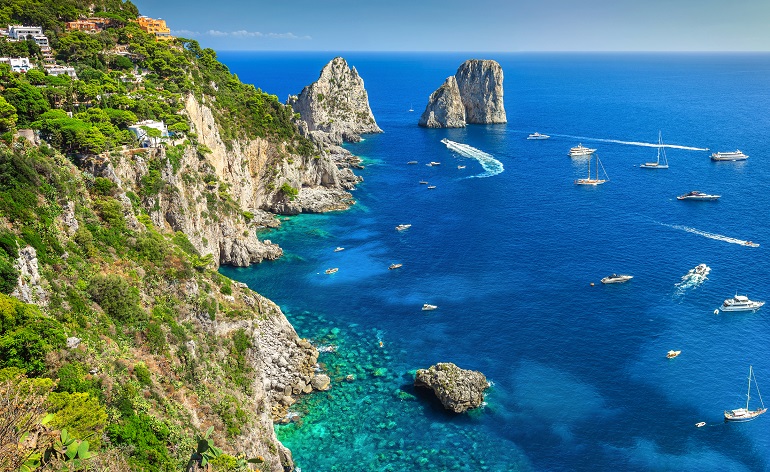
Capri's natural splendour is a testament to the Mediterranean's most enchanting offerings. The island's dramatic limestone cliffs plunge into the crystal-clear Tyrrhenian Sea, creating a stunning coastline dotted with remarkable sea caves. The most celebrated of these is the Blue Grotto (Grotta Azzurra), where sunlight filtering through underwater caverns creates an ethereal azure glow that illuminates the entire cave. The iconic Faraglioni rocks, three towering sea stacks that rise majestically from the water, stand as natural sentinels off the southern coast. Visitors can ascend to Monte Solaro, the island's highest point, for breathtaking panoramic views of the Bay of Naples, the Amalfi Coast, and on clear days, even distant Calabria. The island's landscape is further adorned with picturesque coves, pristine beaches, and the White and Green Grottos, each offering their own unique play of light and water.
Monte Solaro
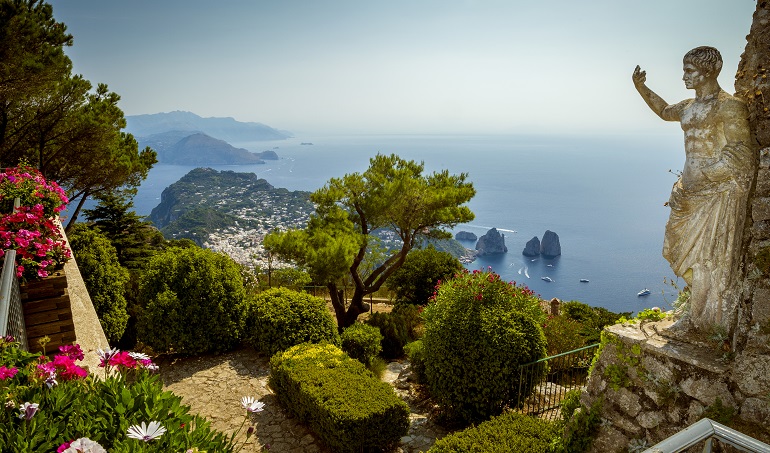
Rising 589 metres above sea level, Monte Solaro is Capri's highest point and offers the most spectacular panoramic views of the island. From its summit, visitors can enjoy a 360-degree vista encompassing the entire Bay of Naples, the Amalfi Coast, and the islands of Ischia and Procida. The most popular way to reach the top is via the chairlift from Anacapri, a peaceful 12-minute journey offering increasingly beautiful views as you ascend. For the more adventurous, a hiking trail leads to the summit, taking approximately 1.5 hours to complete. At the top, you'll find a rustic restaurant where you can enjoy local specialities while soaking in the magnificent views.
The Blue Grotto (Grotta Azzurra)
This magnificent sea cave is perhaps Capri's most enchanting natural wonder. As sunlight passes through an underwater cavity and shines through the seawater, it creates an otherworldly blue reflection that illuminates the entire cave. Visitors enter via small rowboats, lying flat as they pass through the metre-high entrance. Once inside, they're treated to a magical display of silver and azure reflections dancing on the cave walls. The grotto stretches 54 metres into the rock and is 15 metres wide, with a ceiling soaring to 15 metres in height. The best time to visit is between 12:00 and 14:00 when the sun's position creates the most intense blue effect.
Natural Arch (Arco Naturale)
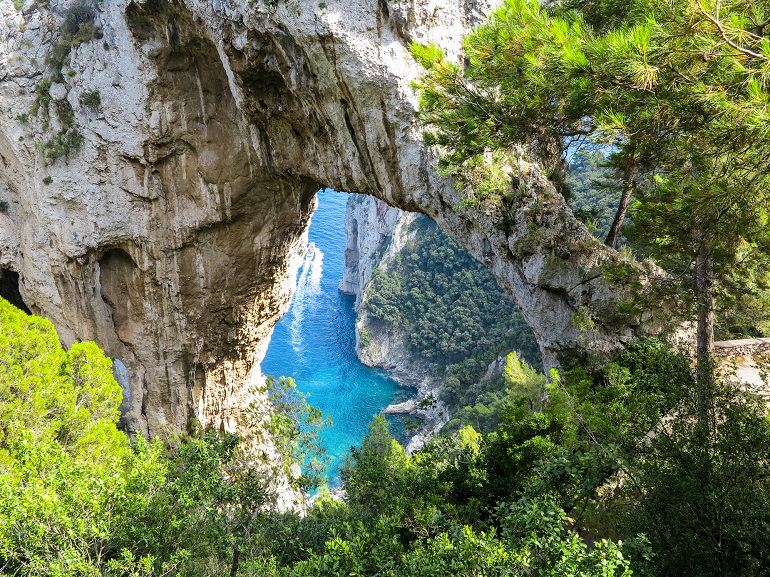
This remarkable limestone arch is all that remains of a vast prehistoric grotto that collapsed due to geological events and erosion. Standing 18 metres high, this natural wonder offers stunning views of the coastline below and the pristine waters of the Mediterranean. The arch is reached via a scenic walk from the Piazzetta, passing through the peaceful Via Matermania. The trail includes several viewpoints where visitors can pause to admire the dramatic coastal scenery. The natural arch is particularly impressive in the morning light when the sun illuminates its distinctive curved formation.
Faraglioni Rocks
These three towering rock formations rising majestically from the Mediterranean Sea have become Capri's most photographed natural landmark. Each stack has its own name: Stella (connected to the island), Mezzo (featuring the famous stone arch), and Scopolo (home to rare blue lizards found nowhere else in the world). The limestone stacks, formed over millennia by erosion, reach heights of up to 109 metres. Visitors can admire them from various vantage points on the island, but the most spectacular views come from boat tours that pass through the stone arch of Mezzo. At sunset, the rocks take on a golden hue, creating an unforgettable spectacle.
Gardens of Augustus (Giardini di Augusto)
These beautifully landscaped botanical gardens were established in the early 20th century by Friedrich Alfred Krupp. Arranged on a series of terraced levels, the gardens showcase a stunning collection of Mediterranean flora, including colourful geraniums, dahlias, and bougainvillea. The real draw, however, is the breathtaking view of the Faraglioni rocks, Marina Piccola, and the dramatic Via Krupp below. The gardens feature several shaded benches where visitors can rest and contemplate the magnificent vistas. The perfectly manicured flower beds and geometric pathways make this spot equally appealing to gardening enthusiasts and photography lovers.
Via Krupp
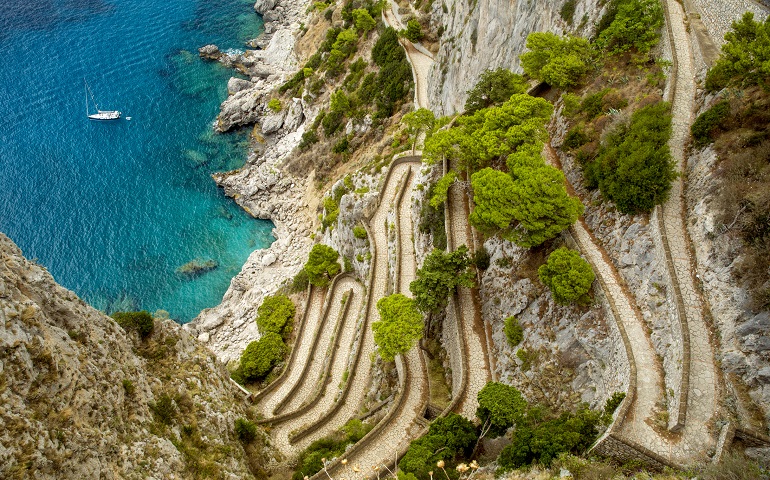
This engineering marvel is a paved footpath that zigzags dramatically down the cliffs between Capri Town and Marina Piccola. Commissioned by German industrialist Friedrich Alfred Krupp in 1902, the path features eight hairpin turns carved into the rock face. While currently closed for safety reasons, the path can be admired from various viewpoints in the Gardens of Augustus. The sophisticated engineering of Via Krupp, combined with its stunning position overlooking the sea, makes it one of Capri's most photographed attractions. The path's design represents a perfect harmony between human ingenuity and natural beauty.
Punta Cannone
This lesser-known viewpoint offers some of the most spectacular views of the Faraglioni rocks. Located just a 20-minute walk from the Piazzetta, Punta Cannone features a distinctive wavy fence that has become a popular photo spot. The viewing terrace provides unobstructed views of the coastline and the three famous rock formations. The location is particularly magical during sunset when the rocks are bathed in golden light. The relative quiet of this spot, compared to other viewpoints, makes it perfect for those seeking a more peaceful experience.
Walking Trails
The Sentiero dei Fortini (Path of the Forts) is a spectacular coastal trail connecting three historic fortifications built by the British during the Napoleonic wars. This 6-kilometre path offers stunning views of the western coastline and passes through Mediterranean macchia vegetation. Meanwhile, the Via del Pizzolungo is a nature lover's paradise, winding past Roman ruins, natural rock formations, and native flora. This trail takes approximately two hours to complete and includes views of the Natural Arch and Villa Malaparte. Both paths offer excellent opportunities for photography and bird watching.
Boat Tours
A boat tour around Capri is essential for experiencing the island's full beauty. These excursions typically include visits to the Blue Grotto, Green Grotto, and White Grotto, each offering unique natural spectacles. Tours pass through the Faraglioni arch and reveal hidden coves and beaches accessible only by sea. Many operators offer private tours where you can customise your itinerary, stop for swimming in secluded bays, and enjoy prosecco while watching the sunset. The complete island tour takes approximately three hours, though shorter options are available.
Towns & Marinas
Villa Jovis
The largest and best-preserved Roman villa on Capri, Villa Jovis was Emperor Tiberius's main residence during his self-imposed exile on the island. Built in the 1st century CE, this vast complex covers 7,000 square metres and sits dramatically atop Mount Tiberius at 334 metres above sea level. The ruins provide fascinating insights into Roman architecture and engineering, including an impressive system of cisterns for collecting rainwater. The villa's location offered both security and spectacular views, which visitors can still enjoy today. The site includes multiple rooms, baths, and living quarters, with information panels explaining the villa's history and significance.

Capri Town
Piazzetta
Officially known as Piazza Umberto I, the Piazzetta is the beating heart of Capri Town. This charming square has been the island's main gathering place since the 1930s, when it became known as the "world's living room." The square is surrounded by cafés where visitors can enjoy the traditional Italian pastime of people-watching while sipping a cappuccino or aperitivo. The clock tower, ancient columns, and municipal building create a picturesque backdrop for the constant flow of locals and tourists. In the evening, the Piazzetta comes alive with the island's glamorous nightlife scene.
Marina Grande
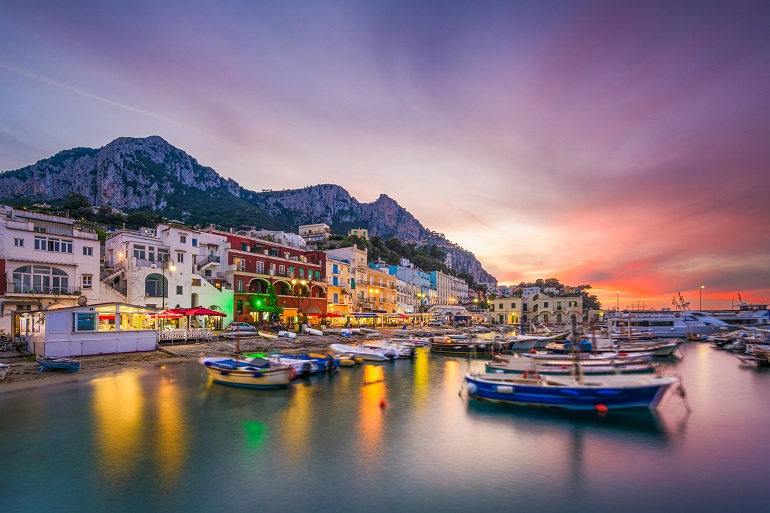
The island's main port and largest marina, Marina Grande, is the gateway to Capri for most visitors. This vibrant harbour area features a picturesque beach with crystal-clear waters, colourful fishing boats, and numerous restaurants serving fresh seafood. The marina retains its traditional fishing village charm despite being a busy transportation hub. The area is particularly lovely in the early morning when local fishermen return with their catch and the day's first ferries arrive. A funicular railway connects the marina to Capri Town, offering spectacular views during the short journey.
Marina Piccola
Located on the island's southern coast, Marina Piccola is a charming bay offering some of Capri's best swimming spots. The beach area faces the famous Faraglioni rocks and is sheltered from northern winds, making it a popular sunbathing destination. According to legend, this was where the Sirens tempted Ulysses with their songs. Today, the marina features several beach clubs, restaurants, and free public beaches. The crystal-clear waters are perfect for swimming and snorkelling, while the surrounding cliffs provide a dramatic backdrop for photos.
Anacapri
Located on the western side of the island, Anacapri offers a more authentic and relaxed atmosphere than Capri Town. Its historic centre is a maze of narrow lanes, whitewashed houses, and small squares. The town's jewel is the Church of San Michele, famous for its extraordinary majolica floor depicting Adam and Eve's expulsion from Paradise. Anacapri's main street, Via Giuseppe Orlandi, is lined with artisan workshops, traditional restaurants, and charming boutiques. The town's elevated position provides cooler temperatures and spectacular views of the western coastline.

Villa San Michele
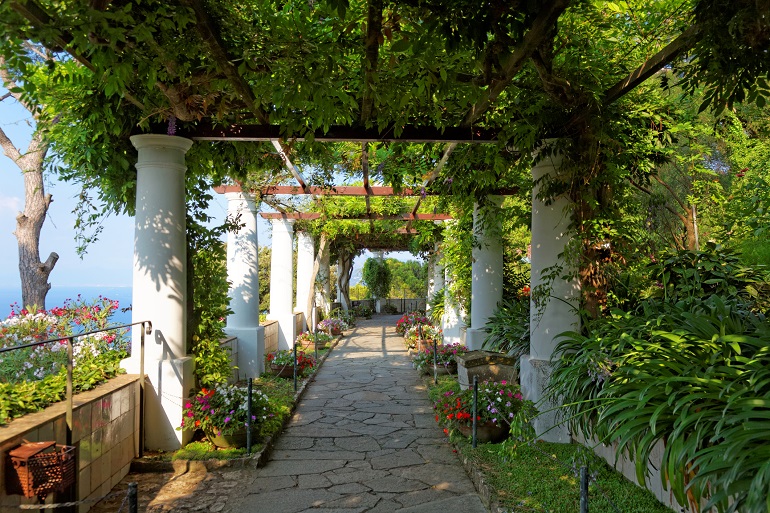
In the charming town of Anacapri, Villa San Michele stands as a testament to the vision of Swedish physician Axel Munthe. This remarkable museum showcases an eclectic collection of artefacts and artworks, blending Roman, Moorish, and Scandinavian architectural influences. The villa's stunning gardens offer breathtaking views of the Bay of Naples, creating a truly enchanting atmosphere for visitors.
Church of San Michele
The Church of San Michele in Anacapri is worth mentioning for its extraordinary majolica floor. The intricate handpainted tiles depict Adam and Eve's expulsion from the Garden of Eden, making it a unique example of sacred art on the island.
Top Museums
Museo Centro Caprense Ignazio Cerio
Nestled in the heart of Capri town, the Museo Centro Caprense Ignazio Cerio is a small yet fascinating institution housed in a historic palazzo. With an extensive collection spanning palaeontology, geology, archaeology, and biology, this museum provides a comprehensive overview of Capri's natural and cultural history. One of its most intriguing exhibits is a goat skeleton, which is said to be the origin of the island's name. The museum's balcony, overlooking the famous Piazzetta, offers a stunning vantage point of Capri town.
Charterhouse of St. Giacomo
The 14th-century Charterhouse of St. Giacomo has been transformed into a multifaceted cultural centre, housing several museums and exhibition spaces. The recently inaugurated Archaeological Museum of Capri, located in the Prior's Quarters, offers visitors a journey into the island's past. Its exhibition, "The Island of the Caesars: Capri from Augustus to Tiberius", features 120 artefacts, including marble sculptures, frescoes, and pottery, showcasing Capri's historical connection with the sea and its central role during the Roman era.
Diefenbach Museum
Within the Charterhouse, the Diefenbach Museum is dedicated to the German artist Karl Wilhelm Diefenbach, a late 19th-century symbolist painter. Diefenbach's works evoke an intense search for peace and harmony with nature, perfectly complementing the serene atmosphere of the Charterhouse.
Casa Rossa
The striking red villa in Anacapri, known as Casa Rossa, is a testament to eclectic architecture, blending various styles from Classical to Moorish. Built by American colonel John Clay MacKowen, this museum now showcases paintings of Anacapri from the 19th century. The exhibition "Isola Dipinta" offers visitors a glimpse into Capri's past through the eyes of artists who were captivated by the island's beauty.
Villa Rosa
One of the newest additions to Capri's museum scene, Villa Rosa is a beautiful Art Nouveau residence that has been transformed into a cultural space. Inaugurated as a museum in the summer of 2024, it houses a permanent collection of works by Capri painter Raffaele Castello, as well as pieces by various artists and photographers who have found inspiration on the island over the centuries.
Local Cuisine
The local cuisine of Capri is a delightful reflection of its Mediterranean heritage, centred around fresh seafood, locally grown vegetables, and high-quality ingredients from the island. Traditional dishes include the famous ravioli capresi, filled with caciotta cheese and marjoram, served in a light tomato sauce, and the beloved impepata di cozze, a flavourful mussel dish spiced with pepper. Seafood features prominently in Caprese cuisine, with local specialities including pezzogna (red seabream) prepared all'acqua pazza, fresh shrimp from the waters between Capri and Massa Lubrense, and linguine with seafood. The island's vegetable-based dishes are equally noteworthy, with the iconic insalata caprese showcasing the perfect combination of fresh tomatoes, mozzarella, and basil. No meal in Capri is complete without sampling the torta caprese, a flourless chocolate and almond cake, followed by a glass of the island's famous limoncello, a sweet lemon liqueur that perfectly captures the essence of this enchanting Mediterranean destination.

Shopping
Capri stands as a veritable shopping paradise, where luxury and artisanal craftsmanship converge in the heart of the Mediterranean. The island's main shopping district forms a triangle between the Piazzetta, Via Camerelle, and Via Le Botteghe, boasting one of the world's most concentrated collections of high-end boutiques. Whilst Via Camerelle showcases prestigious brands like Gucci, Valentino, and Fendi, the island truly shines in its local artisanal offerings. Visitors can commission bespoke sandals, handcrafted in the same workshops where Jackie Kennedy once shopped, or acquire unique Capri-made perfumes distilled from local flowers and herbs using centuries-old monastic recipes. The shopping experience extends beyond mere retail, with charming boutiques offering everything from handmade jewellery and custom-tailored Capri pants to locally-produced limoncello and traditional ceramics, though one should be prepared for rather eye-watering price tags in this playground of the rich and famous.
Getting Around
Getting to Capri requires travelling by sea, as ferries and hydrofoils depart regularly from Naples (40-50 minutes) and Sorrento (20 minutes), with additional summer routes from Positano, Amalfi, Salerno, and Ischia. Once you've arrived at Marina Grande port, the island offers several transport options to explore its attractions. The funicular provides quick access to Capri town, departing every 15 minutes and offering splendid views during the journey. Small buses connect major points like Marina Grande, Capri town, and Anacapri, with single tickets costing 2 euros. For a more luxurious experience, the island's iconic open-topped taxis are available, though pricier at 25 euros for trips between main locations. Most of Capri's centre is pedestrian-only, and private vehicles are prohibited for non-residents during most of the year. For visiting Monte Solaro, a chair lift operates from Anacapri at 8 euros per journey.
Best Time to Visit
The optimal time to visit Capri is during the shoulder seasons, either from early April to mid-June or from early September to mid-October. During these periods, you'll enjoy pleasantly warm temperatures ranging from 14°C to 23°C, with mild days perfect for outdoor activities and sightseeing. Spring brings beautiful blooming flowers across the island, whilst autumn offers a more tranquil atmosphere as tourist crowds begin to thin. The island's tourist season traditionally operates from Easter until the first weekend of November, with many establishments closing during the winter months. Whilst summer (June to August) offers perfect beach weather with temperatures reaching 30°C, it brings substantial crowds and higher prices. For those seeking a more authentic experience, staying overnight is recommended, as the island becomes notably more peaceful once the day-trippers depart.