


| Contents |
|---|
Introduction
The Monti Sibillini National Park, established in 1993, spans 714 square kilometres across Italy's Marche and Umbria regions. The park features 192 named mountains, with Monte Vettore standing as its highest peak at 2,476 metres. The landscape comprises U-shaped valleys, river gorges, and verdant mountains, with over two dozen peaks exceeding 2,000 metres in elevation. Home to more than 1,800 plant species and 150 bird species, including golden eagles and peregrine falcons, the park offers diverse ecosystems ranging from subalpine grasslands to beech forests. The area takes its name from Monte Sibilla, where legend tells of a prophetess named Sibyl who lived in a cave. Notable features include the Lago di Fiastra reservoir, the Gola dell'Infernaccio gorge, and the 124-kilometre Grande Anello dei Monti Sibillini hiking trail.
Geography and Landscape
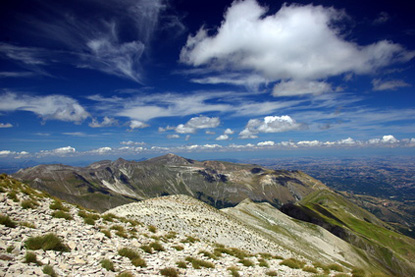
The Monti Sibillini National Park spans across the regions of Marche and Umbria in central Italy, encompassing a vast area of approximately 714 square kilometres. The park's dramatic landscape is dominated by the Sibillini Mountains, part of the Umbria-Marche Apennines, which form a significant portion of Italy's mountainous backbone.
Mountain Peaks:
The park boasts over two dozen peaks exceeding 2,000 metres in elevation. Monte Vettore stands as the highest summit at 2,476 metres, ranking among the top ten tallest mountains in the Apennines. Other notable peaks include:
- Monte Sibilla (2,173 metres)
- Cima del Redentore (2,448 metres)
- Monte Bove (2,169 metres)
Geological Features:
The Monti Sibillini's formation dates back roughly 200 million years to the Mesozoic Era. The landscape comprises distinctive geological features:
- Western side: marl and limestone formations
- Eastern side: marl and sandstone deposits
- U-shaped valleys carved by ancient glaciers
- Deep river gorges, including the dramatic Gola dell'Infernaccio
Water Features:
Several significant waterways traverse the park:
- The Nera River, stretching 116 kilometres as a major Tiber tributary
- The 70-kilometre Tenna River, which carved the Hell's Gorge
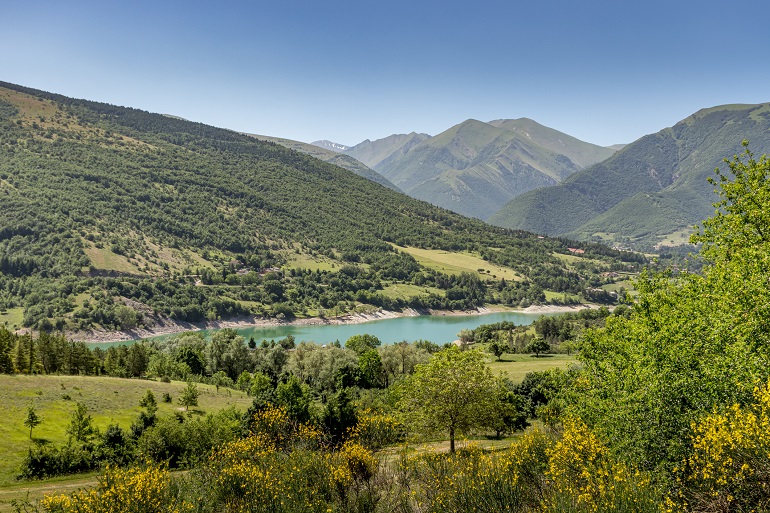
- Lago di Fiastra, the park's sole lake, a reservoir fed by the Fiastrone River
Settlements:
The park's rugged terrain has influenced human settlement patterns, with most communities established as small hilltop villages. Notable inhabited settlements include Castelluccio, Norcia, and Montemonaco. The nearest major urban centre is Perugia, situated approximately 90 kilometres northwest of the park.
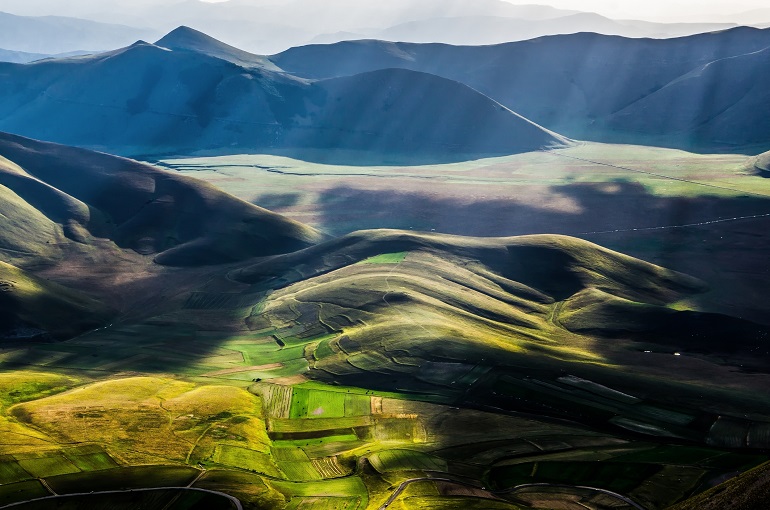
The landscape's character changes dramatically with elevation, creating distinct zones from valley floors to mountain peaks. The park's unique geological composition and ongoing tectonic activity continue to shape its remarkable terrain, making it one of central Italy's most striking natural landscapes.
Flora and Fauna
The Monti Sibillini National Park showcases an extraordinary diversity of plant and animal life across its varied elevation zones, making it a paradise for nature enthusiasts.
Flora
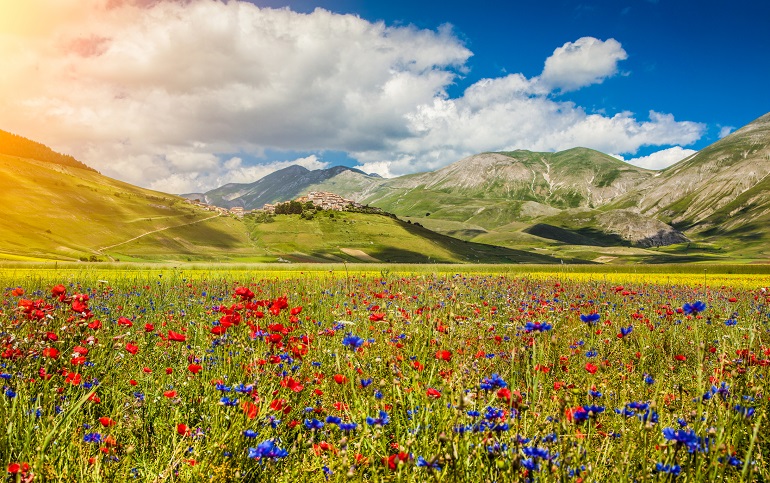
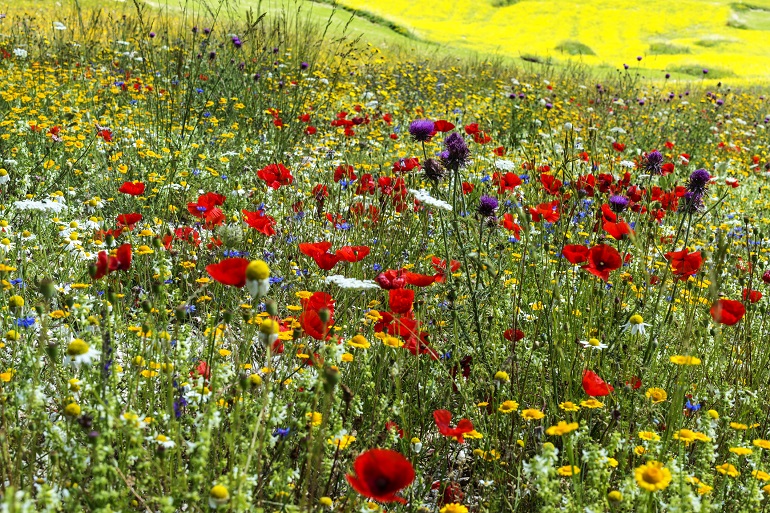
The park hosts approximately 1,800 plant species, with vegetation changing dramatically based on elevation. Below 1,000 metres, ash, downy oak, and black hornbeam dominate the landscape, while beech forests flourish at higher elevations. The park's alpine meadows burst into spectacular colour between late May and early June, featuring:
- Vibrant wildflowers including edelweiss, martagon lilies, and orchids
- Gentians, buttercups, daffodils, and poppies
- Rare endemic species such as Ephedra nebrodensis and Carex disticha
Fauna
The park serves as a sanctuary for diverse wildlife, with several species making a remarkable recovery since the park's establishment. Notable inhabitants include:
Large Mammals
- Italian wolves (now protected after historical persecution)
- Wild cats
- Red foxes
- Wild boars
Birds of Prey
- Golden eagles (which have returned to their ancestral nesting grounds)
- Goshawks
- Peregrine falcons
- Eurasian eagle owls
Unique Species
The park harbours some exceptional creatures, including the Chirocephalus marchesonii, a fairy shrimp species found nowhere else in the world, and the rare Apennine yellow-bellied toad.
Best Viewing Seasons
Spring and early summer offer the most spectacular displays of wildflowers, particularly in the Piano Grande area, where the famous "Fiorita" (flowering) creates a mesmerising rainbow of colours between late May and early July.
Activities and Attractions
The Monti Sibillini National Park offers a spectacular array of outdoor activities and attractions across its vast mountainous landscape, where peaks soar above 2,000 metres in altitude.
Hiking and Trekking
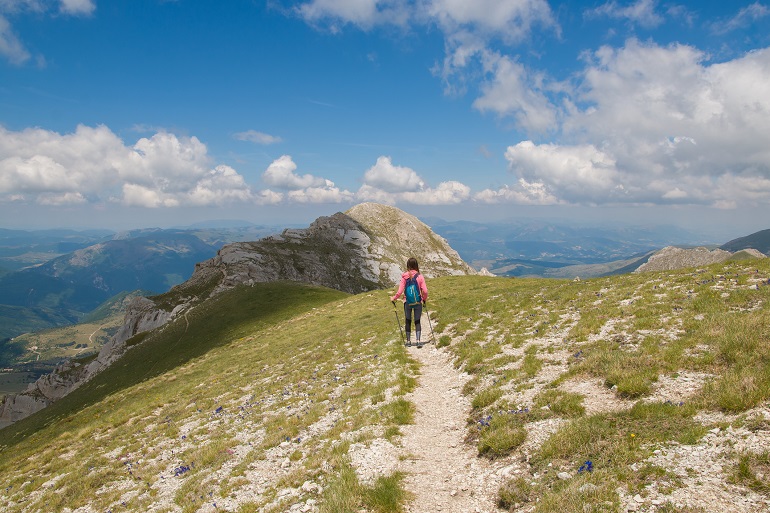
The park features an extensive network of well-marked trails suitable for all abilities. The crown jewel is the Sibillini Great Loop, an 80-mile journey that takes nine days to complete, with dedicated lodges available along the route. Notable trails include:
- The Lame Rosse trail, featuring distinctive red earth pinnacles overlooking Lake Fiastra
- Monte Sibilla summit trail, offering panoramic views and access to the legendary Sibyl's Cave
- Monte Vettore ascent, the park's highest peak with views stretching to the Adriatic Sea
Water Activities
Lake Fiastra serves as a hub for various water-based activities:
- Swimming and sunbathing at the lake beaches
- Canoeing and paddleboating (rentals available)
- Kayaking and fishing
Adventure Activities
- Mountain biking on 14 different day routes or the multi-day Great Loop
- Horse riding through scenic trails
- Forest bathing experiences in ancient woodlands
- Adventure centre activities including treetop ropes courses and archery
- Orienteering challenges
Must-See Attractions
- Gole dell'Infernaccio: Dramatic gorges formed by River Tenna
- Piani di Castelluccio: A vast plateau famous for its spectacular wildflower displays
- Lake Pilato: A mystical mountain lake steeped in local legends
- Eremo di San Leonardo al Volubro: An ancient monastery nestled within the gorges
- The Butterfly Garden Museum: Showcasing the park's delicate winged residents
Scenic Drives
The Grande Via of the Park offers six loop routes totalling 450 kilometres, perfect for exploring by car or motorcycle. These well-marked routes connect the park's most picturesque spots and historic villages.
Accommodation
The Monti Sibillini National Park offers a diverse range of accommodation options for visitors seeking to immerse themselves in the stunning natural beauty of this Italian gem. From charming farmhouses to cosy bed and breakfasts, there's something to suit every traveller's preferences and budget.
Types of Accommodation
Agriturismi: These traditional farmhouses, often renovated to provide comfortable lodgings, are a popular choice for those wanting an authentic rural experience. Many offer home-cooked meals using locally sourced ingredients, allowing guests to savour the flavours of the region.
Hotels and Inns: For those preferring more conventional accommodation, the park and surrounding villages boast a selection of hotels ranging from simple, family-run establishments to more luxurious options with spa facilities.
Bed and Breakfasts: Intimate B&Bs can be found throughout the area, providing a homely atmosphere and personalised service. These are excellent for travellers looking to connect with local hosts and gain insider knowledge about the region.
Self-Catering Options: Apartments and holiday homes are available for visitors who prefer the freedom to prepare their own meals. These often come with fully equipped kitchens and offer a home-away-from-home experience.
Camping and Glamping: For the more adventurous, there are campsites within the park boundaries. Some locations even offer glamping options, combining the closeness to nature with added comfort.
Amenities and Features
Many accommodations in the Monti Sibillini area pride themselves on their eco-friendly practices and use of local, sustainable materials. Visitors can expect to find:
- Rooms with stunning views of the mountains or countryside
- Access to outdoor activities such as hiking, cycling, and horseback riding
- On-site restaurants serving traditional Umbrian and Marche cuisine
- Wellness facilities including saunas, Turkish baths, and jacuzzis in some establishments
- Free Wi-Fi and parking at most locations
Booking Tips
- Reserve well in advance, especially for summer stays or during the flowering season.
- Consider staying in one of the charming villages on the park's periphery for a blend of nature and local culture.
- Check if your chosen accommodation offers guided tours or excursions within the park.
- Inquire about half-board options if you're interested in sampling local cuisine without the need to search for restaurants.
Whether you're seeking a rustic retreat or a comfortable base for exploring the park's natural wonders, the Monti Sibillini National Park offers a wealth of accommodation choices to enhance your visit to this breathtaking corner of Italy.

Gastronomy
The Monti Sibillini National Park, straddling the regions of Marche and Umbria, is a treasure trove of gastronomic delights that reflect its rich agricultural heritage and ancient culinary traditions. This area serves as a crossroads of flavours, combining the best of sheep farming, agriculture, and pork butchery.
Local Specialities
Cheeses: The park's pastoral history is evident in its dairy products. Pecorino cheese is the star, available in various stages of maturity. Visitors can also savour fresh or aged ricotta, as well as goat's cheese and mixed-milk varieties.
Cured Meats: The art of 'norcineria' (Italian charcuterie) is well-represented here. Delectable offerings include:
- Coppe (cured pork neck)
- Lonza (cured pork loin)
- Capocollo (dry-cured pork shoulder)
- Salami
- Prosciutto
- Ciauscolo (a unique, spreadable salami)
Legumes and Grains: The famous Castelluccio lentils, bearing PGI (Protected Geographical Indication) status, are a must-try. Other notable products include chickpeas, chickling peas, and various ancient wheat and maize varieties used for flour production.
From the Earth and Waters
The park's pristine environment yields an abundance of natural treasures:
- Truffles (black, white, and summer varieties)
- Wild mushrooms (including russula, boletus, amanita, and chanterelles)
- Chestnuts
- Saffron
- Honey
- Apples (including ancient local varieties)
The clear mountain streams, particularly around Ussita and Visso, are home to prized trout.
Traditional Dishes
Visitors should not miss the opportunity to taste some local specialities:
- Tagliatelle al tartufo bianco (pasta with white truffle)
- Fregnacce (a type of fresh pasta, often served with oil and pecorino)
- Sugo di papero (duck sauce, perfect with egg tagliatelle or gnocchi)
- Coniglio in porchetta (stuffed rabbit, a regional favourite)
Beverages
To complement the meal, try some local liqueurs:
- Mistrà (flavoured with green aniseed and wild fennel)
- Vin cotto (a traditional dessert wine)
- Various digestifs made from gentian flowers
Culinary Events
Food enthusiasts might want to plan their visit around the annual Fregnacce festival in Amandola or the symbolic Blooming Festival, celebrating the flowering of Castelluccio lentils, typically held on the last Sunday of June.
The Monti Sibillini National Park offers a gastronomic journey that perfectly marries tradition with the bounty of an unspoiled natural environment. Whether you're sampling the cured meats, savouring the local cheeses, or enjoying a truffle-laden pasta dish, you're sure to experience the authentic flavours that have defined this region for centuries.
Best Time to Visit
The best time to visit Monti Sibillini National Park largely depends on your preferred activities and desired experiences. However, certain periods stand out for their unique offerings and favourable conditions.
Spring and Early Summer
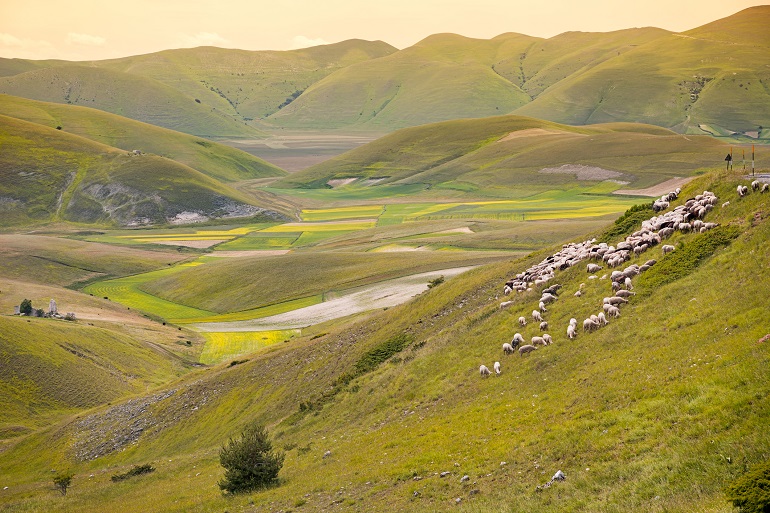
Late May to early July is arguably the most spectacular time to visit the park. During this period, the famous 'Fiorita' occurs, transforming the Piani di Castelluccio into a breathtaking tapestry of colours. The vast plateau erupts in a vibrant display of wildflowers, including poppies, daisies, and cornflowers, creating a mesmerising rainbow effect across the landscape.
Summer
From June to September, the park experiences its warmest temperatures, often reaching or exceeding 25°C. This period is ideal for hiking and outdoor activities, with long days and generally dry weather. However, it's crucial to take precautions against the sun and ensure proper hydration. Summer also tends to be the busiest season, so consider visiting on weekdays to avoid crowds.
Autumn
The months of September and October offer mild temperatures, typically in the mid-to-high teens, providing perfect conditions for hiking. The changing colours of the foliage add a new dimension to the park's beauty, and the crisp air enhances visibility for spectacular views.
Winter
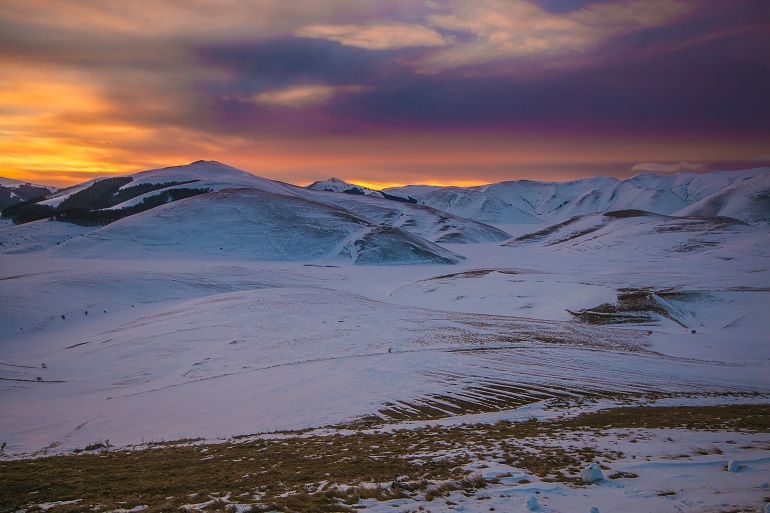
For winter sports enthusiasts, the colder months present opportunities for skiing and other snow-based activities. The park and nearby areas offer ski slopes and facilities, making it an attractive destination for winter holidays.
Year-Round Considerations
Regardless of the season, it's advisable to:
- Check weather conditions before your visit, as mountain weather can be unpredictable
- Start hikes early in the morning to avoid midday heat and ensure ample time to complete your journey
- Bring appropriate clothing layers to accommodate temperature changes at various altitudes
- Respect nature and wildlife, leaving no trace of your visit
By considering these factors, you can plan a visit that aligns with your interests and ensures an unforgettable experience in the stunning Monti Sibillini National Park.
Getting There and Around
Getting to and around the Monti Sibillini National Park is straightforward with several transport options available.
Getting There
The most convenient way to reach the park is by flying into Rome's Leonardo da Vinci–Fiumicino Airport (FCO), which offers more flights and closer access than Florence. From Rome, you have several options:
- By Car: A 2.5-3 hour drive east of Rome. This is the most recommended option as it provides the greatest flexibility.
- By Public Transport: Take a train from Roma Termini to either Terni or Spoleto, followed by connecting buses to the park. This journey takes approximately 3 hours 44 minutes and costs €26-68.
- By Bus: Direct buses run from Rome's Tiburtina station to various park entry points.
Getting Around
By Car
- Driving in this region is relatively straightforward and similar to driving in other Western countries
- Drivers are courteous and follow road rules
- Important: Never overtake on the right, as this is considered poor etiquette in Italy
By Public Transport
- Several bus lines serve the park area, including:
- E401 (first bus at 9:00 AM, last bus at 9:05 PM)
- E405
- E433
Exploring the Park
Grande Via of the Park
- Six loop routes totalling 450 km
- Well-marked roads suitable for cars, motorcycles and RVs
Mountain Biking
- 14 single-day routes available
- A Great Loop taking 4-5 days to complete
- Detailed routes available in the "Pedalando nel Parco" guide
Hiking
- Numerous well-marked trails for all skill levels
- Themed routes available, such as the Saffron Trail
- Guided tours available with English-speaking guides
For the best experience, consider hiring a car as it provides the most flexibility for exploring the park's diverse landscapes and medieval villages.
Conservation and Responsible Tourism
The Monti Sibillini National Park, nestled between Le Marche and Umbria in central Italy, represents a delicate ecosystem that requires careful conservation efforts and responsible tourism practices.
Conservation Efforts
Wildlife Protection
The park serves as a crucial habitat for diverse wildlife, including wolves, golden eagles, and various birds of prey. Conservation programmes have focused on protecting endangered species, particularly the Abruzzo chamois, which has seen significant population growth through careful monitoring and breeding programmes.
Environmental Management
Park authorities have implemented comprehensive strategies to preserve the fragile natural ecosystem, including:
- Monitoring and reducing threats from stray dogs and uncontrolled waste disposal
- Managing tourist flows to prevent overcrowding
- Maintaining and extending trail systems
Responsible Tourism
Slow Tourism Initiative
The park promotes 'slow tourism' as its primary sustainable development model, encouraging visitors to:
- Stay longer in locally-owned accommodations
- Engage meaningfully with local communities
- Consume local products and services
Visitor Guidelines
The park offers well-marked trails and routes for various activities:
- Six loop routes totalling 450 km for vehicles
- 14 single-day mountain biking routes
- A comprehensive network of hiking trails
Economic and Social Impact
Community Recovery
Following the devastating 2016 earthquakes, sustainable tourism has become vital for the area's recovery. The park's five-year plan (2018-2022) focuses on:
- Fighting decline and depopulation
- Supporting local businesses
- Preserving cultural heritage
Innovative Programmes
The park has introduced unique initiatives like Forest Bathing routes in every municipality, offering visitors therapeutic natural experiences while ensuring environmental preservation.
Through these measured approaches to tourism and conservation, Monti Sibillini National Park strives to balance ecological preservation with sustainable visitor experiences, ensuring its natural treasures remain protected for future generations.
Visitor Centres and Educational Facilities
The Monti Sibillini National Park offers several visitor centres and educational facilities across its 70,000-hectare expanse that spans the regions of Umbria and Marche.
Main Visitor Centres
Amandola Visitor Centre houses the Casa del Parco and features an Anthropogeographic Museum with multimedia exhibits showcasing the park's diverse landscapes.
Visso Information Centre serves as one of the primary visitor facilities, though following the 2016 earthquakes, the park authorities have temporarily relocated their offices to:
- Visso Swimming Pool (Palombare locality)
- Tolentino Institute of Prevention
Educational Programmes and Activities
Environmental Education Centres throughout the park provide:
- Tourist information services
- Guided hiking tours
- Educational programmes
- Interpretation activities
Summer School Programme
The park hosts the Sibillini Europa Summer School, which offers:
- Academic programmes focused on EU integration, sustainability and democracy
- Professional orientation and mentoring
- Activities conducted primarily in English
- Free accommodation in Amandola
- Programme value of approximately 800 euro per participant
Specialised Activities
The park offers various educational experiences including:
- Forest Bathing programmes among holm oaks, chestnuts, and beech trees
- Butterfly Garden Museum visits
- Guided nature walks and cycling tours
- Environmental interpretation programmes
For visitors interested in deeper wilderness education, the park partners with organisations like Sibillini Adventure A.S.D. to offer specialised training in:
- Bushcraft and survival skills
- Environmental education
- Eco-friendly sports including archery and orienteering
- Nordic walking