


| Contents |
|---|

Introduction
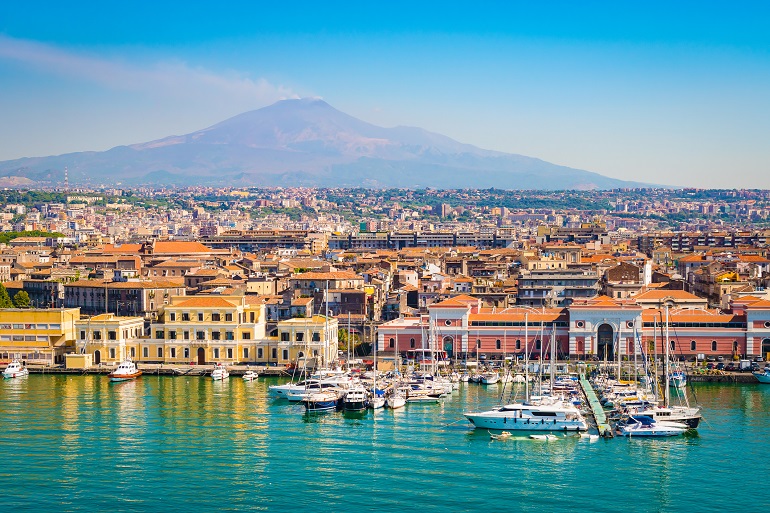
Catania was founded by Greeks in 729 BCE at the foot of Mount Etna. The city has a remarkable history of resilience, having been buried by Etna's magma at least 7 times and rebuilt multiple times. It was conquered by the Romans, Byzantines, Arabs, and Normans, and became an important cultural and economic centre in Sicily. Notably, Catania is known for its UNESCO World Heritage city centre, featuring stunning Baroque architecture that was rebuilt after devastating natural disasters like the 1669 Etna eruption and the 1693 earthquake. The city is also famous for its deep devotion to Saint Agata, with an annual festival in February that transforms the city into a massive celebration.
Interesting Facts about Catania
- Founded in 729 BCE as Katané by Greek settlers from Chalcis, Catania is one of Sicily's oldest continuously inhabited cities.
- The city has been destroyed seven times by Mount Etna's eruptions and earthquakes, most catastrophically in 1169 and 1693.
- Catania's entire city centre was rebuilt in extravagant Baroque style after the 1693 earthquake, earning it UNESCO World Heritage status.
- An iconic lava stone elephant statue ("U Liotru") in Piazza Duomo serves as the city's symbol, dating back to Roman times.
- Locals built many Baroque buildings using black lava stone from Mount Etna, creating a distinctive "black city" aesthetic.
- Castello Ursino, a 13th-century fortress built by Frederick II, now stands 500 metres inland due to lava flows altering the coastline.
- Catania hosts Sicily's oldest university, founded in 1434 by King Alfonso V of Aragon.
- The city's fish market, La Pescheria, has operated daily since the 1300s with the same lively atmosphere and traditions.
- Opera composer Vincenzo Bellini and novelist Giovanni Verga, pioneers of Italian verismo, were both born in Catania.
- Despite being Sicily's second-largest city, Catania's metropolitan area forms the island's most populous urban conurbation.
History
Catania, Sicily's second-largest city, boasts a remarkable history spanning nearly 3,000 years. Founded by Greek settlers from Naxos in 729 BCE as Katane, the city has endured multiple conquests, natural disasters, and remarkable rebirths. Throughout its history, Catania was ruled by various civilisations, including the Romans, Byzantines, Arabs, Normans, and Spanish, each leaving their distinct cultural imprint. The city's most catastrophic period occurred in the late 17th century when it faced two devastating events: the violent Mount Etna eruption of 1669, which engulfed much of the city in lava, followed by the destructive earthquake of 1693. However, from these ruins emerged the stunning Baroque city we see today, with its magnificent churches and palaces built from the very volcanic rock that once threatened its existence.
Main Attractions
Historical Sites
Teatro Romano and Odeon
These remarkable Roman amphitheatres stand as proud reminders of Catania's ancient past. The Teatro Romano, constructed in the 2nd century CE using lava stone and marble, could accommodate over 7,000 spectators in its heyday. The theatre's remarkable acoustics and architectural design demonstrate the advanced engineering capabilities of ancient Roman builders. The smaller Odeon, situated adjacent to the main theatre, was used for musical performances and poetry readings. Today, visitors can explore the well-preserved remains, including the orchestra area, seating sections, and parts of the original stage. The complex offers a fascinating glimpse into Roman entertainment and architectural prowess.

Piazza del Duomo
The magnificent Piazza del Duomo serves as the beating heart of Catania and holds UNESCO World Heritage status. At its centre stands the city's most recognisable symbol, the Fontana dell'Elefante, a charming elephant sculpture crafted from black lava stone and crowned with an Egyptian obelisk. Known locally as 'u Liotru', this beloved monument has watched over the square since 1736. The piazza is surrounded by some of the city's most impressive baroque buildings, including the Palazzo degli Elefanti, which now houses the town hall, and the resplendent Cathedral. The square's architectural harmony, achieved through the consistent use of volcanic stone and baroque styling, creates an awe-inspiring atmosphere that captures the essence of Catanian architecture.
Cattedrale di Sant'Agata
The Cathedral of Saint Agatha dominates the eastern side of Piazza del Duomo with its imposing presence and magnificent white marble façade. This architectural masterpiece showcases an intricate combination of baroque and Norman influences, with its grand Corinthian columns and three-tiered façade creating a striking first impression. The cathedral's interior is equally impressive, featuring elaborate frescoes, ornate chapels, and the tomb of the renowned composer Vincenzo Bellini. The building holds particular significance as it houses the relics of Saint Agatha, the city's patron saint, and survived both the devastating 1693 earthquake and subsequent volcanic eruptions. The cathedral's treasury contains precious religious artefacts, including the crown of Saint Agatha, adorned with precious gems and metals.

Streets and Markets
Porta Uzeda
This monumental gateway, completed in 1696, stands as a testament to Catania's baroque reconstruction following the 1693 earthquake. The gate connects Piazza del Duomo to the harbour area and features impressive architectural details carved from volcanic stone. Its strategic position made it a crucial entry point to the city, while today it serves as a popular meeting point and photographic opportunity. The arch's design, with its imposing presence and decorative elements, exemplifies the baroque style that dominates Catania's historic centre.
Via Etnea
This grand boulevard serves as Catania's main artery, stretching an impressive 3 kilometres through the heart of the city. Named after Mount Etna, which creates a dramatic backdrop at its northern end, Via Etnea showcases some of the finest baroque architecture in Sicily. The street is lined with elegant palazzos, historic churches, and fashionable shops housed in restored buildings. The black lava stone pavements, polished smooth by centuries of footsteps, contrast beautifully with the ornate baroque façades. During the evening passeggiata, the street comes alive with locals and visitors enjoying their traditional evening stroll, while the numerous cafes and gelaterias offer perfect spots for people-watching.
Piazza Bellini
Located in the heart of Catania, Piazza Vincenzo Bellini is a charming circular square paved with white and grey stones arranged in overlapping concentric arcs. The square's crowning jewel is the magnificent Teatro Massimo Bellini, a neo-Baroque opera house that opened in 1890 and stands as a testament to the city's rich cultural heritage. The elegant plaza features the 18th-century Fountain of the Dolphins, designed by Giovanni Battista Vacarrini, whilst comfortable benches and shady trees line its perimeter, offering visitors a peaceful respite from the bustling Cathedral Square nearby. The square truly comes alive in the evening, making it a splendid spot for both daytime relaxation and night-time entertainment, perfectly embodying the cultural spirit of Catania.

La Pescheria
Behind Piazza del Duomo lies La Pescheria, one of the most atmospheric fish markets in southern Italy. This centuries-old market transforms each morning into a theatrical display of Sicilian life, with vendors calling out their daily catches in the local dialect. The market's narrow lanes overflow with an incredible variety of Mediterranean seafood, from giant swordfish and fresh sardines to local specialities like sea urchins and octopus. The surrounding area features numerous small restaurants serving the morning's catch, while the market itself offers an authentic glimpse into Catanian daily life. The cobblestone floors, though slippery from melting ice and fish water, add to the market's authentic charm.
Via dei Crociferi
This historic street represents one of the finest examples of Sicilian baroque architecture in existence. Four magnificent churches line this relatively short stretch: San Francesco Borgia, with its distinctive curved façade; San Benedetto, featuring elaborate baroque decorations; San Francesco d'Assisi, known for its impressive dome; and San Giuliana, with its intricate stone carvings. Each church tells its own architectural story, while the street itself, with its volcanic stone paving and connecting arches between buildings, creates a stunning visual corridor. The street's architectural harmony earned it UNESCO World Heritage status and makes it one of the most photographed locations in Catania.
Religious Architecture
Monastery of San Nicolò l'Arena
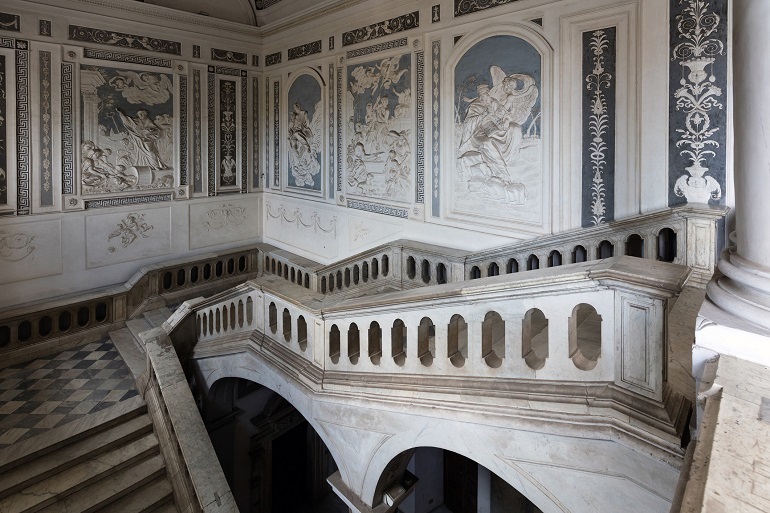
This vast monastic complex ranks among Europe's largest monasteries and stands as a masterpiece of Sicilian baroque architecture. The monastery's impressive scale includes a monumental marble staircase, extensive cloisters, and a magnificent garden. The complex also houses a Roman domus and remains of the ancient Greek acropolis, making it a fascinating historical layercake. The monastery's kitchen and cellars offer insight into monastic life, while the suspended garden provides panoramic views over the city. Now home to the University of Catania's humanities department, the building maintains its historical significance while serving a modern educational purpose.
Top Museums
Archaeological and Historical Museums
Ursino Castle Museum (Museo Civico Castello Ursino)
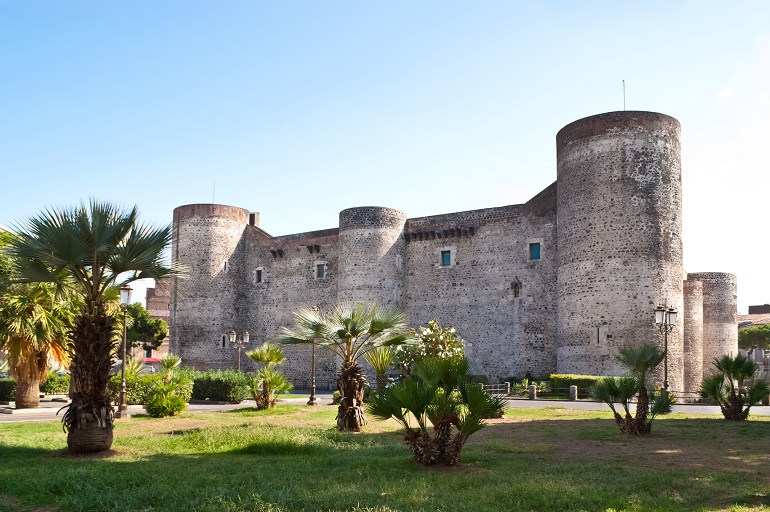
Dominating the Piazza Federico di Svevia, Ursino Castle stands as a formidable testament to Catania's medieval past. Built in the 13th century by Frederick II of Swabia, the castle has served various purposes throughout its history, from a royal residence to a prison. Today, it houses the Museo Civico, a treasure trove of artefacts that illuminate Catania's long and complex history. The museum's collection is spread across four floors, each offering a unique perspective on the city's past.
Visitors can marvel at an impressive array of ancient Roman busts, showcasing the artistry and craftsmanship of the Roman era. The museum also boasts a priceless collection of oil paintings by renowned artists, including masterpieces attributed to Caravaggio and his school, providing a glimpse into the artistic trends of the Baroque period.
Beyond the art, the museum features a wealth of Greek and Roman artefacts, including pottery, sculptures, and everyday objects that offer insights into the lives of the people who inhabited Catania centuries ago. The castle itself is a significant artefact, its imposing architecture and strategic design providing a tangible link to the medieval era. Walking through its halls and courtyards, visitors can imagine the castle's former grandeur and the events that unfolded within its walls.
Museum of the Landing in Sicily - 1943 (Museo Storico dello Sbarco in Sicilia 1943)
This museum is dedicated to a pivotal moment in World War II, providing a detailed and immersive reconstruction of the Allied landing in Sicily on 10 July 1943. Known as Operation Husky, this event marked the beginning of Sicily's liberation from German occupation and paved the way for the Allied advance into mainland Italy. The museum aims to educate visitors about the historical context, the strategic planning, and the human impact of this crucial campaign.
Exhibits include photographs, documents, military equipment, and personal accounts that bring the events of the landing to life. Visitors can learn about the key figures involved, the challenges faced by the Allied forces, and the experiences of the Sicilian people during this tumultuous period. The museum also explores the broader impact of the landing on the course of the war and its lasting legacy for Sicily.
Through its carefully curated collection and engaging displays, the museum seeks to foster a deeper understanding of this significant historical event and its enduring relevance. It serves as a reminder of the sacrifices made during the war and the importance of preserving the memory of those who fought for freedom.
Archaeological Complex Terme della Rotonda
The Terme della Rotonda is a unique archaeological site that offers a glimpse into the daily life of ancient Romans in Catania. Dating back to the 1st-2nd century CE, this complex was originally a Roman spa, designed for relaxation, hygiene, and social interaction. The site is notable for its well-preserved structure, which includes a circular domed hall that gives the complex its name.
The museum showcases the original layout of the ancient baths, allowing visitors to trace the different stages of the bathing process, from the caldarium (hot bath) to the frigidarium (cold bath). Interior frescoes, though faded with time, provide a hint of the opulence and artistry that once adorned the walls. Ancient art and decorative elements further enhance the visitor experience, offering a tangible connection to the Roman era.
The Terme della Rotonda is not only a valuable archaeological site but also a cultural landmark that highlights Catania's rich Roman heritage. It provides a fascinating insight into the customs and practices of the ancient world and serves as a reminder of the city's enduring historical significance.
Art Museums
Palazzo Biscari
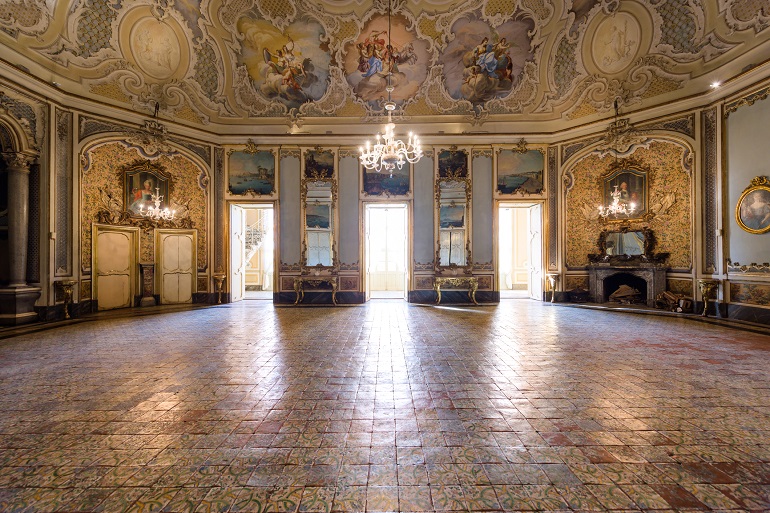
While Palazzo Biscari is itself a masterpiece of Baroque architecture, it also houses a museum that offers a glimpse into Catania's aristocratic past. The palace, built by the Biscari family in the 18th century, is one of the finest examples of Sicilian Baroque architecture, with its ornate facades, grand staircases, and lavishly decorated interiors.
The museum within Palazzo Biscari showcases a collection of historical artefacts, including furniture, paintings, sculptures, and decorative objects that reflect the opulent lifestyle of the Biscari family. Visitors can explore the palace's grand halls and private chambers, imagining the social gatherings and cultural events that once took place within its walls.
Palazzo Biscari is not only a museum but also a living testament to Catania's rich cultural heritage. It offers a unique opportunity to step back in time and experience the grandeur of the Sicilian aristocracy.
Museum of Contemporary Art Sicily (Museo di Arte Contemporanea Sicilia)
This museum, often referred to as MACS, offers a refreshing contrast to the city's historical sites, showcasing the vibrant and diverse world of contemporary art. Housed in a discreet building tucked away in a picturesque alleyway, MACS is a hidden gem that rewards those who seek it out.
The museum's collection is eclectic, encompassing a wide range of media and styles. Visitors can admire translucent glass-blown sculptures, bold and expressive paintings, and thought-provoking installations that challenge conventional artistic norms. The atmosphere is clean and quiet, providing a serene space for contemplation and appreciation of the art on display.
MACS is committed to supporting emerging and established artists, providing a platform for them to showcase their work and engage with the public. The museum's exhibitions are often experimental and innovative, reflecting the ever-evolving nature of contemporary art. Whether you are a seasoned art enthusiast or simply curious about contemporary expression, MACS offers a stimulating and rewarding experience.
Museo Emilio Greco
Located in the heart of Catania, in Piazza San Francesco D'Assisi, this museum is dedicated to the life and work of Emilio Greco, one of Italy's most celebrated sculptors and graphic artists. The museum's collection includes a comprehensive selection of Greco's etchings, lithographs, and sculptures, providing a comprehensive overview of his artistic development.
Greco's work is characterised by its elegant lines, fluid forms, and profound humanism. His sculptures often depict the human figure in motion, capturing the grace and vitality of the human form. His etchings and lithographs reveal his mastery of line and his ability to convey emotion through simple yet powerful images.
The Museo Emilio Greco offers visitors a unique opportunity to delve into the world of this remarkable artist and to appreciate his contribution to Italian art. The museum's tranquil setting and carefully curated collection create an atmosphere of contemplation and inspiration.
Specialised Museums
Catania Film Museum (Museo del Cinema di Catania)
This museum is a celebration of Catania's contribution to the world of cinema. The charming gallery retells the story of filmmaking in Catania, shedding light on its role in the early days of the industry.
Visitors can explore historical documents, vintage equipment, and recreated film sets that evoke the atmosphere of early 20th-century filmmaking. The museum highlights the key figures and studios that contributed to Catania's cinematic legacy, showcasing the city's pioneering spirit and its passion for the silver screen.
Museum of Zoology (Museo di Zoologia)
Founded in 1853, the Museum of Zoology at the University of Catania is the oldest zoological museum in Sicily. It boasts a collection of specimens, offering educational experiences for those interested in natural history.
'Borges' Tactile Museum (Museo Tattile Borges)
The 'Borges' Tactile Museum offers a sensory experience, allowing visitors to explore architecture through touch. It features tactile reproductions of buildings, with a focus on Sicily and the Mediterranean.
Museum of Historical Cars (MOGAM)
This museum combines art and automotive history, featuring cars of historical value alongside works of art. It offers a unique and engaging experience for visitors interested in both fields.
Literary and Musical Museums
Casa di Giovanni Verga
This museum is housed in the former home of Giovanni Verga, showcasing the life and works of this important figure in Italian literature.
Museo Belliniano
Dedicated to Vincenzo Bellini, this museum is located in his childhood home, chronicling his life and musical journey.
Local Cuisine
Catania's culinary scene is a delightful celebration of Sicilian flavours, where Mount Etna's influence shapes both the landscape and local specialities. The city's iconic arancini, conical rice balls shaped to honour the volcano, come filled with ragù, cheese, or spinach, whilst the beloved pasta alla Norma combines aubergines, tomatoes, and salted ricotta in a dish that pays homage to Bellini's famous opera. The vibrant fish market supplies the freshest seafood, and street food enthusiasts will relish the cartocciata (pastry rolls with mozzarella and ham) and cipollina (onion-filled puff pastry). For the more adventurous, horse meat is a local delicacy, whilst sweet-toothed visitors must sample the cannoli, featuring crispy shells filled with creamy sheep's milk ricotta. The city's tavola calda (snack bars) and traditional trattorias offer an authentic taste of Catanian cuisine, best accompanied by local Etna Rosso wine.

Shopping
Catania offers diverse shopping experiences across its main commercial arteries: Via Etnea, Via Pacini, Via Umberto I, Corso Italia, and Viale 20 Settembre. The city centre features designer boutiques, including brands like Dolce&Gabbana, Armani, and Burberry, with particularly good deals at the major department stores La Rinascente and Coin. The historic fish market is a must-visit destination for fresh seafood, whilst the daily Fera 'o Luni market (closed Sundays) sells clothes, accessories, and fresh produce. For wine enthusiasts, local enotecas stock excellent selections of Etna and Sicilian wines. Outside the city centre, shoppers can visit large shopping centres like Le Zagare and I Portali in San Giovanni, which are connected by a pedestrian bridge.

Nature in and around Catania
The city is dominated by Mount Etna, Europe's highest active volcano and a UNESCO World Heritage site, which provides opportunities for hiking, skiing, and observing unique volcanic landscapes. Within the city, the Bellini Garden serves as Catania's oldest urban park, featuring landscaped hedges, flower beds, and panoramic views of the sea and Mount Etna. Just north of Catania, the Alcantara Gorges Botanical and Geological Park showcases a remarkable canyon formed by lava and water erosion. The nearby Etna Regional Park boasts extensive wooded areas and vegetation that varies with altitude. For coastal beauty, the Vendicari Nature Reserve, about 90 minutes from Catania, offers pristine beaches, salt marshes, and diverse wildlife, including flamingos and herons. These natural wonders make Catania an ideal base for exploring Sicily's outdoor attractions.
Bellini Garden
This verdant oasis in the heart of Catania offers visitors a peaceful retreat from the bustling city streets. Created in the 19th century, the park spans several hectares and features carefully manicured Italian-style gardens, winding pathways, and impressive fountains. The garden's elevated position provides stunning views of both Mount Etna and the Mediterranean Sea. Notable features include the grand central avenue lined with busts of famous Italian artists and writers, several ornamental fountains, and a beautiful clock made entirely of flowers. The park's upper terrace offers particularly spectacular views, while the lower gardens provide shaded areas perfect for escaping the Sicilian sun.
Getting Around
Catania offers a comprehensive public transport network for visitors. The Alibus connects Catania-Fontanarossa Airport to the city centre, running every 25 minutes from 4:40 to midnight, with tickets costing €4. Within the city, a network of over 50 bus routes covers all tourist areas, with single tickets costing €1 for 90 minutes. The metro system, though modest with just one line and 10 stops, efficiently connects key areas including the historic centre at Stesicoro station, operating from 6:40 AM until late evening, with tickets also costing €1. For those wishing to explore further afield, trains from Catania Centrale station connect to major Sicilian cities like Palermo and Syracuse. Whilst the city centre is highly walkable, integrated tickets combining bus and metro travel are available for €1.20, valid for 120 minutes. For direct airport transfers, taxis offer a 15-minute journey to the city centre for approximately €25.
Best Time to Visit
The best time to visit Catania in Italy is during late spring to early summer, specifically from mid-April to mid-June. During this period, the weather is pleasantly warm with temperatures ranging from 13°C to 29°C, making it ideal for sightseeing and outdoor activities. The city enjoys ample sunshine and relatively low rainfall, allowing visitors to explore its rich cultural heritage and stunning architecture comfortably. Moreover, this time frame offers the perfect balance between good weather and fewer crowds compared to the peak summer months. Travellers can also take advantage of milder temperatures to enjoy nearby attractions such as Mount Etna or the beautiful beaches along the Riviera dei Ciclopi. For those who prefer cooler temperatures, mid-September to mid-October is also an excellent time to visit, as the weather remains agreeable and the sea is still warm enough for swimming.