


| Contents |
|---|

Introduction
Nestled in the heart of Italy's Emilia-Romagna region, Modena is a captivating city that masterfully blends tradition with innovation. This enchanting destination is renowned for its exquisite culinary heritage, particularly its traditional balsamic vinegar, and stands as a testament to Italian excellence in automotive engineering, being home to prestigious manufacturers like Ferrari, Maserati, and Pagani. The city's historic centre showcases magnificent architectural treasures, including its crowning jewel - the Romanesque Cathedral, along with the Ghirlandina Tower and Piazza Grande, all of which have earned UNESCO World Heritage status. Located just 40 kilometres from Bologna and serving as an ideal hub between northern and southern Italy, Modena offers visitors an authentic Italian experience where medieval charm meets modern sophistication, all whilst maintaining its reputation as a paradise for food enthusiasts and culture lovers.
Interesting Facts about Modena
- Modena is renowned as the "Supercar Capital of the World", hosting headquarters or production plants for Ferrari, Lamborghini, Maserati, and Pagani.
- The city's 12th-century cathedral, Ghirlandina tower, and Piazza Grande form a UNESCO World Heritage Site showcasing exceptional Romanesque architecture.
- Traditional balsamic vinegar (Aceto Balsamico Tradizionale) originates from Modena and follows strict ageing processes in wooden casks.
- Founded in 1175, the University of Modena is Italy's second-oldest university and specialises in law, medicine, and economics.
- Opera legends Luciano Pavarotti and Mirella Freni were both born in Modena, with Pavarotti's former home now a museum.
- Modena's Mercato Albinelli features an Art Nouveau design with intricate ironwork and a famous "Fruit Bearer" sculpture.
- The 87-metre Ghirlandina bell tower served as both a religious structure and medieval defensive watchtower.
- Ancient Roman ruins beneath the city reveal its origins as Mutina, a strategic colony established in 183 BCE.
- The Baroque Ducal Palace, once home to Este dynasty rulers, now houses Italy's prestigious Military Academy.
- Modena hosts annual food festivals including a chocolate fair featuring elaborate cocoa sculptures.

History
Modena, a city in northern Italy, boasts a rich history spanning over 2,000 years. Originally founded as a Roman colony called Mutina in 183 BCE, the settlement quickly became a vital centre in Cisalpine Gaul due to its strategic position and location on important trade routes. The city faced numerous sieges during the Roman period, including attacks by Pompey and Mark Antony, and was praised by Cicero as 'Mutina splendidissima'.
Following the fall of the Roman Empire, Modena experienced a period of decline marked by barbarian invasions and devastating floods. The city was abandoned in the 7th century after a great flood, with its inhabitants founding a new settlement called Cittanova nearby. However, Modena's renaissance began after the year 1000, marked by the construction of its magnificent Romanesque Cathedral in 1099 and the establishment of one of the world's oldest universities in 1175.
The city's most splendid period commenced with the arrival of the Este family, who gained control in 1288 and made Modena their capital in 1598 after losing Ferrara to the Pope. Under Este rule, the city flourished culturally and architecturally, with the construction of the Ducal Palace and numerous public buildings. The Este dynasty continued until 1859 when Modena was annexed to the unified Kingdom of Italy. Today, Modena stands as a testament to its remarkable history, having transformed from an ancient Roman colony to a thriving modern city whilst maintaining its rich cultural heritage.
Main Attractions
Piazza Grande
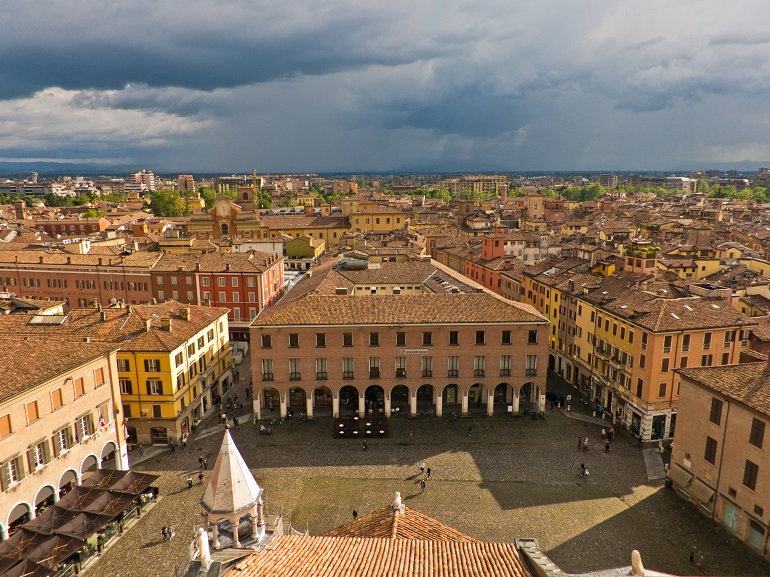
The majestic Piazza Grande serves as the beating heart of Modena, where centuries of history converge in a stunning display of medieval architecture and vibrant city life. This UNESCO World Heritage site, dating back to the 12th century, is surrounded by some of the city's most important buildings, including the Cathedral and the Palazzo Comunale. The square's elegant cobblestones have witnessed countless historical events, from ancient markets to modern-day festivals. Today, it remains a bustling hub where locals and tourists alike gather to enjoy the numerous cafés, watch street performers, or simply bask in the authentic Italian atmosphere. The traditional Albinelli Market nearby brings additional life to the area, offering fresh local produce and regional specialities.
Modena Cathedral (Duomo di Modena)
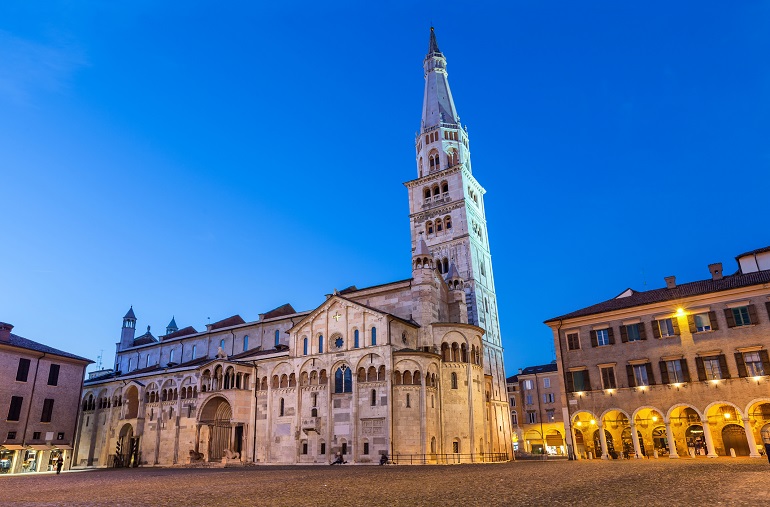
The Duomo di Modena stands as one of Italy's finest examples of Romanesque architecture, its magnificent façade telling stories through intricate stone carvings that have captivated visitors for nearly a millennium. The cathedral's construction represents a perfect harmony between architecture and sculpture, with the master sculptor Wiligelmo's biblical scenes adorning the exterior walls. The interior is equally impressive, featuring a raised presbytery supported by slender columns, remarkable medieval stone carvings, and the Porta della Pescheria, famous for its unique reliefs depicting scenes from Arthurian legends. The cathedral's design influenced religious architecture throughout northern Italy, making it a cornerstone of Romanesque architectural history. The metope decorations, capitals, and cornices create a visual narrative that continues to inspire awe in visitors today.
Ghirlandina Tower
The Ghirlandina Tower, Modena's beloved symbol, reaches gracefully towards the sky with its elegant marble structure and distinctive octagonal spire. This 89-metre bell tower has served as both a spiritual and civic guardian of the city since medieval times, when it was used as a secure storage place for the city's archives and treasures. As visitors ascend the tower's 200 steps, they pass through various levels featuring remarkable architectural elements, including capitals decorated with relief sculptures depicting moral allegories and biblical scenes. The tower's name comes from the two marble railings around the spire, which resemble small garlands (ghirlande). Each level of the climb reveals different aspects of medieval craftsmanship, culminating in a breathtaking panoramic view of Modena's terracotta rooftops and the surrounding countryside.
Palazzo Ducale
The Palazzo Ducale stands as a magnificent example of Baroque architectural grandeur, dominating Piazza Roma with its imposing façade and elegant proportions. This vast palace, built for the Este family in the 17th century, showcases the power and sophistication of one of Italy's most influential noble dynasties. The palace's design, featuring a central courtyard and symmetrical wings, reflects the architectural ideals of the period. While now serving as Italy's prestigious Military Academy, the palace's exterior continues to impress with its perfectly proportioned windows, ornate decorations, and the grand balcony from which important announcements were once made to the citizens of Modena. The building's presence has shaped the urban landscape of Modena for centuries, creating a stunning backdrop for civic celebrations and military ceremonies.
Chiesa di Sant'Agostino
The Chiesa di Sant'Agostino represents a harmonious blend of Gothic and Renaissance architecture, its serene façade concealing an interior rich with artistic treasures. This 14th-century church underwent significant renovations in the 1600s, resulting in an extraordinary collection of Baroque artworks and sculptures. The church houses Antonio Begarelli's masterpiece, "Lamentation over Dead Christ," considered one of the finest examples of Renaissance terracotta sculpture. The interior's elaborate frescoes, ornate chapels, and magnificent altar pieces create an atmosphere of profound spirituality and artistic excellence. The church's architectural elements, from its soaring vaulted ceilings to its elegant columns, demonstrate the evolution of religious architecture in northern Italy.
Top Museums
Palazzo dei Musei
The Palazzo dei Musei, a magnificent 18th-century palace situated in Piazza Sant'Agostino in Modena, stands as the city's premier cultural hub. Originally constructed in 1764 as an almshouse under Duke Francesco III d'Este, the building later served as a hotel of arts before becoming a municipal property in 1881. Today, this impressive structure houses several of Modena's most significant cultural institutions, including the Estense Gallery with its priceless works by masters such as Bernini and Velasquez, the Civic Museums comprising both archaeological and art collections, and the Museo Lapidario Estense featuring Roman archaeological finds. The palace's courtyard is adorned with a statue of Duke Borso d'Este, whilst its grand staircase leads visitors through various museums and archives, making it an essential destination for anyone interested in Modena's rich cultural heritage.
Galleria Estense
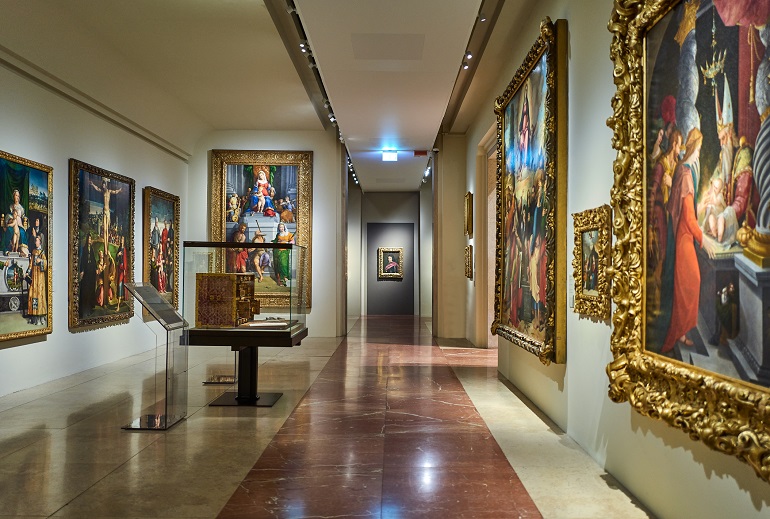
The crown jewel of the Palazzo dei Musei is the Galleria Estense, one of Italy's most prestigious art collections. It showcases an impressive array of works spanning from the 14th to the 18th centuries. Art enthusiasts will be captivated by masterpieces such as Bernini's marble bust of Francis I d'Este and Velázquez's portrait of the same subject. The gallery also boasts paintings by renowned artists like Correggio and El Greco.
Museo Lapidario Romano and Estense
These museums house an extensive collection of Roman and medieval stone artefacts. Visitors can marvel at intricate sculptures, reliefs, and inscriptions that offer a tangible connection to the region's ancient past.
Civic Museum of Modena
This museum provides a fascinating journey through Modena's rich history and archaeology, offering visitors a deeper understanding of the city's cultural evolution.
Enzo Ferrari Museum (Museo Casa Enzo Ferrari)
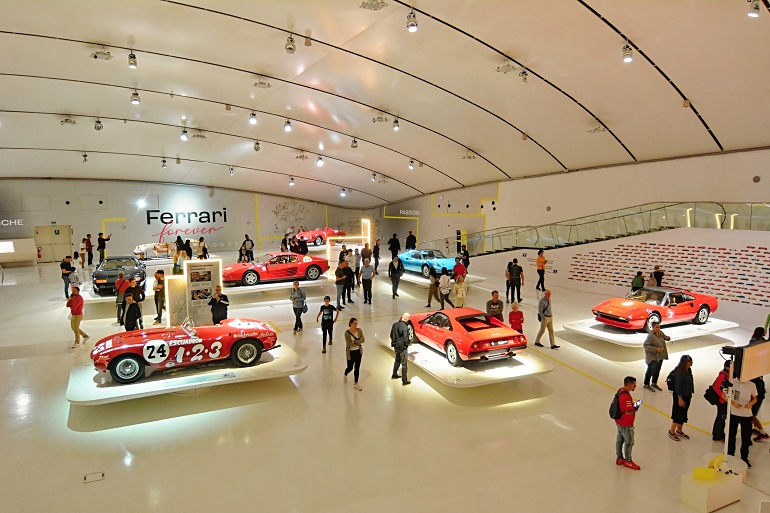
The Enzo Ferrari Museum, known locally as Museo Casa Enzo Ferrari, represents a striking blend of modern architecture and automotive history. The museum complex consists of two distinct buildings: Enzo Ferrari's restored birthplace and a futuristic gallery designed by Jan Kaplický, whose yellow aluminium roof mimics the bonnet of a Ferrari car. The museum chronicles not just the life of Enzo Ferrari, but the evolution of Italian automotive excellence. Interactive exhibits showcase the technological innovations that revolutionised the automotive industry, while the carefully curated collection of vintage and contemporary vehicles demonstrates the progression of automotive design. The museum's multimedia presentations bring to life the passion, innovation, and determination that transformed a small workshop into one of the world's most prestigious automotive brands.
Panini Motor Museum
Situated on the outskirts of Modena, this private collection is renowned for housing the world's largest assemblage of vintage Maserati cars. The museum, part of the Panini family's private collection, features about forty cars, including twenty significant Maserati models. Highlights include the Maserati 6C-34 from 1934, which belonged to the legendary driver Tazio Nuvolari, and more recent icons like the Maserati Bora (1971) and Merak (1980).
In addition to the impressive array of Maserati vehicles, the museum also showcases sixty vintage motorcycles, primarily from Emilia-Romagna manufacturers such as Ducati and Maserati, as well as a collection of bicycles. This diverse display offers a comprehensive view of Italian automotive and motorcycle history.
Museo della Figurina
Housed in the elegant Palazzo Santa Margherita, this unique museum is devoted to collectible cards and stickers. It offers a captivating look at the history and cultural significance of these popular items. The museum's collection, established by Giuseppe Panini, founder of the famous Panini sticker company, includes not only trading cards but also related items such as pocket calendars, advertising materials, and matchboxes.
Casa Museo Luciano Pavarotti
Located in the picturesque countryside outside Modena, this museum is set in the late tenor's former residence. It offers an intimate glimpse into Pavarotti's life and career, displaying personal artefacts, awards, and costumes from his illustrious operatic journey. The museum also features artworks gifted to Pavarotti by fellow artists, providing a unique perspective on the maestro's life beyond the stage.
Civic Gallery of Modena
This art museum showcases a rich collection of Italian and international artworks. The gallery's diverse exhibitions span various periods and styles, offering visitors a comprehensive view of artistic expression. Housed in a historic building that adds to its allure, the Civic Gallery frequently organises educational programmes and workshops, making it an ideal destination for both seasoned art aficionados and novices.
The gallery's collection includes both classical and contemporary pieces, allowing visitors to trace the evolution of art through carefully curated exhibitions. Special events, such as guided tours and artist talks, are regularly scheduled to enhance visitors' understanding and appreciation of the featured works.
Musei del Duomo
Located within the UNESCO World Heritage buffer zone, these museums are closely connected to Modena's famous cathedral. The Modena Cathedral, a masterpiece of Romanesque architecture, was begun in 1099 under the guidance of architect Lanfranco. It was designed to honour Saint Geminiano, the patron saint of Modena, whose remains are housed in the crypt.
The cathedral's façade features intricate carvings by Wiligelmo, one of the most celebrated sculptors of the period, depicting biblical scenes. These carvings exemplify the harmonious relationship between architecture and sculpture that characterises Romanesque art.
The Musei del Duomo house important sculptural fragments, precious artworks, and liturgical objects that illuminate the history of the city's religious heritage. Together with the Ghirlandina Tower and Piazza Grande, the Modena Cathedral was designated a UNESCO World Heritage Site in 1997, recognised as a "masterpiece of human creative genius".
Terramara Archaeological Park
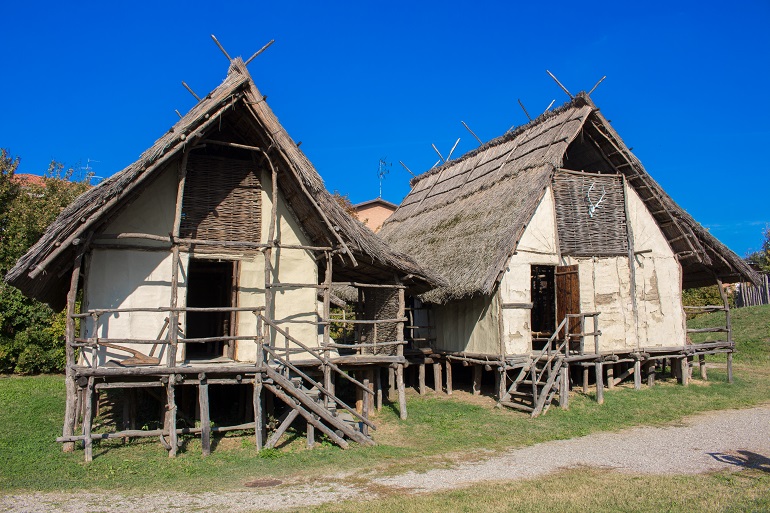
The Terramara Archaeological Park and Open-Air Museum of Montale, located just ten kilometres from Modena, offers visitors a fascinating glimpse into Bronze Age life from 3,500 years ago. Set on the actual site of an ancient settlement, this unique museum complex features both an archaeological excavation area and life-sized reconstructions of a Bronze Age village, complete with defensive walls, moats, and two fully furnished houses containing authentic replicas of pottery, tools, weapons, and clothing from the period. The museum brings history to life through guided tours, where visitors can explore the impressive archaeological stratigraphy showing different phases of village life, as well as experimental crop cultivation areas demonstrating the agricultural practices of the original inhabitants. Open on Sundays and holidays, the park offers guided tours every 45 minutes, making it an engaging destination for history enthusiasts and families alike.
Local Cuisine
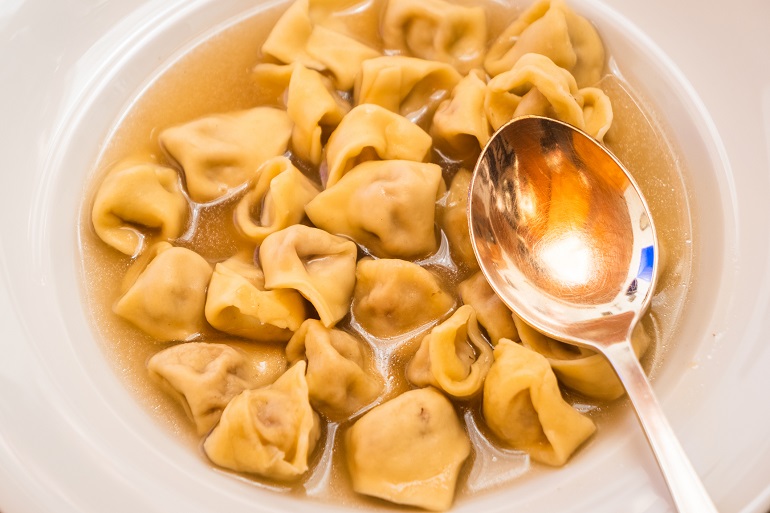
Modena's culinary heritage stands as one of Italy's most distinguished, anchored by its renowned trinity of traditional Balsamico di Modena, Prosciutto ham, and Parmigiano Reggiano cheese. The city's gastronomic landscape features an array of distinctive specialities, including tortellini in brodo, delicate pasta parcels served in a rich chicken broth, and hearty meat dishes such as cotechino and zampone, traditional pork sausages served with lentils and mashed potatoes. Local bread specialities are particularly noteworthy, with gnocco fritto (fried bread pillows) and tigelle (flat bread discs) typically accompanied by cured meats or pesto Modenese, a savoury spread made from lard, garlic, and rosemary. No Modenese meal is complete without a glass of sparkling Lambrusco wine, followed by local delicacies such as Vignola cherries, Bensone pastries, or a digestive glass of walnut-based Nocino.
Shopping
Modena's charming city centre offers a delightful shopping experience, with the historic Via Emilia serving as the main commercial artery. The elegant boutiques and artisanal shops along the porticoed streets showcase the finest Italian fashion, whilst speciality food stores tempt visitors with the region's celebrated products, including traditional balsamic vinegar, Parmigiano Reggiano, and local wines. The Albinelli Market, a stunning Art Nouveau covered marketplace dating from 1931, is a must-visit destination for food enthusiasts, where local vendors display an array of fresh produce, cured meats, and regional delicacies.
Nature in and around Modena
Modena's natural landscape offers diverse attractions, from the expansive Parco del Frignano in the Modenese Apennines, covering over 37,000 acres and featuring Monte Cimone, the highest peak in the northern Apennines at 2,165 metres, to the remarkable Sassi di Roccamalatina Regional Park with its distinctive rock spires rising 70 metres above the rolling hills. The area includes the fascinating Salse di Nirano Nature Reserve and numerous hiking, cycling and horse-riding trails totalling more than 100 kilometres. Within the city itself, the historic Ducal Gardens combine Italian-style formal gardens with an English park layout and house a Botanical Garden established in 1758. The region's rivers—Secchia, Panaro and Tiepido—provide additional nature trails for walking and cycling, whilst the Panaro River Detention Pond and Nature Reserve features several small lakes ideal for wildlife observation.
Getting Around
Modena, nestled in the heart of Italy's Emilia-Romagna region, is easily accessible by various means of transport. The closest airport is Bologna's Guglielmo Marconi Airport, from where you can reach Modena via a 45-minute taxi ride (approximately €90) or take the Marconi Express to Bologna Centrale station followed by a train to Modena for about €13. The city is well-connected by train, with regular services from major cities on the Milan-Bologna line, and the station is conveniently located just minutes from the historical centre. For those driving, Modena has two exits on the A1 Highway (Modena Nord and Modena Sud), and the A22 Brennero Highway terminates in the city. Once in Modena, getting around is straightforward with an extensive trolleybus and bus network operated by SETA, offering services from 6:00 to 21:00, with tickets purchasable directly on buses using contactless payment. Do note that the historic centre is a restricted traffic zone (ZTL), accessible only to residents and permit holders.
Best Time to Visit
The best time to visit Modena, Italy, is during the spring and early summer months, particularly from mid-April to mid-June, as well as in September. During these periods, you'll enjoy pleasant temperatures and fewer crowds, making it ideal for exploring the city's historic centre, including its UNESCO World Heritage sites. The weather is mild, with temperatures ranging from 15°C to 25°C, perfect for outdoor activities and sightseeing. However, do pack a brolly, as there may be occasional rain showers. Summer, especially July and August, can be quite warm, with temperatures soaring to 35°C, but it's also the peak tourist season. If you don't mind cooler weather, autumn can be lovely, offering opportunities to savour local culinary delights and attend food festivals celebrating the region's gastronomic heritage.