


| Contents |
|---|
Introduction
Nestled in the heart of Italy, the Abruzzo National Park, officially known as Abruzzo, Lazio and Molise National Park, is a breathtaking natural wonder that offers visitors an unparalleled experience of pristine wilderness and rich biodiversity. Established in 1922, it is the oldest national park in the Apennine Mountains and the second oldest in Italy. Spanning across three regions—Abruzzo, Lazio, and Molise—this protected area covers approximately 496.80 square kilometres of stunning landscapes, from dense beech forests to rugged mountain peaks.
The park's significance extends beyond its natural beauty; it plays a crucial role in preserving Italy's natural heritage and serves as a vital habitat for numerous endangered species. Its establishment marked a turning point in Italian conservation efforts, setting a precedent for future protected areas across the country.
Geography and Landscape
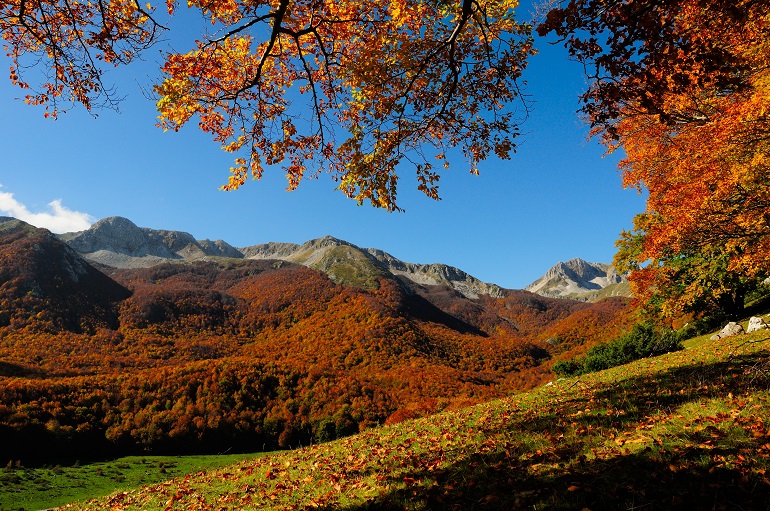
The park's terrain is characterised by a series of mountain ranges with elevations ranging from 900 to 2,250 metres above sea level. Notable peaks include Monte Marsicano (2,252 m), Monte Petroso (2,249 m), and Monte Meta (2,242 m). The limestone mountains, formed over 160 million years ago, showcase a fascinating geological history, with evidence of ancient coral reefs now transformed into towering peaks.
Karst topography dominates the landscape, resulting in a myriad of caves, sinkholes, and underground rivers. This unique geological feature not only shapes the park's appearance but also plays a crucial role in the region's water resources. The park is home to several important water bodies, including:
- Lake Barrea: An artificial lake created in the 1950s, now a popular spot for fishing and water sports.
- Lake Vivo: A small, natural lake of glacial origin, known for its crystal-clear waters.
- Sangro River: One of the main watercourses in the park, vital for the local ecosystem.
The park's varied topography creates a range of microclimates, supporting diverse habitats from alpine meadows to dense forests.

Flora and Fauna
Flora
The Abruzzo National Park is renowned for its exceptional biodiversity, making it a haven for nature enthusiasts and botanists. The park's flora includes over 2,000 plant species, with beech forests covering approximately two-thirds of the area. These ancient beech forests, some of which are over 500 years old, have been recognised as a UNESCO World Heritage site.
Other significant tree species found in the park include:
- Silver birch (Betula pendula)
- Black pine (Pinus nigra)
- Mountain pine (Pinus mugo)
- European yew (Taxus baccata)
- European holly (Ilex aquifolium)
The park's diverse plant life also includes numerous wildflower species, such as:
- Edelweiss (Leontopodium nivale)
- Gentian (Gentiana lutea)
- Martagon lily (Lilium martagon)
- Apennine primrose (Primula apennina)
Fauna
The park's fauna is equally impressive, featuring some of Italy's most iconic and endangered species:
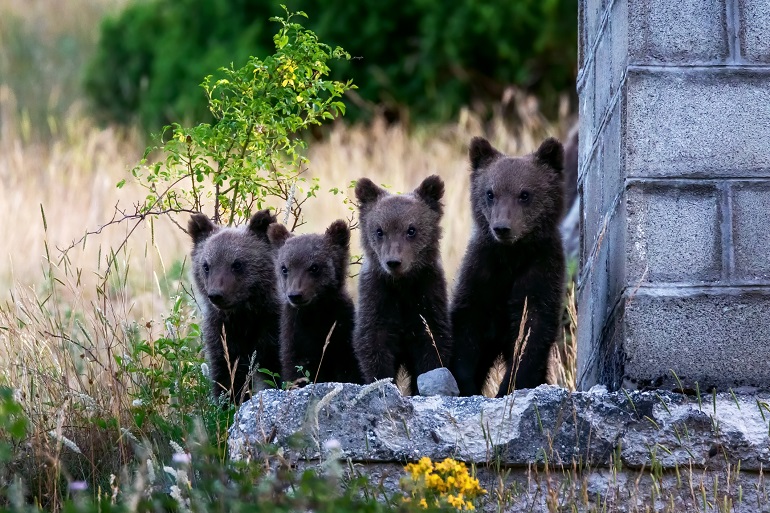
Marsican Brown Bear: This rare subspecies of the brown bear is the park's flagship species, with only about 50 individuals remaining in the wild. The park's conservation efforts are crucial for the survival of this unique bear.
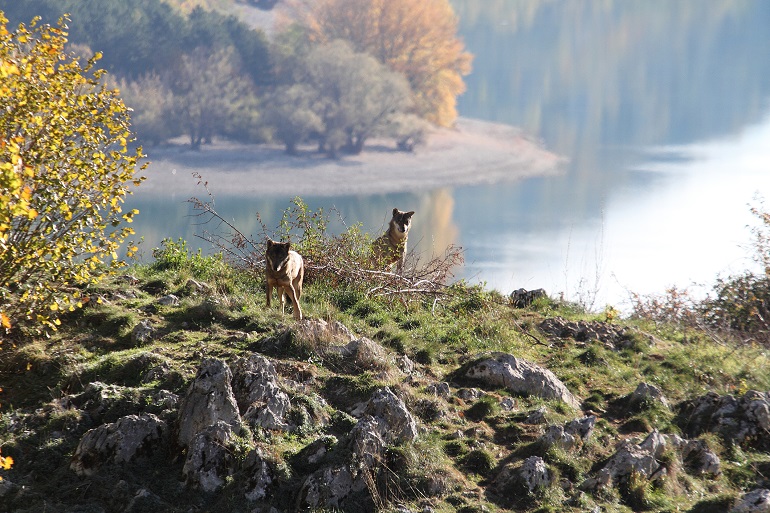
Italian Wolf: The park provides a crucial habitat for this once-endangered predator, now making a comeback. Visitors may hear their haunting howls in the early morning or late evening.
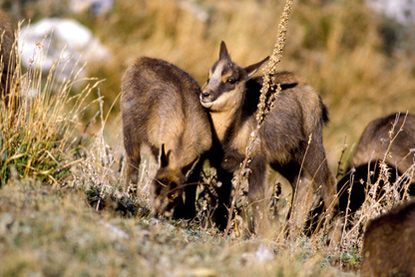
Abruzzo Chamois: A subspecies of the chamois found only in this region. These agile mountain goats can often be spotted on rocky slopes.
Red Deer and Roe Deer: Common inhabitants of the park's forests, these graceful animals play a vital role in the ecosystem.
Golden Eagle: A majestic bird of prey that nests in the park's rugged terrain. Their impressive wingspan can reach up to 2.3 metres.
Visitors may also encounter:
- Wild boar
- White-backed woodpeckers
- Various species of raptors, including peregrine falcons and goshawks
- Italian crested newt
- Spectacled salamander
- Apennine yellow-bellied toad
Activities and Attractions
Hiking and Trekking
The park offers an extensive network of hiking trails suitable for all levels of experience, totalling over 150 kilometres of marked paths. Some popular routes include:
- Mount Capraro via Civitella Alfedena: A challenging hike offering panoramic views of the park.
- Jannanghera Valley: A picturesque trail through beech forests and alpine meadows.
- Fondillo Valley: Known for its rich biodiversity and chances to spot wildlife.
- Camosciara: A stunning area often called the "heart of the park," featuring waterfalls and limestone cliffs.
- Val di Rose: A beautiful valley that's a favourite spot for wildlife watching.
For serious trekkers, the park offers long-distance trails such as the Sentiero Italia, which passes through the park as part of its route across Italy.

Wildlife Observation
Guided wildlife tours are available, offering the chance to spot some of the park's elusive inhabitants. The best times for wildlife viewing are typically early morning and late afternoon. The park provides several wildlife viewing areas, including:
- Wolf Museum and Faunal Area in Civitella Alfedena
- Chamois Museum in Opi
- Bear Museum in Villavallelonga
These areas offer educational experiences and the chance to observe animals in semi-natural enclosures.
Winter Sports
In the colder months, the park transforms into a winter wonderland, perfect for skiing, snowshoeing, and other snow-based activities. Pescasseroli, the park's main town, offers modern ski facilities. Other winter activities include:
- Cross-country skiing in Val Fondillo
- Snowshoeing in the Camosciara area
- Ice climbing on frozen waterfalls (for experienced climbers only)
Cultural Exploration
The park is dotted with charming medieval villages that offer a glimpse into the region's rich history and culture. Some must-visit towns include:
Pescasseroli: The birthplace of philosopher Benedetto Croce, featuring the Museo Naturalistico and a 12th-century abbey. The town also hosts a lively market every Saturday.
Civitella Alfedena: Home to the Museum of the Apennine Wolf and a faunal area where visitors can observe animals in semi-freedom. The town's narrow streets and stone houses offer a glimpse into traditional Abruzzese architecture.
Barrea: A picturesque medieval village overlooking the artificial Barrea Lake. Its 14th-century castle provides stunning views of the surrounding landscape.
Opi: An ancient village known for its Museo del Camoscio d'Abruzzo (Chamois Museum). Perched on a rocky spur, Opi offers breathtaking views of the Valle del Sangro.
Scanno: While not within the park boundaries, this nearby town is famous for its traditional goldsmiths and its heart-shaped lake.
Cycling and Mountain Biking
The park's varied terrain provides excellent opportunities for cycling enthusiasts, with routes suitable for both leisurely rides and challenging mountain biking experiences. Some popular cycling routes include:
- The Sangro Valley Cycle Path: A gentle route suitable for families
- The high-altitude trail from Pescasseroli to Opi: For more experienced cyclists
- The challenging climb to Passo Godi: Offering spectacular views for those willing to tackle the ascent
Accommodation
The Abruzzo National Park offers a diverse range of accommodation options to suit all preferences and budgets:
- Hotels: From 2-star to 4-star establishments, many located in charming towns like Pescasseroli and Roccaraso. Some notable options include Hotel Bamby in Pescasseroli and Albergo Villino Quintiliani in Barrea.
- B&Bs and Guesthouses: For a more personal touch, try staying in one of the many family-run bed and breakfasts. These often offer home-cooked meals featuring local specialities.
- Agriturismo: Experience rural Italian life by staying on a working farm. Many agriturismi offer cooking classes and farm tours in addition to accommodation.
- Camping: For those who prefer to be closer to nature, there are several campsites within and around the park. Camping Colle Ciglio near Barrea and Camping La Genziana in Villetta Barrea are popular choices.
- Mountain Refuges: For hikers and outdoor enthusiasts, the park has several mountain huts offering basic accommodation in spectacular settings.
Gastronomy
The region's cuisine is characterised by hearty, traditional dishes that reflect the mountain environment. Some local specialities to try include:
- Arrosticini: Skewered lamb or mutton, a quintessential Abruzzese dish
- Pecorino cheese: A local sheep's milk cheese, often aged in caves
- Sagne e fagioli: A pasta dish with beans, perfect for refuelling after a long hike
- Confetti di Sulmona: Colourful sugar-coated almonds, a traditional sweet from nearby Sulmona
- Scamorza: A pear-shaped cheese similar to mozzarella, often grilled
- Zafferano dell'Aquila: Saffron from L'Aquila, used in various local dishes
- Ventricina: A spicy salami typical of the region
- Patate maritate: A hearty potato and meat stew
Many restaurants in the park area serve these local dishes, often using ingredients sourced from nearby farms and producers.
Best Time to Visit
The park is beautiful year-round, but the best time to visit depends on your interests:
- Spring (April-June): Ideal for wildflower viewing and mild hiking weather. The park comes alive with blooming wildflowers and the return of migratory birds.
- Summer (July-August): Perfect for hiking and outdoor activities, but also the busiest season. Temperatures are pleasant at higher altitudes, making it ideal for escaping the summer heat of the cities.
- Autumn (September-November): Spectacular foliage and a good time for wildlife spotting. The changing colours of the beech forests create a stunning landscape.
- Winter (December-March): Great for winter sports and seeing the park in its snow-covered splendour. While some facilities may be closed, the park takes on a serene, magical quality in winter.
Getting There and Around
The nearest airports are in Rome (about 200 km away) and Naples (about 180 km), both about a 2-hour drive from the park. Public transportation options are limited, so renting a car is recommended for exploring the area thoroughly.
If relying on public transport, there are bus services from Rome and Naples to Avezzano, from where you can catch local buses to towns within the park. However, these services can be infrequent, especially in the off-season.
Within the park, some areas have restrictions on private vehicles to protect the environment. Shuttle services are available in certain locations during peak seasons, particularly in the Camosciara area.
Conservation and Responsible Tourism
As visitors to this precious ecosystem, it's crucial to practice responsible tourism. Stay on marked trails, do not disturb wildlife, and follow all park regulations. Some key points to remember:
- Do not feed or approach wildlife
- Carry out all litter
- Respect fire regulations and camping restrictions
- Use designated picnic areas
- Support local businesses to contribute to the area's sustainable development
The park runs various conservation programmes, including monitoring of key species and habitat restoration projects. Visitors can learn about these efforts at the park's visitor centres and potentially participate in citizen science initiatives.
Visitor Centres and Educational Facilities
The park has several visitor centres that provide valuable information and educational resources:
- Pescasseroli Visitor Centre: The main information point, offering exhibits on the park's flora and fauna
- Civitella Alfedena Wolf Museum: Dedicated to the Italian wolf, with information on its biology and conservation
- Opi Chamois Museum: Focuses on the Abruzzo chamois and its habitat
- Villavallelonga Bear Museum: Provides insights into the life of the Marsican brown bear
These centres often offer guided tours, educational programmes for schools, and workshops on various aspects of the park's ecology and conservation.