


| Contents |
|---|

Introduction
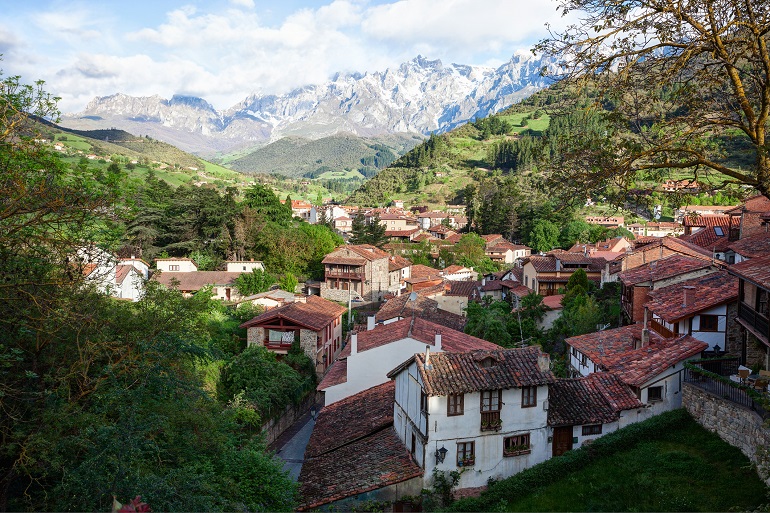
Potes is a small medieval town nestled in southwest Cantabria, situated at the confluence of the Deva and Quiviesa rivers. With a population of approximately 1,350 residents, it serves as the capital of the Liébana comarca and functions as the gateway to the stunning Picos de Europa National Park. The town enjoys a unique Mediterranean microclimate that differs from the rest of Cantabria, allowing for the cultivation of vines, walnuts and poplars. Visitors to Potes can explore its charming cobbled streets, admire its stone architecture, and visit historical landmarks such as the Torre del Infantado and Captain Palacios Square. The surrounding area offers numerous hiking trails through the Camaleño and Liébana Valleys, with the town strategically positioned at the meeting point of four valleys, making it an ideal base for exploring the limestone peaks and diverse landscapes of the region.
Interesting Facts about Potes
- The town is known as the "Village Of Bridges" due to its numerous picturesque bridges, including the medieval San Cayetano Bridge and Puente de la Cárcel.
- The town's oldest neighbourhood, Barrio del Sol (Sun's Quarter), still maintains its medieval charm with narrow streets, arches, and grand houses with coats of arms.
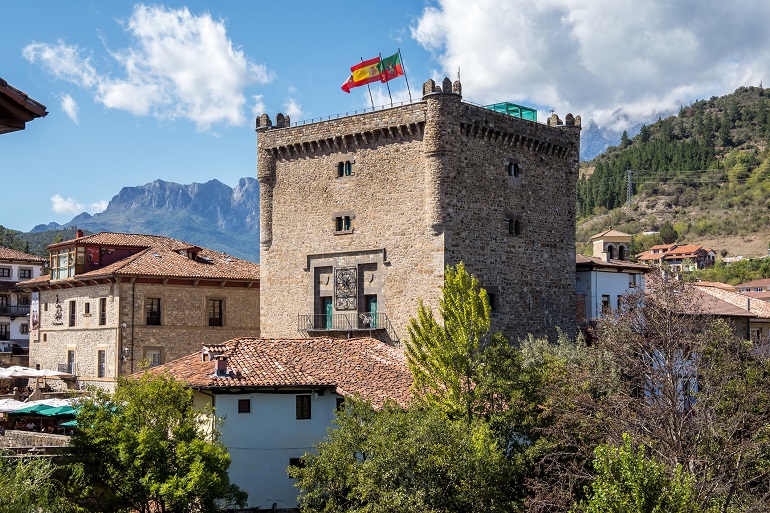
- The 15th-century Torre del Infantado is the most characteristic tower in Potes and houses a museum dedicated to "Beatus of Liébana and his Beatos".
- Potes was historically a hotspot for struggles between powerful noble families fighting for control of the area during the Middle Ages.
- The town hosts one of the oldest fairs in Cantabria, established as a Royal Privilege in 1379 by Juan I of Castile.
- Legend claims that in the nearby gorge of La Hermida, two large stones represent the tears shed by Don Pelayo when he witnessed the massive annihilation of Muslim troops during a battle.
- Potes celebrates several festivals throughout the year, including the famous celebrations of the Holy Cross on 14th September.
- The town features a wheelchair and stroller-friendly river path that connects the Quiviesa and Deva rivers, offering a pleasant stroll with opportunities to spot local wildlife.
- Potes is the beating heart of rural Liébana, where cows and herdsmen roam the streets and Spanish mastiffs guard flocks of sheep.
History
Potes was founded in Roman times under the name "Pontes" (bridges). First documented in 847, the town flourished at the confluence of important valleys, becoming a strategic centre of commerce. Throughout the Middle Ages, it was linked to prestigious noble houses including the Marquis de Santillana and later the Infantado, with the imposing Torre del Infantado standing as testimony to this heritage. The town witnessed significant historical events, including fierce resistance against French forces in 1808 when Cantabrians repelled the enemy sixteen times. Though nearly destroyed by fire during the Spanish Civil War, Potes was lovingly rebuilt, with its charming old town being declared a Historic-Artistic Site in 1983, preserving its medieval bridges, towers and cobbled streets for today's visitors.
Main Attractions
Historic Centre of Potes
The historic centre of Potes represents one of the most well-preserved medieval urban landscapes in northern Spain. Dating back to the 14th century, this labyrinthine network of narrow cobblestone streets reveals the town's rich history at every turn. The centre is characterised by traditional Cantabrian architecture featuring stone and wood buildings with distinctive balconies adorned with flowers during spring and summer months. Many structures display coat of arms on their façades, indicating the noble families who once resided here. The medieval layout follows the natural contours of the land and the convergence of the Quiviesa and Deva rivers, creating a uniquely charming atmosphere that has remained largely unchanged for centuries. Particularly noteworthy are the hidden courtyards and small plazas that open unexpectedly as you wander through the alleyways, offering glimpses into local life both past and present.
Torre del Infantado
The Torre del Infantado (Tower of the Infantado) stands as the most commanding structure in Potes, rising prominently above the town's skyline. This defensive tower was built in the 15th century by the powerful Mendoza family, who held the title of Dukes of Infantado. The tower's robust stone construction features classic medieval defensive elements including thick walls, narrow windows, and a commanding position overlooking key approaches to the town. Though partially destroyed during the Spanish Civil War, it was meticulously reconstructed to preserve its historical significance. The rooftop terrace offers a spectacular 360-degree panorama encompassing the entire town, the converging rivers, and the dramatic backdrop of the Picos de Europa mountains. The tower's exterior stonework displays remarkable craftsmanship, with perfectly fitted blocks that have withstood centuries of Cantabrian weather.
Barrio del Sol
The Barrio del Sol stands as one of the oldest and most picturesque neighbourhoods in Potes. This district is distinguished by its unique "hanging houses" constructed in the 1950s, which appear to be suspended over the river. The architectural style features traditional wooden balconies and stone arches that create covered walkways along certain streets. During midday, this neighbourhood earns its name ("Sun Quarter") as sunlight bathes the stone buildings in a warm glow, creating dramatic shadows and light patterns that photographers find particularly appealing. The area contains some of the town's oldest residential buildings, with several dating back to the 16th century. The narrow streets here open occasionally to reveal small squares where locals gather, particularly during summer evenings when the temperature cools.
Puente Viejo (Old Bridge)
The Puente Viejo spans the Quiviesa River and represents one of the most iconic structures in Potes. This medieval stone bridge dates back to the 15th century and features distinctive arches that have withstood centuries of river flow and occasional flooding. The bridge's weathered stones tell the story of countless travellers who have crossed between the two sides of town over hundreds of years. From the centre of the bridge, visitors can enjoy unique perspectives of the riverside buildings with their reflections dancing on the water below. The structure itself demonstrates the remarkable engineering capabilities of medieval stone masons, with precisely cut stones forming perfect arches without modern construction techniques. Local legend suggests that secret messages were carved into some of the stones by stonemasons, though these remain undeciphered to this day.

Bridges of Potes
Beyond the famous Puente Viejo, Potes boasts several other remarkable bridges that form an integral part of its character. The Puente de la Cárcel (Prison Bridge) features distinctive architecture with a central arch that frames perfect views of the riverside buildings when photographed from certain angles. The San Cayetano Bridge connects two historic neighbourhoods and features unique stone carvings on its supports that depict local folklore elements. The modern but sympathetically designed Puente Nuevo provides an interesting contrast to the older structures while maintaining harmony with the town's aesthetic. Each bridge offers a different perspective of the town and rivers, making a tour of these crossings an attraction in itself. The sound of water flowing beneath these structures creates a constant gentle soundtrack to town life that residents have enjoyed for generations.
Paseo Fluvial de Potes
The Paseo Fluvial offers a serene riverside walking route that showcases the natural beauty surrounding Potes. This well-maintained pathway follows both the Deva and Quiviesa rivers as they wind through town, providing constantly changing perspectives of the water, historic buildings, and mountain backdrops. Ancient willow trees line portions of the route, creating dappled shade during summer months. The path includes several wooden footbridges that cross smaller tributaries, adding charm to the journey. Along the way, natural river beaches form during summer when water levels drop, becoming popular spots for locals to cool off. The walkway also features strategically placed stone benches that invite contemplation of particularly scenic vistas. During spring, wildflowers bloom along the banks, while autumn brings spectacular foliage colours that reflect in the clear waters.

Santo Toribio Monastery Grounds
Just outside Potes lies the expansive grounds of the Santo Toribio Monastery, a site of profound historical and spiritual significance. While the monastery itself contains religious artefacts, the surrounding landscape offers remarkable natural beauty and hiking opportunities. Ancient pilgrim paths wind through chestnut and oak forests that have stood for centuries, providing welcome shade during summer months. These trails follow routes that medieval pilgrims once traversed, creating a connection to the region's spiritual heritage. The grounds contain several hermitages and small chapels nestled among the trees, each with its own unique history and architectural details. These quiet sanctuaries offer peaceful spots for reflection away from the more visited monastery building. The varied terrain includes meadows that burst with wildflowers in spring, creating a colourful tapestry against the green backdrop.
Ermita de San Miguel
The Ermita de San Miguel (Hermitage of Saint Michael) perches dramatically on a rocky outcrop overlooking the Camaleño Valley. This small chapel dates back to the 17th century and was built in a strategic location that served both spiritual and defensive purposes. The hermitage's simple stone construction harmonises perfectly with the rugged landscape surrounding it. The true highlight is the breathtaking panoramic view from its location, encompassing the entire valley, the winding river below, and the towering peaks of the Picos de Europa in the distance. The play of light across this landscape changes dramatically throughout the day, with early morning and late afternoon offering particularly striking vistas as shadows lengthen across the valley floor. A narrow path circles the hermitage, allowing visitors to appreciate views in all directions.

Oso Parado Viewpoint
The Oso Parado (Standing Bear) viewpoint offers one of the most spectacular panoramic vistas in the region. Located on a natural balcony above Potes, this observation point provides an unobstructed view of the entire Liébana Valley with Potes nestled at its heart. The foreground features terraced vineyards and meadows that have been cultivated for centuries, while the middle distance reveals the town's compact medieval layout with the Torre del Infantado rising prominently. The background is dominated by the dramatic limestone peaks of the Picos de Europa, often snow-capped well into spring. The viewpoint includes informative panels that identify key landmarks visible from this vantage point. The changing seasons transform this view dramatically—from the lush greens of summer to the golden hues of autumn and the occasional winter snowscape that blankets the valley floor while leaving the town distinctively outlined.
Gateway to Picos de Europa
Potes serves as the principal gateway to the magnificent Picos de Europa National Park, one of Spain's oldest national parks established in 1918. The town's position at the confluence of valleys makes it the natural starting point for exploring this mountain range. Just a short distance from Potes, visitors can access numerous trailheads that lead into diverse landscapes ranging from gentle riverside paths to challenging mountain ascents. The nearby Fuente Dé cable car represents one of the most dramatic entry points to the high mountains, rising over 750 metres in a single span to deliver visitors to alpine meadows and peaks. The surrounding area features remarkable biodiversity, including ancient forests of beech and oak that provide habitat for endangered species like the Cantabrian brown bear and Iberian wolf. The limestone geology has created spectacular formations including deep gorges, caves, and the distinctive jagged peaks that give the range its name—said to be the first sight of Europe for sailors returning from the Americas.
Top Museums
Torre del Infantado
The most significant historical building in Potes is the Torre del Infantado, a remarkably well-preserved 14th-century medieval tower that now serves as both the town hall and an exhibition space. This impressive fortress has a fascinating history, having been home to dukes and marquises who fought for control of the valleys, served as a stronghold for guerrilla fighters against Napoleon's invasion, and even functioned as a prison.
Today, the tower houses an exhibition dedicated to Beato de Liébana, an 8th-century monk who created 12 of the most valuable illustrated codices of the European Middle Ages. Visitors can also access the terrace, which offers beautiful panoramic views of Potes and the surrounding mountains.
Centro de Estudios Lebaniegos
Located near the church in a beautifully restored 15th-century building, the Centro de Estudios Lebaniegos is worth visiting to admire its gorgeous vaulted ceilings. This centre also houses the Pilgrim's Office and the Tourist Information Center, making it a useful stop for visitors seeking information about the region.
Witchcraft and Medieval Torture Exhibition
The 15th-century Torre de Orejón de la Lama, also known as Torre de Bedoya, hosts an intriguing exhibition on witchcraft, occultism, and medieval torture. This Gothic-style tower-house, which blends palace and fortified architecture, features the coats of arms of the Bedoya and Celis families on its main facade.
Local Cuisine
The town is renowned for its signature dish, cocido lebaniego, a hearty stew made with chickpeas, cabbage, and various meats including chorizo, blood sausage, and bacon, distinctly different from the bean-based cocido montañés found elsewhere in the region. Cheese lovers will delight in the local varieties, particularly the strong and spicy Picón Bejes-Tresviso blue cheese, similar in style to Cabrales, and the flavourful Quesucos de Liébana. After your meal, don't miss sampling orujo, the traditional local brandy distilled from grape skins and often flavoured with herbs and berries, celebrated annually at the Orujo Festival in November. For meat enthusiasts, establishments like Asador Llorente offer excellent grilled meats, whilst numerous taverns and restaurants throughout the town serve authentic Cantabrian cuisine against the stunning backdrop of the Picos de Europa National Park.
Nightlife and Traditional Taverns
Despite its small size, Potes offers a surprisingly vibrant evening atmosphere centred around its traditional taverns and bars. These establishments, many housed in centuries-old buildings with stone walls and wooden beams, serve as the social heart of the community. Local cider houses pour the traditional Cantabrian beverage in the authentic style—from height to create natural carbonation in the glass. Family-run taverns serve regional specialities like Cocido Lebaniego (a hearty stew) and Quesada Pasiega (traditional cheesecake) using recipes passed down through generations. Many establishments feature live traditional music on weekend evenings, with local musicians playing regional folk tunes on traditional instruments. The Plaza Mayor becomes particularly animated after sunset, with tables spilling out into the open air during summer months, creating a festive atmosphere under the stars with the illuminated Torre del Infantado as a dramatic backdrop.
Getting There & Around
Getting to Potes is most convenient by bus from Santander, with the journey taking approximately 2.5 hours. Jimenez Movilidad operates this route, with two daily services on Sundays departing at 8:15 and 18:00. Once in Potes, the compact historic centre is best explored on foot, allowing visitors to wander through its cobblestone streets and cross its iconic stone bridges spanning the Deva and Quiviesa rivers. For those wishing to explore the surrounding attractions such as the Basilica de Santa María la Real de Covadonga (about an hour and a half away) or the nearby Picos de Europa National Park, having access to a car would be advantageous, though local transport options are available for day trips to popular destinations like Fuente Dé.