


| Contents |
|---|
Introduction
Comillas is a charming coastal town situated on the west coast of Cantabria, surrounded by stunning natural landscapes with views of the snow-capped Picos de Europa mountains. Once a small medieval village sustained by fishing, agriculture and cattle farming, Comillas underwent a remarkable transformation in the late 19th century when Antonio López y López, who later became the first Marquis of Comillas, invested heavily in the area. This period saw the introduction of Catalan Modernist architecture, including Antoni Gaudí's El Capricho, the neo-Gothic Sobrellano Palace and Chapel-Pantheon, and the impressive Pontifical University. The town gained prominence as a distinguished summer retreat for Spanish royalty, including King Alfonso XII, and the nobility. Today, Comillas attracts visitors with its architectural heritage, cobbled historic centre featuring the Plaza de la Constitución and Church of San Cristóbal, and its beautiful beaches with crystal-clear waters and hidden coves that make it one of the most appealing coastal destinations in Cantabria.
Interesting Facts about Comillas
- Comillas was the capital of Spain for just one day on 6th August 1881, following an agreement between King Alfonso XII and the Minister's Council to gather in the town.
- The famous Catalan architect Antoni Gaudí designed El Capricho, one of the most important and intricately constructed buildings in Comillas.
- Comillas is sometimes referred to as the "Town of the Bishops" because five priests who were born there went on to become bishops in various dioceses during the Middle Ages.
- Sailors from Comillas played a significant role in the reconquest of Seville in 1248, participating in breaking the chains of the bridge between Seville and Triana on the River Guadalquivir.
- The port of Comillas was historically renowned for whale fishing and was the last Cantabrian base for ships dedicated to this activity between the 16th and 18th centuries.
- The town's name possibly has Celtic origins, with the word "Koma-Oe" (meaning horsehair or hill) eventually evolving into "Comillas".
- Comillas became a fashionable holiday destination for Spanish royalty and nobility from the second half of the 19th century.
- The Church of San Cristóbal in Comillas has the peculiarity of having been not only financed but also built by the inhabitants themselves, who reserved one day a week to participate in the construction.
- The Northern Way to Santiago de Compostela, a famous pilgrimage route, passes through Comillas, enhancing its international prominence.
- Comillas was declared a Historic-Artistic Site in 1985 due to its remarkable architectural heritage.
- The wealth and architecture of Comillas were largely influenced by Antonio López y López, who made his fortune in Cuba and later became the first Marquis of Comillas.
- The town features an unusual mix of Catalan Modernist architecture in northern Spain, thanks to the patronage of the Marquises of Comillas who worked with the best Catalan architects.

History
The first documented mention of the village appears in the 11th century, though archaeological findings indicate much earlier habitation, with prehistoric cave paintings and Roman artefacts discovered in the area. Throughout the Middle Ages, Comillas remained a small fishing village, with its sailors gaining recognition when they participated in the reconquest of Seville in 1248, playing a pivotal role in breaking the defensive chains across the Guadalquivir River. From the 16th to 18th centuries, whale hunting became a significant economic activity, with Comillas serving as the last Cantabrian base for this practice until it ceased in 1720.
The town's fortunes dramatically changed in the mid-19th century, thanks to Antonio López y López, who emigrated to Cuba, amassed considerable wealth, and returned to invest in his hometown. His contributions earned him the title of Marquis of Comillas in 1878, and his close relationship with King Alfonso XII led to royal summer visits beginning in 1881. Remarkably, Comillas served as Spain's capital for one day on 6th August 1881 and became the first place in Spain to use Edison's electric light bulbs in 1880. These royal visits transformed the modest fishing village into a fashionable resort, attracting nobility and wealthy families who built impressive summer residences.
The architectural landscape of Comillas was forever altered by the Marquis and his son Claudio, who commissioned leading Catalan modernist architects, including Antoni Gaudí and Lluís Domènech i Montaner. Their influence resulted in magnificent structures like the Pontifical University and the neo-Gothic Palacio de Sobrellano, creating a unique blend of architectural styles that remain striking features of the townscape. While the Spanish Civil War caused some damage to the town, and tourism patterns shifted towards southern Spain in the mid-20th century, Comillas has maintained its character as "the haven for the decadent and discreet aristocracy". Today, this charming coastal town continues to enchant visitors with its fascinating historical legacy, pristine beaches, and extraordinary architectural heritage.
Main Attractions
El Capricho de Gaudí
El Capricho stands as one of Antoni Gaudí's earliest architectural masterpieces and one of his few works outside Catalonia. Completed in 1885, this summer villa was commissioned by Máximo Díaz de Quijano, a wealthy businessman with connections to the Marquis of Comillas. The structure exemplifies Gaudí's distinctive approach to the Modernist movement, incorporating Neo-Mudejar elements that reflect his fascination with Arabic architectural traditions. The exterior is immediately recognisable by its vibrant ceramic sunflower motifs and decorative brickwork that creates a mesmerising pattern across the façade. The tower, reminiscent of a minaret, is adorned with green and white tiles arranged in a chessboard pattern, creating a striking visual effect against the Cantabrian sky. Inside, the villa is organised around a central corridor, with each room thoughtfully designed to maximise natural light and ventilation—a testament to Gaudí's innovative approach to functional design. The music room features unique acoustics, while the greenhouse area demonstrates Gaudí's integration of nature and architecture, a theme that would become central to his later works.

Palacio de Sobrellano
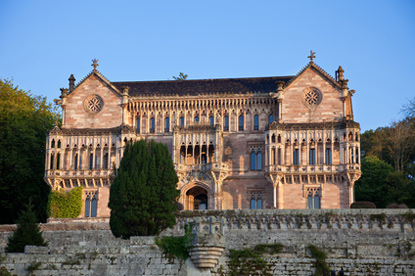
The Palacio de Sobrellano, commissioned by Antonio López y López, the first Marquis of Comillas, represents one of northern Spain's finest examples of neo-Gothic architecture. Designed by Joan Martorell and completed in 1888, this palace stands as a monument to the wealth and influence of the López family during Spain's industrial revolution. The exterior features intricate stonework, pointed arches, and ornate turrets that create a dramatic silhouette against the landscape. Inside, the palace reveals sumptuous interiors with carved wooden ceilings, stained glass windows, and period furniture that transport visitors to the late 19th century. The grand staircase, adorned with elaborate woodwork, serves as a focal point of the interior design. The palace's reception rooms, dining hall, and private chambers each display meticulous attention to detail in their decoration, with motifs that blend religious symbolism with aristocratic grandeur. The building's historical significance extends beyond its architectural merit, as it hosted numerous influential figures of its time, including King Alfonso XII during his visits to Comillas.

Sobrellano Chapel-Pantheon
Adjacent to the Palacio de Sobrellano stands the family chapel-pantheon, another masterpiece of neo-Gothic design commissioned by the Marquis of Comillas. This sacred space, also designed by Joan Martorell, serves as the final resting place for members of the López family. The chapel's exterior features flying buttresses, pinnacles, and a rose window that exemplify the Gothic Revival style. Inside, the single-nave structure is adorned with remarkable sculptural work by Joan Roig, including the impressive marble tombs of Antonio López and his son Claudio. The altar, crafted from alabaster, displays intricate religious scenes executed with extraordinary craftsmanship. The stained glass windows filter light in a way that creates an atmosphere of reverence and contemplation. The vaulted ceiling, with its ribbed design and decorative keystones, demonstrates the technical mastery of its creators. This chapel-pantheon represents not only a family mausoleum but also a significant artistic achievement that reflects the religious devotion and social status of its patrons.
Universidad Pontificia
The Universidad Pontificia dominates Comillas' skyline from its commanding position atop a hill overlooking the town. This monumental building, originally constructed as a seminary between 1883 and 1892, represents an ambitious architectural project funded by the first Marquis of Comillas and later expanded under his son's patronage. Designed by multiple architects including Lluís Domènech i Montaner, the complex blends neo-Gothic and Modernist elements to create an imposing institutional presence. The main façade features an elaborate combination of stone carvings, decorative brickwork, and ceramic elements that showcase the craftsmanship of the period. The central courtyard, with its arched galleries and ornamental details, provides a sense of the building's original function as a centre of learning. The former chapel contains remarkable woodwork and religious art that reflect the institution's Catholic heritage. After serving as a Jesuit university for decades, the building has witnessed various uses throughout its history, standing as a testament to Comillas' golden age and the influence of its prominent families. The panoramic views from its grounds extend across the town to the Cantabrian Sea, offering one of the region's most spectacular vantage points.

Old Main Seminary (Seminario Mayor)
The Old Main Seminary, part of the Universidad Pontificia complex but distinct in character, represents another monumental achievement in Comillas' ecclesiastical architecture. This building, with its distinctive red brick construction, was designed to house seminarians during their religious training. The façade displays an impressive array of decorative elements, including ornamental brickwork patterns, stone carvings, and ceramic details that demonstrate the Modernist influence on institutional architecture of the period. Large windows with elaborate surrounds allow abundant natural light to enter the interior spaces, creating well-illuminated areas conducive to study and contemplation. The building features several interior courtyards that provided fresh air and exercise space for residents while maintaining the enclosed nature appropriate for religious formation. The chapel within the seminary contains notable artistic works that reflect the Catholic traditions central to the institution's purpose. Though parts of the structure have undergone various stages of renovation over the decades, the essential character of this impressive building remains intact, offering visitors an understanding of the scale and ambition of religious education in late 19th-century Spain and the particular vision of its founders.
Plaza del Corro de Campios
Plaza del Corro de Campios forms the historic heart of Comillas' old town, representing the original nucleus around which the fishing village developed before its transformation into a prestigious resort. This irregular square, paved with traditional cobblestones, preserves the authentic character of vernacular Cantabrian urban design. The plaza is surrounded by notable examples of regional architecture, including several well-preserved mansions that display the distinctive characteristics of traditional northern Spanish building styles, with their stone facades, wooden balconies, and coat of arms indicating the noble status of former residents. The square has served as a community gathering place for centuries, hosting markets, festivals, and daily social interactions that constitute the lifeblood of a small town. The narrow streets radiating from the plaza follow medieval patterns, creating an intimate urban environment that encourages exploration on foot. Several traditional taverns and shops occupy ground-floor spaces in the historic buildings, continuing commercial traditions that date back generations. This plaza represents Comillas' connection to its pre-industrial past, offering a counterpoint to the more flamboyant architecture commissioned by the town's 19th-century industrialists.

Cementerio de Comillas
The Cemetery of Comillas represents one of northern Spain's most unusual and artistically significant burial grounds. Established in the 19th century, this hillside cemetery is distinguished by its Gothic entrance church, designed by Catalan architect Lluís Domènech i Montaner and declared a Site of Cultural Interest. The cemetery's most renowned feature is the striking "Ángel Exterminador" (Exterminating Angel) sculpture by Josep Llimona, which depicts a winged figure guiding a young woman's soul to heaven with remarkable emotional intensity and technical virtuosity. Throughout the grounds, visitors encounter funerary monuments that showcase various artistic styles from neo-Gothic to Modernist, reflecting the changing aesthetic preferences of Comillas' elite families across generations. Many tombs feature symbolic elements that speak to the religious and philosophical ideas about death prevalent during different periods. The cemetery's elevated position provides sweeping views across the town and sea, creating a contemplative setting that enhances its solemn purpose. The careful landscaping, with cypress trees and flowering plants, adds to the atmospheric quality of this final resting place that tells much about the town's social history and artistic heritage.
Comillas Harbour (Puerto de Comillas)
The small harbour of Comillas reflects the town's longstanding relationship with the sea. Though modest in size compared to major commercial ports, this sheltered inlet has played a crucial role in local life for centuries. The harbour is protected by a curved stone breakwater that creates a safe haven for the small fishing fleet that continues to operate from here. Traditional wooden boats, painted in bright colours, bob alongside more modern vessels, representing the evolution of maritime activities in the region. The harbour area features several simple fishermen's buildings where the day's catch is processed, alongside more recent additions catering to visitors. From the harbour, one gains a different perspective on the town, with its buildings rising up the hillside in tiers that demonstrate how Comillas has developed in harmony with its topography. The connection between the harbour and the adjacent beach creates a seamless transition between working maritime space and leisure area. This harbour, though now less central to the local economy than in previous centuries, maintains authentic fishing traditions that connect present-day Comillas to its maritime heritage.
Comillas Beach (Playa de Comillas)
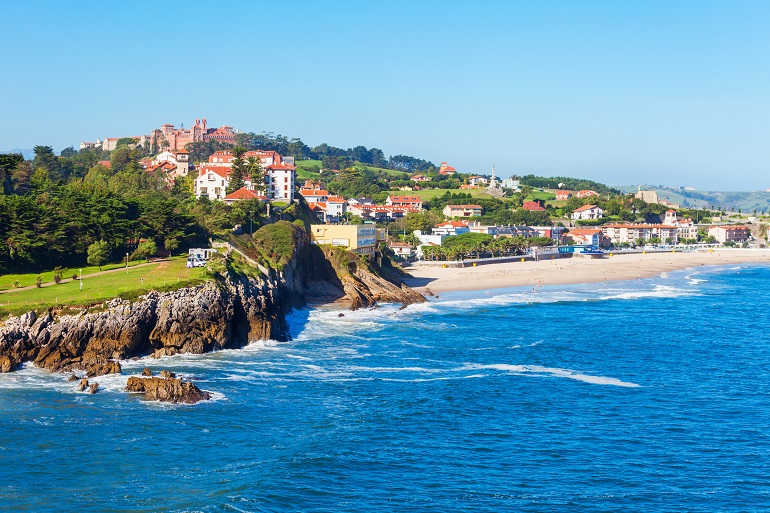
Comillas Beach stretches along the northern edge of the town, offering a half-mile expanse of golden sand framed by the dramatic Cantabrian coastline. This Blue Flag beach sits in a sheltered bay, providing relatively calm waters compared to other beaches in the region. The beach's distinctive profile is enhanced by the presence of several large rocks emerging from the sea near the shoreline, creating natural features that add character to the seascape. During low tide, small pools form around these rocks, creating natural aquariums where visitors can observe coastal marine life. The western end of the beach connects to the town's small harbour, where traditional fishing boats add a touch of authentic maritime culture to the scene. The eastern section offers more secluded spots where the beach meets rocky outcrops. The backdrop of green hills and the town's historic buildings creates a unique setting where natural beauty and cultural heritage converge. The beach has witnessed Comillas' transformation from a fishing village to a prestigious resort town whilst maintaining its natural charm and authentic coastal atmosphere.
La Rabia Lagoon
La Rabia Lagoon, situated at the mouth of the Rabia River just outside Comillas, forms part of the Natural Park of Oyambre. This estuarine ecosystem represents one of Cantabria's most important wetland areas, where freshwater meets the sea in a constantly changing landscape determined by tidal patterns. The lagoon hosts an impressive diversity of bird species, making it a paradise for birdwatchers, particularly during migration seasons when numerous waterfowl use it as a resting point. The surrounding meadows and reed beds create a habitat mosaic that supports various plant communities adapted to different levels of salinity. From certain vantage points around the lagoon, visitors can enjoy spectacular views that encompass the water, the nearby beaches, and the distant peaks of the Picos de Europa mountains. This natural area has remained relatively undeveloped, preserving its ecological integrity and offering a glimpse into the region's natural state before extensive human modification. The tranquil waters reflect the changing sky, creating a contemplative atmosphere that contrasts with the more energetic coastal environments nearby.
Top Museums
Comillas Pontifical University Museum
The Comillas Pontifical University Museum displays a fascinating collection of historical and educational objects that chronicle more than a century of the institution's history. The museum exhibits costumes, medals, photographs and various objects of historical relevance that tell the story of this prestigious university.
Founded on 16 December 1892 in Comillas as a pontifical seminary, the university owes its existence to the vision of Jesuit Tomás Gómez Carral and the financial backing of Antonio López, the first Marquis of Comillas. The museum serves as a place of remembrance and inspiration, paying tribute to the men and women who have contributed to the university's legacy.
Paleolithic Museum
For those interested in prehistoric culture, Comillas offers a museum with a permanent exhibition dedicated to life, art and culture in the Paleolithic period in Cantabria. This educational space provides valuable insights into the region's ancient past, complemented by convenient on-site facilities including a café.
Local Cuisine
Comillas, a charming coastal town in Cantabria, offers a delightful array of culinary experiences that showcase the region's rich gastronomic heritage. Visitors can indulge in fresh seafood dishes, with grilled sardines and succulent lobster being particular highlights. The town's restaurants and taverns serve up mouthwatering specialities that highlight the flavours of the sea, including calamares fritos (fried calamari) and pulpo al ajillo (garlic octopus). For those seeking a taste of traditional Cantabrian cuisine, cocido montañés, a hearty stew made with kidney beans and cabbage, is a must-try. Don't miss the opportunity to sample Quesada Pasiega, a creamy dessert made from fresh cheese, sugar, eggs, and cinnamon, which pairs perfectly with the region's famous apple cider. With its blend of time-honoured recipes and innovative culinary creations, Comillas promises a gastronomic adventure that will delight even the most discerning palates.
Getting There & Around
Reaching Comillas is easiest by flying into Santander Airport (SDR), then hiring a car (from €35) or taking La Cantábrica's direct bus (€3-6, cash only) for the hour-long journey along the picturesque Cantabrian coast. Within Comillas, walking is ideal as the town is compact, though be prepared for some hills. For exploring the broader region, a car offers excellent flexibility despite summer parking challenges, while local buses provide economical connections to nearby attractions and coastal towns. Taxis are available but costly, with fares to Santander reaching €120-150. The bus from Santander departs from platform 5 at the bus station and makes stops at other tourist locations like Santillana del Mar along the way.